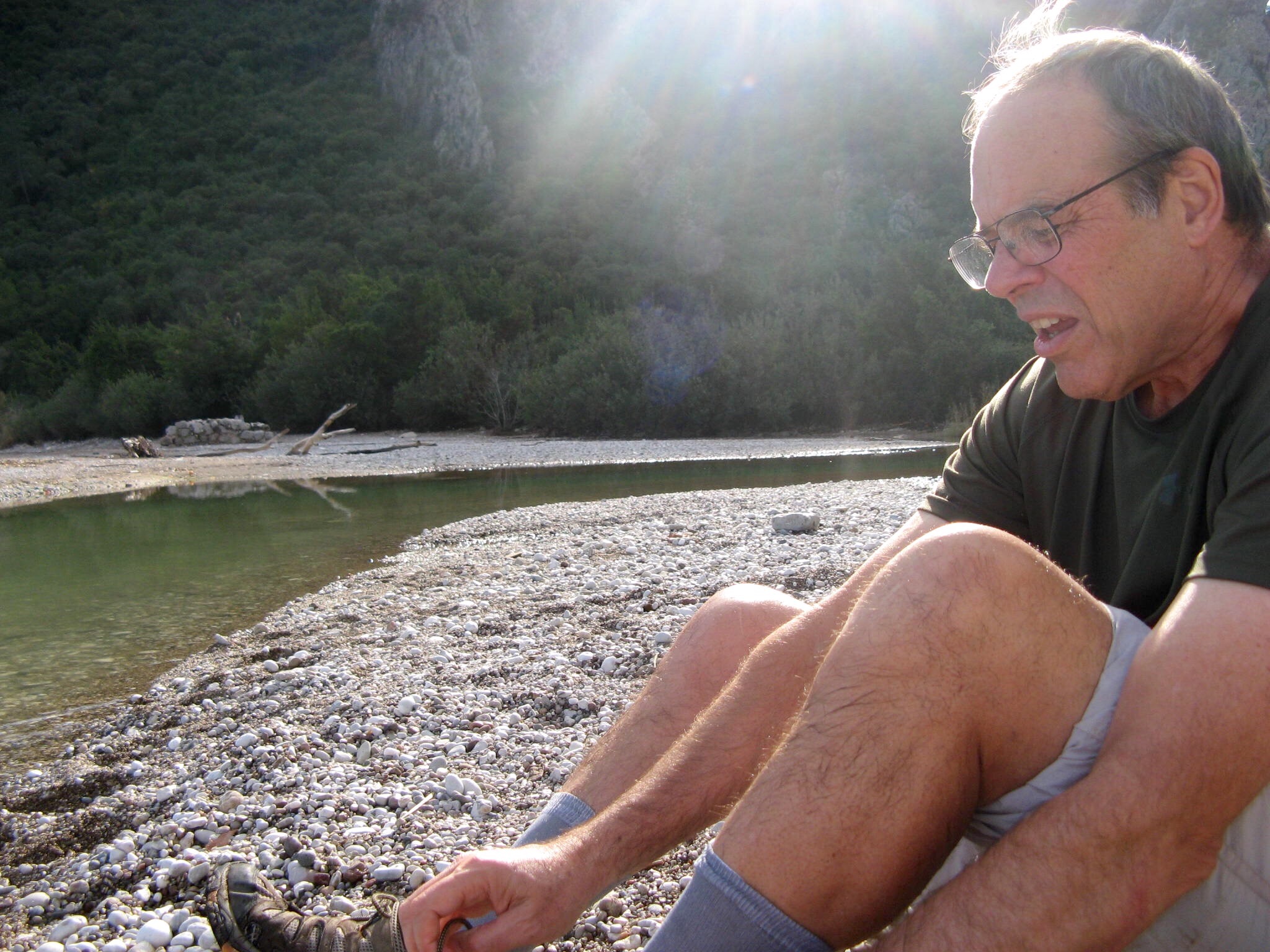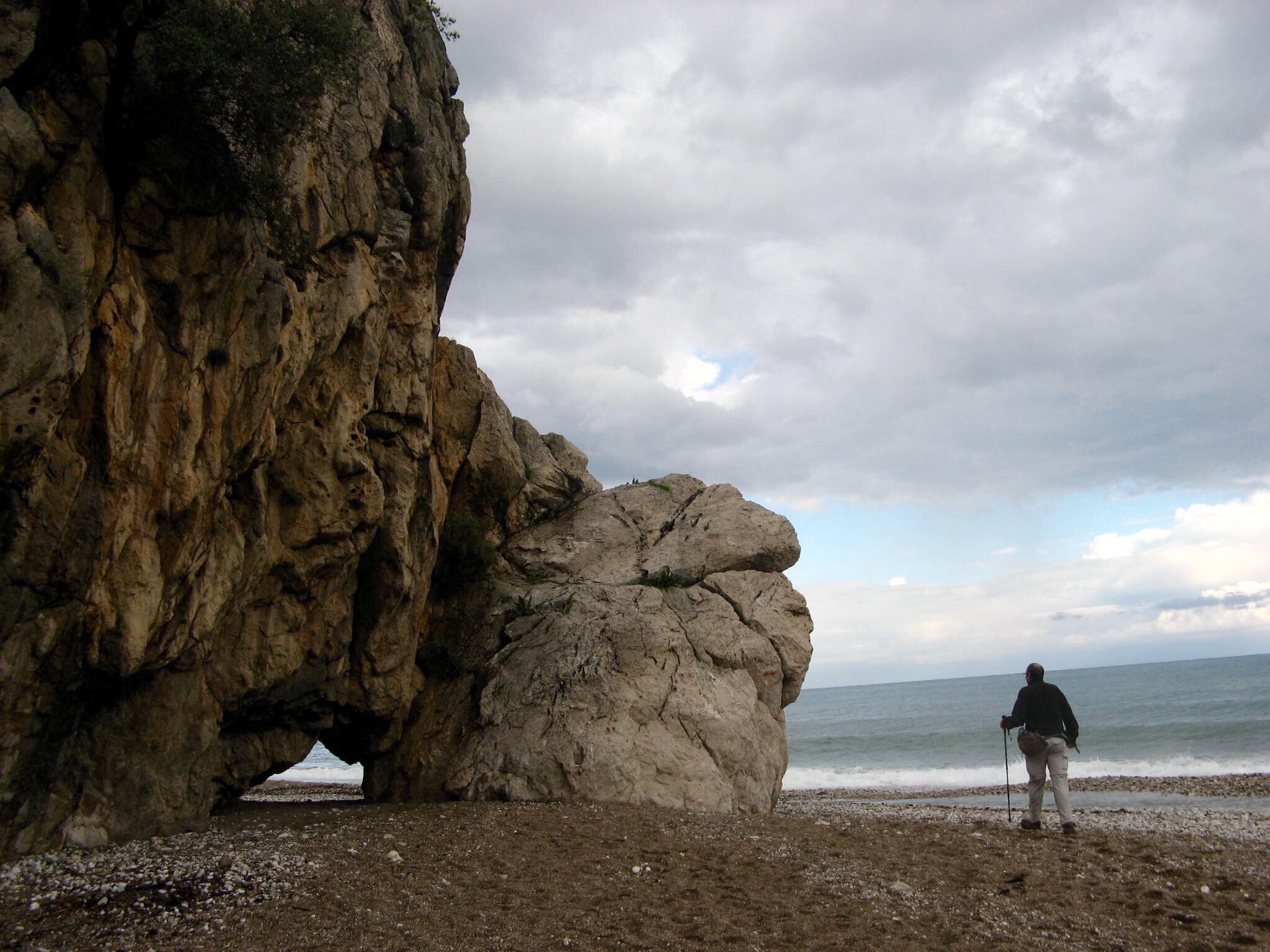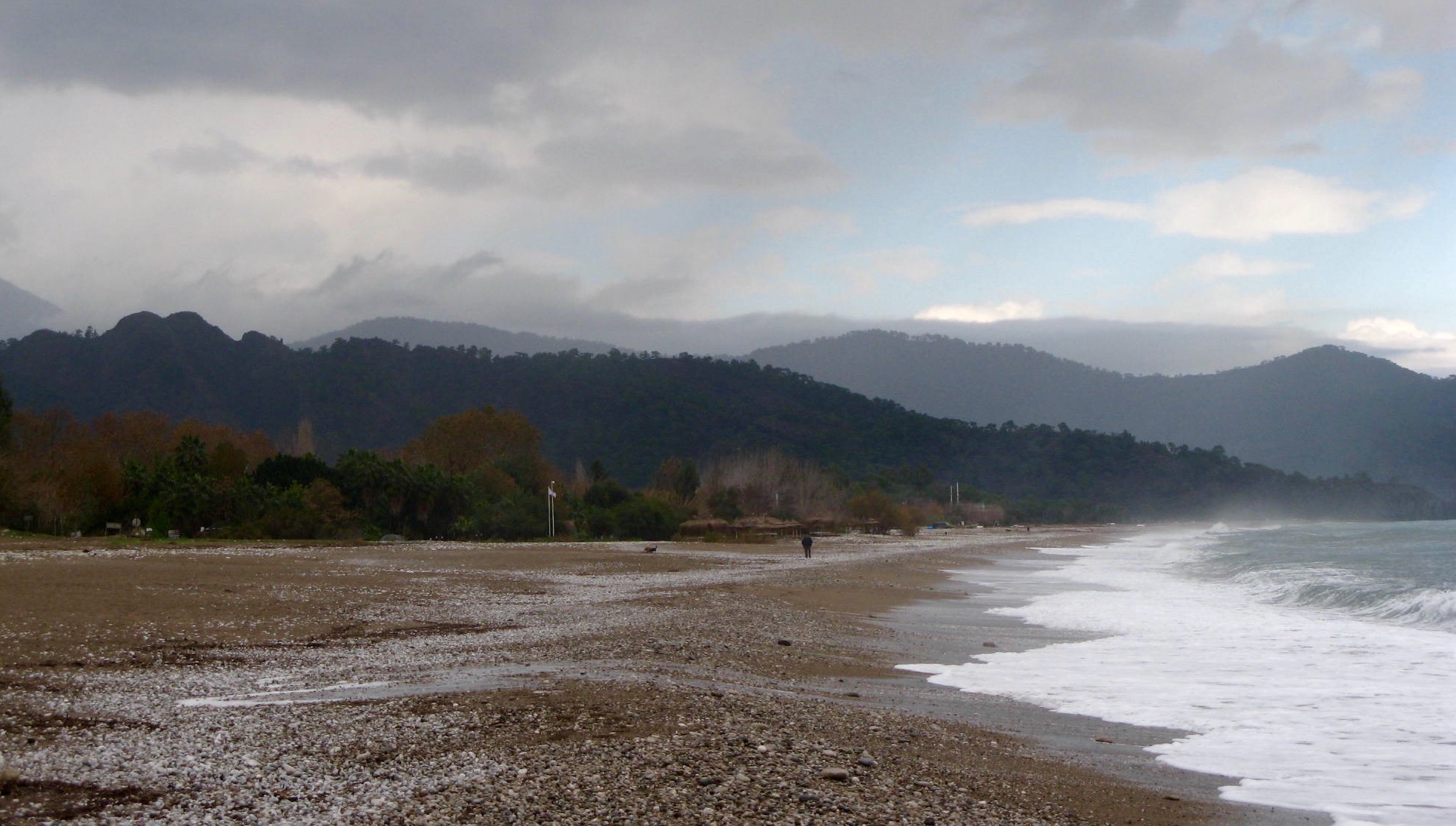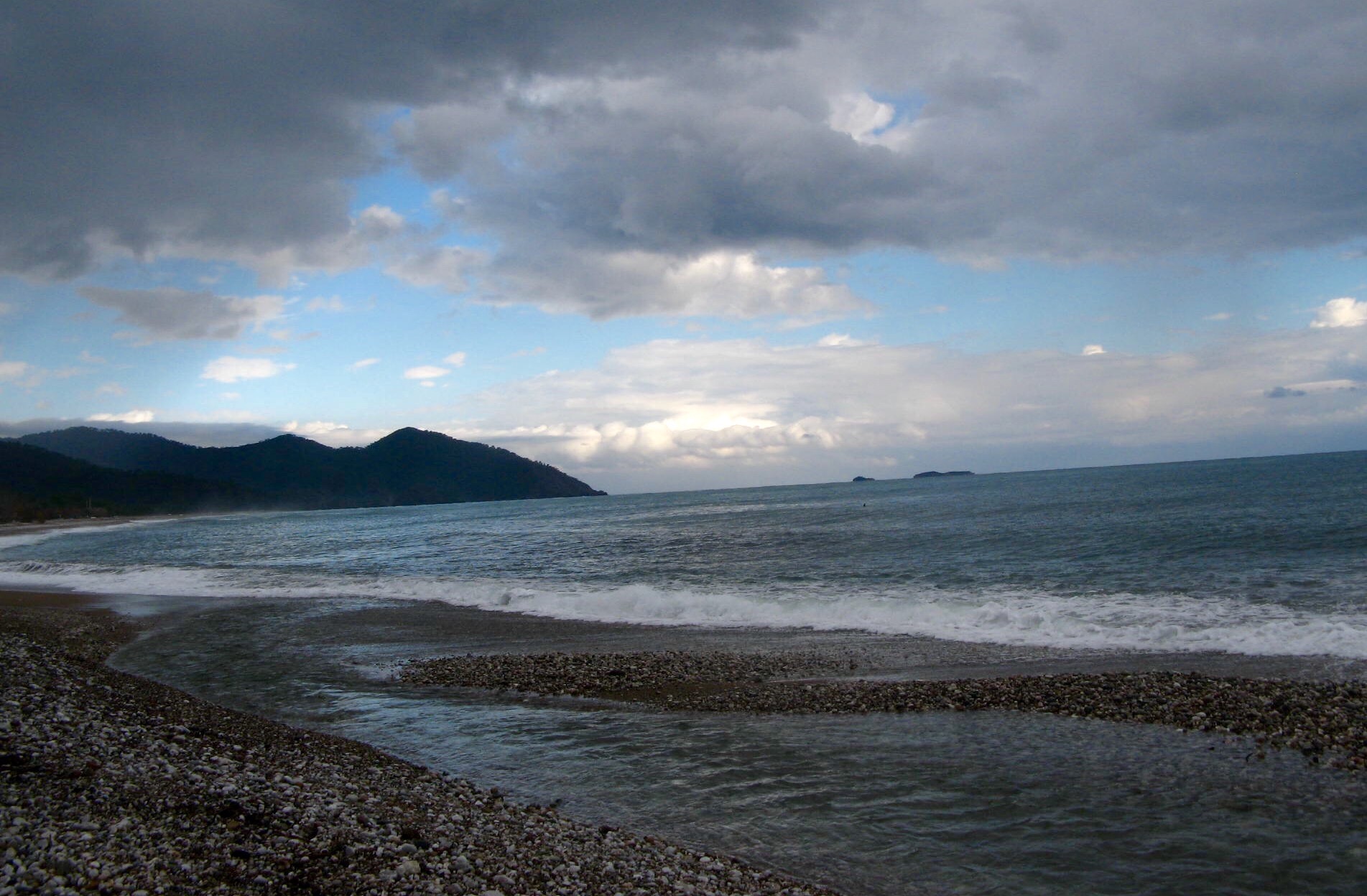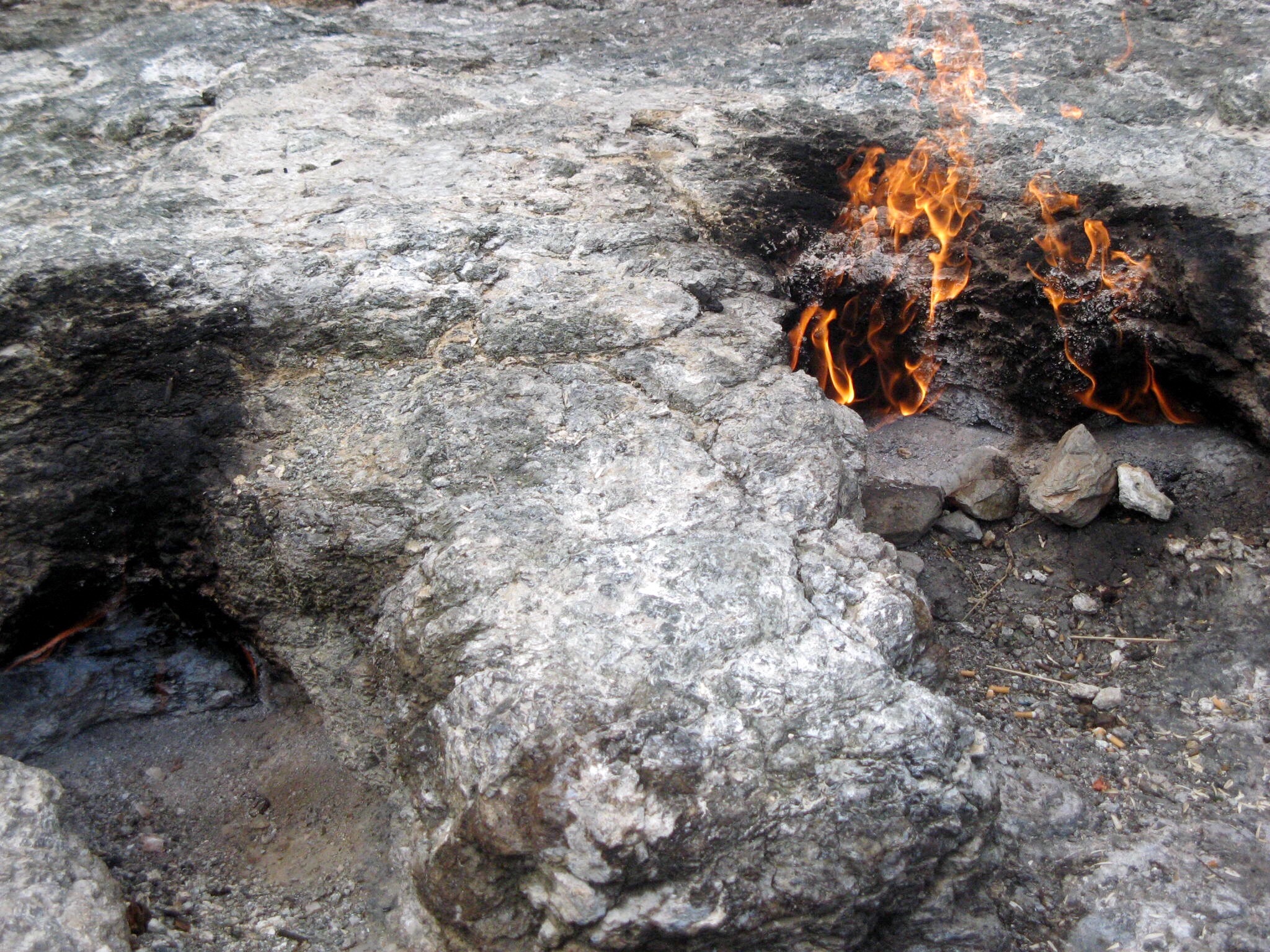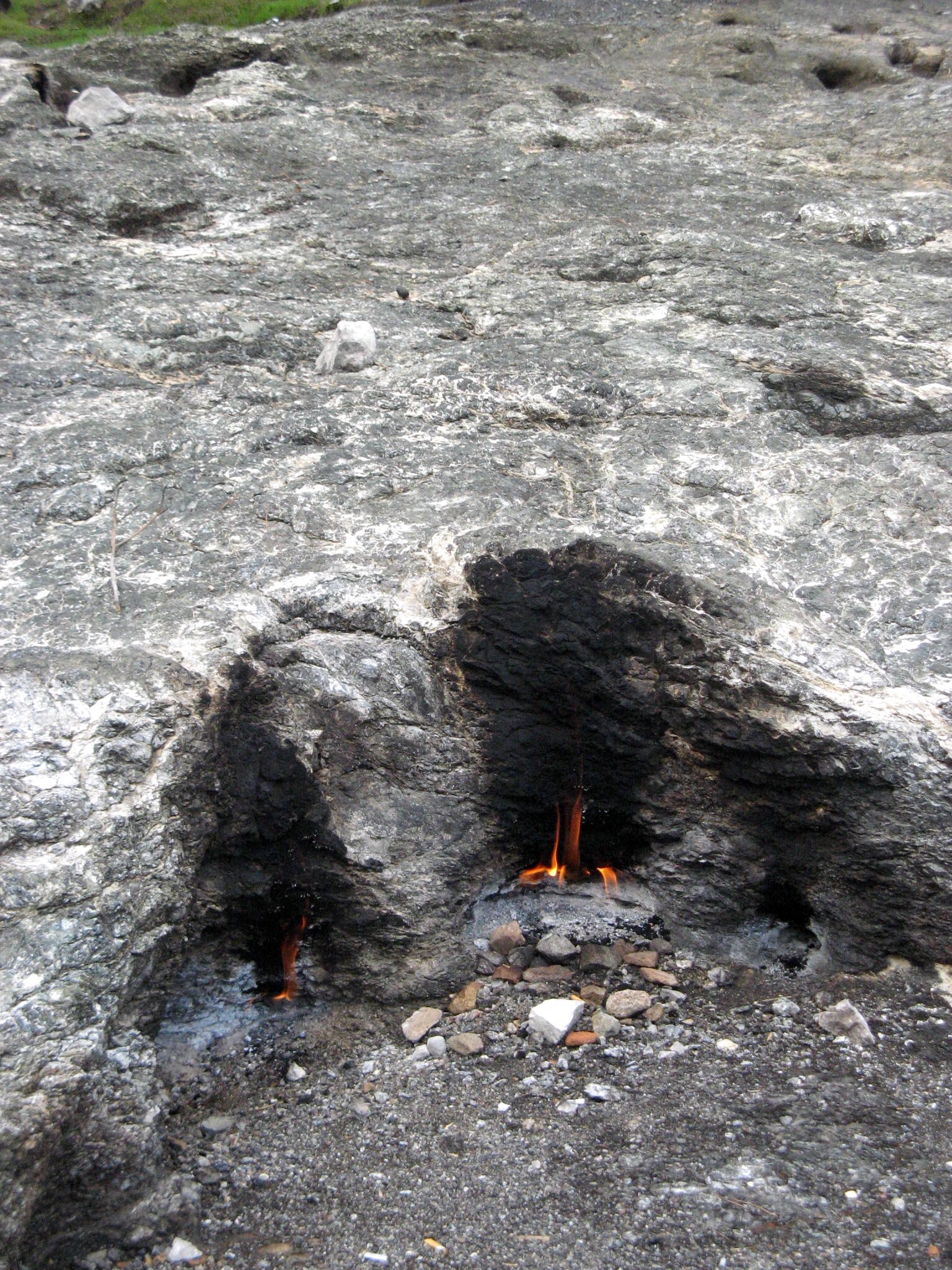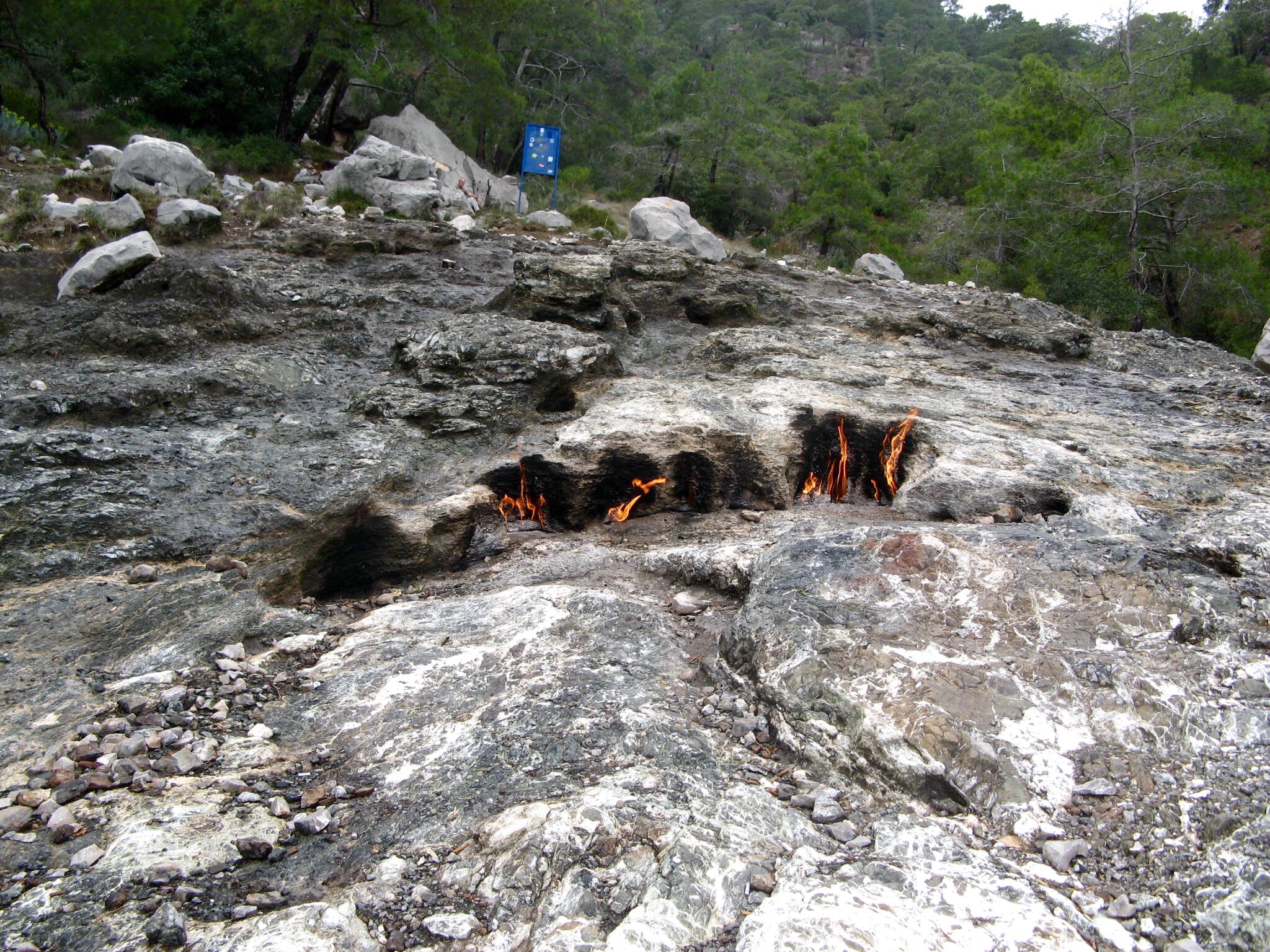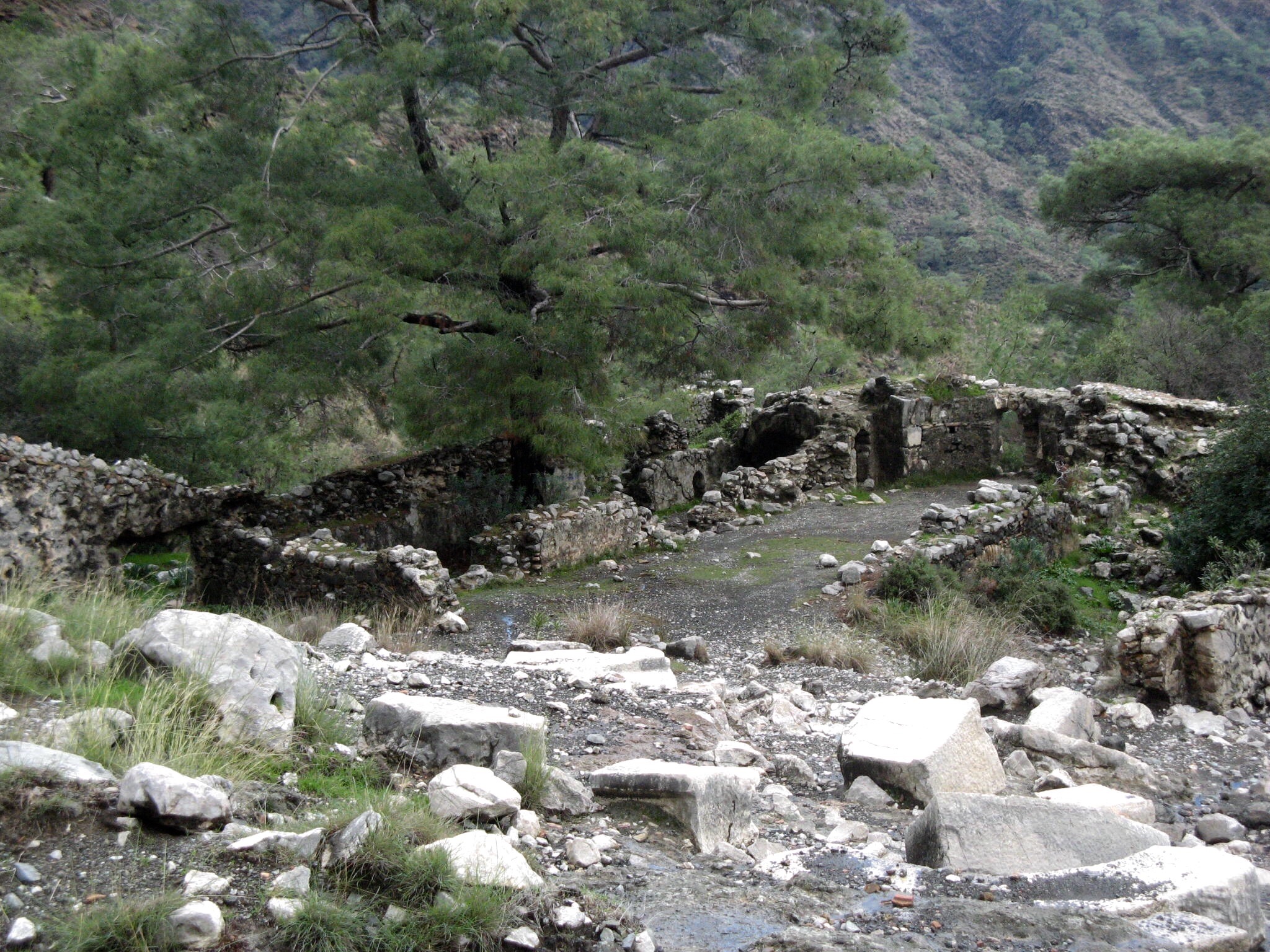
Ölüdeniz to Kas

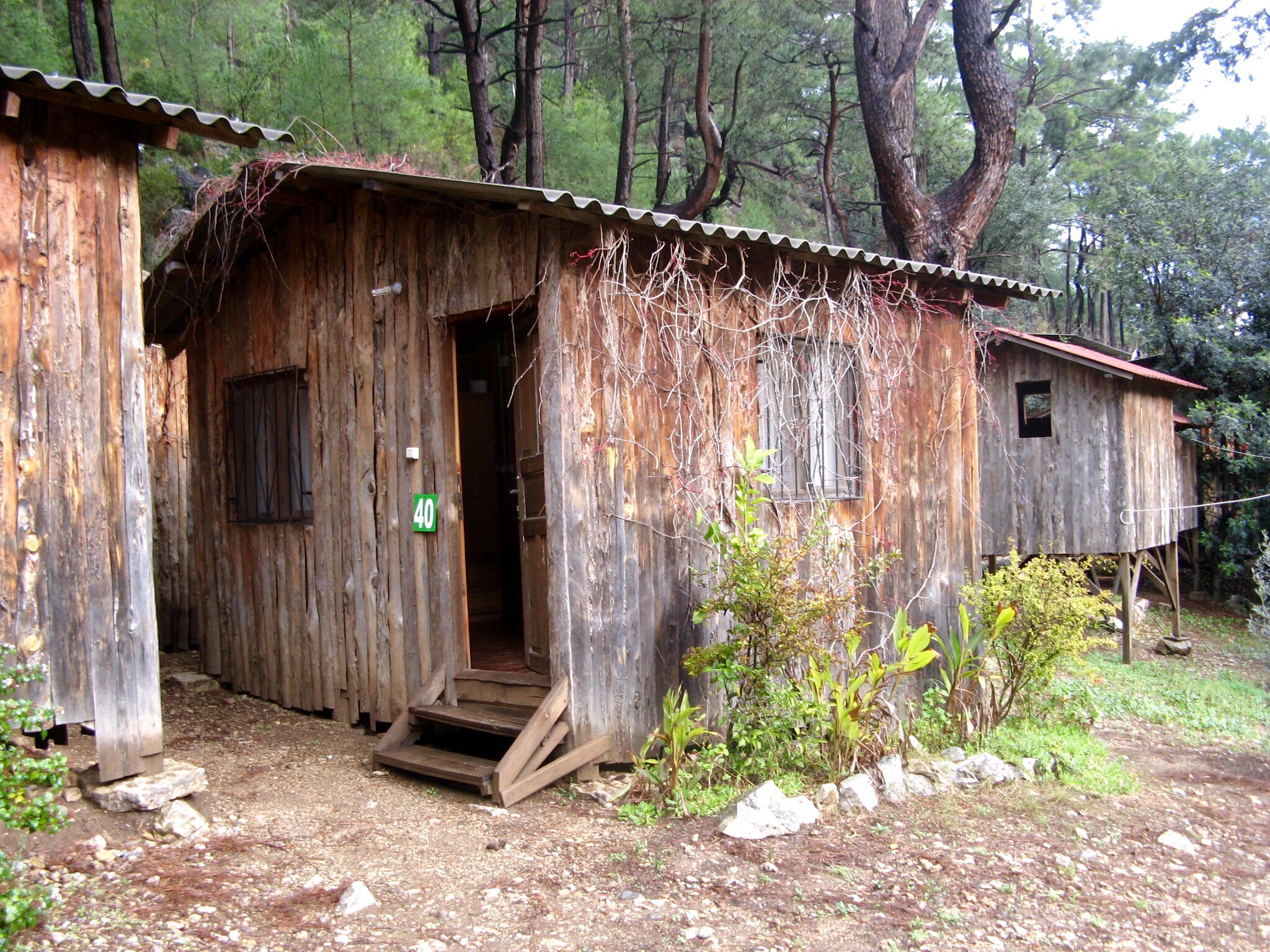
12/18 – We really loved our little apartment in Ölüdeniz. It was quiet, and the mountain scenery was beautiful. Because I am not a whiner, I haven’t said too much about the fact that we’ve not had a decent hot shower since we left Istanbul (although in Istanbul we had days where the whole neighborhood had no electricity or water…), and the sinks only run cold water, so we have to heat water on the stove to wash the dishes. I try to adjust my expectation level to my surroundings. I don’t want to be one of those people who demand that the rest of the world change to suit me.

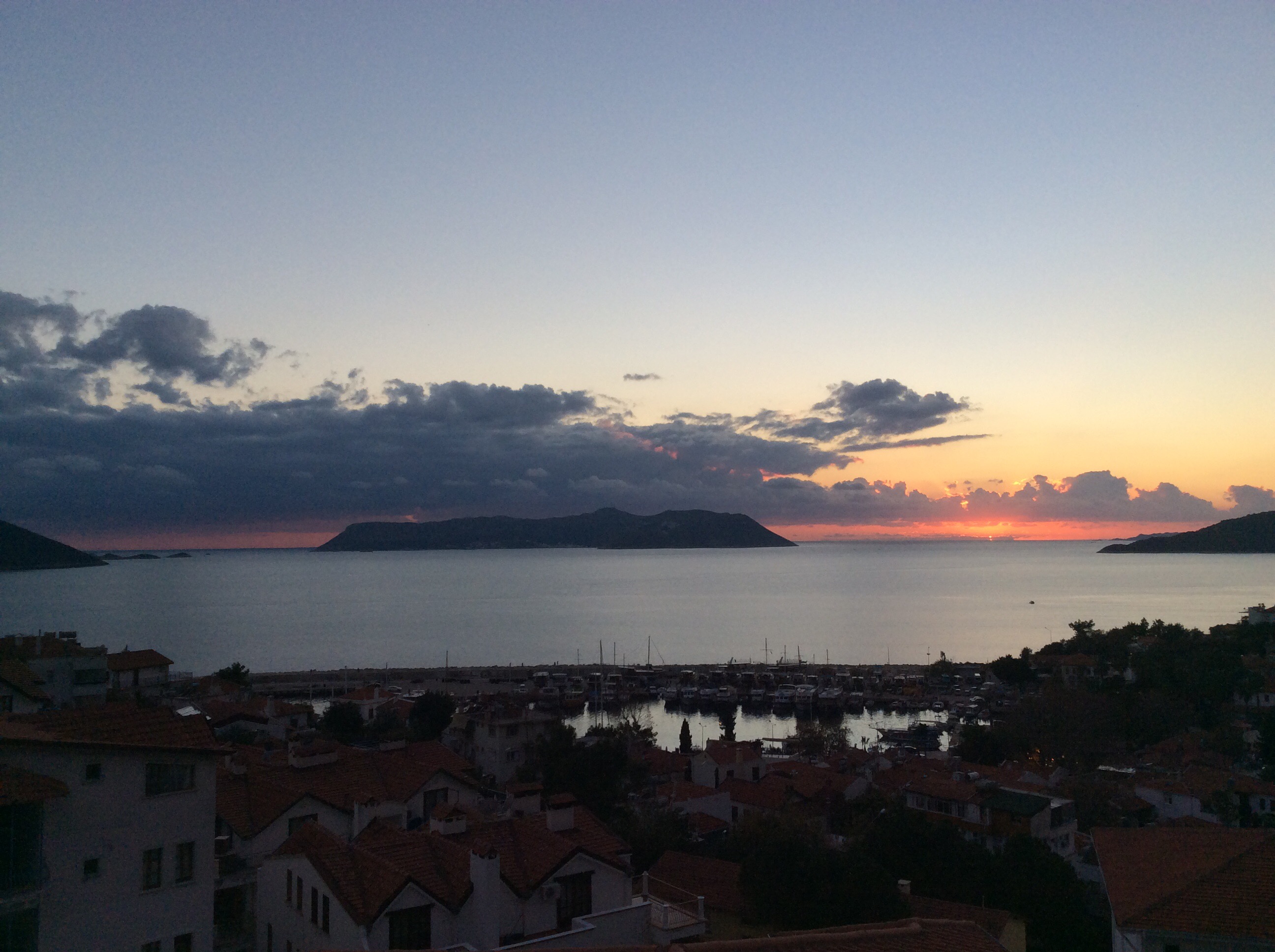
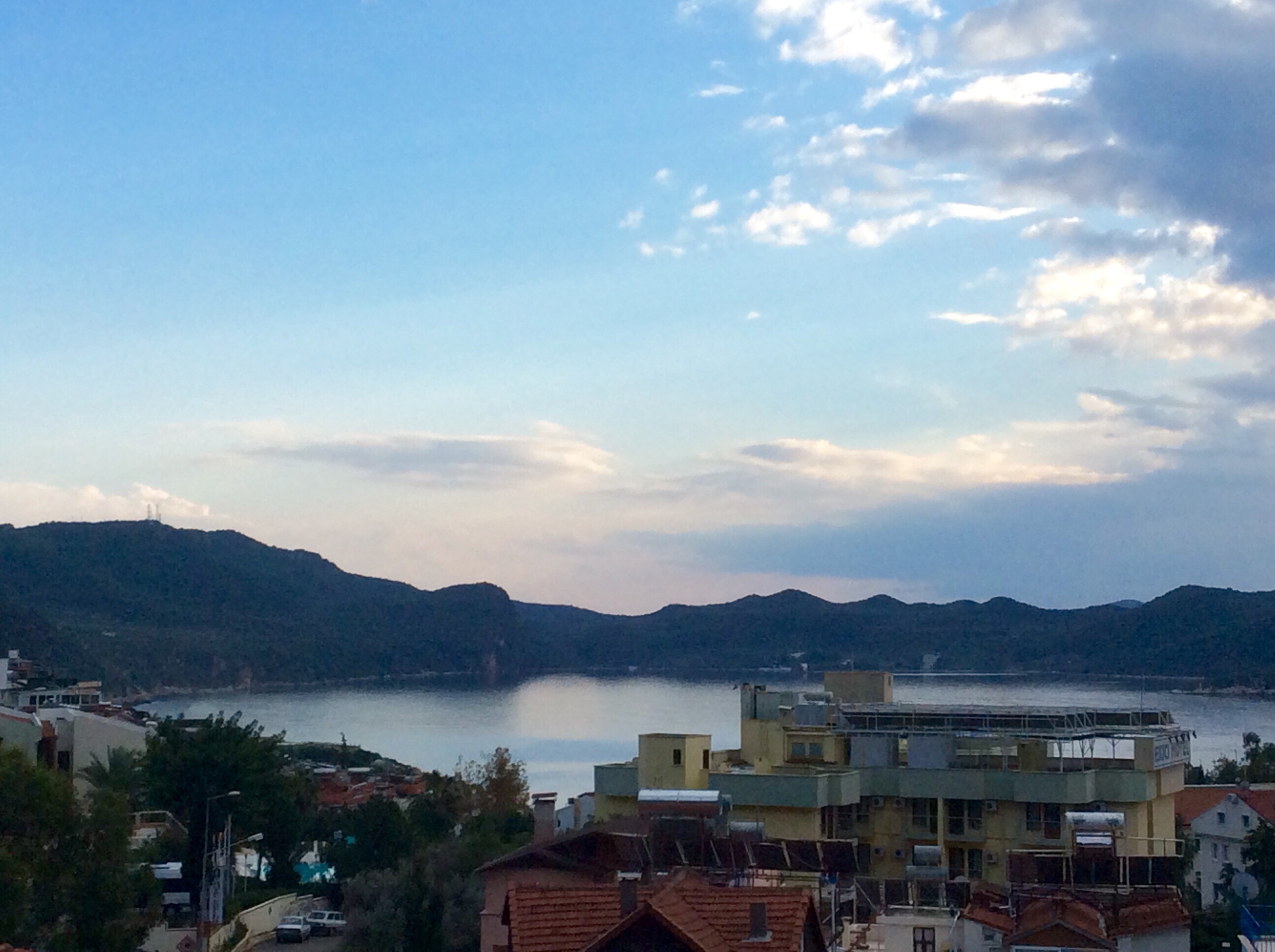
All this to say, Jim rented us a modern apartment with a view of the ocean in Kas (rhymes with Posh) for Christmas week. I am considering this my best present ever!

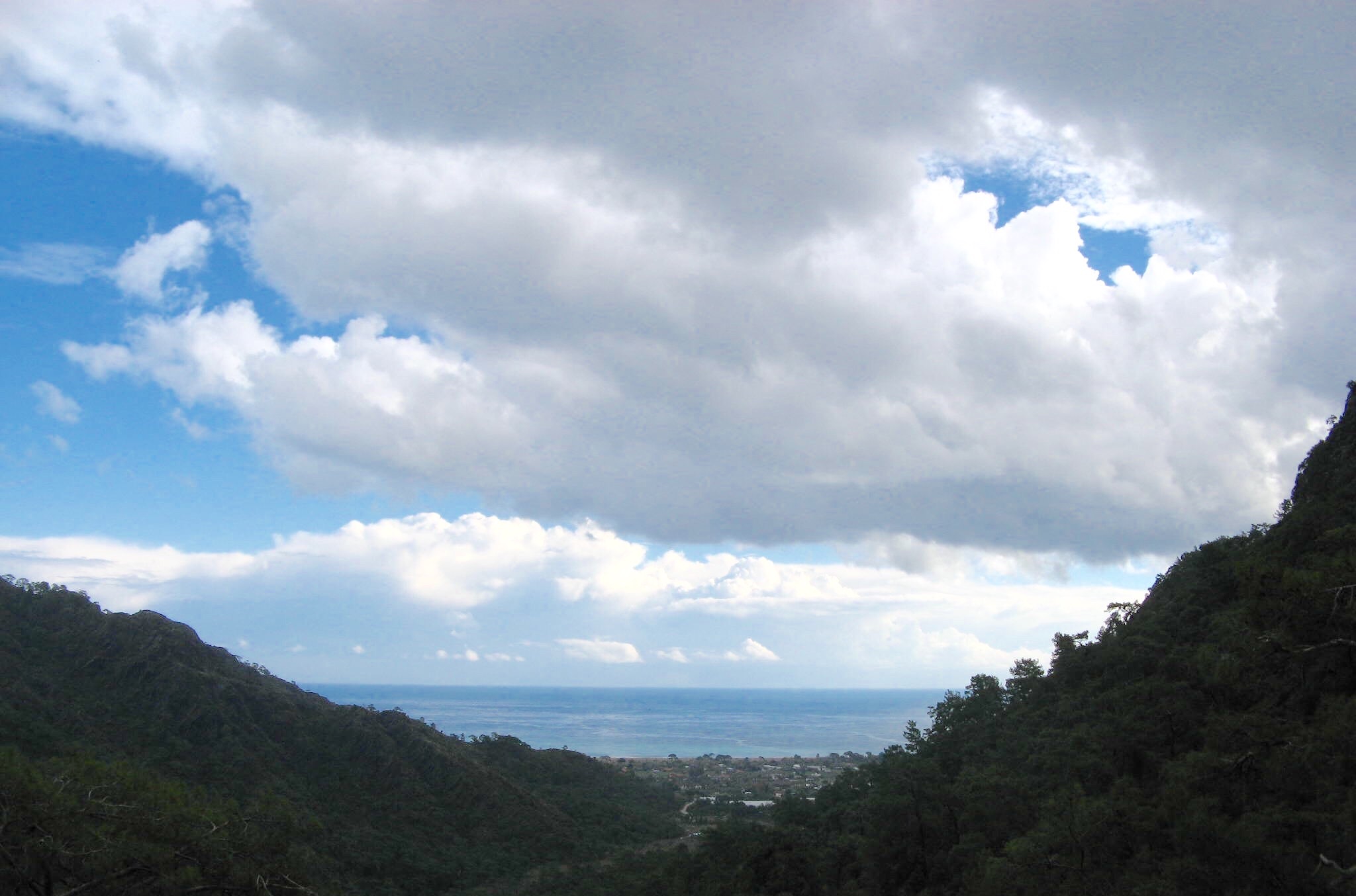
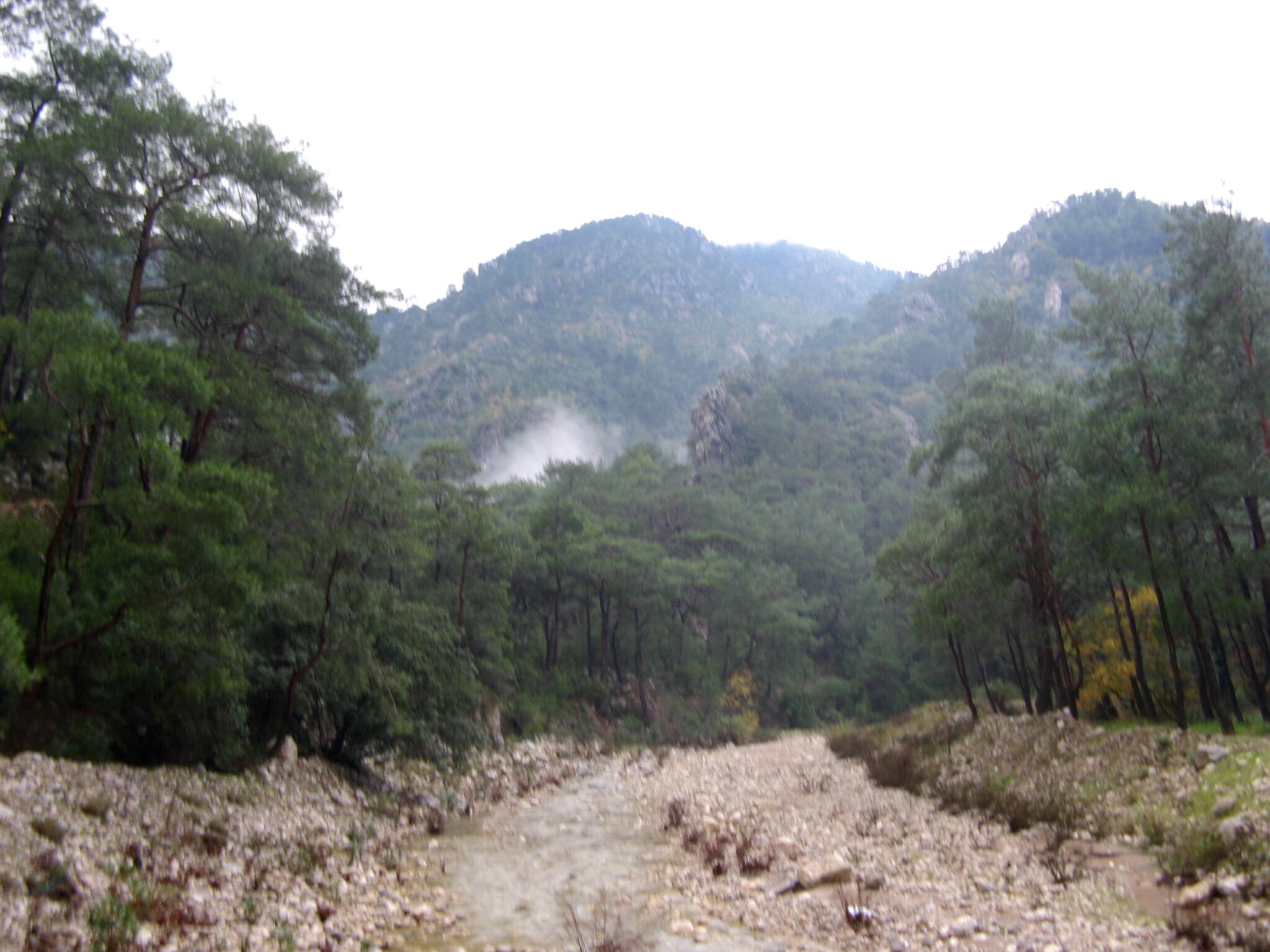
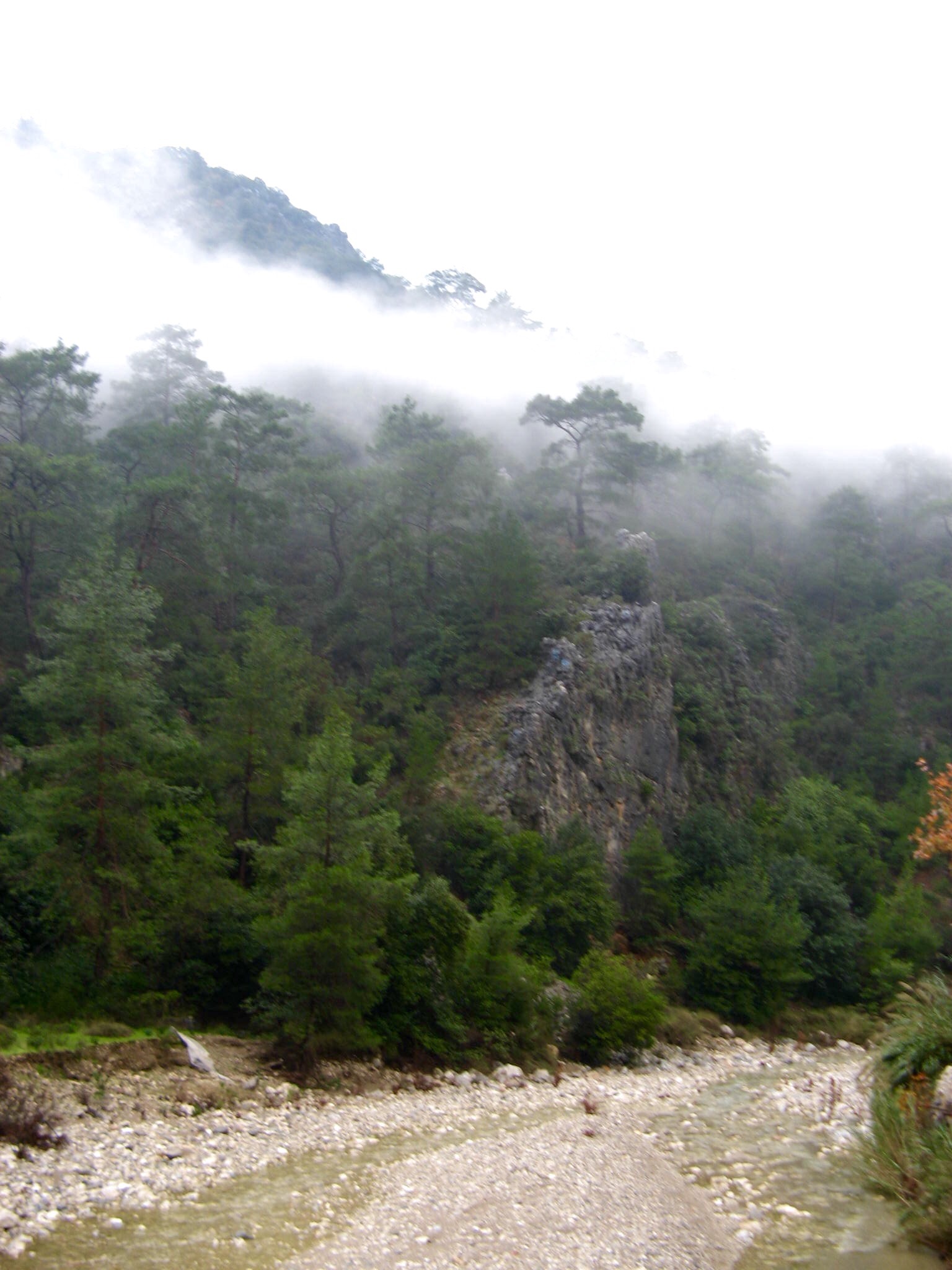
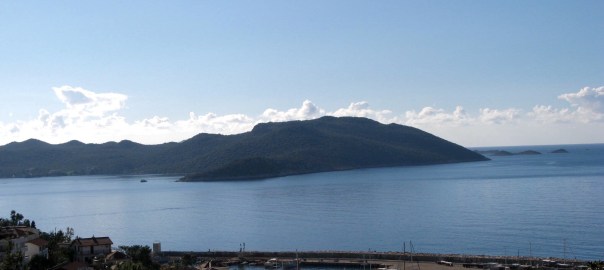
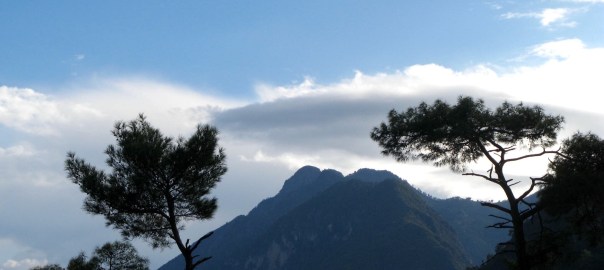
A 20 minute dolmus ride got us back to the Fethiye otogar, where we walked right onto a bus heading for Kas at 9:30am. A two hour ride south along the Mediterranean coast, and we were there! Pics of gorgeous mountains and clouds from the bus:image

image

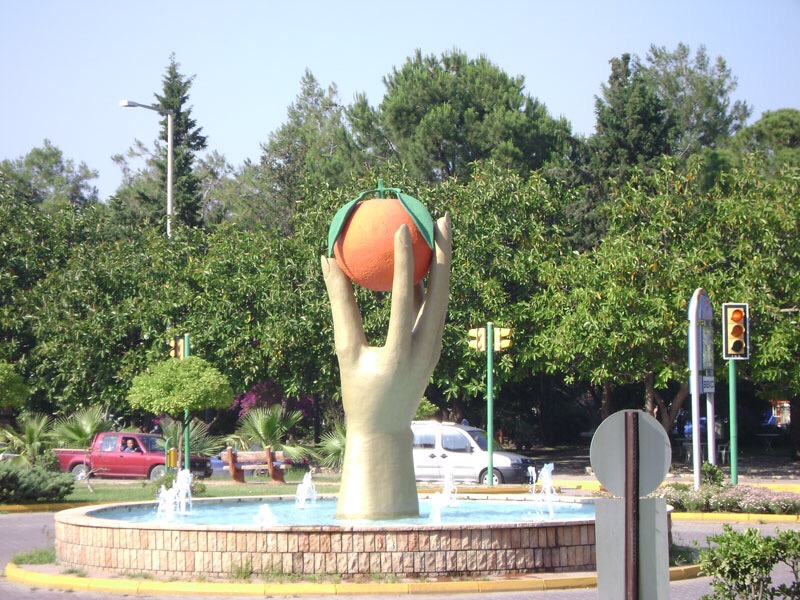
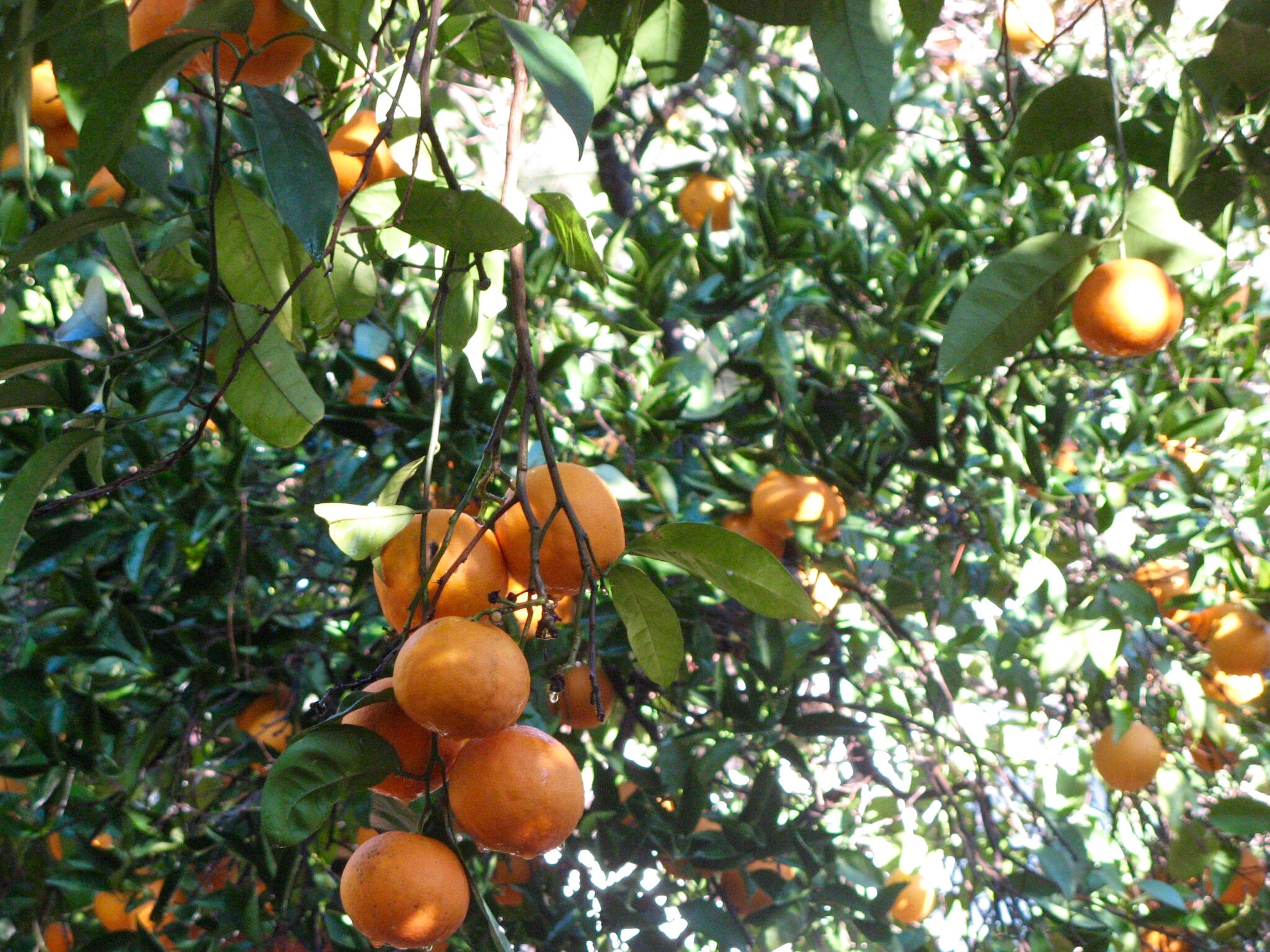
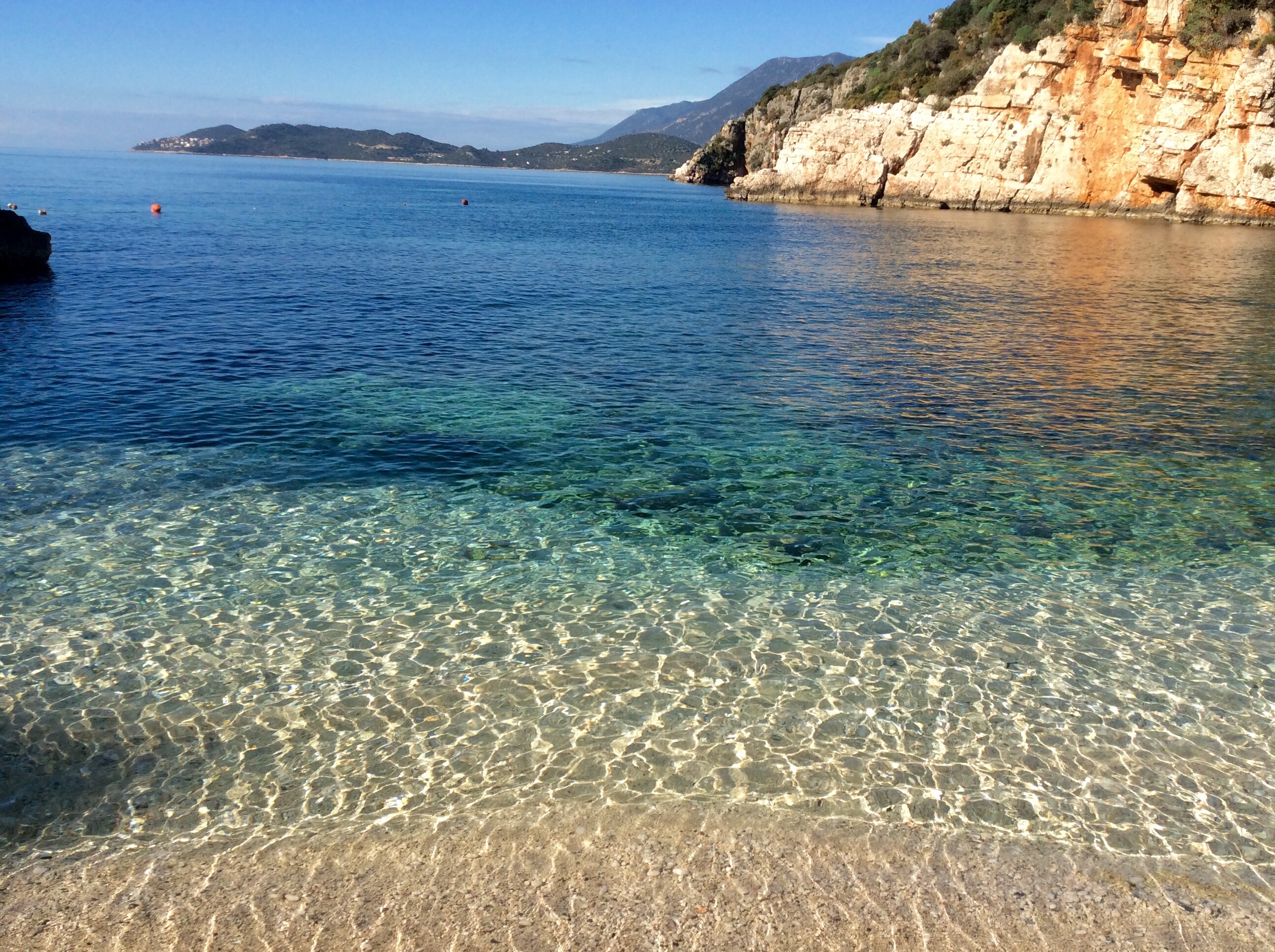
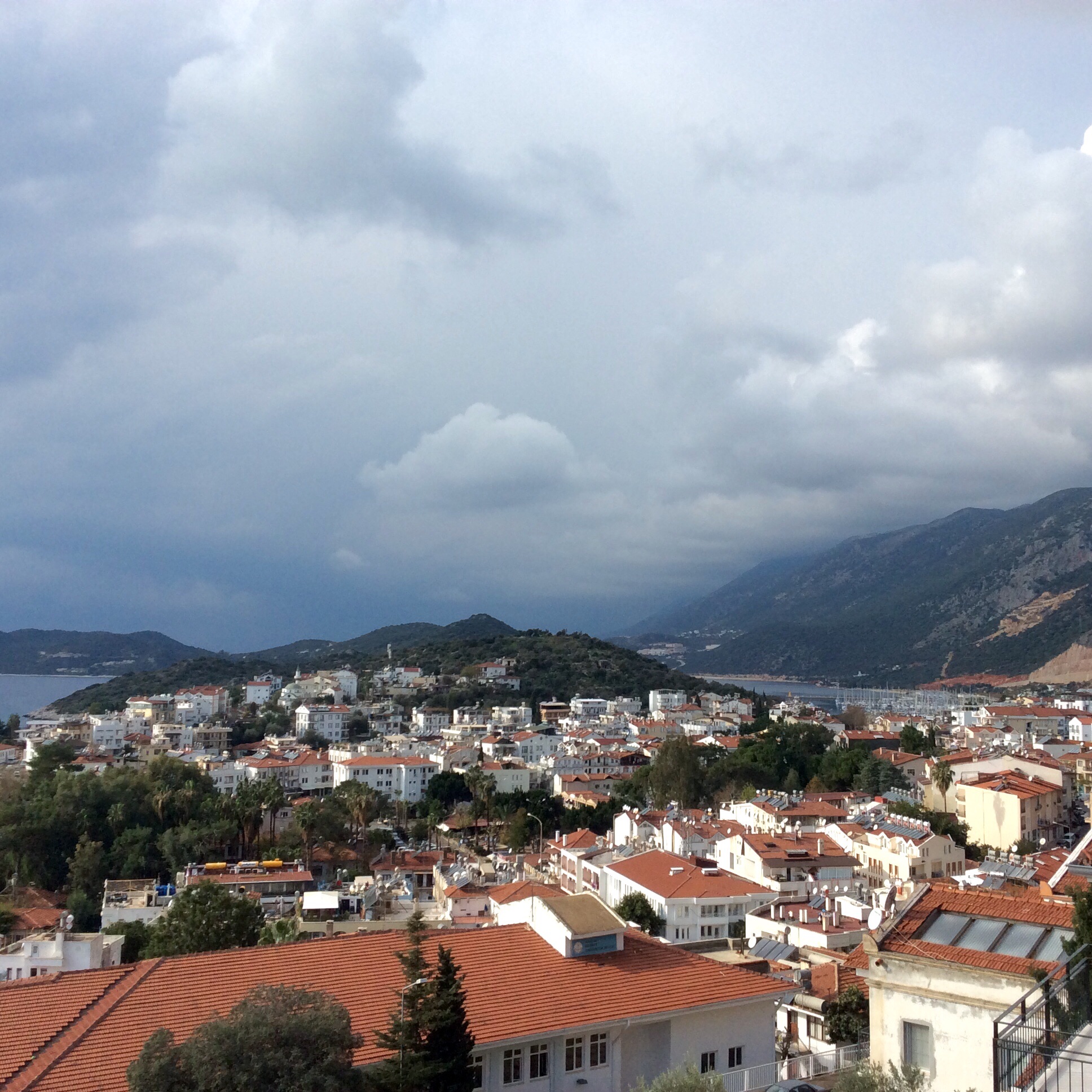
As soon as we stepped off the bus, I knew we were in heaven. Right on the ocean, with balmy breezes, citrus trees and tropical flowers blooming.

image

Jim picked this apartment as it got a 9.1 rating on Booking.com (that’s very good!) However, new ratings within the past few weeks complained that a new hotel was being built next door, and the construction noise and jack hammering caused some people to change hotels. Jim emailed the proprietor with his concern, and said we would reserve for only one night, so we could assess how awful the noise was.

We arrived at Kaputas Apart, and walked up the 131 steps to reception. (Yes, I counted them! You have to suffer if you want to get a view…). The proprietor walked up with us, pointing out the apartment we had booked, then taking us up to the penthouse, where he was graciously upgrading us, so we would be above the noise! Oh happy day!

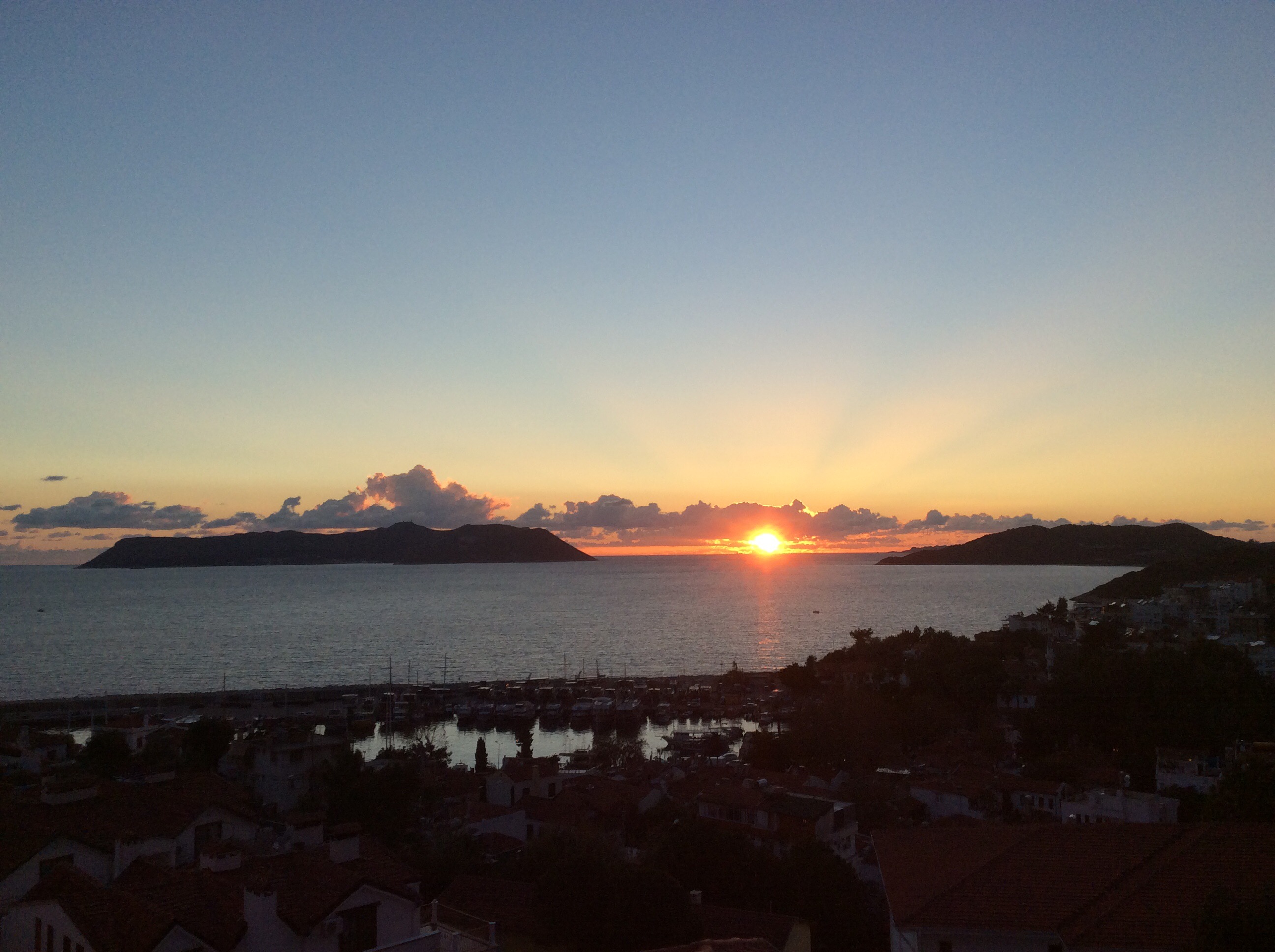
So here we are, with sinks that run both hot and cold, a stove that lights itself without fiddling with a match and a propane tank, a flat screen TV (no English channels, oh well), two couches, a dining area, a modern bath and a terrace with a view that can’t be beat!image

image

image

image

Life is good!

Ölüdeniz – Kayakoy/Karmylassos

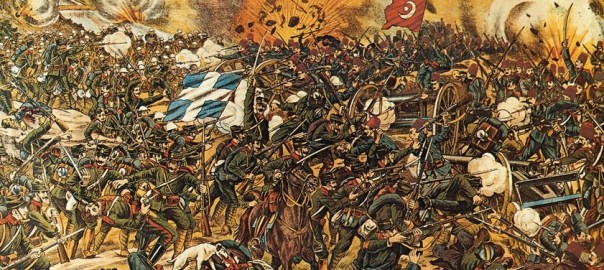
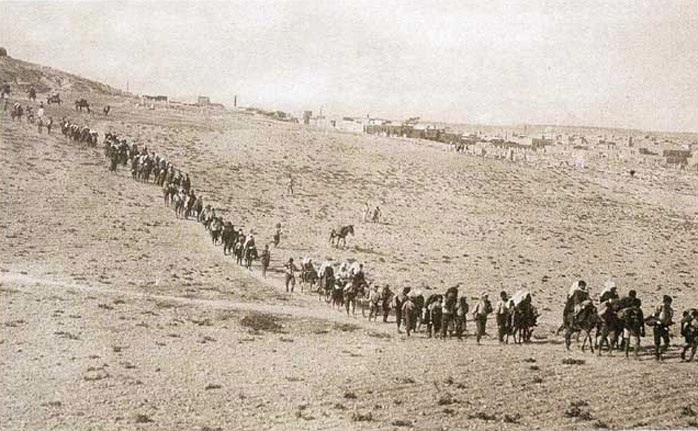
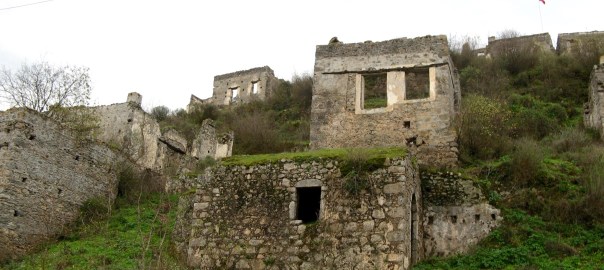
12/16 – today we went back to the Lycian Way and walked the other direction to visit Kayakoy, a hillside village that was abandoned after World War I, when the Turks drove the Greek Christians out of the country. The Greeks called it Karmylassos. Kayakoy is now being restored as a heritage site.

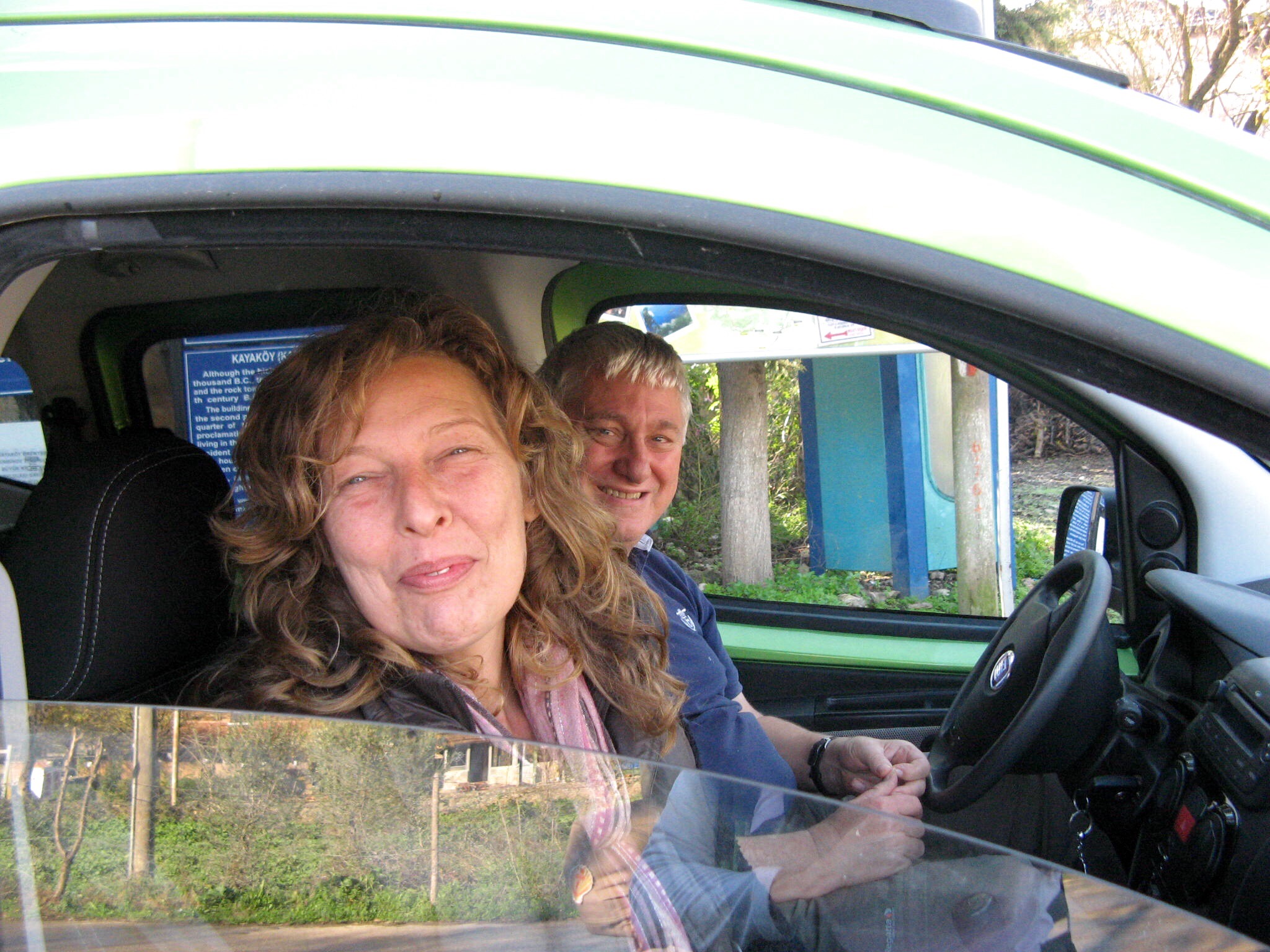
As we were walking, a car pulled up and asked if we needed a ride. We weren’t sure how much farther we had to walk to get to the village, and it was all uphill, so we jumped in. The Dutch couple had retired to Turkey, and thought we looked like foreigners. Nice People of Turkey!

/home/wpcom/public_html/wp-content/blogs.dir/24c/64656307/files/2014/12/img_5626.jpg

It was strange to see what ruins look like after less than 100 years. We have been learning about the fall of the Ottoman Empire and the nationalization of Turkey in the early 1900s. For an excellent historical novel that tells the story of this village, I highly recommend Birds Without Wings, 2004, by Louis de Bernieres.

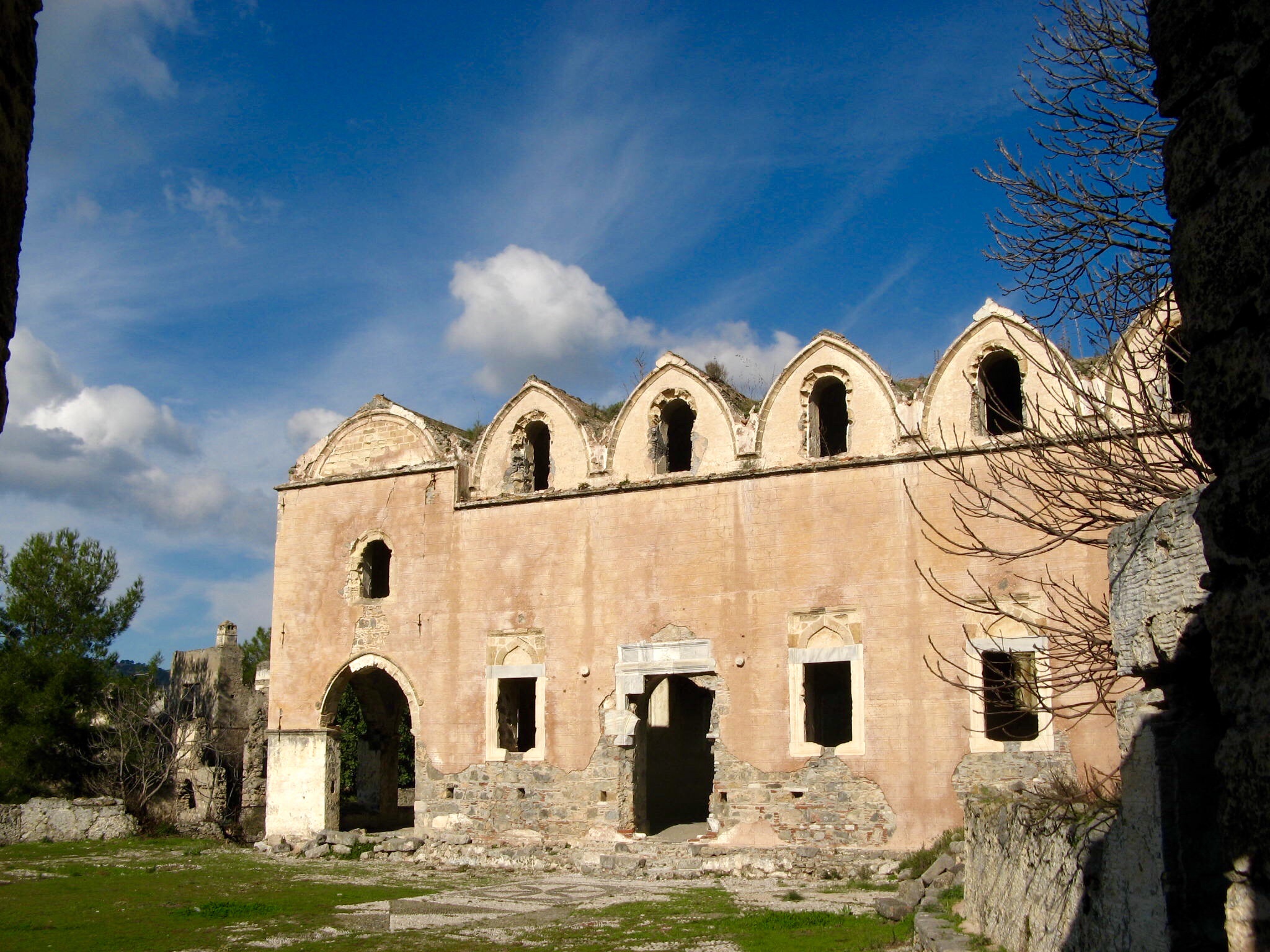
The village was eerily quiet. Here is the St. Nicholas Church.image

The remains of a mosaic on a chapel floor: image

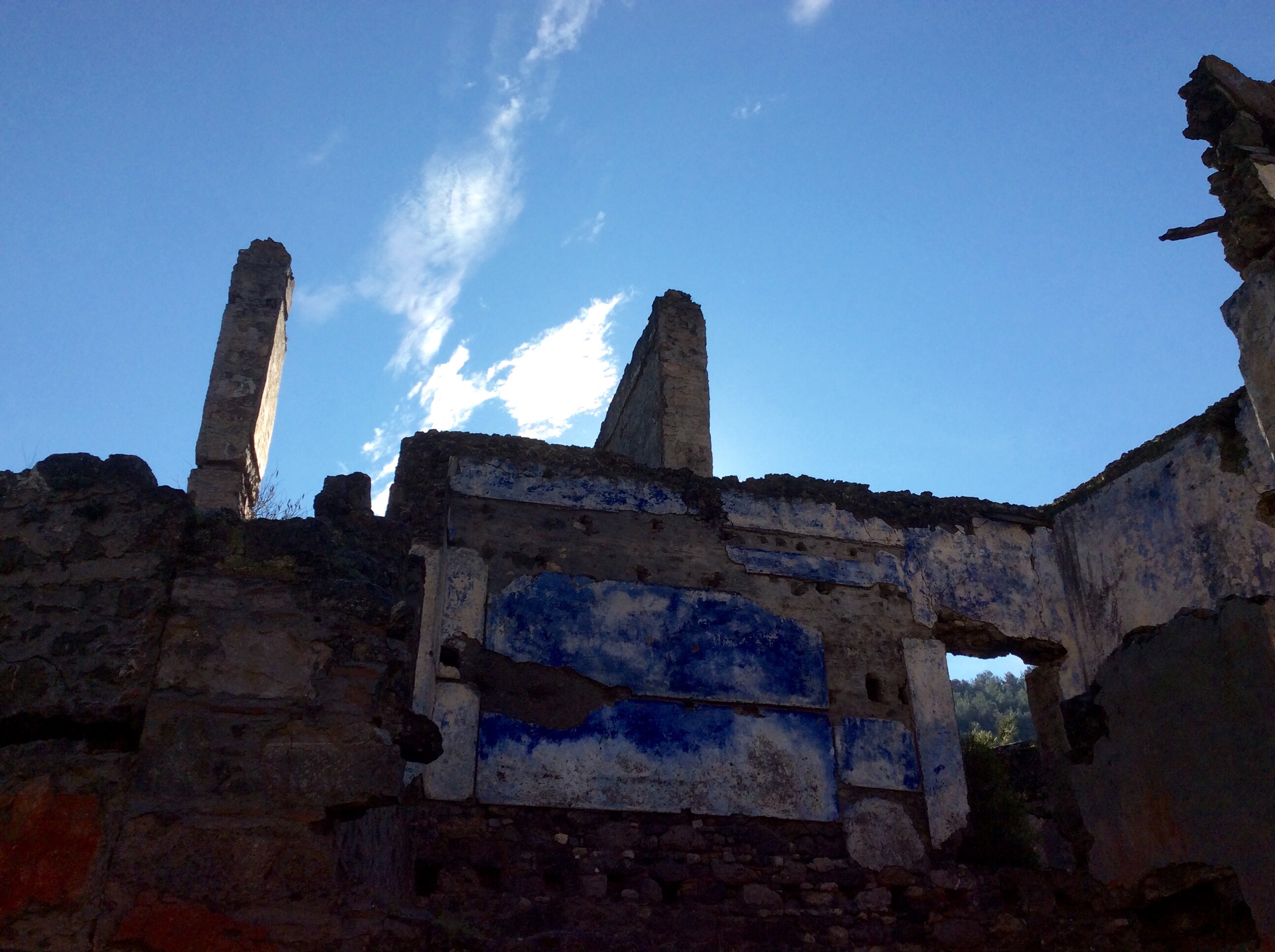
The houses had been painted pink and blue.image

image

The houses were cut into the mountainside, so the downstairs room was cool. No hint of electricity or plumbing. Here are the remains of a kitchen hearth.image

We climbed to the top of the hill.

/home/wpcom/public_html/wp-content/blogs.dir/24c/64656307/files/2014/12/img_5619.jpgimage

Some of the buildings at street level have been repurposed as restaurants, as tourists are starting to travel here.

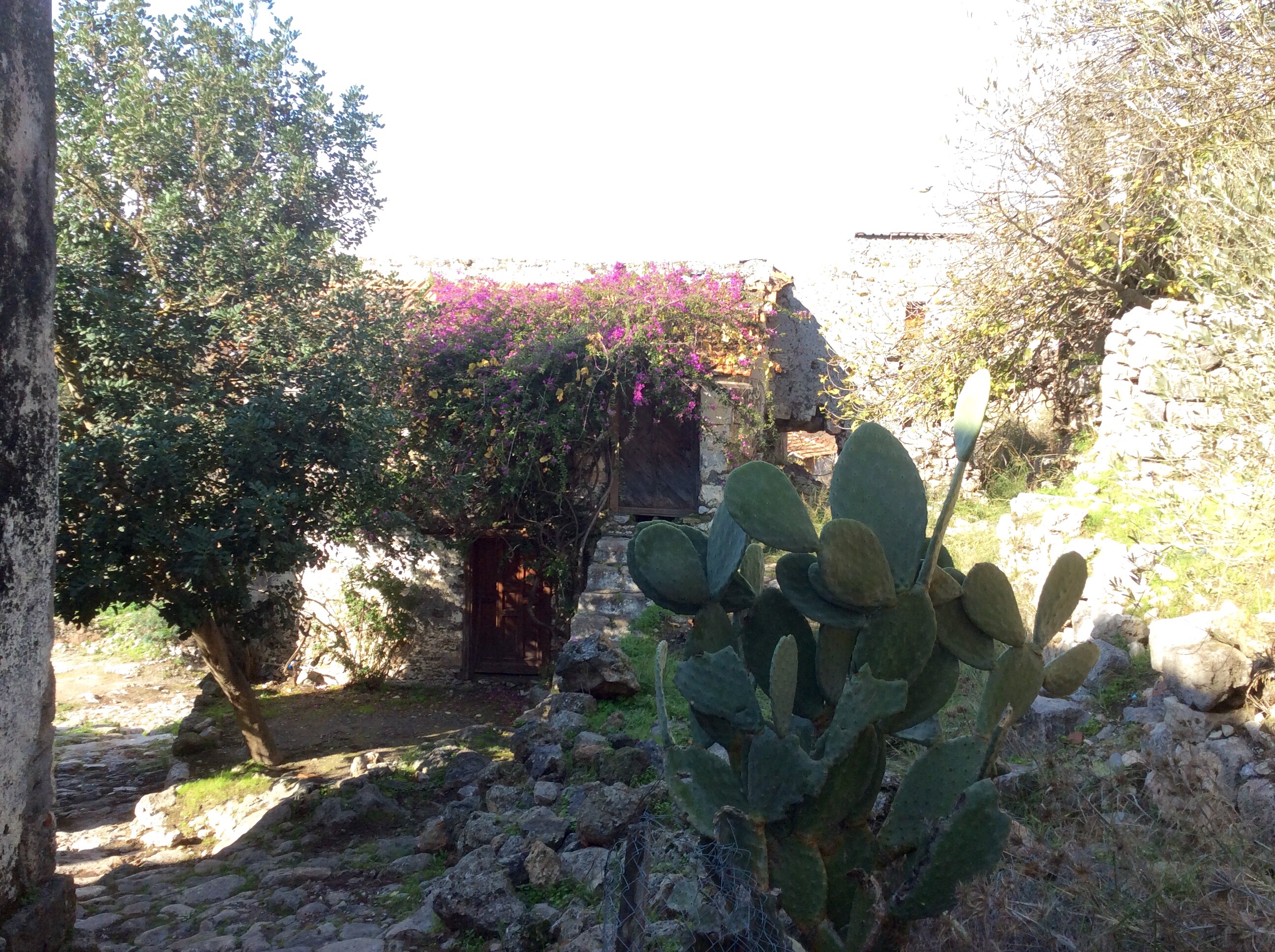
The grass still grows, and the flowers still bloom.image

image
Such beautiful surroundings for such a sad story!

Ölüdeniz – Babadag and the Lycian Way

12/14 – One of the main reasons Jim wanted to come to this town is that it is the start of a 300 mile way-marked trail called the Lycian Way, or Likya Yolu. Without our tent and stove, we are not prepared to hike this long and challenging trail, but we would like to do some day treks to hike it part way. The man who rented us the apartment didn’t know much about it, so we are going to have to find it ourselves. There is a trail guidebook, but we haven’t figured out how to get Amazon to deliver it to Turkey!

We set out from our apartment on the road that leads up the mountain, figuring this would be the logical direction. It’s a beautiful afternoon for a brisk walk up a steep hill.image
image

On the way, we pass the Hotel California – who knew? image

Jim investigates an old water cistern.image

The town where we are staying caters to Brits on holiday, and there’s lots of construction of condos and villas up in the hills.image

Fortunately, the original residents haven’t all been driven out.

image

We see a sign and a flag at the top of the hill, and eventually reach it. It is not the Lycian Way, but the entrance to Babadag, where folks more adventurous than we come to parasail off the mountaintop over the ocean.image

image

A lovely trek, but no Lycian Way here.

12/15 – Next day we set out in the other direction, downhill toward the sea. image
image

We pass the group of old men downtown sipping tea. Guess every town has them. image

This time we find the right road:image image

The trail is marked with red and white blazes.image

We follow the trail to where we can see the Mediterranean Sea, and and walk the ridge until we can see the famous Blue Lagoon. The white sandy beach with clear turquoise water is where the sun worshipers flock all summer. It is a gorgeous sight.image

image

image

image

A beautiful day in December, where butterflies still fly and roses still bloom. Life is good!image

Pamukkale to Ölüdeniz

12/13 – Our transport worked like magic this morning – as we left our pension for the bus stop in Pamukkale, a dolmus pulled up and the driver asked if we wanted a ride to Denizli. Yes! Getting out of the dolmus at the Denizli bus station (otogar) 20 minutes later, we were just asking the driver where to buy our next ticket when a man came over to say the bus to Fethiye was just leaving – did we want to jump on? Yes!

The bus had to climb some serious mountains to get to Fethiye. Here’s what we saw out the bus window:

IMG_5491.JPG

IMG_5525.JPG

IMG_5516.JPG

Four hours later, we arrived in Fethiye, right in front of a cafe where we had a delicious traditional lunch of gözleme – pancakes filled with spinach and feta cheese.

IMG_5464.JPG

IMG_5467.JPG

IMG_5471.JPG

IMG_5472.JPG

IMG_5459.JPG

We asked where to catch a dolmus to Ölüdeniz. Right on the corner! In 10 minutes we were on our way, and I turned on my GPS to see how far we would have to walk from the town center to get to our new apartment. The dolmus was going right down our street, so we yelled Dur! (Stop!) and he let us off right at our front door!

So here we are in a sunny apartment with our own kitchen, right down the road from a produce market, a butcher and a Wishy Washy. Who could ask for more?

IMG_5549.JPG

Here’s the view from our balcony:

IMG_5530-0.JPG

We’ll be spending the next month or so in southern Turkey, hiking, relaxing and hiding from winter as much as we can. Stay tuned!

Pamukkale – Travertine and the Apostle Philip

12/12 – Woke up to the patter of rain on the roof, after a rocky night’s sleep (there is an honest-to-god disco next door to our hotel, and the Turkish hits just kept coming until 2am!). We contemplated changing our plans for the day, but while we were eating breakfast (olives, tomato, cucumber, feta cheese, bread and a boiled egg) the sun came out. Yay! It’s off to the thermal pools!

The thermal pools put Pamukkale on the map. Tourists come year round to take off their shoes and walk up a hill of white travertine while their toes experience pools of water ranging from icy cold to steamy hot. image

Here’s where you must take your shoes off:image

It was a chilly morning (55 degrees), but this is not snow – the hill is made of calcium carbonate deposited by the water from the pools.imageimage

Although the sky was turning increasingly gray, the pools were a lovely shade of blue.image imageimage

The farther up we walked, the warmer the water became until steam was rising above the pools. image

At the top of the travertine is the start of the ruins of Hierapolis, which means Sacred City. These ruins are not as extensive as those in Ephesus, and showed less white marble, but had many similar features. There were no crowds at all. image

image

The sky was quickly turning dark, so we made a beeline for the top of the hill, to see the tomb of the Apostle Philip, just discovered in 2011.

Here is the tomb, made of white travertine block:image

image

The Church of the Sepulcher was erected around the tomb in honor of Philip in the 5th century.

In addition to the church, there is a martyrion, which contained 36 little cells around the outside. Pilgrims slept in one of the cells overnight, and healing would occur while they slept. I’d never heard of this. Here is the picture from the descriptive sign at the site:
image

As we contemplated Philip’s resting place, the sky opened and the rain poured down. It was a cold and slippery walk back down the hill.

Free from ideas

I love Jim’s perspective!

beinghere2014's avatarBeinghere

We visit the ruins at Ephesus and the Ephesus Museum in Selcuk, Turkey. We see images and objects dated from the 9th century BC.

The earliest deities were goddesses among hunting/gatherer societies. Scholars note that male deities became more prevalent with the domestication of animals and agriculture. Farming includes defending your land if attacked. Large animals and warfare require upper body strength, making men feel valued — by male gods.
image

An exibit portrays three goddesses: Ana Tanrica (mother goddess — Paleolithic), Kubaba (9th cen. BC), and Kybele (6th cen. BC). There are universal features within goddess worship — woman magic, earth magic, fertility, childbirth.

image

We see examples and I gather information from the internet. One story describes Kubaba as a woman who brewed ale to sell commercially (such women existed.) The Sumarian King Marduk favored her and put her in charge of his empire. She did well. When she died…

View original post 976 more words

Selçuk to Pamukkale

12/11 – So long, Selçuk! We loved your ruins and your Roman aquaduct still standing in the middle of town.

IMG_5389.JPG

IMG_5380.JPG

IMG_5381.JPGimage

We loved your little museum that showed what Ephesus looked like in its prime, and that jewelry hasn’t changed much in 4000 years.

IMG_5375.JPG

We loved your town square filled with old men sipping tea and playing cards and Okey from morning ’til night.image

We weren’t so crazy about your pension with spotty wifi and no hot water…

This morning we walked down to the bus station to catch the 9am dolmus to
Pamukkale. There are several different bus companies in competition – one offers free wifi, one offers a free cup of tea enroute. We got a quote of 30 lira from one, and 35 from another, and haggling commenced. We were entering one ticket office when a guy swooped in and said he was a friend of the guy in the office, who really wanted us to take his bus instead.

We eventually got on a mini bus with a small tour group on their way to Pamukkale. We got to hear the tour guide’s patter for free during the three hour ride. Did you know there is no such thing as a green olive tree and a black olive tree? Pick in September to get green olives, and in December to get black! The first press of the olives gives you the virgin olive oil, the second press gives you oil to make soaps and hand creams, then you gather up the pits and sell them for fuel – they burn cleaner than charcoal. Who knew?

By afternoon, we were in Pamukkale, eating kebabs with shoes off, Turkish style, in a local restaurant, with a local cat to keep us company.

Sorry to say, we did not order the lamb chomps!image

Pamukkale is where tourists flock in the warmer months to bathe in the hot springs and walk on the calcium carbonate travertine. We will certainly do some of that, but are here for another reason as well. In 2011, the martyrion and tomb of the Apostle Philip was uncovered here in the excavations of the ancient city of Hierapolis. Now (you may be saying) didn’t we already see the tomb of Philip in Rome? Well, yes we did. The Church of the Apostles claims to host the remains of both Philip and James the Just, and commemorates them both in a single tomb. But if the original tomb of Philip is here, we intend to see it tomorrow!

Ephesus

12/9 – Guess what? When St. Paul wrote a letter to the Ephesians, where do you think it was delivered? Right here to Ephesus! Today we took a minibus (dolmus) about 4km down the road to see the ruins at Ephesus. This is why most visitors come to Selçuk.

Ephesus was a huge, bustling harbor city back in the eighth century BCE, the capital of Asia Minor. Emperors had temples built to honor themselves here. The rich and famous lived here, and invested lots of marble and silver coins into making this a showplace. Then the harbor silted up and big ships no longer stopped here. Over time, and with the assistance of several earthquakes, the city was abandoned. For the last century, archeologists have been trying to reconstruct Ephesus, while hauling away any good bits back to museums in their own countries. The British built railroads and the Germans built highways in exchange for hauling away the best stuff. Modern Turkey is trying to get some of their stuff back, but not having much luck.

Here’s what’s left of the main street heading down toward the harbor:

IMG_5357.JPG

There was a huge theatre that held 20,000 people for dramatic performances and community meetings. The acoustics are still very good, as demonstrated by members of several tour groups who couldn’t resist bursting into song. Here, the decision to exile the Apostle John was announced.imageimage

The showpiece of the ruins is the Celsus Library, erected in the year 110, and re-erected in the 1970s, thanks to the Austrians. It has more than one story intact, and four statues on the ground level depicting Wisdom, Knowledge, Thought, and Virtue. (Actually, these are copies of the statues – the originals were hauled off to Vienna.) The library once held 12,000 scrolls, and the walls behind the shelves were hollow to reduce moisture.imageimageimage

Lots of buildings and gates being pieced back together:

Here is the Goddess Nike. We overheard a tour guide calling her the Goddess of Shoes.image

Any ancient metropolis worth its salt had a good plumbing and aquaduct system. We stopped by the public latrines – marble seats, but not much privacy!image

The Church of Mary, with its cruciform baptistery and large fountain:

As we’ve seen everywhere in Turkey, lots of cats live here. Jim and I both got scratched by cuddly felines who thought they should have some of our lunch.

A brilliant day!

Selçuk – the Castle and the Goddess

12/8 – Selçuk is a small town with a lot of history. Just past St John’s Church is a castle fortress at the top of the hill, built in the 6th century, also being restored.

IMG_5178.JPG

IMG_5186.JPG

IMG_5188.JPG

IMG_5189.JPG

The views down the mountainside were beautiful.

IMG_5184.JPG

IMG_5185.JPG

IMG_5210.JPG</a

IMG_5205.JPG

Walking down the hill, we came across the ancient Isa Bey Public Baths .

IMG_5247.JPG

We were on our way to see the one standing column of the Temple of Artemis, one of the Seven Wonders of the Ancient World. This site is where artifacts were found from the 14th century BCE. Sure enough, there is only one column standing from this Ancient Greek temple, and the column has been reassembled from bits that don’t look like they really belong together:

IMG_5252.JPG
Behind the column, you can see the Isa Bey Mosque, the Church of St. John, and the Castle, all in one shot.

Here are two statues of Artemis from the Selçuk Museum. Those are bull testicles hanging around her neck:image

image

Couldn’t resist the classic tourist snap!
IMG_5260

Monday in Selçuk – St. John’s Church

12/8 – Today we saw the tomb of St. John, the one whom Jesus loved, the purported author of the Gospel of John and the Book of Revelation, the caretaker of Mary after the death of Jesus, and the last Apostle on our list!

If you recall, we have been seeking out the tombs of the 12 Apostles of Jesus, or at least some of their relics. We found:

Thomas – Chennai, India, 2008
James the Greater – Santiago de Campostela, Spain, 2011
Matthias (replaced Judas) – Rome, Maria Maggiore Church, Oct. 2014
Philip – Rome, Church of Holy Apostles, Oct. 2014
James the Just / Less – Rome, Church of Holy Apostles, Oct. 2014
Bartholomew – Rome, Church of San Bartolemeo, Tiberia, Oct. 2014
Paul and Peter’s Skulls – Rome, St. John Lateran Church, Oct. 2014
Peter – Vatican, St. Peter’s Basilica, Oct. 2014
Jude (Thaddeus) – Vatican, St. Peter’s Basilica, Oct. 2014
Simon the Zealot – Vatican, St. Peter’s Basilica, Oct. 2014
Matthew, Apostle and Evangelist – Salerno, Italy, Salerno Cathedral,Oct. 2014
Andrew – Amalfi, Italy, Basilica of the Crucifix, Nov. 2014
Mark the Evangelist – Venice, Italy, Basilica San Marco, Nov. 2014
John, Apostle and Evangelist – Selçuk, Turkey, Church of St. John, Dec. 2014

If you’re counting, that is more than 12, as some consider Paul to be Judas’s replacement instead of Matthias, and we included Mark the Evangelist as we also had Matthew and John. Luke the Evangelist wasn’t on our original list – with his remains divided between Prague, Padua and Thebes, we’ll have to catch up with him on another trip…

So today we walked across the street from our pension to the Ruins of the Church of St. John.

IMG_5125.JPG

IMG_5112.JPG

IMG_5111.JPG

John was buried in a cave. The four pillars show the place of the tomb in the original church that was built over the cave.

IMG_5119.JPG

IMG_5118.JPG

The locked grate covers the tunnel dug to exhume the body of John during the reign of Justinian in the 500s, purportedly to distribute his relics. No bones were found, only dust. John is the only Apostle who does not have relics scattered around Christendom. The dust, also called manna, was gathered for many years, and was said to cause miracles.

Jim made friends with St. John’s cat.image

The baptistery had three steps down on either side to allow for total immersion. We watched several tour guides explain this at length to tourists unfamiliar with the concept.

image

image

At the entrance to the baptistery, part of the original mosaic floor was visible.
image

Three original frescoes, of Jesus, Mary, and an unidentified holy person are being restored in the Treasury, which also has its original floor. The frescoes are behind glass, so please excuse my reflection.
image

image

image

St. John’s Church was built here twice, with Justinian’s huge construction in the 500s the biggest church of its time. It covers the entire hillside. image

Here is a model of what it once looked like:image

When destroyed by an earthquake in the 1400s, the church was not rebuilt. Archeological reconstruction began in the 1920s and is still going on today. So many pieces to put back together!

image