Xi’an acupuncture

Eliese suggested that I seek out some traditional Chinese medicine to help speed the healing of my fractured humerus. Here is Jim’s account of our morning at the Hospital of Traditional Chinese Medicine. Happy to serve as blog fodder for a good cause! KF

beinghere2014's avatarBeinghere

We are going to a Traditional Chinese Medicine (TCM) hospital to seek acupuncture treatment for Karen’s broken shoulder bone. We look online and get the name of a nearby traditional medicine hospital. We go to an expensive international hotel, where a reception desk lady speaks English. She says the traditional hospital has moved and she gives us the name of another hospital, writing it out in Chinese. Another lady, a guest at the hotel, says that going there is a good idea.

image

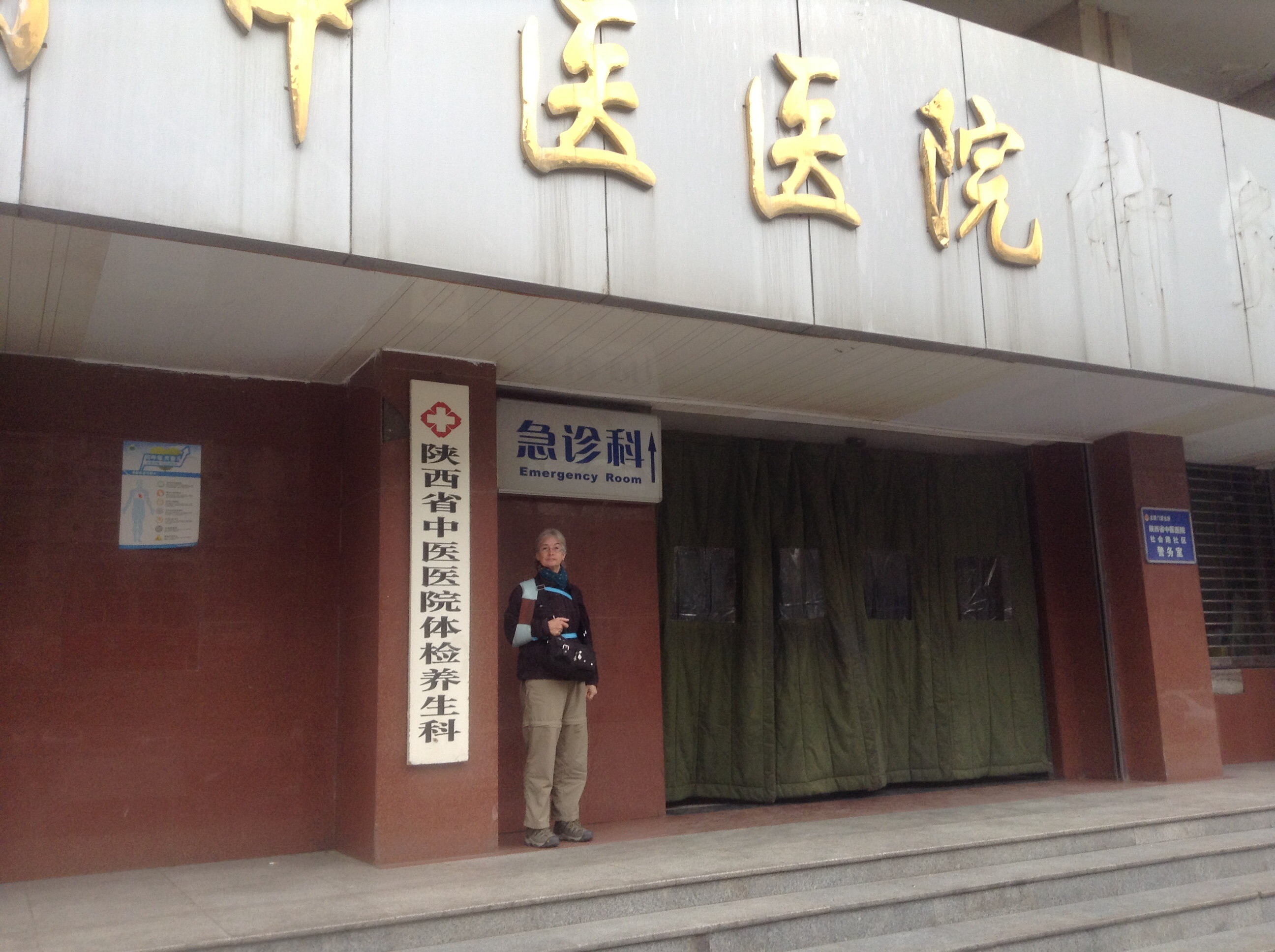
We take a taxi to the Shaanxi Province Hospital of Traditional Chinese Medicine (Emergency Room entrance).

image

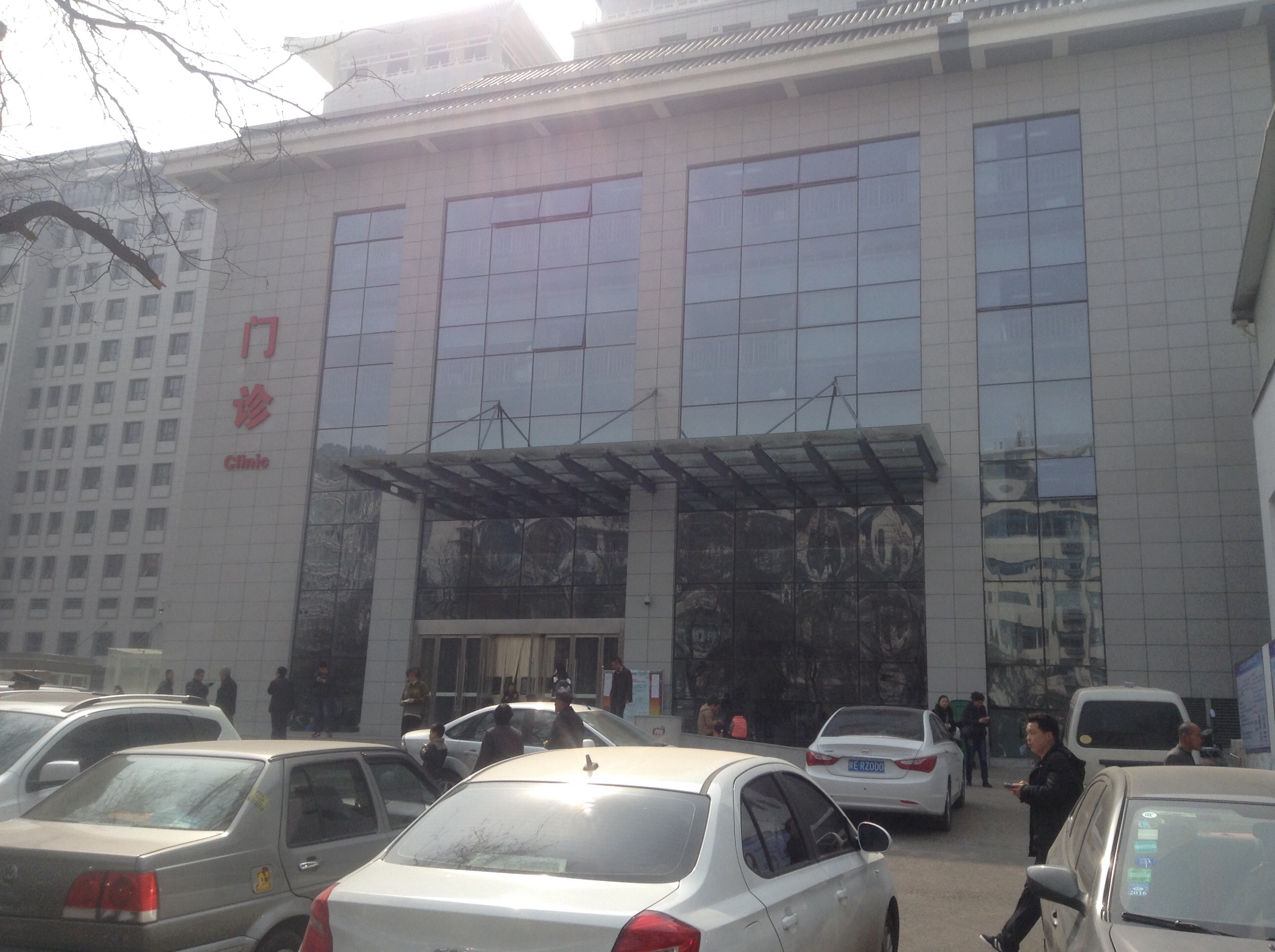
They send us next door to the out-patient clinic.

image

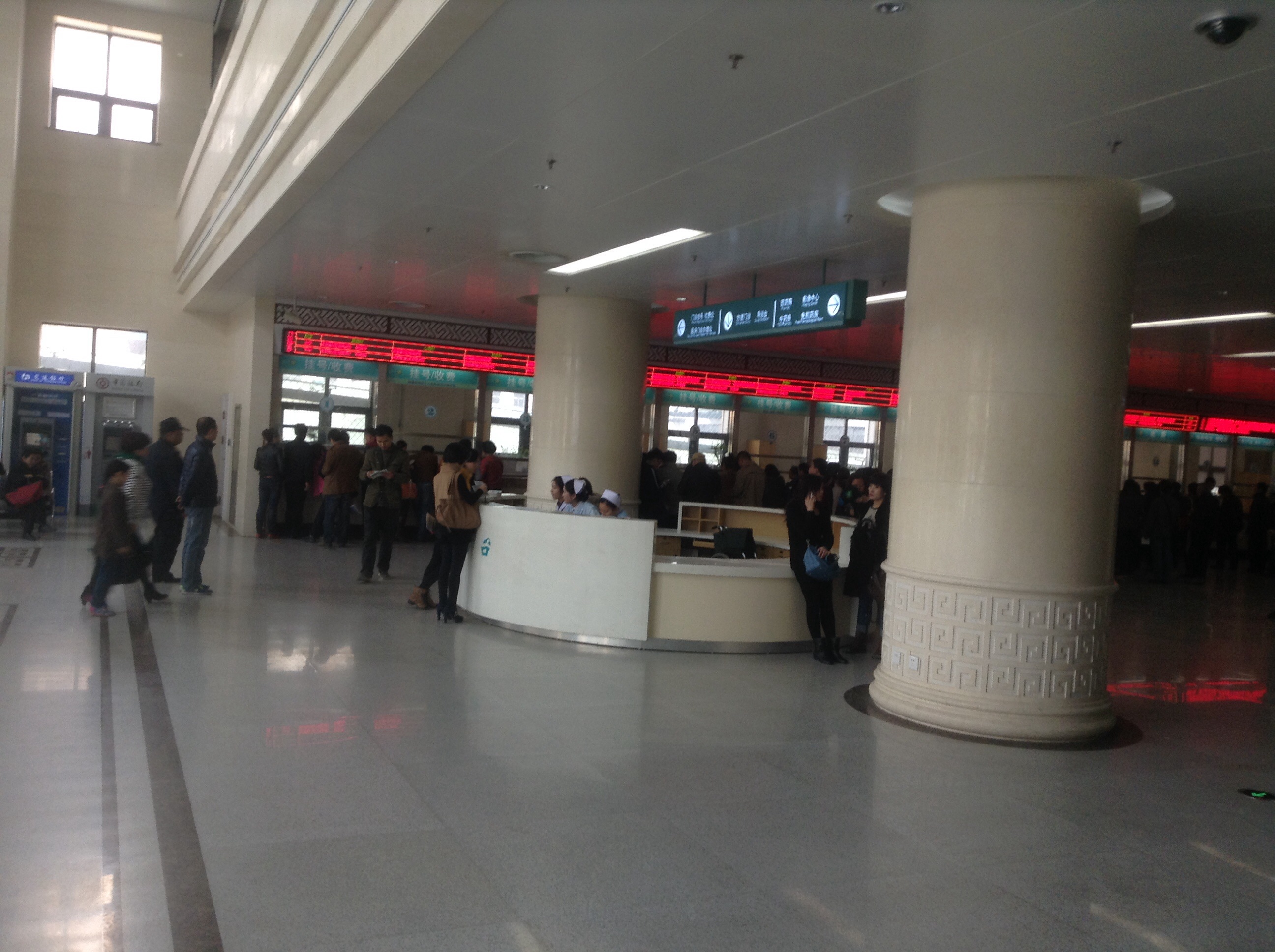
The nurse directs us to “orthopedics” — we have not registered or “checked in” in any way — but this may be because of our poor Chinese language skills.
Instead of waiting outside, we stand in the office with two doctors while they…

View original post 732 more words

Xi’an – the Terracotta Warriors and Horses

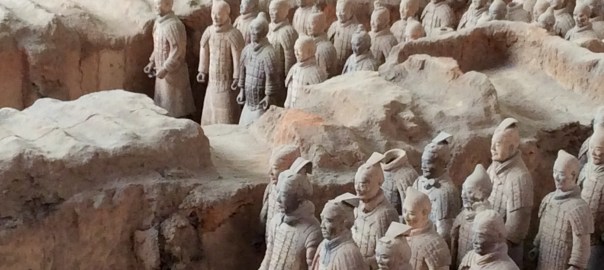
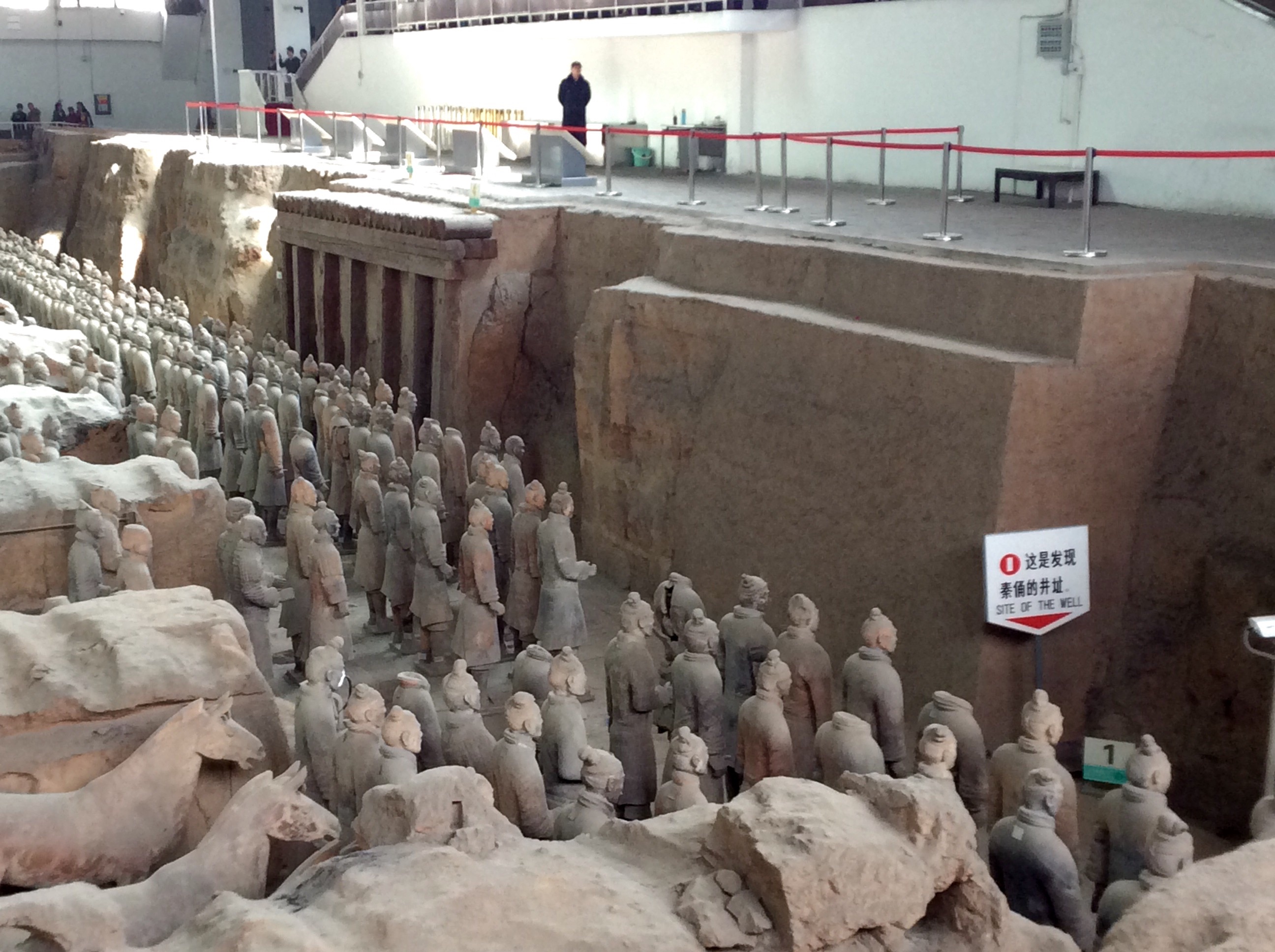
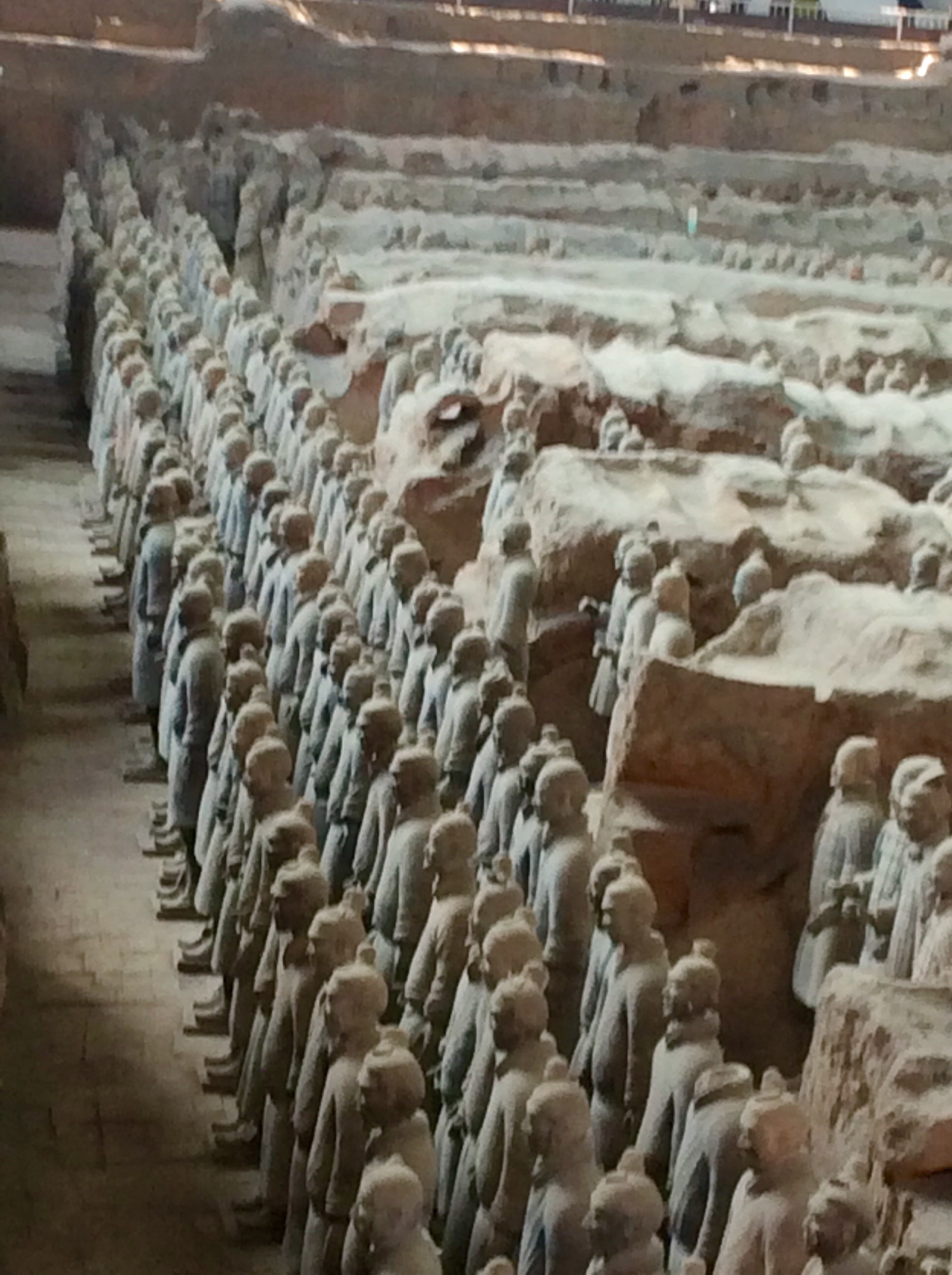
3/12 – In the 3rd century BCE, Emperor Qin Shi Huang decided he needed a vast army to protect him in the afterlife. He enlisted thousands of slaves to create over 8000 thousand terracotta warriors, armed with bronze weapons, and over 500 horses and wagons, to surround his tomb. Word has it that he then killed all the slaves, so no one would reveal the location of the army or the tomb.

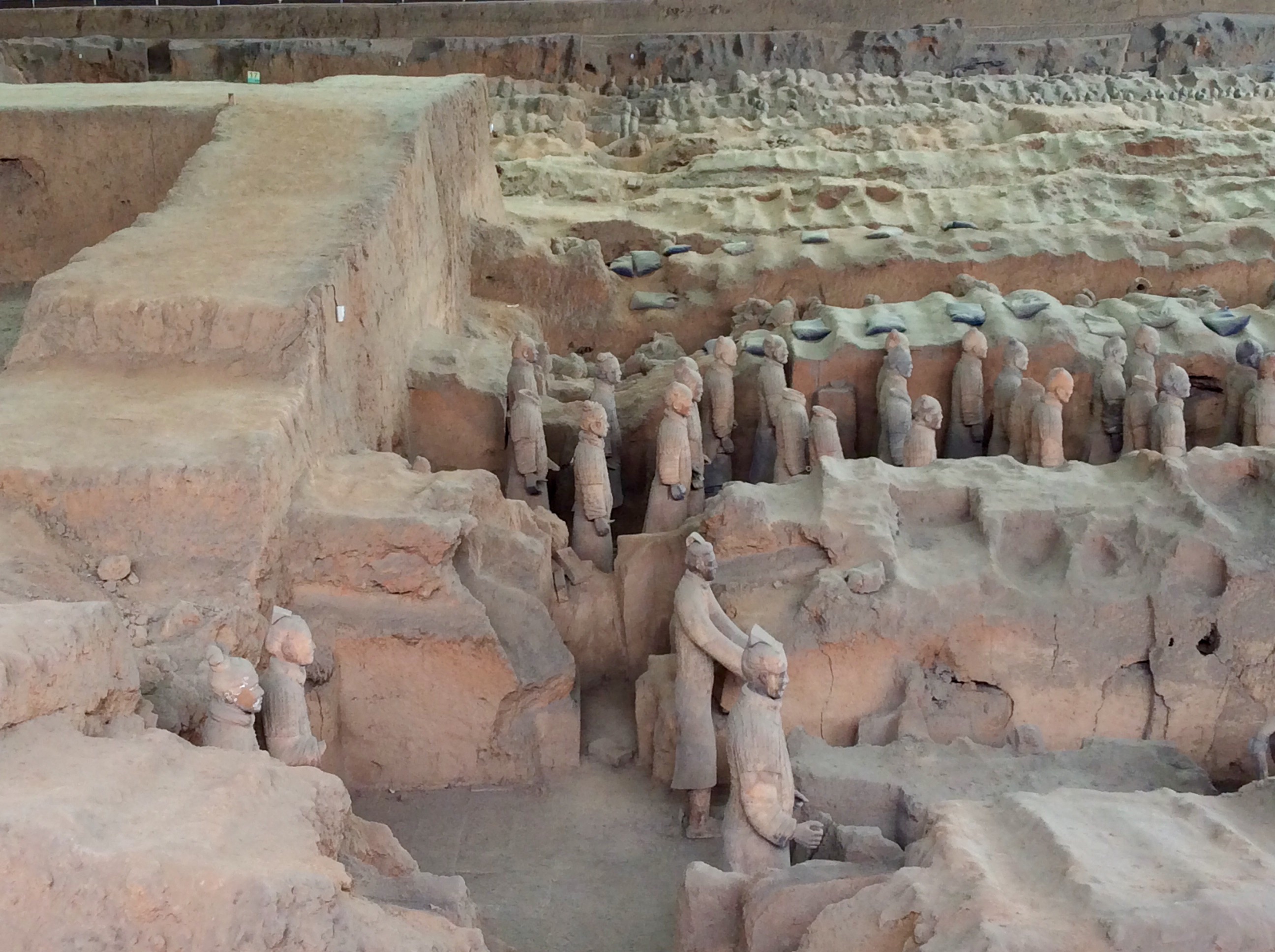
In 1974, a farmer, digging a well outside Xi’an, started to bring up bits of clay. He had inadvertently tapped into Pit number 1 of the collection of life-size terracotta figures, buried for 2400 years. Archeologists have been piecing them together ever since. See the location of the farmer’s well in lower right.image

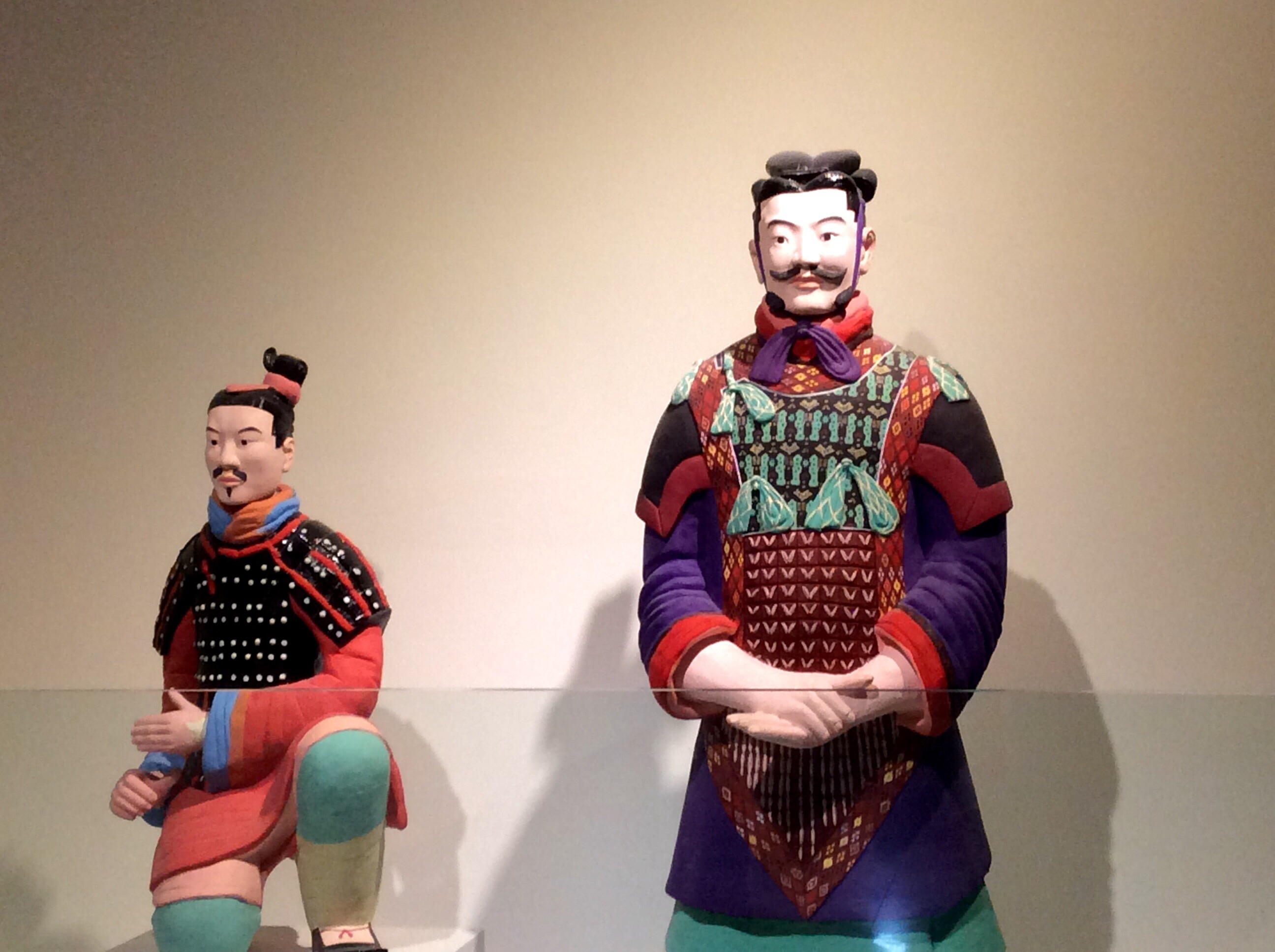
We took an hour’s bus ride from the train station (take bus 603 or green bus 915, they leave every 15 minutes for 8 yuan – you do NOT need a private tour or a guide) to the site, where three huge pits are being excavated. As soon as the once brightly painted figures were subjected to the dry, polluted air, the paint curled and fell off within seconds. This is how the figures once looked.image

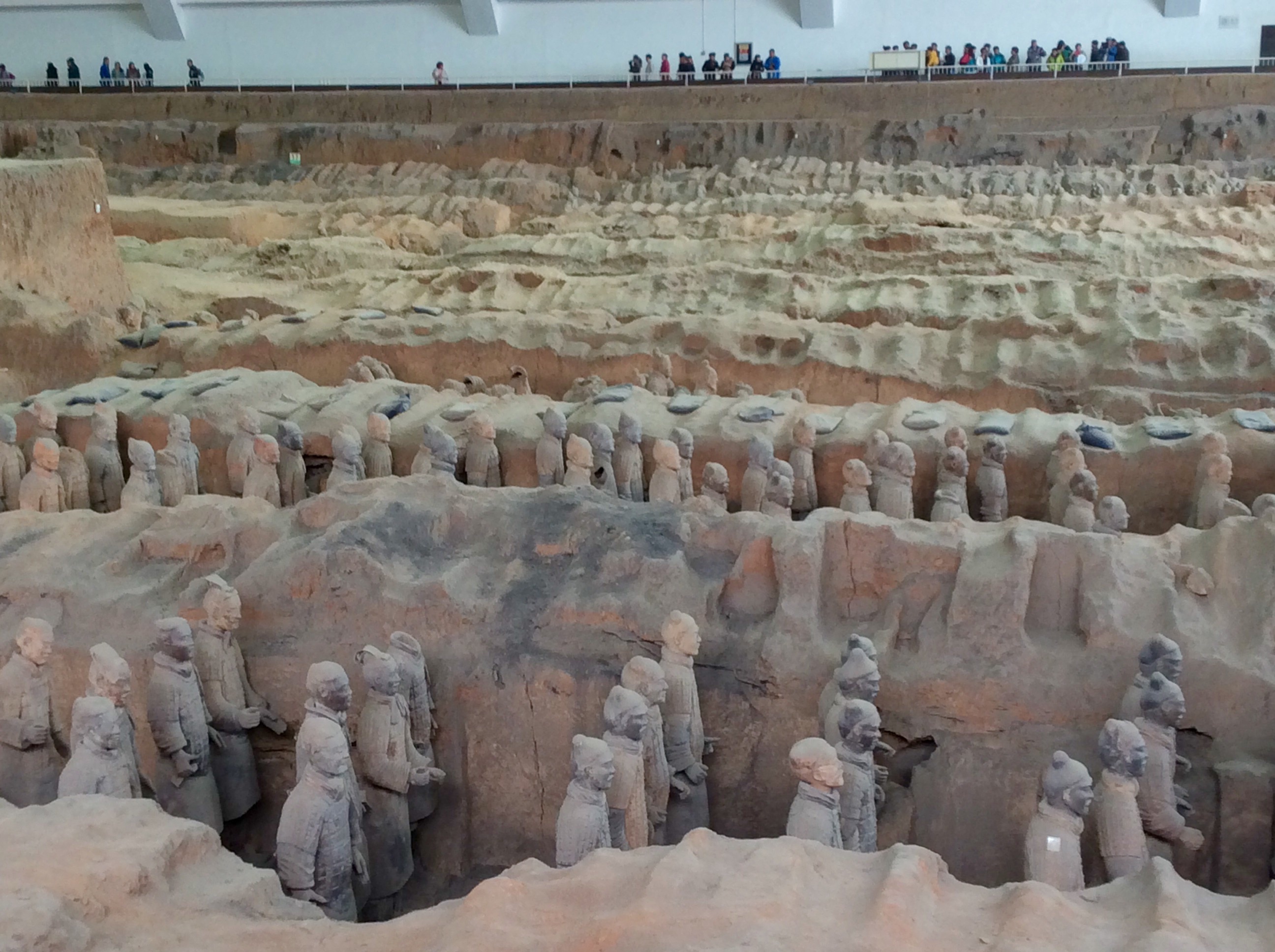
After exposing over 2000 figures in the first pit, and having them turn mud-brown, archeologists are now taking their time exposing more, to enable scientists to develop better methods to preserve them.image

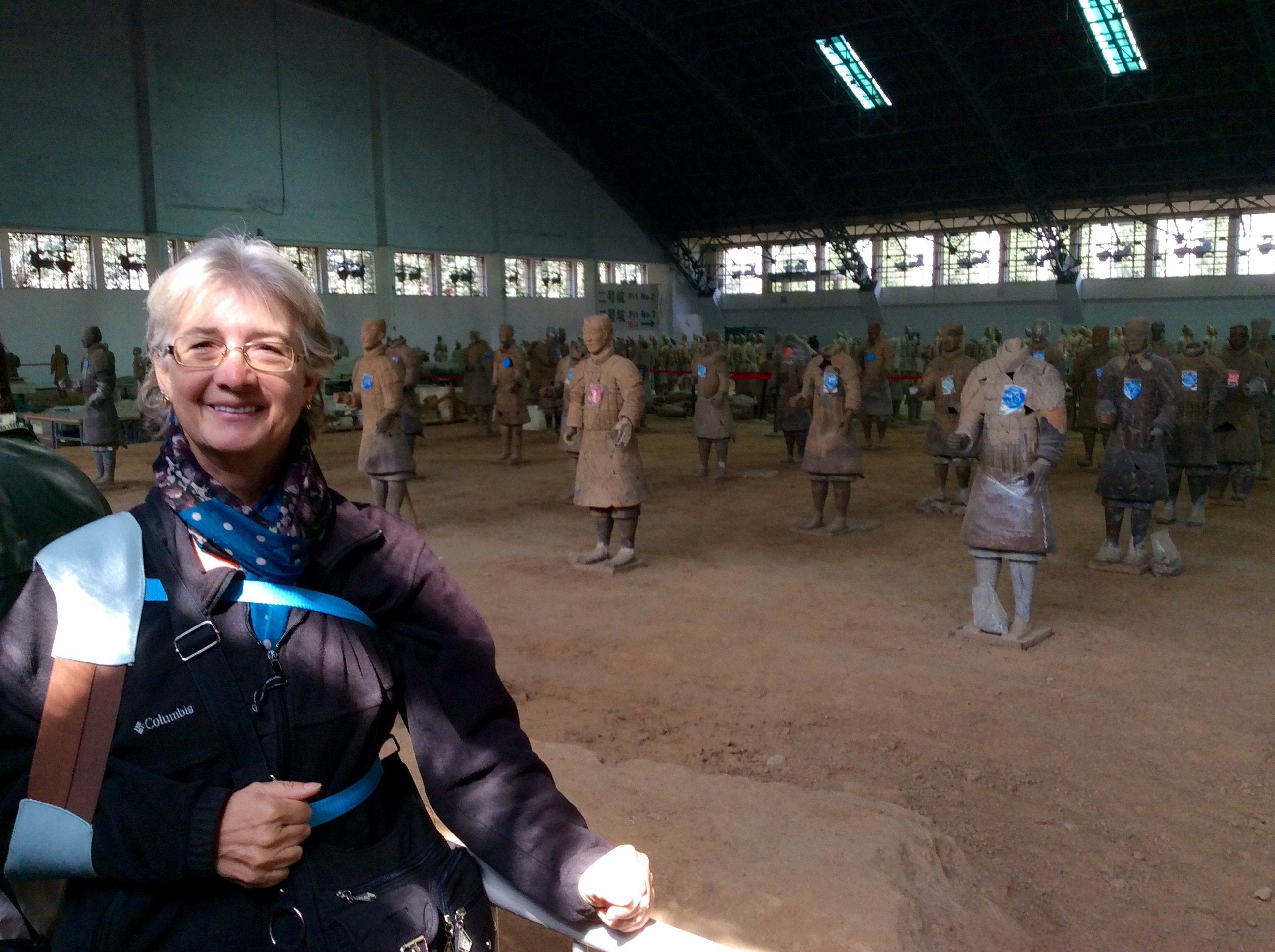
The first pit was pretty impressive. image

image
imageimage

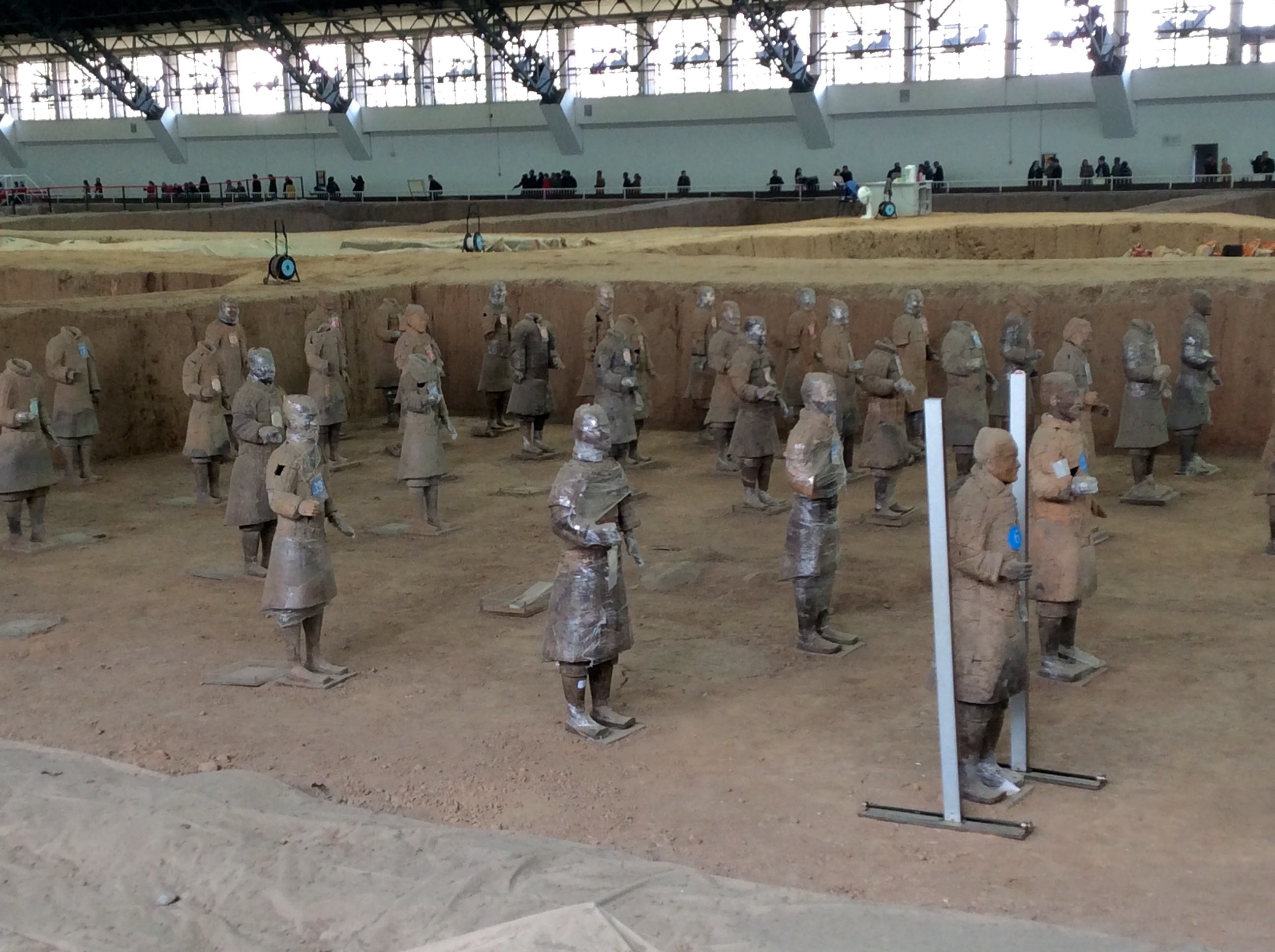
Here are some soldiers being reassembled.image

image

image

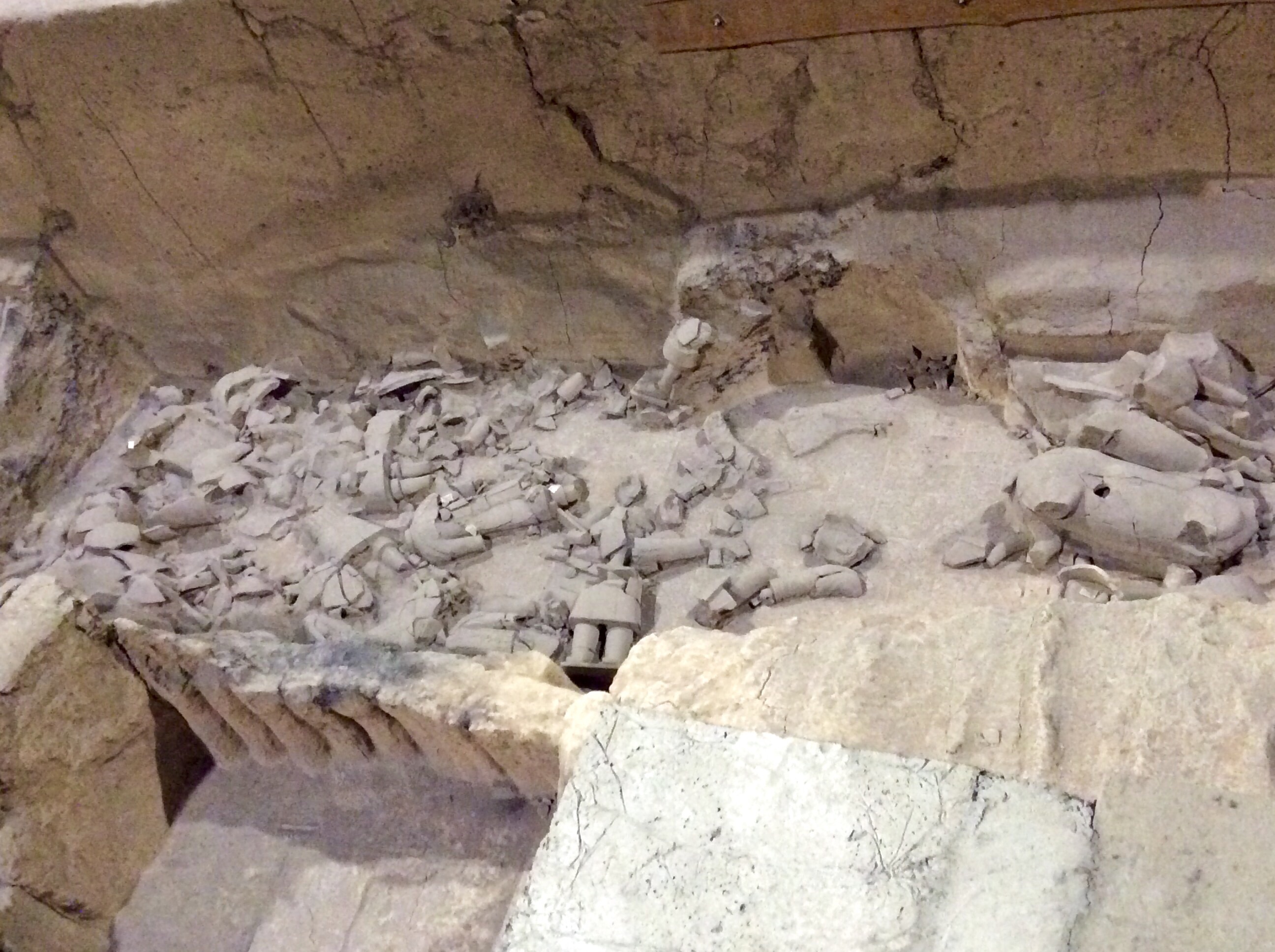
The second and third pits show more recent excavation, with many warrior and horse figures still buried.imageimage

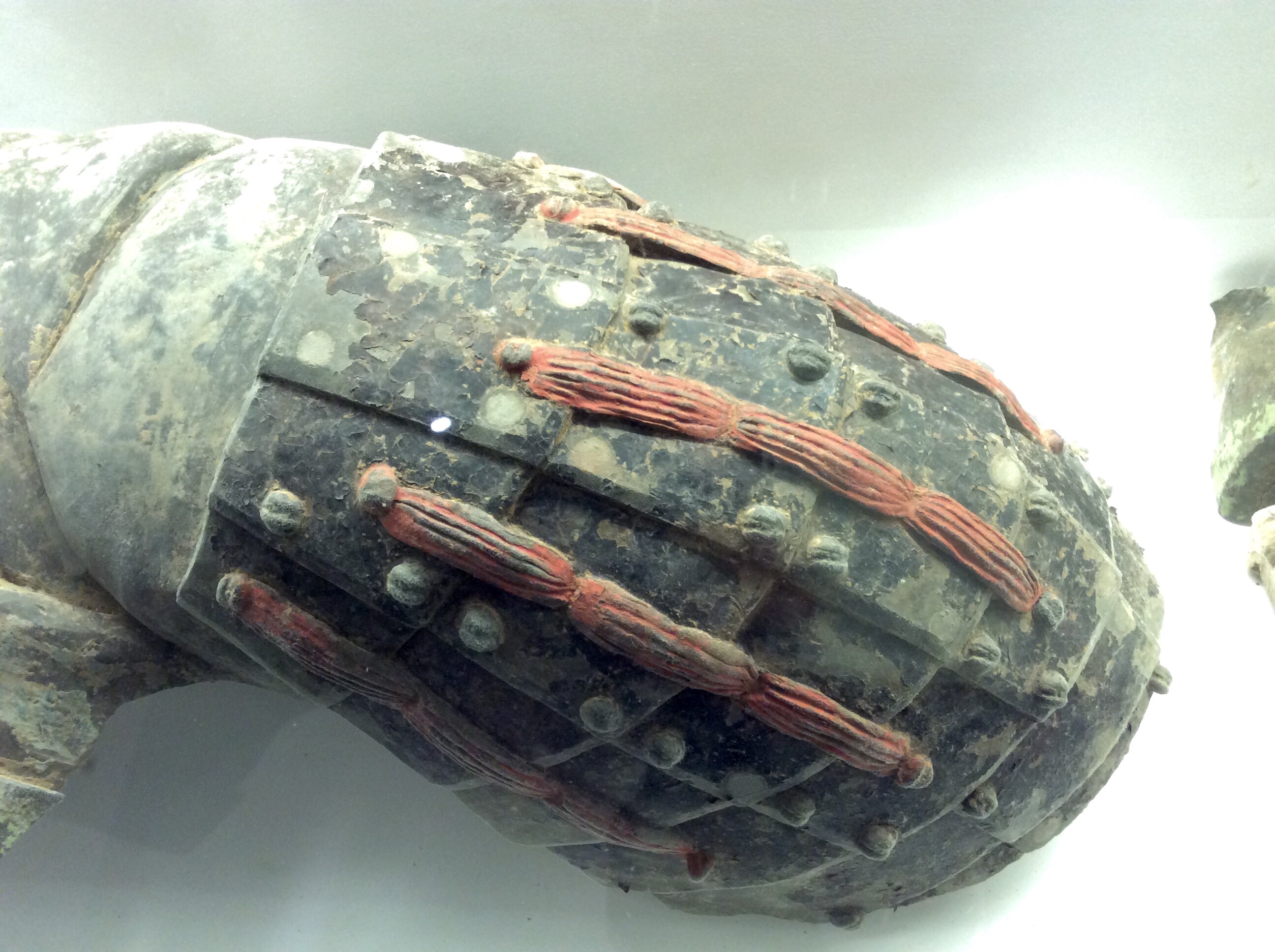
Some pieces retained a bit of color, and are preserved under glass. image

Although molds were used to cast each piece of the figures so they could be fired and put together in an assembly-line fashion, each face was formed individually with clay to make it unique. image

image

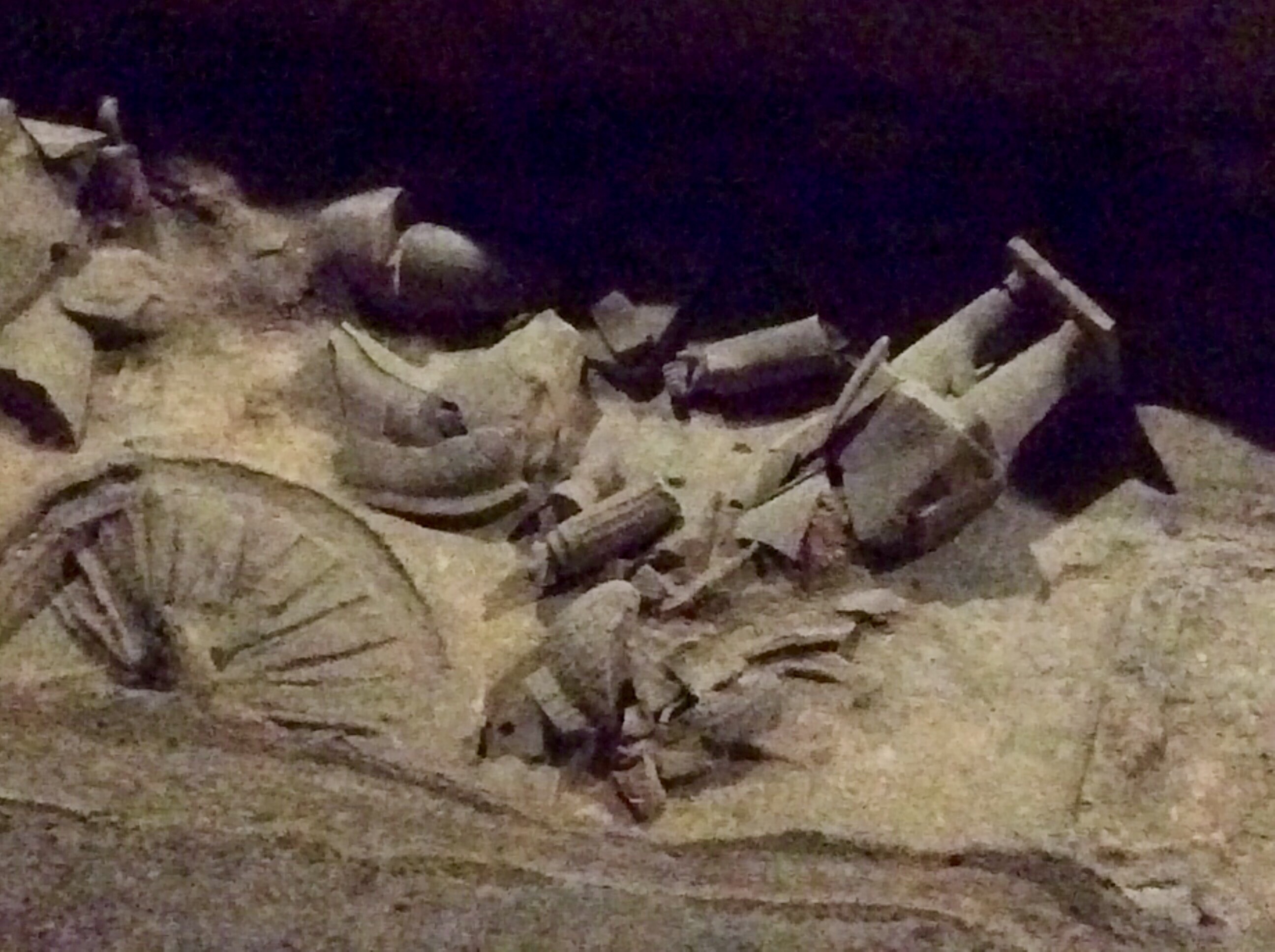
The horses once pulled wooden carts, but the wood has all decayed away. This is the impression of a wagon wheel from Pit 2.image

There are archers, swordsman, charioteers, musicians, officers and infantry, as well as horses. It is believed that Pit 3 houses a command post for officers.

Like other wonders of the world, you have to give credit to those who thought so extravagantly, while simultaneously wondering what this emperor accomplished in his lifetime to justify his glorious death. His tomb remains intact.

Outside, it was 70 degrees, and the cherry blossoms are starting to bloom!image

Xi’an – the Great Wild Goose Pagoda

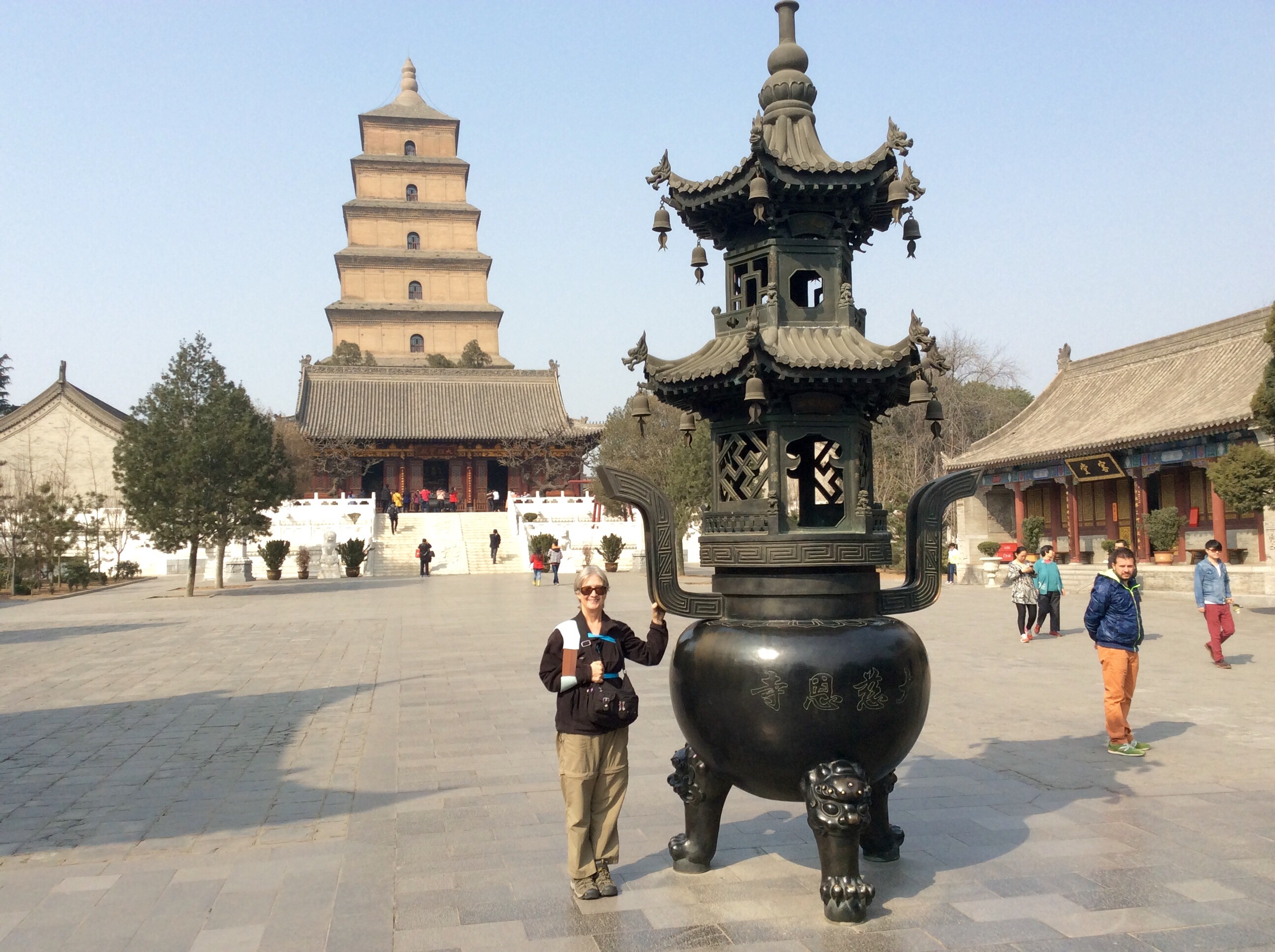
3/11 – Today we ventured south to visit the Great Wild Goose Pagoda. Jim taught here in Xi’an, and visited the pagoda 30 years ago – I wonder if it’s changed?

For some reason, we had a hard time convincing a taxi to take us there, so we ended up in a three-wheeled tuk-tuk like the ones in India – two stroke engine, soft sides, hard bench, no shock absorbers.  Talk about your wild rides – we went the wrong way down one way streets, flew over speed bumps, and passed buses on the right. My teeth rattled in my head, and I held onto Jim for dear life!

Four miles later, the pagoda came into view.  image

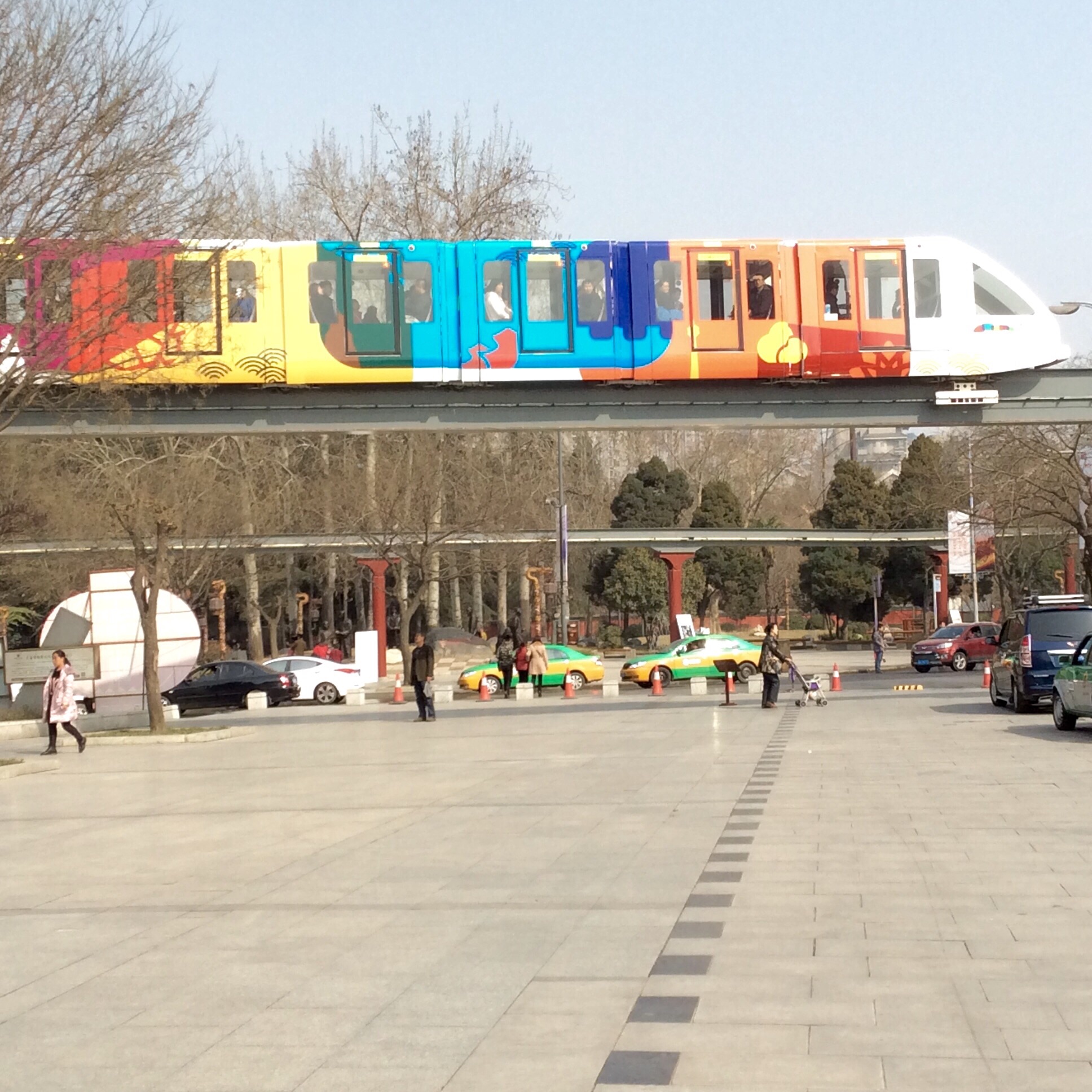
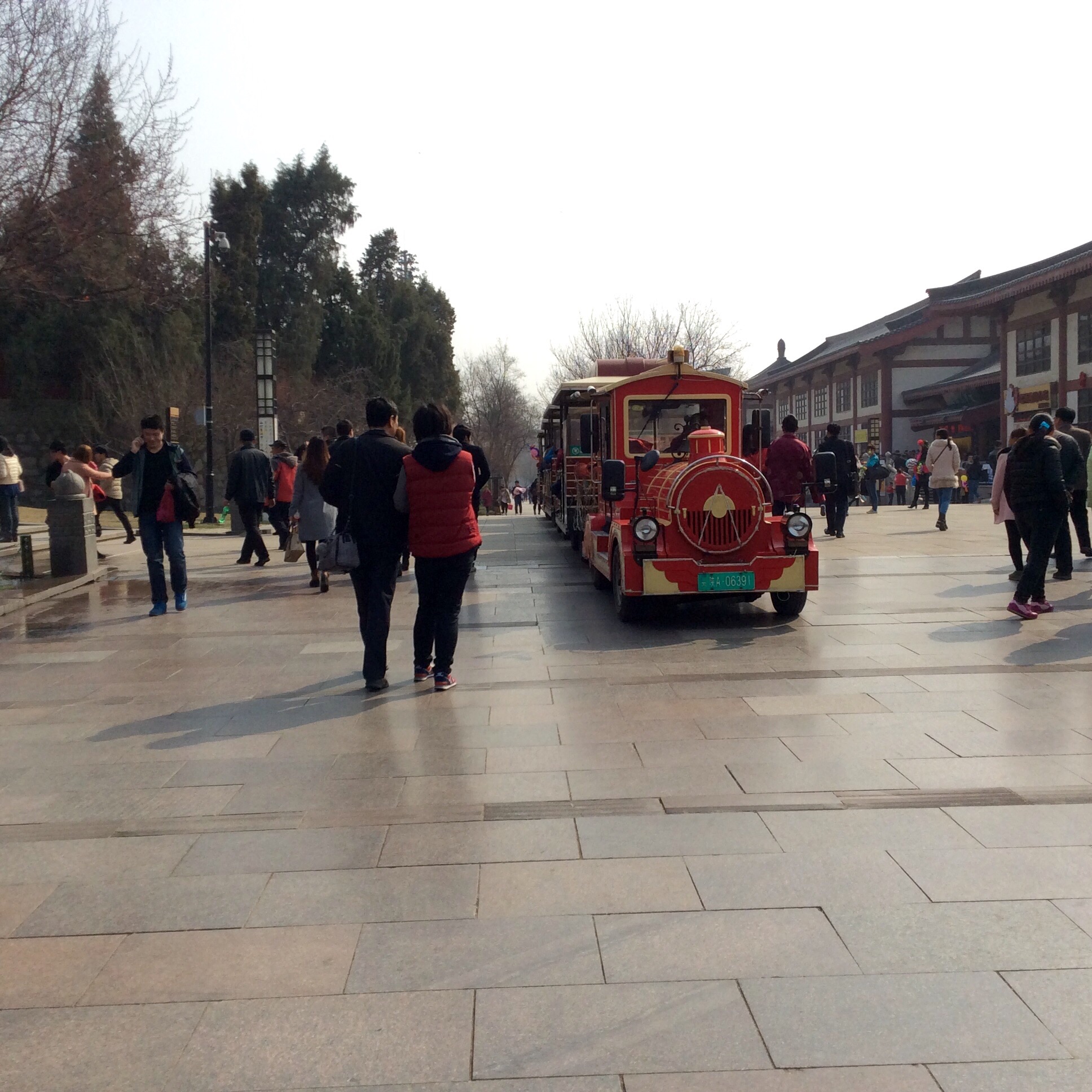
Since Jim had been here, a huge park was built around the pagoda, and it can be accessed by an overhead tram or a little trolley.imageimage

The day was warm and sunny (although gray with smog), and there were plenty of people out.  They sure love to mug it up for the camera – a series of sidewalk statues had folks lined up to take each other’s pictures.

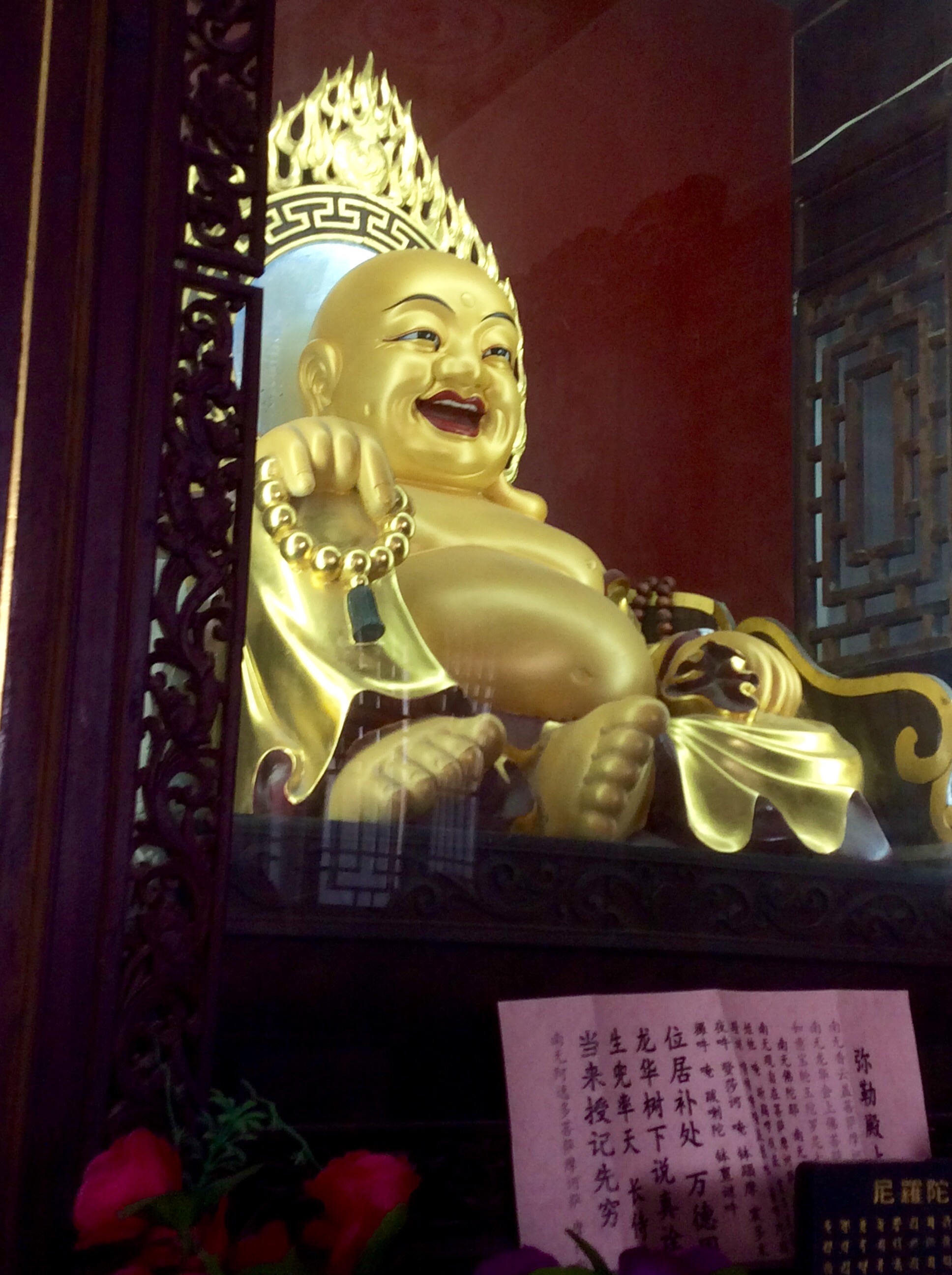
There were several displays surrounding the pagoda, with a variety of Buddhas.image

image

image

image

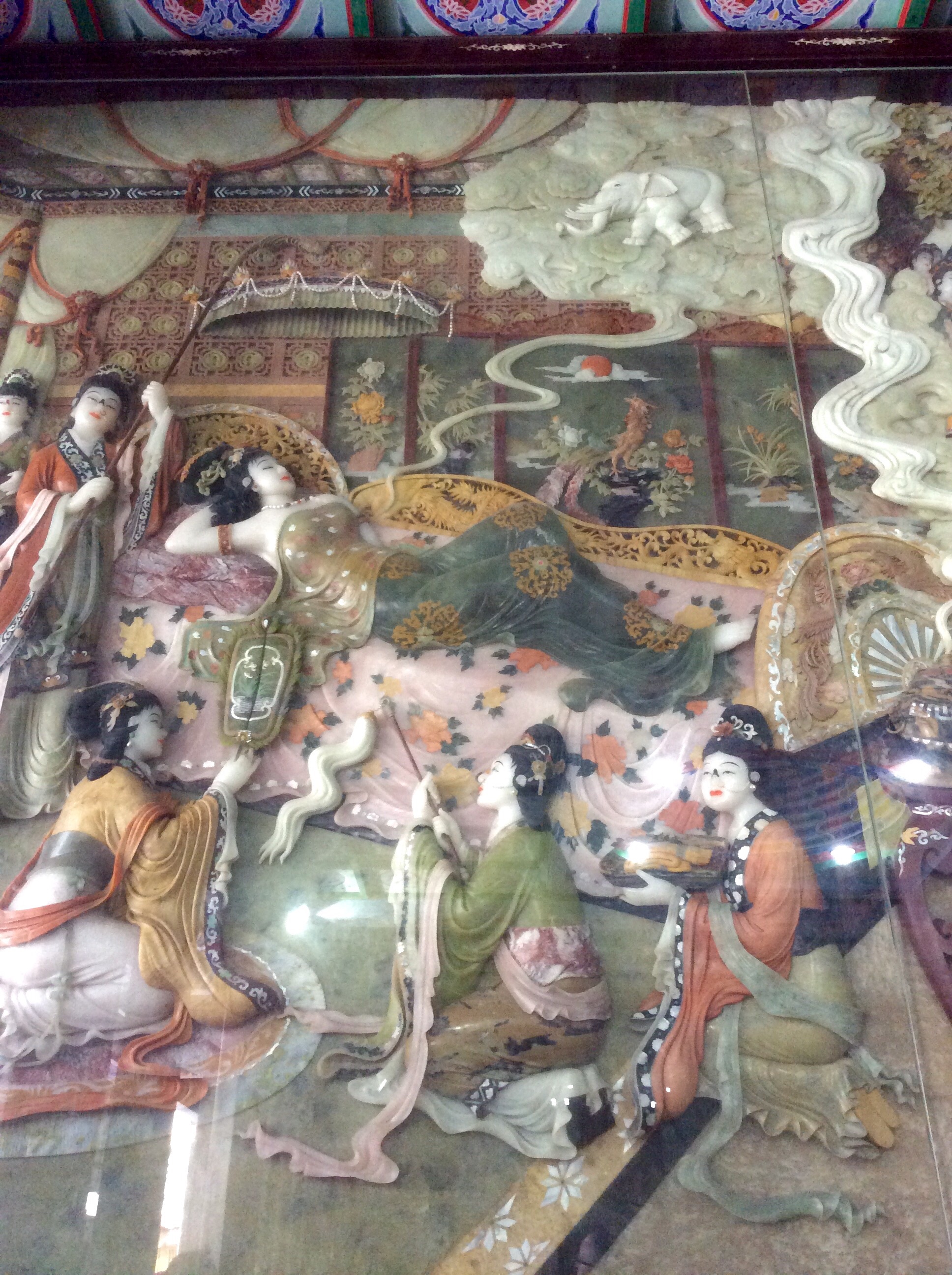
Buddha’s mother dreamed of a white elephant, signifying that she would give birth to an enlightened one.image

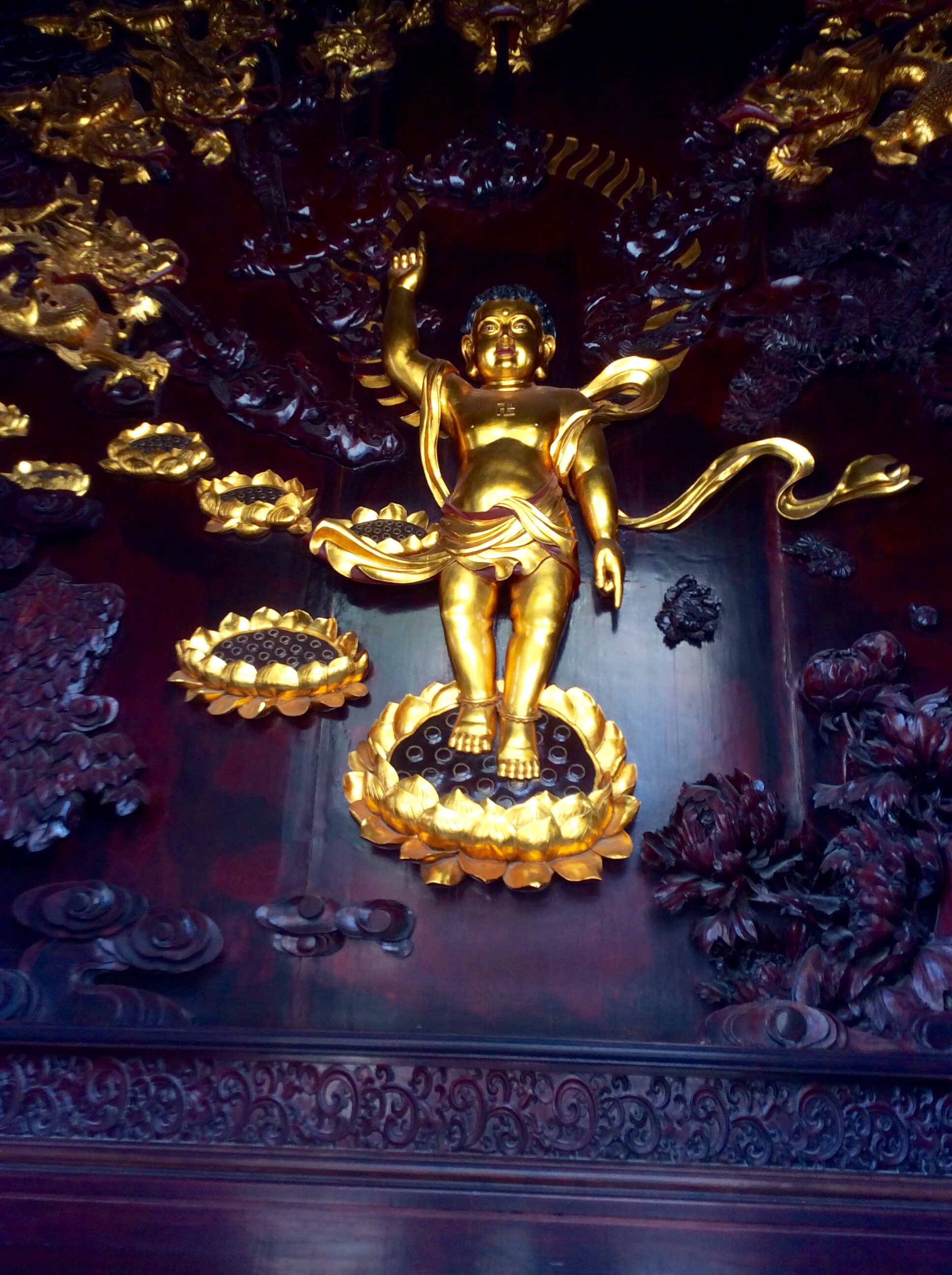
The birth of the Buddha.image

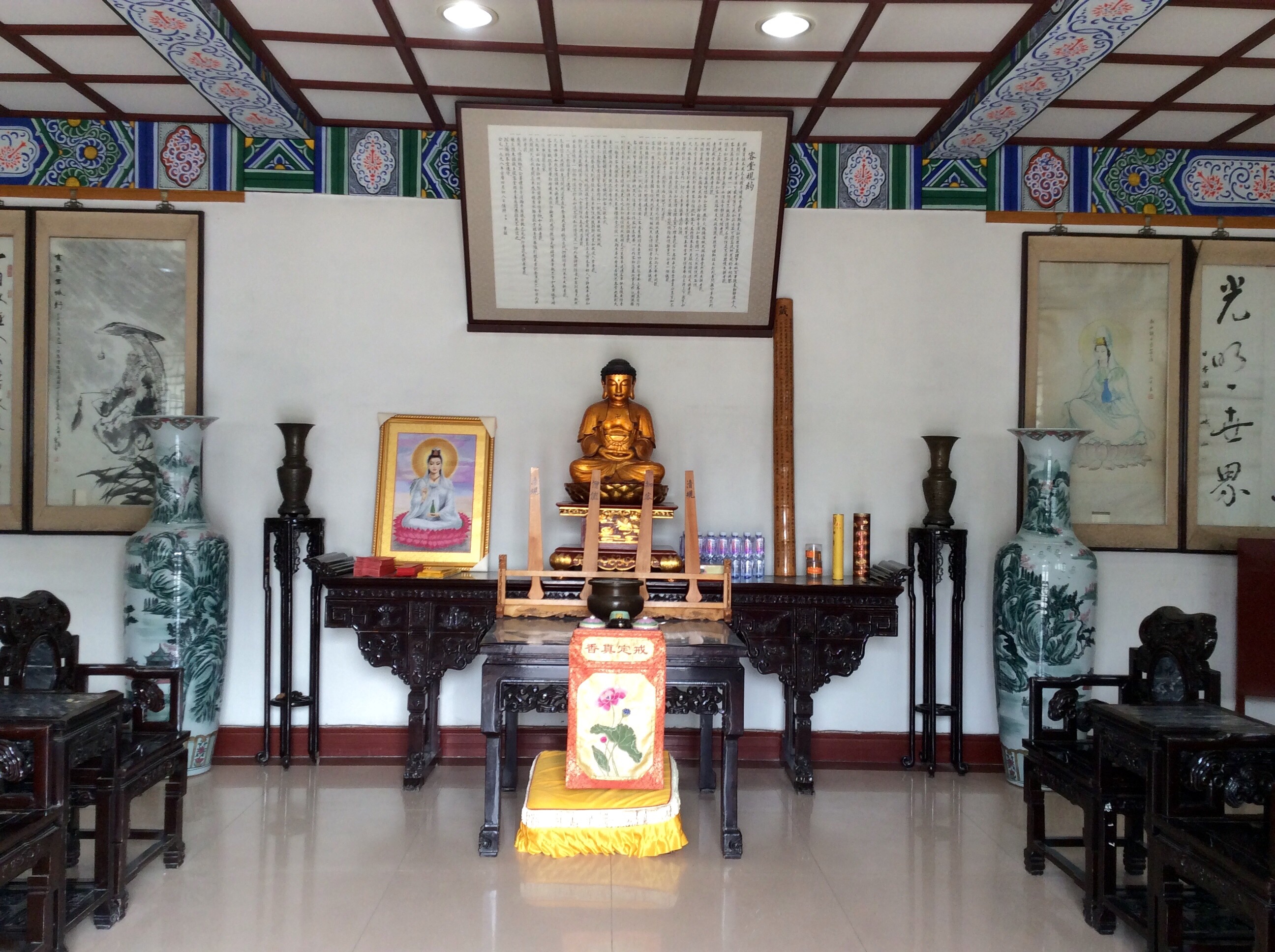
We only saw a few people praying – most were tourists.image

image

The seven story stone pagoda was built to protect the three baskets of sacred scrolls that the monk Xuanzang brought back from India in 628 CE. image

The views from the top – very smoggy.image

image

image

image

More images:

This is a nice city, very modern, and would be a fine place to live if not for the smog. I hope we get to see the sun someday soon!

Xiehe, back to Lanzhou, to Xi’an, China

3/8 – Up early to catch the 8:30 bus back to Lanzhou.
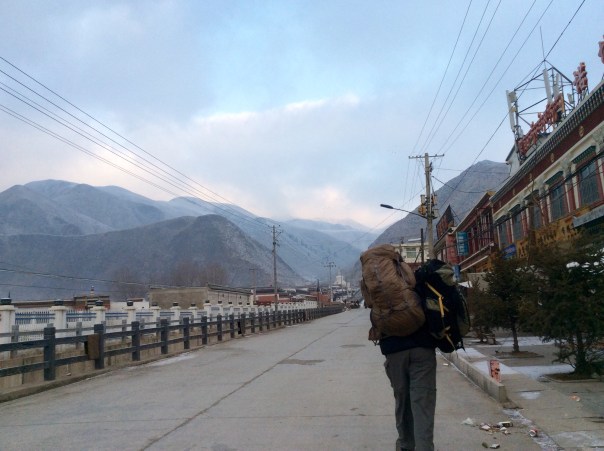
Xiehe has been a magical place!  Unlike our ride up, this morning’s bus was totally packed with no empty seats.
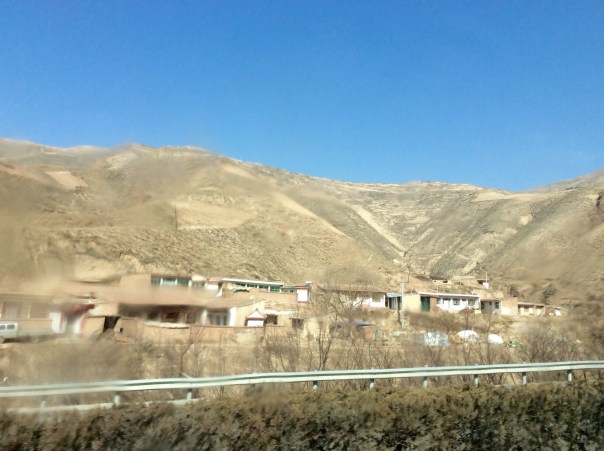
The weather was warmer today, and the ridges that were covered with snow just a few days ago now look clear.  Spring is coming!  Some of the mountains reminded me of the Painted Desert out west.  The bus windows were foggy, so couldn’t get better pix.

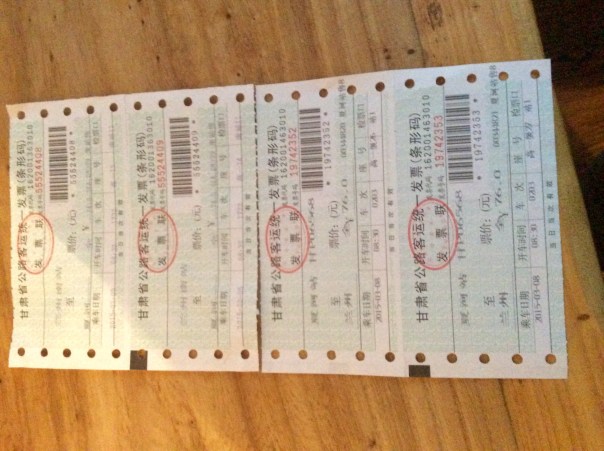
Back in Lanzhou, we took a taxi across town to the train station, to purchase our next tickets, to Xi’an.  The Lanzhou station ticket hall was totally filled with people standing in lines with only Chinese writing, so we weren’t sure if there was a certain line we needed to be on.  We picked a random line, and, luckily, our ticket lady had some English.  We wanted to get on the early morning train, but it was sold out in all classes, so we ended up on the 12:31 in the second class seats.  The train will get to Xi’an at 20:35.  It will be a long day.

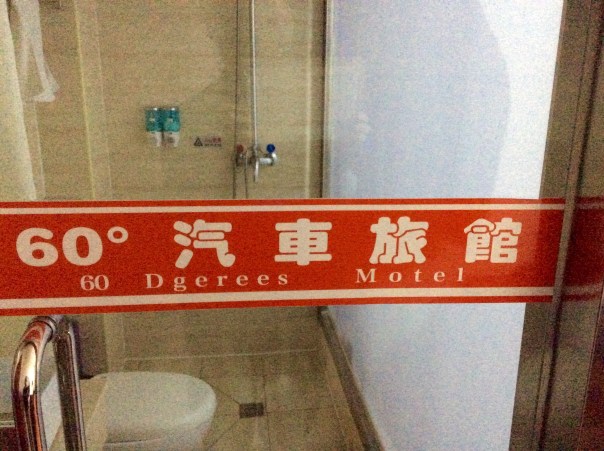
We are staying one night at the 60 Degrees Motel.  What’s wrong with this picture?  And yes, this is the third hotel we’ve been in with clear glass bathrooms – what’s that about?
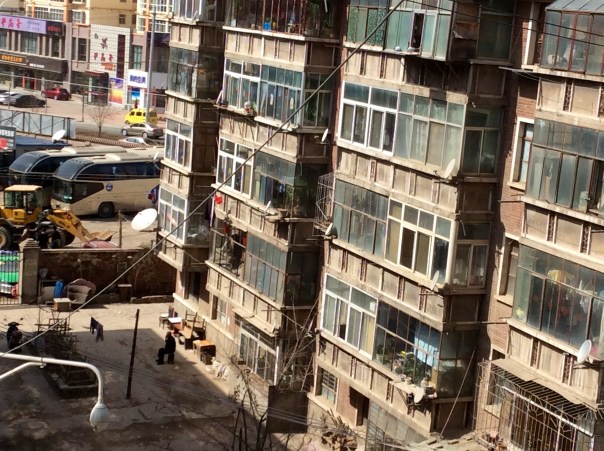
Here’s the scenic view out our window – can’t wait to be out of this dirty city!
For supper tonight we used our method of pointing to something that someone else is eating, and asking for the same.  This time we got a soup containing tiny boiled eggs (pigeon? quail?), meatballs, tripe, mushrooms, sausage, tofu, leeks, daikon, rice noodles and assorted greens.  A real jackpot in a pot!  I missed having green vegetables when we were in Xiehe – due to the altitude, all they can grow is potatoes (and yaks!  We even had yak yogurt!)

3/9 – Had a leisurely morning, as we didn’t have to get to the train station until 11am. We’re now used to the security procedures – show passport, show ticket, baggage through scanner, pat-down – so it’s just a matter of how interested they are in our packs, and how many people we have to jostle through to get where we are going.

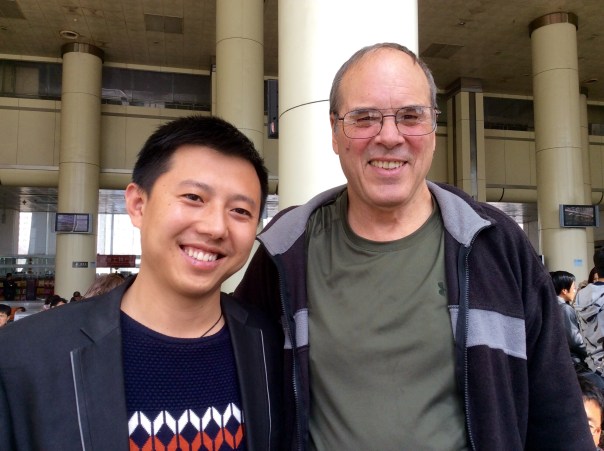
We sat in Waiting Room 4 along with all the other people who will be getting on train Z106. A young man sat down next to us and greeted us in English, and proceeded to tell us his dream of traveling to America one day. Jiang is a 24 year old university student who studies English and wants to work in the travel industry. When our train was called, he picked up my pack (Jim now carries both packs due to my injured arm), and escorted us onto the train. Although his ticket was for a different car, he found a seat near us, and proceeded to talk and talk in thickly accented English. Jim couldn’t understand a word, but I could make out enough to keep the conversation going.
image

We talked about his girlfriend, who he will marry next year, his parents, and his home town. He told us what he knew about the Declaration of Independence, Abraham Lincoln – liberator of black persons – and Barack H. Obama. Florida, Hollywood, Yellowstone Park, Washington D.C. Oh my. He told us that there are no parents like us in China – old people are not encouraged to travel, as their children would worry about them. Parents save every penny to give to their children, and wouldn’t dream of squandering their money on travel. Hmmm, glad I’m not Chinese!

At some point during the 8 hour ride, another young man with much better English squeezed over (we were in 2nd class with every seat filled and people standing and sitting in the aisles) and started the whole process over again! I was exhausted from smiling, nodding and trying to look interested, by the time we got to Xi’an. As we head east in China, we will encounter more English speakers, which is definitely a mixed blessing!

Jiang hoisted my pack again, walked us off the train, hugged us and pointed us toward the street where we could find our hotel, before returning to catch his connecting train. What a nice young man!

We booked at the Vienna Hotel, which we figured would surely have its name written in English (or German) on the outside. No such luck! Once again, we walked right by it several times, then walked into each hotel inquiring until we found the right one. The desk clerks had no English, but we didn’t expect any. What we did expect was to be given a room that didn’t already have somebody in it! We tried the electronic key several times, until a man came out to shoo us away from his door. I went back down to the clerk, who giggled to say she didn’t really know the difference between a 4 and a 6 – she had written the wrong room number on the key. Sigh.

3/10 – We stayed in town today, buying our next train tickets to Chengdu (even five days in advance, all the first class tickets were sold out), replenishing our groceries, and resting my arm. Walking down our busy street on our way to dinner, I witnessed my first street crime. I watched a young girl walk up close behind another, unzip the girl’s backpack, and pull out her iPad or tablet. The second girl walked on, oblivious to the theft. I yelled, Hey, drop it! and looked the thief right in the eye, but a boy on a motorbike swooped right up beside, she hopped on, and they took off. I tried to show the girl that her backpack had been opened, but she didn’t understand. At that point I figured I’d better just walk on, or else the girl would think I had opened her backpack. The frustrations of not having the language! I witnessed a crime,and there was nothing I could do…
 

Xiehe – Labrang Monastery

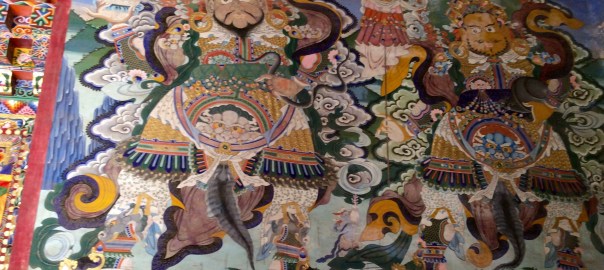
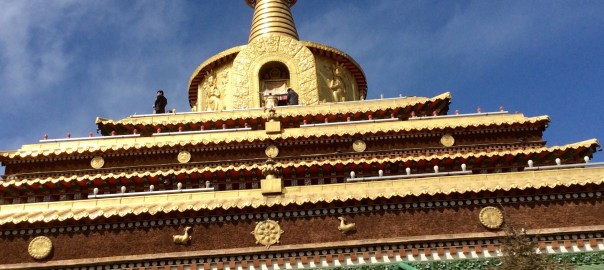
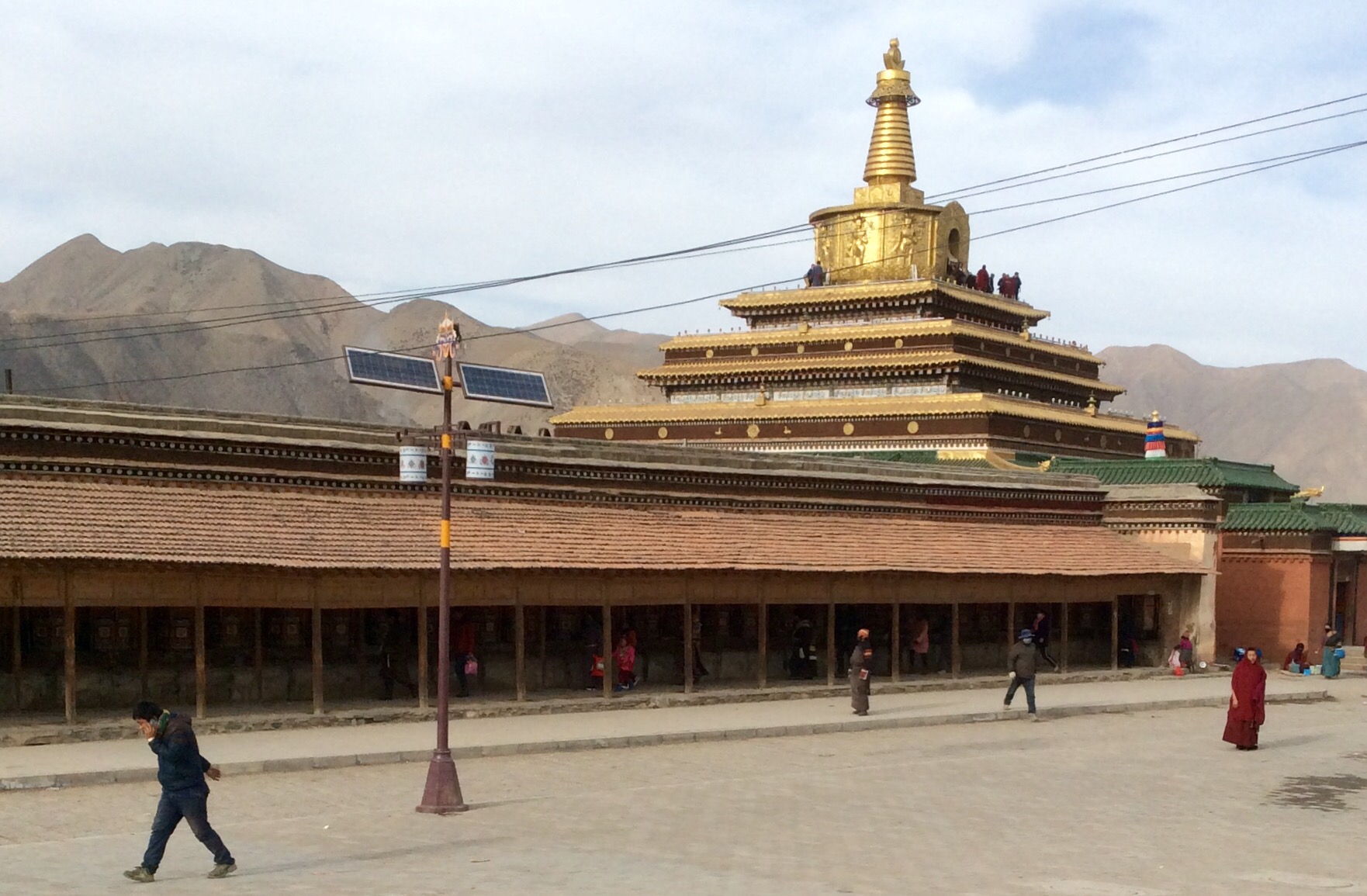
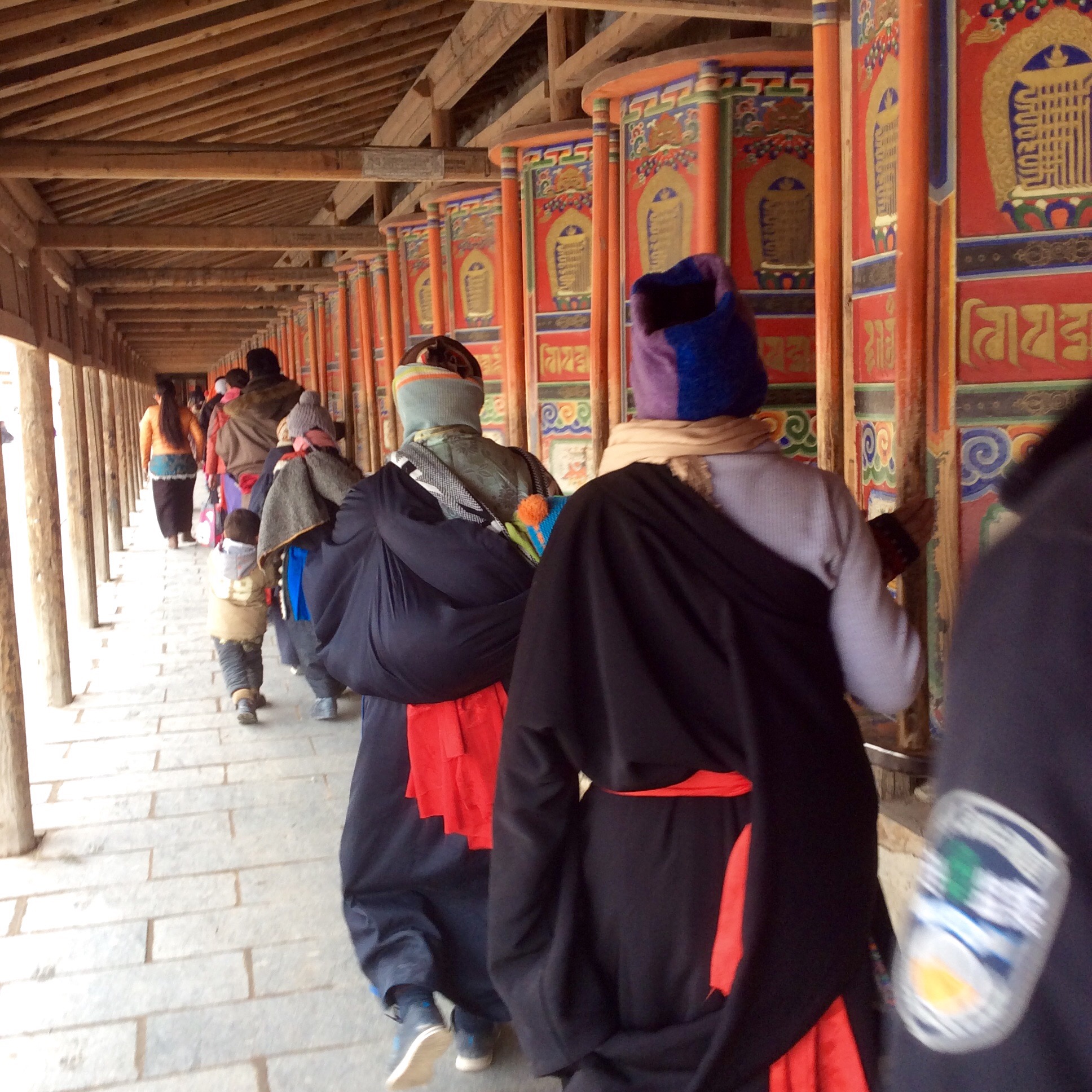
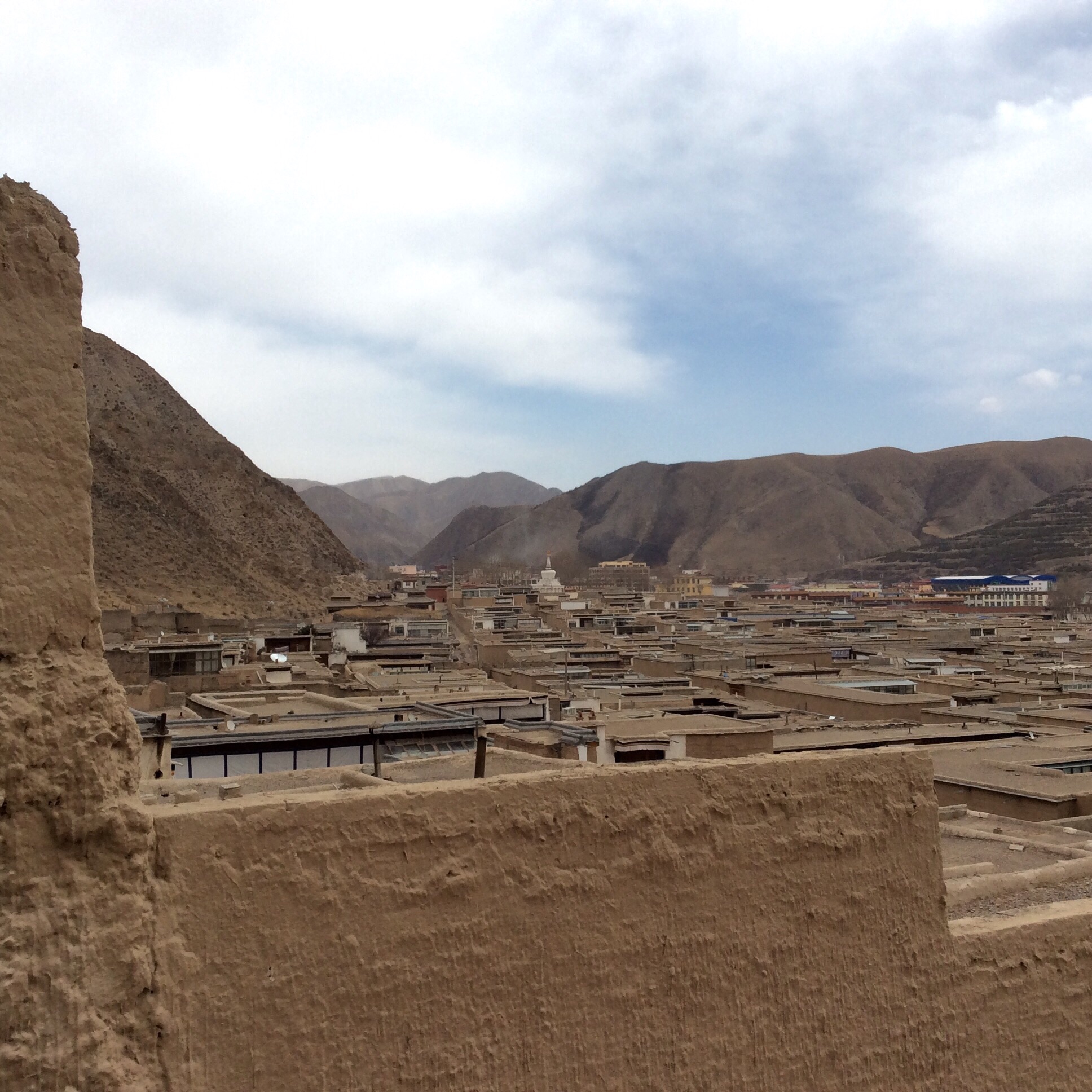
3/5 – We bundled up – very cold here, and the altitude is over 9000 feet, so we both have mild altitude sickness – and walked over to the monastery.  A huge area, it was made up of a series of temples, stupas, monk colleges (like the college of astrology) and monk habitations.IMG_7870

IMG_7874

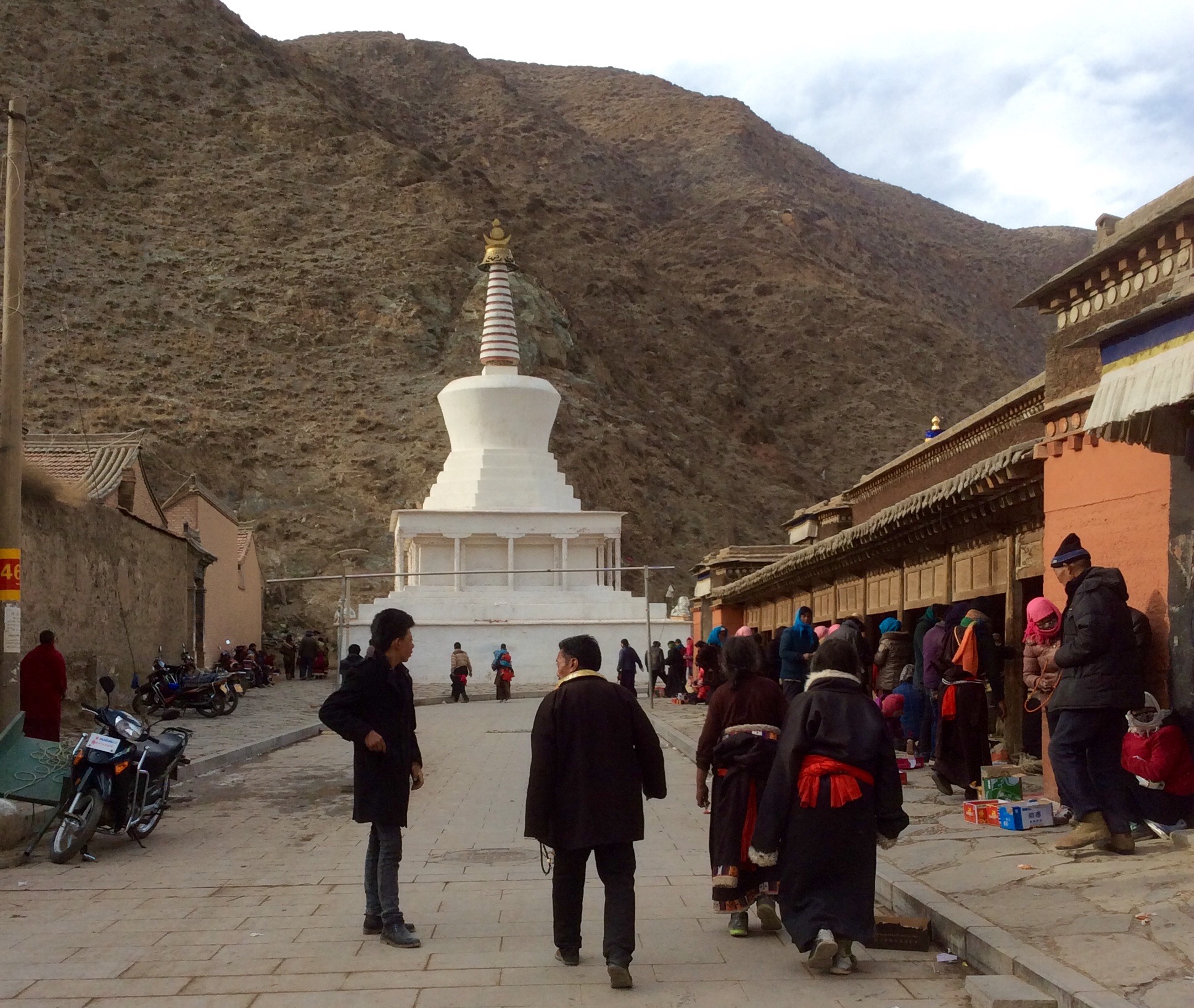
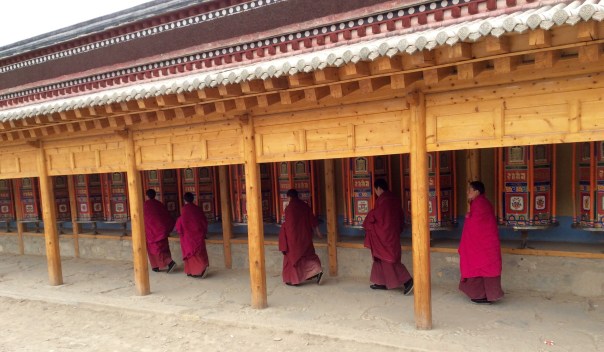
Lots of people, chanting, turning prayer wheels, and touching their heads to images of the Buddha.  
IMG_7856

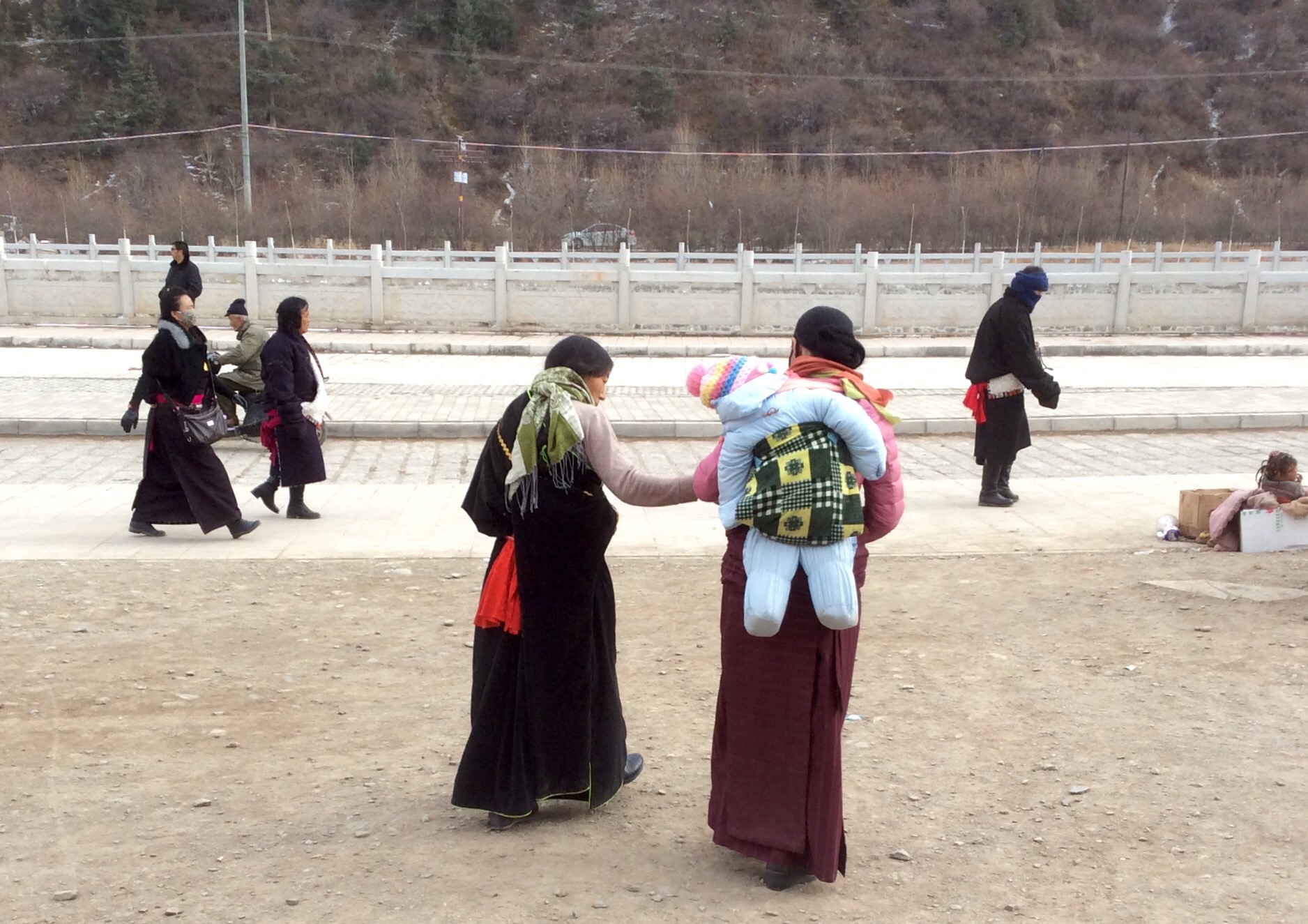
 I walked behind a Tibetan woman with a baby in a papoose, and she made sure to touch the baby’s head to the images also. Because Tibetans are a minority, they are exempt from the One Child rule, and we saw many families with two children.IMG_7862 

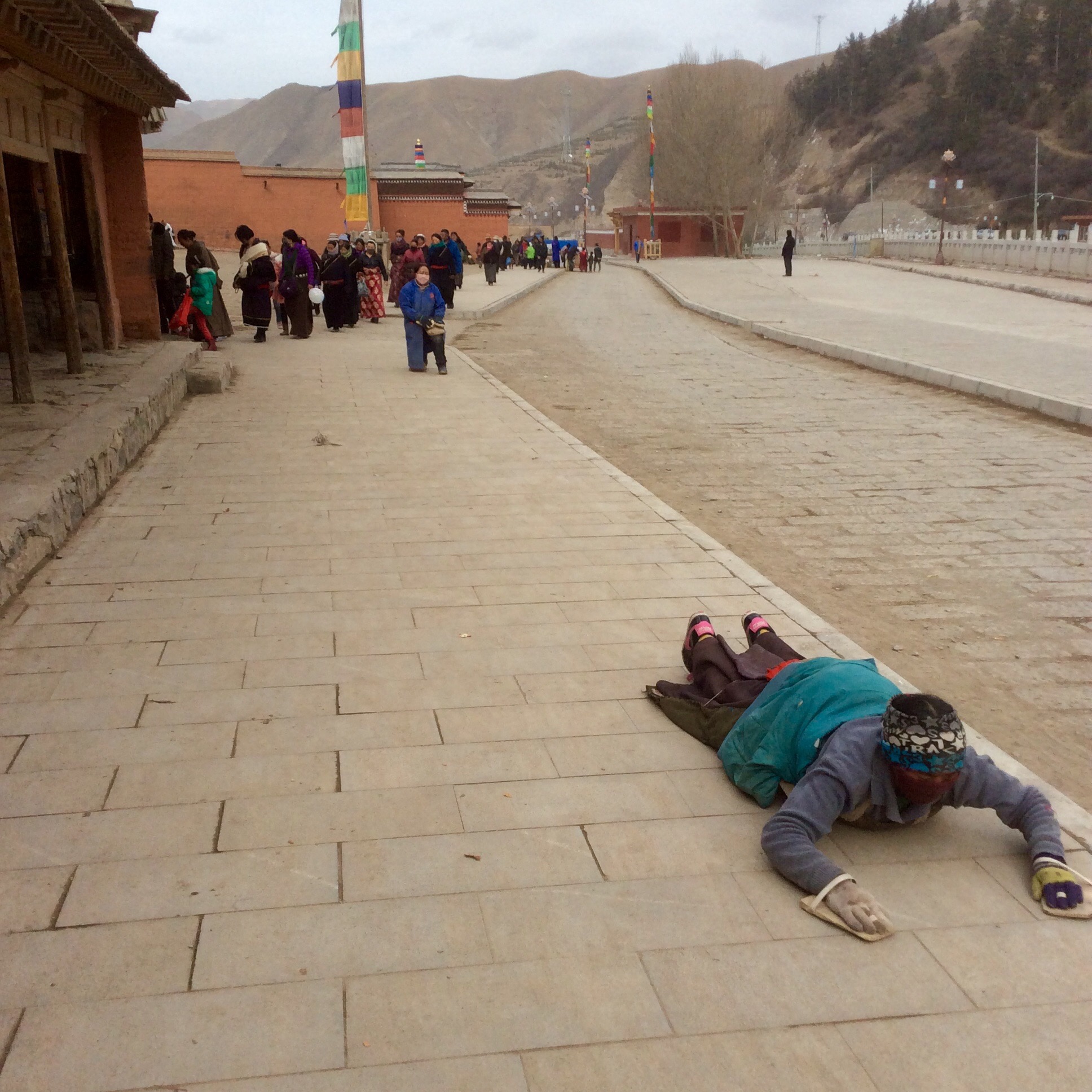
Several women were prostrating themselves, circling the temples on their hands and knees.  
IMG_7864

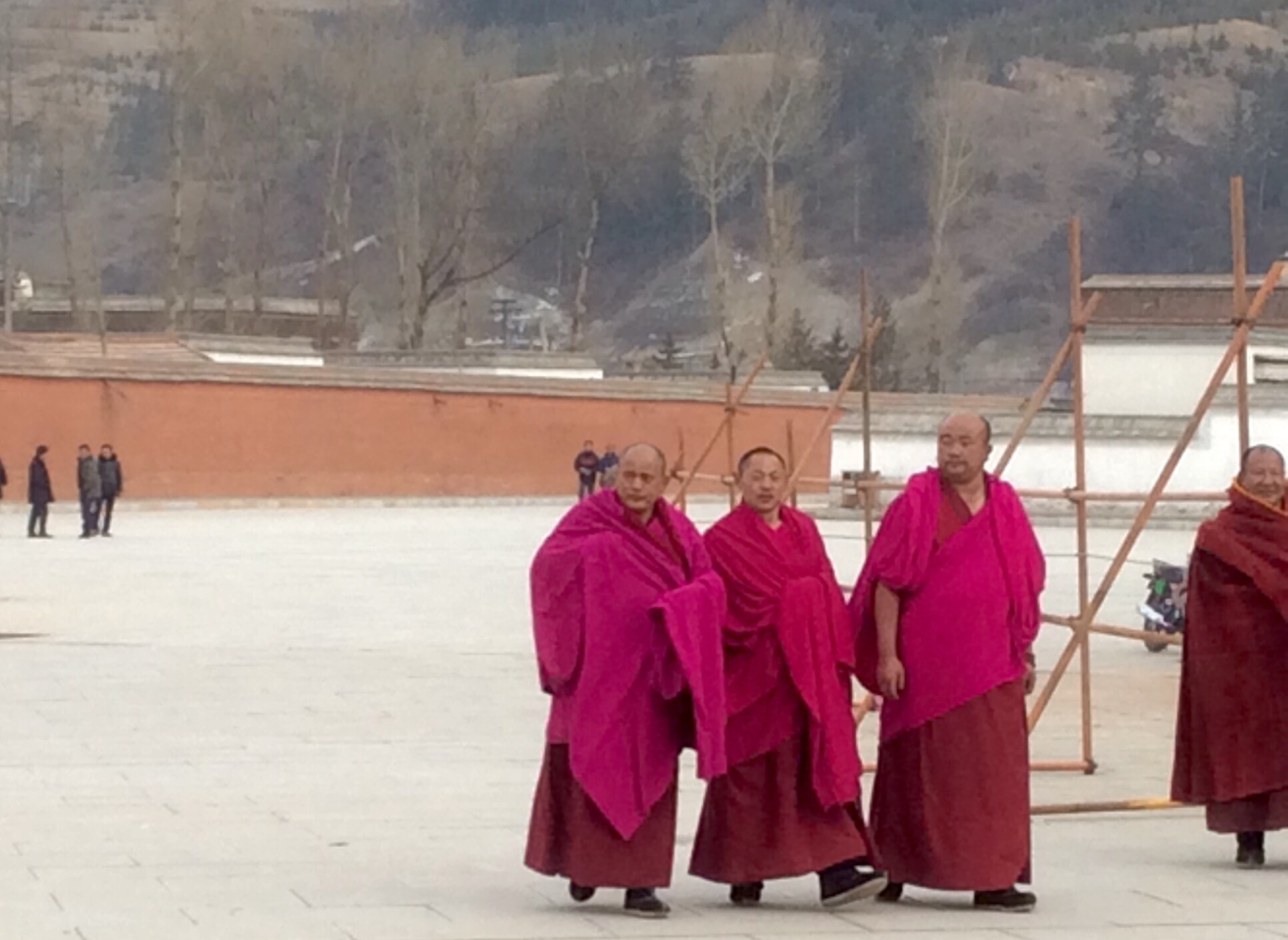
Lots of monks in red and pink, both male and female.  We were the only westerners.IMG_7887


A bit of culture shock here – both men and women squat in the street whenever nature calls.  Just right in front of you.  You must watch where you step!
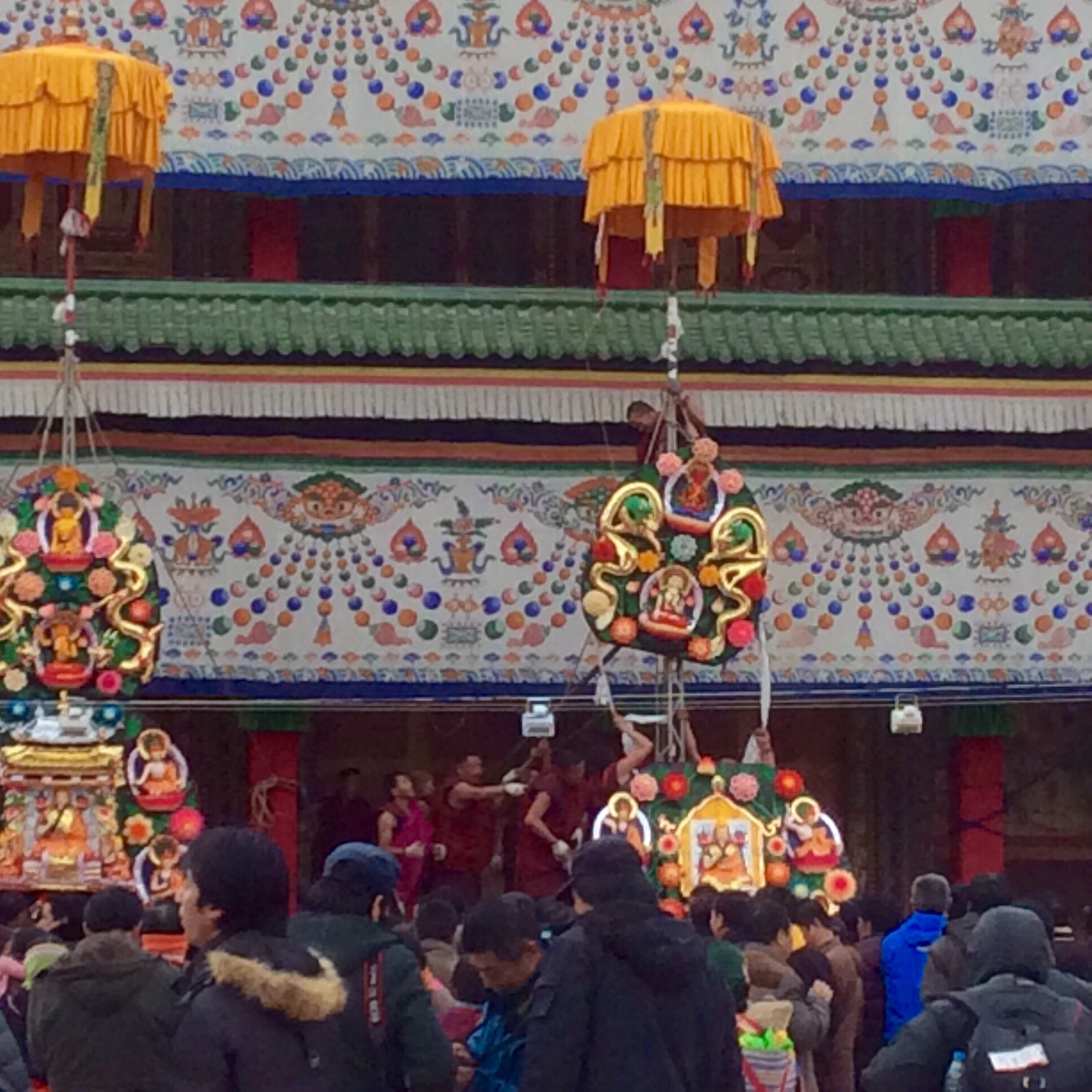
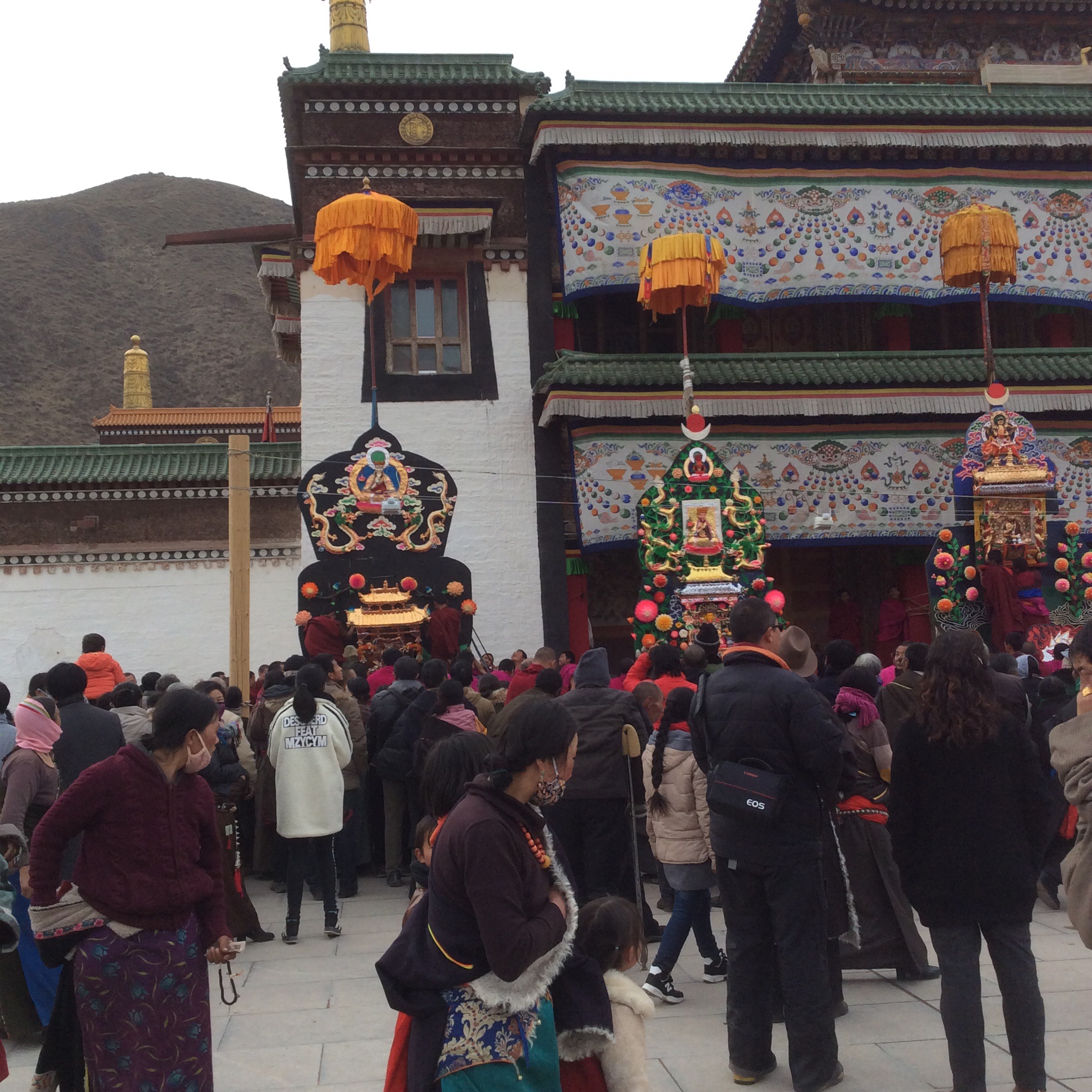
We found the main square, where preparations were underway for the presentation of this year’s yak butter sculptures.

image image

The sculptures would not be presented until several hours after dark, and I was just freezing cold with an aching arm, so we left before the sculptures were brought out.  Here are some examples from previous years.

imageimageimage

There are also yak oil lamps and candles here.

3/6 – We returned to the monastery so that Jim could circumambulate – walk the perimeter, touching every prayer wheel.  This is a really big place, several kilometers!  Even though the festival is now over, the monastery was still crowded with people.


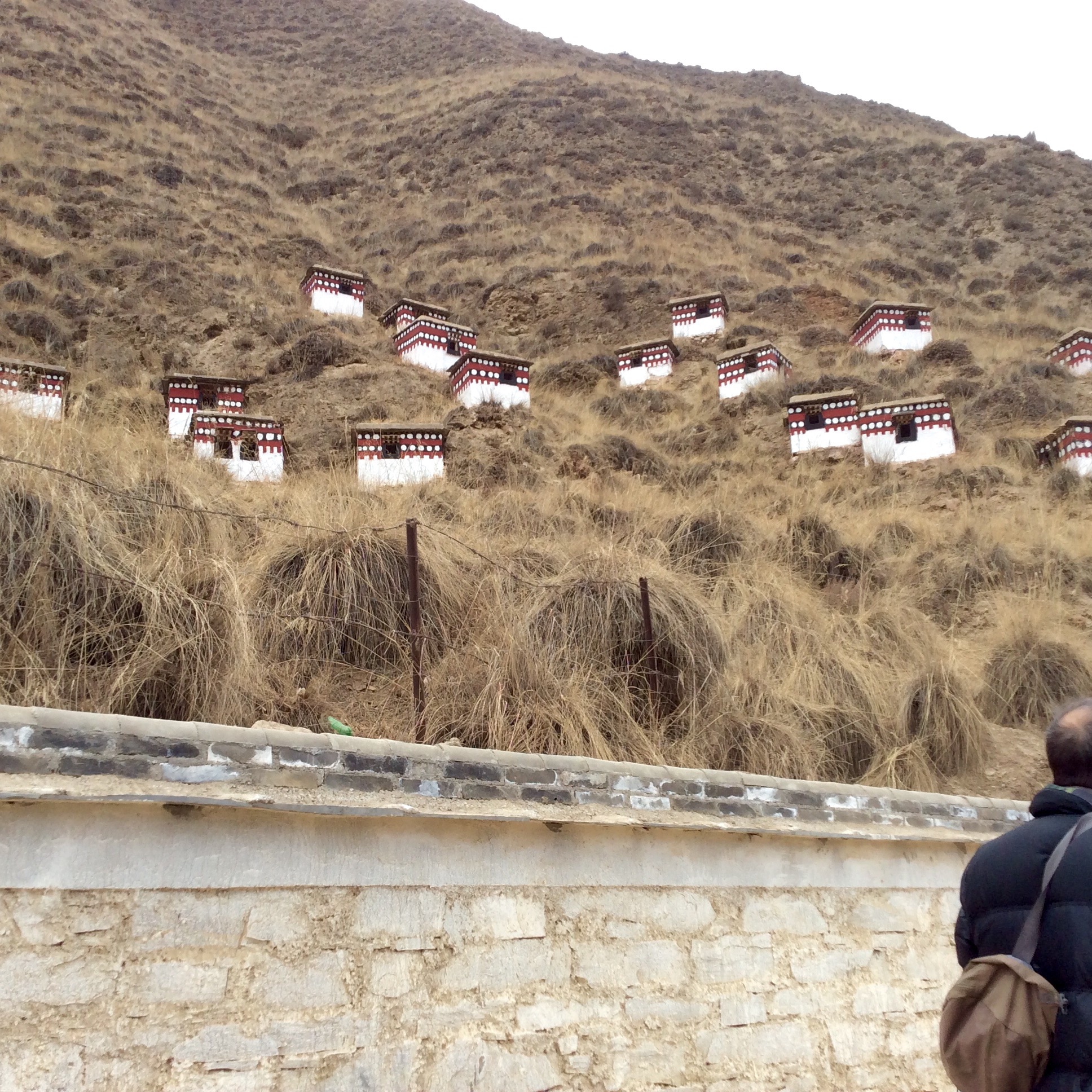
Walking around the back of the temples, we saw several memorials set into the mountainside.
image
 
The view of the monastery from the top of the hill.
image

Monastic cells on the hillside.
image
We saw  quite a number of animals roaming the premises, including a wild boar pushing her piglets through a hole in the wall.

We walked through the town, taking in the sights and watching the people.  I feel transported to another time, until the ring of a monk’s mobile phone reminds me that these people are living comfortably in the 21st century.

At supper, we spoke with Clarie about being a westerner here. The government cuts off the electricity and the Internet intermittently whenever there is a festival, to discourage native uprisings – we experienced this several times. Clarie returned to Amsterdam for the birth of her daughter, as Tibetans are not eligible for passports. Her pretty 9 year old daughter goes to Tibetan school from 7am until 6pm daily, in a class of 57, sitting at attention on a backless stool, where speaking or asking questions is never allowed. Children who cannot do the lessons are hit, and many drop out in primary school. In the equivalent of 4th grade, she is fluent in four languages, and is doing geometry and differential equations. Hmmmm…

Lanzhou to Xiehe, China

3/5 -Got up early for the 10km taxi ride across Lanzhou back to the South Bus Station.  We arrived at about 8:25, prepared to buy tickets for the 9:30 bus to Xiehe.  Surprise – there was an 8:30 bus that hadn’t left yet!  A little man took charge of us and hustled us through security and onto the bus.  There was nothing on the ticket that was not in Chinese, and no bus number, so we hoped we were getting on the right bus!  We took two random empty seats, and the little man came on and moved us forward so that all the front seats were filled.  Very orderly.

It soon became apparent that there were no Chinese on the bus – all the folks were speaking a different language that Jim said was Tibetan, and they looked more like Native Americans than Chinese with long braids and brown, leathery skin.
We soon left the city, passing terraced farmland.IMG_7844-13


And then we were up into the mountains – Himalayas?  Without Google, I have no way of checking.  Anyway, we were heading toward the part of China formerly known as Tibet, to visit the Labrang Tibetan Monastery.
We arrived in Xiehe by noon, and hailed a taxi to take us to the Nirvana Hotel.  Jim had copied the name and address out in Chinese characters, but, you guessed it, the taxi driver couldn’t read Chinese!  Tibetan is what’s spoken here.  There was another guy in the cab, and he showed us a pic on his phone of red robed monks – is that where we are going?  Yes!  we said, right near the monastery.  He asked if we had a phone number, but we did not.  So the taxi driver picked up a young woman who looked Chinese, and asked her to read the script.  That got us onto the right street, but he couldn’t find the hotel.  Twice around the block, and I spied the name on the building in English. Stop!  Here it is!

We walked into the downstairs restaurant, to the sound of The Band on the sound system, and a western woman greeted us in perfect English – are you the McClenons? We’ve been waiting for you!  To say I was overcome would be an understatement – I burst into tears at the realization that I’d be able to speak English here!  Jim thought I’d lost my mind.
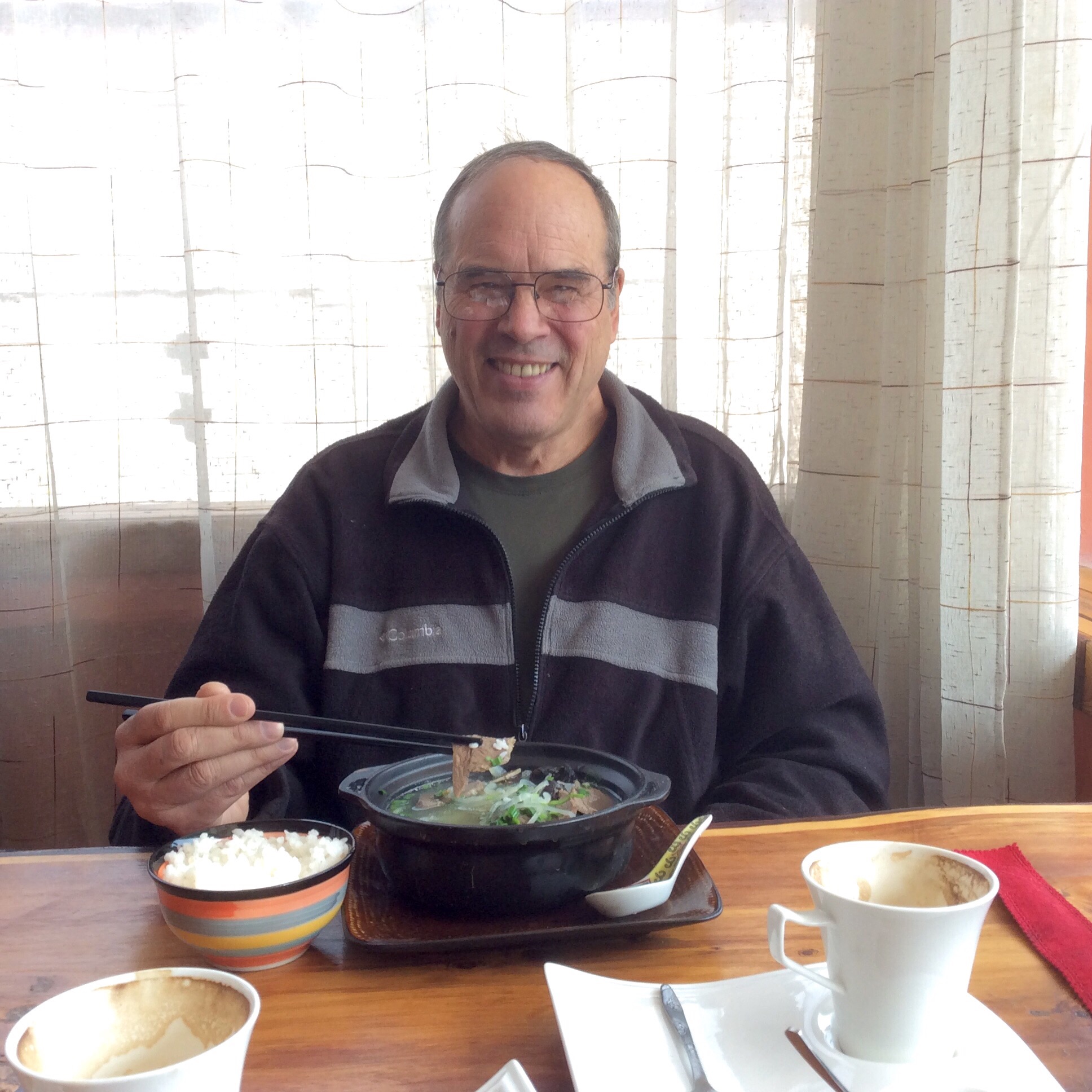
We dropped our stuff off in our lovely, if chilly, room, and went back down to have lunch.  Now Bob Dylan was playing, followed by the Eagles, the Beatles, and Meatloaf!  I was in oldies heaven. We had lovely yak and vegetable soup with rice on the side, and the first cappuccinos we’ve had since Italy. Don’t wake me up, I’m loving this dream!image
Our host Clarie, originally from Amsterdam, used to be a tour guide until she met her husband here and decided to stay and open a business.  While we were eating lunch, we met an English-speaking photographer and his wife from Shanghai, and Madelyn, an American from Oregon!  The next table over had a group of German tourists drinking beer – the first foreign tourists we’ve seen.
Madelyn had lots of info about the monastery.  Seems we arrived just in time for their New Years celebration, and tonight there will be a parade and the monks will be displaying sculptures made of yak butter!  Are we lucky or what?

Lanzhou – the Gansu Provincial Museum

3/5 – After a shower with real hot water (several of our recent hotels only had tepid) and a nap, we took a taxi to the Gansu Provincial Museum, about a 40 minute ride in a direction we hadn’t yet seen.  We passed through the modern downtown with tall bank buildings., lots of traffic, and lots of people.  We are here to see the famous first century CE bronze statue called the Flying Horse of Gansu, a horse that runs so fast, he appears to fly.  He is shown with three feet off the ground, and his hind foot stepping on a little bird, who looks up at the horse in surprise.  Here it is.  It’s only about 12 inches tall, so you can’t really see the bird.


The museum also had a Buddhist Art exhibit, with statues from various grottoes, and prayer wheels.


Those big, decorated columns are prayer wheels – grab a handle at the bottom and spin to send your prayers heavenward.


There was also an exhibit with lots of dinosaur bones.  These pix are for you, Lexi!


We walked outside to see… Snow!  Enough winter already!  By the time we got back to our hotel, everything was slippery, and I found that I am very afraid of falling again.  I think I held Jim’s hand so tight, I cut off his circulation.  Get me to some nice, warm weather, please!  We walked a block to have supper at yet another noodle restaurant – I always associated Chinese food with rice, but here in the northwest, it’s all about noodles.  Happy to report that I am acquiring some proficiency using chopsticks with my left hand – otherwise, I might starve!
Dunhuang to Lanzhou, China

3/3 – I’ve really enjoyed our few days in this pretty town.  The New Year’s celebrations are still winding down, and we hear lots of firecrackers going off in the streets.  It is the Year of the Ram.


After our day of sightseeing, we relaxed, ate noodles and beef in little restaurants (Jim asked repeatedly where we could sample some donkey meat, but the Donkey and Yellow Noodle Restaurant seemed to be the only place in town, and it was closed), and bought our train tickets for the next leg of our journey.  

We found an open-air market with all kinds of produce for sale.


I even found some wall art, showing the areas this town is known for – the Magao Caves, the Gobi Desert, the White Pagoda.


We also checked out the local supermarkets, and brought home some samples to try (with mixed results). The food here is VERY salty, but the beer is fine! (Note the old-fashioned pop tops!). We have been looking for several weeks for dental floss, which we have determined is just not used in this part of the world.


Wherever we go, people are surprised or amused to see westerners, and ask to take our picture.  We are the only non-Asian people in this town, as far as we can tell, and even at the big hotels, not a word of English is known.  Very few people – western or Asian – try to cross China overland, especially in winter. 

We are becoming experts in pantomime and planning – Jim looks up and copies out key words in Chinese into his notebook to show people what we want, before we leave the hotel.  At restaurants, we walk around to see what others are eating, and point to things that look good. At stores, we look at the register display, or the shopkeeper shows us western numbers on a calculator, to see what we owe.  This has worked pretty well so far.  

These little girls followed us down the street, shouting giggly Hellos! at us.  When I responded Nie Hao!, they just roared with laughter.  I don’t think my pronunciation is very good…


We left our hotel at 6pm to catch a taxi for our 8pm train.  The station is about 10 miles out of town, and is quite impressive.


We had a four berth compartment to ourselves for our overnight ride  – in fact, there were only three other people in the whole car!  This must really be the off-season in China.  

Arrived on time at 7:30am, and walked across the street to the bus station to purchase our tickets for tomorrow.  Was informed by the nice Information Lady that tickets to Xiahe can only be bought at the South Bus Station, 10 km away.  Okay, time for a morning taxi ride across town!

Lanzhou is a big, dirty city, that either has many abandoned buildings, or ones that were never finished.  People walk on dirt right along the main road – no sidewalks.  


In 20 minutes we were at the South Bus Station, and asked for tickets on tomorrow’s bus.  The ticket lady informed us that tickets could only be purchased for today’s bus, and to come back in the morning.  Agghhh!   Our online blog advisors had specifically warned that these tickets sould be purchased in advance.  Oh well – at least we now know that the bus leaves at 9:30am. 

Another taxi ride all the way back to the train station, where Jm had booked a conveniently close hotel.  Best laid plans and all that…  So now we are in our kinda dumpy hotel in a smoggy city, and will rest up for our long bus ride to Xiahe tomorrow.

Saturday in Dunhuang

2/28 – We met with our new Chinese friends in the hotel lobby at 10am. I wish I could tell you their names, but after we were introduced, the names just leaked right out of my brain. We piled into a van, and headed to the Mogao Grottoes, an ancient collection of over 2000 Buddhist statues and murals as old as the 3rd century, hidden until the early 1900s in caves dug out of the mountains.imageimageimage

As usual, the Brits got there first, and carted most of the best stuff back to London. Visitors must take a guided tour, and ours was only in Chinese, so I can’t tell you much. Photos were not permitted, but after watching the other visitors snapping away with their phones, we did the same.image

The grottoes are kept dark so that light does not degrade the relics. In most of the caves the guide’s flashlight was the only illumination.
image

image

image

image

There were many Buddhas and Bodhisattvas depicted, in the different styles of the ethnicities who traveled through Dunhuang on the ancient Silk Road. My favorite was a great big Buddha. Here is his enormous foot:image

And way up there is his head:image

A young student heard us speaking English, and asked if we would pose with his family.image

Outside the caves were stupas, tombs of famous monks and other stuff.

image

image

One of the tombs contained a statue with its head removed, probably during the Cultural Revolution. The fact that these grottoes were not destroyed during that period is a testament to their importance.image

Here are our new friends.image

We had lunch together at a small restaurant run by a Uyghur couple.image
I made the mistake of ordering a chicken dish. The nice man went back into the kitchen and hacked up some chicken with a hatchet, and served it with pieces of bone in every bite. No horse, no chicken – I’m becoming a picky eater! The specialty in this town is donkey – do you think I will try it?

After lunch we went to the museum and saw more stuff.

Our last stop of the day was the big sand dunes of the Gobi Desert where they have camel races every year. image

This is a poster of the camel races.
image

We opted not to take a camel ride, but as we turned for home, one came right down the street!imageimage

What a day!

Urumqi to LiuYuan to Dunhuang, China

2/27 – Back to the Urumqi train station we go! Our train to LiuYuan departs at 9:27am so we left the hotel before 8 to make sure we got a taxi and got through the security check points at the station. Once again, we were asked to step aside for a thorough search after our packs went through the scanner. Profiling! Again, they were interested in our canteens, but rather than confiscating the water bottles like in the US, they just make you take a drink. If you don’t die immediately, they let you pass.

We entered a huge waiting area totally packed with people – think Grand Central Station, and then some. I watched the board that included our train, and assumed that all these people were waiting for different trains. When our train was announced, EVERYBODY started moving – all these people were getting on the same train!image

We found car 14, which was an open sleeper with 6 berths per compartment, but the compartments had no doors. We were the only ones in our section,N which was good, because I didn’t know how I would climb into an upper berth with my arm in a sling.

Lots of brown desert, and brown mountains. All day. Once we far enough from the city, the sky actually turned blue!image

image

The conductor stopped by with his camera and a friend who wanted his picture taken with us. The novelty of being a westerner! We were happy to oblige. The nice conductor let us know when we were approaching our stop, and we were ready to get off by 6pm. LiuYuan is a one road town that depends on the train station for its livelihood. It has no hotels, so even though it was late in the day, we had to press on to Dunhuang. As we had read, there were taxis and a minibus waiting outside the train station. We jumped onto the minibus for the 128km /80 mile ride to Dunhuang.

Sharing the ride with us were three young Chinese women on holiday. One had a bit of English, and asked if we were going to see the sights of Dunhuang tomorrow. When we replied yes, she suggested that we go together and share the taxi fare. Deal!

Here’s a funny thing. The minibus had to stop for gas. As soon as the bus stopped, everybody got off, and walked briskly to the edge of the road, as far from the natural gas pumps as possible. There we stood, shivering in sub-zero temperatures, as the attendant filled the tank. Do buses explode often here?

The road to Dunhuang is an absolutely straight two lanes, rutted and potholed, through absolutely flat, featureless desert. The most interesting thing was watching for the kilometer markers as we bounced along (my arm aching with every bounce). After the sun set, the ride became more interesting, as our driver expertly maneuvered around bicycles, pedestrians, and three wheeled carts with no lights at all. By 8:30pm we were in Dunhuang, a brightly lit, friendly looking town. The bus driver took us right to our hotel, and the three young women decided to stay at the same hotel too.

Dunhuang was an important stop on the ancient Silk Road. Tomorrow, the sights!