Category Archives: Travel

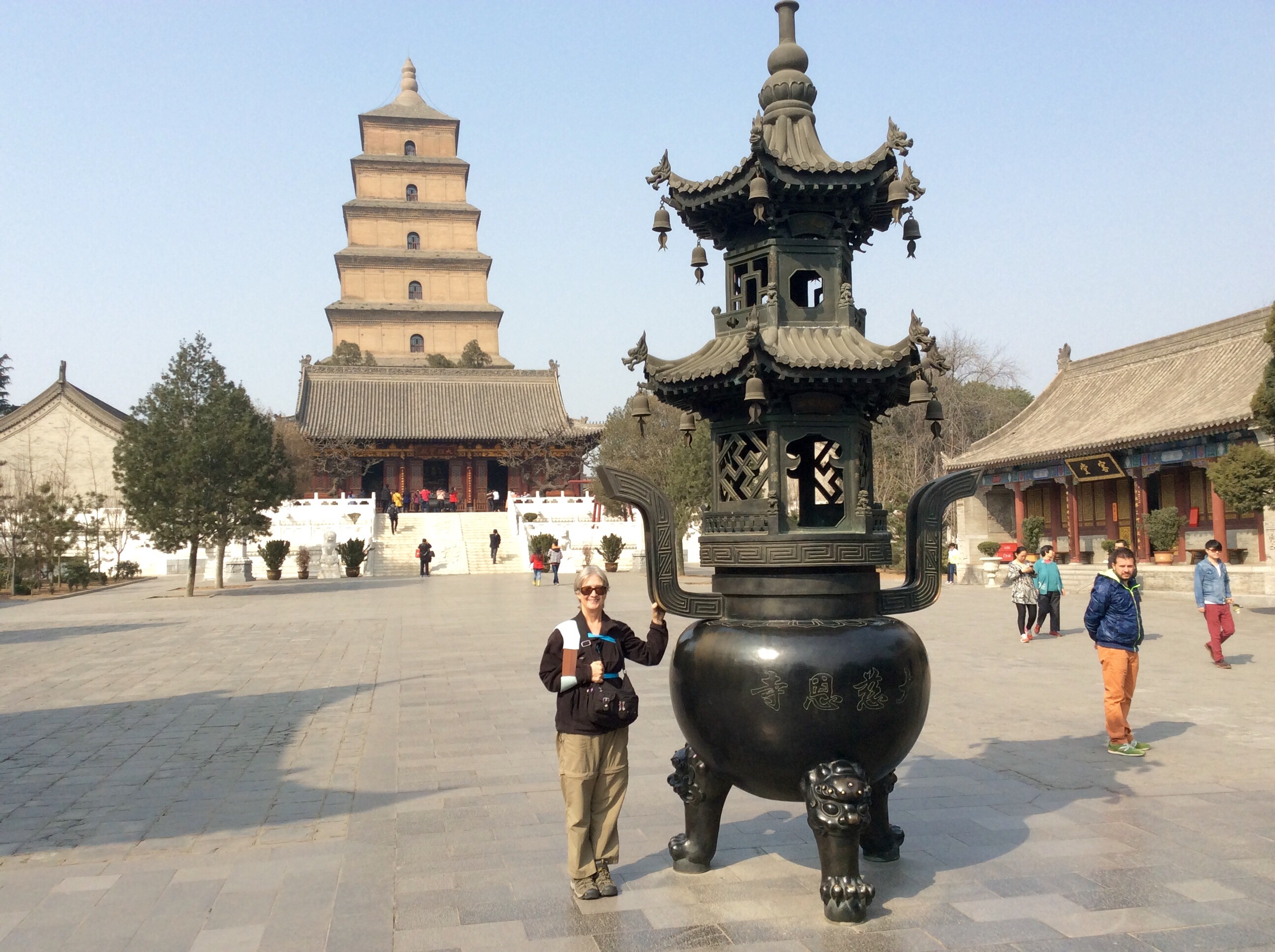
Lanzhou – the Gansu Provincial Museum

3/5 – After a shower with real hot water (several of our recent hotels only had tepid) and a nap, we took a taxi to the Gansu Provincial Museum, about a 40 minute ride in a direction we hadn’t yet seen.  We passed through the modern downtown with tall bank buildings., lots of traffic, and lots of people.  We are here to see the famous first century CE bronze statue called the Flying Horse of Gansu, a horse that runs so fast, he appears to fly.  He is shown with three feet off the ground, and his hind foot stepping on a little bird, who looks up at the horse in surprise.  Here it is.  It’s only about 12 inches tall, so you can’t really see the bird.


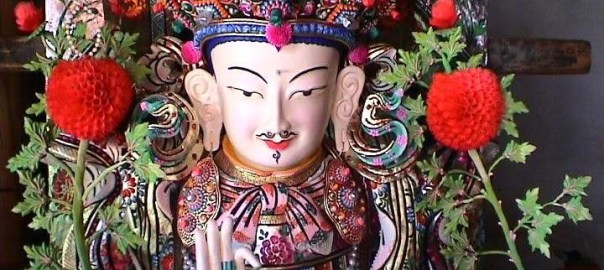
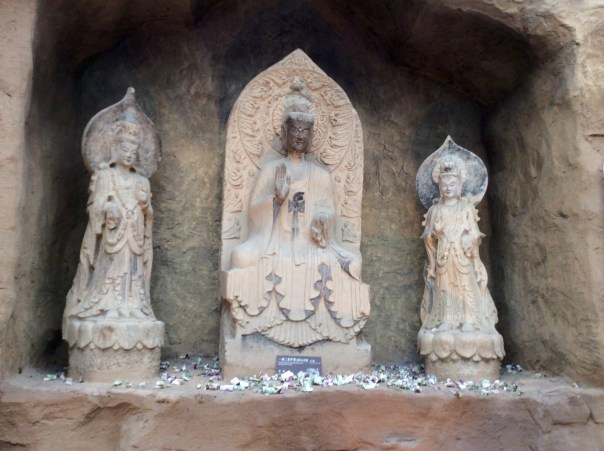
The museum also had a Buddhist Art exhibit, with statues from various grottoes, and prayer wheels.


Those big, decorated columns are prayer wheels – grab a handle at the bottom and spin to send your prayers heavenward.


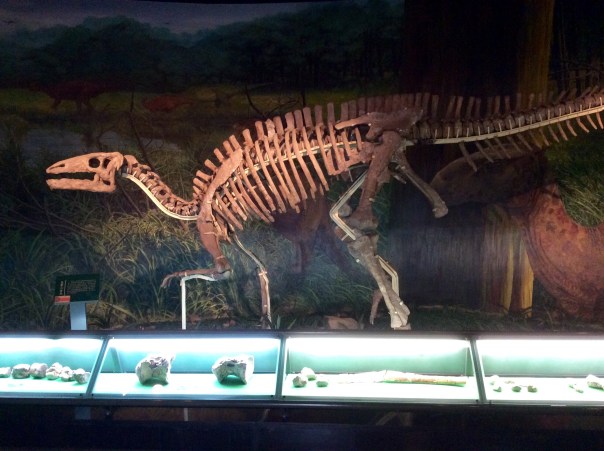
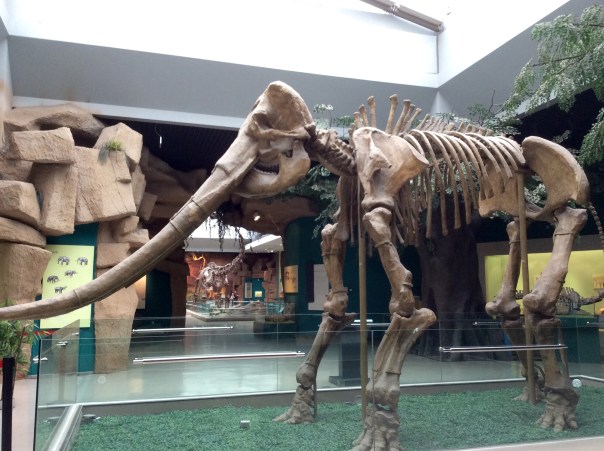
There was also an exhibit with lots of dinosaur bones.  These pix are for you, Lexi!


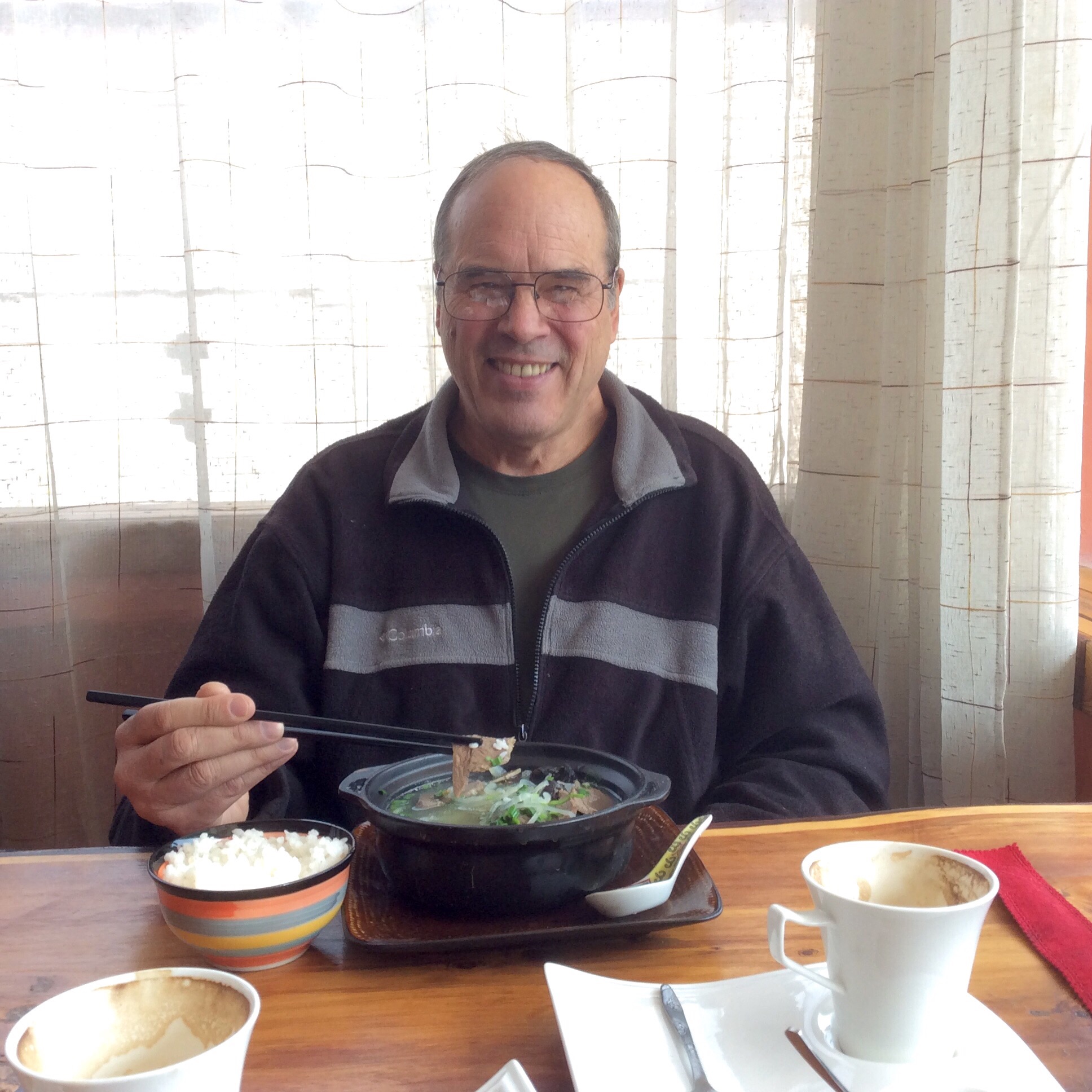
We walked outside to see… Snow!  Enough winter already!  By the time we got back to our hotel, everything was slippery, and I found that I am very afraid of falling again.  I think I held Jim’s hand so tight, I cut off his circulation.  Get me to some nice, warm weather, please!  We walked a block to have supper at yet another noodle restaurant – I always associated Chinese food with rice, but here in the northwest, it’s all about noodles.  Happy to report that I am acquiring some proficiency using chopsticks with my left hand – otherwise, I might starve!

Dunhuang to Lanzhou, China

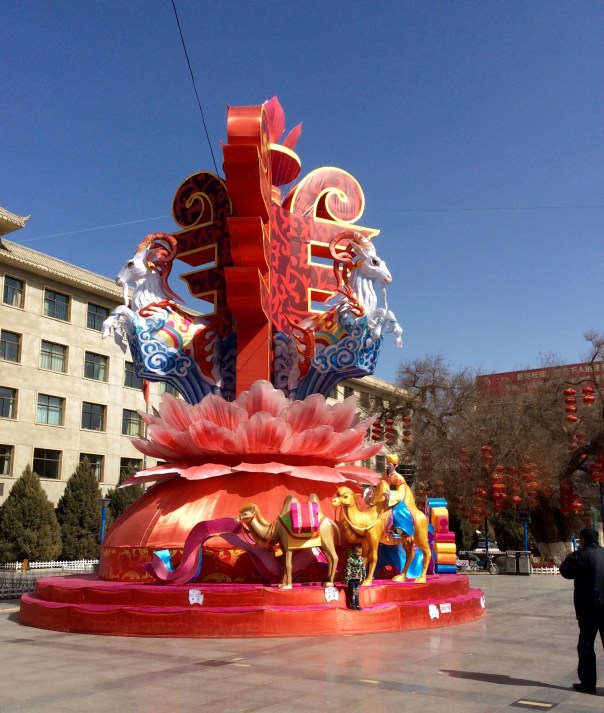
3/3 – I’ve really enjoyed our few days in this pretty town.  The New Year’s celebrations are still winding down, and we hear lots of firecrackers going off in the streets.  It is the Year of the Ram.


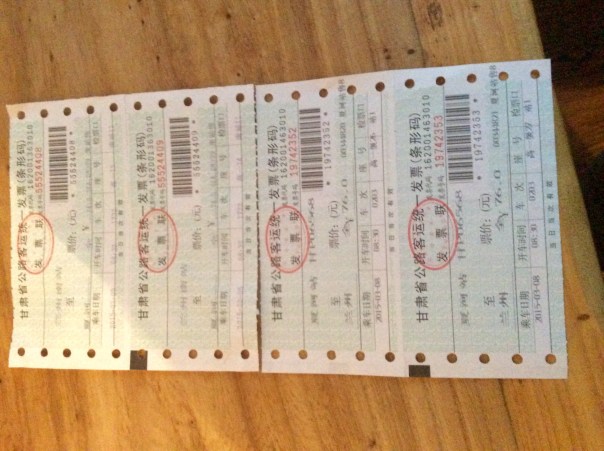
After our day of sightseeing, we relaxed, ate noodles and beef in little restaurants (Jim asked repeatedly where we could sample some donkey meat, but the Donkey and Yellow Noodle Restaurant seemed to be the only place in town, and it was closed), and bought our train tickets for the next leg of our journey.  

We found an open-air market with all kinds of produce for sale.


I even found some wall art, showing the areas this town is known for – the Magao Caves, the Gobi Desert, the White Pagoda.


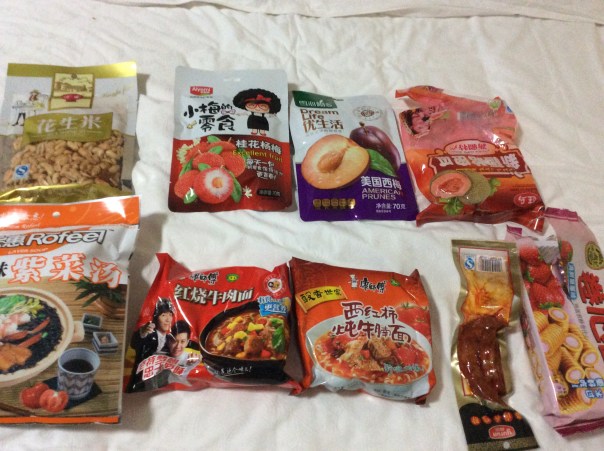
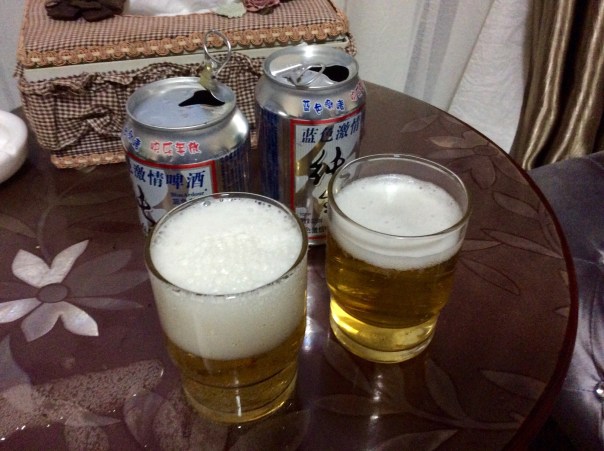
We also checked out the local supermarkets, and brought home some samples to try (with mixed results). The food here is VERY salty, but the beer is fine! (Note the old-fashioned pop tops!). We have been looking for several weeks for dental floss, which we have determined is just not used in this part of the world.


Wherever we go, people are surprised or amused to see westerners, and ask to take our picture.  We are the only non-Asian people in this town, as far as we can tell, and even at the big hotels, not a word of English is known.  Very few people – western or Asian – try to cross China overland, especially in winter. 

We are becoming experts in pantomime and planning – Jim looks up and copies out key words in Chinese into his notebook to show people what we want, before we leave the hotel.  At restaurants, we walk around to see what others are eating, and point to things that look good. At stores, we look at the register display, or the shopkeeper shows us western numbers on a calculator, to see what we owe.  This has worked pretty well so far.  

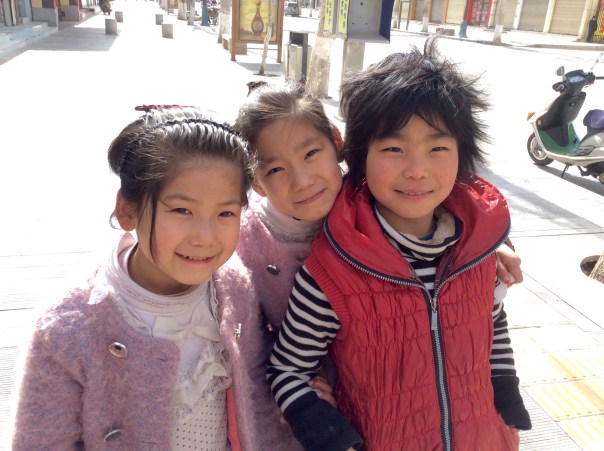
These little girls followed us down the street, shouting giggly Hellos! at us.  When I responded Nie Hao!, they just roared with laughter.  I don’t think my pronunciation is very good…


We left our hotel at 6pm to catch a taxi for our 8pm train.  The station is about 10 miles out of town, and is quite impressive.


We had a four berth compartment to ourselves for our overnight ride  – in fact, there were only three other people in the whole car!  This must really be the off-season in China.  

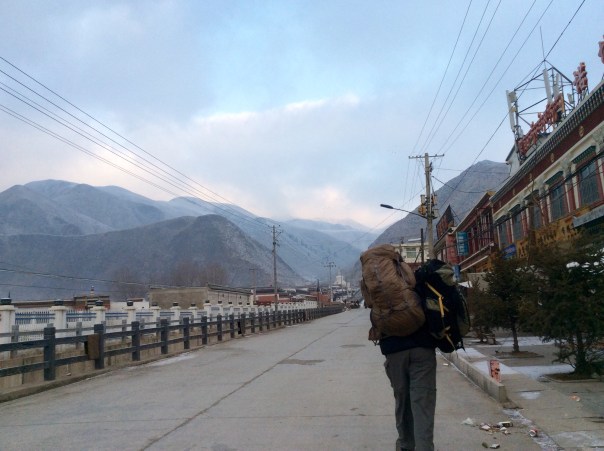
Arrived on time at 7:30am, and walked across the street to the bus station to purchase our tickets for tomorrow.  Was informed by the nice Information Lady that tickets to Xiahe can only be bought at the South Bus Station, 10 km away.  Okay, time for a morning taxi ride across town!

Lanzhou is a big, dirty city, that either has many abandoned buildings, or ones that were never finished.  People walk on dirt right along the main road – no sidewalks.  


In 20 minutes we were at the South Bus Station, and asked for tickets on tomorrow’s bus.  The ticket lady informed us that tickets could only be purchased for today’s bus, and to come back in the morning.  Agghhh!   Our online blog advisors had specifically warned that these tickets sould be purchased in advance.  Oh well – at least we now know that the bus leaves at 9:30am. 

Another taxi ride all the way back to the train station, where Jm had booked a conveniently close hotel.  Best laid plans and all that…  So now we are in our kinda dumpy hotel in a smoggy city, and will rest up for our long bus ride to Xiahe tomorrow.

Saturday in Dunhuang

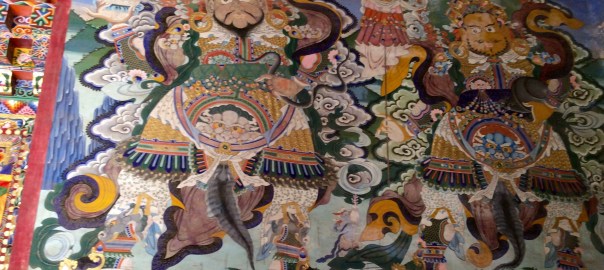
2/28 – We met with our new Chinese friends in the hotel lobby at 10am. I wish I could tell you their names, but after we were introduced, the names just leaked right out of my brain. We piled into a van, and headed to the Mogao Grottoes, an ancient collection of over 2000 Buddhist statues and murals as old as the 3rd century, hidden until the early 1900s in caves dug out of the mountains.imageimageimage

As usual, the Brits got there first, and carted most of the best stuff back to London. Visitors must take a guided tour, and ours was only in Chinese, so I can’t tell you much. Photos were not permitted, but after watching the other visitors snapping away with their phones, we did the same.image

The grottoes are kept dark so that light does not degrade the relics. In most of the caves the guide’s flashlight was the only illumination.
image

image

image

image

There were many Buddhas and Bodhisattvas depicted, in the different styles of the ethnicities who traveled through Dunhuang on the ancient Silk Road. My favorite was a great big Buddha. Here is his enormous foot:image

And way up there is his head:image

A young student heard us speaking English, and asked if we would pose with his family.image

Outside the caves were stupas, tombs of famous monks and other stuff.

image

image

One of the tombs contained a statue with its head removed, probably during the Cultural Revolution. The fact that these grottoes were not destroyed during that period is a testament to their importance.image

Here are our new friends.image

We had lunch together at a small restaurant run by a Uyghur couple.image
I made the mistake of ordering a chicken dish. The nice man went back into the kitchen and hacked up some chicken with a hatchet, and served it with pieces of bone in every bite. No horse, no chicken – I’m becoming a picky eater! The specialty in this town is donkey – do you think I will try it?

After lunch we went to the museum and saw more stuff.

Our last stop of the day was the big sand dunes of the Gobi Desert where they have camel races every year. image

This is a poster of the camel races.
image

We opted not to take a camel ride, but as we turned for home, one came right down the street!imageimage

What a day!

Urumqi to LiuYuan to Dunhuang, China

2/27 – Back to the Urumqi train station we go! Our train to LiuYuan departs at 9:27am so we left the hotel before 8 to make sure we got a taxi and got through the security check points at the station. Once again, we were asked to step aside for a thorough search after our packs went through the scanner. Profiling! Again, they were interested in our canteens, but rather than confiscating the water bottles like in the US, they just make you take a drink. If you don’t die immediately, they let you pass.

We entered a huge waiting area totally packed with people – think Grand Central Station, and then some. I watched the board that included our train, and assumed that all these people were waiting for different trains. When our train was announced, EVERYBODY started moving – all these people were getting on the same train!image

We found car 14, which was an open sleeper with 6 berths per compartment, but the compartments had no doors. We were the only ones in our section,N which was good, because I didn’t know how I would climb into an upper berth with my arm in a sling.

Lots of brown desert, and brown mountains. All day. Once we far enough from the city, the sky actually turned blue!image

image

The conductor stopped by with his camera and a friend who wanted his picture taken with us. The novelty of being a westerner! We were happy to oblige. The nice conductor let us know when we were approaching our stop, and we were ready to get off by 6pm. LiuYuan is a one road town that depends on the train station for its livelihood. It has no hotels, so even though it was late in the day, we had to press on to Dunhuang. As we had read, there were taxis and a minibus waiting outside the train station. We jumped onto the minibus for the 128km /80 mile ride to Dunhuang.

Sharing the ride with us were three young Chinese women on holiday. One had a bit of English, and asked if we were going to see the sights of Dunhuang tomorrow. When we replied yes, she suggested that we go together and share the taxi fare. Deal!

Here’s a funny thing. The minibus had to stop for gas. As soon as the bus stopped, everybody got off, and walked briskly to the edge of the road, as far from the natural gas pumps as possible. There we stood, shivering in sub-zero temperatures, as the attendant filled the tank. Do buses explode often here?

The road to Dunhuang is an absolutely straight two lanes, rutted and potholed, through absolutely flat, featureless desert. The most interesting thing was watching for the kilometer markers as we bounced along (my arm aching with every bounce). After the sun set, the ride became more interesting, as our driver expertly maneuvered around bicycles, pedestrians, and three wheeled carts with no lights at all. By 8:30pm we were in Dunhuang, a brightly lit, friendly looking town. The bus driver took us right to our hotel, and the three young women decided to stay at the same hotel too.

Dunhuang was an important stop on the ancient Silk Road. Tomorrow, the sights!

Dunhuang, China – Caves of the 1000 Buddhas

beinghere2014's avatarBeinghere

image

We are on the way to the Caves of the Thousand Buddhas, also called the Magao Caves or the Dunhuang Caves since they are 25 km from Dunhuang, China.

“What do you know about the Buddha?” I asked Karen.

“He was a prince in India who was disturbed by seeking a sick man, a dead man, and a monk. As a result, he left home to become enlightened. He sat under a tree and he must have become enhnlightened because he lived to become old and taught others to become enlightened.”

“What did he say?” I asked.

“There were the eight noble paths and the four noble other things, something like that,” she said.

“That’s close enough,” I replied. “We don’t need to get into details. The Buddha said life involves suffering and suffering comes from attachments. By giving up attachments, we reduce suffering; the pathway to do this involves…

View original post 1,343 more words

Thursday in Urumqi – the Bone Hospital And the Museum

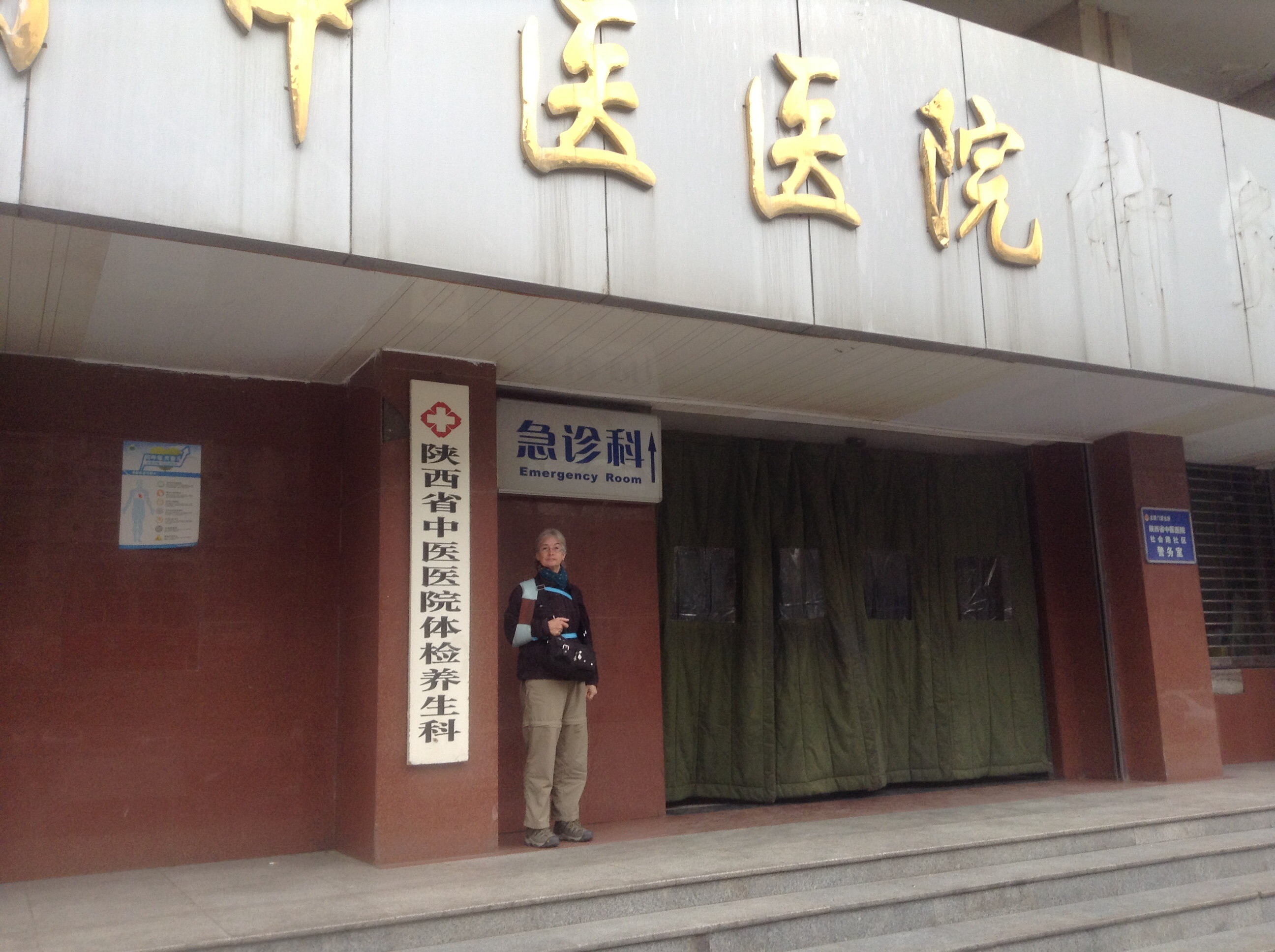
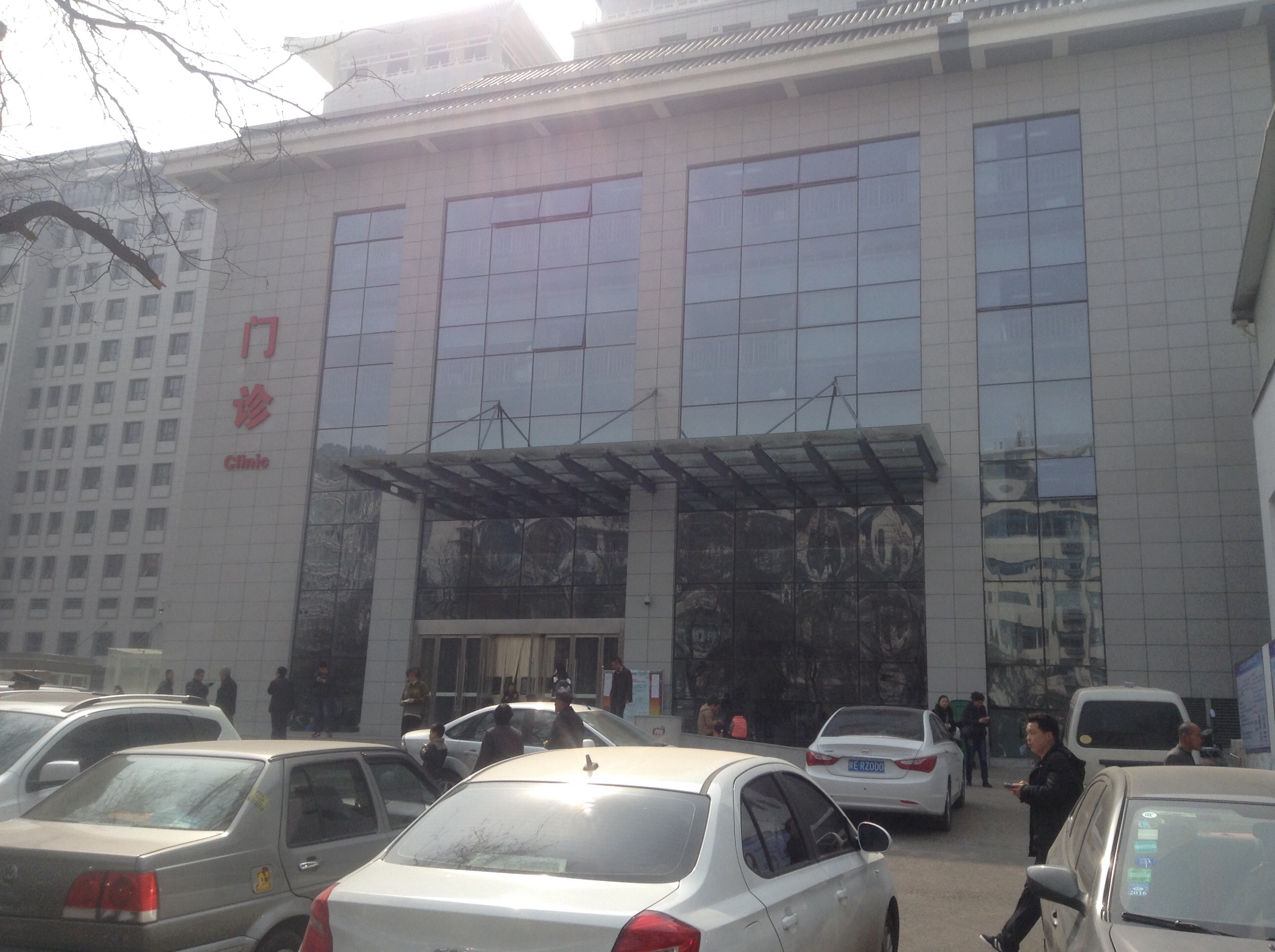
2/26 – When we woke up this morning, Jim said we’d waited long enough for my arm to feel better.  Time to take action!  We looked at our map and saw a hospital within walking distance.  Jim copied out the Chinese words for ‘shoulder’ and ‘X-Ray’, and we set off down the road.  We walked into the hospital, teeming with parents and children.  The nurse at the front desk let us know this was a children’s hospital, and she went and got a lady who spoke enough English to tell us we needed the Bone Hospital.  She wrote out the words in Chinese so we could show the taxi driver.

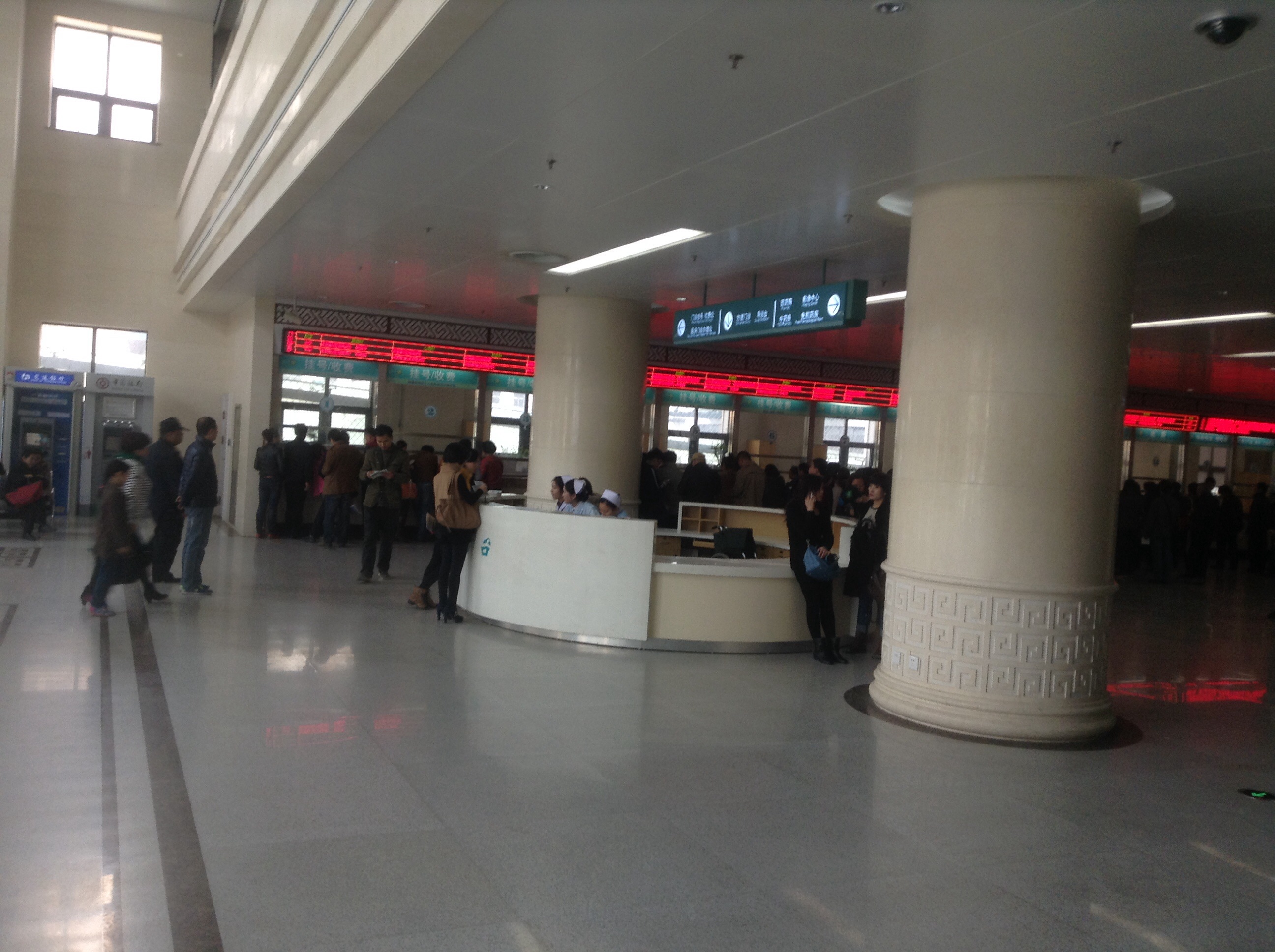
15 minutes later, we walked into another hospital.  There were lots of people limping and in casts and crutches, so we figured we were in the right place.  The nurse checked us in using my passport as ID, and issued us a plastic card that would be swiped for each transaction.

We waited in a hallway until we were called in to see a doctor, who concurred that I needed an X-ray.  He called over a young resident who spoke some English, who took us upstairs and instructed us to wait until we were called.  He asked if he could take our picture, as we were his first foreign patients!image

Within an hour, my X-rays were done, and we waited until they were developed, then brought them back to the doctor on the first floor.  He showed me where my upper arm bone (humerus) was fractured right below the shoulder.  He called the young resident back, and he said it didn’t need an operation or a cast, just don’t move it for three weeks.  Jim asked if we could purchase a sling, and the young doctor took us up to the tenth floor to be fitted for one.  Here’s the happy result!


From start to finish, we were there less than three hours.  Total cost:  less than $50.00!

We went to lunch, and I discovered that chopsticks are even more challenging left-handed.  I ended up using a spoon…

After lunch we took a taxi to the Xinjiang Uyghur Autonomous Region Museum, to learn more about Uyghur culture.  Here are some pix.

Wednesday in Urumqi, China 

2/25 – Woke up this morning to the conductor pounding on our door.  Urumqi!  (pronounced Ur UM chee).  We scrambled to dress and get our packs together, and looked out the window.  Snow on the ground, and smog in the air.  A big city.  In my mind, Urumqi, on China’s western frontier, was not so big and crowded, or so smoggy.  Oh well.


We got off the train, looking for an ATM to get some Chinese money.  The Yuan is equal to about 16 cents US, or 6 yuan to the dollar.  There was an ATM in the train station, but it rejected our card.  Since we left Türkiye, it takes us an average of 5 ATMs before we find one that will give us money.  We hoped to have better luck here…  We walk next door to the huge and crowded ticket hall, going through a metal detector, a pat-down and a hat removal, to find no ATM there.  We need cash to buy train tickets, and to get a taxi to our hotel.  Back out on the street, it is SO crowded!  Thousands of people with places to go.  We try a bank, no luck at their ATM, and they can’t give us a cash advance from our credit card, nor change our remaining Kazakh money.  The cleaning lady has some English, and tells us to try China Bank, by getting on Bus 52.  We explain that we can’t take a bus, as we have no Chinese money.  She reaches into her pocket and produces two bills, presumably enough for bus fare.  First Nice Person of China!

We try a nearby hotel, where we hope to find someone with advice in English.  No luck.  We walk down the very crowded street, past markets and mobile phone shops.  I spy a sign that says ATM.  Success!  

Now we return to the ticket hall, through the metal detector and the pat-down.  This time they are interested in the water bottle in Jim’s pack, which they weren’t interested in before.  My hiking poles are a red flag, and I have to open my pack and pantomime that they are used as walking sticks.  We get on one of the lines to purchase our tickets to our next destination, Dunhuang.  When we show the word, written in Chinese, to the clerk, he says something in Chinese that we can’t understand.  He leaves his station, and comes back with a young woman who speaks English.  She explains that there is no train to the town we wish to go to – we can get tickets for a 9 hour ride to LiuYuan, then take a two hour bus from there.  Sounds like a plan, and we get our tickets.

Jim dickers with an unlicensed taxi driver for a ride to our hotel.  He’s sure we are paying too much, but it’s not a lot by American standards.  Jim shows the man his hand drawn map (my phone plan works here, but Google Maps does not, thanks to the Great Firewall of China blocking all Google products and social media) and the guy takes off in the opposite direction.  After a while, he rolls down  his window and asks directions of passersby.  Deja vu!  Drivers are alike in every country!  He finally turns down the right street, and I yell for him to stop as he passes our hotel.  Sheesh!  We have arrived, safe and sound, to our lovely upscale hotel with western toilet and wifi.

For supper we walk down the street where there are a number of restaurants, and choose one that displays pictures of the dishes.  We select beef and noodles with celery and greens.  Eating soup with chopsticks is challenging, and my arm still hurts whenever I try to raise it, but the food was delicious!


Almaty, Kazakhstan to Urumqi, China

2/23 – We hung around our hotel today, listening to the construction above our heads as they rebuild the hotel after a fire. The goal was to give my arm a day of rest before subjecting it to another bumpy train ride. My throat is full of construction dust and my eyes are scratchy. I’ve had enough of Kazakhstan, thank you!

We used the one finger method to catch a ride to the railway station. Best system ever!

2/24 – Midnight train to Urumqi, China. This little cutie was very interested in my iPad.image

Had to cross over three sets of tracks and vault up onto the train. The conductor tried to help me up by grabbing my arm – ouch! Re-injured my shoulder. We have a four berth compartment to ourselves. image

In the morning, lots of cold desert. Discovered there was no dining car, as we had been led to believe by the Man in Seat 61. Hope we have enough snacks!image

The path we are following is part of the ancient Silk Road trade route through the east.
image

At 5pm our conductor indicated that we would be stopping for one hour, and could get something to eat in the station. We understand that this break is to enable them to change the wheels on the train, as the track gauge is different in China (Lionel vs. H.O.?).
image
The menu was only in Russian, so we walked around the cafe, saw a tasty Asian stir-fry with rice at another table, and pointed to it. That’s how we get fed!

By 7pm our room had been inspected by Kazakh customs. This was the first time our bags had been searched – we had to dump out the contents of our backpacks for inspection.

By 9pm we repeated the process for Chinese customs. Bags searched again. They turned on my phone and were interested in the picture I had saved of the Istanbul metro – I wonder what they were looking for? The train started moving again at 11:30pm, and we adjusted our watches for China time, so it is 1:30am. Welcome to China! Not sure if we’ll be able to blog reliably from here due to censorship, or the Great Firewall of China, so please be patient. We’ll do our best!

Almaty, Kazakhstan

2/22 – Today we will travel across town to see the sights of Almaty. This used to be the capital city, before the president moved it to Astana in 1997, and is still the business and financial capital. It feels like a real city, instead of one just built for show.

I have been trying to see a Russian Orthodox Cathedral, and today is our chance. The Zenkov, or Ascension Cathedral, is the 2nd tallest all wooden structure in the world, and was built entirely without nails. We needed to travel 5 km across town to get to it, and here is how you do it. Stand at the edge of the busy main street. Ever so subtly, stick your index finger out, pointing down at the road. The very next car to come by will stop and ask where you want to go (in Russian, of course). Negotiate a price, and off you go!

The Kazakh man who picked us up had no English, and even though Jim had written out our destination in Russian and drawn a map, we were not sure he knew where we wanted to go. Solution? One block further, he stopped for a Russian man who had his finger out, and asked him if he spoke English. Problem solved! The young man worked for an international medical supply company, and was happy to tell us about his city, and how beautiful it is.

It was Sunday afternoon, and the local folk were out enjoying the day. The Cathedral is in Panfilov Park, also called the Park of the 28 Guardsmen, and there were vendors selling candy and balloons, giving pony rides, and offering photo opportunities for kids to pose with a bird or a rabbit.image

The Cathedral, built in 1907, was colorful and stunning. Constructed totally without nails, it survived a major earthquake in 1911 with minimal damage, which some considered miraculous. It served as a museum during the Soviet years, and was reconsecrated and returned to the Church in 1997.image

image

Inside, the faithful lit candles, bowed three times when crossing themselves, and kissed the golden icons.

We were able to sit and meditate for a while.

When we emerged, we strolled the park to see the monuments commemorating the sacrifice of the 28 local Guardsmen who helped defend Russia against the Nazis in WWII. There were monuments and a tree planted in the name of each one.image
And an eternal flame.
image

There were statues to commemorate the fallen of WWII.image
…and the Russian Revolution of 1917.
image

…and all the Soviets.image

We caught a ride home using the one-finger method. This driver had a little English – enough to tell us “Putin good, Obama bad. Bush okay. Bill Clinton good, Hillary bad.” Well, there you go!

Astana to Almaty, Kazakhstan

2/20 – Last day in Astana. The temperature got into the positive single digits today! Jim was worried about the effect the jouncing of the train would have on my sore arm, so he found a small pharmacy inside a clothing shop, and asked for pain medication. He came back with a tube that I was hoping was a topical analgesic, but turned out to be flesh-colored makeup to cover bruises, called Bruise Off! Such are the adventures of communication in foreign languages – and thanks to Google Translate for letting us know what we bought.

There is an English language school in our hotel, so we stopped in to talk to the students and teachers. They all agree that English is a good language to know if you want to travel. Someday, they would like to go to London and Paris.

IMG_7595

We negotiated with the front desk clerk to keep our room until 3pm. Our express train leaves at 6:30pm for the overnight ride to Almaty, our last stop in Kazakhstan. We’ll just hang out in the train station until it’s time to board. Here’s the train station in the light of day.image

We boarded our express train, and had our compartment to ourselves. After watching the miles roll by in the dark, we locked the door, got undressed, and turned out the light. At about 10:30pm we heard a furious pounding on the door. Uh oh, guess we’ll be sharing our compartment after all! Jim opened the door, and a woman in furs and high heels rolled a big suitcase into the tiny compartment. She started shrieking in Russian, waving her arms about, until the train attendant came and yanked her out. Evidently, she did not intend to share space with two undressed Americans, and suffer the indignities of climbing into an upper berth. A minute later, a young Kazakh man came in to take her place. He vaulted into the upper bunk, and all was well.

The train arrived in Almaty at 7:30 the next morning. We went to the ticket office to secure our next tickets, to Urumqi, China. We read that we could save 8 hours of this journey by taking a series of buses, but we are comfortable with the train. There was only one ticket window open at this early hour, and the woman, who had no English, communicated that we needed to get our tickets from Window 7, which would open at 8am. When no one opened Window 7 at 8am, we went to the station cafe and had some breakfast, then returned. Window 7 still dark. We asked at all the other windows, and were told by each that Window 7 was the only game in town for tickets to Urumqi. We went to the Information booth to ask when Window 7 would open. The info lady walked with us back to the darkened window and read a note in Russan on the glass. She pointed to where it said 11:30. Oh no! We were punchy from too little sleep, and decided to go find our hotel and come back later. As we were shouldering our packs, she came back with an update – 9:30. It was already 9 o’clock, so we sat back down to wait. Sure enough, at 9:30 the little window opened, and we got our tickets. The train to Urumqi only runs twice a week, and leaves at midnight. As the Chinese New Year celebrations are still going on, we felt lucky to get the tickets.

We walked out onto the street, through the gauntlet of men muttering “taxi” under their breath. Evidently, they are not licensed taxis, so try not to call attention to themselves. Jim chose one, and showed him the address of the hotel and a hand-drawn map showing where it was. It’s been our experience that taxi drivers have no idea of where you want to go, and if you don’t direct them, they are happy to drive around all day, running up the fare.

We arrived at the Mark Inn Hotel, to find a construction zone. The reception area was filled with Sheetrock, and there was hammering, sawing and piles of debris everywhere. There was no one to check us in, and the owner was not on site. One of the workman called him and we spoke on the phone. Seems there was a fire, and they were trying to rebuild. Our room was fine, if you like noise and dust… Always an adventure!