Category Archives: Travel

Kampot to Kep, Cambodia

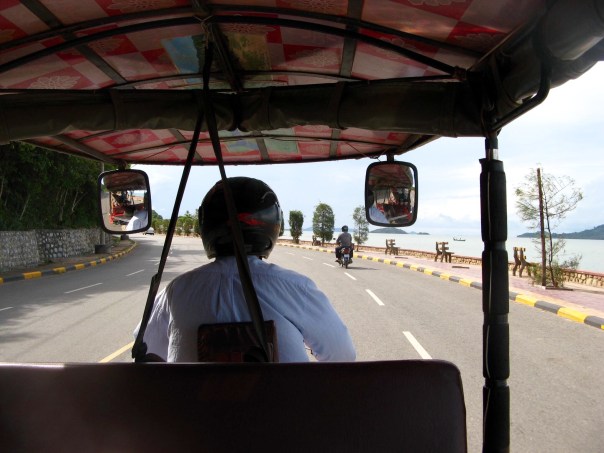
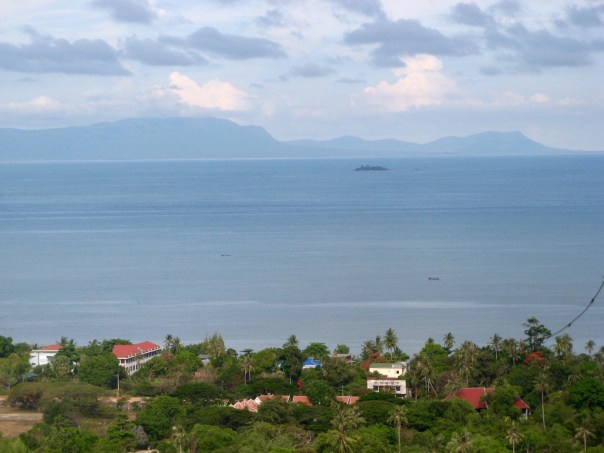
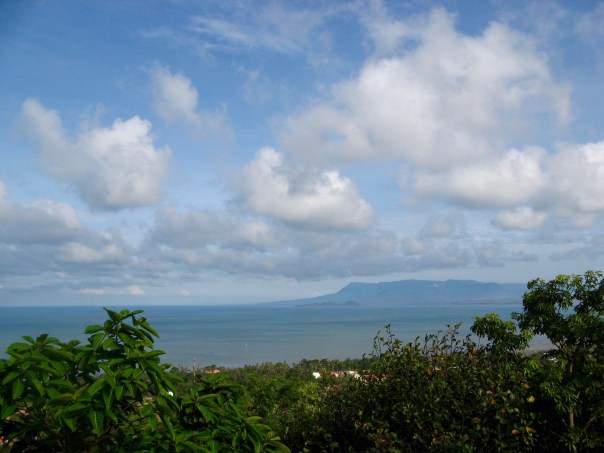
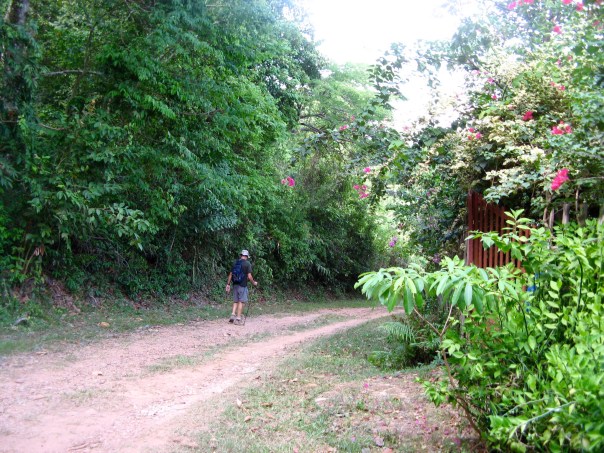
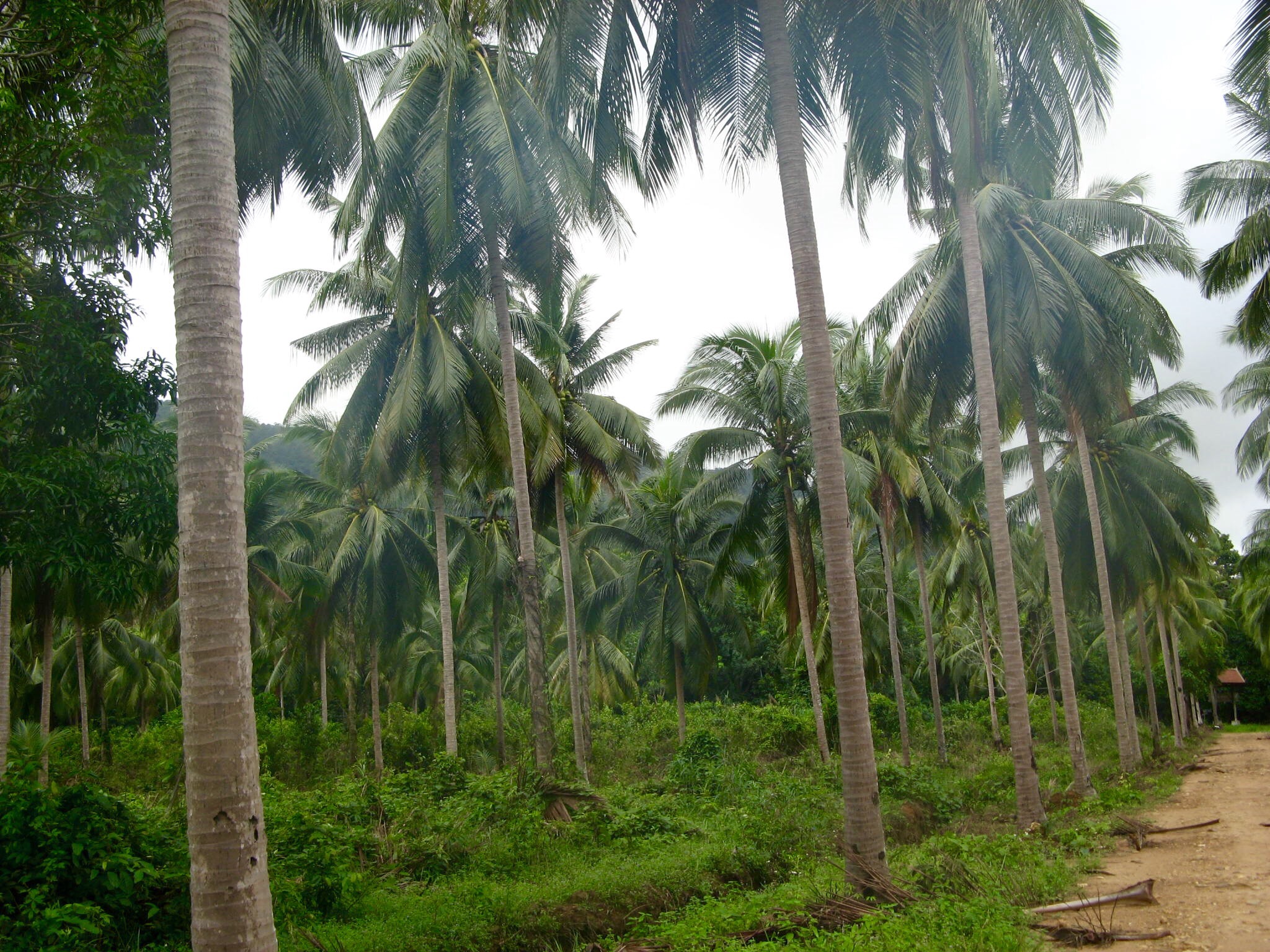
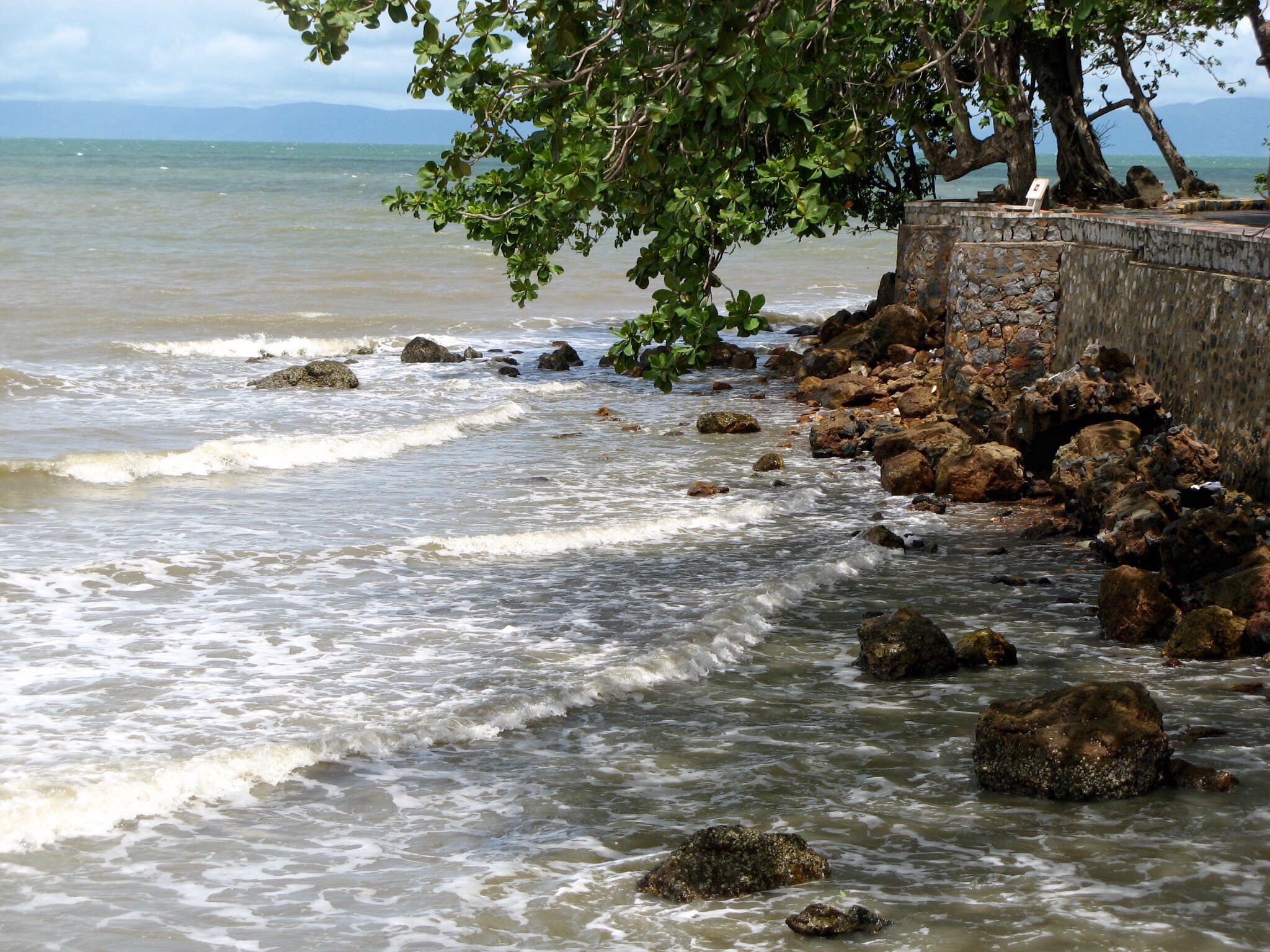
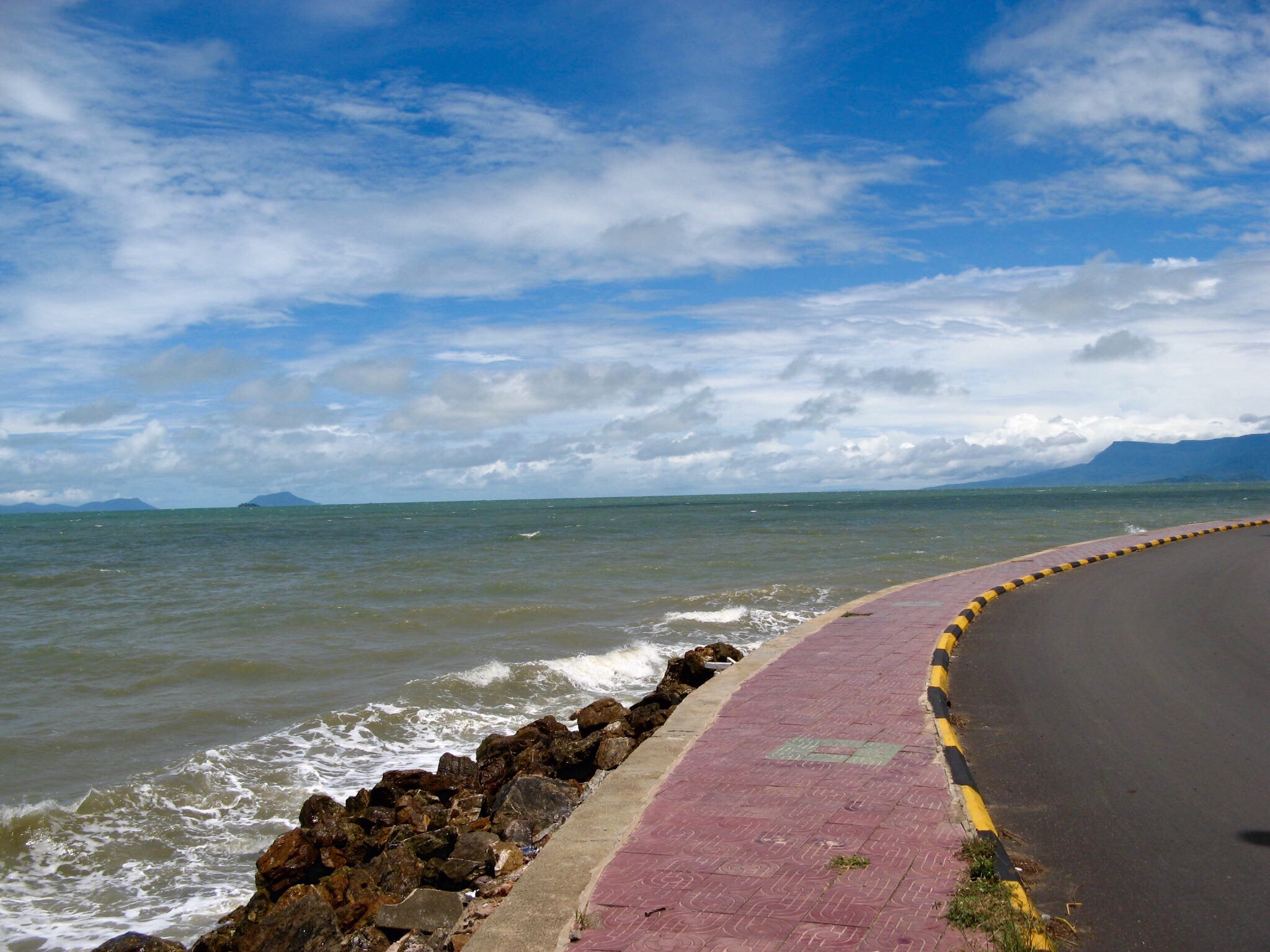
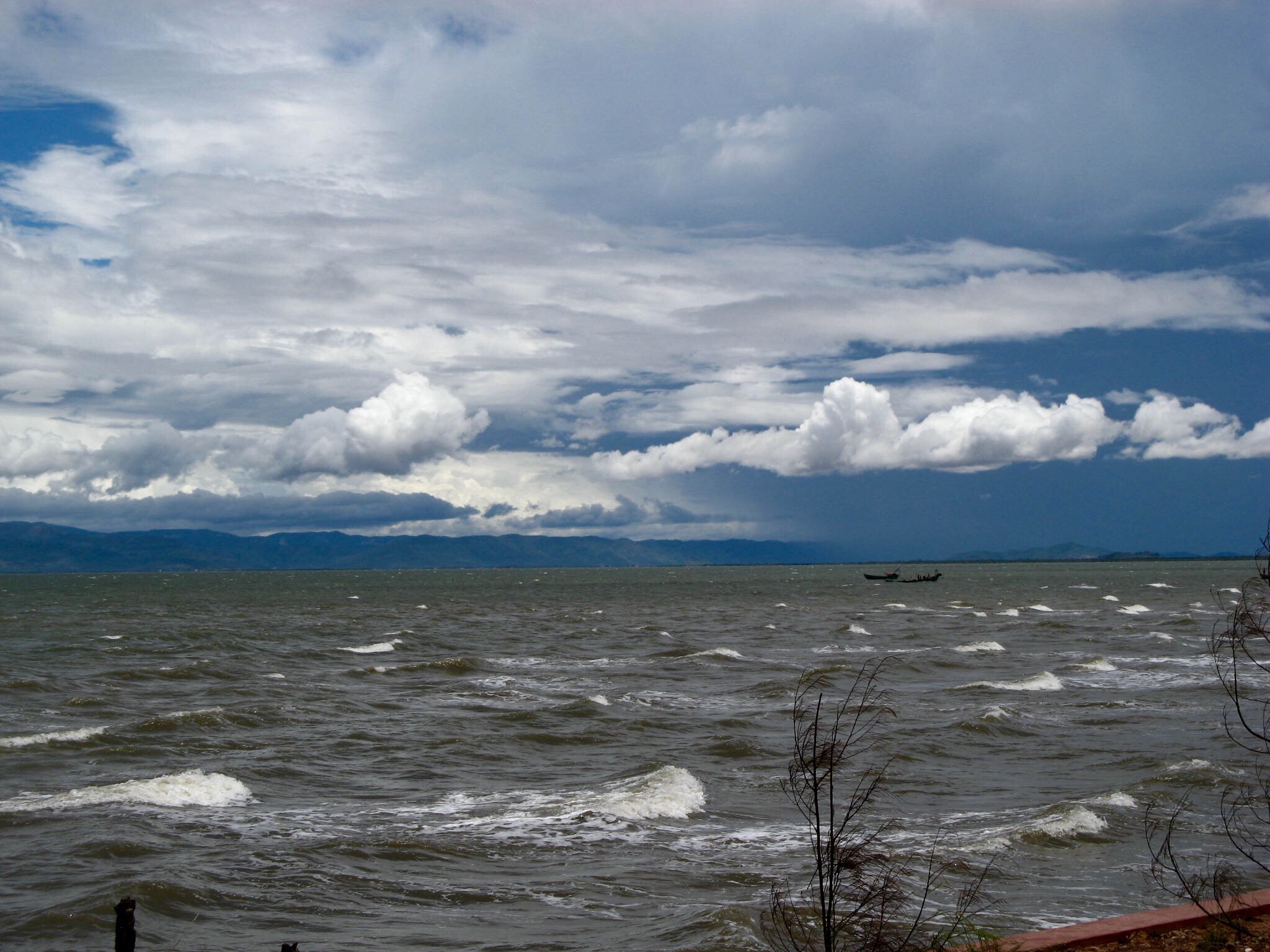
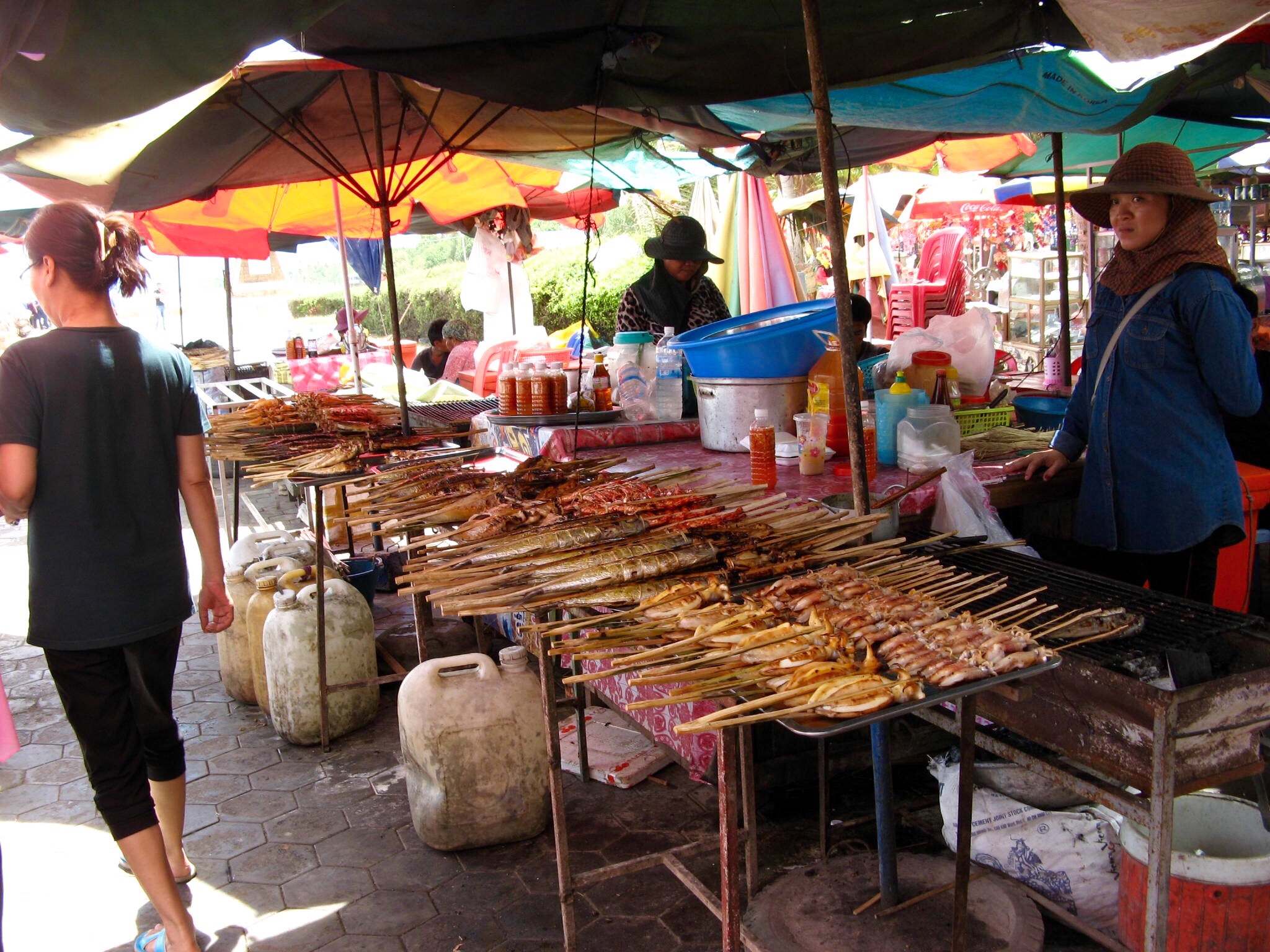
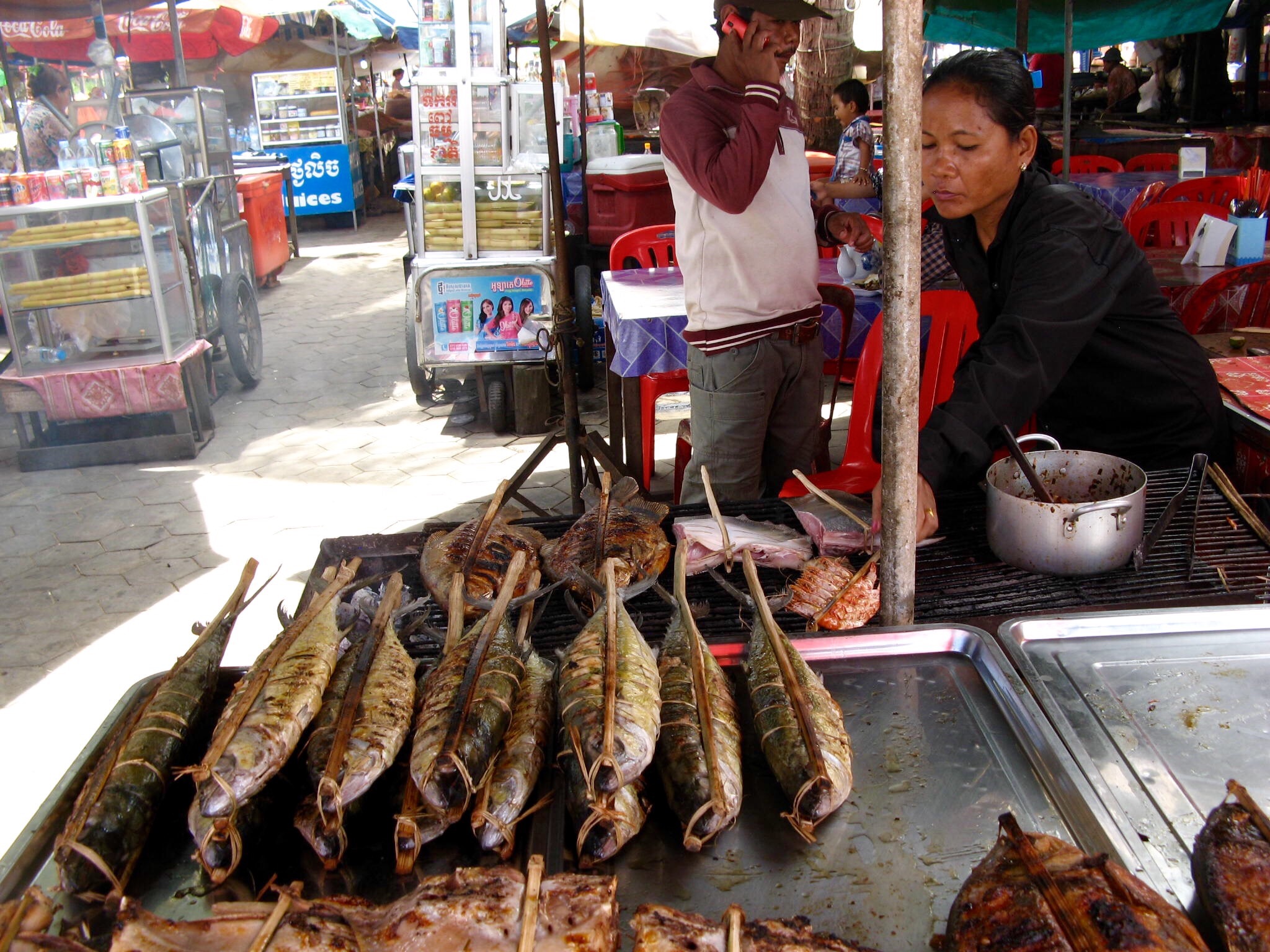
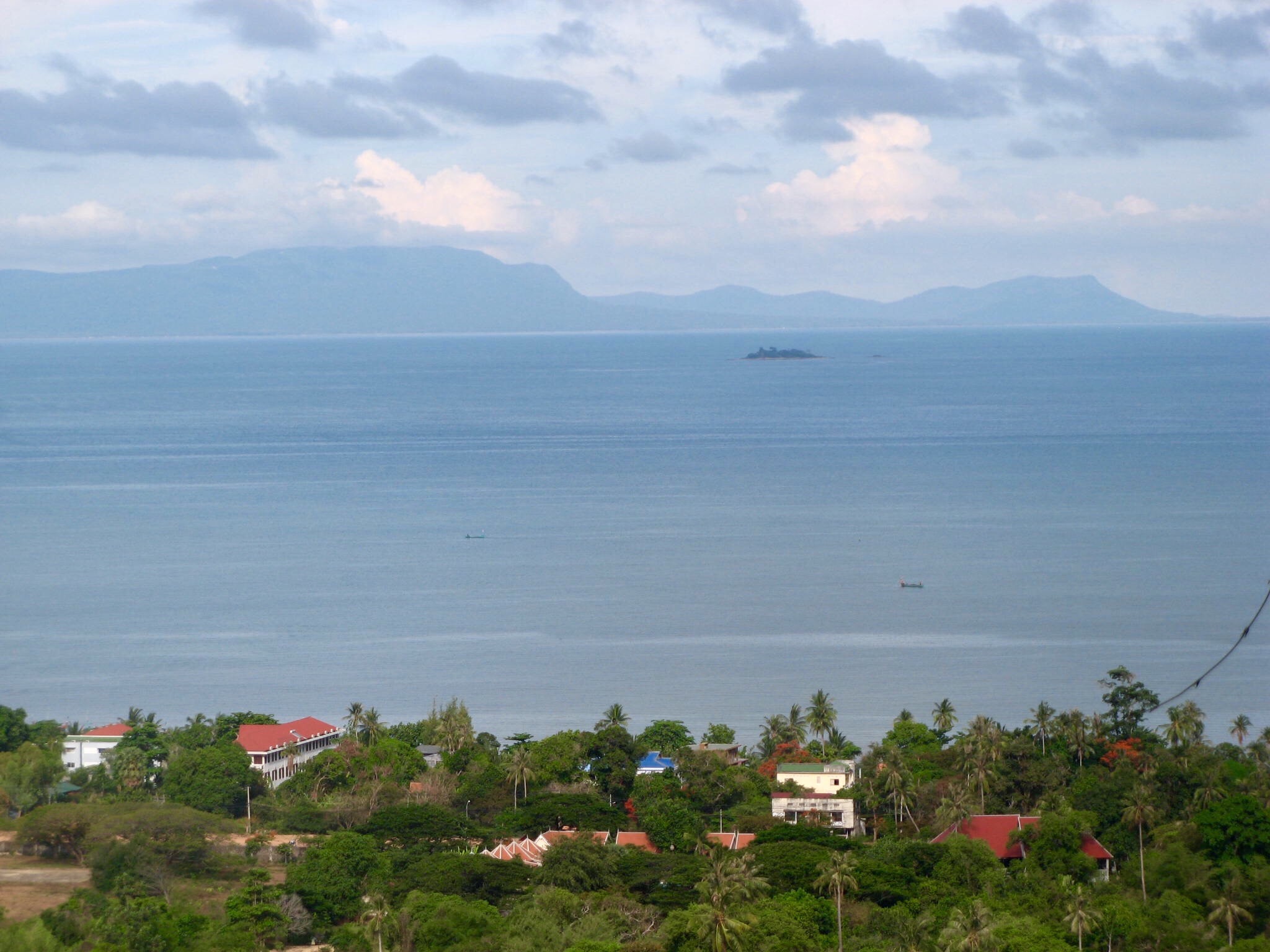
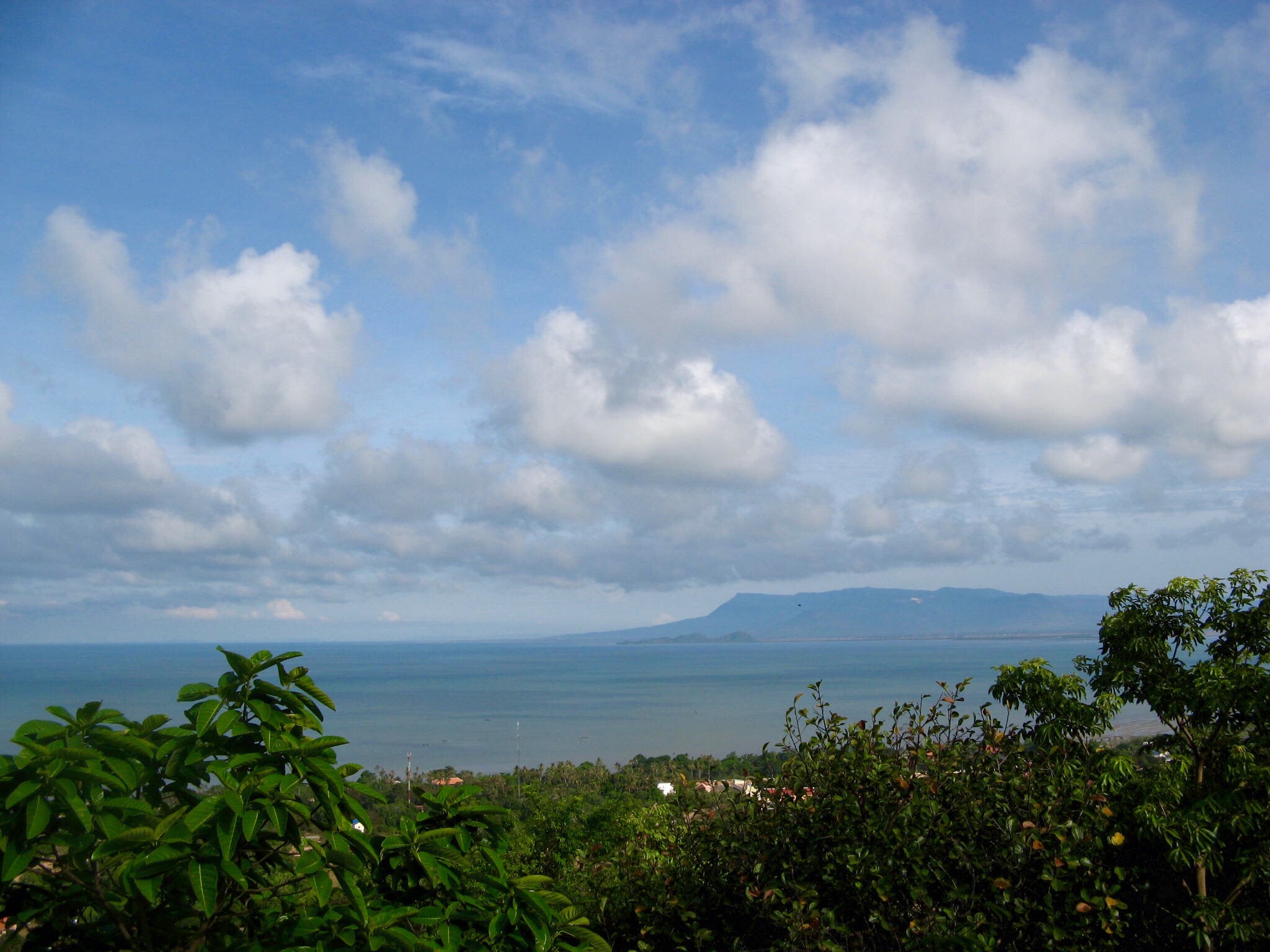
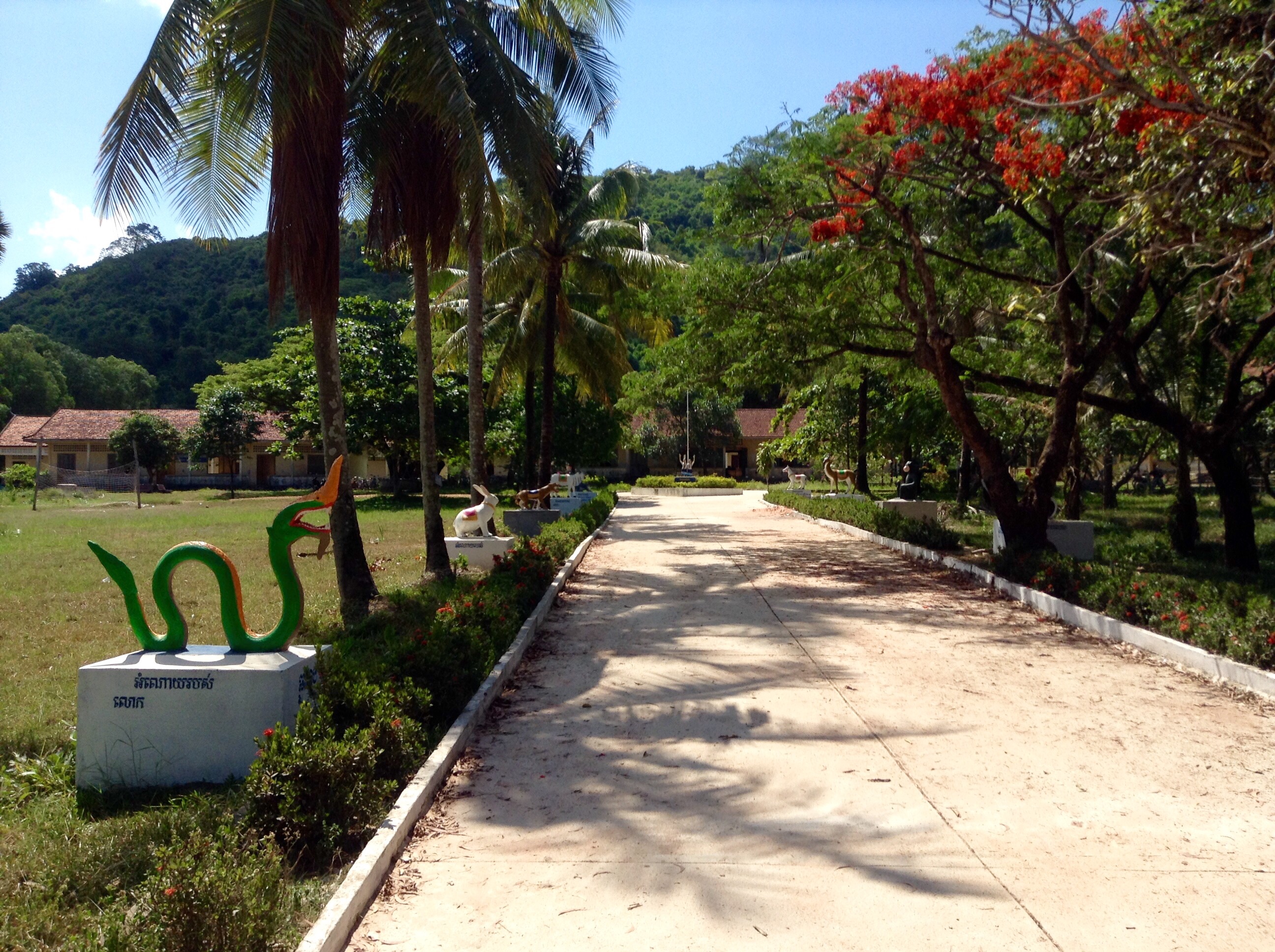
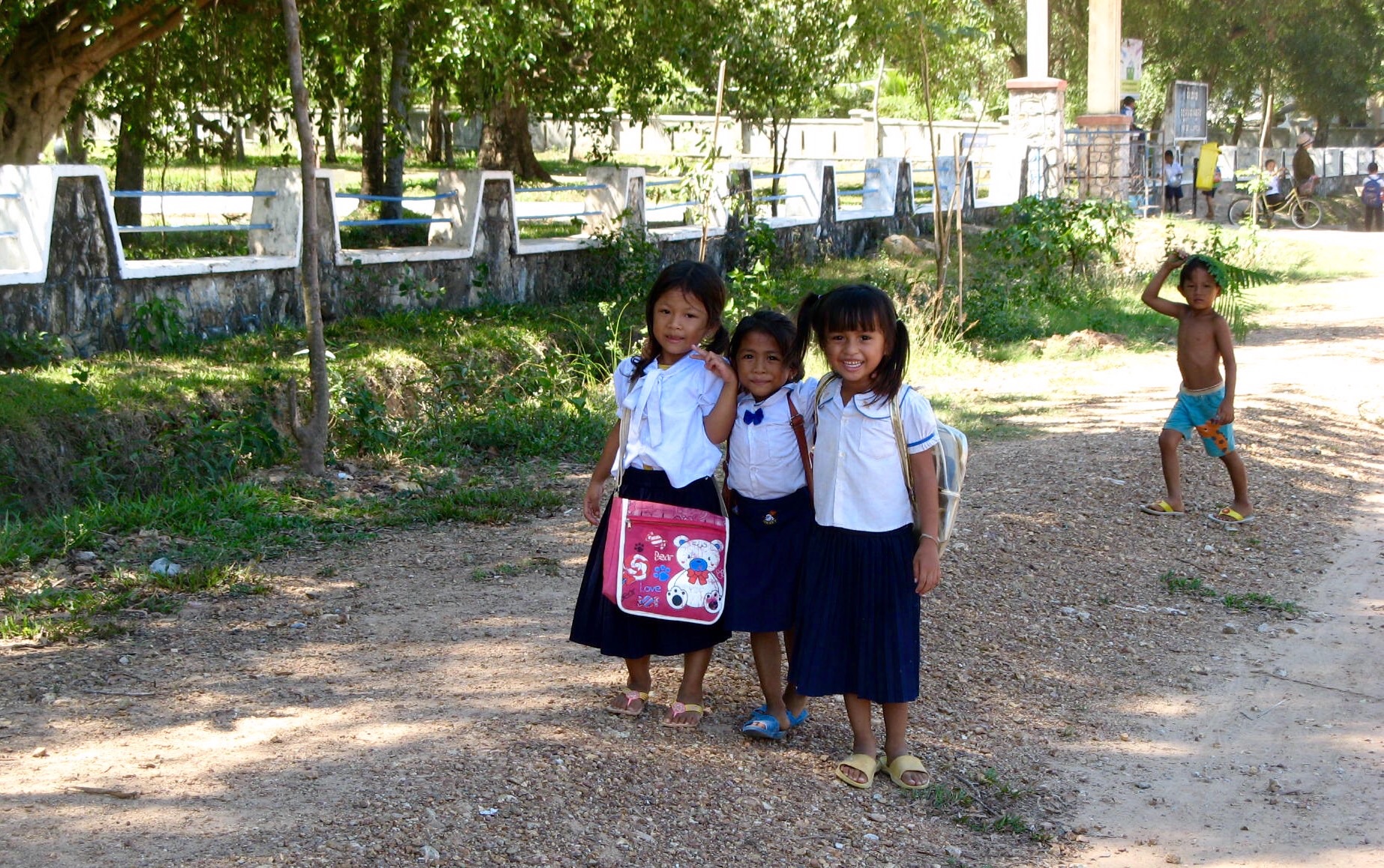
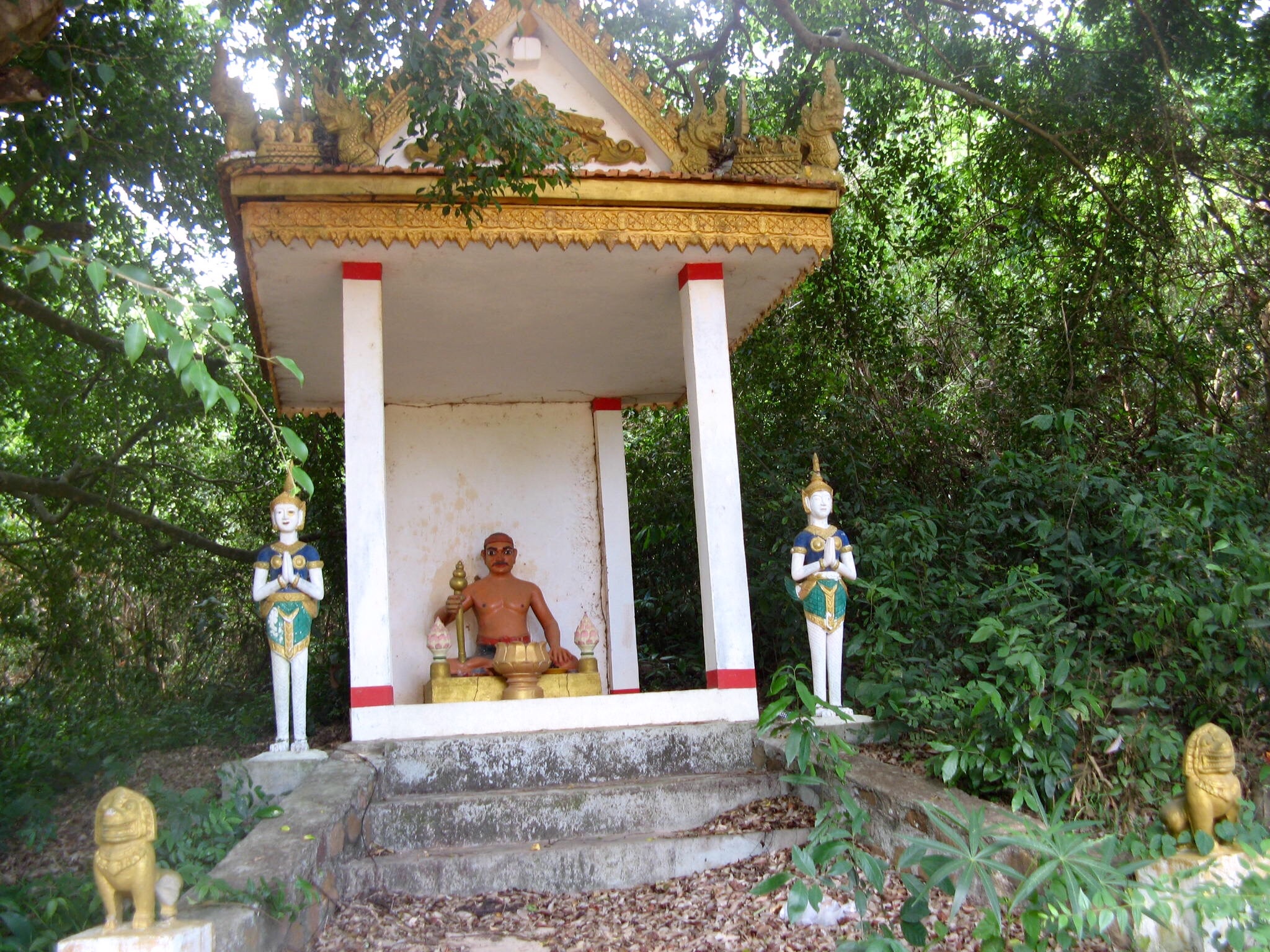
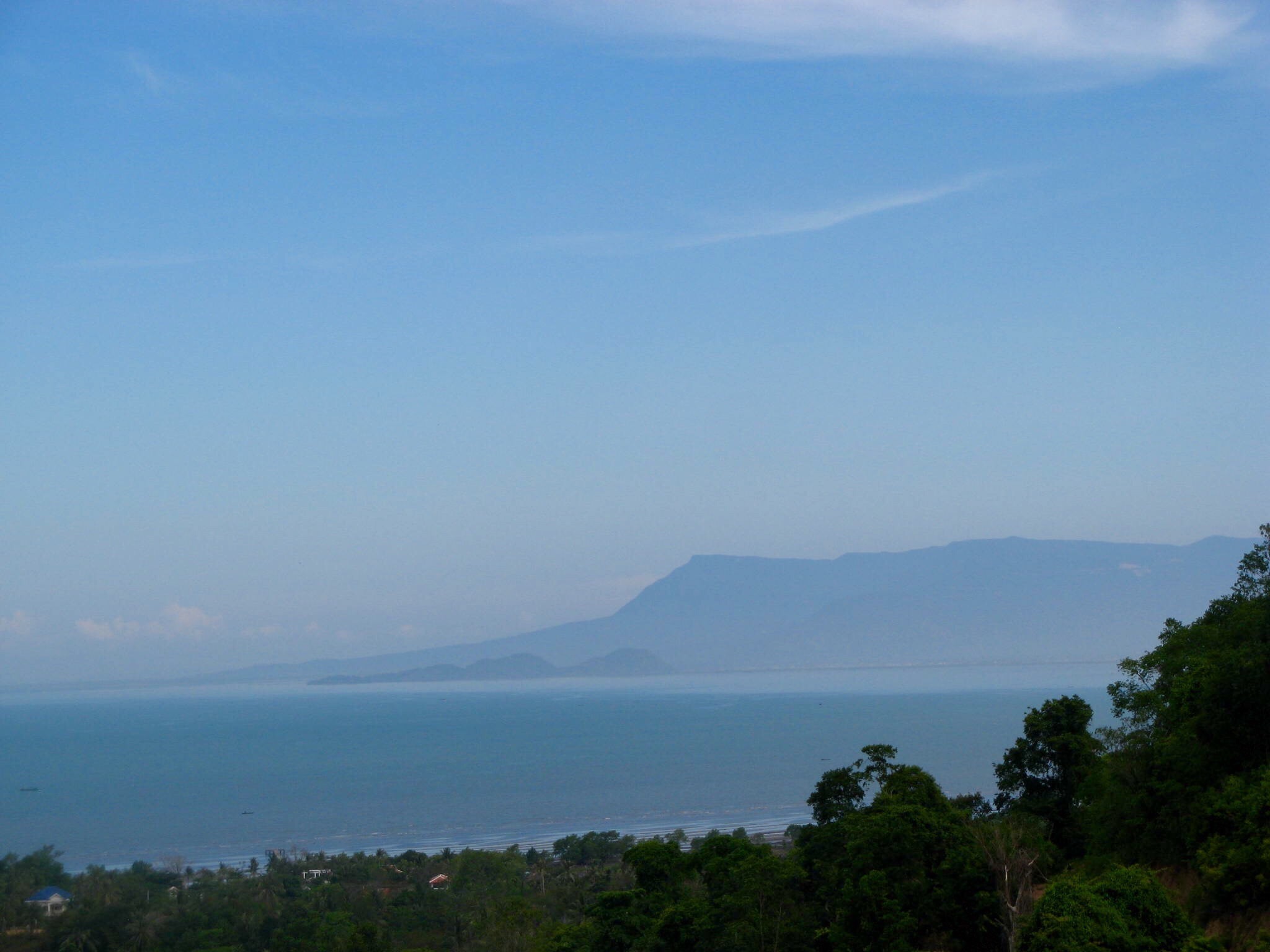
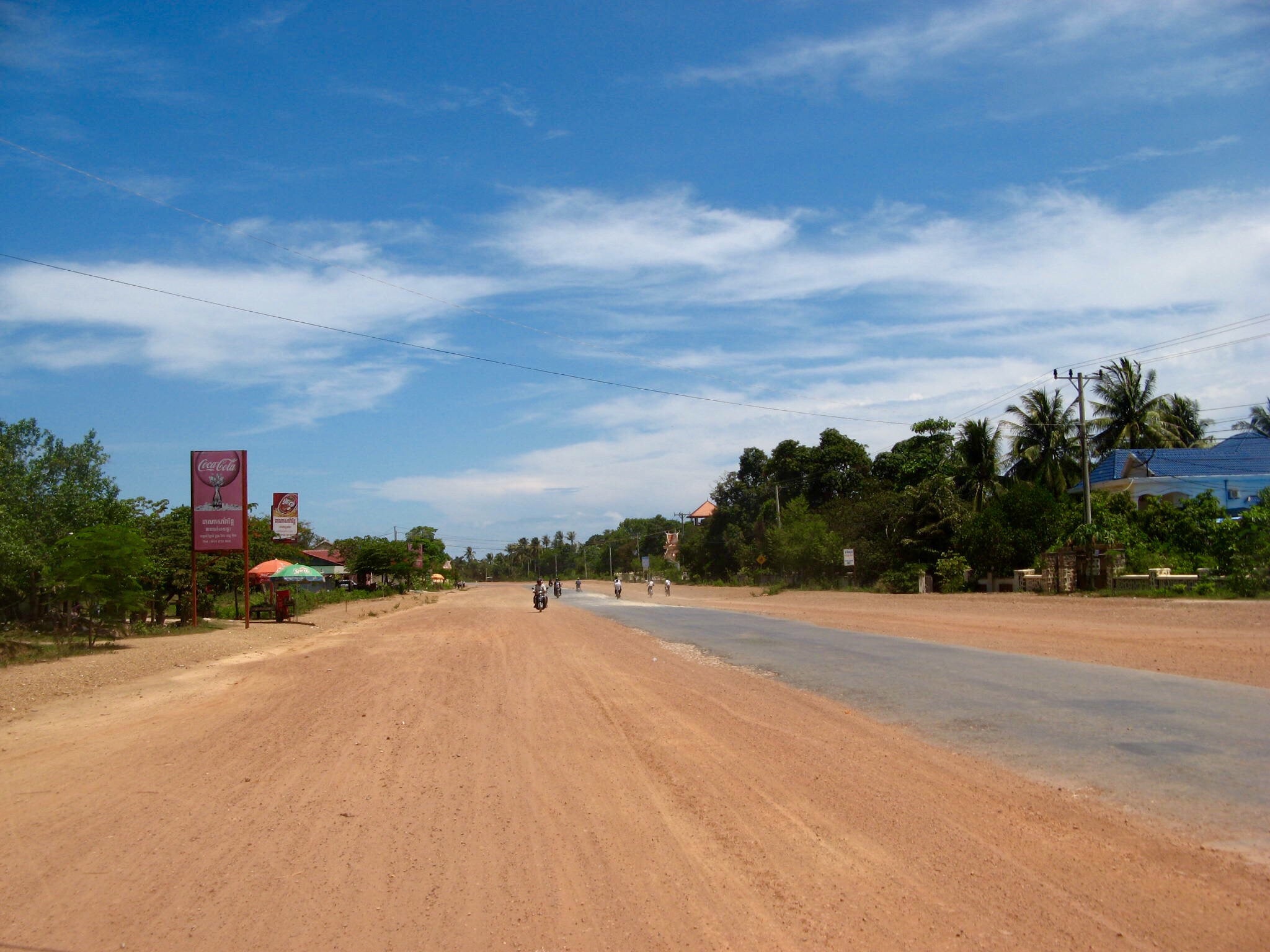
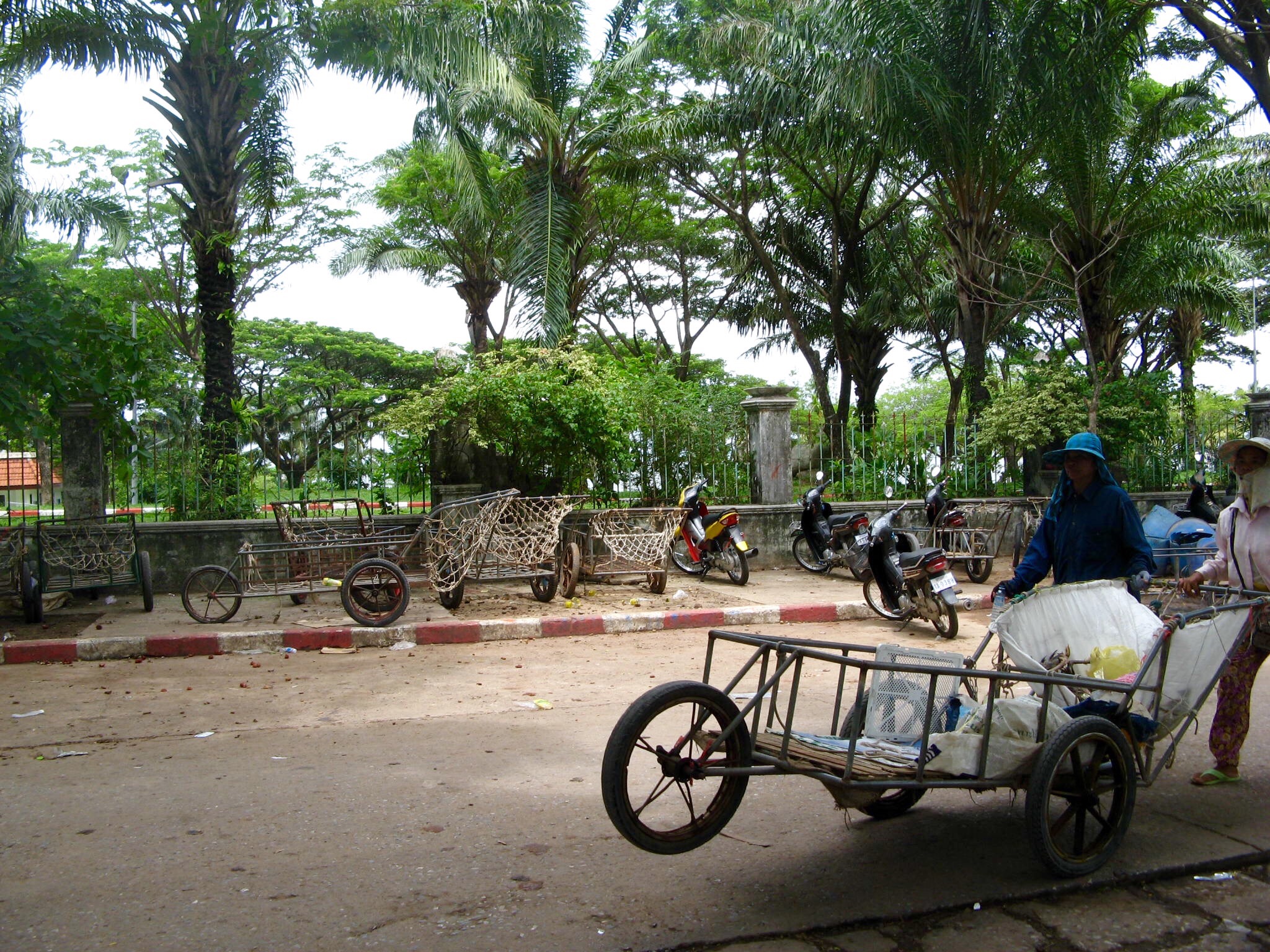
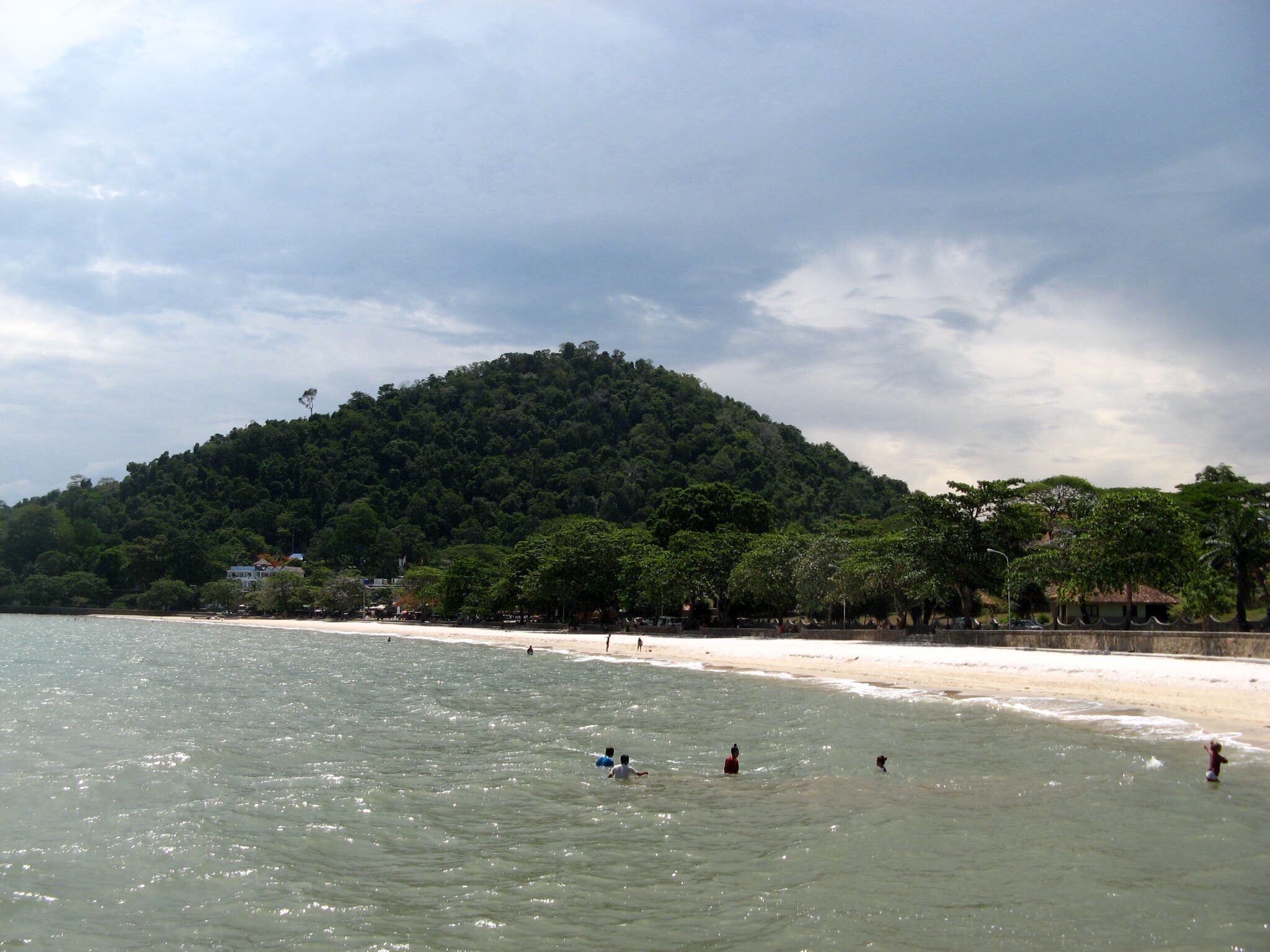
6/3 – We stayed in Kampot for three days, then decided to move to a place with a swimming pool, a half an hour’s drive away in nearby Kep.  Here’s what we saw on the tuk-tuk ride.image

The roundabouts have statues on them, which helps with directions.  Take a left at the white horse!
image

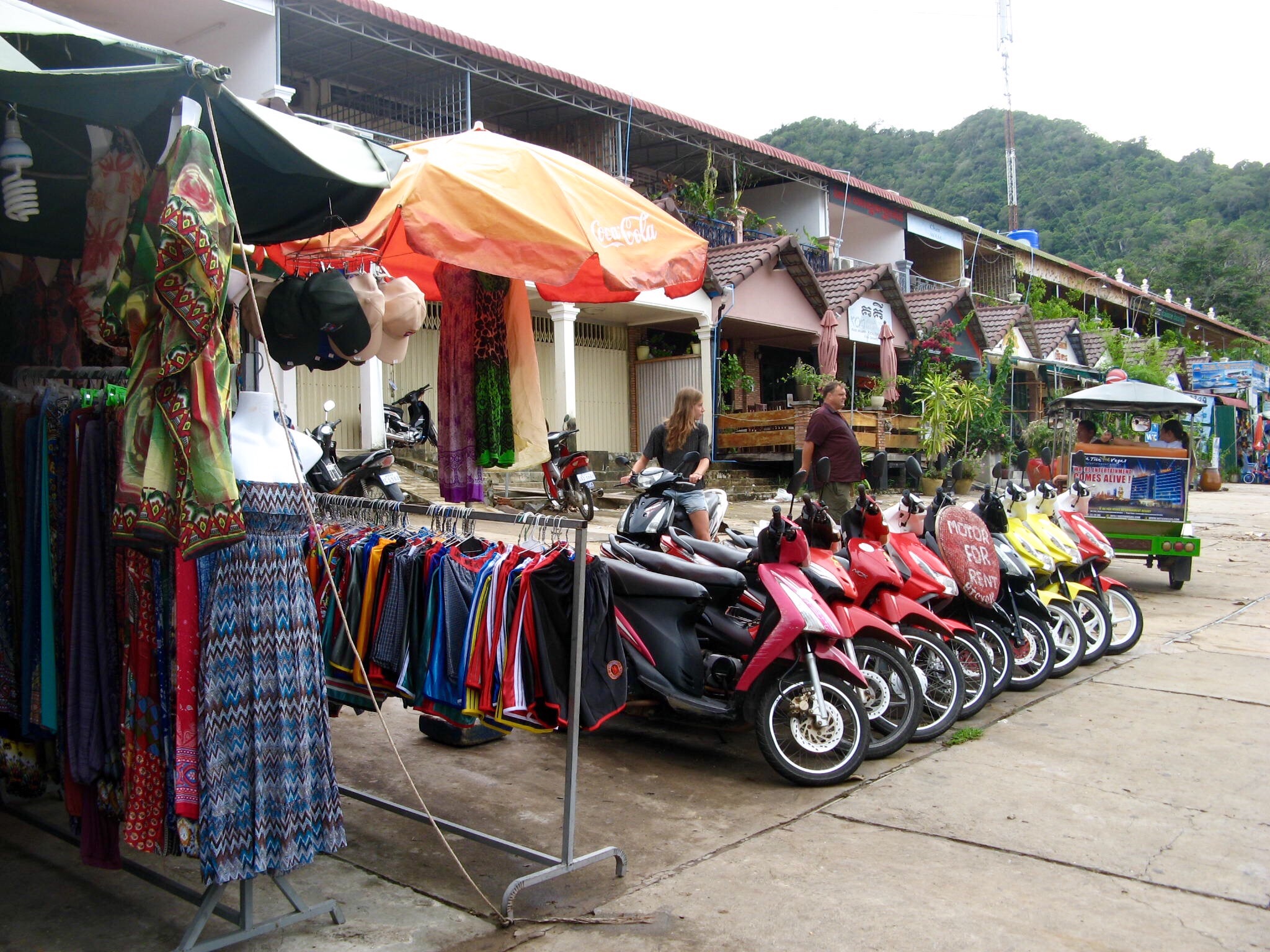
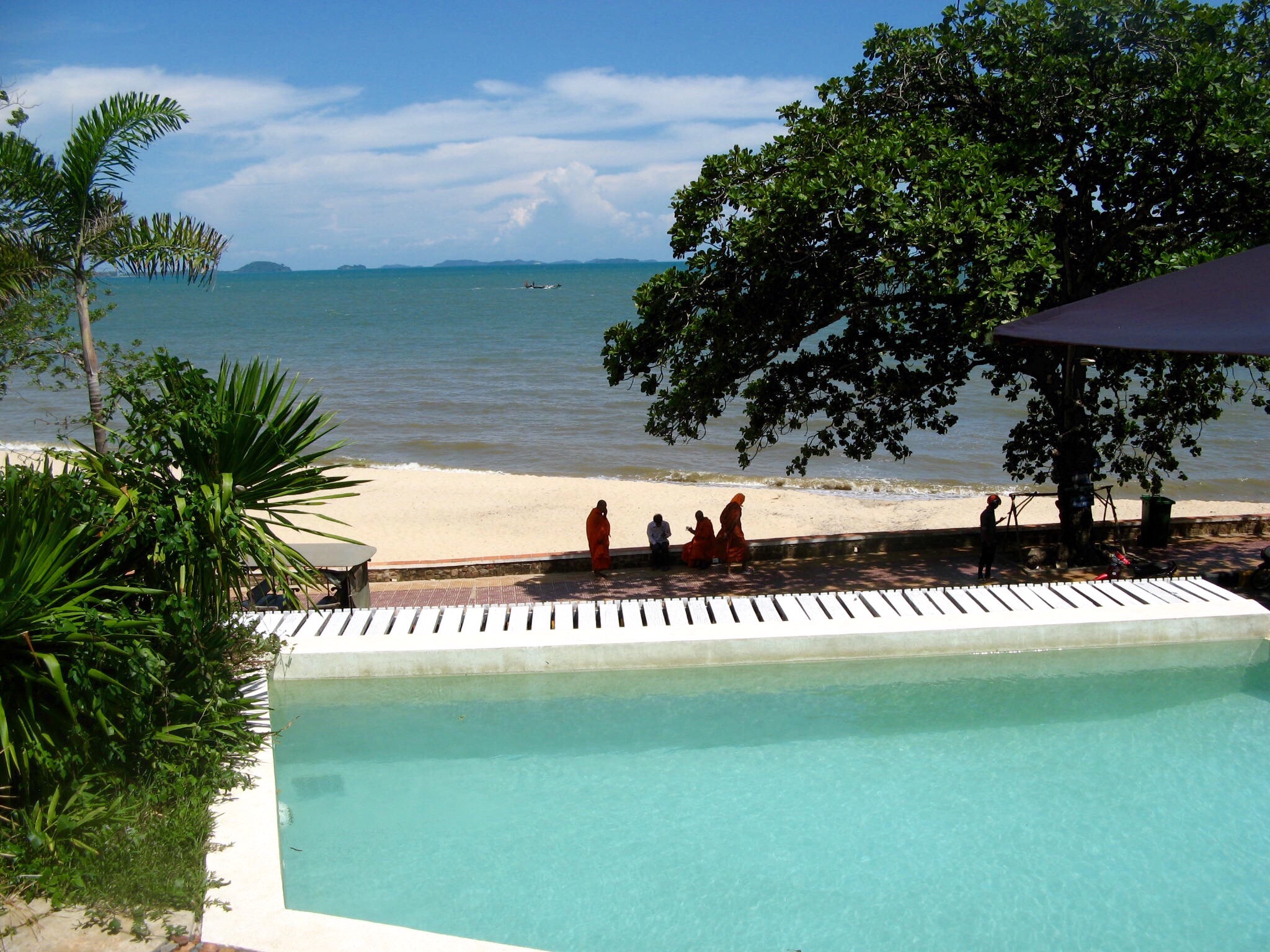
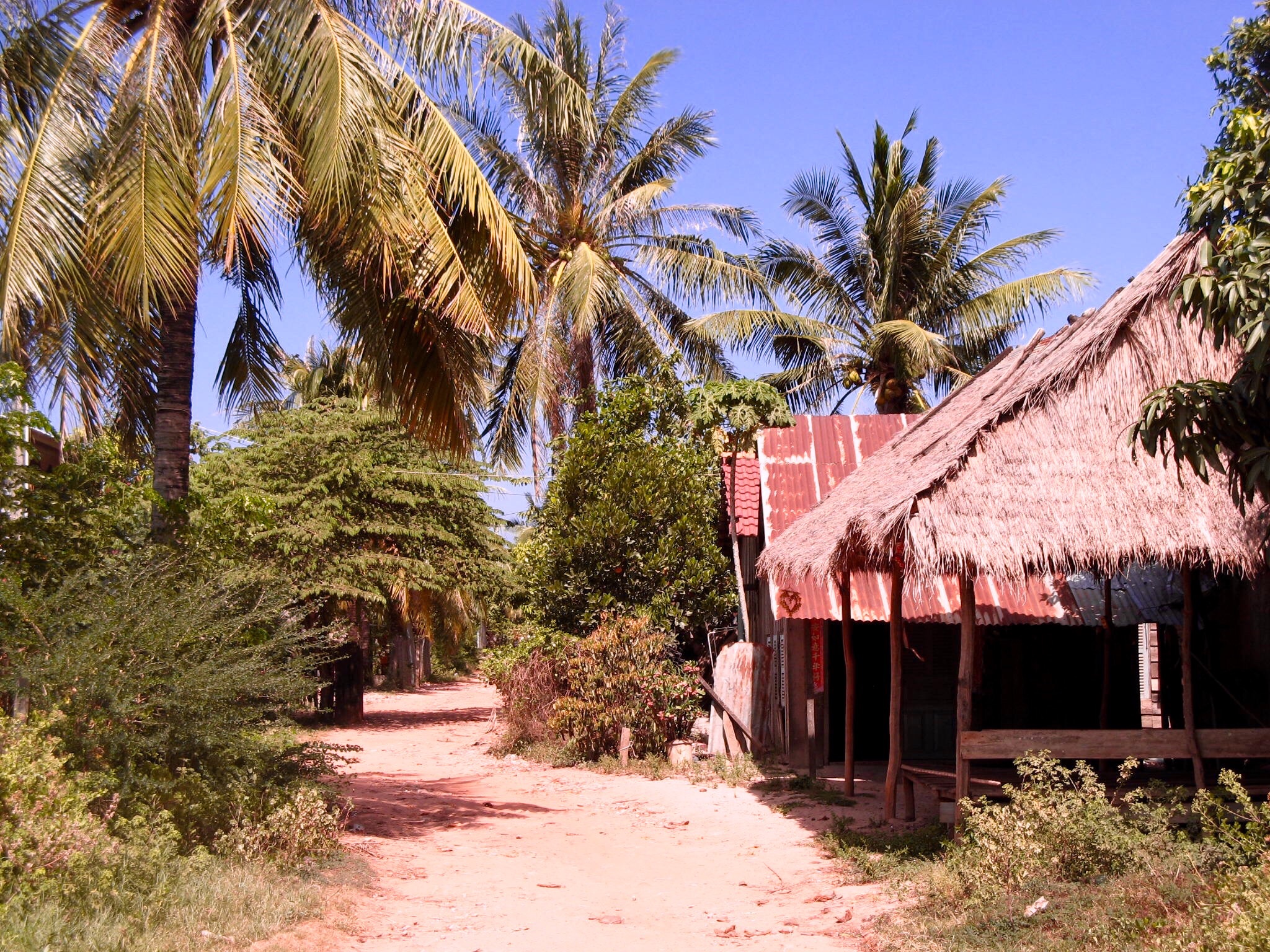
If Kampot was laid back, this place is barely on life support.  There is no town that we can see,  just a series of guest houses along the main, dusty road. Only one lane of the road is paved – the motorbikes and tuk-tuks ride in the dirt. image

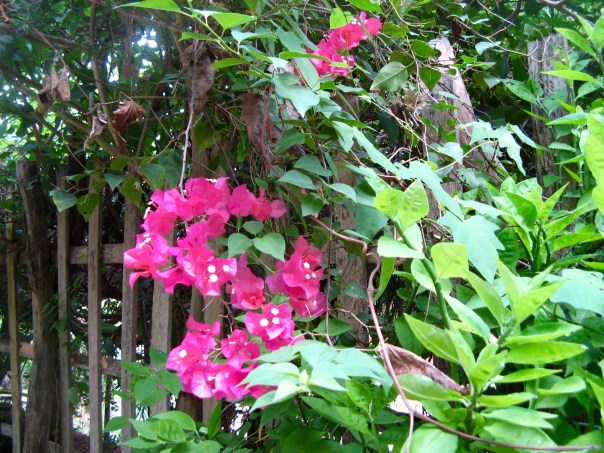
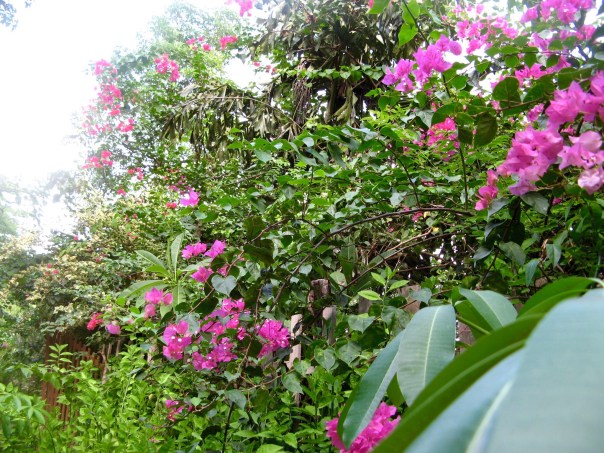
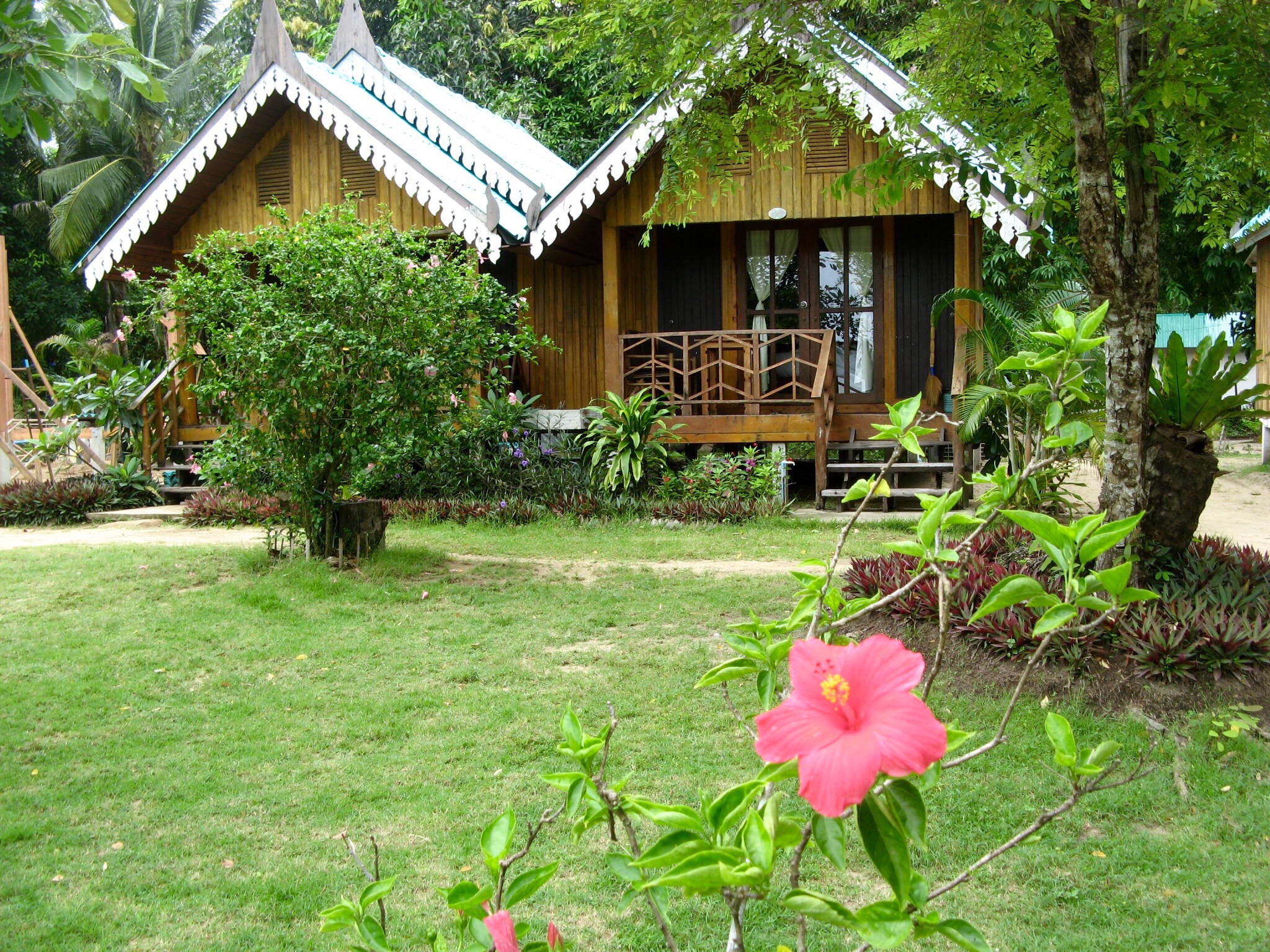
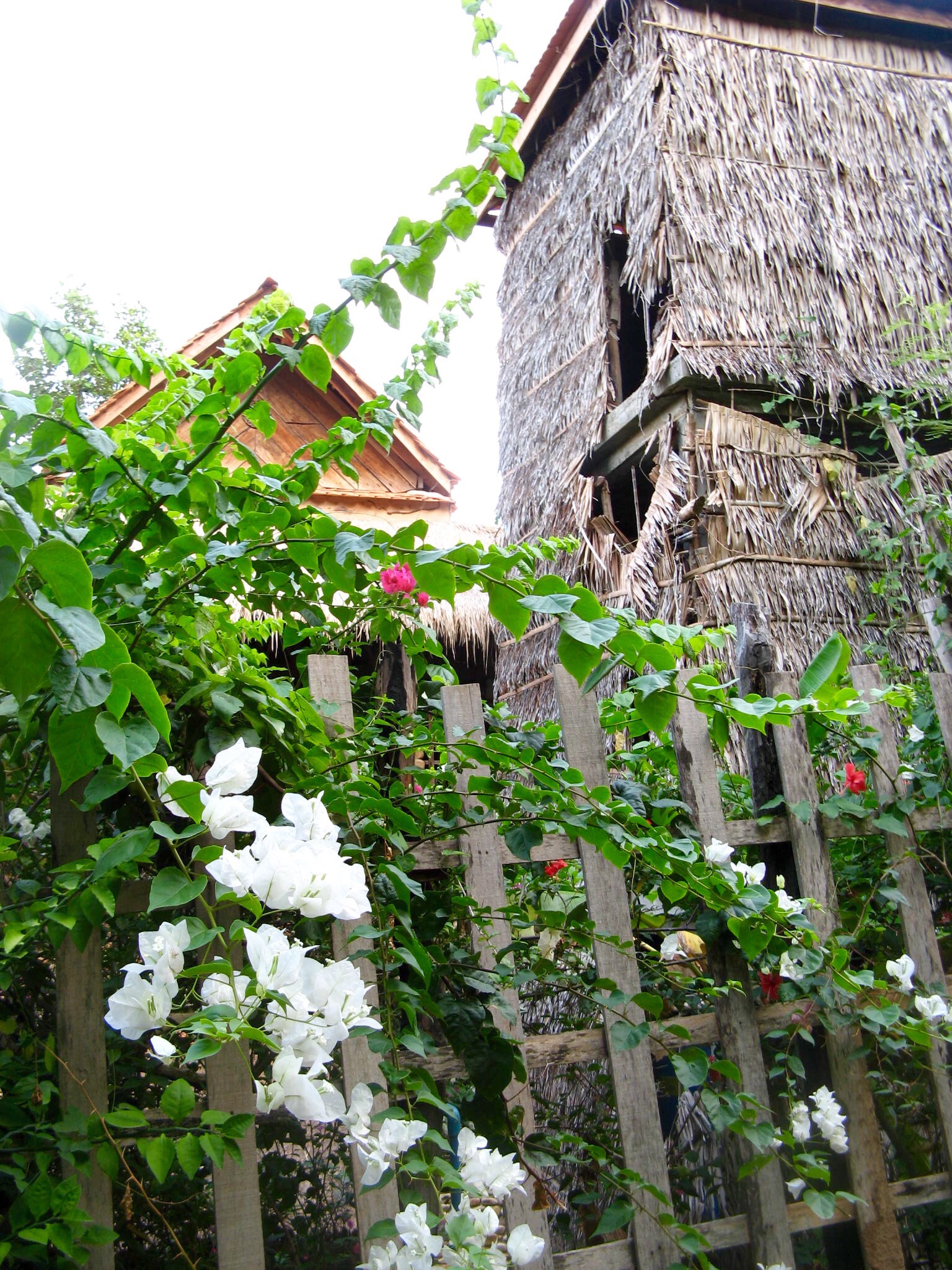
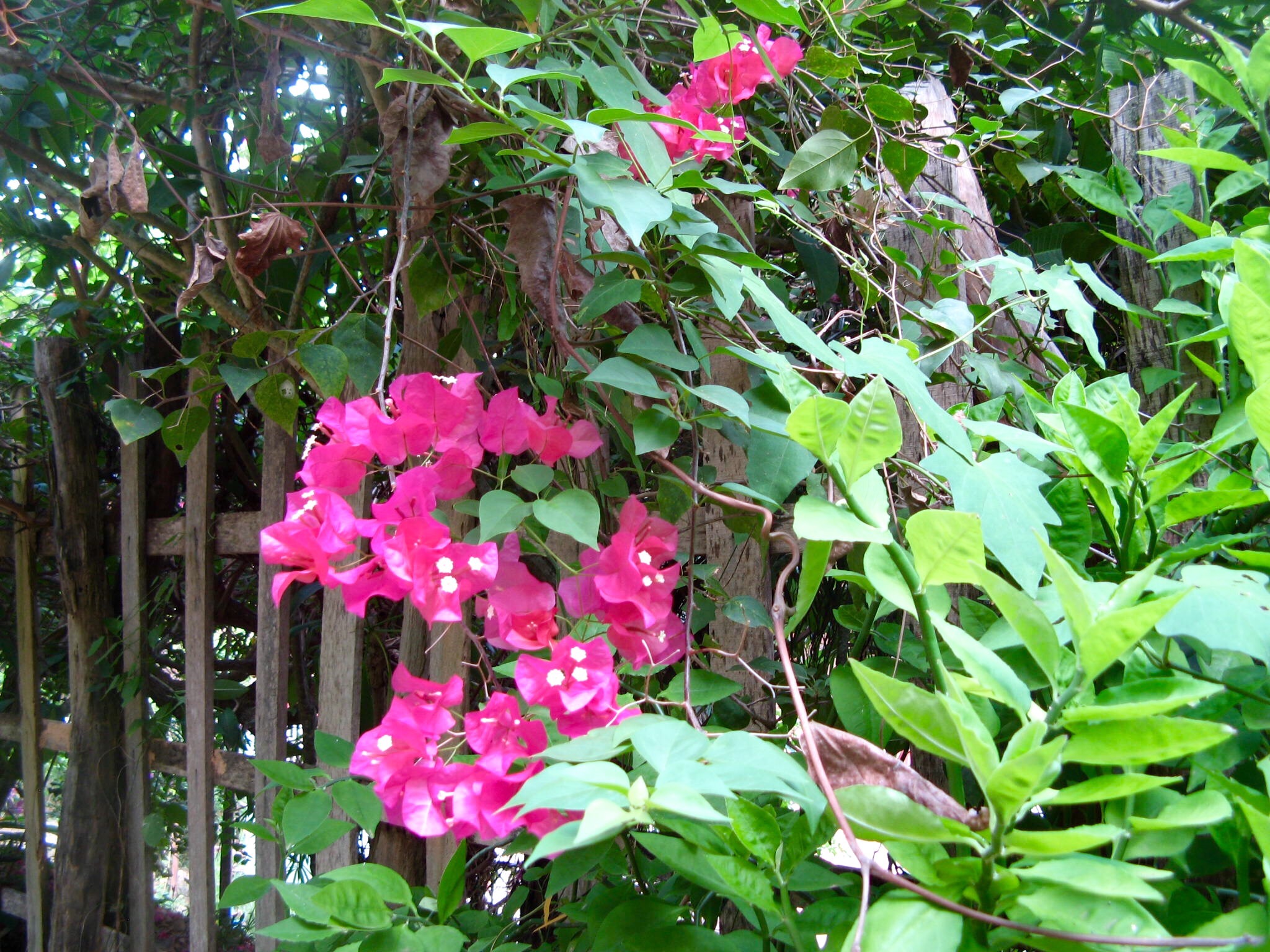
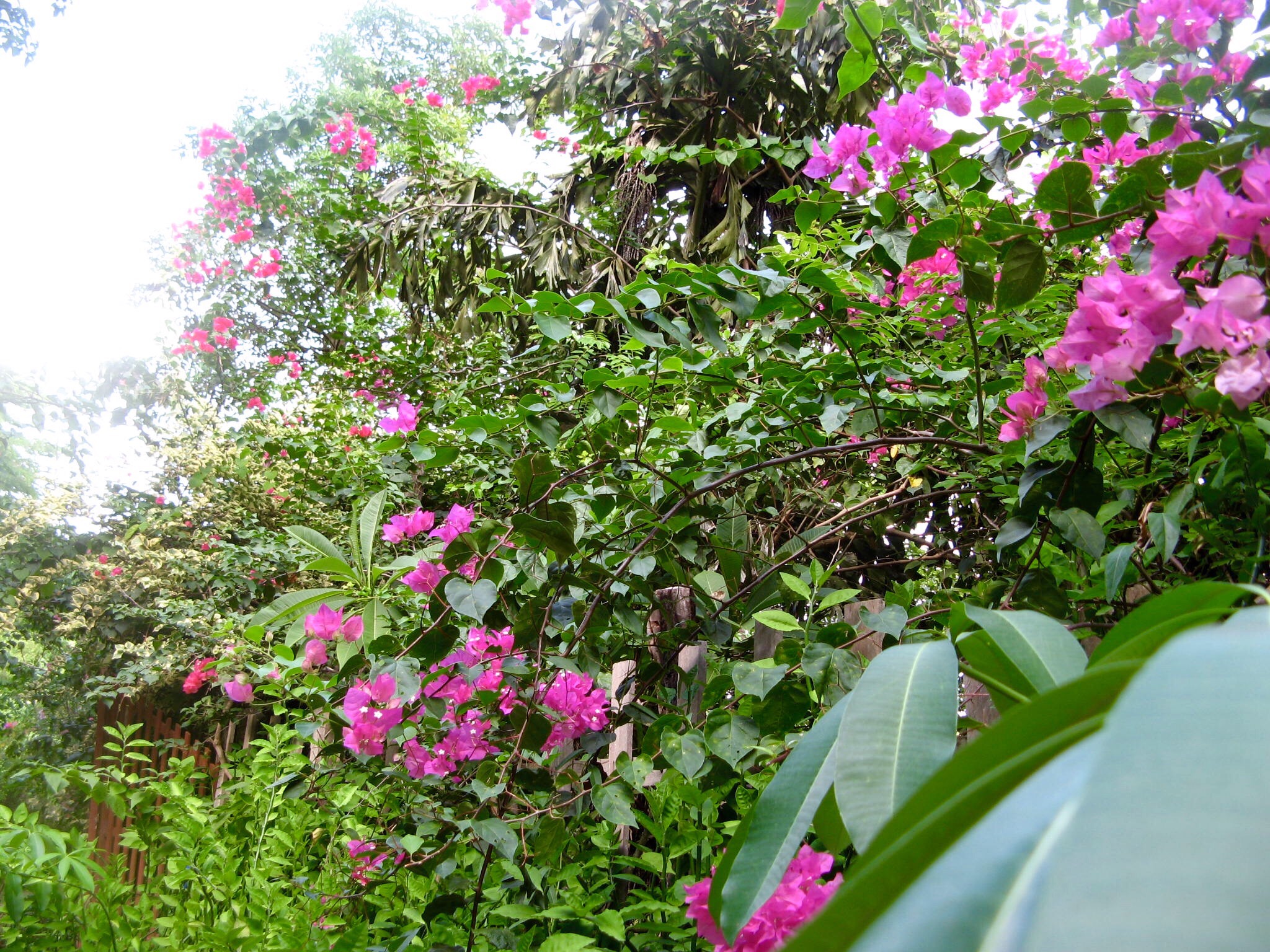
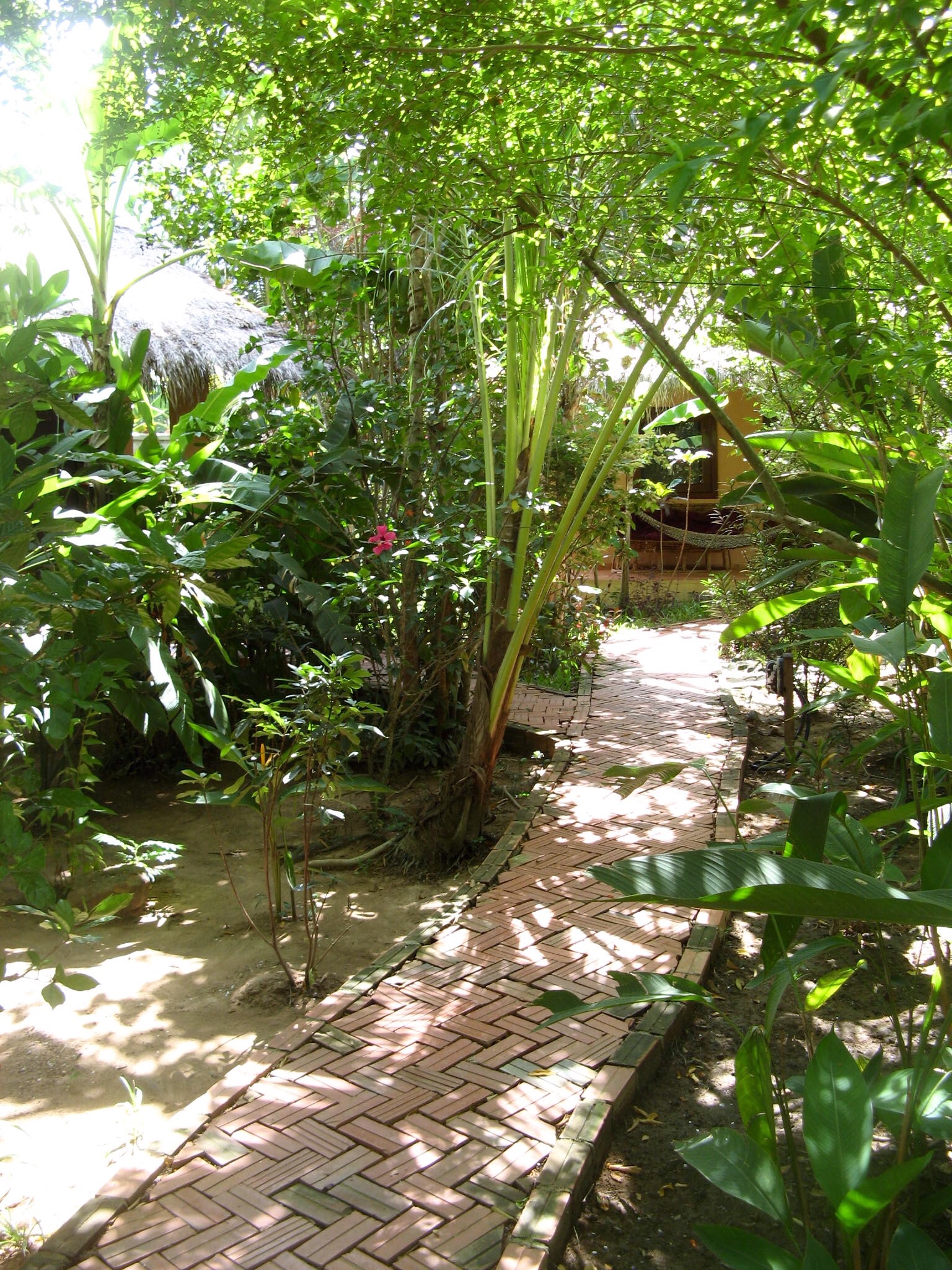
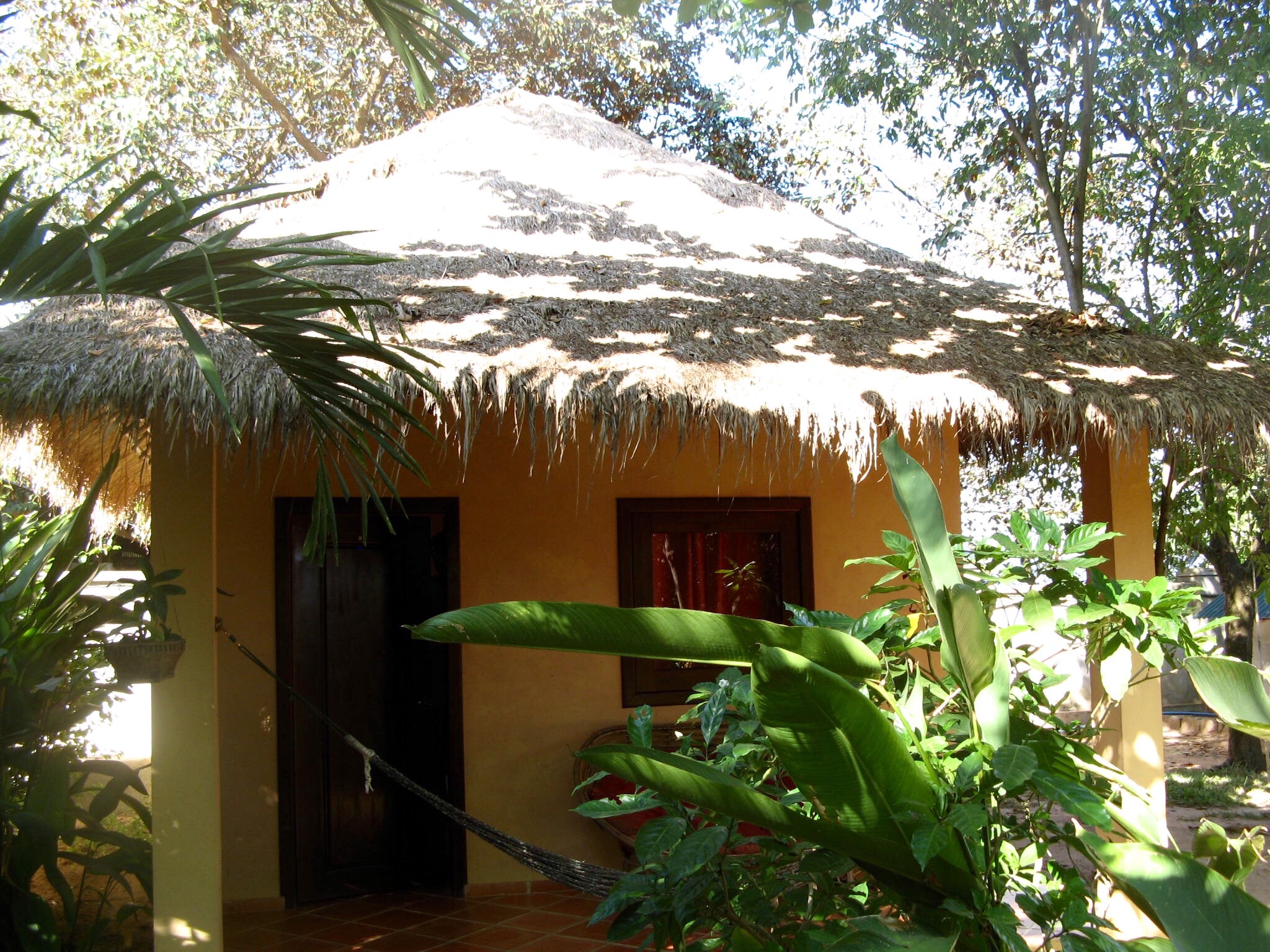
We are staying at the Botanica guesthouse, run by an old Frenchman and his young Cambodian wife.  It is comprised of eight thatched roof cottages that are hidden from one another by lush tropical foliage and flowers.  It is gorgeous.

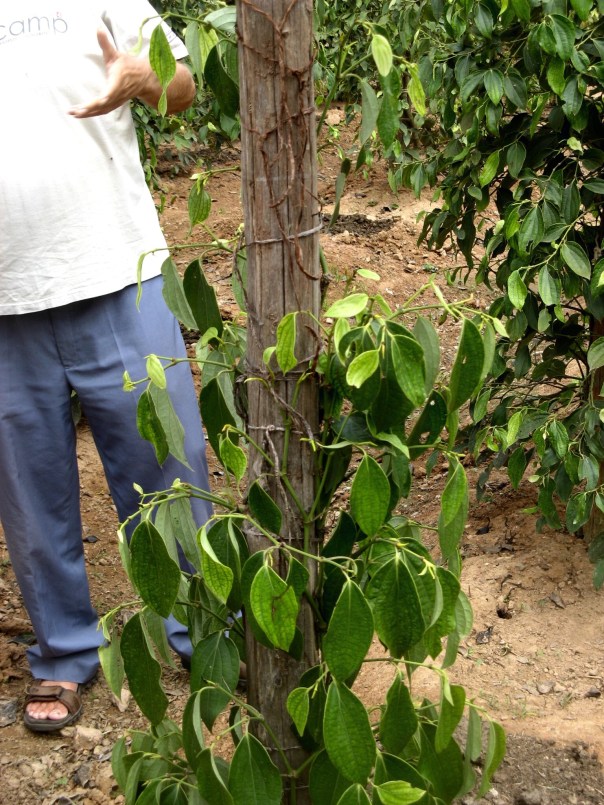
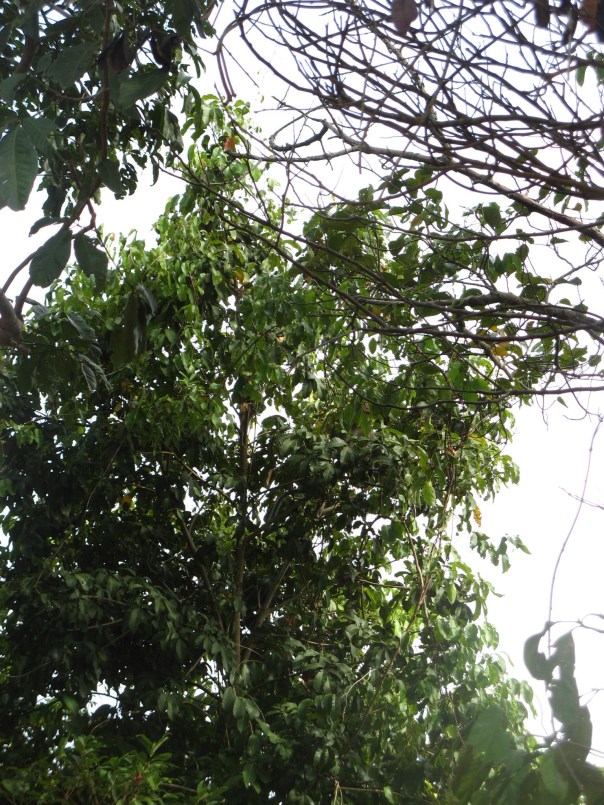
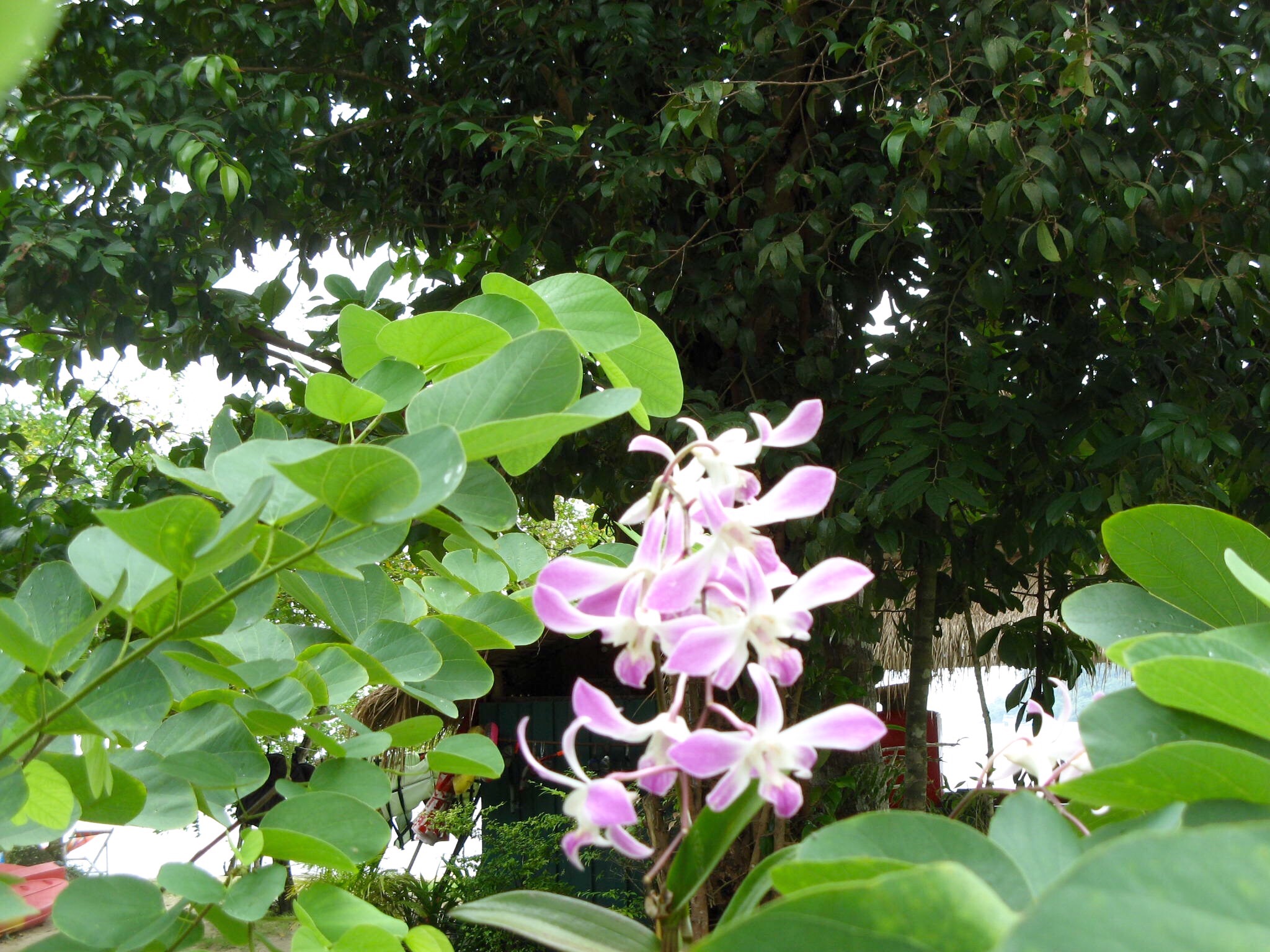
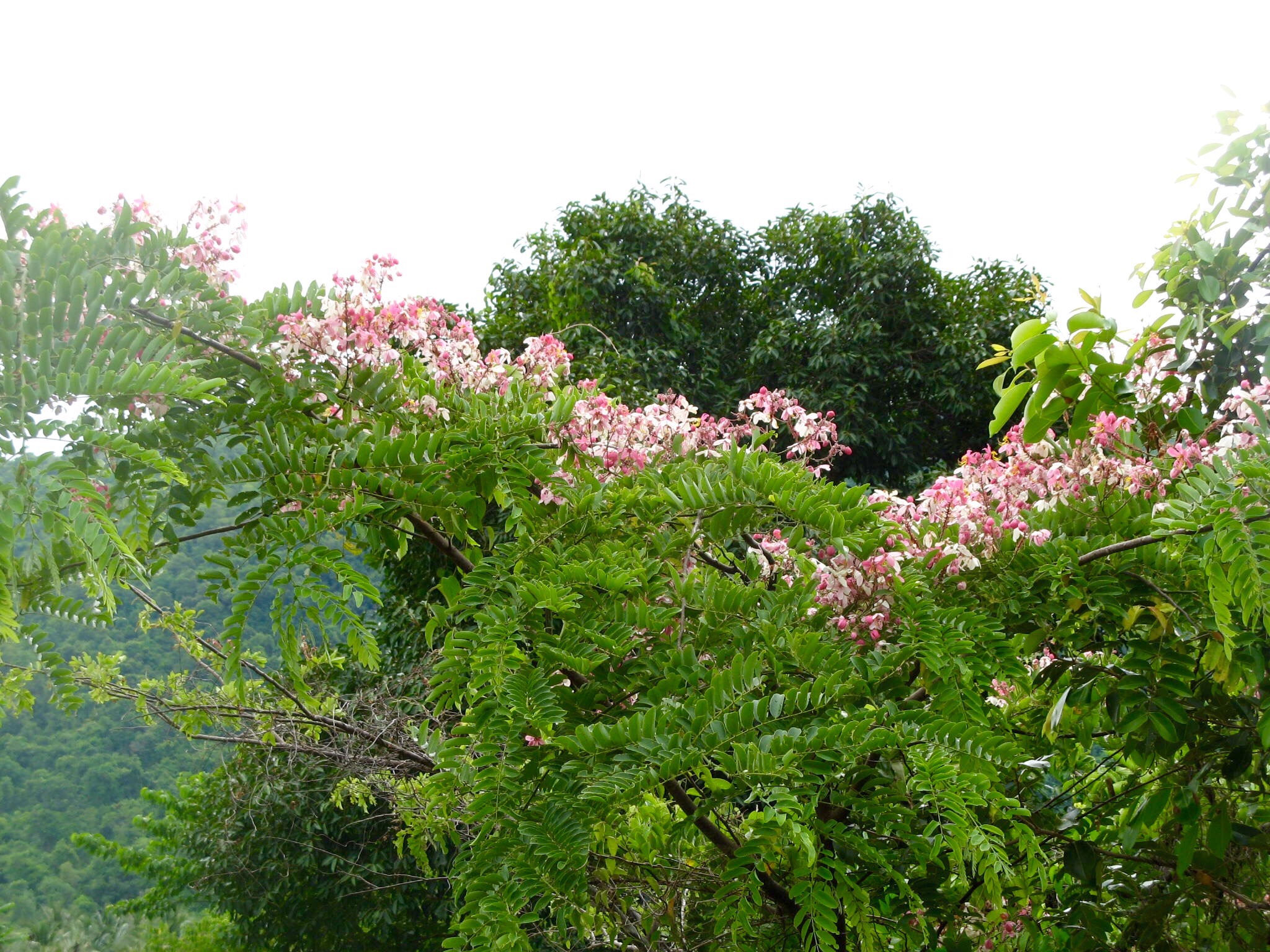
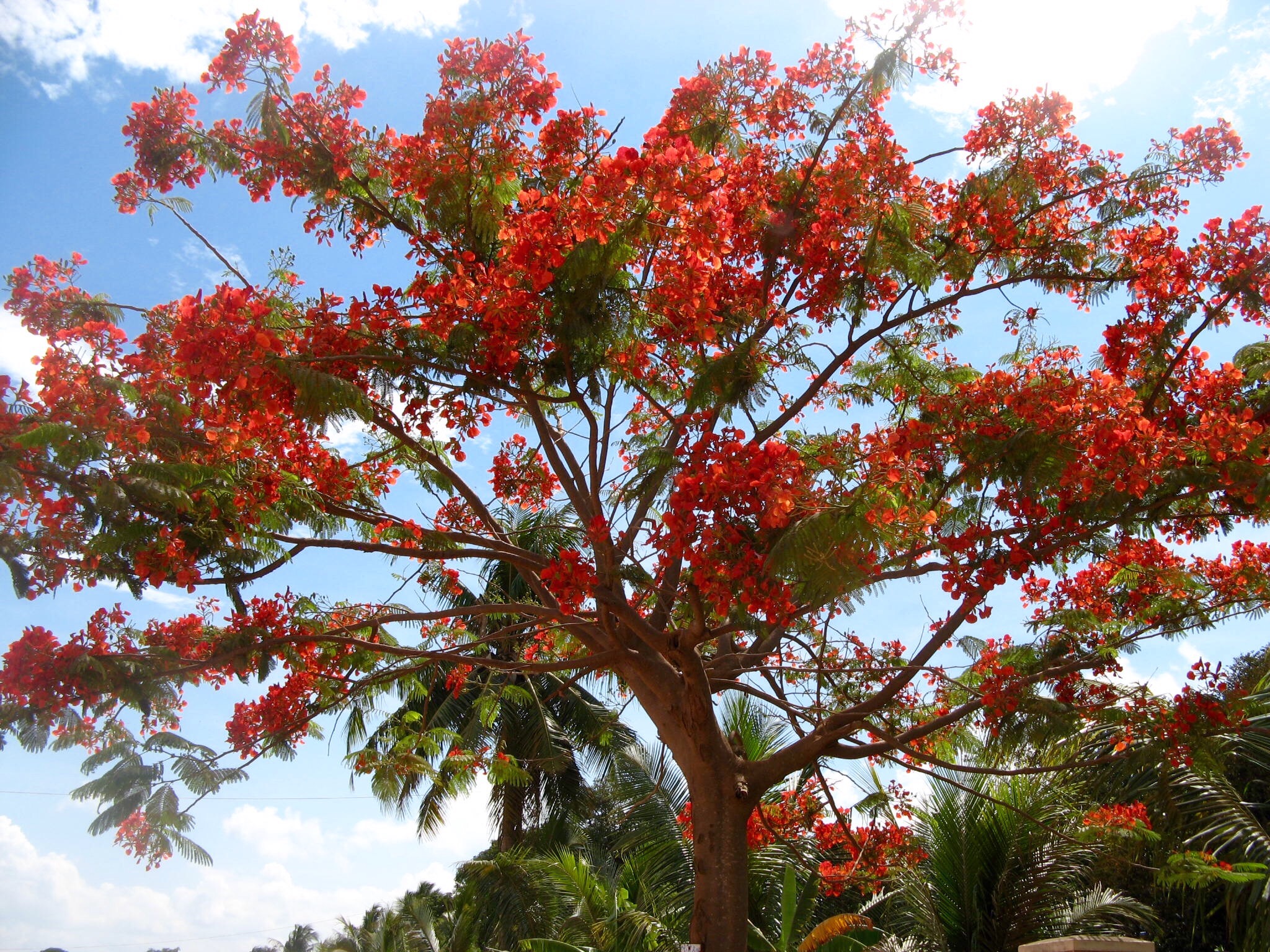
What is this tree? image

Here is our bungalow.imageimage

image

Lovely artwork on the wall by the pool – we spent a long time analyzing it!image

Tomorrow we will hike!

Kampot, Cambodia

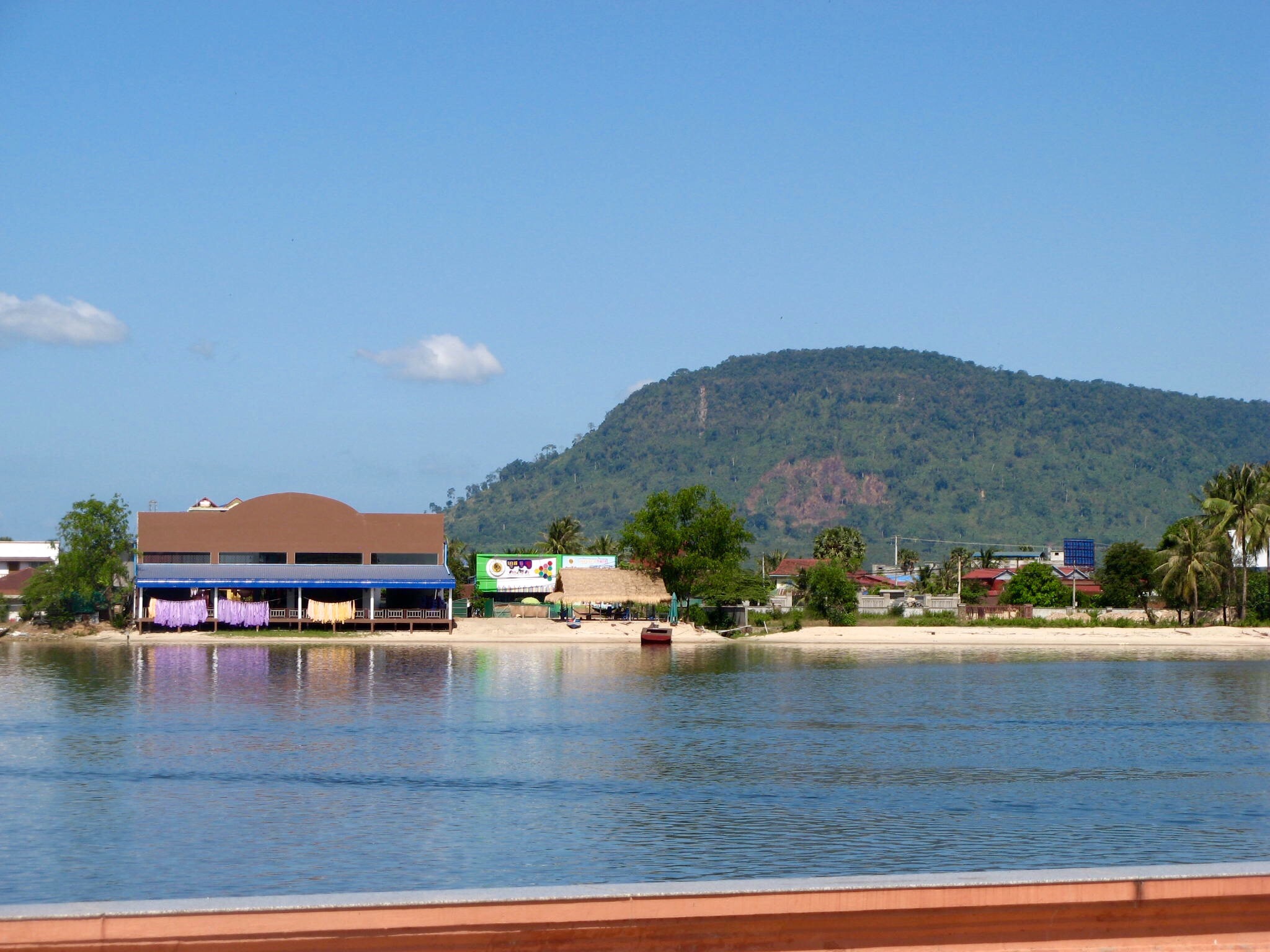
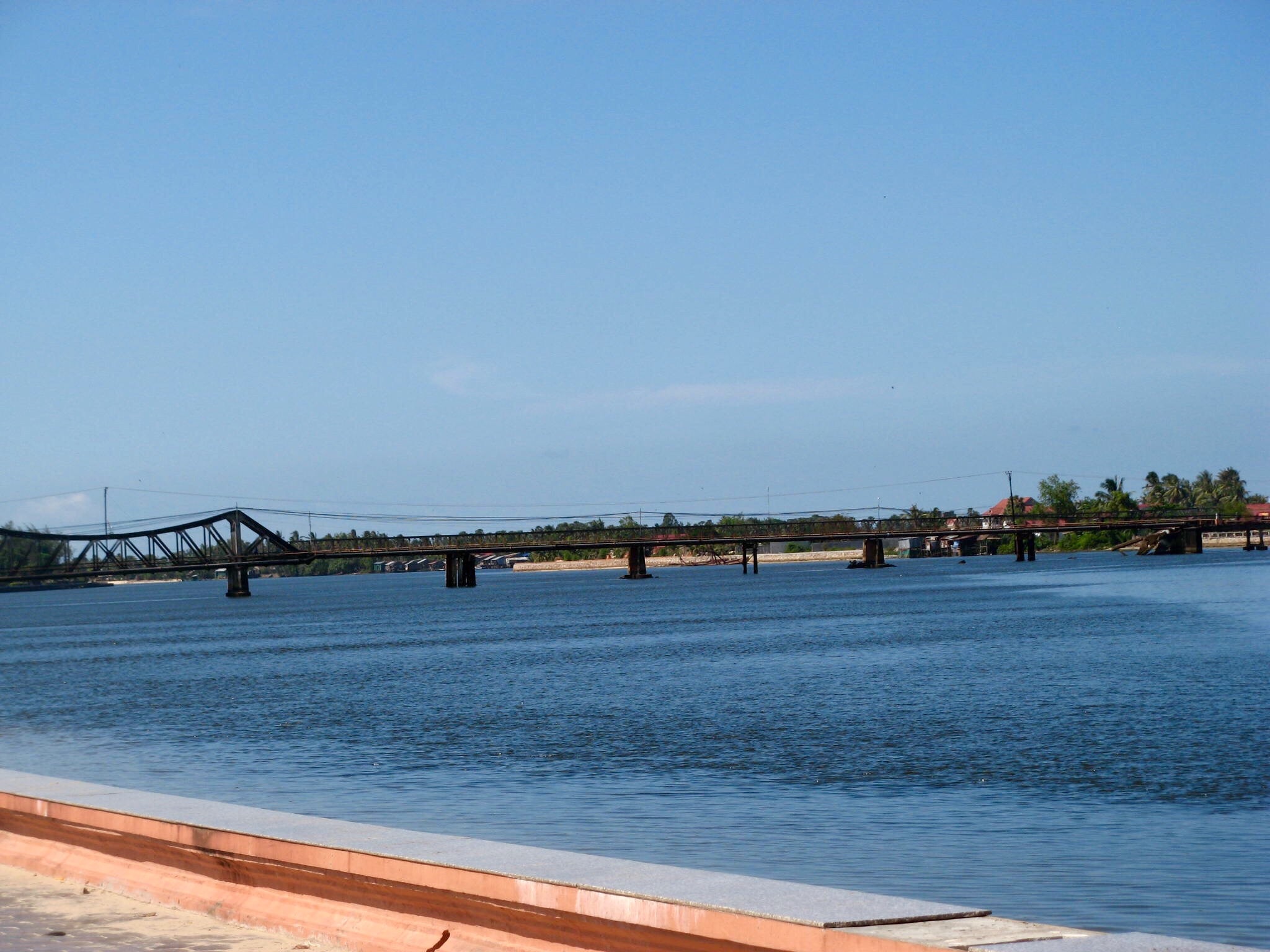
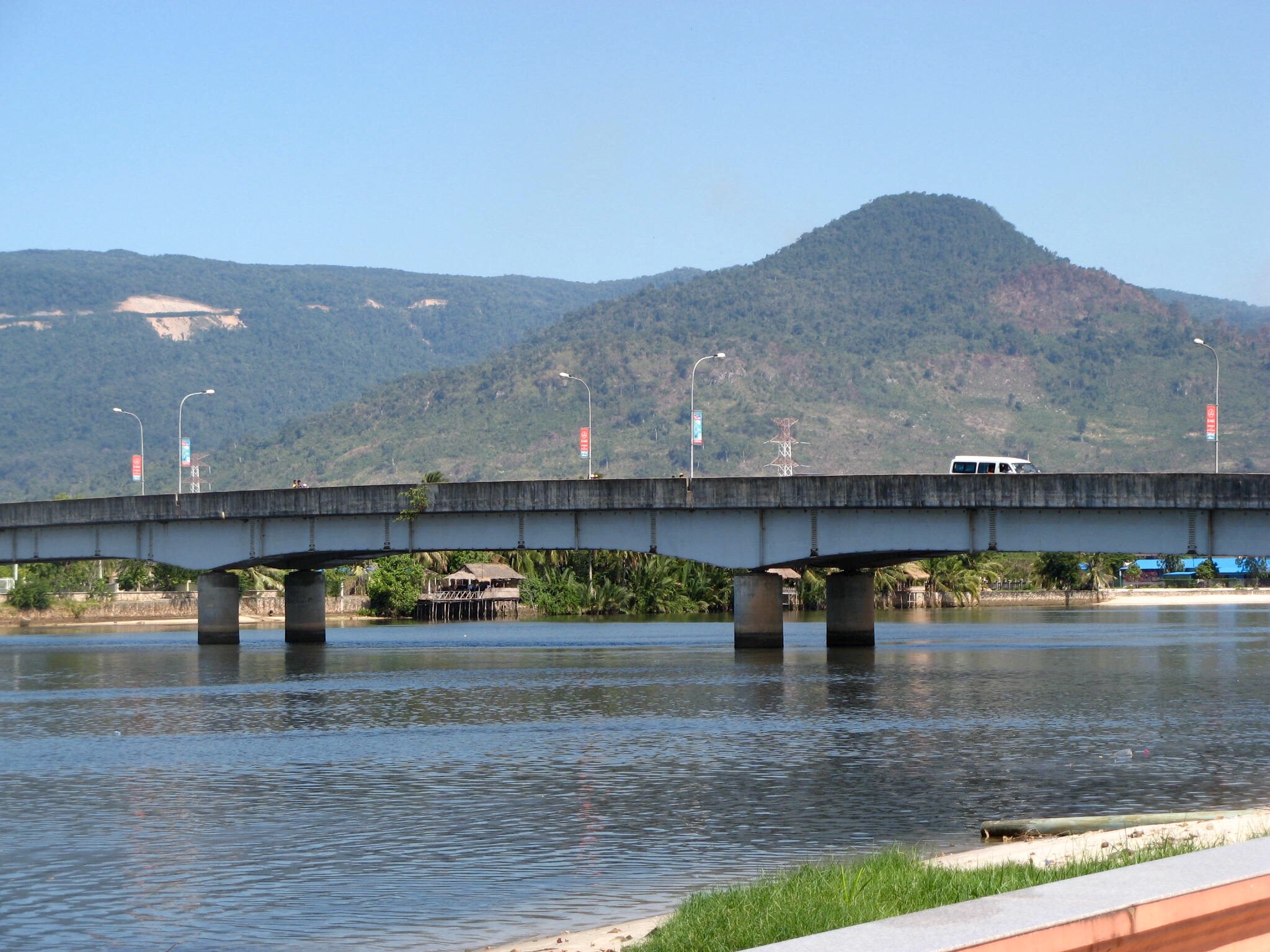
6/1 – Kampot is a sleepy little town, with street-side shops and dusty roads, along the Kampot River. Our guest house has bicycles available for our use, so we borrowed them to see a bit of the town. It is HOT, but riding a bicycle gives you a nice little breeze as you move along.  Here is the Kampot River.


There are two bridges to town, creatively named the Old Bridge and the New Bridge.image

image

We crossed the New Bridge, a scary proposition with all manner of vehicles competing for the narrow lanes. Trucks get the middle of the road, then cars, tuk-tuks, motorbikes, bicycles and then pedestrians along the edges. We found a shop to buy toothpaste and snacks for the next few days. image

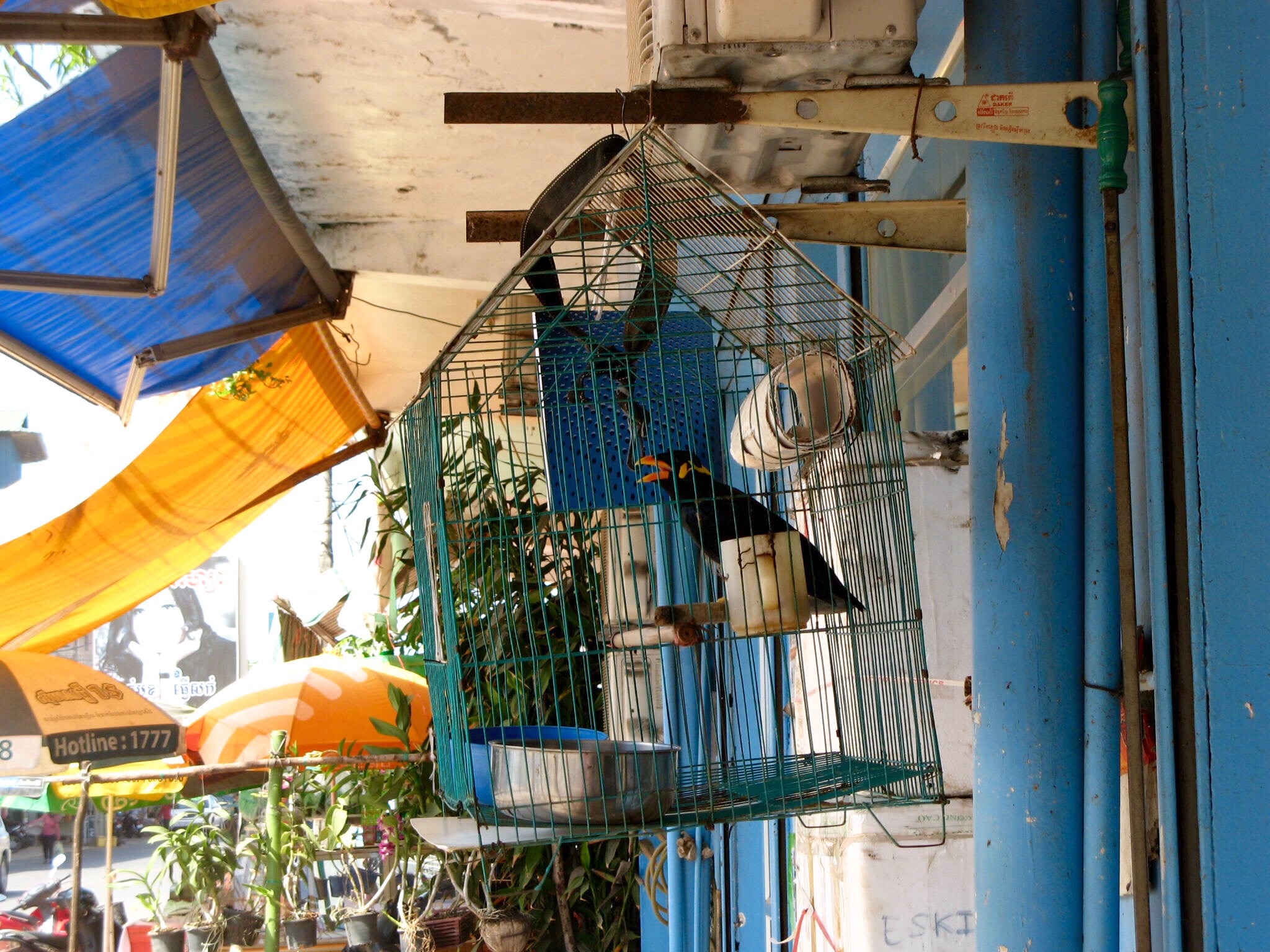
The shop had a talking bird in a cage by the door. He had a very respectable English “hello!”image

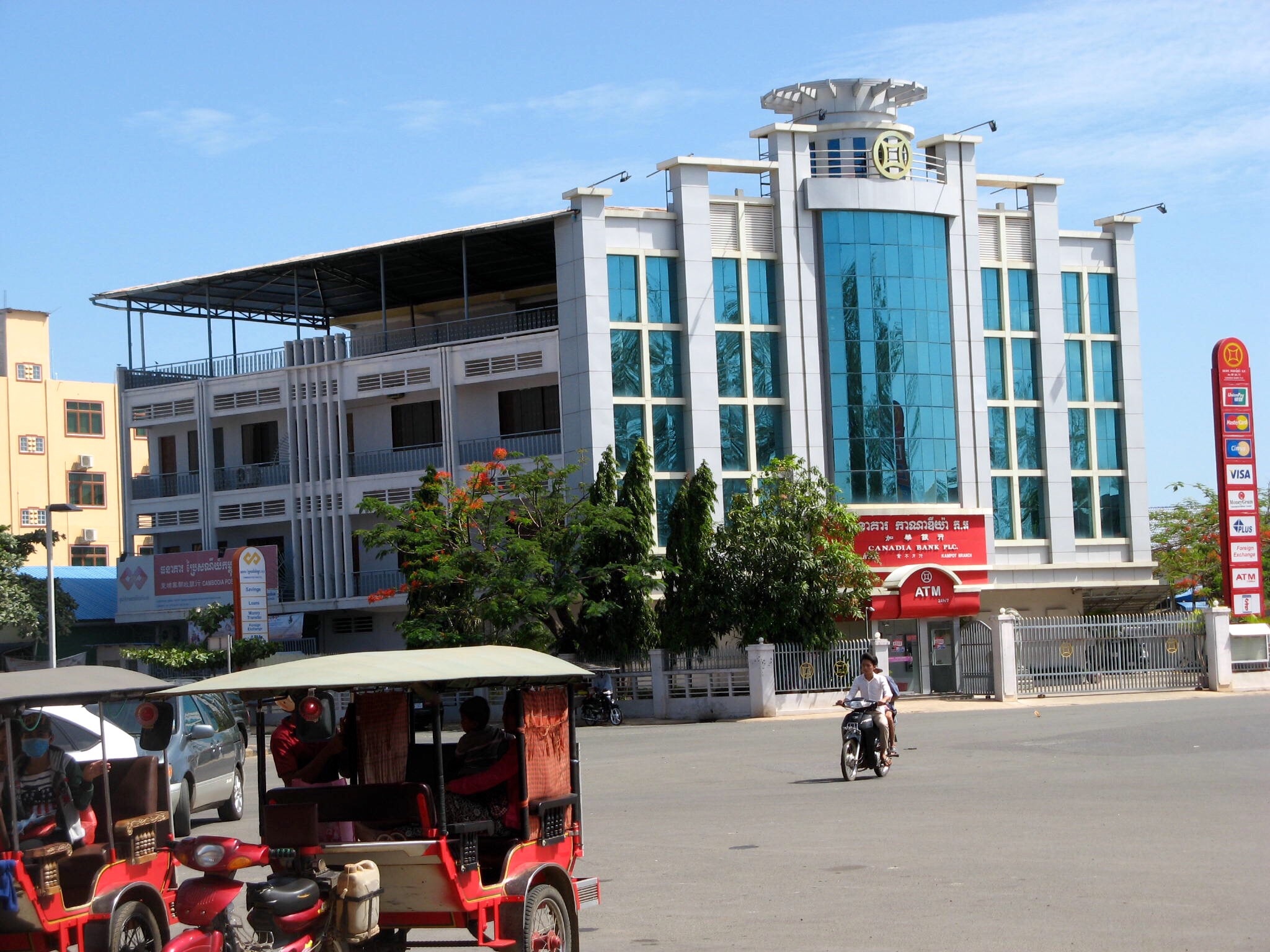
The town has one big bank, and lots of mish-mash architecture.image

image

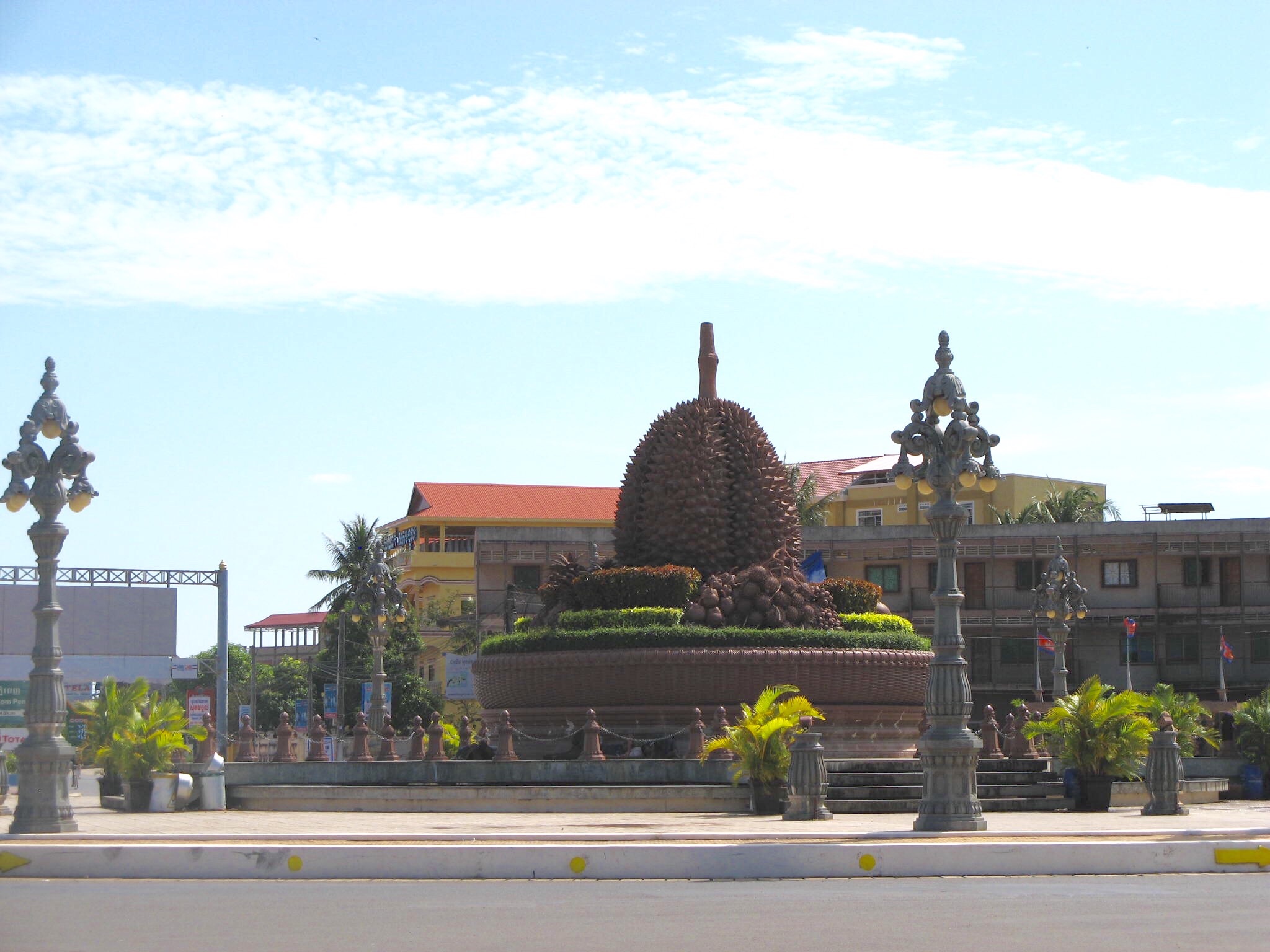
The roundabout in the middle of town boasts a statue of a durian – the world’s smelliest fruit – which is grown and sold here.

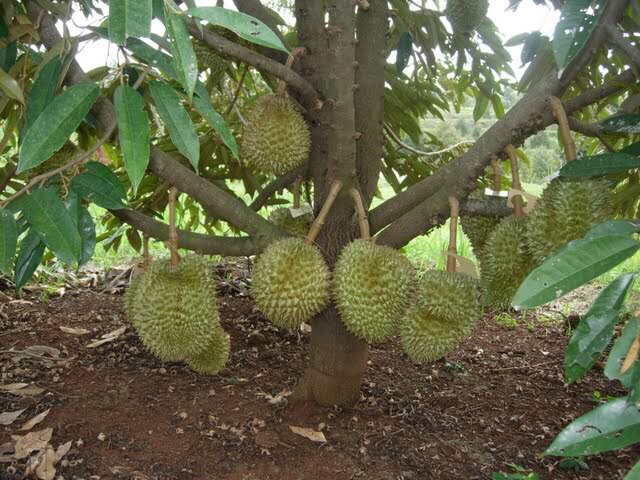
Durian has been described as tasting like sweet almond cream, but smelling like gym clothes left in a locker all summer, or perhaps raw sewage. I’m told that if you hold your nose you may be able to get a bite into your mouth without gagging. So far, I have not been brave enough to try this. Jim asked our host if he would prepare some durian for me, but he refuses to let it in the guesthouse. Must be really awful! imageimage

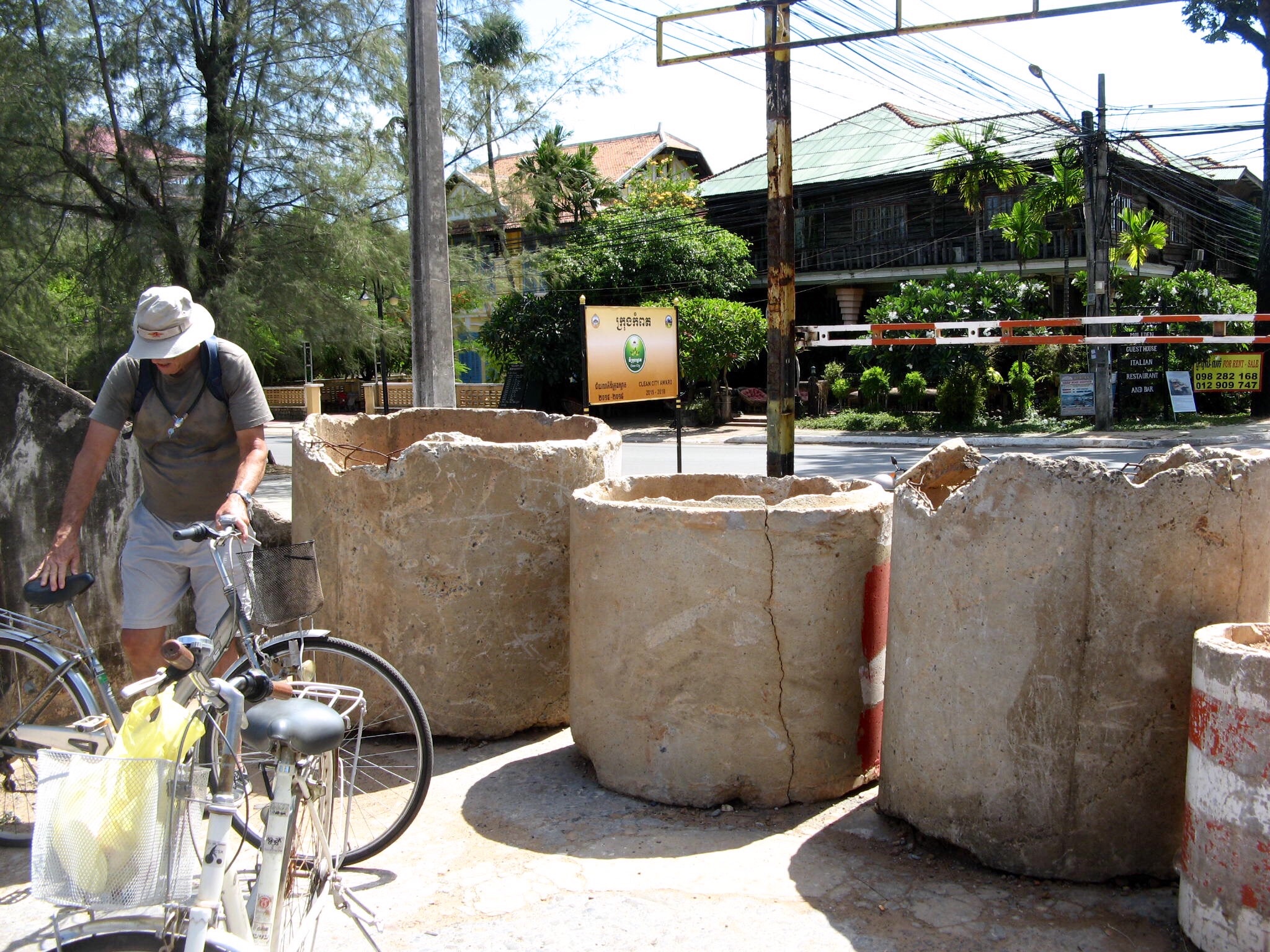
We elected to return home via the Old Bridge, which our host told us was perfectly safe. First we had to lift the bikes over the barricade.image

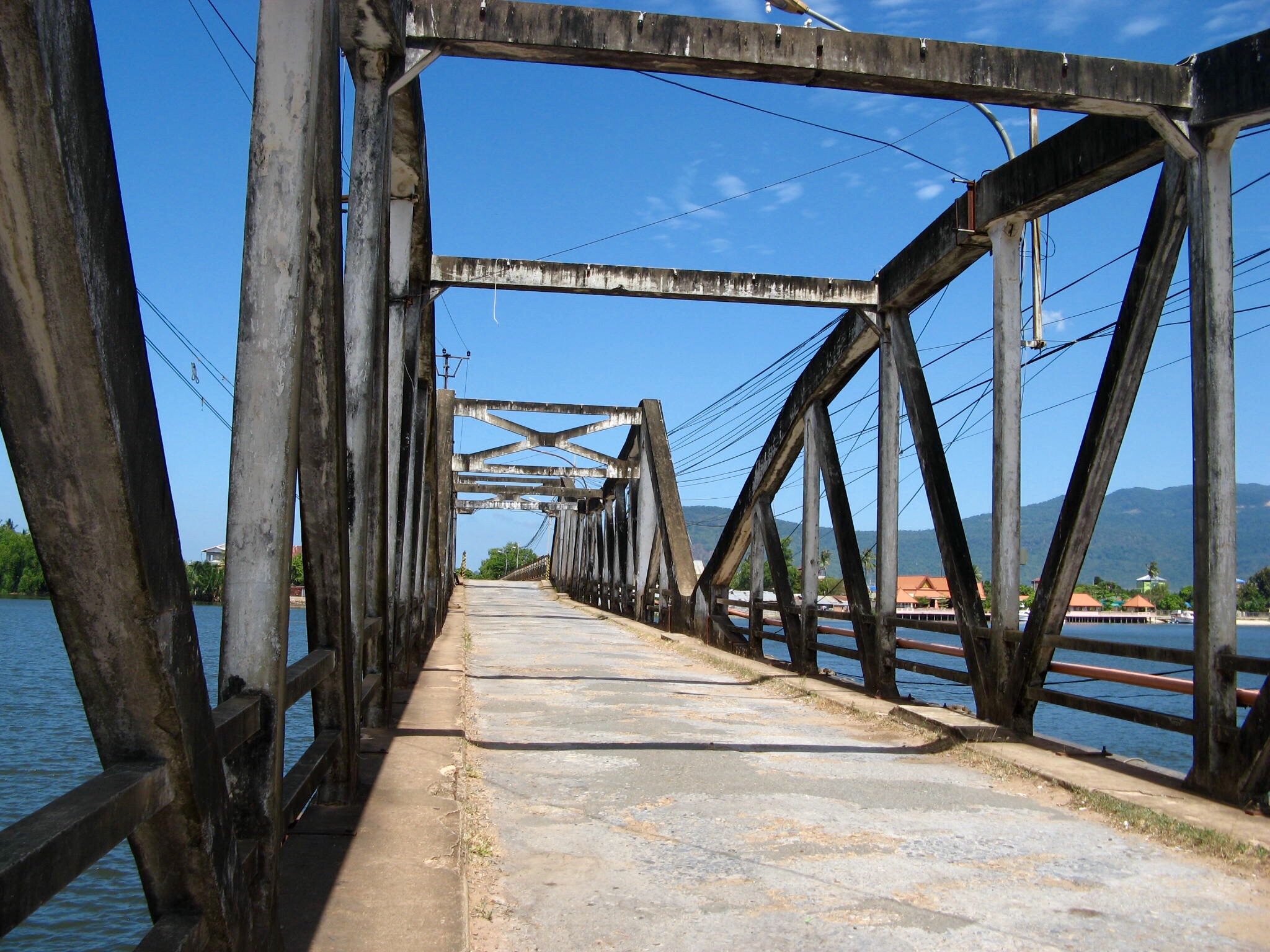
We could see through the rusted holes down into the water below.image

image

A lovely ride.image

image

In the evening, we had another glorious sunset, followed by amplified singing and fireworks. We asked if it was a holiday, but our host informed us that it was a funeral – they send the departed off with a bang. A good way to go, don’t you think?image

Phnom Penh to Kampot, Cambodia

5/30 – We are looking forward to getting out of the noisy bustle of Phnom Penh, and seeing the Cambodian countryside.  It seems that the more we travel, the less we like big cities.  Even 9000 miles from home, cities have a sameness in their traffic, squalor, shops, hawkers, taxi drivers and press of people.

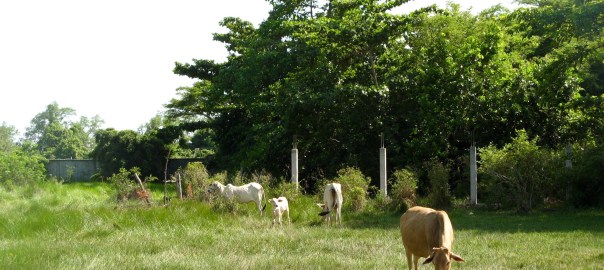
Several travelers suggested that we head south to check out the adjoining towns of Kampot and Kep.  This is easily done by booking a $6.00 ticket on a bus heading south, and today is our travel day.  We were told the ride would take three hours, but it took five.  Nothing wrong; we have become accustomed to the exaggeration of ticket sellers who want you to think that their bus line can get you there faster than the line next door.  The bus curtains were closed against the heat of the day for most of the trip, so only a few pix of the countryside.  Lots of skinny white cows foraging at the roadside or grazing in the fields.imageimage image

The bus stopped first in Kep, and most of the young tourists got off there, right at the oceanfront.  We stayed on, as our lodging for the next three days is in Kampot.

The tuk-tuk brought us right to the door of the Kampot Manor, a beautiful French colonial on a quiet road outside of town.  image

Our host David was surprised to see us, and told us that perhaps an error was made at Booking.com, as he did not have our reservation.  No worries (he is Australian); he asked us to wait while a room was made up for us, and we were settled in no time.  Come to find out, we had mistakenly booked online for June 30 instead of May 30.  Darn these new-fangled computers! David got it all sorted out.

Our room was on the upper floor, with a wrap-around veranda.  We ordered supper (David is an excellent chef), and he delivered it up to the veranda so we could watch the sunset.  We were not disappointed – what a stunner!imageimage image

image

Tomorrow, the town!

Phnom Penh, Cambodia

5/29 – We plan to stay in this busy city for only two days.  Here are the Royal Palace and the Independence Monument.image


image

Every city seems to have  the same electrical wire challenge!image

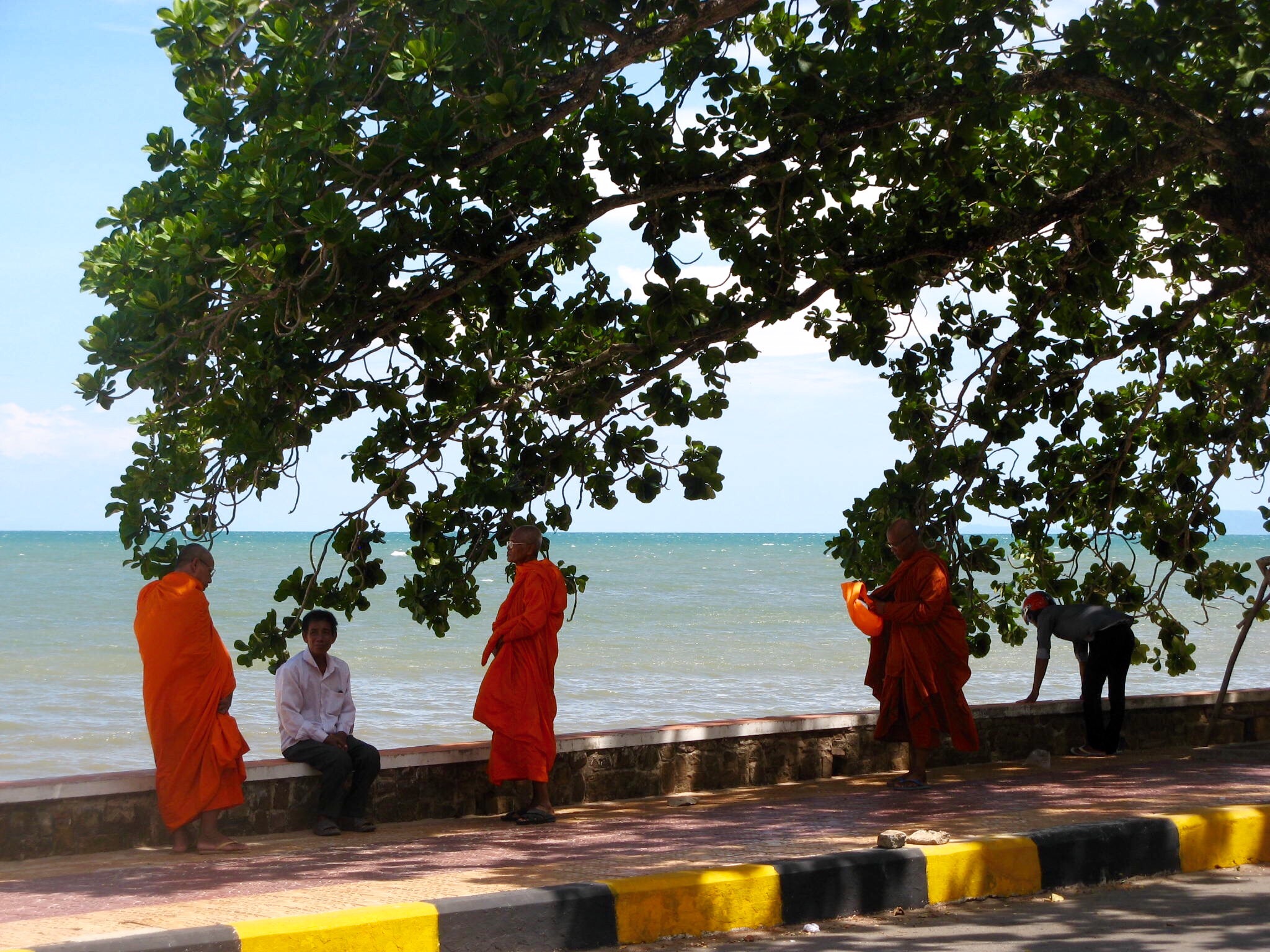
We watched some monks standing outside shops waiting for their daily alms.image

Phnom Penh is, unfortunately, best known as the center of the Cambodian genocide of the Khmer Rouge in 1975-79(precipitated by the destabilization caused by the abrupt American withdrawal from Vietnam and Cambodia in 1973). We will honor this history by visiting the Genocide Museum at Tuol Sleng Prison, otherwise known as S-21.image

The prison is in the center of the city, five buildings that formerly comprised the high school.image

There were only 7 survivors from the prison, where over 14,000 were tortured  before being transported to the fields outside town (known as the Killing Fields) then bludgeoned to death. We watched a movie where three of the survivors; two prisoners and a guard, described their experiences with the Khmer Rouge.

We walked through the dark rooms of the school, where rows of photographs give faces to the victim numbers.  Whole families were imprisoned here, accused of being CIA or KGB by a neighbor, who was tortured to provide names.  By the time the genocide was over, 25% of the Cambodian population had been executed.

The Khmer Rouge, like the Nazis, kept meticulous records of each prisoner. I will spare you, dear reader, from the photos of torture, starvation, and ultimate death, but they are on display here.

image

We we walked through the classrooms that were subdivided by rough brick and mortar into cells 18 inches wide where the prisoners were kept.  In lieu of restrooms, the cells were hosed down occasionally.

image

In a room where the cell walls have been taken down, you can see how narrow they were by the cell numbers along the wall.  The floor tiles are six inches square.  Each cell was three tiles wide.image
Other rooms had torture apparatus on display, and descriptions of how the torture was carried out.  I’ll spare you those images too.  Rules of interrogation:image

There were cases full of skulls, all with a crack or a hole at the back as evidence of the final blow that sent them into the mass graves.image

Two of the prison survivors sit outside the displays, available to answer questions.  They do not want the genocide to ever be forgotten.

After touring the museum, many go out to view the Killing Fields, but I had had enough for one hot day.

Siem Reap to Phnom Penh, Cambodia

5/27 – We enjoyed our short stay in Siem Reap.  The heat of the day was broken by a short afternoon rain (we are in the beginning of monsoon or wet season) so we were able to walk around and see some of the city.  When we were in Thailand, there were three seasons; the hot, the wet and the dry.  Here in Cambodia there are only two seasons; the wet and the dry.  It is always HOT. There are lots of restaurants and bars on Pub Street.image

image

It’s a wonder that the electricity works at all in Asia.  Every town has a similar challenge with wires.image

Although drugs are illegal here, marijuana is exempt because it is an herb used in cooking.  It is an ingredient in Happy Pizza and other Happy dishes. I wonder what they put in Ecstatic Pizza?

Isn’t this a good name for a laundry?  Someone has a sense of humor.image

Lots of markets.  Anyone need a crocodile?image image image image

5/28 – Today we hopped on the bus for the six hour ride to Cambodia’s capital, Phnom Penh. This bus had a hostess with a microphone who announced our itinerary in both Khmer and English, and played an endless loop DVD of Cambodian crooners singing love songs to adoring girls in long dresses and beehive hairdos.image

About two hours into the trip, the paved road became a dirt road. We understand that as the wet season progresses, many roads become impassable.

We stopped for a break midway through, and Jim wanted a snack. The roadside snack shack specialized in fried bugs (grasshoppers?), so he bought a bagful.
For the record, he said they were crunchy and very tasty, sort of like Fritos. I will take his word on that!
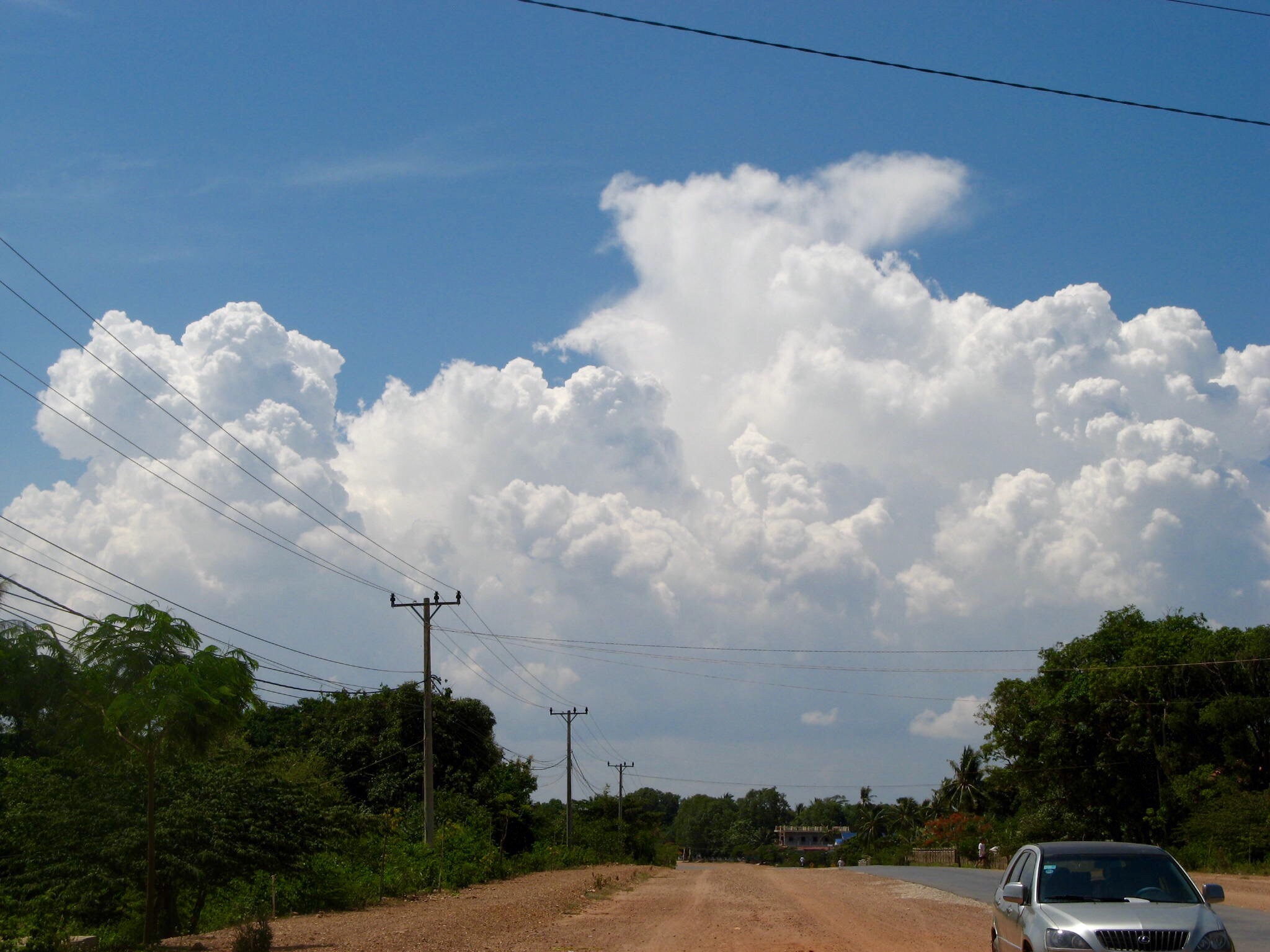
The rest of the ride was uneventful, but the sky was awesome, so here are some cloud pix. As we neared the city, the road became paved once again.image

image

And now we are in our cozy guesthouse with another awesome pool!image

Siem Reap – More Temples of Angkor

5/26 – Many tourists call it quits after one day of trekking through temples in hundred degree weather, but not us.  We got right back in the tuk-tuk for another round.  Sights from the ride:

image
Fishing boats on the water

image
Water buffalo grazing by the road
The three temples we visited yesterday is called the small circuit.  Today we took the grand tour of lesser known temples that show a variety of building styles.  Sorry, I don’t know the names of all these temples.

There were many fewer tourists on today’s tour, so it was much more relaxing for us, and we could really poke around without waiting in lines.  Here are some highlights.image image image image

Lots of guardian critters:  image

image
A refurbished lion next to an original lion

image
An elephant with refurbished feet and trunk
The Terrace of Elephants:image

Lots of intricate carving – some look like pieces from different carvings have been mashed together.

image

image

image

image

More spung trees!image image image

One of the small temples was surrounded by water:image
image

More mysterious faces:image

image

image image image

We were serenaded by several musicians who had lost limbs from American land mines:imageimage

Another wonderful day.image


Siem Reap, Cambodia – The Temples of Angkor

5/25 – Half an hour north of Siem Reap is a collection of ancient temples known as Angkor. They are actually different cities, built in different centuries (between the sixth and the twelfth) by different kings. When rediscovered by the French in the late 1800s, it was thought that the temples were so intricate and advanced that they must have been built by the Romans. They were built as Hindu temples, and some of the later ones were converted to Buddhist. They are in the process of being restored.

We hired a tuk-tuk at our hotel to drive us out to see them. The road to the temples is well paved – Siem Reap hosts over two million tourists a year who come to visit the temples. Here is our view from the tuk-tuk. Our driver asked right away how old we were. When we told him, he expressed surprise. “Old people in my country could not walk at the temples.” He pantomimed a bent old person hobbling with a cane. “You say you are old, but you do not act old.” He drove very carefully over the bumps in the road, and drove us right up to the entrance.  What a nice young man.
image

The main attraction, Angkor Wat, lies across a protective moat. The weather was swelteringly hot, and the paths were brimming with tourists.image

image

image

image

image

image

This temple complex is huge, with many corridors. The rooms are empty and unlit except for where the roof has fallen and the sun shines in. The corridors reminded me of some of the monasteries we visited in Europe.image

The walls are decorated with intricate bas relief.image

image

image

After an hour, we got back in our tuk-tuk and drove to the next temple, at Angkor Thom. The entrance road has a row of figures on either side, holding onto a naga like a tug-o-war. Some of the faces have been restored, others washed away by time.imageimage

This temple is known for its towers, which have faces carved on all four sides. There are differences of opinion on what the faces are meant to represent. You have to look hard to see some of the faces.image image image

image

image

image

Amazing.  My favorite so far.

Our last temple of the day was Ta Phrohm. In great disrepair, it is best known for the huge spung trees that have reclaimed the buildings for the jungle. The trees were huge and looked like they could walk.image

image

image

image

imageimage

An exhausting and amazing day.

Ishiyama, Japan to Bangkok to Siem Reap, Cambodia

5/22 – Our stay in Japan was too short. Today we took the train back to Osaka, where we met Jim’s friend Carl for breakfast. Then it was on to the Kansai Osaka Airport where we arrived at noon. What to do until our flight at midnight? We went back to the posh airport hotel. They have a huge lobby with couches, easy chairs, strong wifi, and a piano that plays by itself 24/7. We settled in for a long afternoon and evening. I got a whole book read!

Midnight flight back to Bangkok, Thailand, then a layover from 4am until our Siem Riep flight at 10am. We got to see the sun rise from the Bangkok observation deck.image

It was nice to fly during daylight. Pretty clouds and blue sky.image

Getting off the plane in Siem Reap, the heat and humidity smacked us right in the face. Couldn’t wait to get back into shorts and sandals. The airport is very Asian.image

We got our visas at the airport, where the $30.00 payment was requested in U.S. dollars. As we only had Thai baht, we paid the equivalent of $35.00 each. Bring dollars if you travel here – the Cambodians use their own money as change only. 1000 riel is worth 25 cents. All prices are given in dollars, and the ATMs dispense dollars too. It’s been a while since we’ve seen Andrew Jackson on a $20!

We got a tuk-tuk ride into town, and passed several luxurious resort hotels, which look out of place next to the little shops and shacks on the dusty street. Due to its proximity to the Angkor Wat temples, Siem Reap hosts over two million tourists a year, and accommodates all comfort levels.image

Now we are settled in at the Banyan Leaf Hotel, with its lovely pool and sumptuous breakfast buffet, all for $20.00 a night. We had a lovely supper for $1.50, and a beer for 50 cents. You could live here forever!image

Hiking the Kumano Kodo – Katsuura to Ishiyama

5/19 – Our last hiking day dawned grey and rainy, but a little weather would not keep us from our appointed hike! We took a bus from Katsuura to Daimon Zaka, a stone stairway that led up to the Nachi Taisha, our third Shinto shrine.

image

We entered the torii gate, and kept climbing upwards.
image

image

The Grand Shrine:
image

Do fish care if it’s raining? Sorry for the blurry pix – blame the weather!image

The site contained a huge, old spirit tree, covered with moss:
image

image

We spent the morning with Max, from Quebec:image

Right next to the Shinto shrine was a Buddhist temple. One stop shopping for the religion of your choice – the Japanese often incorporate beliefs from both.image

image

image

image

image

We continued walking, downhill now, past a three-storied pagoda, on our way to the Nachi Waterfall, which is also a sacred site. It was beautiful in the mist.image

image

image

image

Then it was time to walk back up the hill to catch a bus back to Kii-Katsuura, and a train to The Kyoto suburb of Ishiyama, where we are spending the night. Sorry again for blurry pix.image

This is the end of our Kumano Kodo adventure. If you ever get the opportunity, it is a beautiful journey, customizable based on how many days and how far you wish to walk. A damp, but lovely day!

5/20 – Today we were agenda-free, relaxing and catching up on our reading and blogging. We took a walk to see the shore of Lake Biwa.image

image

image

Even here in the city, we find shrines:


This is Kwan Yin, goddess of Mercy:
image

I’ve loved being in Japan, with its friendly, helpful people, polite manners, orderly queuing, and advanced technology toilet seats. It’s been great to visit
a “first-world” country again. Soon we will travel back to Osaka Kansai Airport for our flight back to Bangkok, then on Cambodia. Our next post will be from Siem Riep!

Hiking the Kumano Kodo – Yunomine Onsen to Shingu to Katsuura

5/18 – Took a bus this morning from Yunomine Onsen to Shingu, to take a ride in a traditional flat-bottomed boat used historically by pilgrims on the Kumano River to visit the Hayatama Taisha, the second of the three grand shrines. We donned life jackets and straw hats to get into the spirit.image
image

We were the only gaijin (foreigners) on the boat, but our guide Kyoko-San translated most of the highlights for us.

We got out of the boat at a small island to touch “the monster’s spine”, assuring us of strength and long life.image
image
image

It was a gorgeous morning for a boat ride.image

image

image

image

Kyoko-San played a traditional flute as we drifted past the cliff faces in the clear turquoise water.image

We disembarked in Shingu, and walked toward the Hayatama Taisha. We were surprised that the Japanese tourists opted to get on a bus back to the station instead. We entered at the torii gate. image
image

image

image

Near the Hayatama Taisha is a long flight of rock steps up Mount Gongen, where runners holding torches race during the annual fire festival. Can’t imagine racing up these steps in the dark…imageimage

The steps lead up to a small shrine at a sacred rock where the three deities are believed to have come down to earth.

image

We watched many come to pray and meditate here.image

image

The overlook gave us a great view of the city below, and the Pacific Ocean beyond.image

We took a short train ride to Kii-Katsuura, where we spent the night in a western hotel. Yay for mattresses! Tomorrow we will visit our third shrine.