Pai to Chiang Mai to Bangkok, Thailand

5/4 – Our do-nothing vacation in Pai comes to an end tomorrow. As we enjoy one more swim in the pool and one more climb to see the sunset, here are a few things we opted not to do in Pai:

Seeing the Long Neck Karen tribe: as tempting as this was for a short-necked Karen like me, we read too much about the exploitation of these Burmese refugees, who are paid to disfigure their women with neck rings to be ogled by tourists. I remember reading about them in Ripley’s Believe It or Not as a child (a long, LONG time ago!). Really didn’t want to view humans the way we view zoo animals, and the tribe does not benefit from the admission prices charged by the tour promoters. Here are pix off the advertising poster in town:

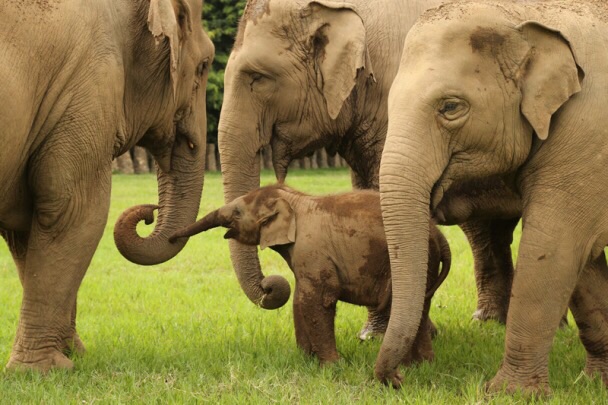
Riding an Elephant: there are lots of places in Thailand offering to let you ride/bathe/train elephants. Most of these places use bull hooks to jab the elephants, torturing them repeatedly to make them docile enough for tourists. We decided not to be part of that exploitation. The exception is the Elephant Nature Park in Chiang Mai, where abused elephants are rehabilitated and never ridden. We tried to book a trip there when we were in Chiang Mai, but the waiting list was several weeks long, and we were not able to go. If you really want to see elephants, book early and support ElephantNaturePark.org. image

I’ve been keeping my sister AJ in mind as we tour Thailand, as she and her husband would like to travel here some day. They are vegetarians. Don’t know how they would feel about the vegetarian restaurants here, which all seem to serve meat, like the House of Pork Vegetarian Cafe:image

Same problem at the grocery store, offering vegetarian shredded meat:image

Don’t worry AJ and Bob – you can always eat rice!

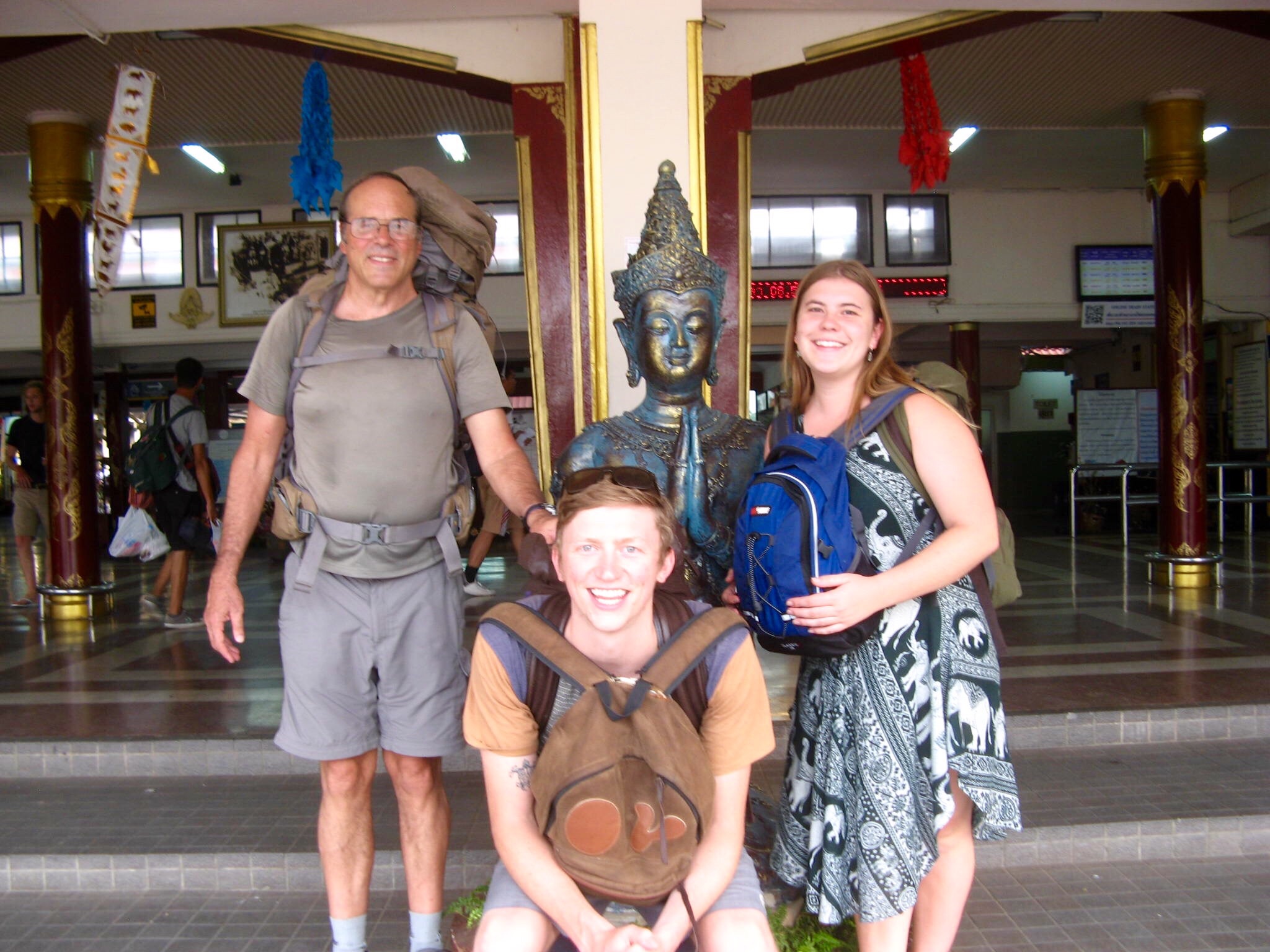
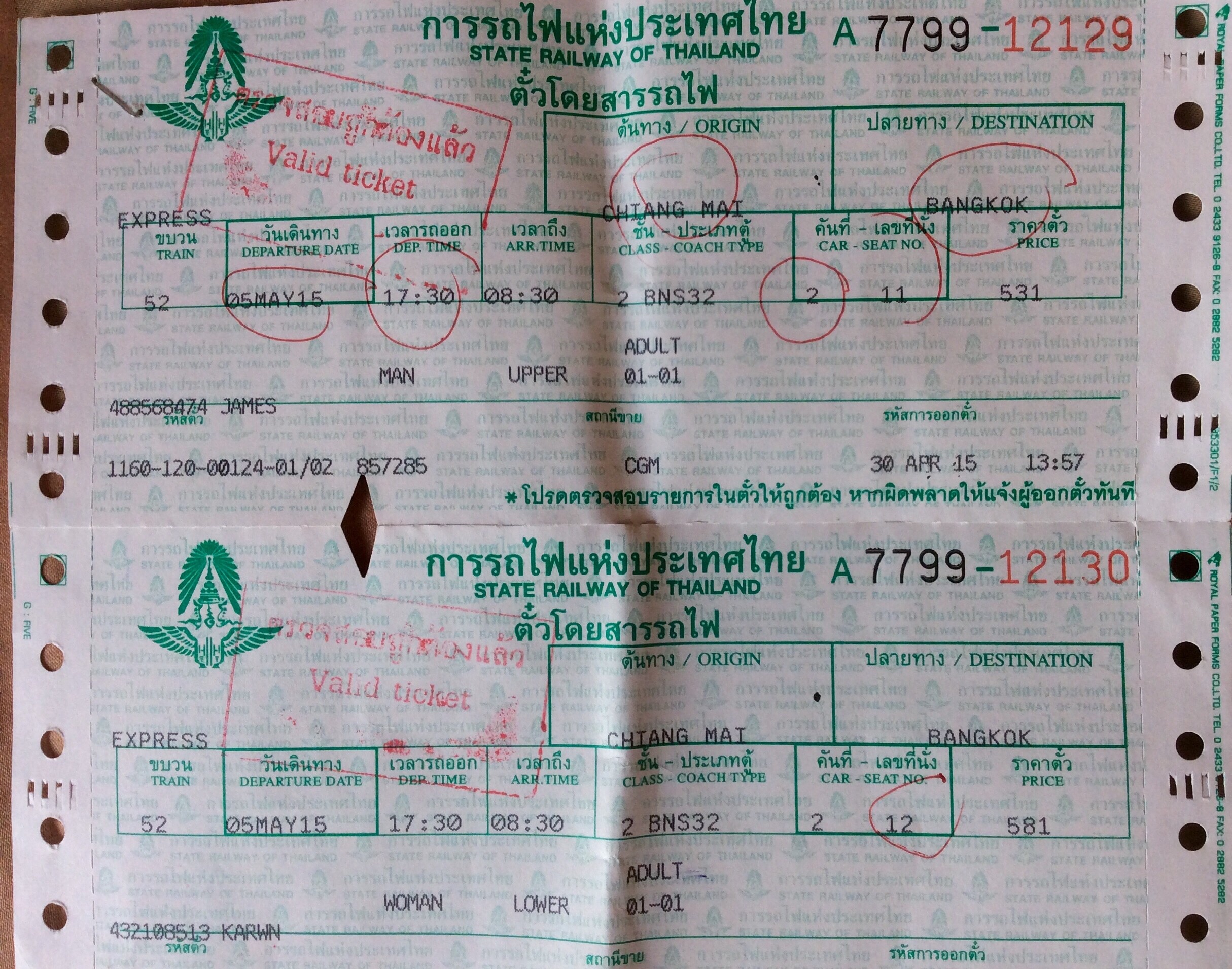
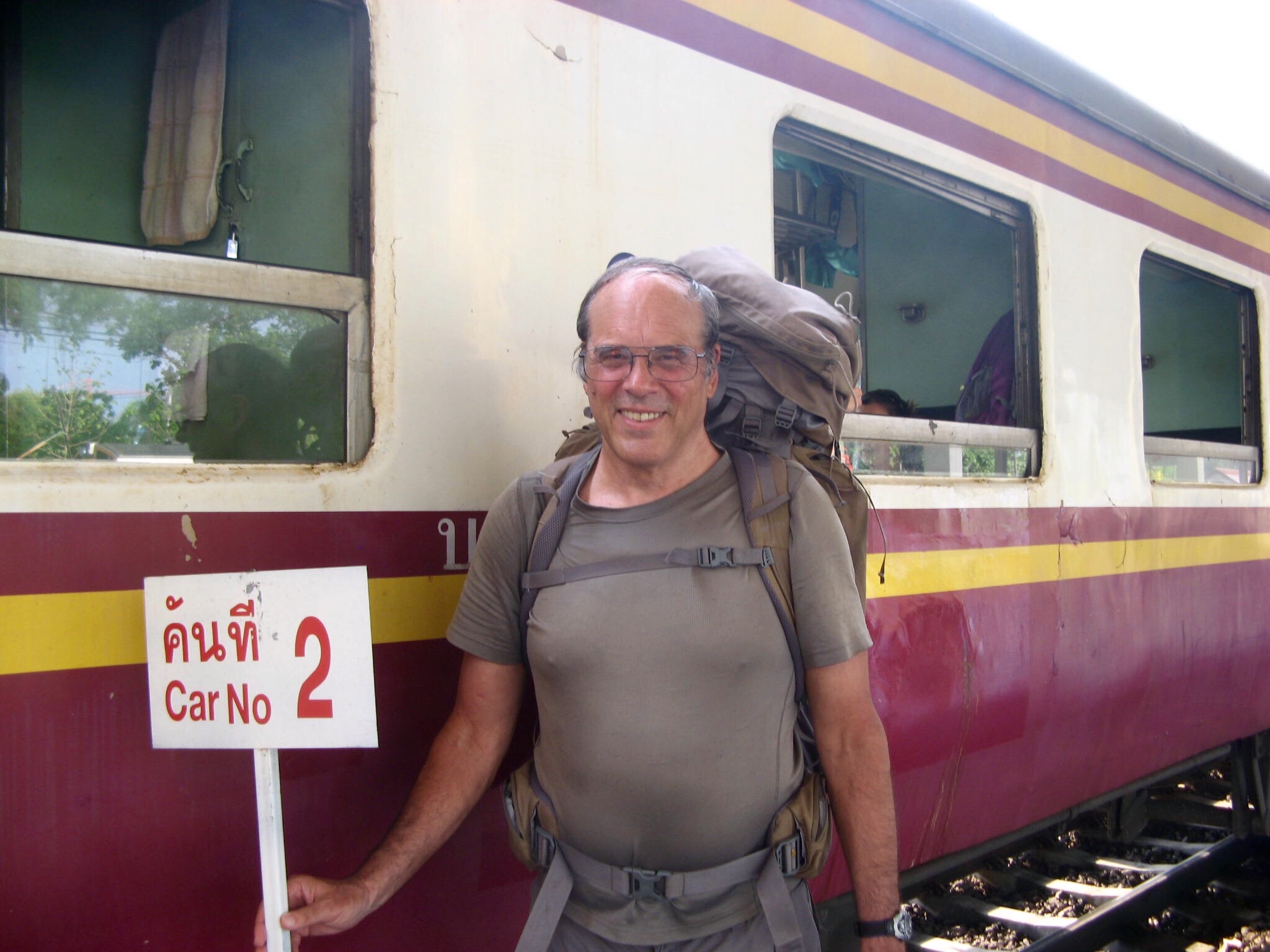
5/5 – Back to the bus station this morning for our 3 hour mini- bus ride back to Chiang Mai. Met John while we waited, a Vietnam vet. He and Jim traded old war stories – Bangkok was the place Vietnam vets went for R&R, and its proximity brought back lots of memories for them both. Arrived at Chiang Mai with three hours before our train to Bangkok, so we has a leisurely lunch and chatted with two young Aussies from Melbourne. Turns out they were taking the same train.image


image

We were not able to book air conditioned berths on the overnight sleeper to Bangkok, so we are anticipating a steamy night. The windows on the train are all wide open – hope there is a breeze! image

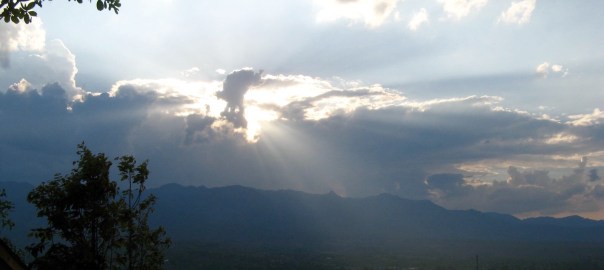
This is the first long distance train we’ve been on that does not have compartments. The seats convert to upper and lower berths on both sides of the car, with curtains in front, like in old movies (Some Like It Hot comes to mind!) Here’s the sunset out the open train window. image

image

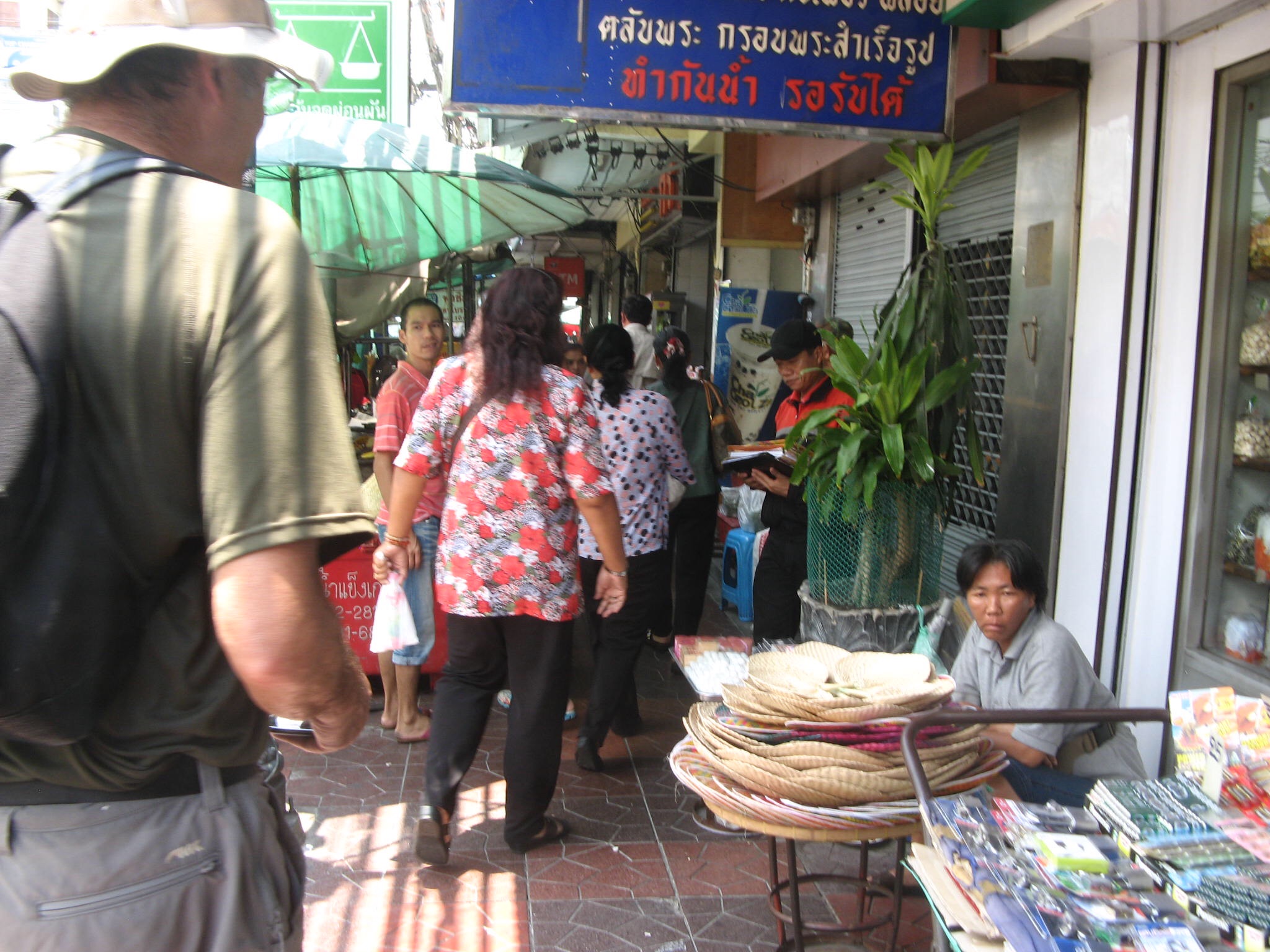
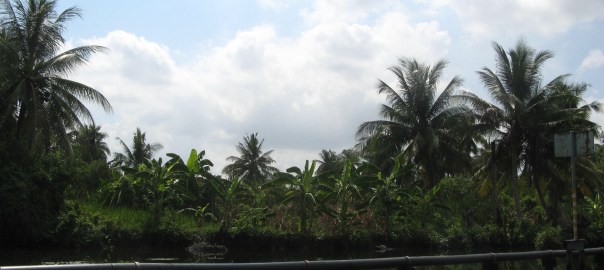
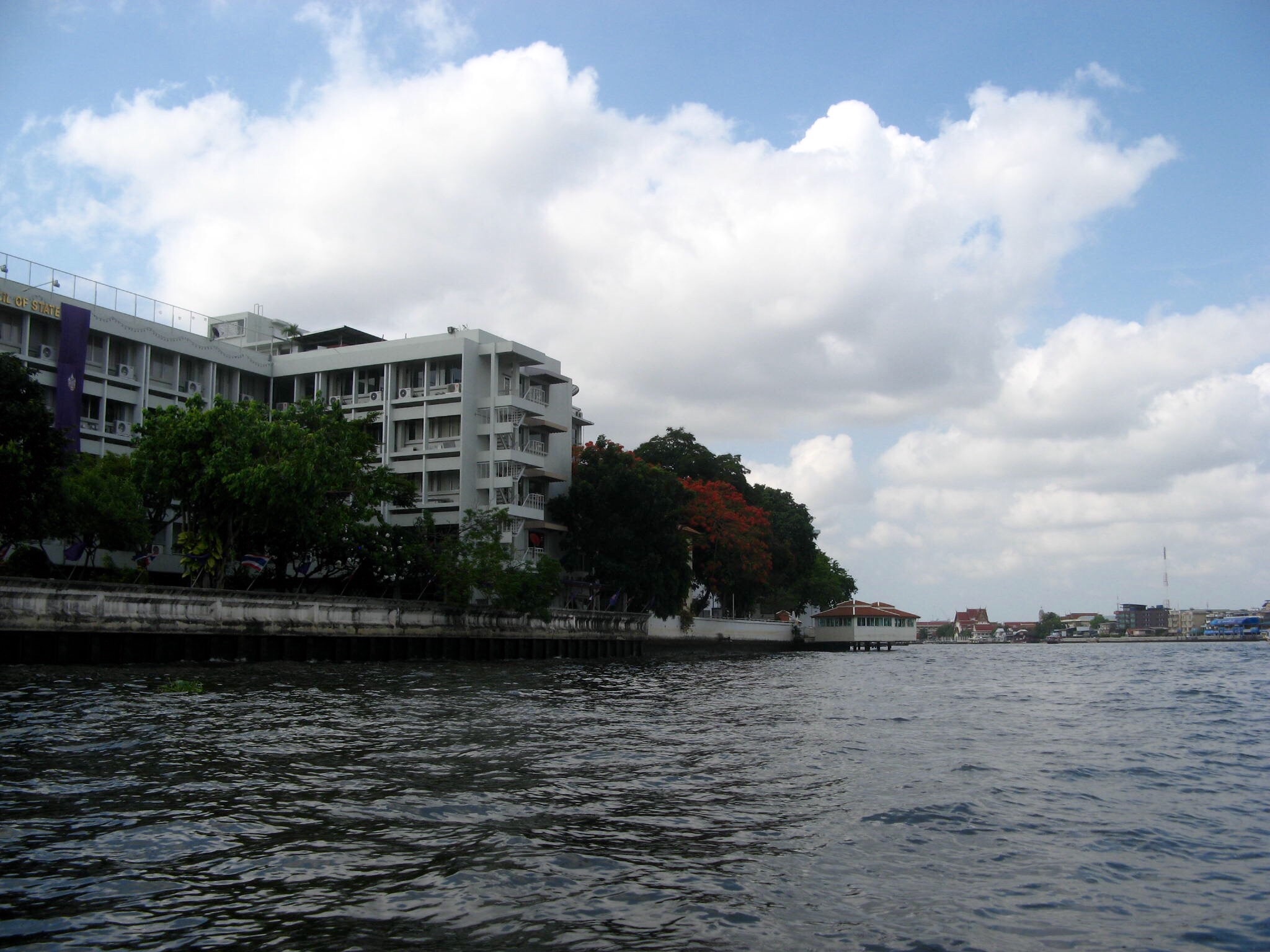
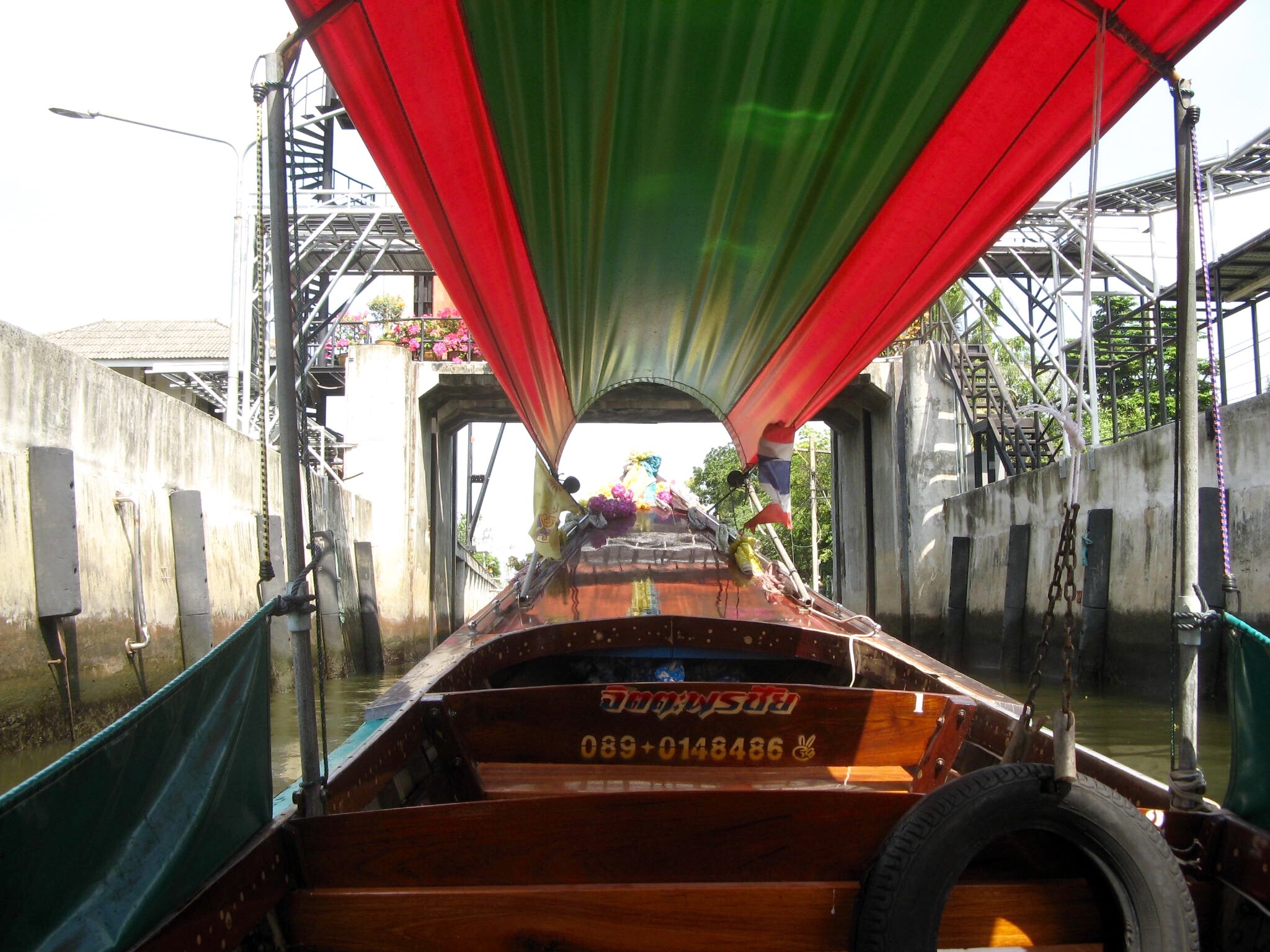
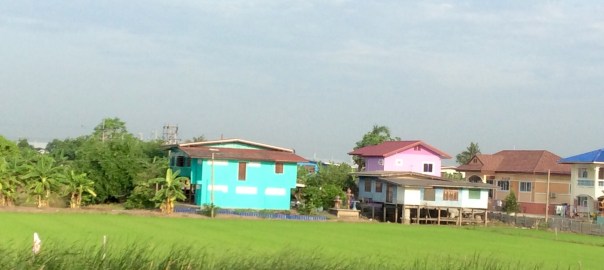
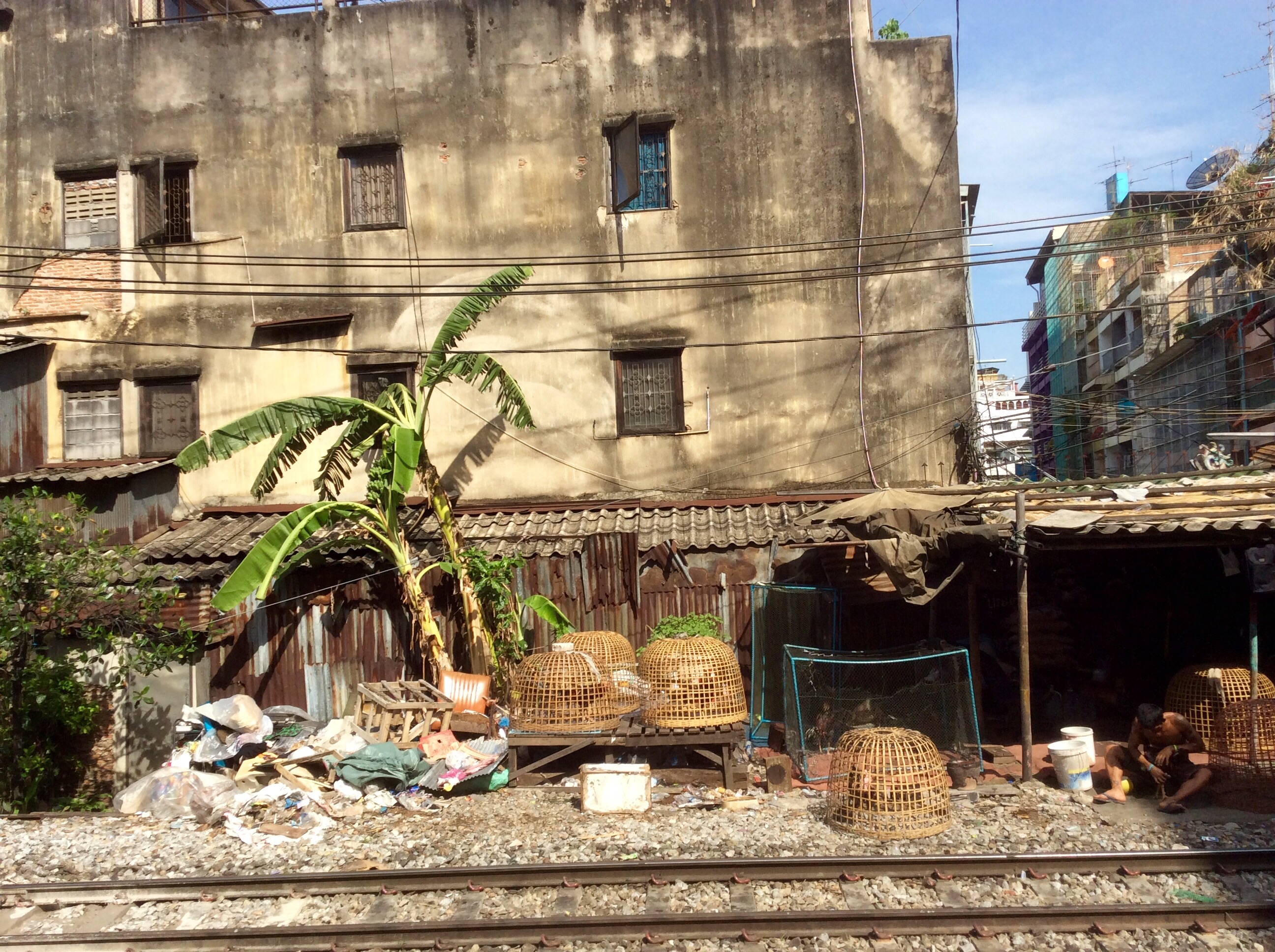
5/6 – After a long, sticky night, we approached Bangkok, as the scenery changed from rural to urban.image

image

image

Pai, we miss you!

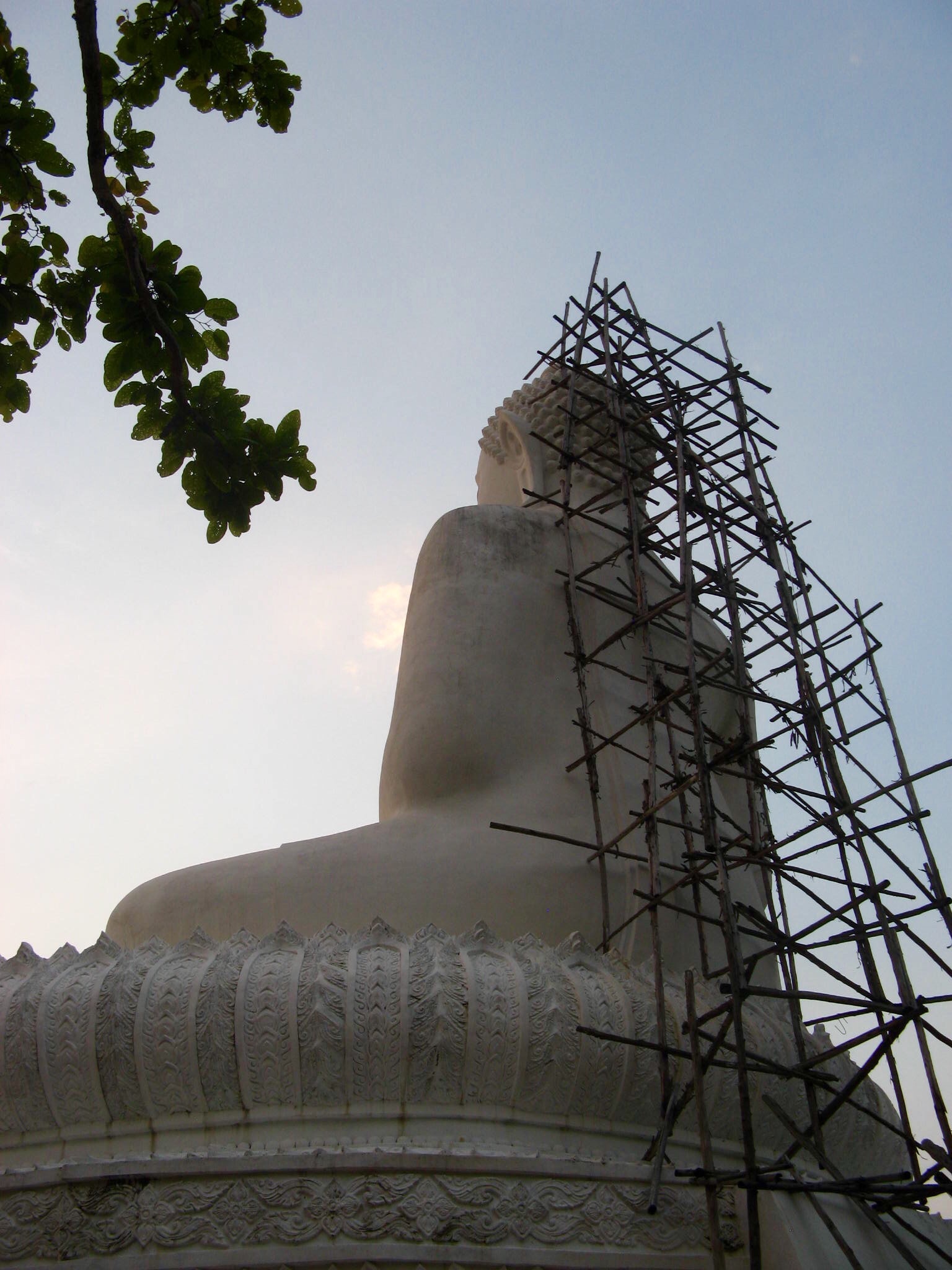
Pai, Thailand – the Buddha on the Hill

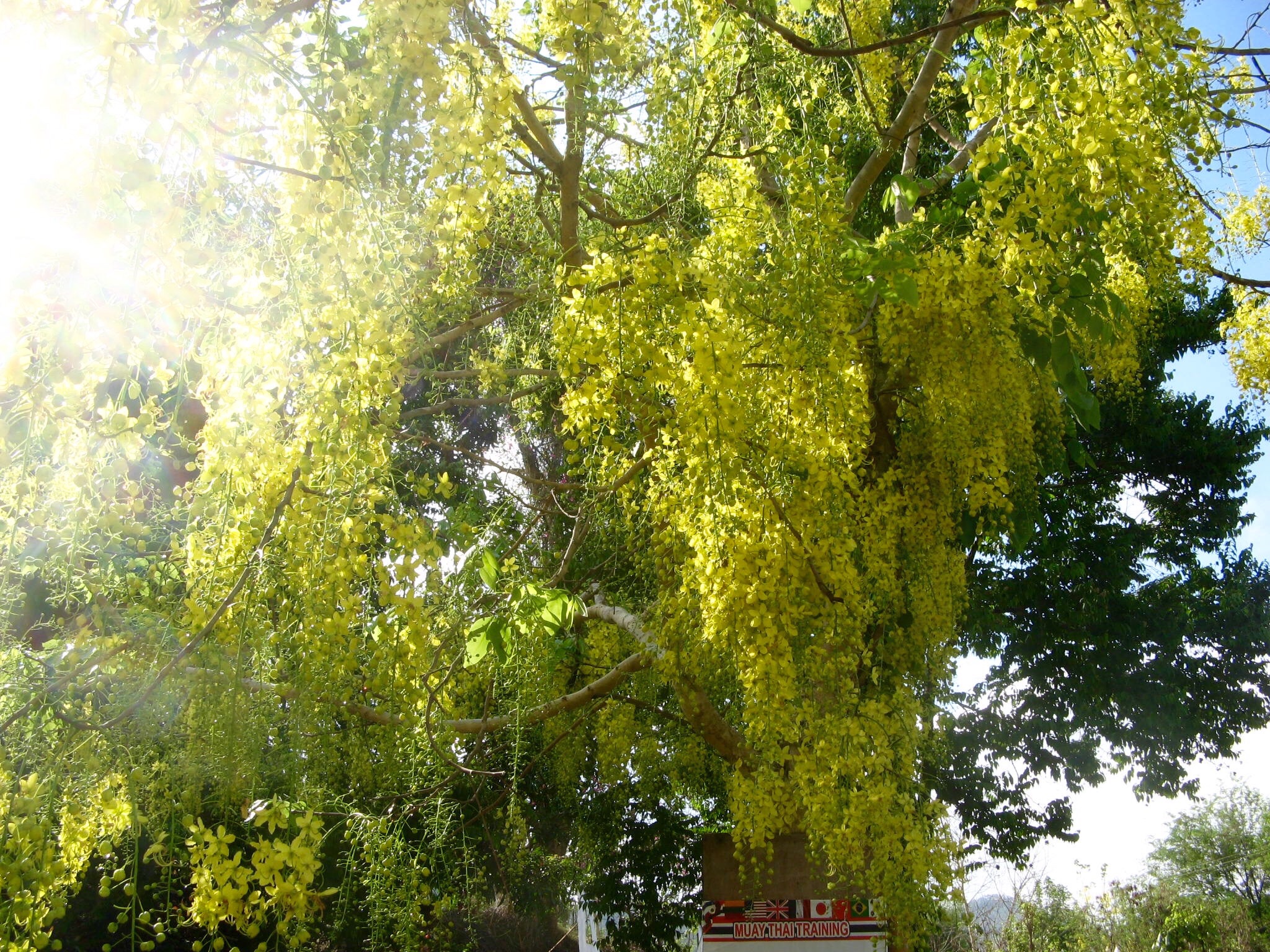
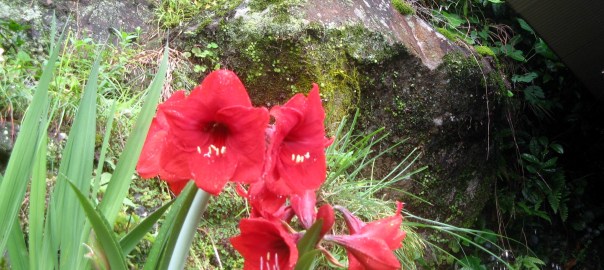
4/27 – Since moving across town to the Pai Do See resort, our days have fallen into a comfortable pattern. The morning temperatures are in the 70s, sunny every day, with highs in the upper 90s by mid afternoon.  Birdsong and gecko calls are our constant companions.  The flowering trees are a daily delight.image

image

We eat breakfast at the resort restaurant (two eggs any style, toast with margarine and strawberry jam, two franks that they call sausage, sliced tomato and cucumber, Tang and coffee). We take a walk; some days into town, some days into the mountains to explore.image

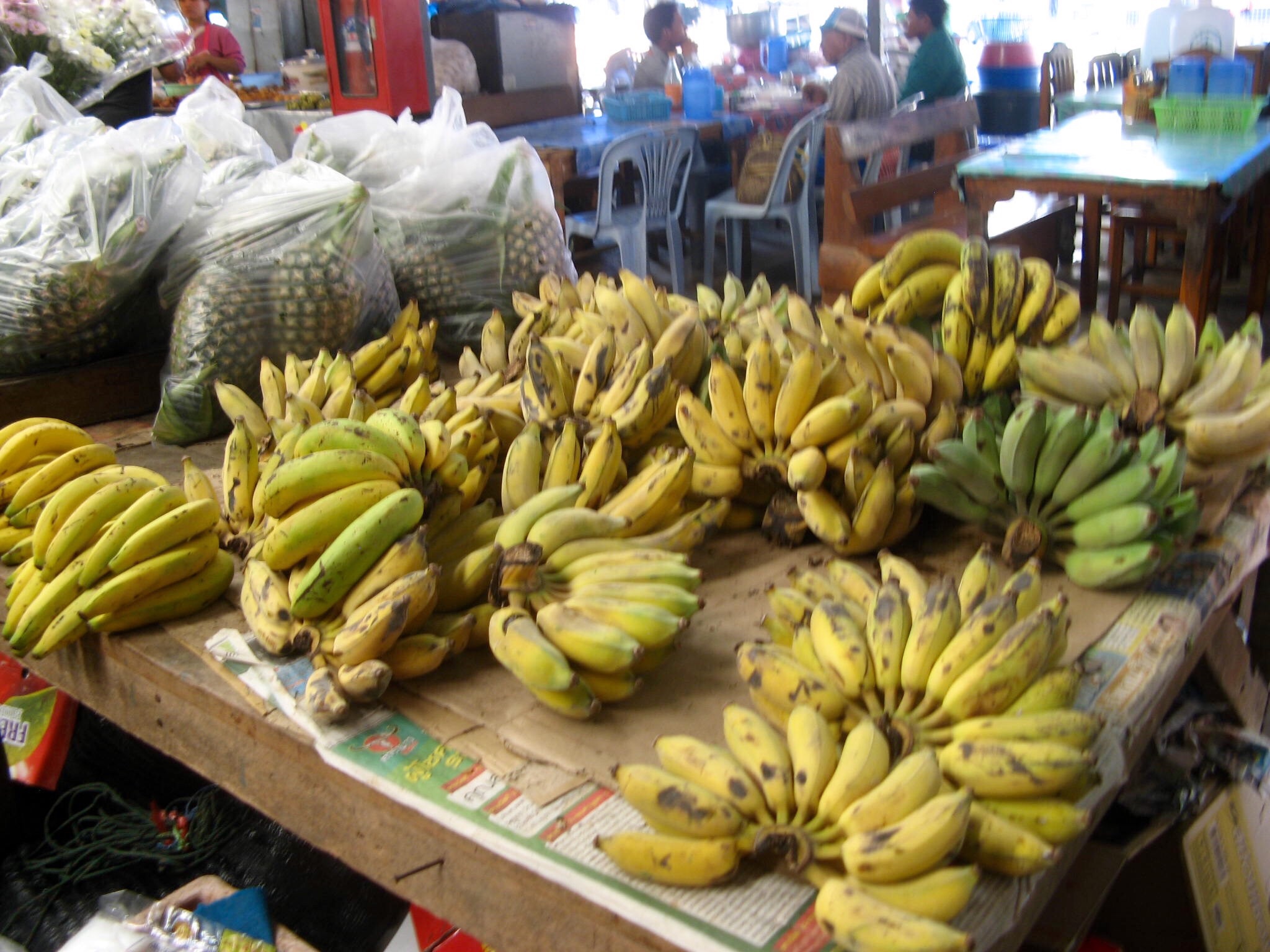
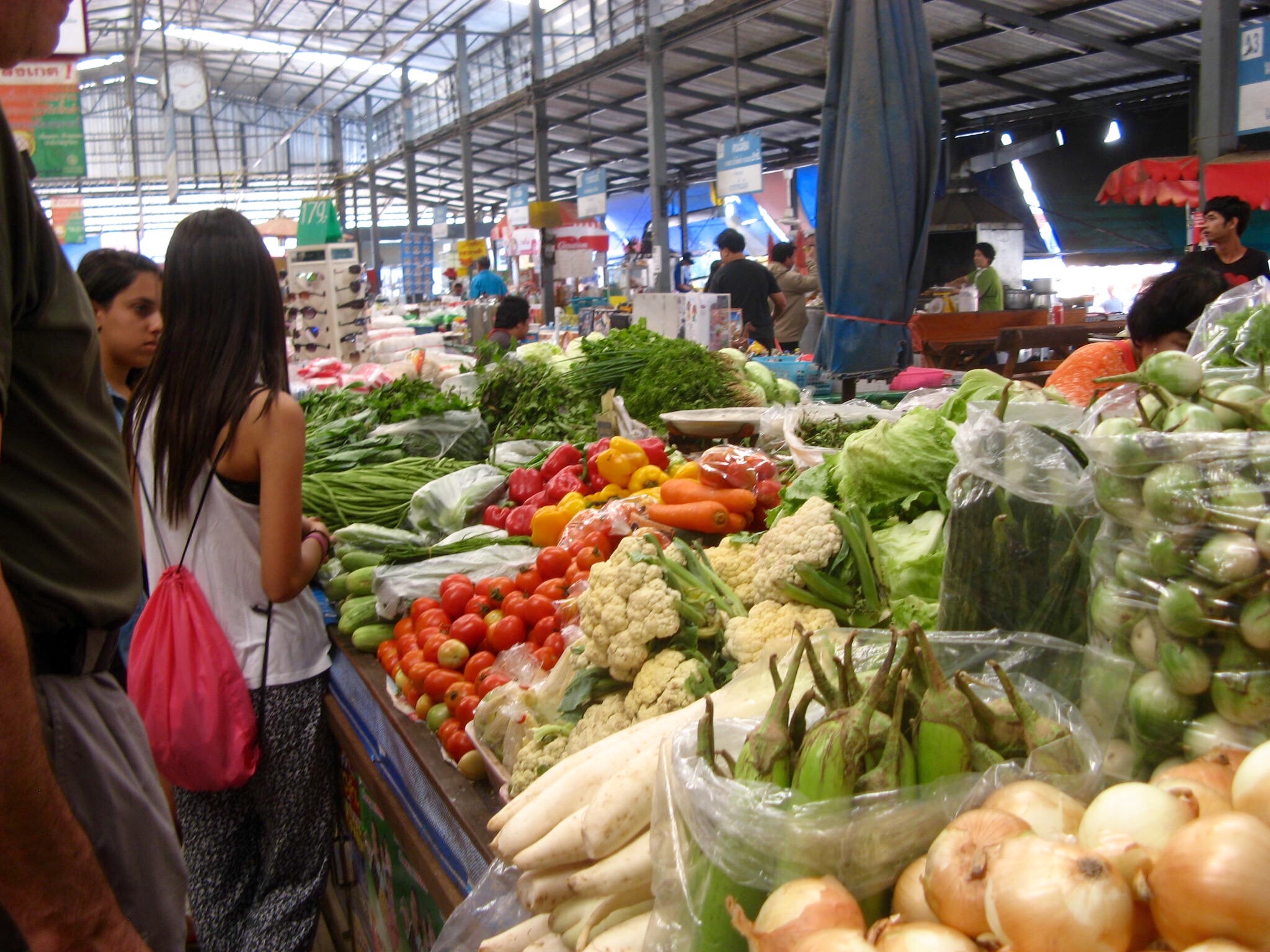
We’ve found the market where the locals shop, and stock up on fresh bananas, mango, and pineapple every few days. The market ladies know us and anticipate what we want. image

image

Bananas are little here, just the size of a finger, but very sweet.

image

Jim prepares lunch in our room by boiling water for instant noodles or rice, adding meat or shrimp dumplings and pineapple, followed by fruit salad. We eat on our shady terrace, and swim in the pool every afternoon. Some days we have the pool to ourselves; other days we have met travelers from Portugal, Taiwan, Israel, China and the U.S.

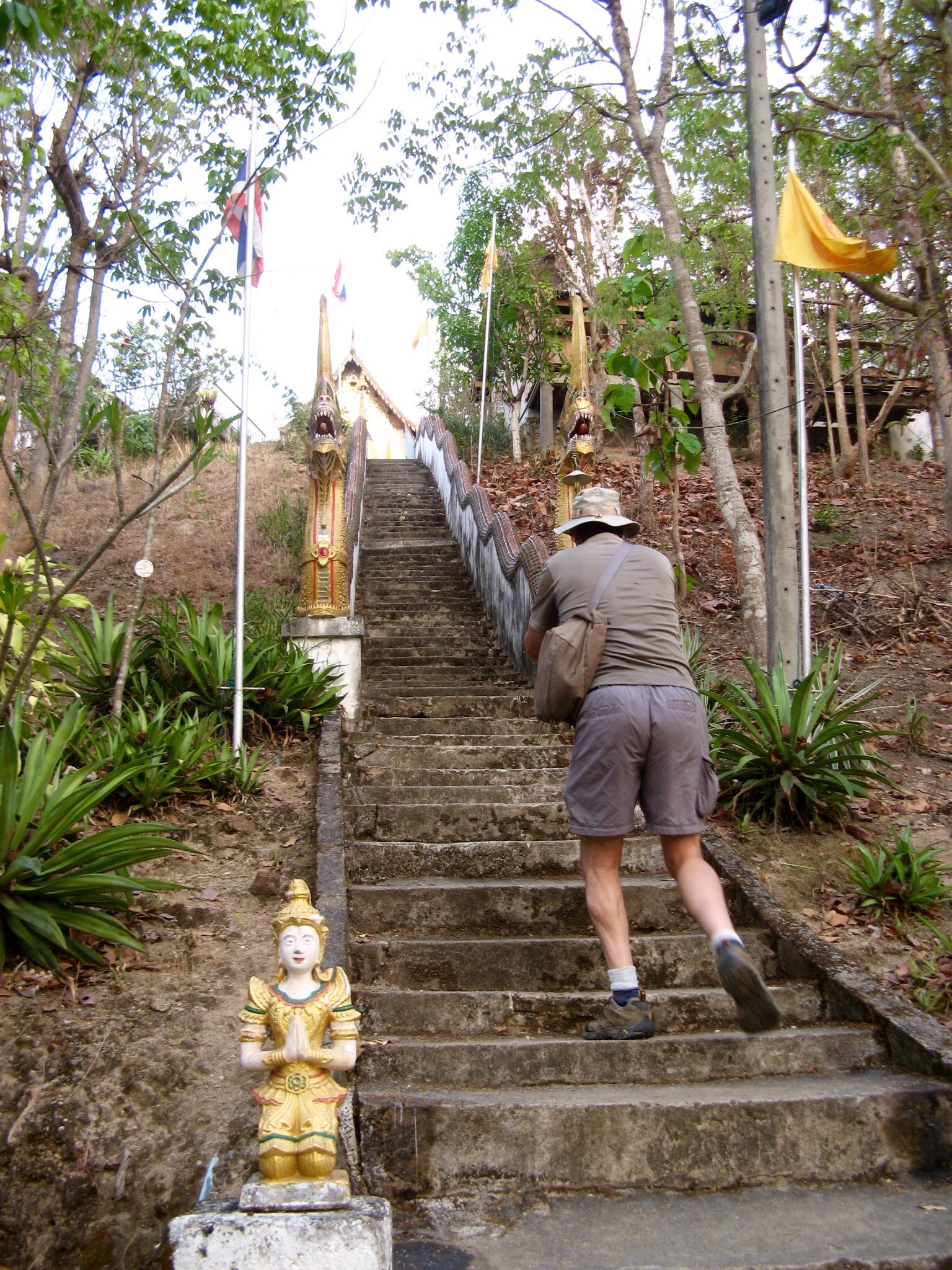
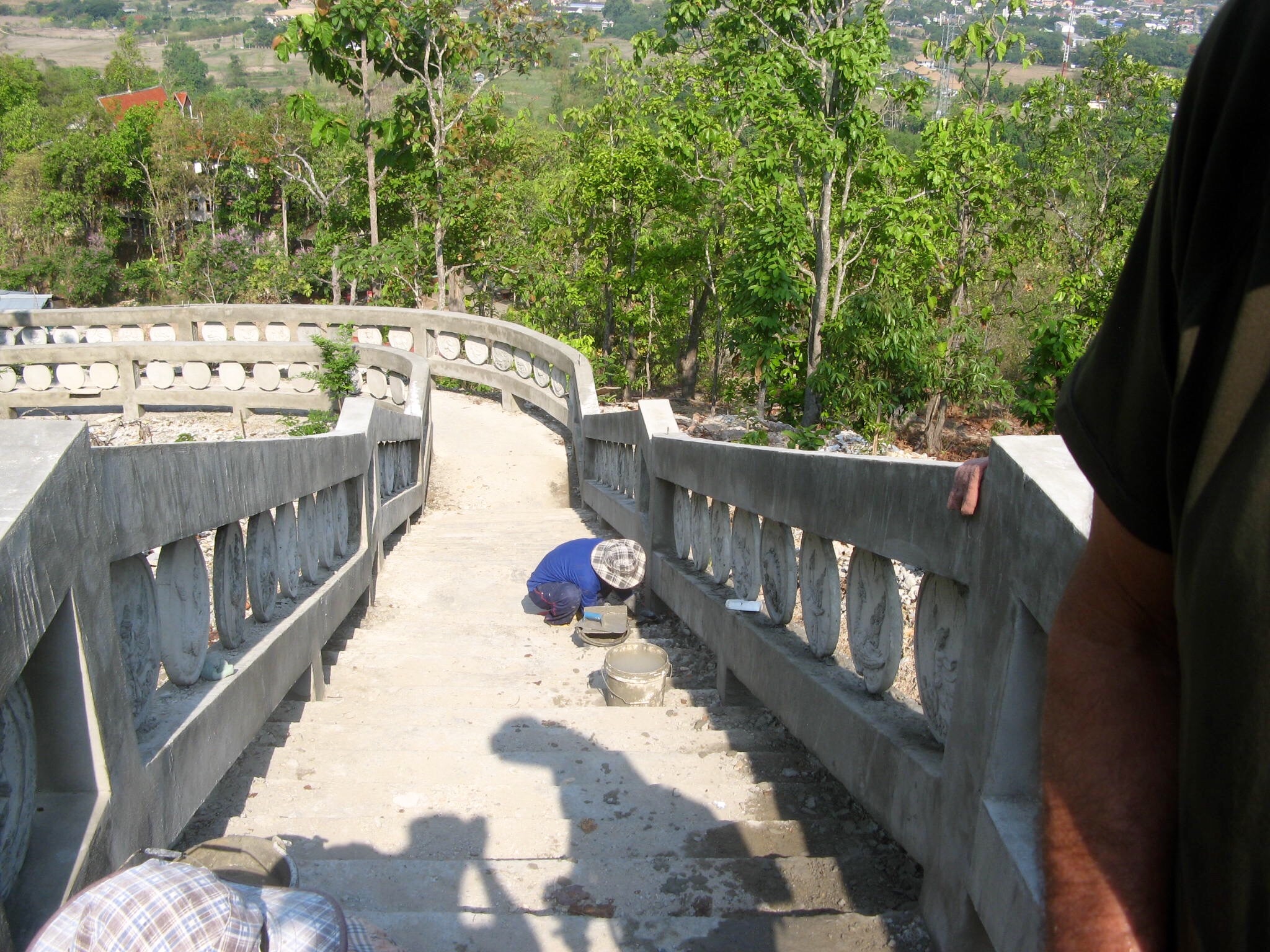
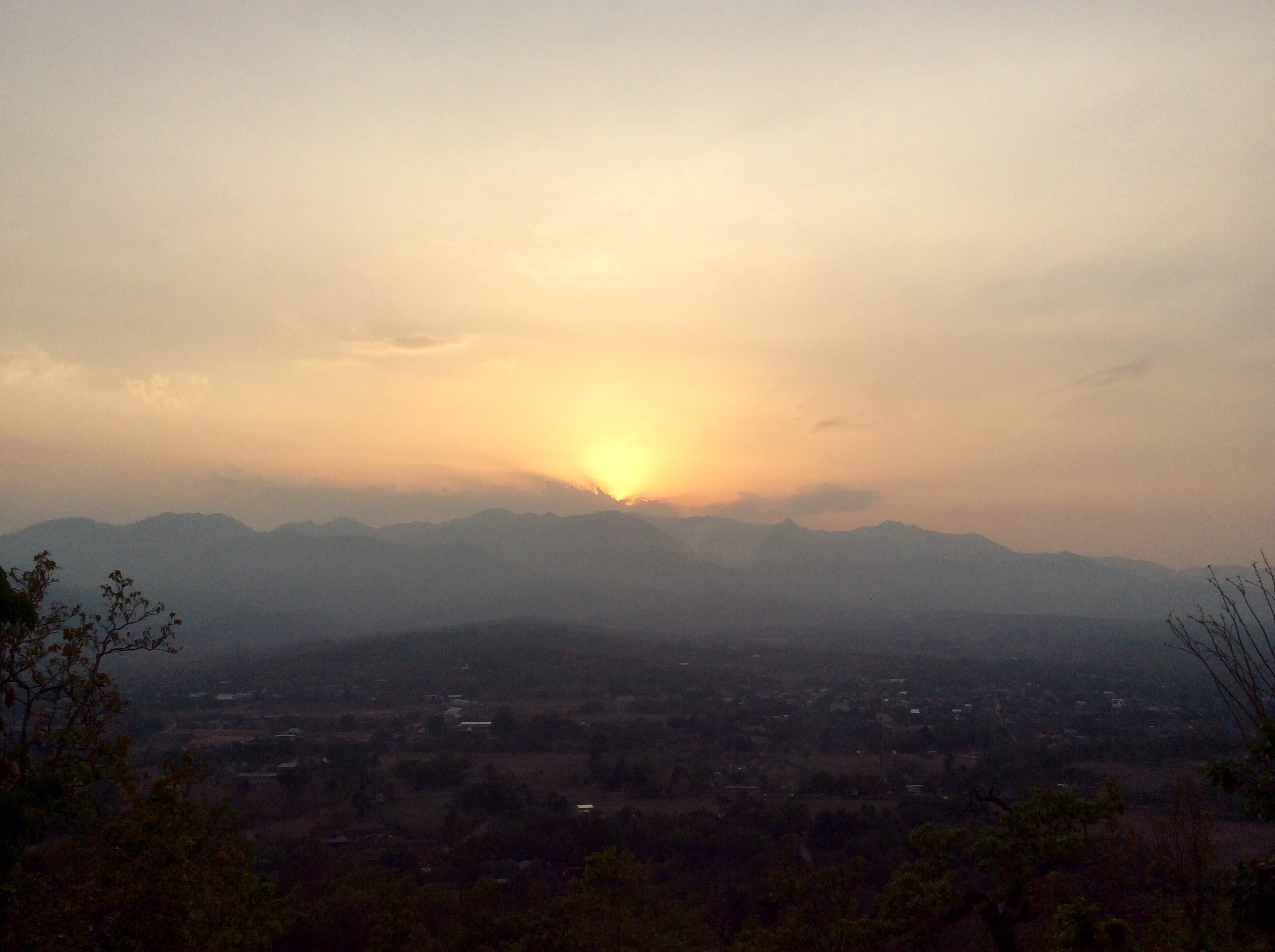
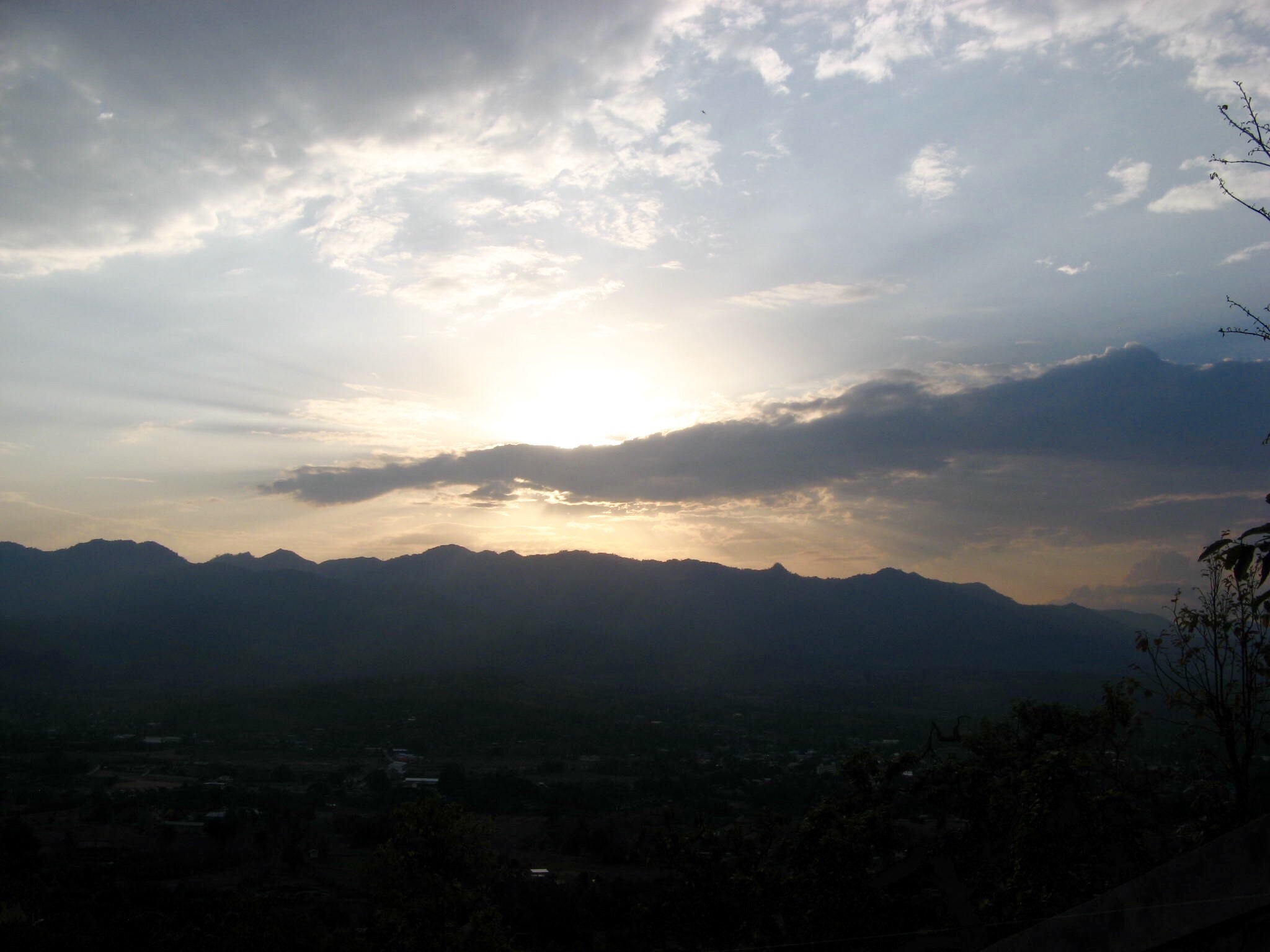
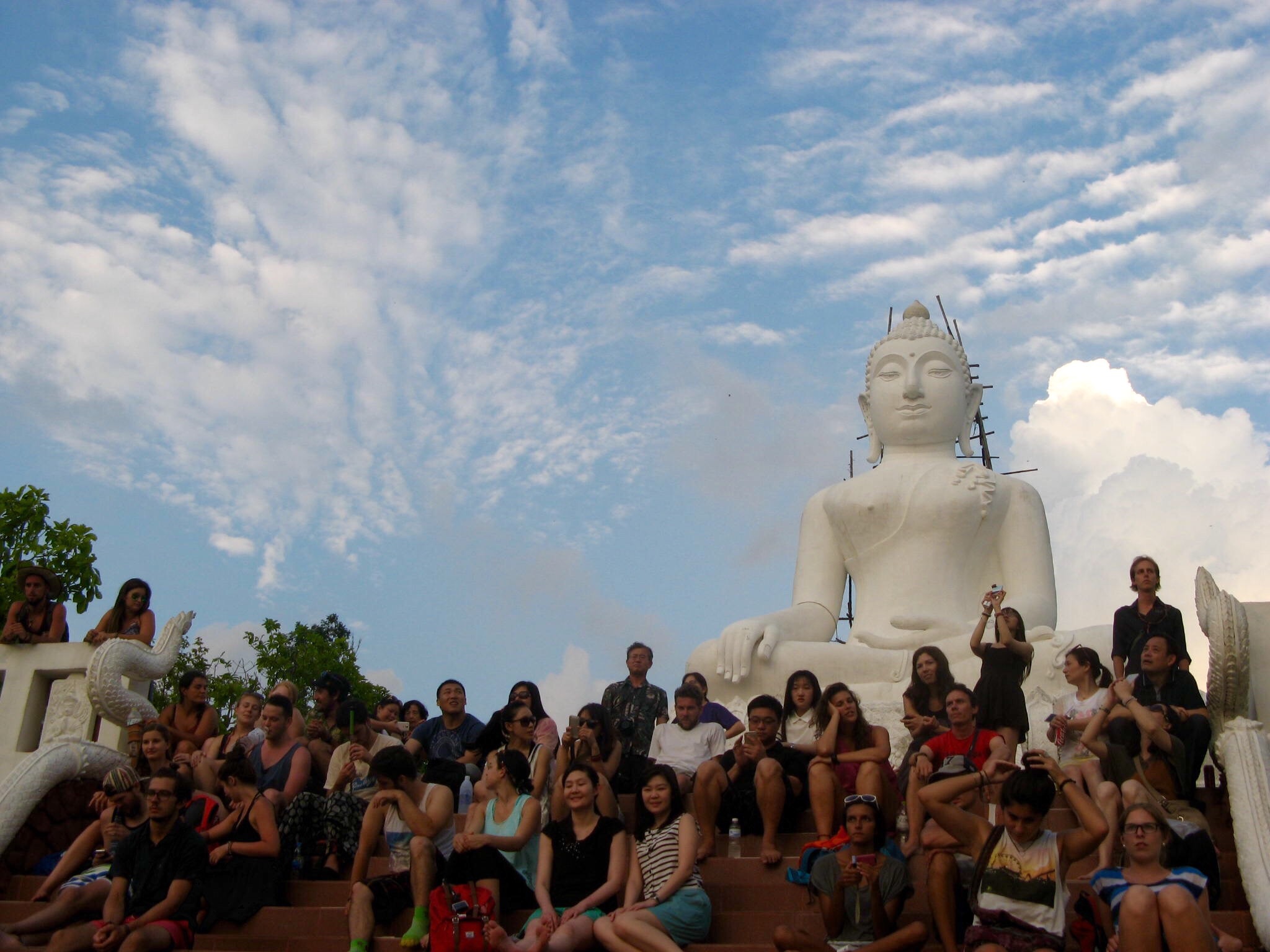
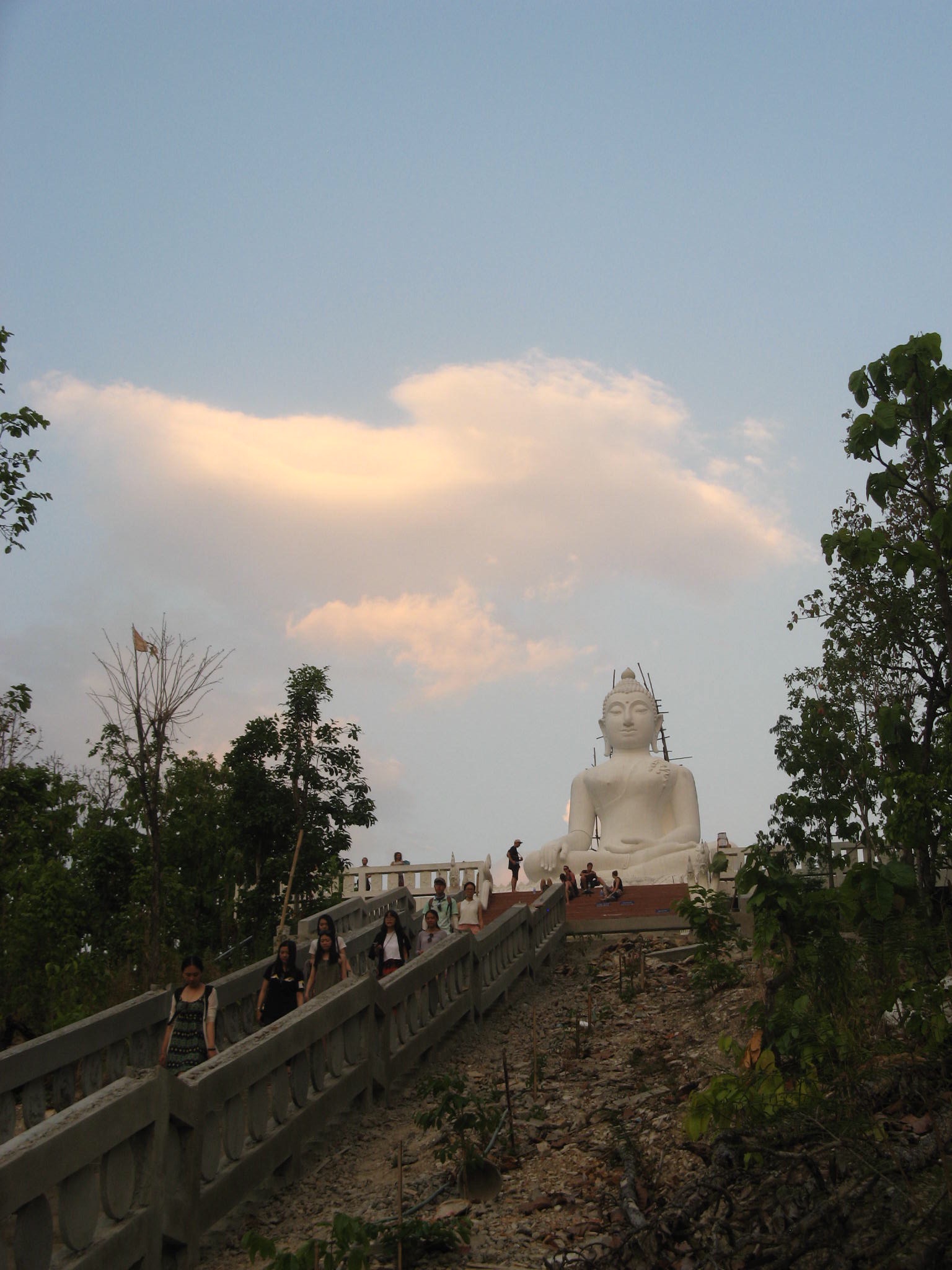
At 5pm we hike up to the big Buddha statue at the Wat Phra That Mae Yen – 400 steps up to the best place in town to see the sunset.image

image

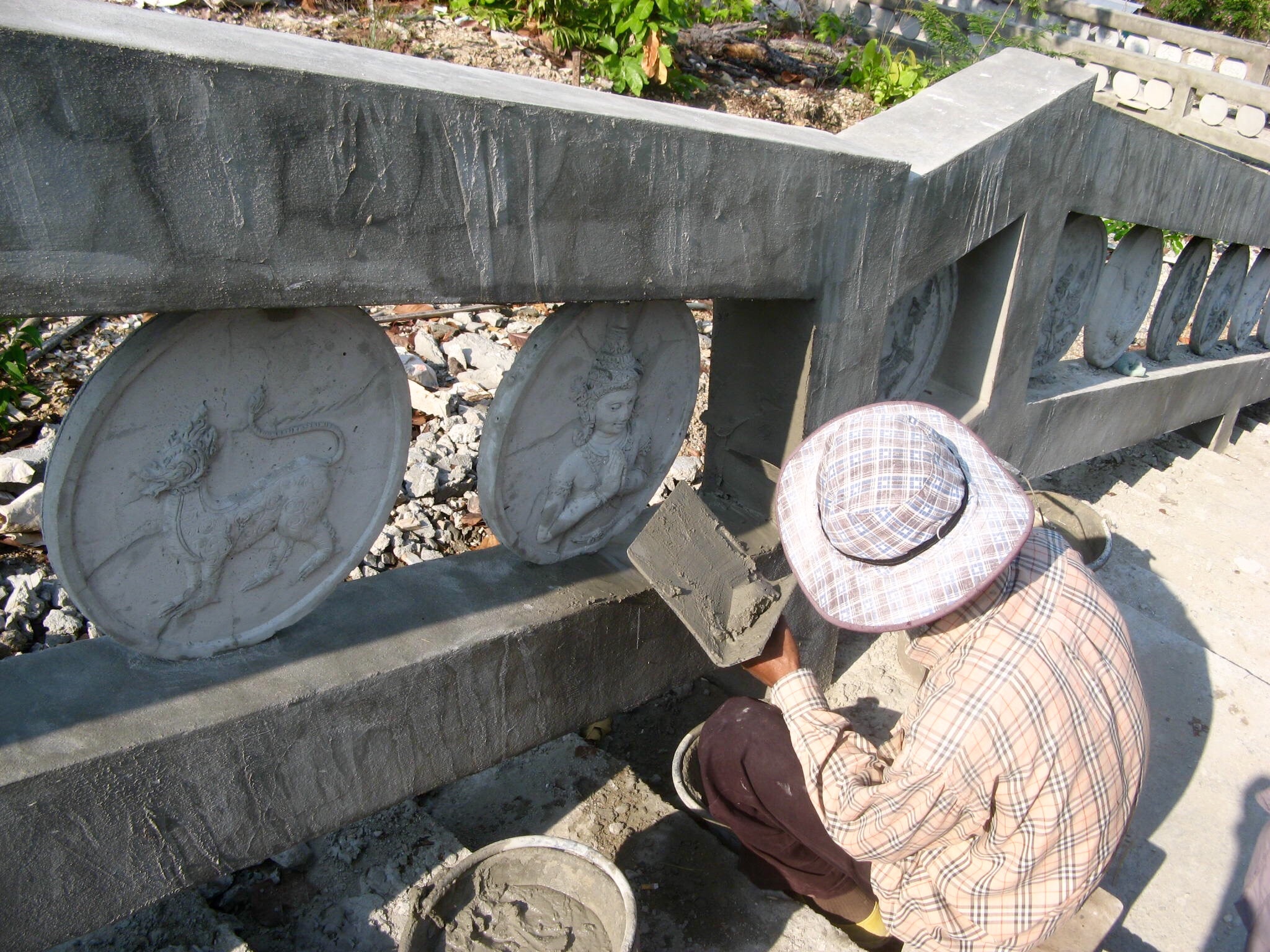
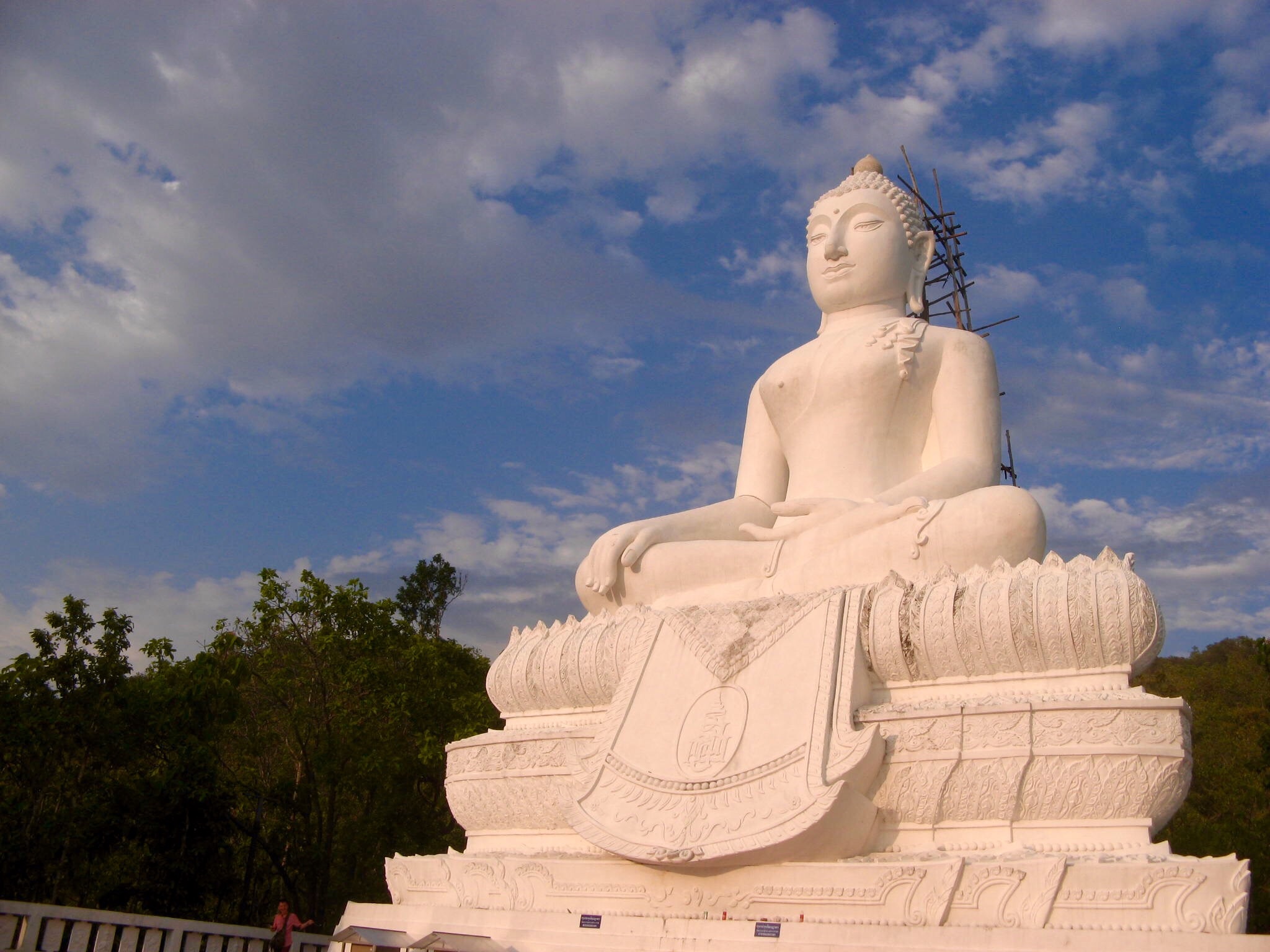
This temple is still under construction.image

image

As 6pm approaches, we are joined by backpackers and bikers from around the world. We’ve had some great conversations as we sit on the steps waiting for the sun to drop behind the mountain – a different event every evening!image

image

image

image

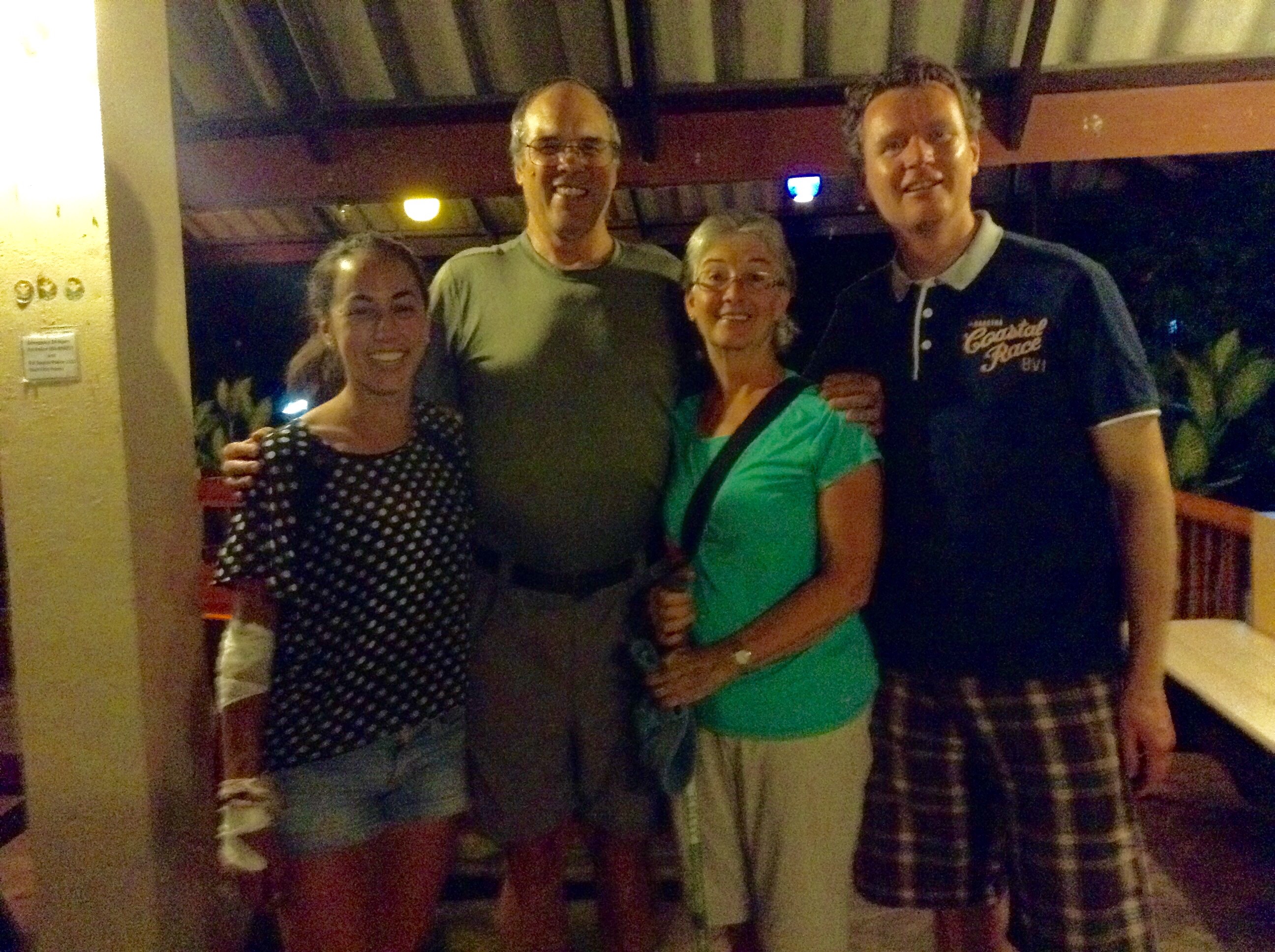
One evening we met Jessica, a nurse from Queens, NY, who had just taken a spill off her moped, and Sander, a businessman from the Netherlands. We talked the sun down, exchanging travel stories, then shared supper at the Sunset View restaurant. A lovely evening! image

The big Buddha on the hill, still under construction.image

image

image

After the sunset, we go out for supper, either choosing a restaurant near our resort, or walking back to town. Plenty of cuisine choices, or we just purchase food from the food sellers that line the walking street – cold noodle salad, barbecued chicken or sausage, spring rolls, and fruit shakes. We’ve made friends at two restaurants, where the proprietors know us and offer us their best. Life is good. 


Pai, Thailand

There was nowhere to go but everywhere, so just keep on rolling under the stars. – Jack Kerouac

4/22 – We stayed four nights at the Hotel Pailifornia.  It was very nice, but at the wrong end of town for us – near the bars and the ticky-tacky tourist walking / motorbike street.  This town is full of young folks looking to have a good time and live on the cheap.  Room?  $9.00 a night (cheaper in a hostel dorm).  Supper?  $1.50.  Beer is more expensive here than in Laos, but $2.50 for a bottle in a restaurant isn’t bad, and $1.50 if you buy your beer at the 7 Eleven.  You can live pretty well for a long time in Pai.  We met kids from Finland, UK, US, Spain, Portugal and Germany, who just don’t see any reason to go home.  Right now, neither do we!

Speaking of the 7 Eleven, we have the opportunity to stock up on some provisions while we are here. The tube of toothpaste we’ve been carrying since Bulgaria finally ran out, and we were happy to see the familiar Colgate brand on the shelf. Little did we know that Colgate makes Salty Seaweed flavored toothpaste to please the Thai palate! Yuck is all I can say, but I’m sure we’ll get used to the taste…image

We also got some salty rice porridge flavored with fish or pork, which is what’s for breakfast around here. It’s pretty good once you get used to it.image

While staying at the Hotel Pailifornia, we hiked in different directions each day, to see what was beyond the tourist streets. Up the road was the yummy Canteen Restaurant, where we lounged on concrete couches under the trees, and found some unusual giraffes.
image

image
image

In the opposite direction we found the Pai River and crossed over the bamboo bridge. (Wasn’t that a movie? Bridge over the River Pai?) Yes, motorbikes drive over this bridge.image

image

Here there were fewer motorbikes and riverfront scenery.image

image

image

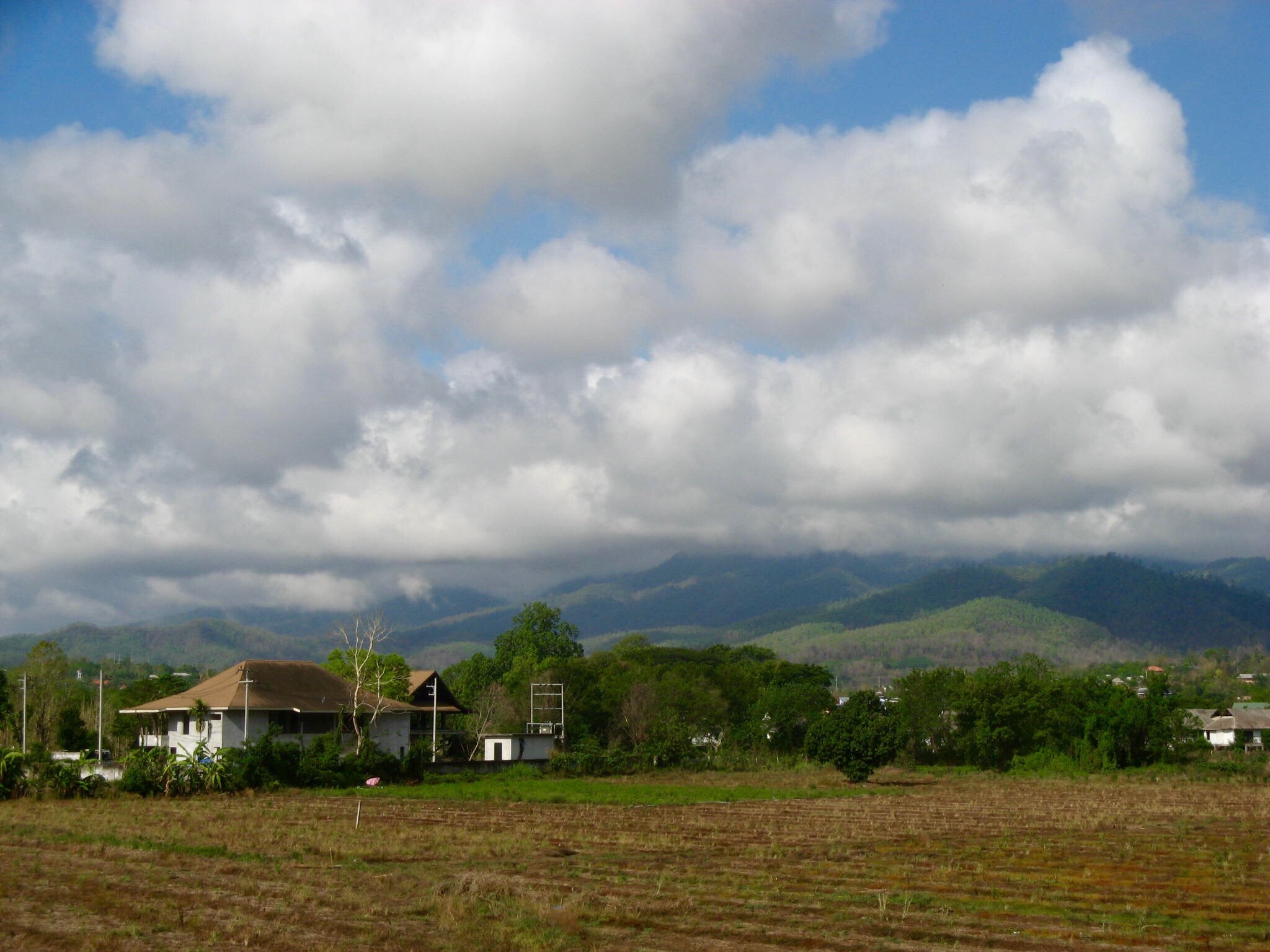
The next day we walked across town toward the mountains, where we could see a huge Buddha statue on a hill in the distance. image

Here we found the Pai we were looking for – quiet, beautiful scenery, lots of restaurants within walking distance, and a resort with air conditioned cabins, and a gorgeous pool for $24.00 a night, including a full American breakfast! Guess where we will be moving tomorrow?image

image

image

Chiang Mai to Pai, Thailand

4/17 – Well, the party’s over in Chiang Mai, so we may as well move on… We heard about a little town called Pai, (pronounced Buy) three hours to the north, where there’s not much going on, and folks just go to relax. Sounds like just what we need!

We tuk-tukked to the Arcade bus station in the morning, figuring we could purchase a ticket and just hop on the next bus. No such luck! Seems that lots of people want to go to Pai today. The only big bus was already gone (leaves daily at 7am), so our option was a minibus with a two hour wait. What do I do while I wait at the station? Get my hair cut, of course! Thank you, nice little lady with no English!image

We boarded the minibus at 11:15.  It was full, so our packs had to be stored on the roof – hope I don’t have a chocolate bar in there with the 100 degree sun beating down! image

Our driver was a wild and crazy guy who liked to take mountain corners on two wheels.  He announced, “Music!”, and popped a 70s greatest hits CD into his stereo.  We cruised to Pai on the BeeGees, Eagles, and Donna Summers – he didn’t know any English, but that didn’t stop him from phonetically singing along.  He, Jim and I were the only passengers who were alive in the 70s – the kids who filled the van could have been listening to Mozart – ancient history.

We stopped midway for a potty break – anybody want some chicken?image

And now we are in Pai, a sleepy hippie town filled with young folks on motor bikes, or brandishing bandages from falls off motorbikes. image
image
We are staying at the Hotel Pailifornia (apologies to the Eagles).image

We could have chosen the Pairidise Guest a house instead – the mind boggles at all the bad puns that could be made here!image

How about Pai in the Sky? image

Our hotel is brimming with beautiful flowers and singing birds.

There is also a small spirit house, where fresh offerings are left every day. There is even a ladder, in case the little spirits have trouble climbing up!image

Although the hawkers on the main walking street have plenty of adventures to sell – ride to waterfall! elephant ride! see the best place for sunset! see native peoples! – it is our intention to take a vacation from our vacation and just hunker down and relax for a while. We had supper at a first-rate Japanese restaurant (Pai Su Shi), and it looks like we can stay a long time without running out of cuisine choices. I’ll let you know if we decide to do anything interesting!

Chiang Mai – Songkran and the U.S. Consulate

4/15 – Last Day of the Songkran festival. Yesterday was our day of culture, so today we’re just going downtown to party. You may wonder where folks get all the water for the anointings – every shop owner helps the cause by filling big barrels or kiddie pools with water, and leaving a hose running if they have one. image
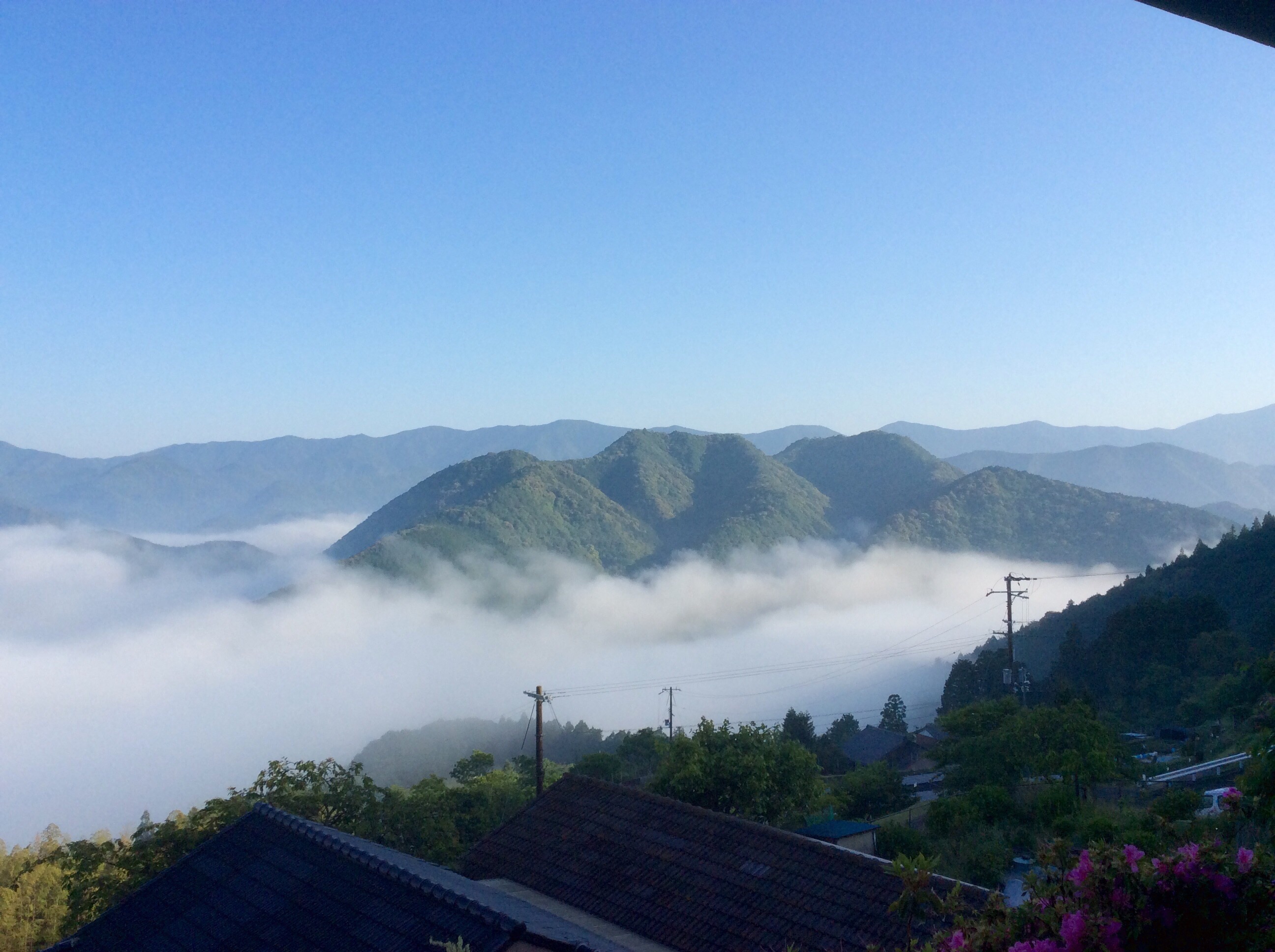
The old city of Chiang Mai is surrounded by a moat, and this turns out to be another great water source.image

image

image

For supper we went to a highly recommended vegetarian restaurant, Bamboo Bee, which turned out to be a little hole-in-the-wall open air place with only four tables. All the dishes are also offered with meat. Bee gives cooking classes and offers an online cookbook. Best food we’ve had all week – pad kee mao was awesome. If you get the chance, check it out!image

image

4/16 – Today we headed across town to the U.S. Consulate, so I could purchase additional blank pages for my passport which is nearly full. We had made the appointment online in Laos – today was the first day that the Consulate was open after the Songkran holiday. We walked for about 30 minutes, and were amazed to see the difference in the town. So quiet! Where did all the food stalls and bandstands go?image

image

The long wall outside the Consulate was painted with murals, which gave me a flashback to the ‘death to America’ murals we saw at the embassy in Tehran. image

No worries – these murals were painted by school children, and it looks like they like us okay!imageimageimage

The Consulate was quiet, with only a few others waiting. Half an hour and $82.00 later, I have 24 more nice clean pages in my passport. Onward we go!

Chiang Mai – Three Kings and Wat Chedi Luang

4/14 – Day 2 of Songkran. The partying crowds are making it difficult to walk through the main part of town, so our strategy today is to head down the back streets to see what else Chiang Mai has to offer. The first sight we come upon is the famous monument to the Three Kings who worked together to found Chiang Mai. Aren’t they handsome? imageIn my mind, the Kings should look like Yul Brenner in The King and I…image

There are lots of temples here. image

image

image

The most historic temple is Wat Chedi Luang.image

The City Temple did not permit women to enter. Here’s a mixed message:image

I’ll just stay out here with my elephant friend. image

Jim shared the murals that were inside.

Lots of decorations for the festival.

image

image

image

A wonderful day!

Chiang Mai – Songkran

4/13 – Happy Songkran to you! It is our first day in Chiang Mai, and we ventured out into town by mid-morning to see what we could see. It is a warm, sunny day, and we could hear the birds singing outside. Our sweet hotel lady reminded us that it was the first day of Songkran, and we were going to get wet today, so I put my camera in a plastic bag and we left most of our stuff in the room. I asked her for more details about the New Year holiday, and she said that because it is very hot in Thailand, getting someone wet is an act of kindness, and that we would be wet with love and respect. That sounds so nice!

We didn’t have an agenda for the day, but getting new eyeglasses was on our list of things to do while we are in Thailand, and our map showed that we were just a 10 minute walk from the RAM Hospital with highly recommended eye doctors, so we decided to try that first.

The main street was already crowded with people and food carts, loud thumping music and young folks armed with plastic buckets and super-soaker squirt guns. As their attention was aimed toward the street, we tried to walk between the food stalls and the rows of shops, as the revelers were very polite about not wetting the proprietors or their food, and we didn’t want to arrive soaking wet. image

We made it to the hospital with the big green cross, relatively unscathed.image

Right inside the entrance were huge signs identifying each specialty area, with smiling staff waiting under each sign. We walked over to the Eye, Ear, Nose and Throat area, and asked if it was possible to get an eye exam today. “All doctors on holiday”, we were told, “come back on the 16th.” Drat!image

We walked back through the lobby and spied the ortho area. Maybe we could get my follow-up shoulder X-Ray while we were here? We explained to the lovely young receptionist (everyone seems to be young and lovely here!) about my broken arm and asked if it would be possible to see a doctor today? Of course! We were ushered right in, had my vital signs checked (I’m still vital, thank goodness), spoke to the doctor, was escorted across the aisle for an X-Ray, and back to review the results with the doctor, all within about half an hour. Happy to say that my broken arm is just about healed, but there is a little spur of bone that sticks out in the wrong place that is interfering with my ability to freely move my arm. The doctor recommended some physical therapy, and I was escorted upstairs where a lovely young therapist measured my range of motion, applied heat to loosen my muscles, gave me four exercises to practice every day, did some ultrasound therapy, applied a cold pack to reduce inflammation, and sent me on my way. Total for the exam, the consult, the X-Ray and the physical therapy, in a sparkling clean modern hospital where everyone speaks (some) English? $47.00. And they take MasterCard. Easy to see why so many retirees come here to live!

Now it was noon. The street party that was just getting started is now in full swing. image

image

The sun is high in the sky, so no one seems to mind being doused. Everyone is very polite, wishing us happy new year as they dribble water down our backs or squirt our legs. They’re very careful not to splash faces, and they keep away from the street vendors. Trucks roll down the street, truck beds filled with young people throwing water out at passersby. image

The air is filled with the thump of techno music and the squeals of drenched young girls. Kids are having a blast. I can envision a similar event in the U.S. deteriorating into a drunken brawl, but alcohol is conspicuously absent from this party. Everyone is just having a good time, and so are we!image

image

image

Vientiane, Laos to Udon Thani to Chiang Mai, Thailand

4/12 – As we prepared to move from Laos to Thailand, we researched our options. From Vientiane, we could get to Chiang Mai, in northern Thailand on a 15 hour bus ride, or we could take a short bus ride over the Friendship Bridge to Udon Thani and catch a $50.00 flight to arrive in Chiang Mai in an hour. We’re kind of over the long, bumpy bus experience at this point, so we opted to fly for a change.

Our hotel offered to sell us a bus ticket for 60000 kip, but they were only 22000 if purchased directly from the bus station, so we tuk-tukked over to catch the 11:30am bus. By 11:40, I was starting to fret, but a friendly Vietnamese man told me not to worry, as all schedules in Laos are only approximate suggestions. Waiting around gave us time to talk with a young Korean, and a male nurse from France on a mountain holiday. Sure enough, the bus came eventually, and we all got on it. Here is the very crowded bus station – you can see a manicurist painting the fingernails of a woman waiting for her bus. She got a pedicure too! image

The bus took us to the border so we could process out of Laos, then the short drive to where we processed into Thailand. Remembering our experience in China when the bus left without us, we were at the front of the customs line and never let the bus out of our sight! No worries – the driver’s assistant counted noses each time before the bus closed its doors.

As soon as we crossed the border, things looked a lot more westernized, with paved roads, gas stations, car lots, billboards and 7 Elevens on every corner. I wonder if they have Slurpees here?

In less than two hours we arrived at the Udon Thani bus station. As most of us were going to the airport, Jim asked if we could all share a taxi, and the Vietnamese man took charge and bargained for a tuk-tuk that would take four of us and our bags for 30 baht each. New currency again – 1 baht is worth three cents, 100 baht about three dollars. As he spoke Thai, he was a much better bargainer than we would have been – I thought the driver’s original offer of 50 baht ($1.50) each was very reasonable for a five mile ride across town! image

As we rode down the road in the open vehicle, I was suddenly drenched from behind with a bucket of cold water! I gasped in shock, and our Vietnamese friend remarked that tomorrow was the start of the Thai New Year celebration of Songkran, and we should wrap our valuables in plastic and prepare to get wet for the next three days. He said we would be doused repeatedly with water to wash away the old year and wish us luck and prosperity in the new year. Oh boy!

At the Udon Thani airport, there was a small Buddha shrine, and we watched as passengers approached to pray and pour water over the Buddha. image

This ritual is the basis for the Songkran celebration – large statues of the Buddha were once carried in procession down the street, and people poured water on the statues. At some point, the statues became less important than the water, and now people just pour water on each other.

Before long, our flight was called, and we walked out to board.image

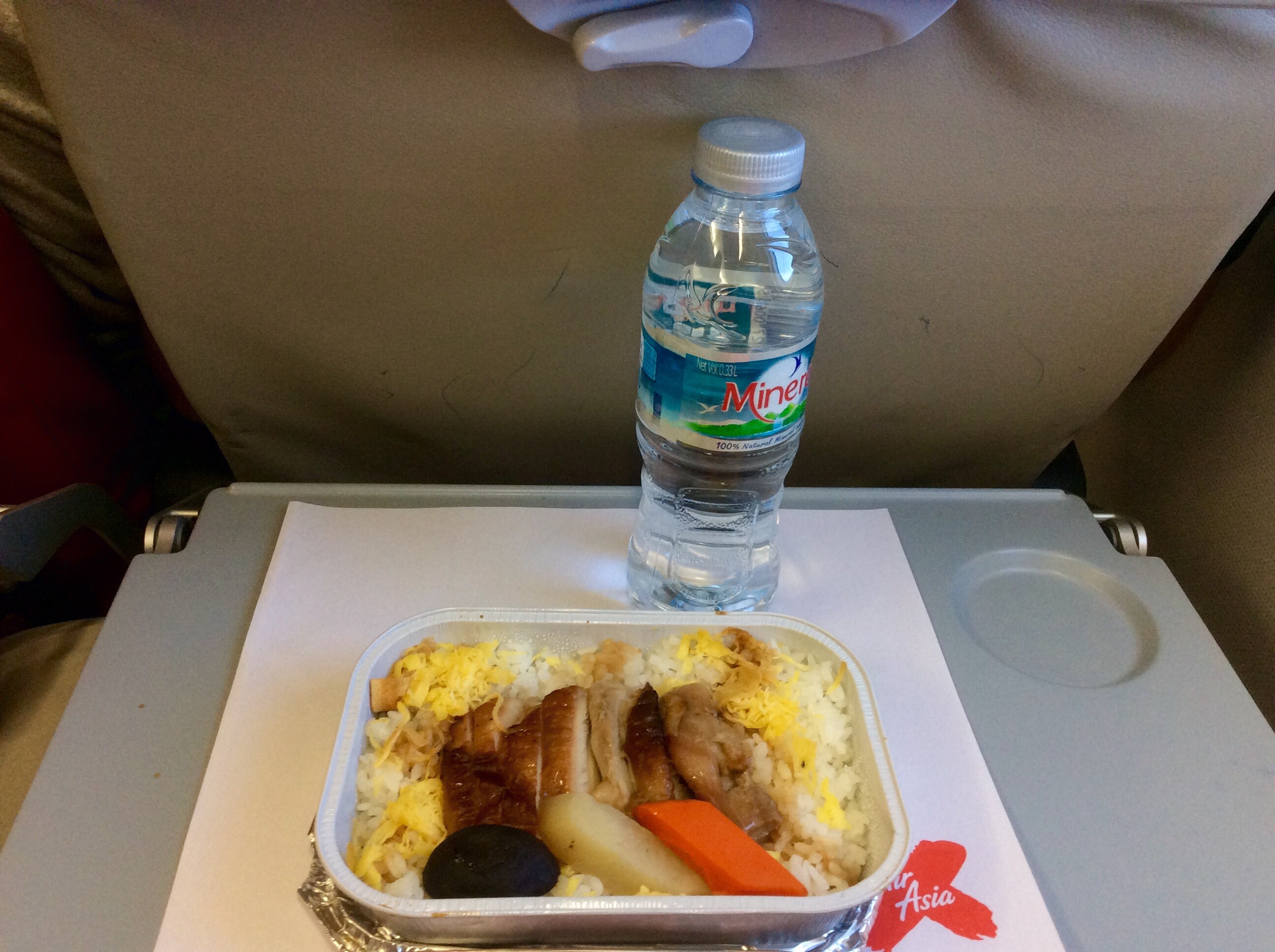
Our flight on Bangkok Air was less than one hour, so I was surprised when the flight attendants came down the aisle with beverages, and astounded when they came down again with a meal! That’s just something Americans aren’t used to! Excellent meal too!

Once we landed in Chiang Mai, a metered taxi (no negotiating needed) took us to the historic part of town where our Western House hotel is located next to a wat and a block from the bustle of the Main Street. Tomorrow we’ll explore!

Vientiane, Laos – COPE

4/10 – So here’s the thing about Laos. If you look at a map, you’ll see that it shares a long border with Vietnam, from north to south. During the Vietnam War, the North Vietnamese Army frequently stepped across the border into Laos to avoid the Americans and make their way to the south. To dissuade them, the US retaliated by bombing the shit out of Laos, the equivalent of once every eight minutes for nine consecutive years, even though Laos was supposed to be a neutral country. Thirty percent of the bombs did not explode on impact, but littered the ground making it more difficult for the Viet Cong to travel overland.

The result is that rural, sparsely inhabited Laos, to this day, has thousands of pounds of unexploded ordnance, mainly cluster bombs, that get discovered in fields and forests, often by children, resulting in loss of sight, or limbs, or life, almost every day. There are hundreds of explosions in Laos every year, 40 years after the war between two other countries ended.
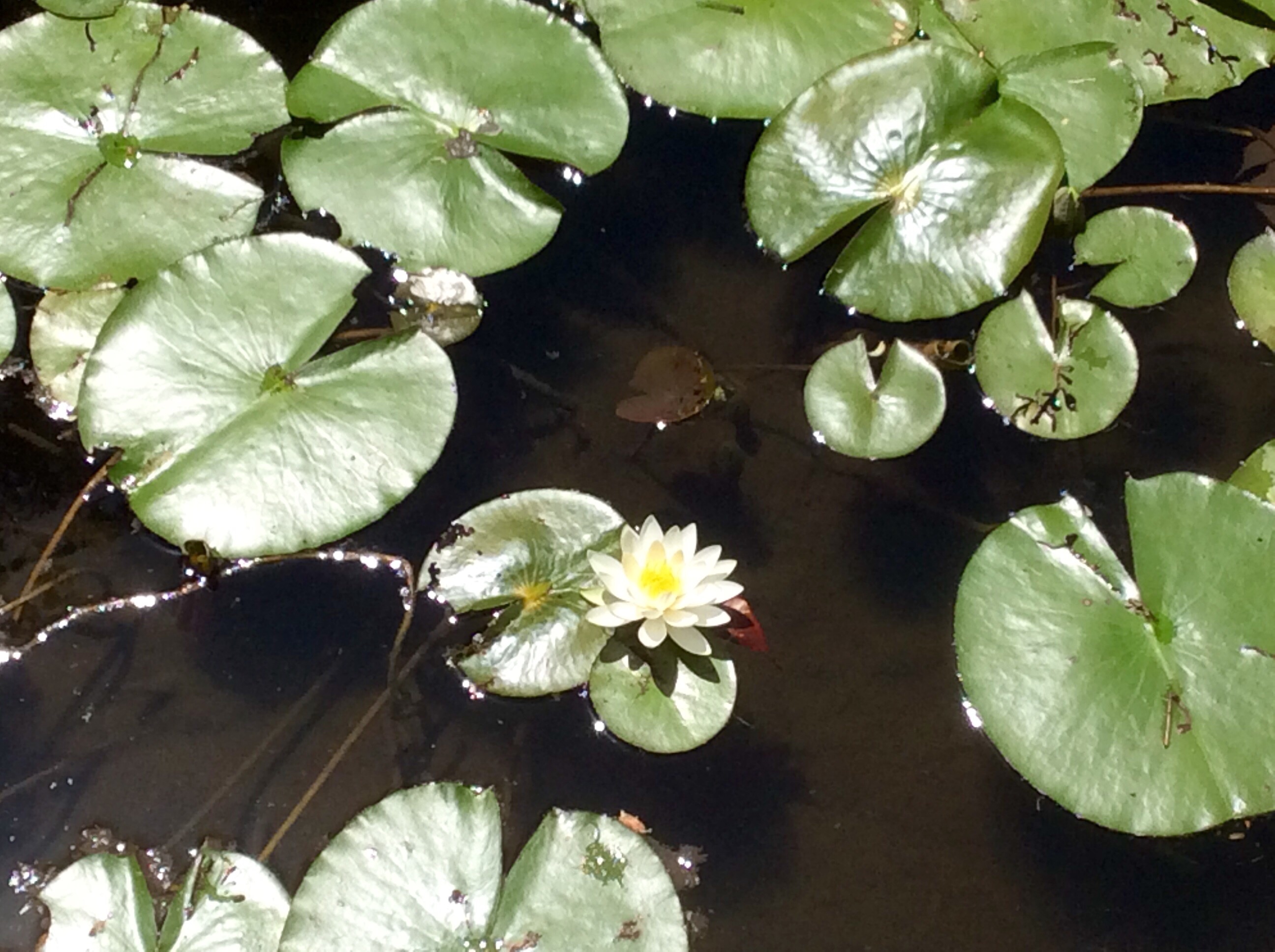
Today we visited COPE, the Cooperative Orthotic and Prosthetic Enterprise, which is the main source of artificial limbs and wheelchairs for the people of Laos. The visitor center here in Vientiane is open daily to build awareness of the ongoing need to remove unexploded ordnance (UXO) from the countryside, answer questions and encourage donations. Princess Diana was a champion of this cause, and Hillary Clinton visited in 2012 when she was Secretary of State. The US Congress appropriates money annually to assist in this effort, but it is far from done.

Here is a sculpture outside the center, made entirely of shrapnel.
image

There were videos explaining where the UXO are located, and the very manual process of finding and detonating them one by one.image

The education of the local people to identify and avoid the UXO is hampered by the value of metal, which many collect to sell to scrap dealers or make into household objects. Children will pick up a bomb, because it looks like a lamp or cooker they have at home.image

image

Wheelchairs are made out of old bicycles.image

Then there were the heartbreaking stories of those trying to live without limbs.image

Anyone who knows me knows I wept for two solid hours. You can buy a person a leg for $75.00. Donate if you can. http://www.copelaos.org

Vientiane – Some Wats and a Palace

4/9 – Today we cruised around some wats. Vientiane is home to over 80 Buddhist temples or wats, many serving as home to orange-clad monks. image

Some are old, and many are new and brightly painted. Here’s a fellow guarding the entrance to the wat across from our hotel.image

There are lots of creatures guarding the wats.

Some intricately carved tree roots being preserved at a temple under renovation.

Lots of stupas, or shrines, some with photos identifying who is being commemorated.

Lots and lots of Buddhas. The mudra with one hand on lap and one hand touching down is Calling the Earth to Witness the Truth.

image

Some of the traveler blogs we read talk about experiencing “temple fatigue” in this part of Asia, so we don’t try to see every one. We spot the Presidential Palace – tourists not welcome here.image

Here’s a statue of King Anouvong, who lost the kingdom of Ventiane to the Siamese in the 1820s. Even though he lost, he is revered, and candles are lit and offerings left at the base of the statue. image

In an example of quirky urban planning, his back is toward a beautiful park where people sit, and he faces an empty field. Perhaps something grand is planned for the field in the future.image
image