Feb 12 – After a leisurely American breakfast (omelette, toast, juice and coffee, as opposed to the local preference for coffee and pastry) we packed our bag and walked a block to the local bus stop, where we boarded a very nice air conditioned bus that shuttled us to the bus terminal for free. From there, we hopped on a bigger very nice air conditioned bus for the 90 minute ride to Santo Domingo, for $1.50 per ticket.
We are staying in the old part of the city, called the Zona Coloniál, which was originally founded by Christopher Columbus’ brother Bartolomeo, after the first two colonies attempted on Hispaniola failed. Santo Domingo was named after St. Dominic, who founded the Dominican monastic order and invented the rosary (bet you didn’t know that!)
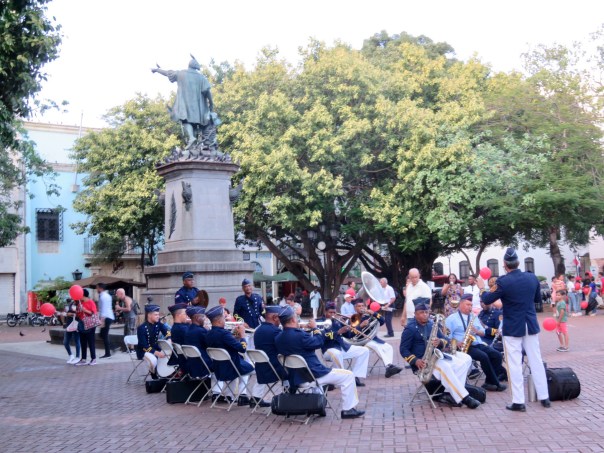
Our little hotel is a five minute walk from the center of town, the Parque Colón. Here there is a statue of Christopher himself, his outstretched arm serving as an invitation to the pigeons.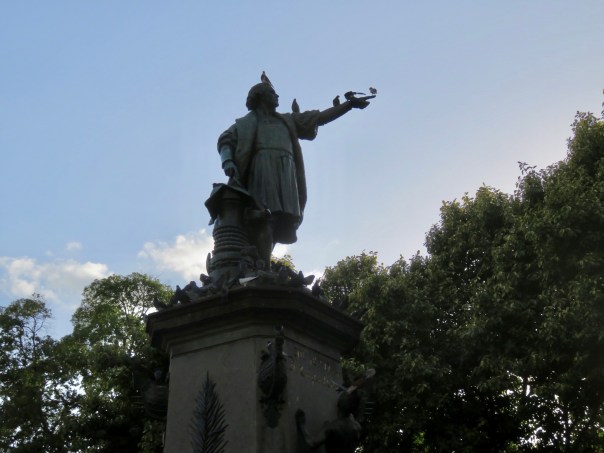
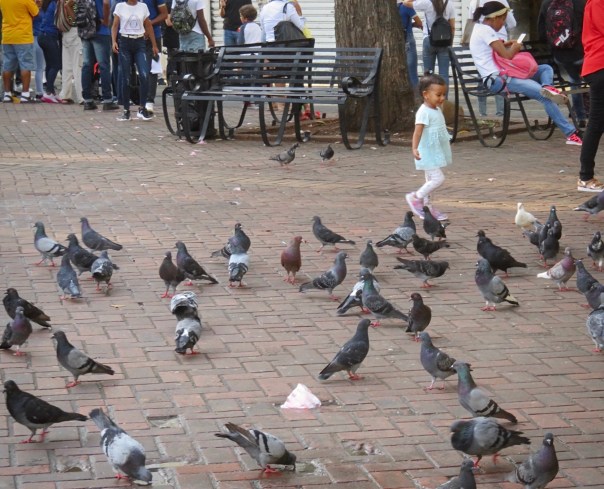
The park had a festive air, with musicians simultaneously playing Spanish guitar and Sousa marches.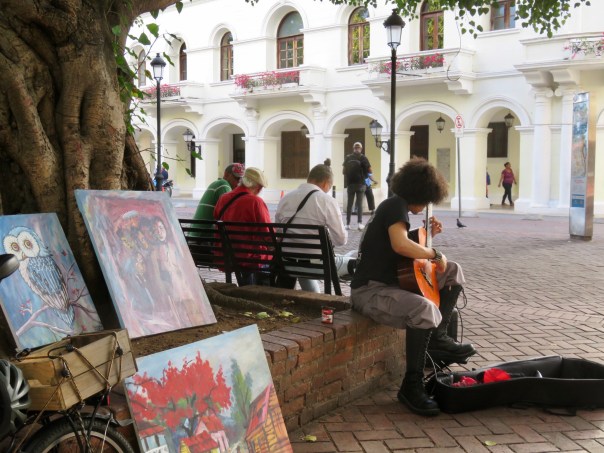
An artist at work.
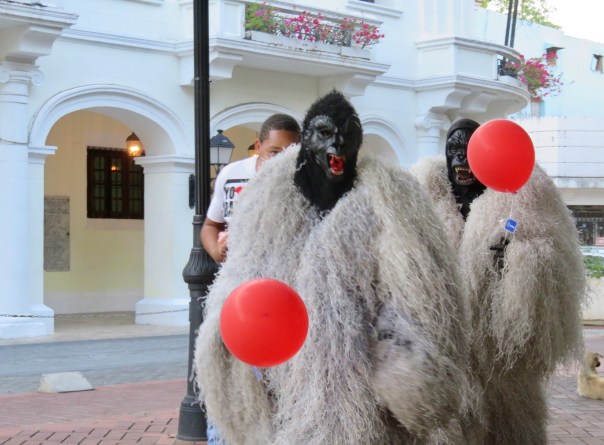
There were several strange creatures roaming the park. The one giving away red balloons had to do with next week’s political election, and the gorillas had something to do with Carneval, but no one could tell us exactly what. Carneval is celebrated for the whole month of February here.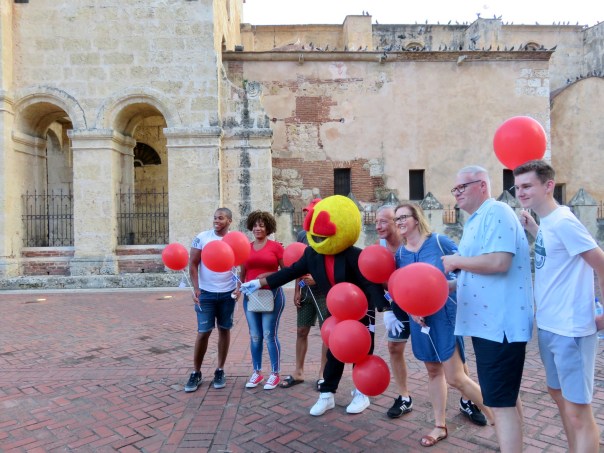
I admired the entrepreneurial spirit of this group, who stood beside the upscale cafés, drumming up a horrible racket until someone paid them to go away.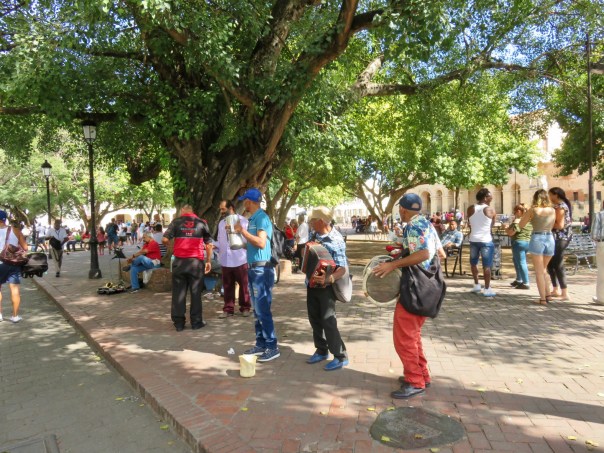
Right next to the park stands the Catedral de Santa Maria la Menor, the oldest cathedral in the Americas.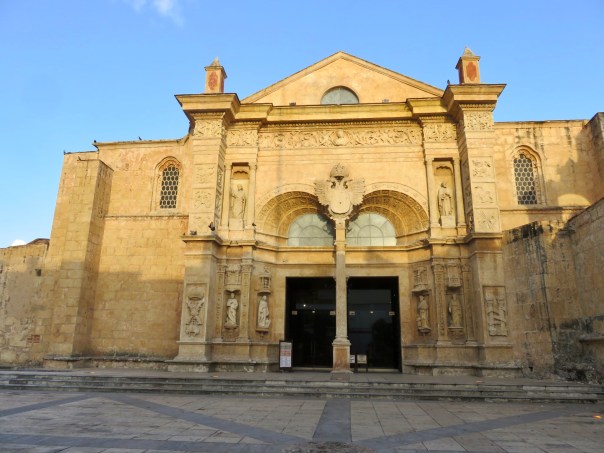
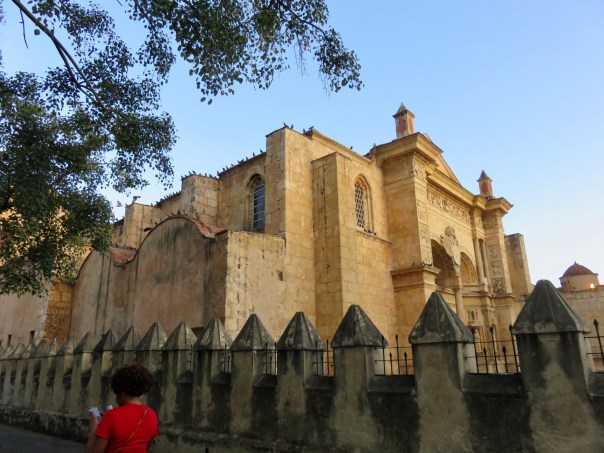
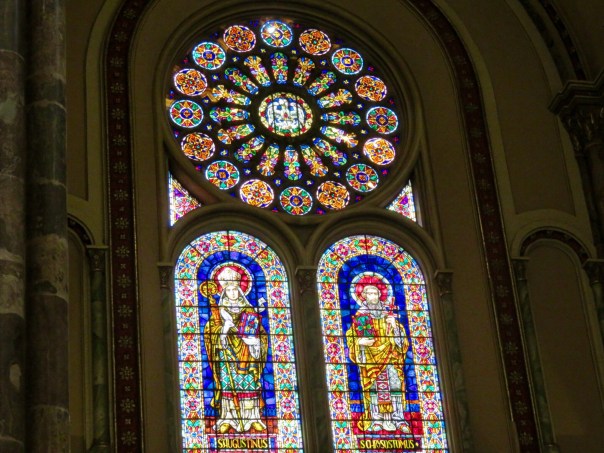
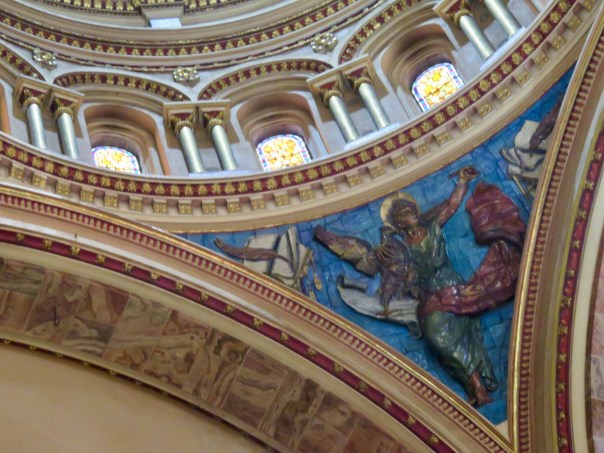
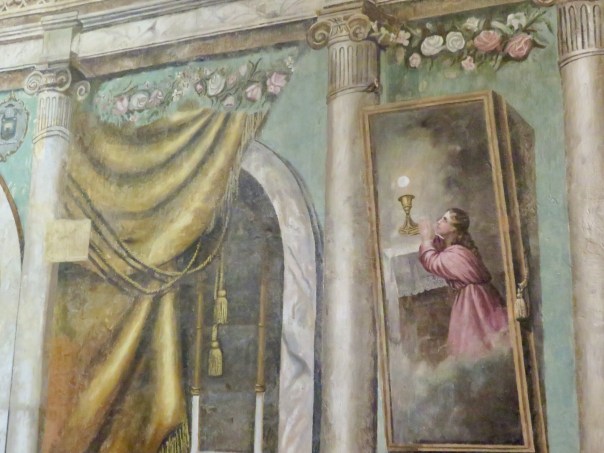
A small sandstone interior, with a mix of classic and modern artwork.

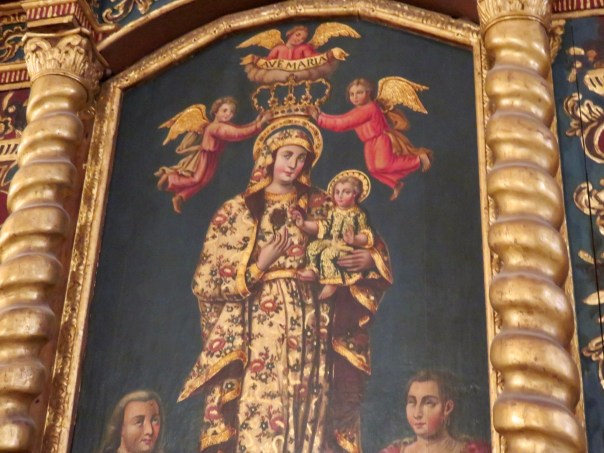
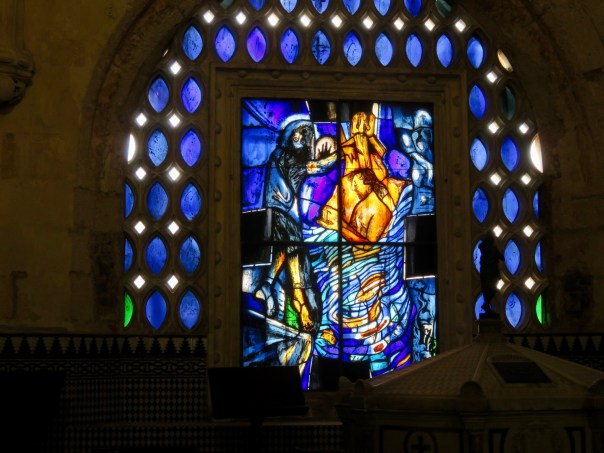
Sir Francis Drake and his English forces swept through Santo Domingo and took everything worth taking in 1586. This church is definitely lacking the gold embellishments so prevalent in other cathedrals. It is interesting to view history from different perspectives – the English knighted Drake, but the Spanish considered him a pirate.
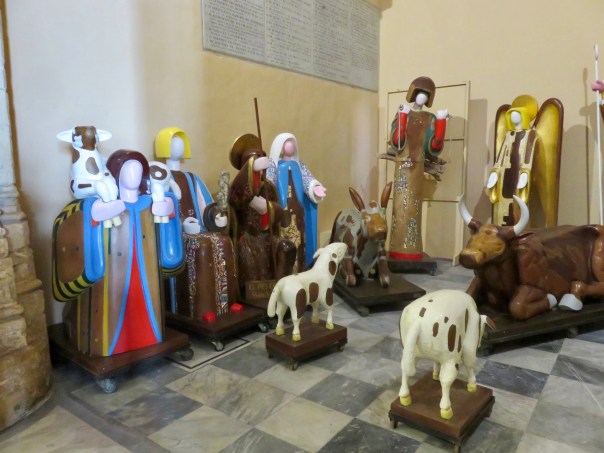
My favorite display in one of the side chapels was a surreal looking nativity scene that looked like it might have been made of Legos. No baby Jesus, though.
We stopped in to see the Larimar museum, which was mainly a gift shop. Larimar is a pretty blue or green pectolite stone that is only found on this island. Buy some today, before it’s all gone!

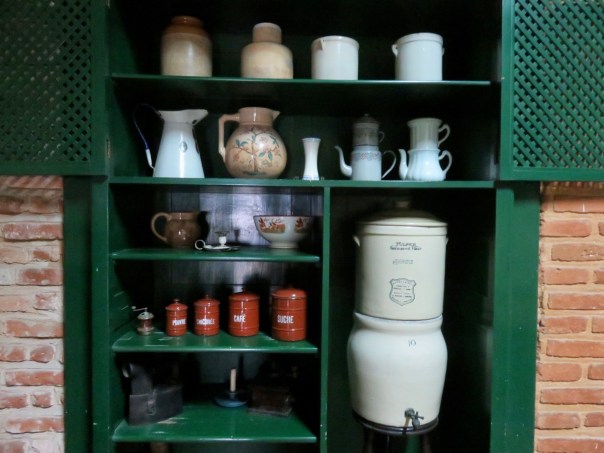
Then we went into the Museo Casa de Tostado, Museum of a Family House, which was a house decorated with antique furnishings from the Spanish colonial era. For the price of admission, we received two tour guides and an audio in English, which was so funny that I have to describe it in detail. Two young women ushered us into each room and pointed to the sign displaying the audio guide number. So we walked into the kitchen, pressed 364 and play, then listened while the audio said, “this is the kitchen.” Then on to the next room. Funniest tour ever!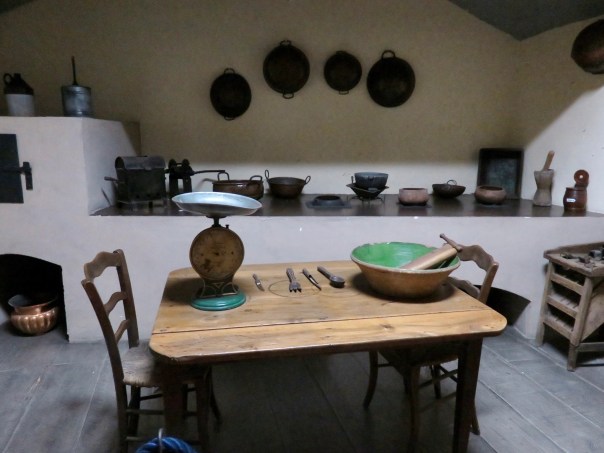
The highlight of the house was this fancy window, with stone carving above, the first one of its type in America. Now you’ve seen it too!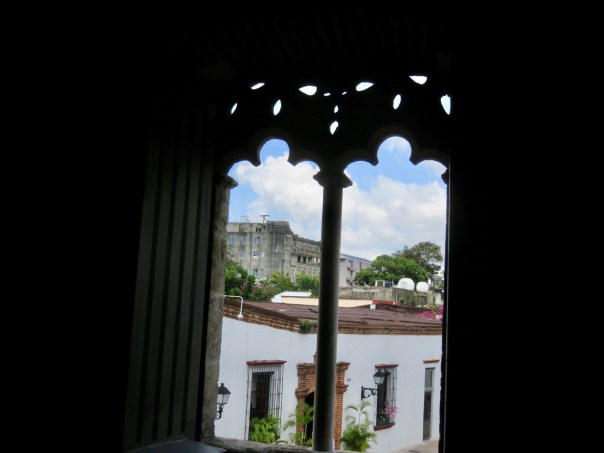

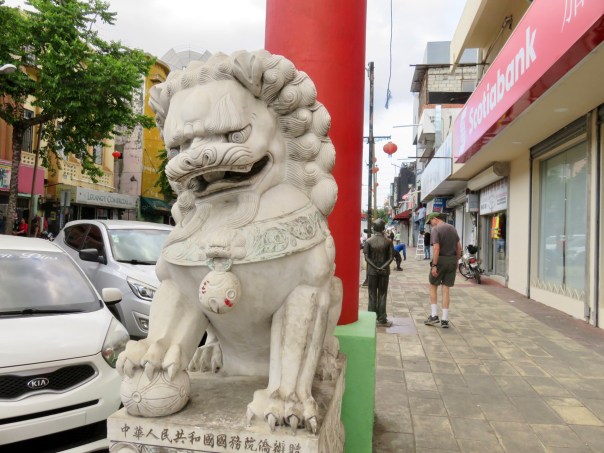
Guess what Santo Domingo has? A Chinatown! A great place to have dinner, although there were no Asians in evidence in the restaurant we chose.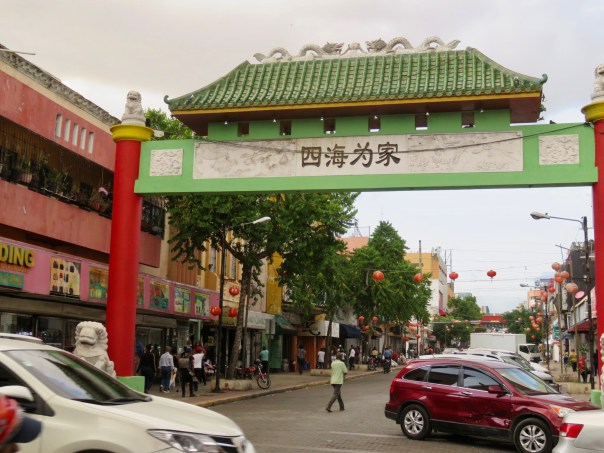
Here is a statue entitled “Chinese Immigrant”.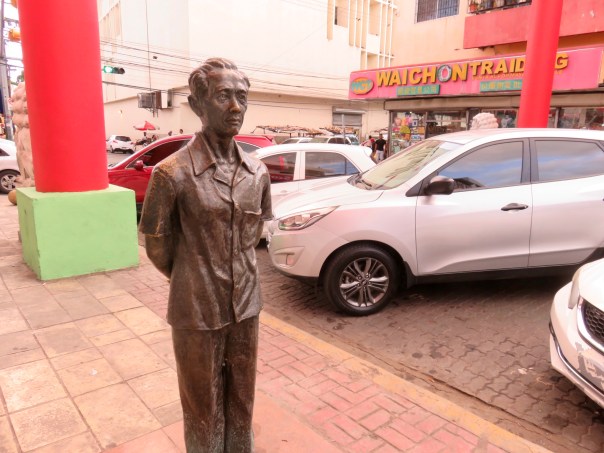
This one depicts the Buddha, one of Jim’s favorites.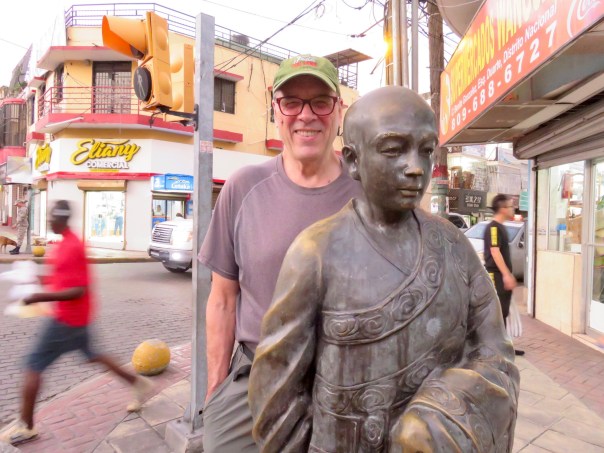
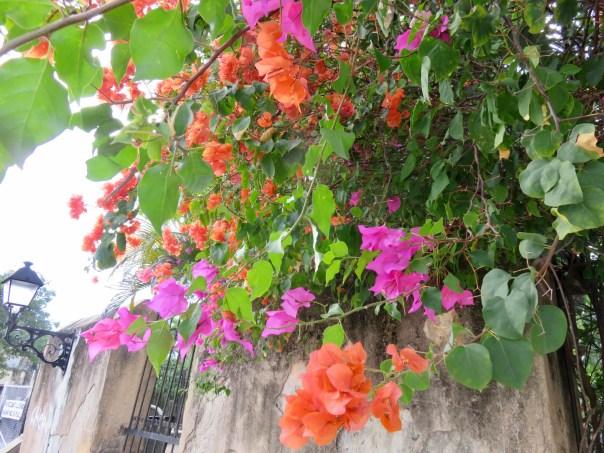 A fun day!

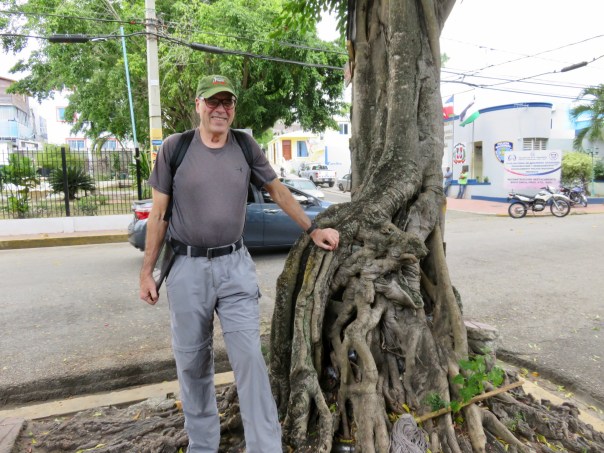
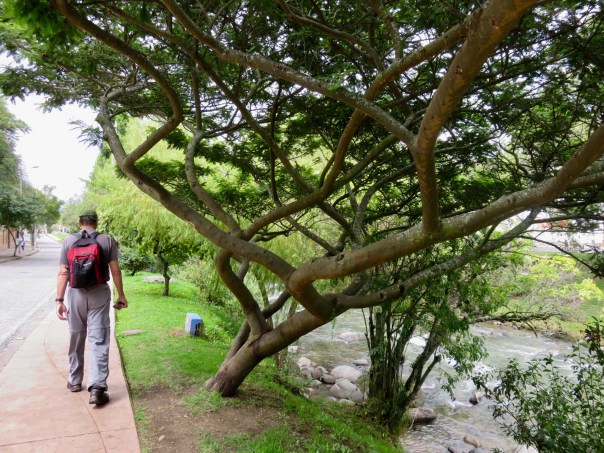
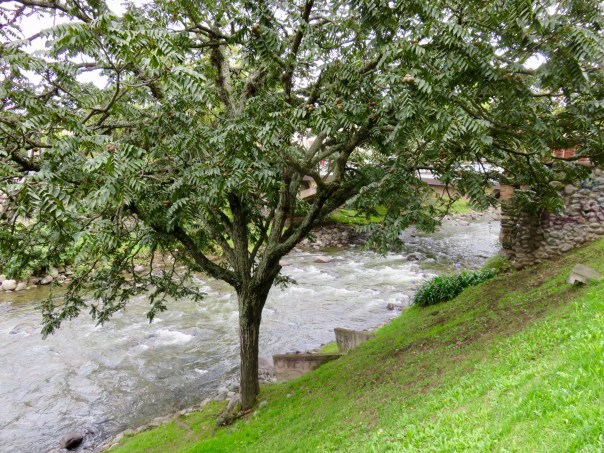
 There was a park with some gnarly old trees.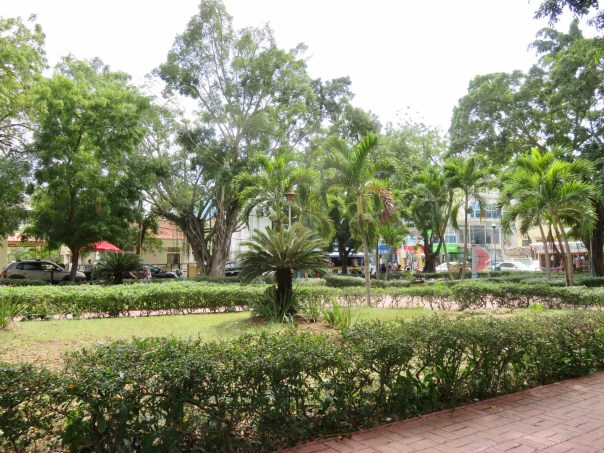

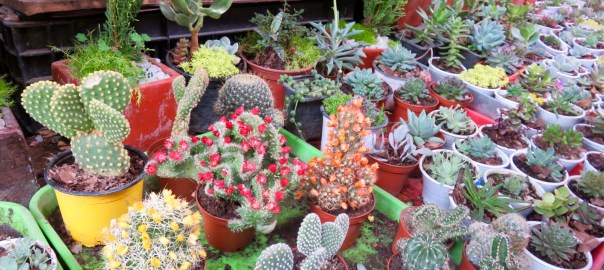
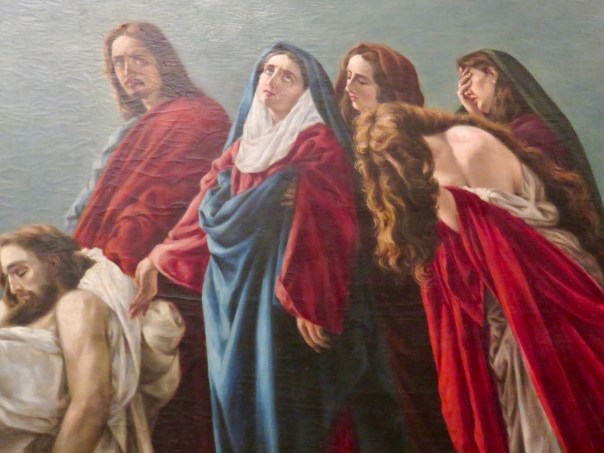
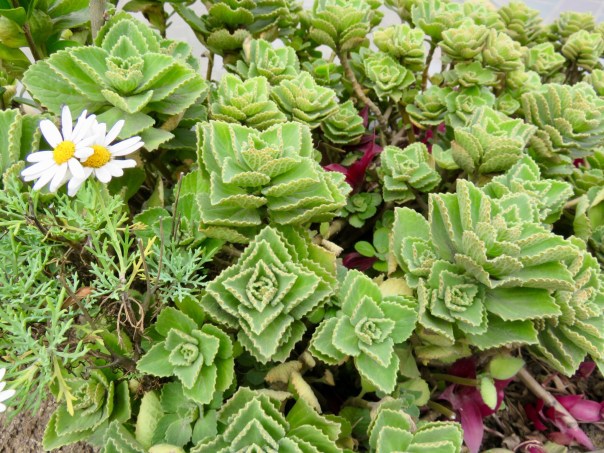

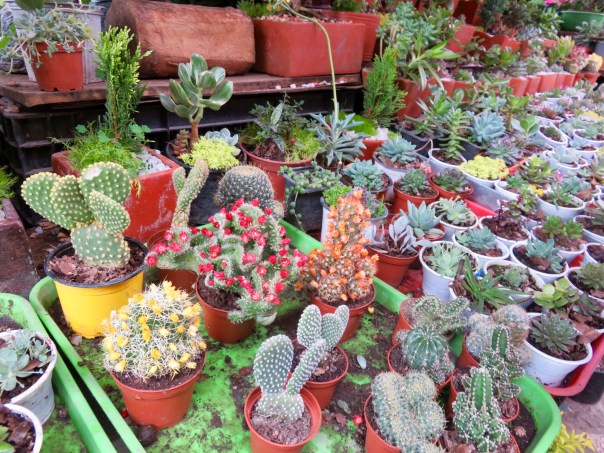
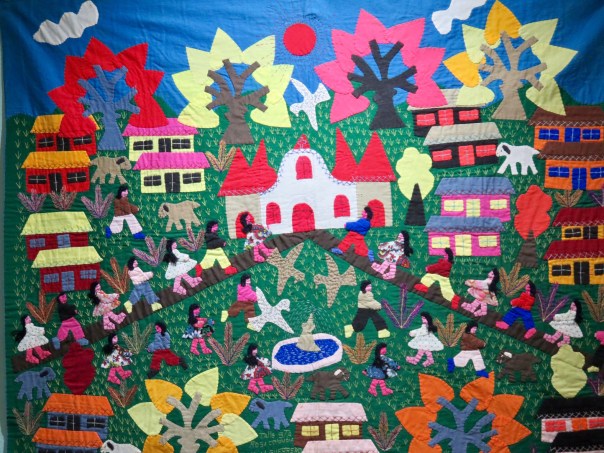
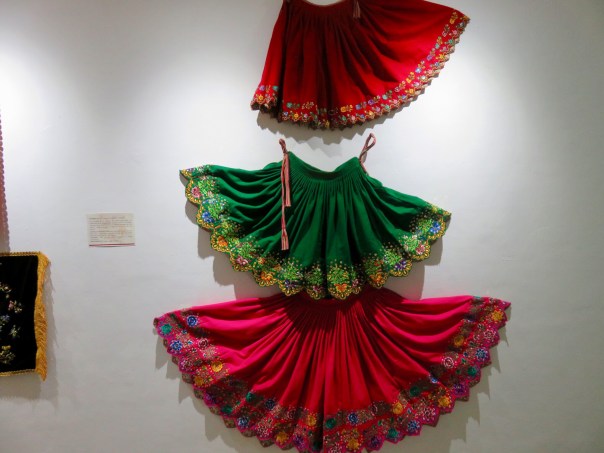
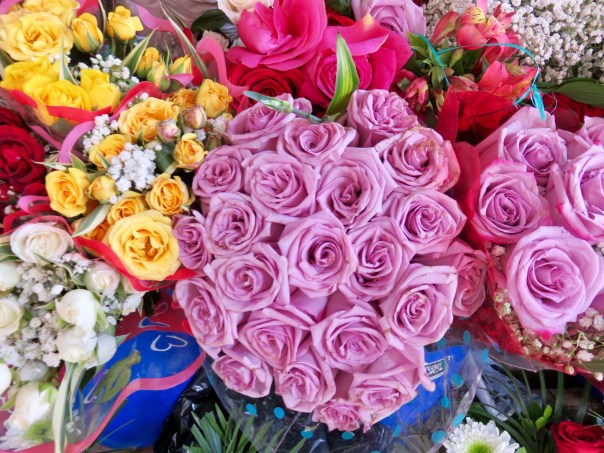 The Museo Pumapungo contained Incan ruins, shrunken heads (no photos allowed) and a botanical garden with llamas and parrots.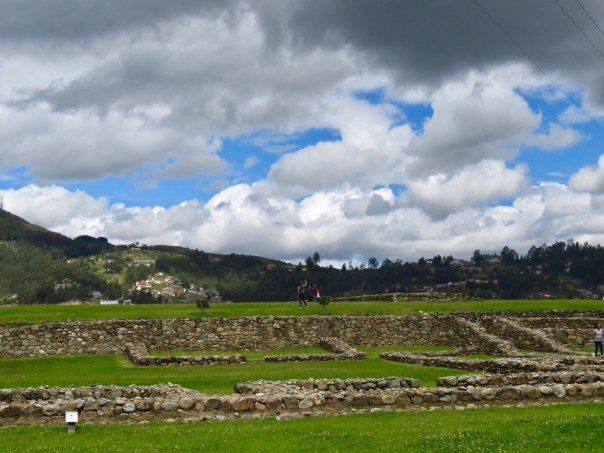
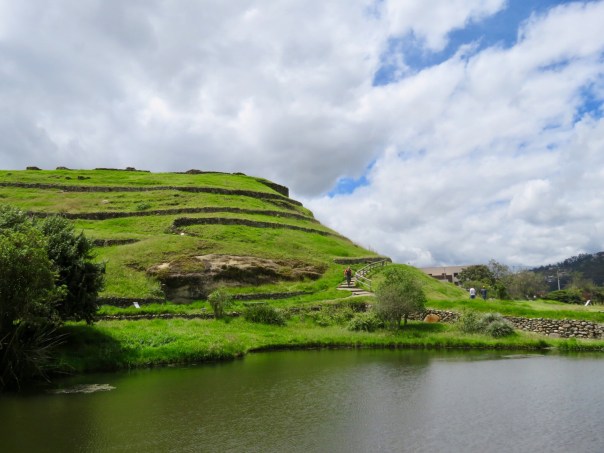
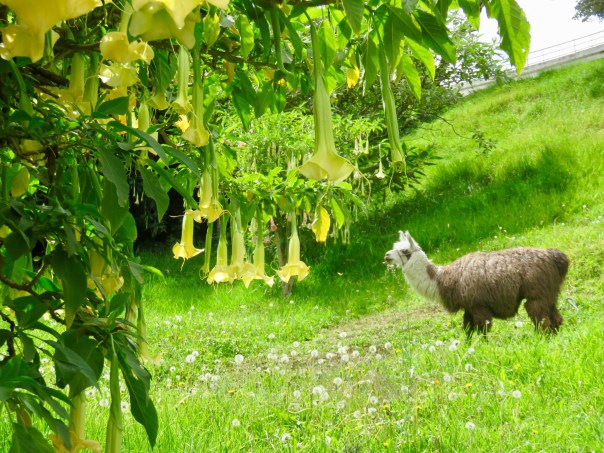
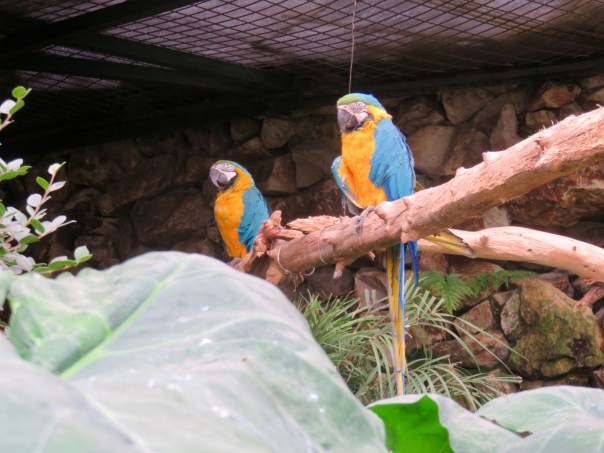



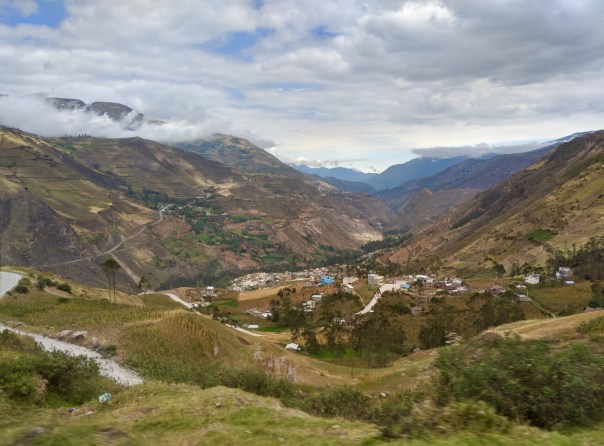
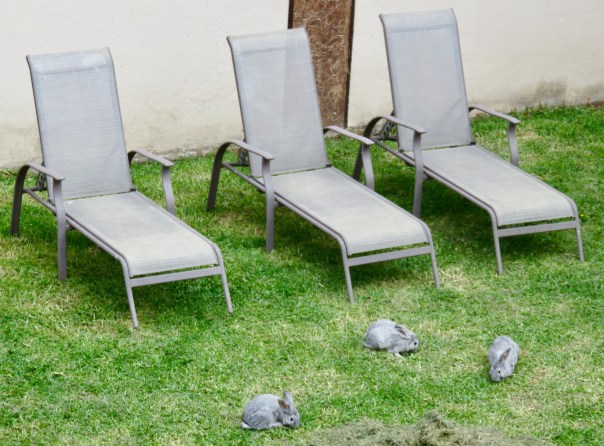
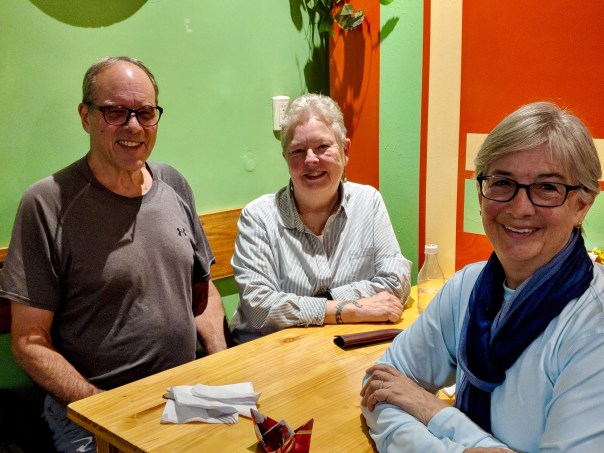

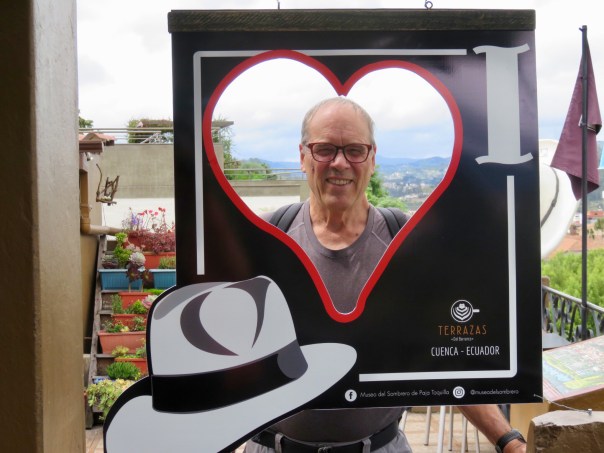
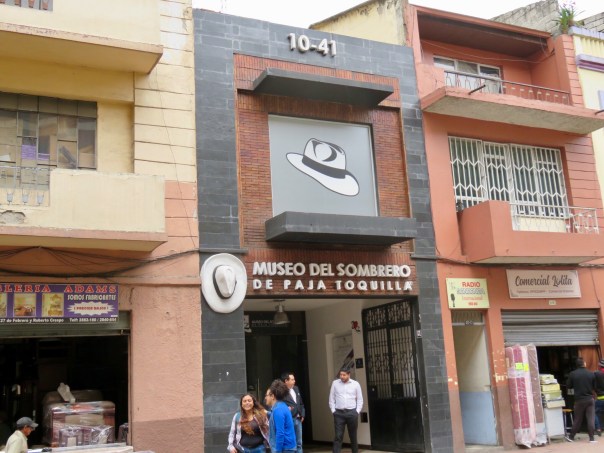
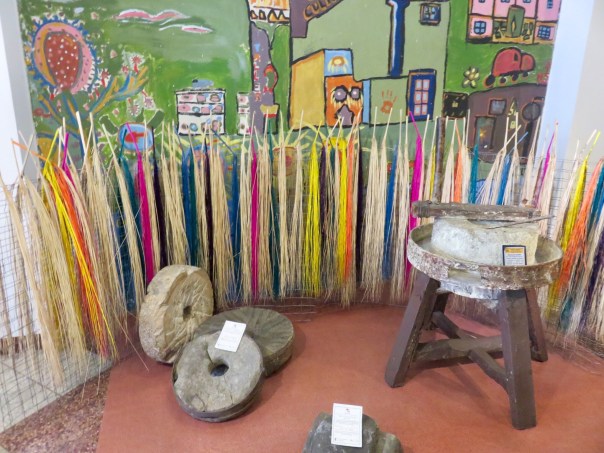
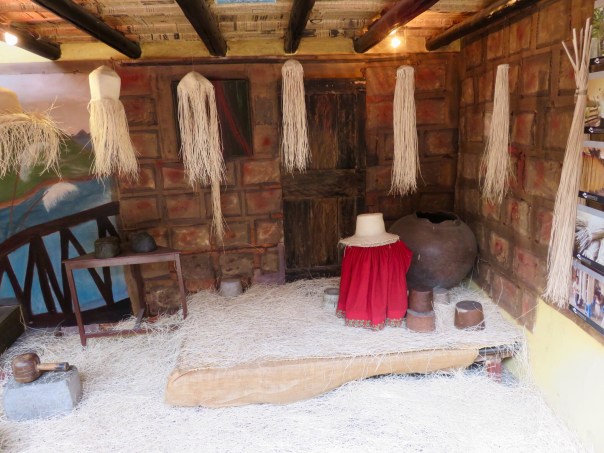
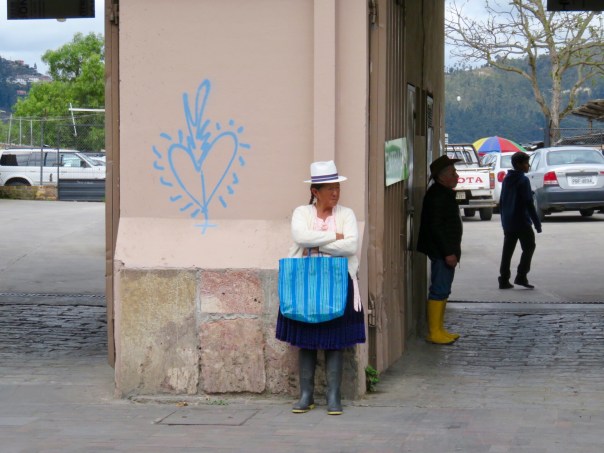
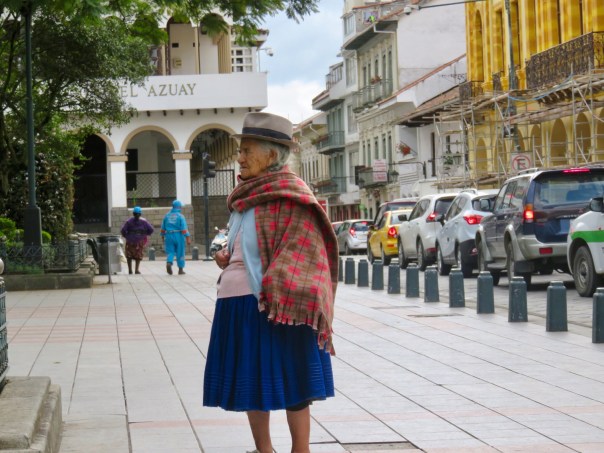
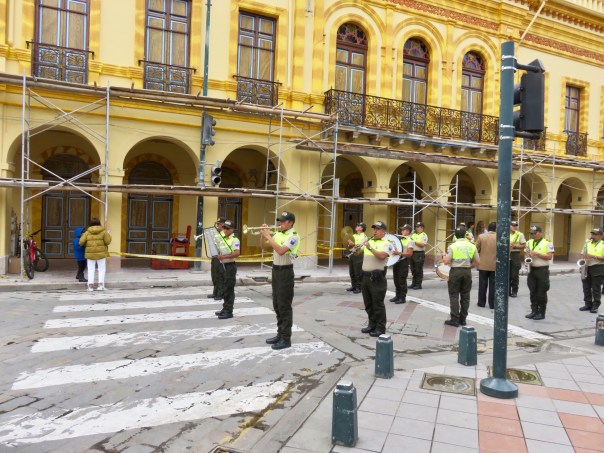
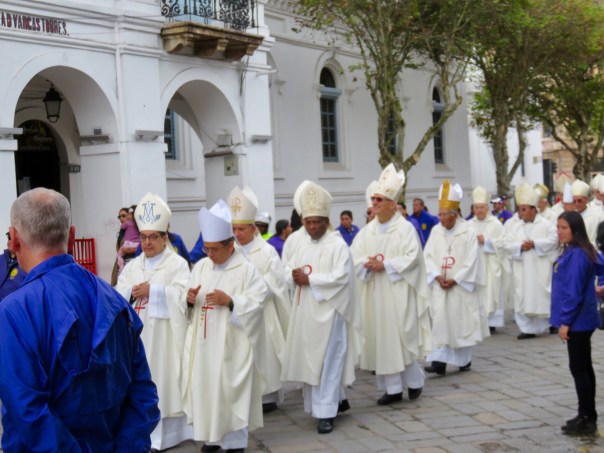

 More tomorrow!
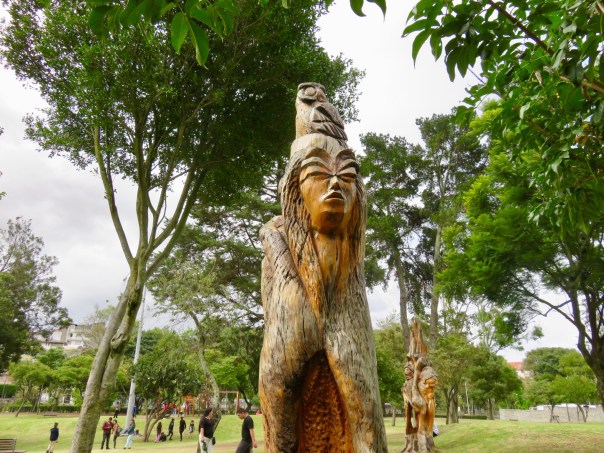
 We walked through a park with some interesting tree sculptures.






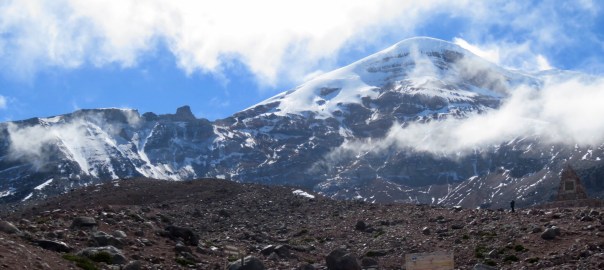


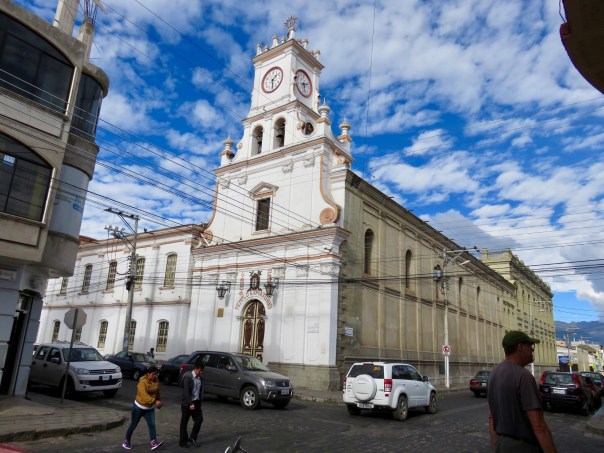


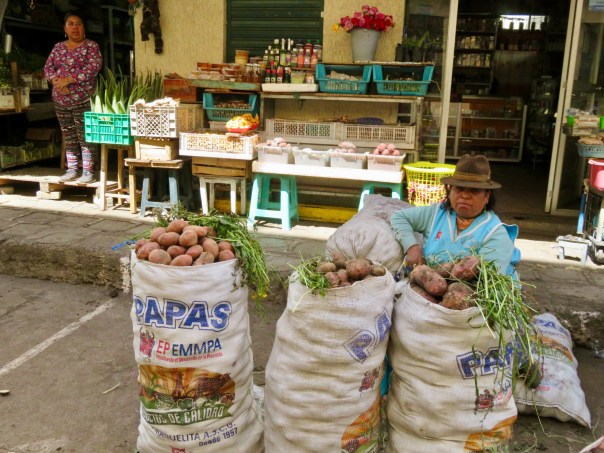
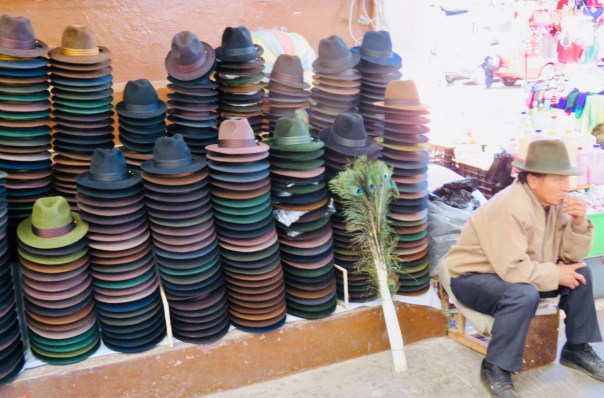
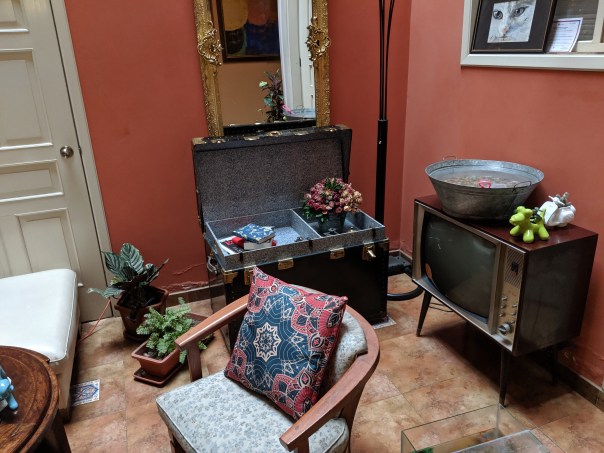
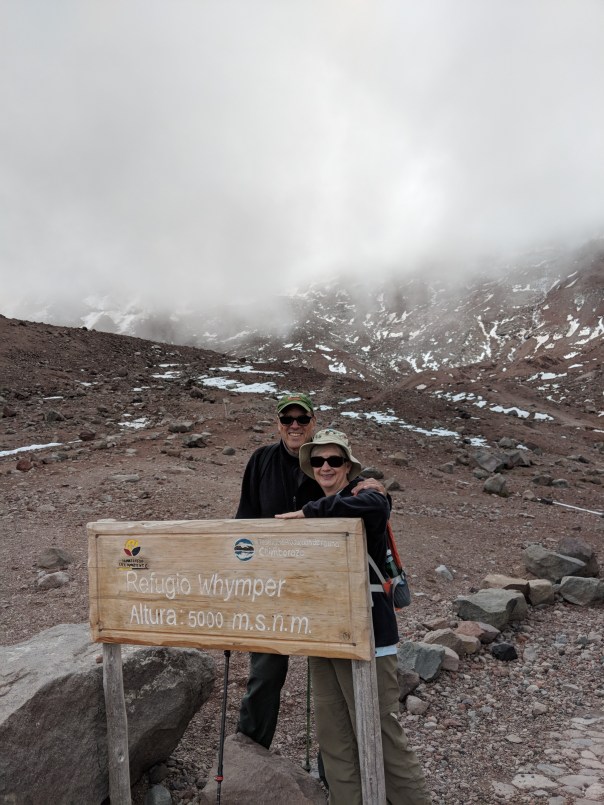
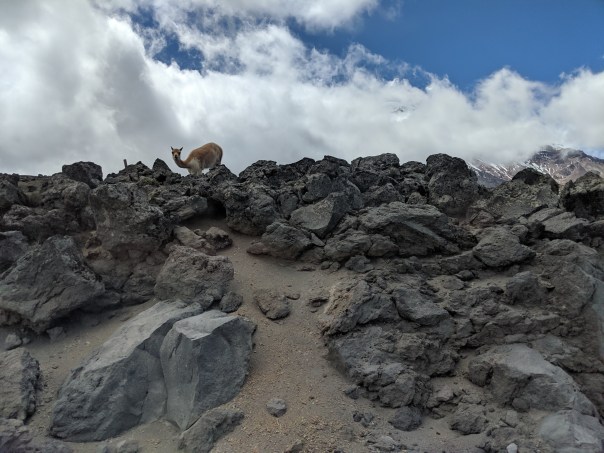
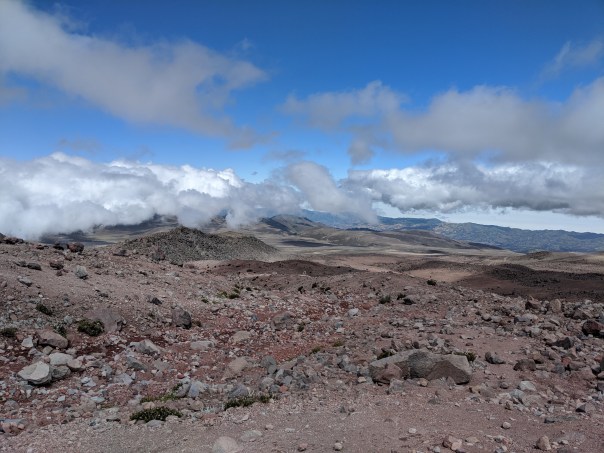
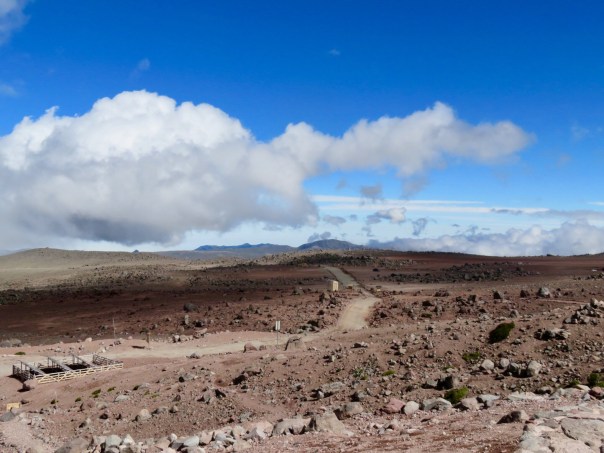
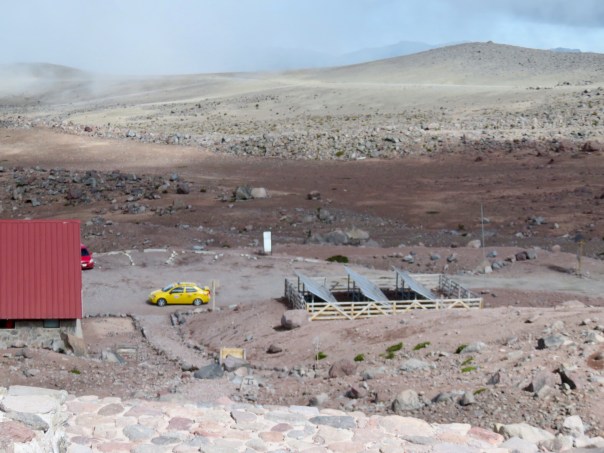
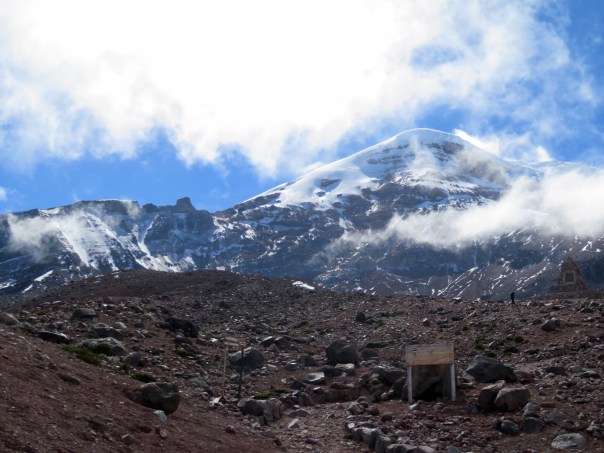
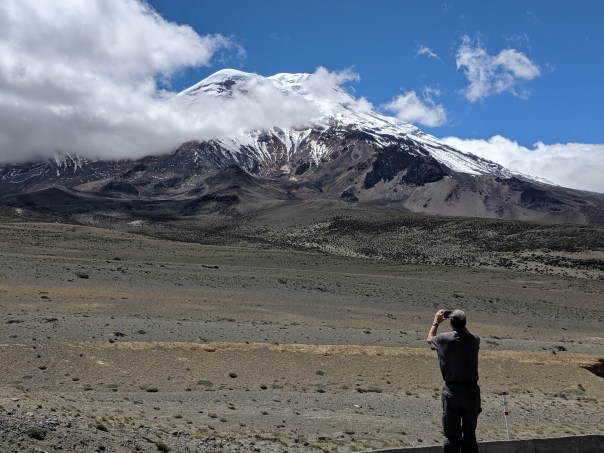
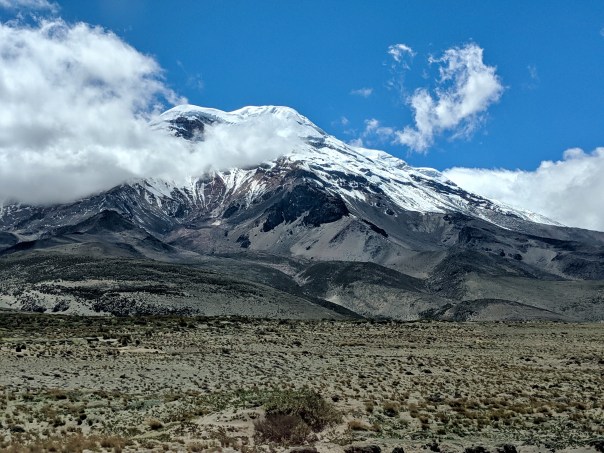
 Our host arranged a taxi to drive us the hour and a half to base camp one on Mount Chimborazo. From there we plan to climb up to base camp two. No, we will not be scaling the snowy summit – that’s just crazy talk. We are told that climbers practice Chimborazo before trying Everest, to acclimate to the very thin air.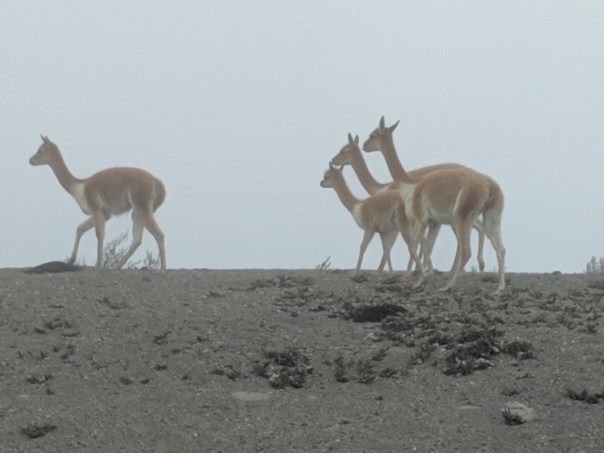
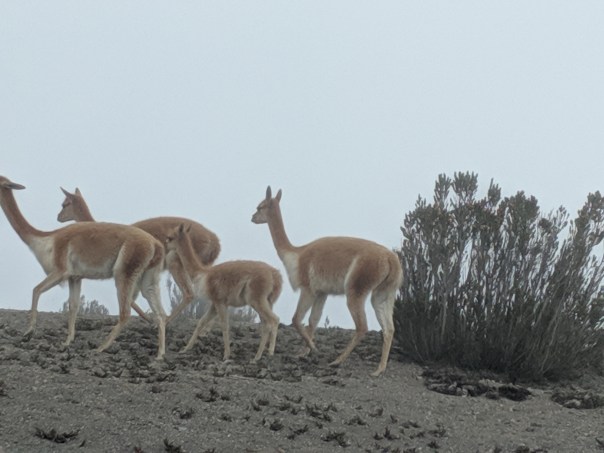
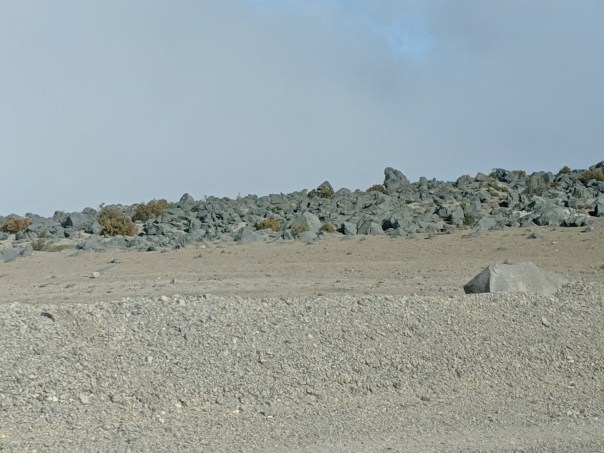
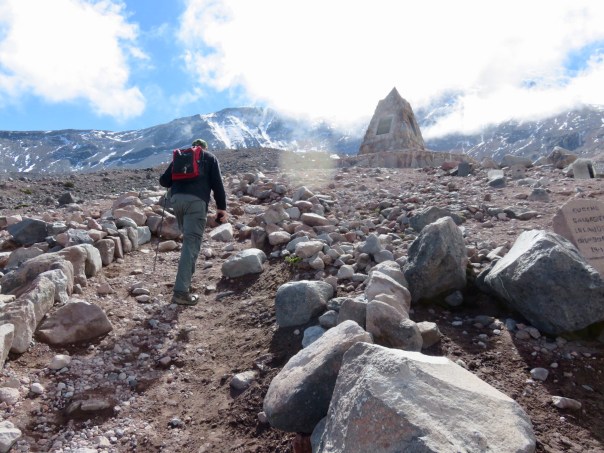
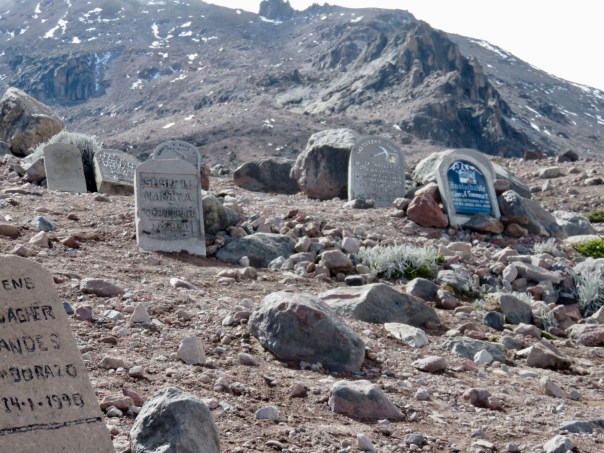
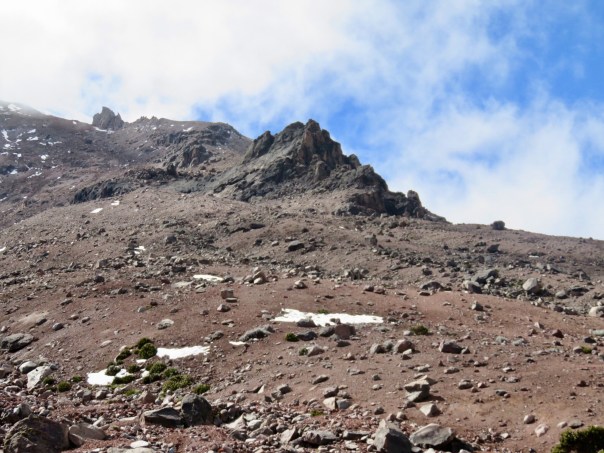

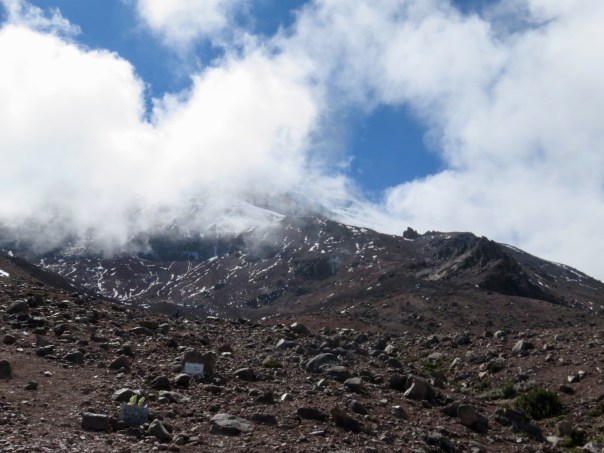

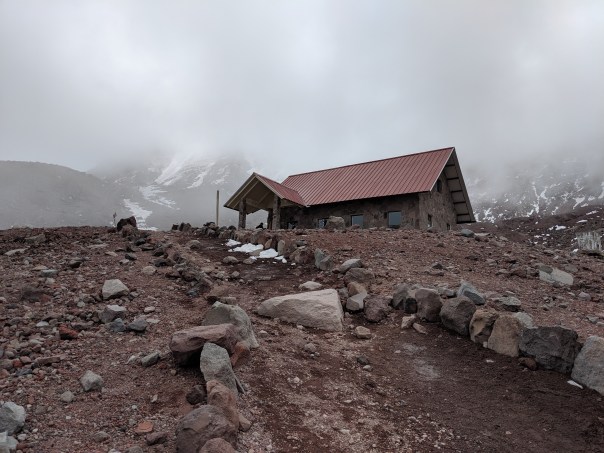 It took us a long time to get there, but we made it!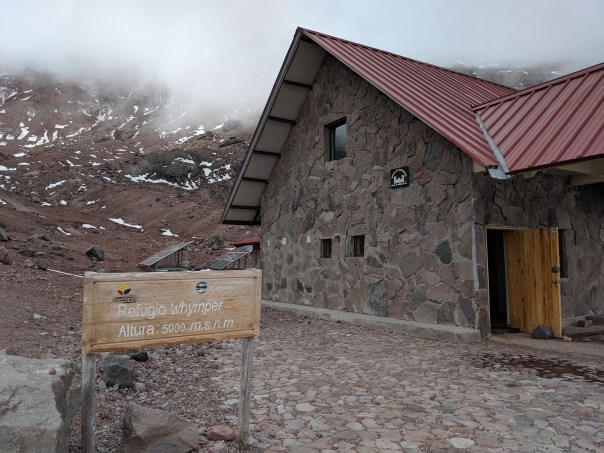

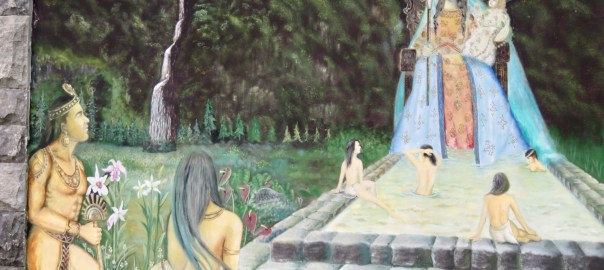
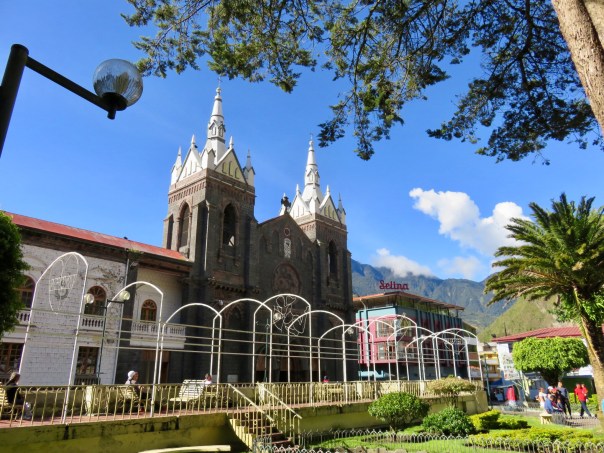
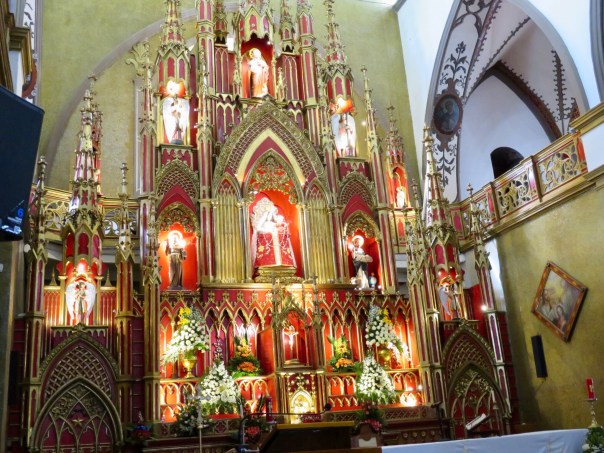
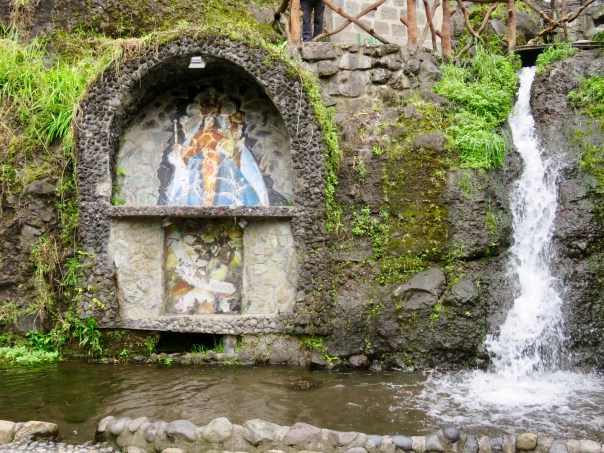
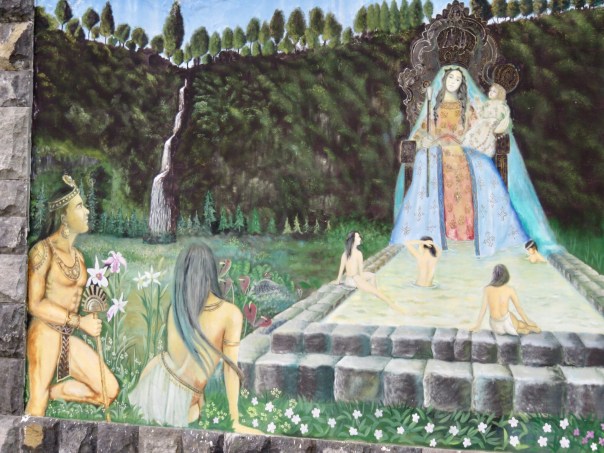
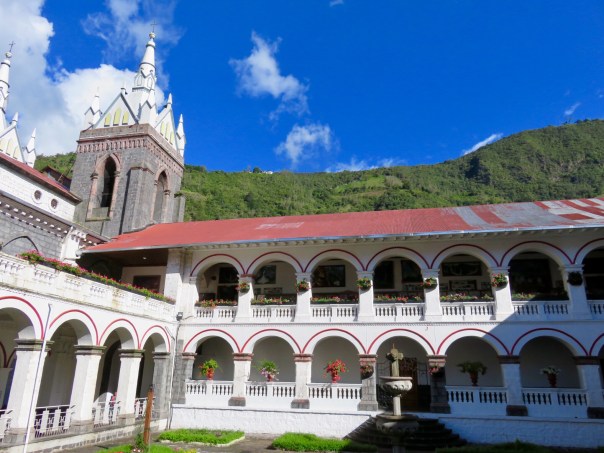 The sanctuary is filled with paintings depicting the miracles attributed to the Virgin of the Holy Waters. Each painting has the story inscribed on the bottom with the date and particulars of each miracle.
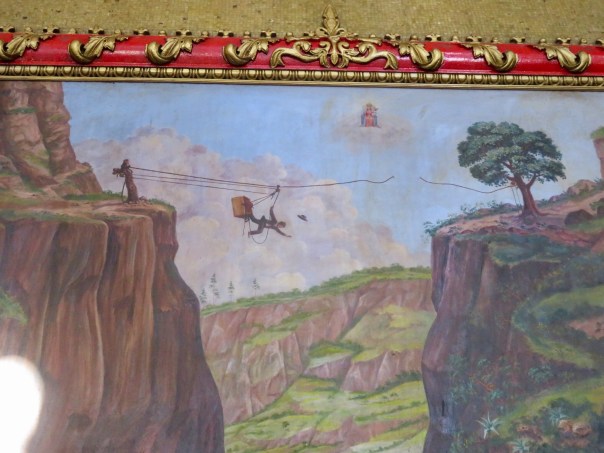
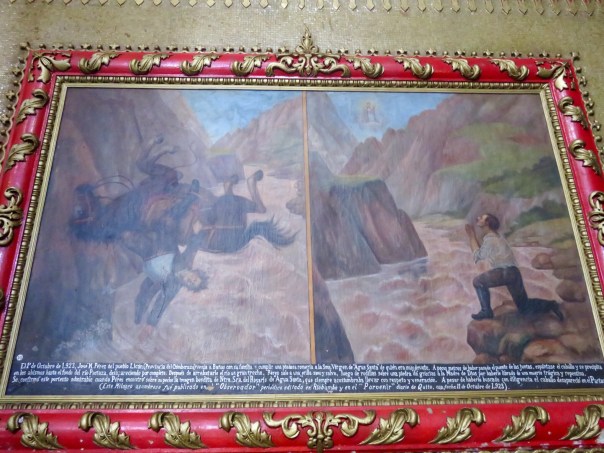

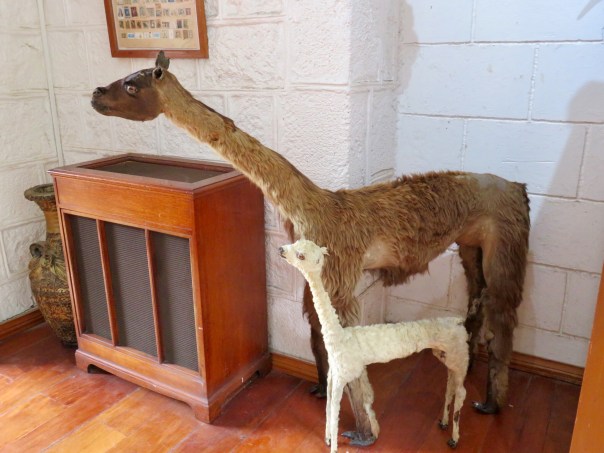

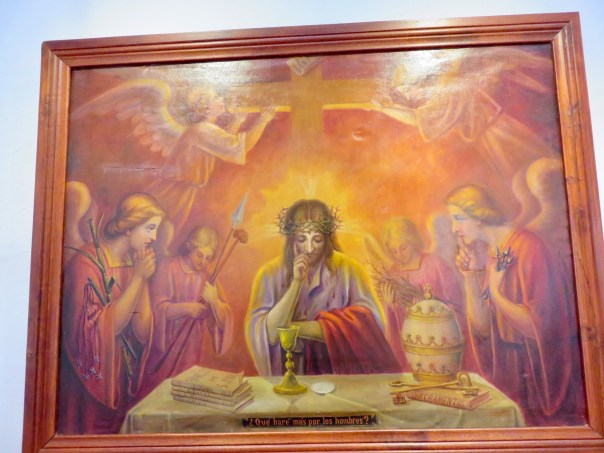

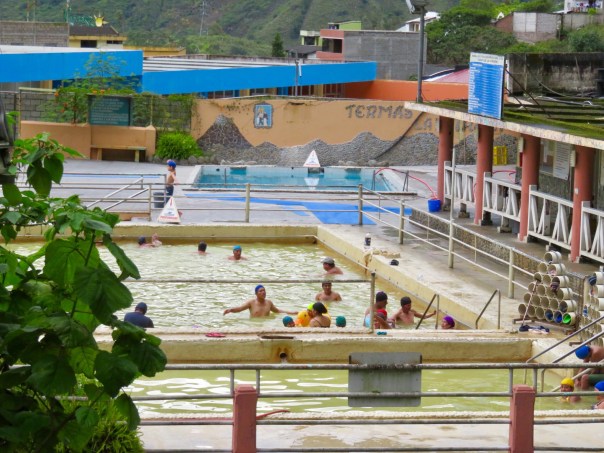
 It looks like the folks here were gearing up for the holy waters to be a major tourist attraction, like Lourdes, with the waters available to the masses.
 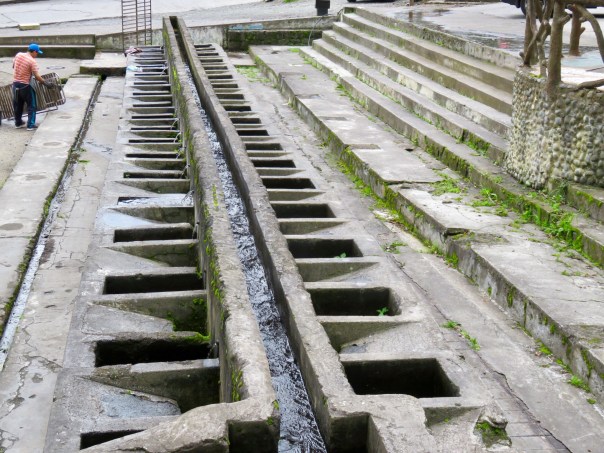 Unfortunately, we were the only folks around, and the Garden of the Virgin was padlocked. We climbed closer to the waterfall.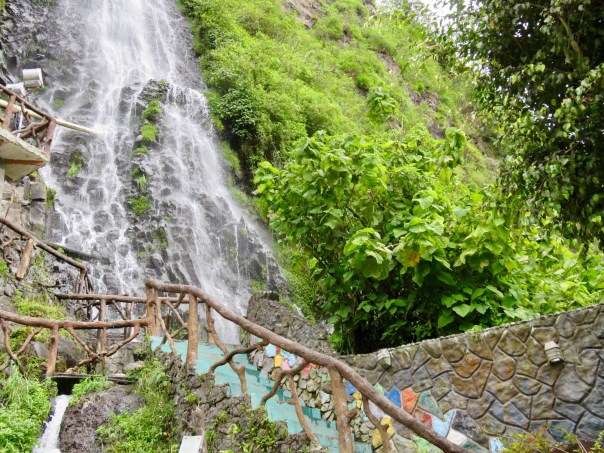







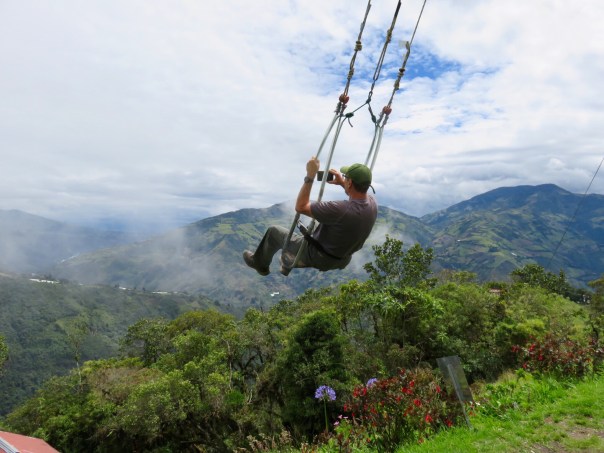
 Simple indeed, and unlike Disneyland, the adventure is entirely up to you. Once you’ve paid the $1. entrance fee to the gatekeeper, there is no evidence that anyone works here or watches the tourists in any way. You can do any crazy-ass thing you like on the swings, as many times as you wish.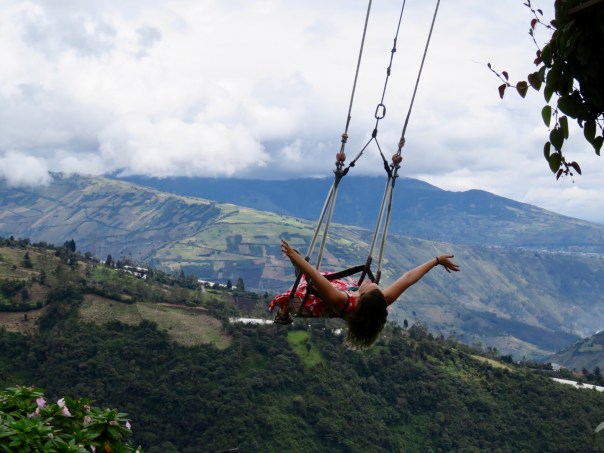
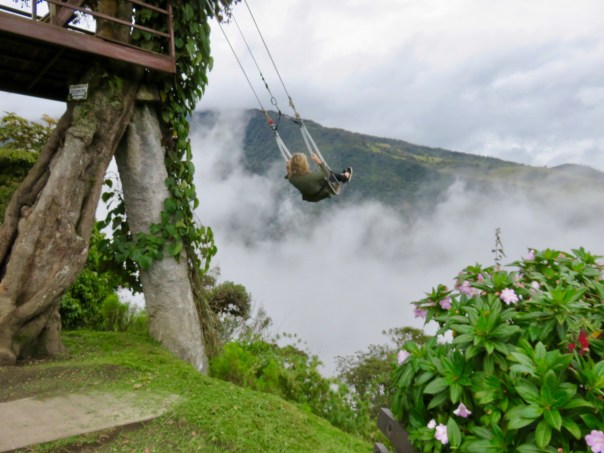
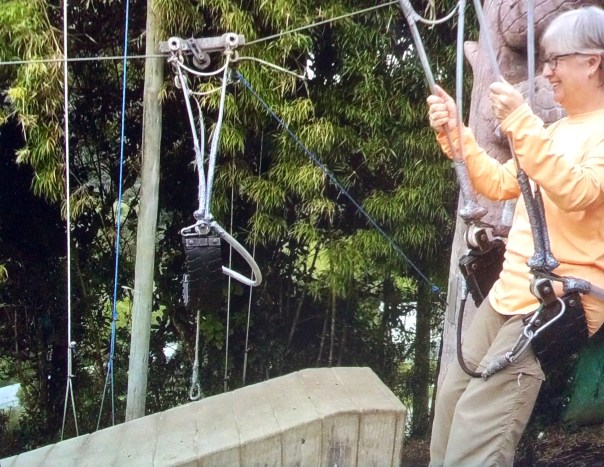


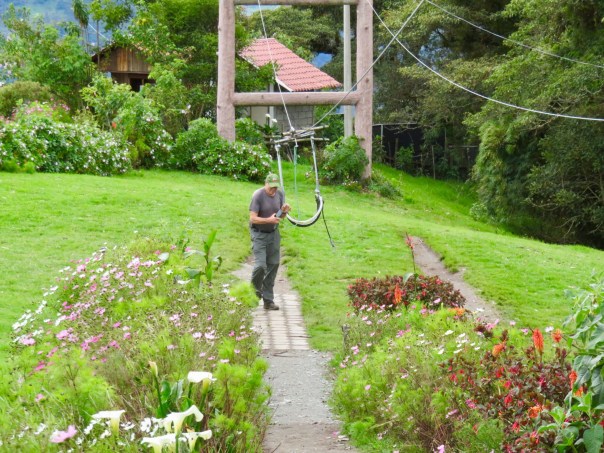
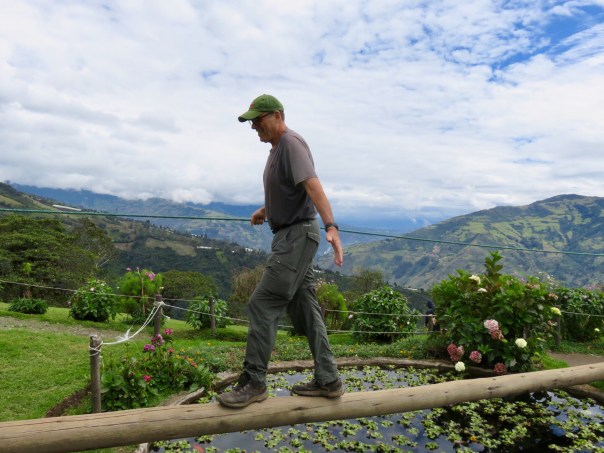
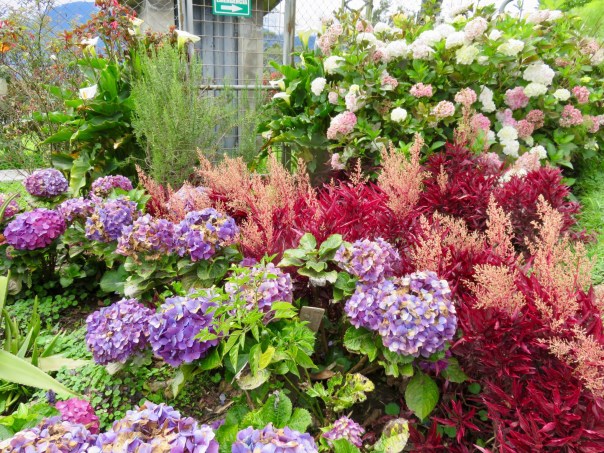
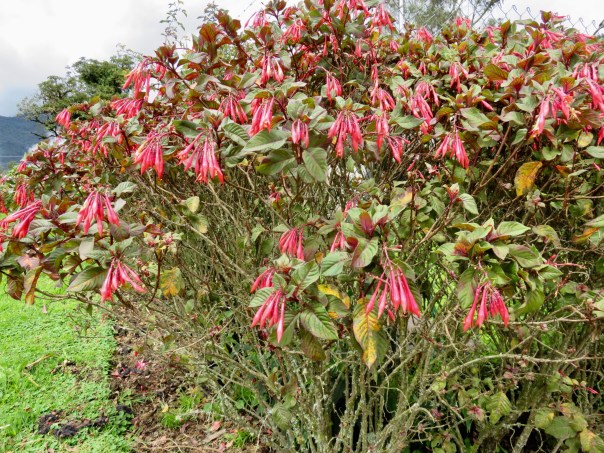
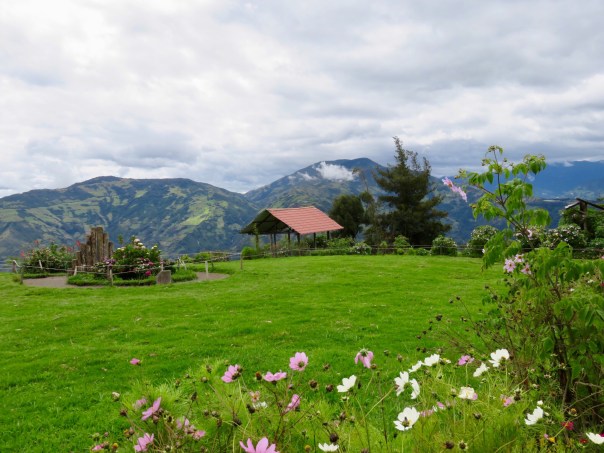
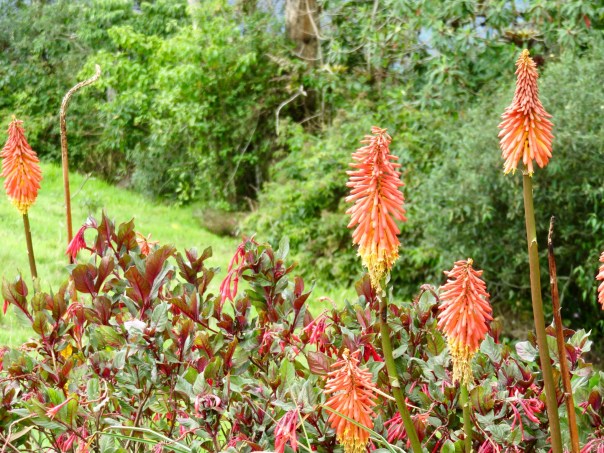

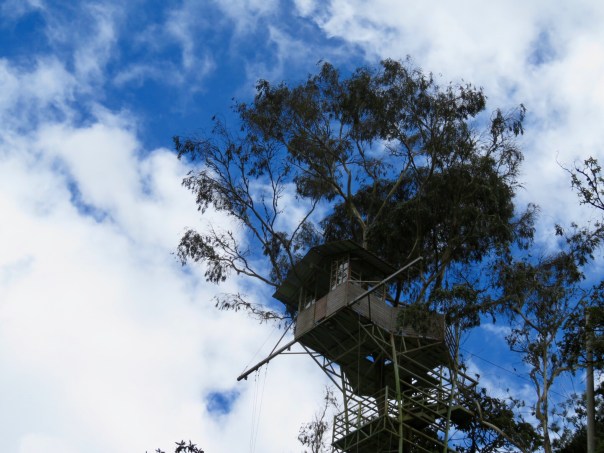
 Most fun we’ve ever had for a dollar!
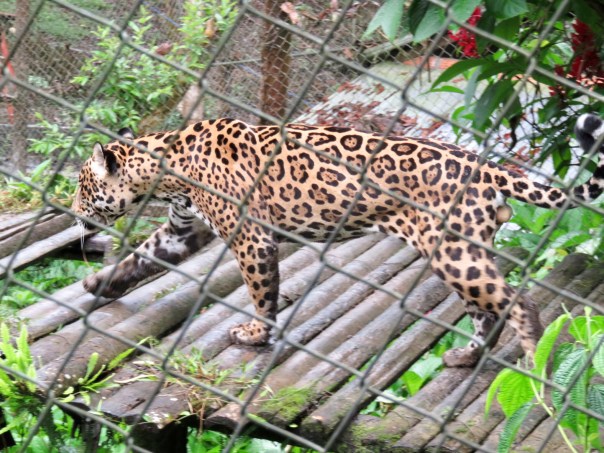

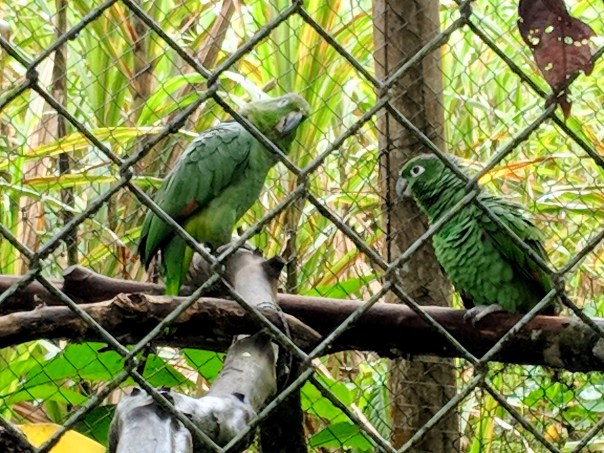
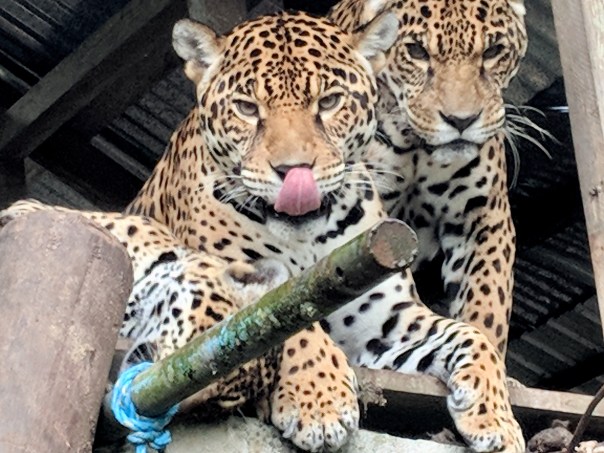
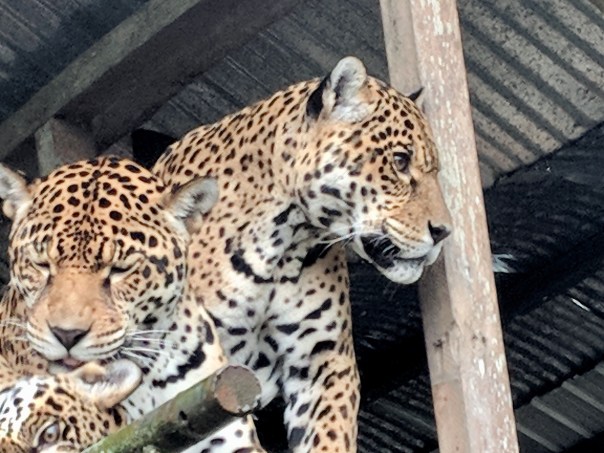
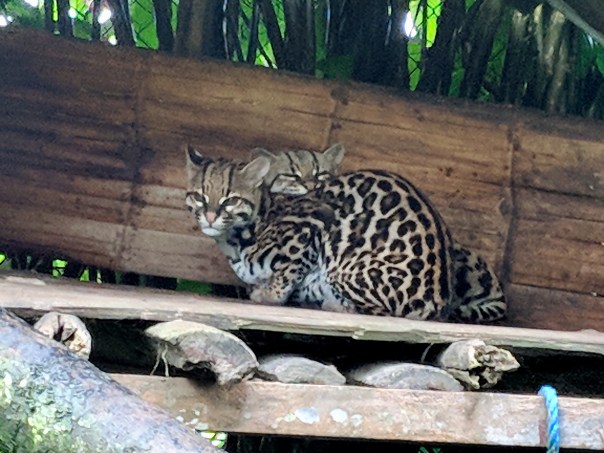


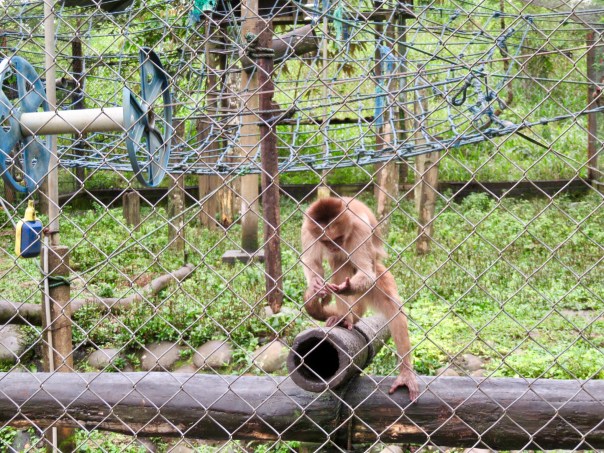
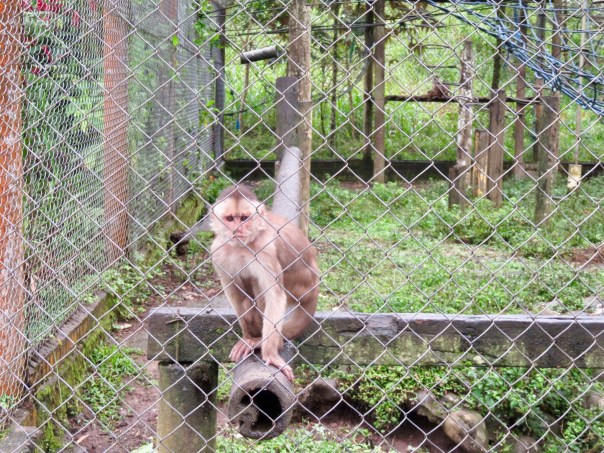

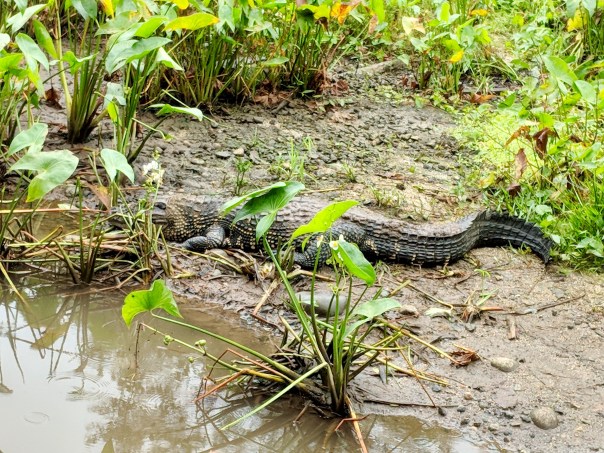
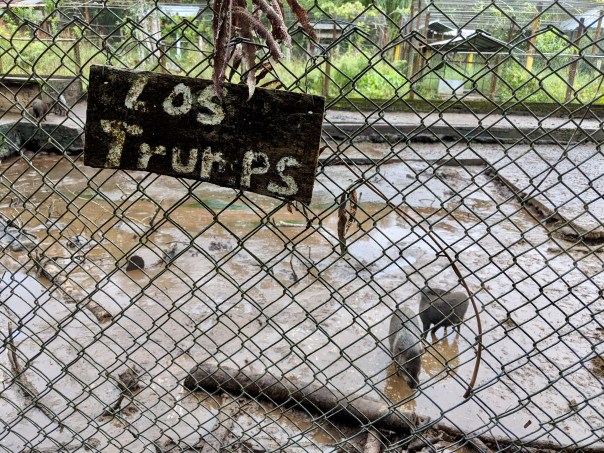
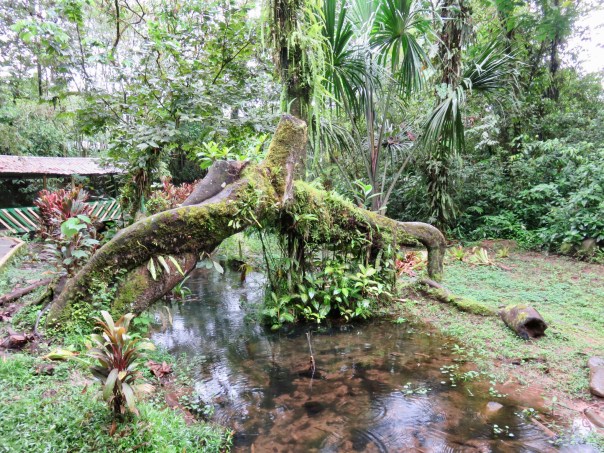
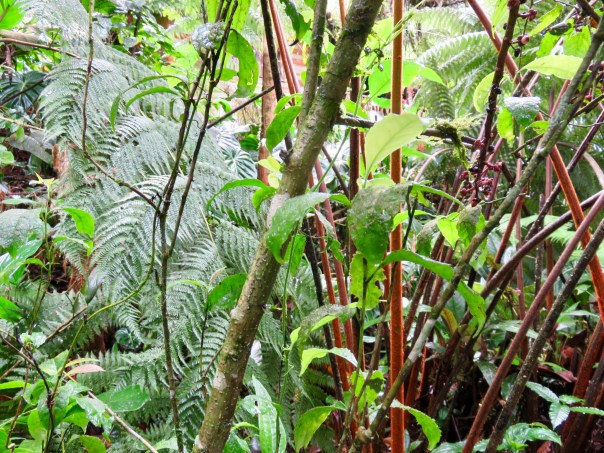
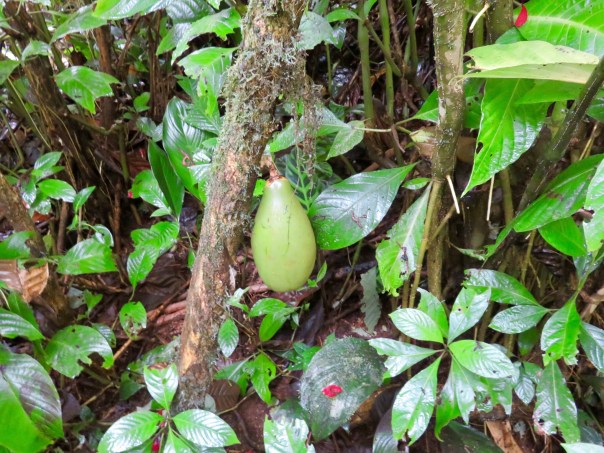
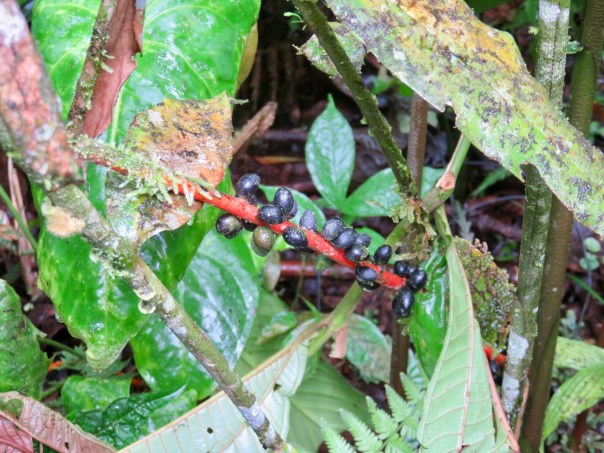
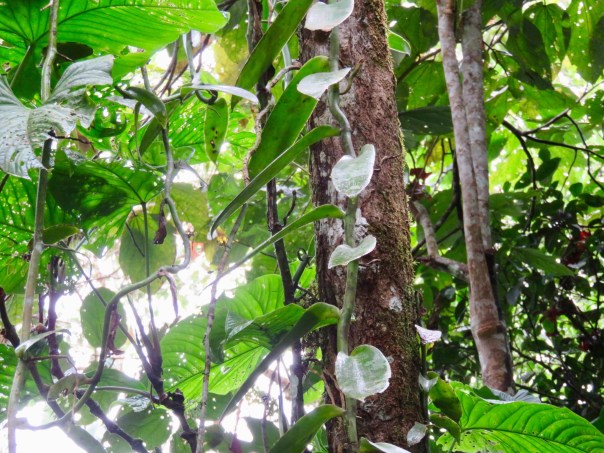
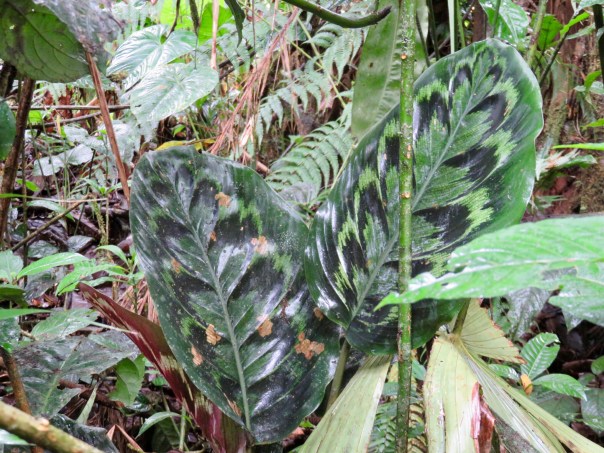
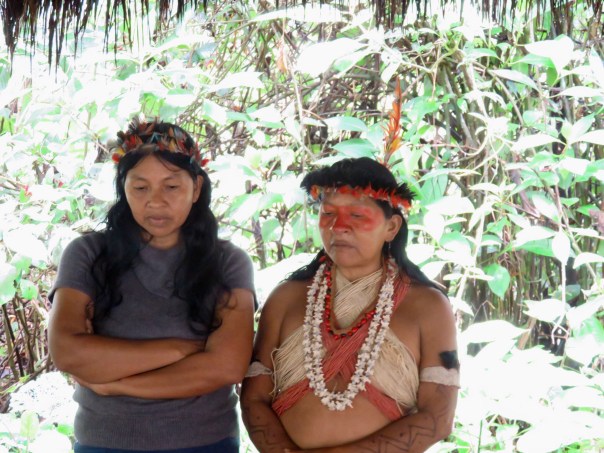
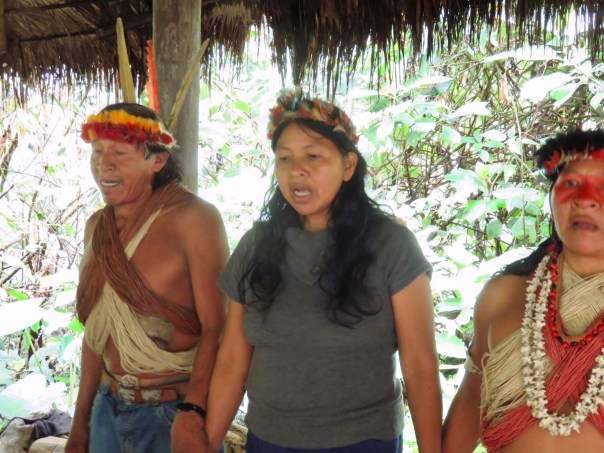
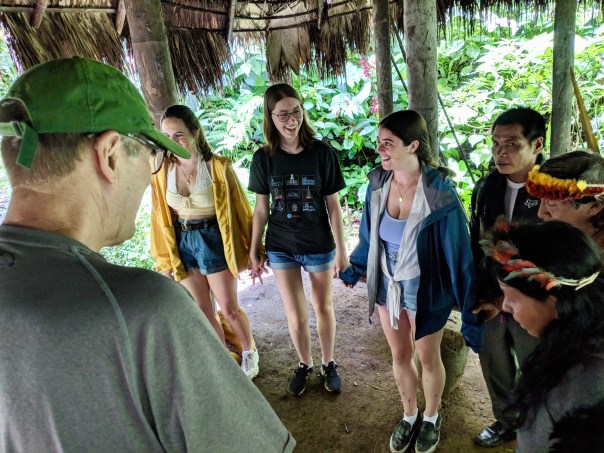
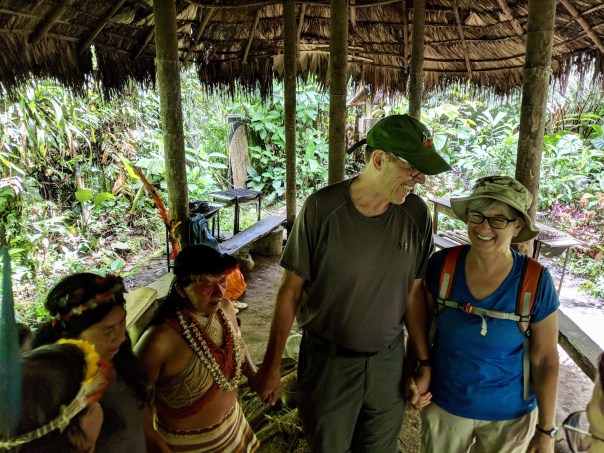
 Omaere means ‘nature of the rainforest’ in the language of the native Waorani people. The park (once a cleared field used for grazing cows) was purchased by two French women and one Schuar indigenous woman almost 30 years ago, and planted with all the medicinal plants important to the nearby indigenous people. It now looks like the jungle it used to be, lush and green and teeming with life.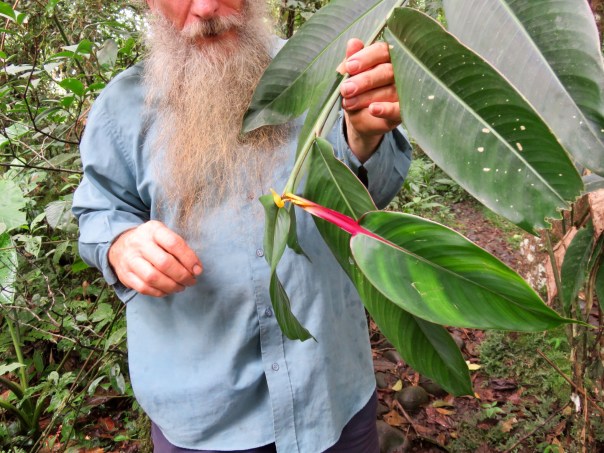






 Taking Our Time