Category Archives: Travel

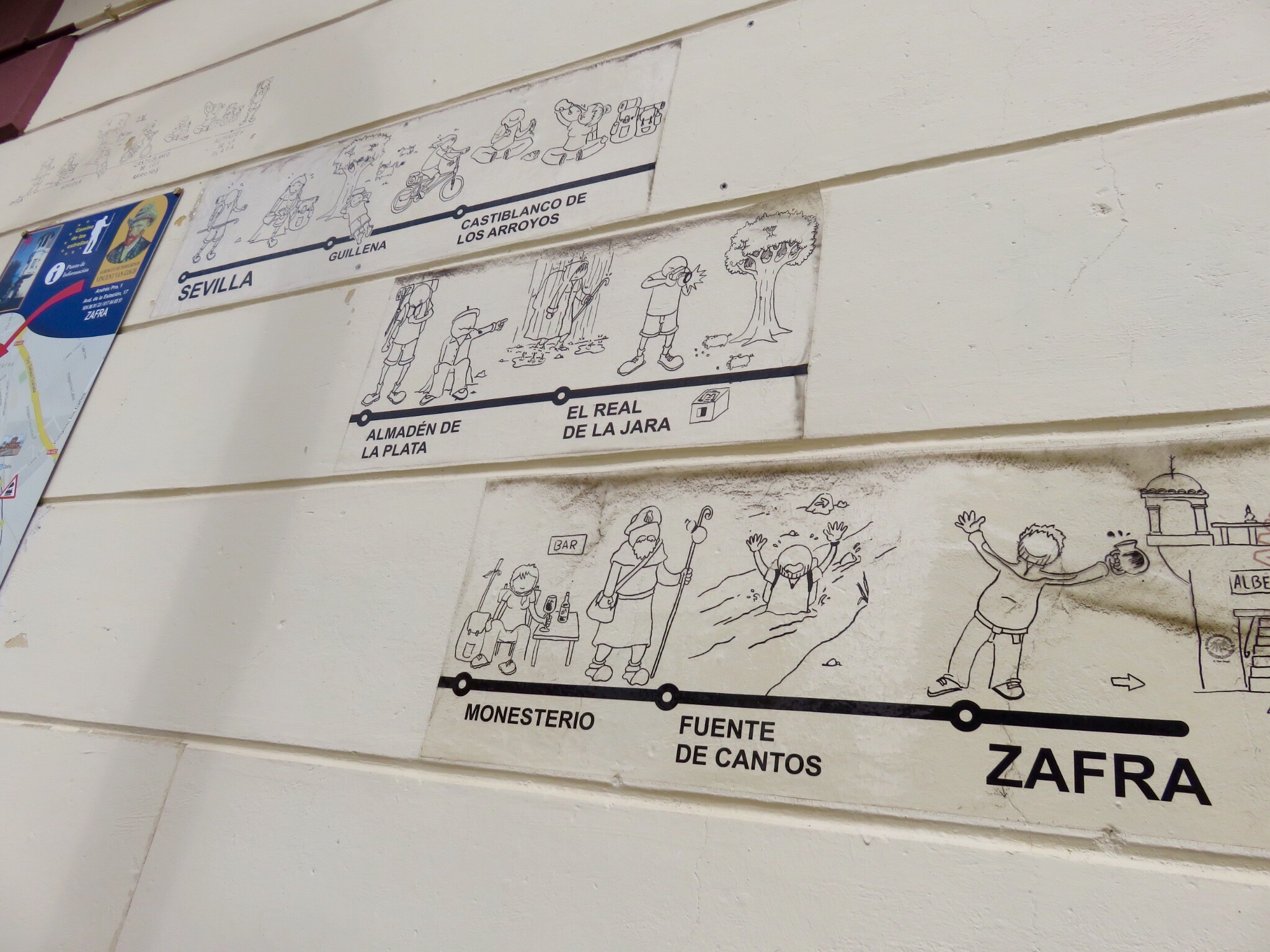
Monesterio to Fuente de Cantos to Puebla de Sancho Perez

Apr 18 –  Got up early to leave our room by 7am.  As the hotel’s restaurant doesn’t open until 9am, the proprietor made us a picnic breakfast, and hung it on our doorknob – oranges, bananas, juice and a muffin.  Nice touch!  We stopped in town for a quick coffee, then we were on our way.

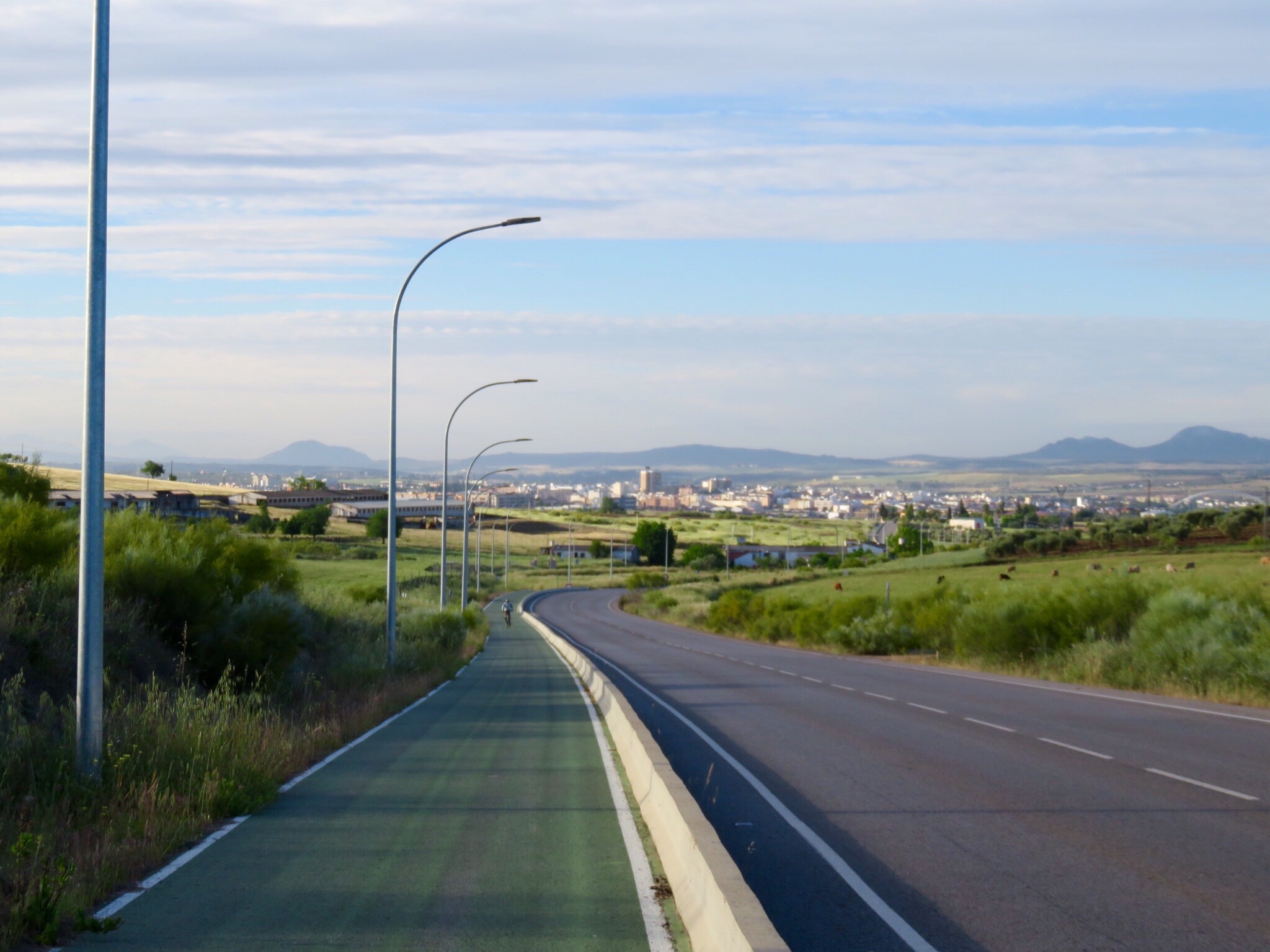
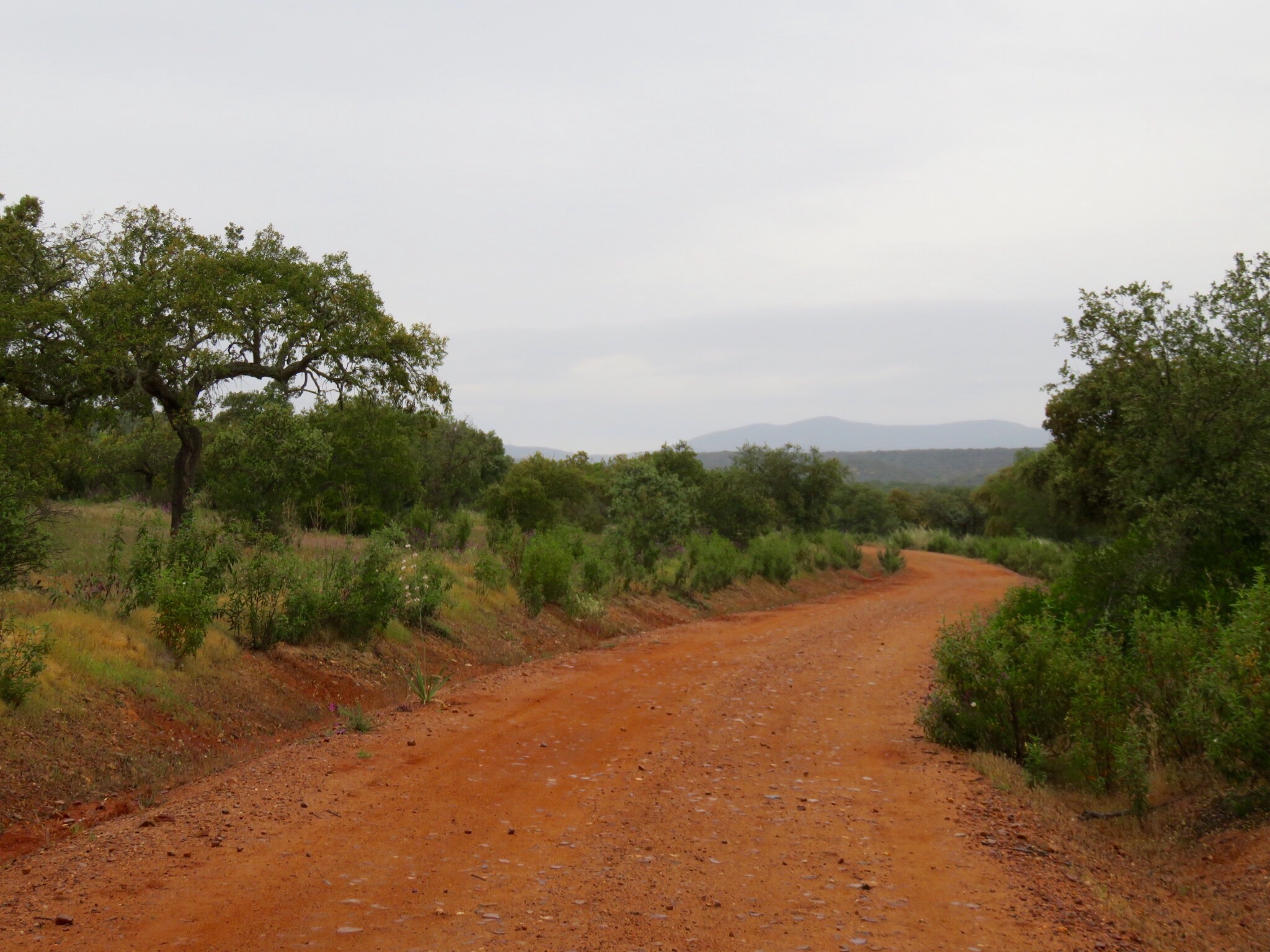
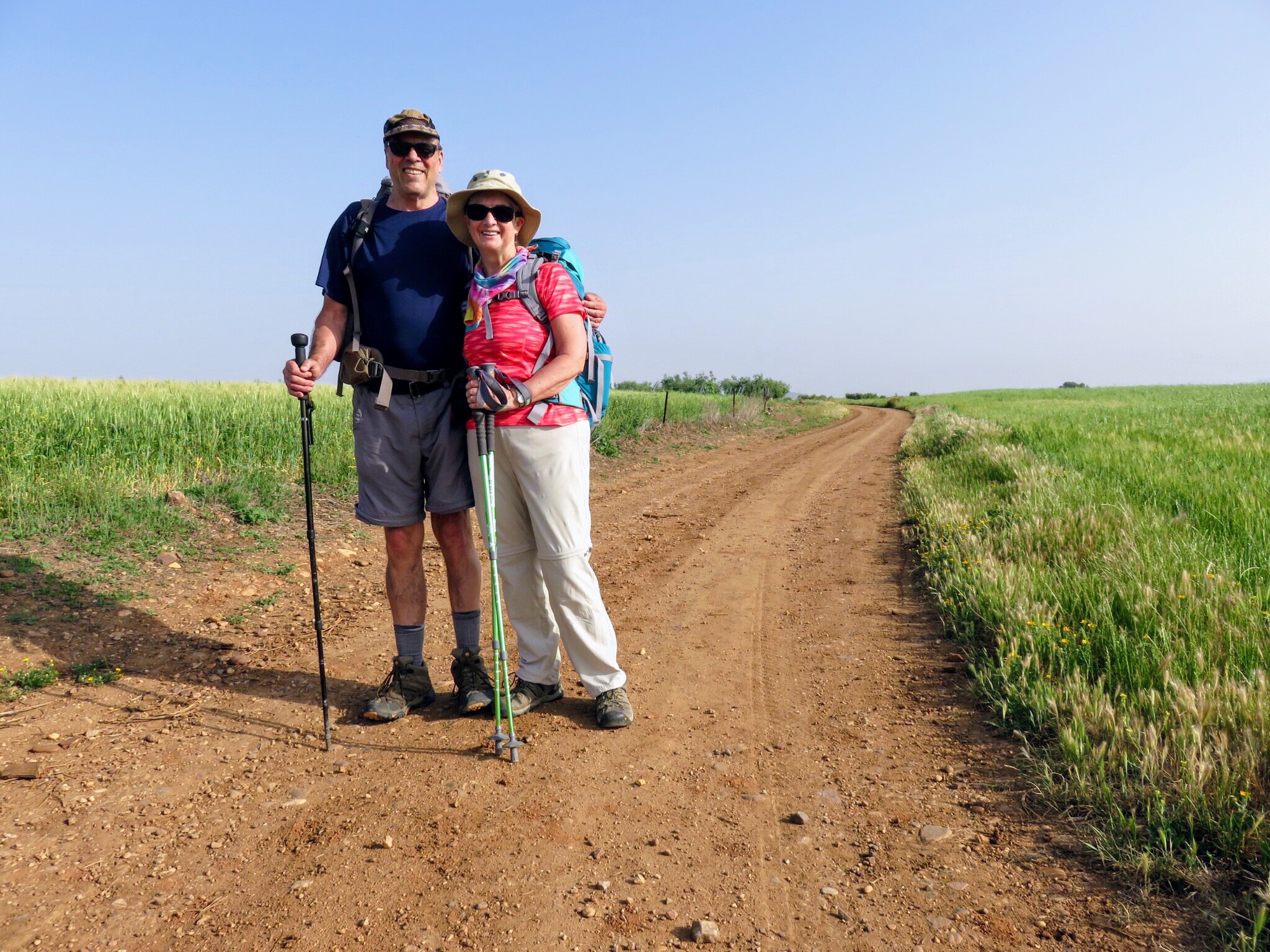
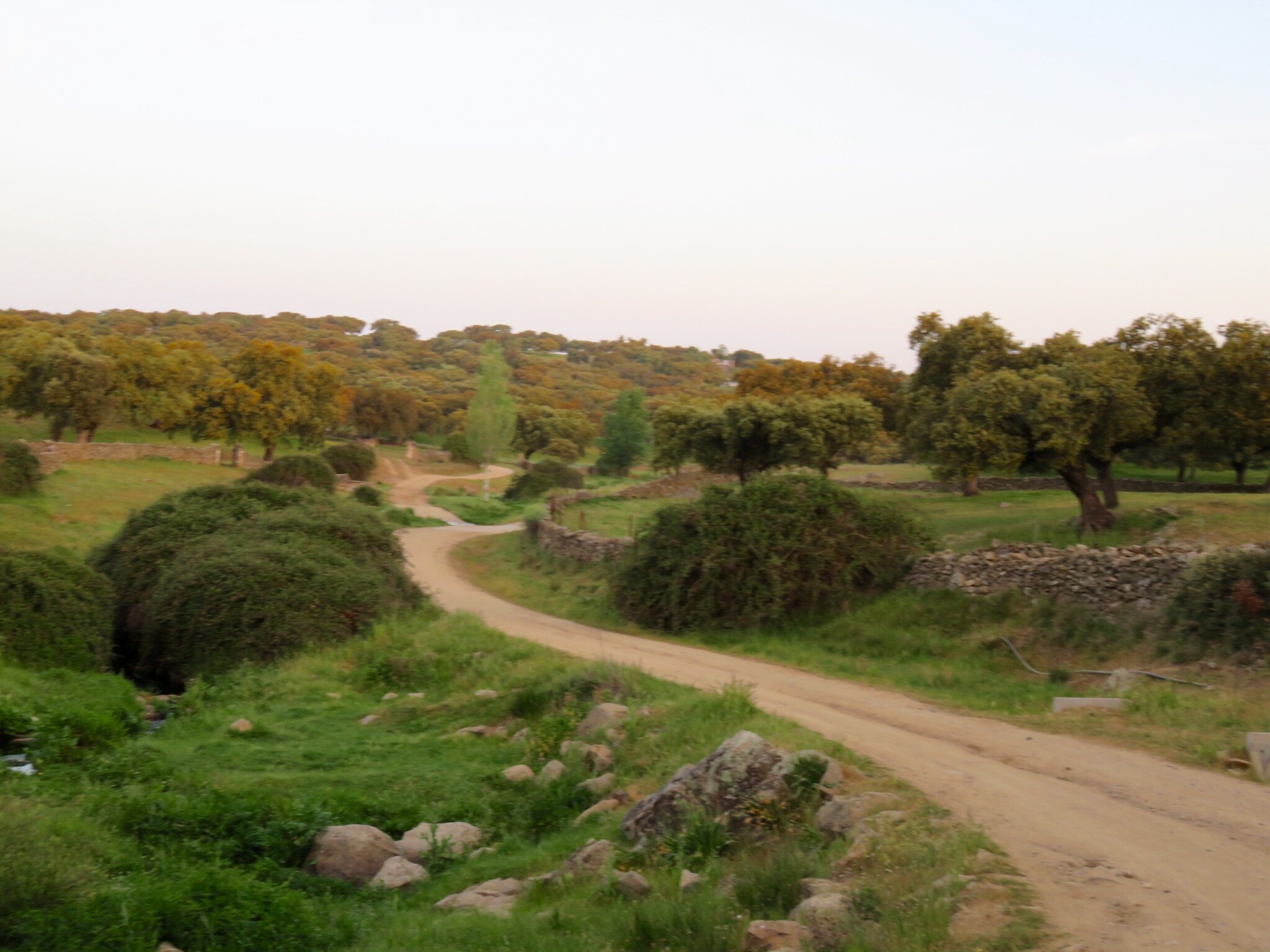
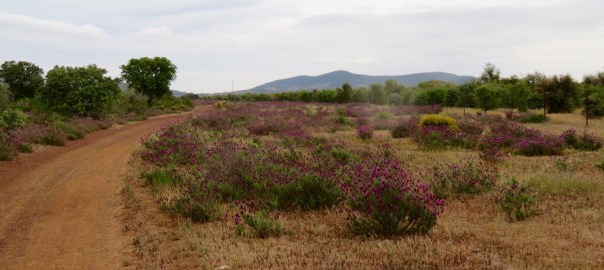
13.5 miles to go today.  The countryside was particularly beautiful in the early morning light.  We walked alongside stone walls that reminded us of our hike in Ireland.

More Iberian jamon on the hoof, makin’ bacon.

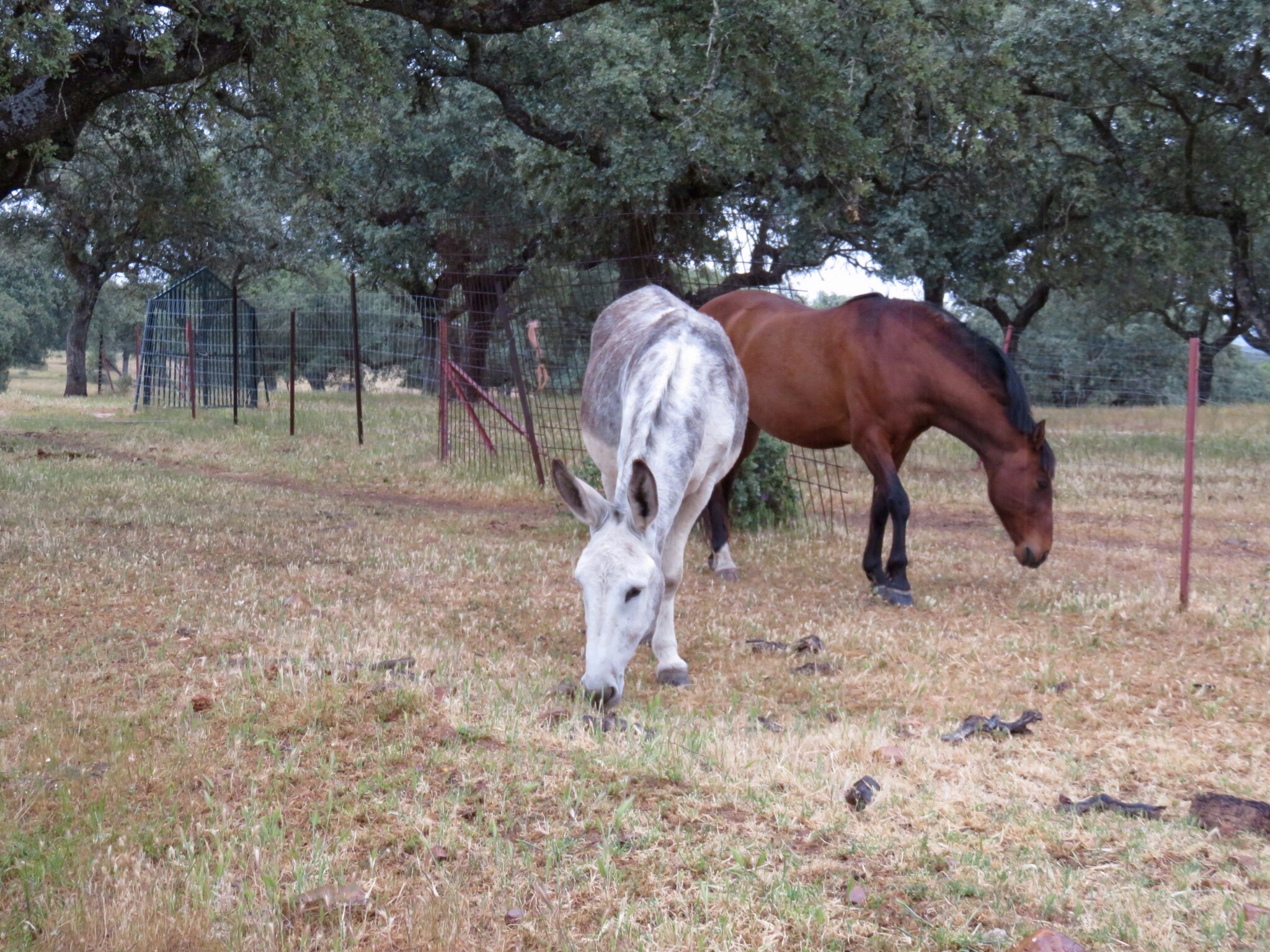
These two pretty ladies posed for a closeup.

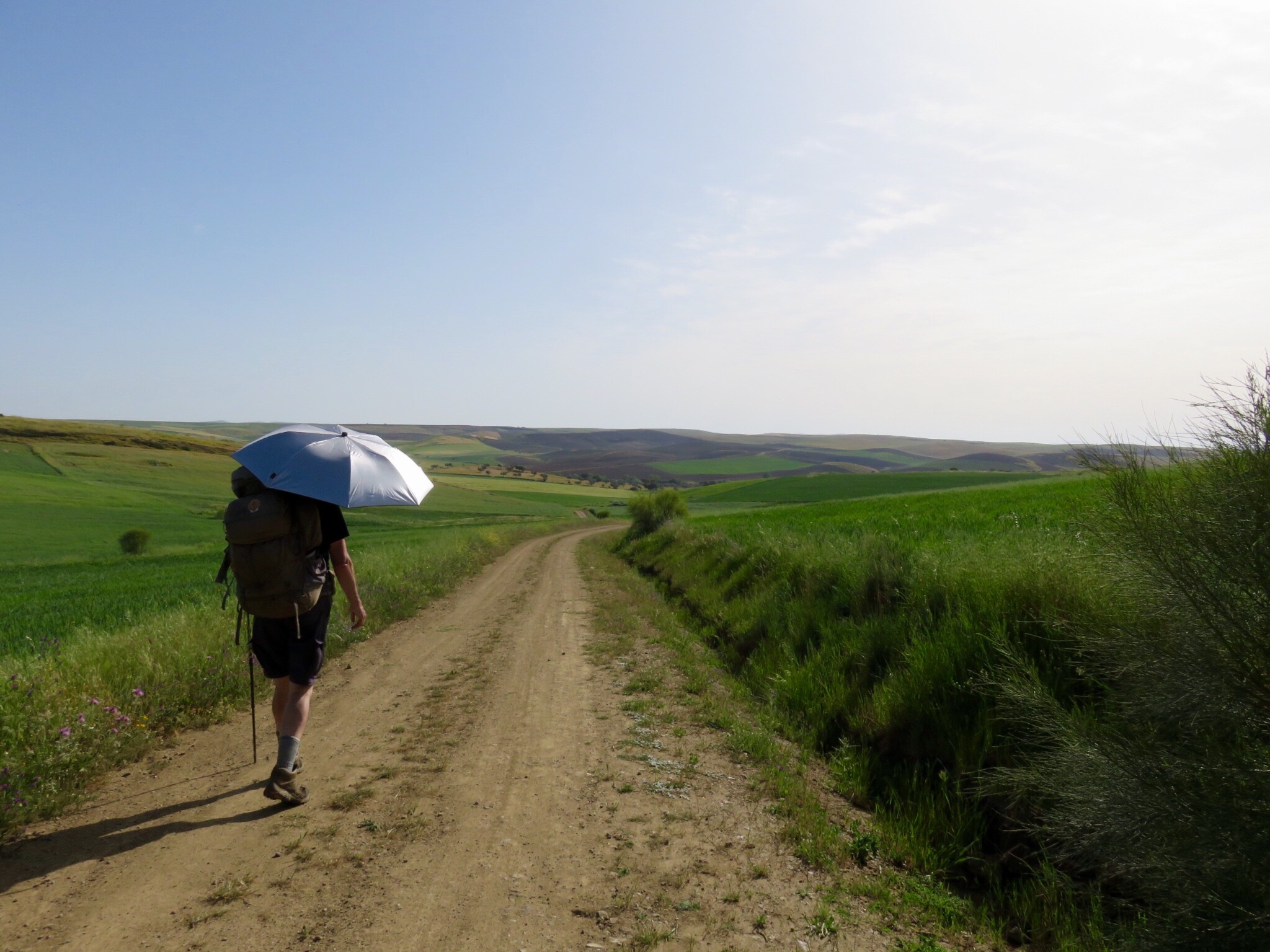
We started the morning in sweatshirts and long pants, but by 9:30 we stowed our extra layers, and walked in shorts and tee shirts with our umbrellas up for shade. Really love our German sun umbrellas, as there is very little shade in our future along these old Roman roads.

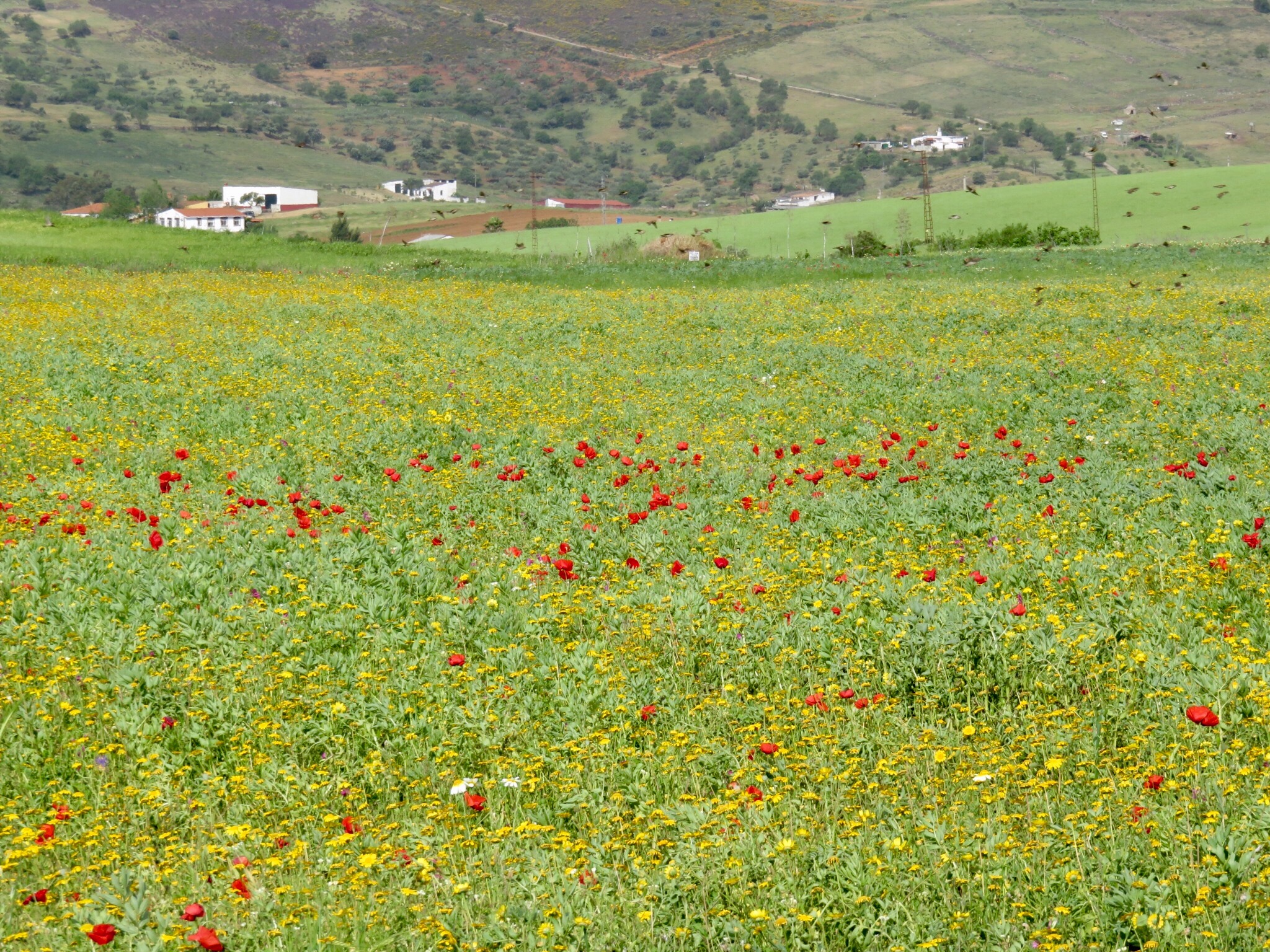
Lots of wheat growing here. The newly sown fields are dark green; the lighter fields are farther along.

As we approached town, a man stopped his car and gave us a flyer for his new hostal Zaguan.  He made it sound wonderful, even promising us a double bed (cama matrimonio!), which we hardly ever get. We decided to check it out, to encourage his entrepreneurial spirit.  The place was lovely, and even had a pool, but it was a cross between a hostal and an alburgue – we had our own room (with the promised bed), but there was only one bathroom to share among four rooms.  Drat!  The upside was that we had access to a kitchen, so we walked down to the supermercado when it opened at 6pm, and bought the fixings for a veggie omelette, which we ate at the very respectable hour of 6:30pm.  Having to wait until 8 or 9pm for restaurants to open is driving us nuts.  We knew about the unique work and meal hours kept in Spain, but knowing doesn’t make waiting any easier after a long day’s walk!  543 miles to go.
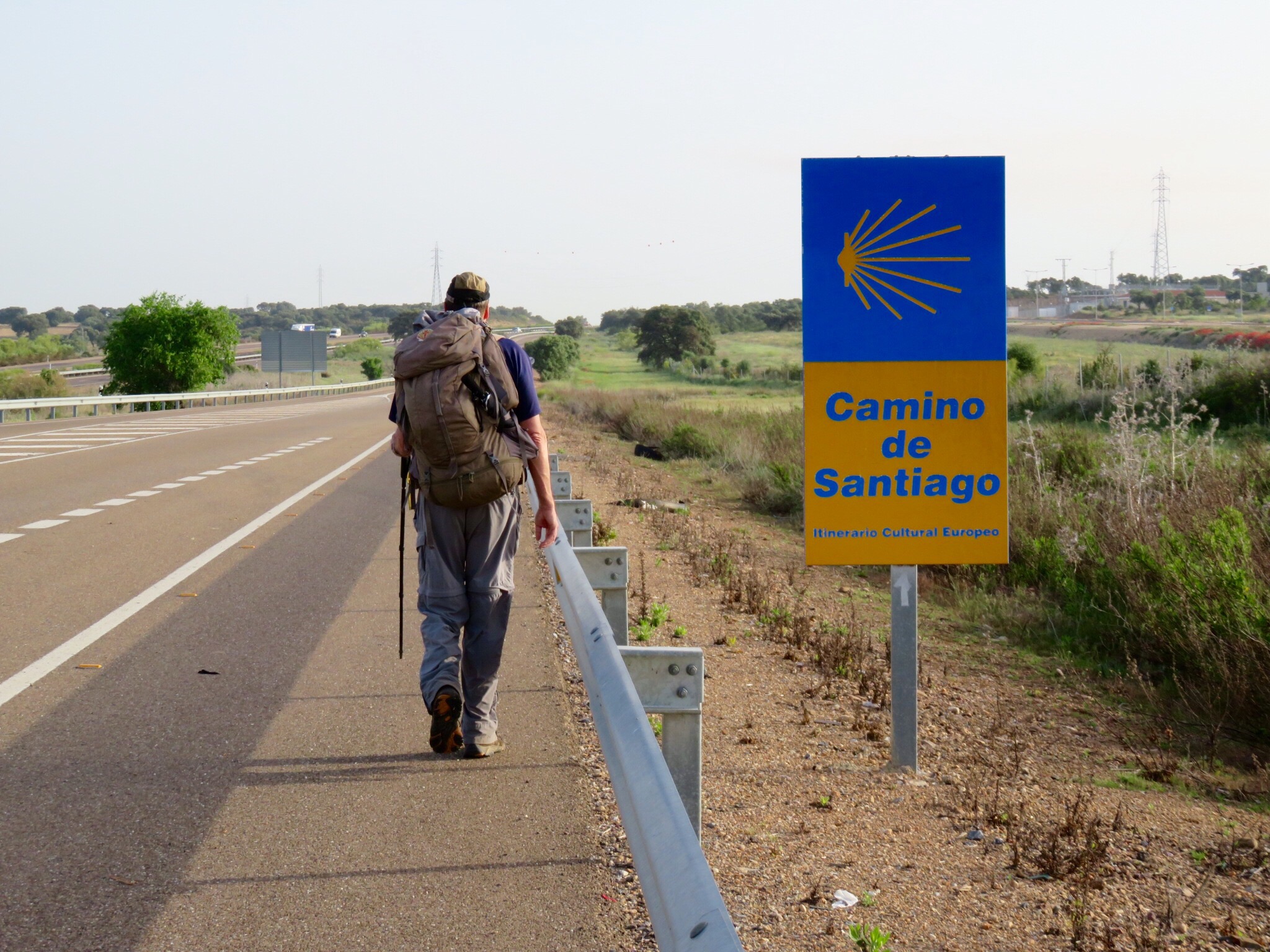
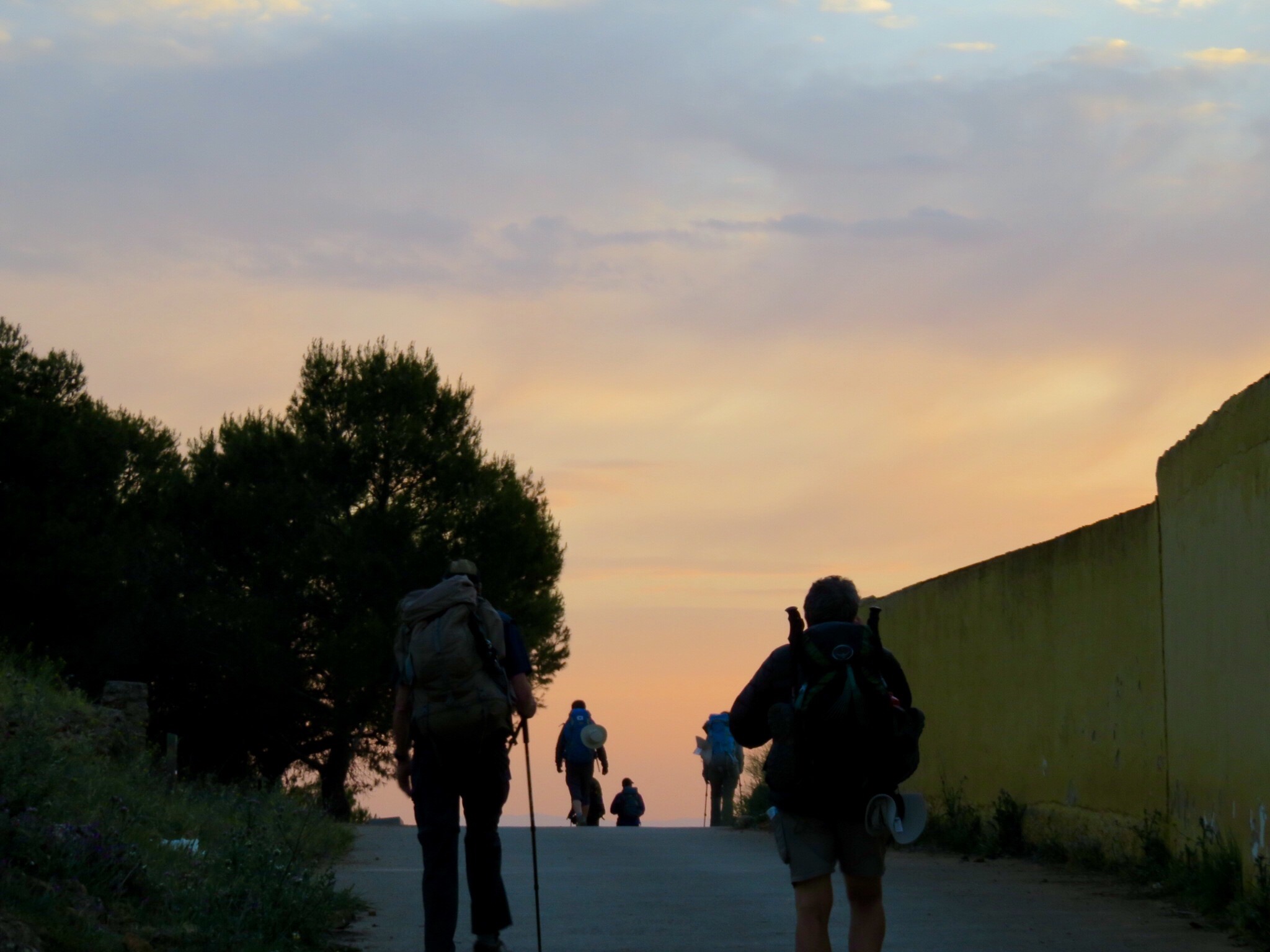
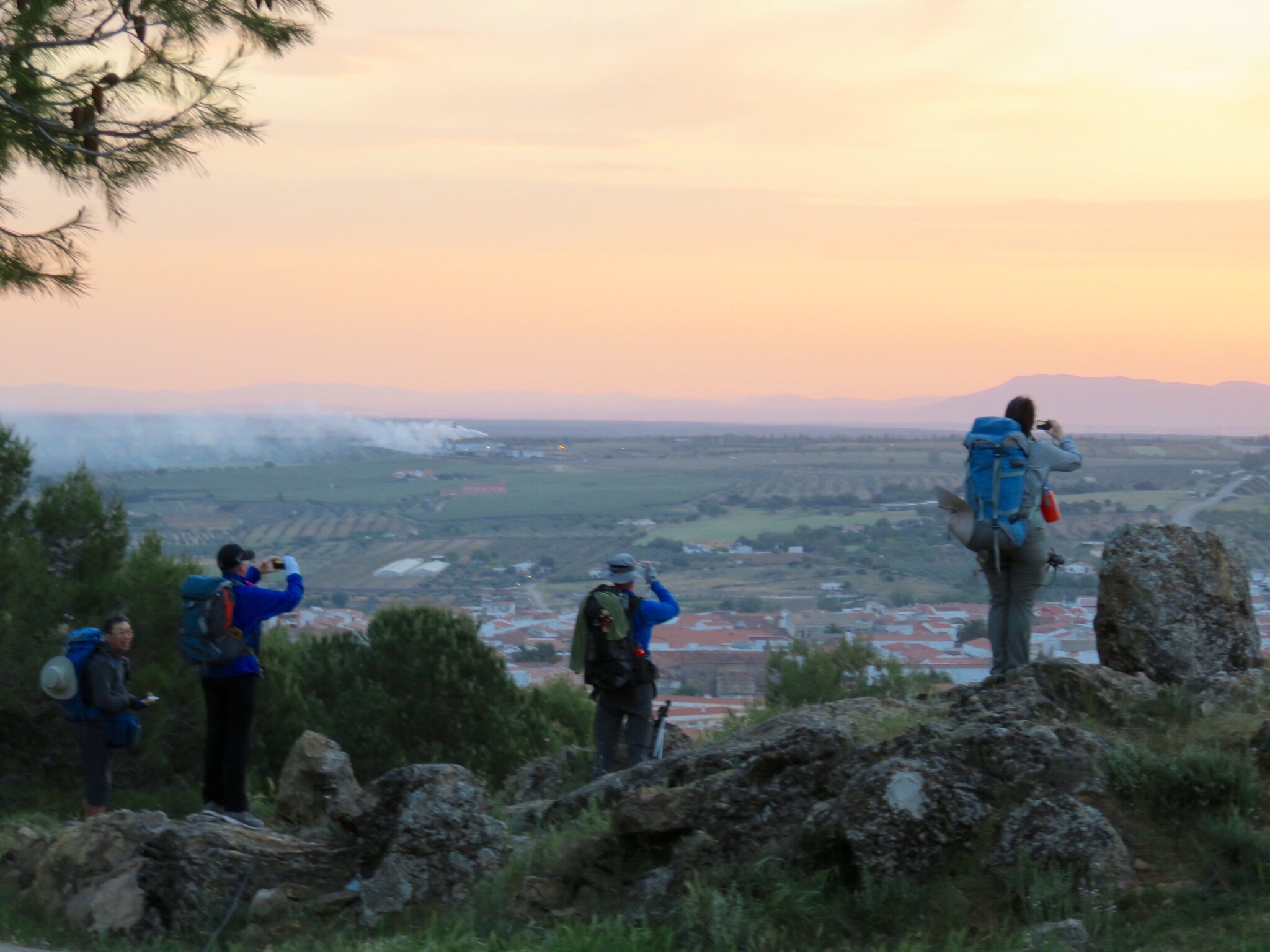
Apr 19 – Left Fuente de Cantos by 7am.  The early morning is the most beautiful time.  

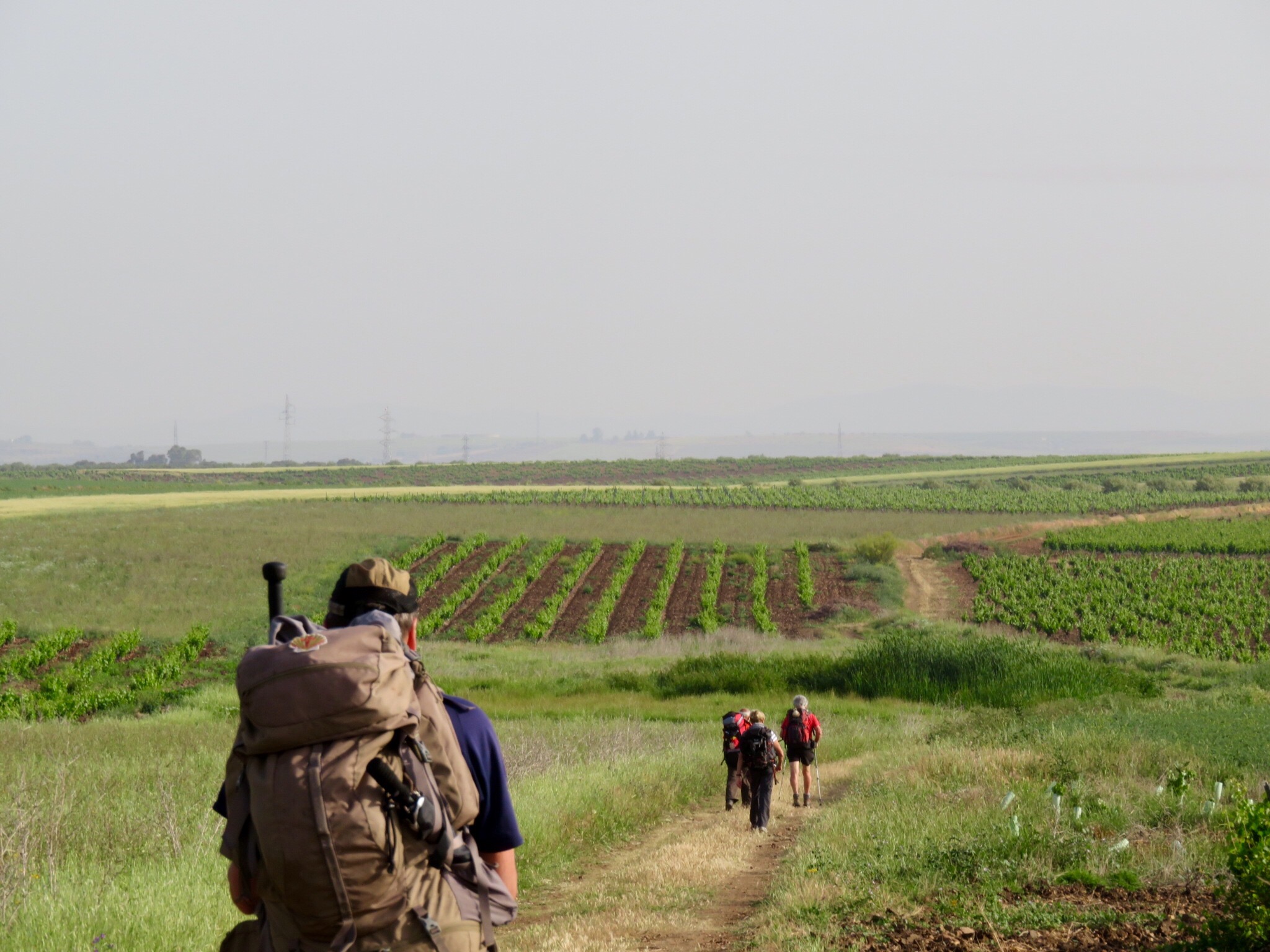
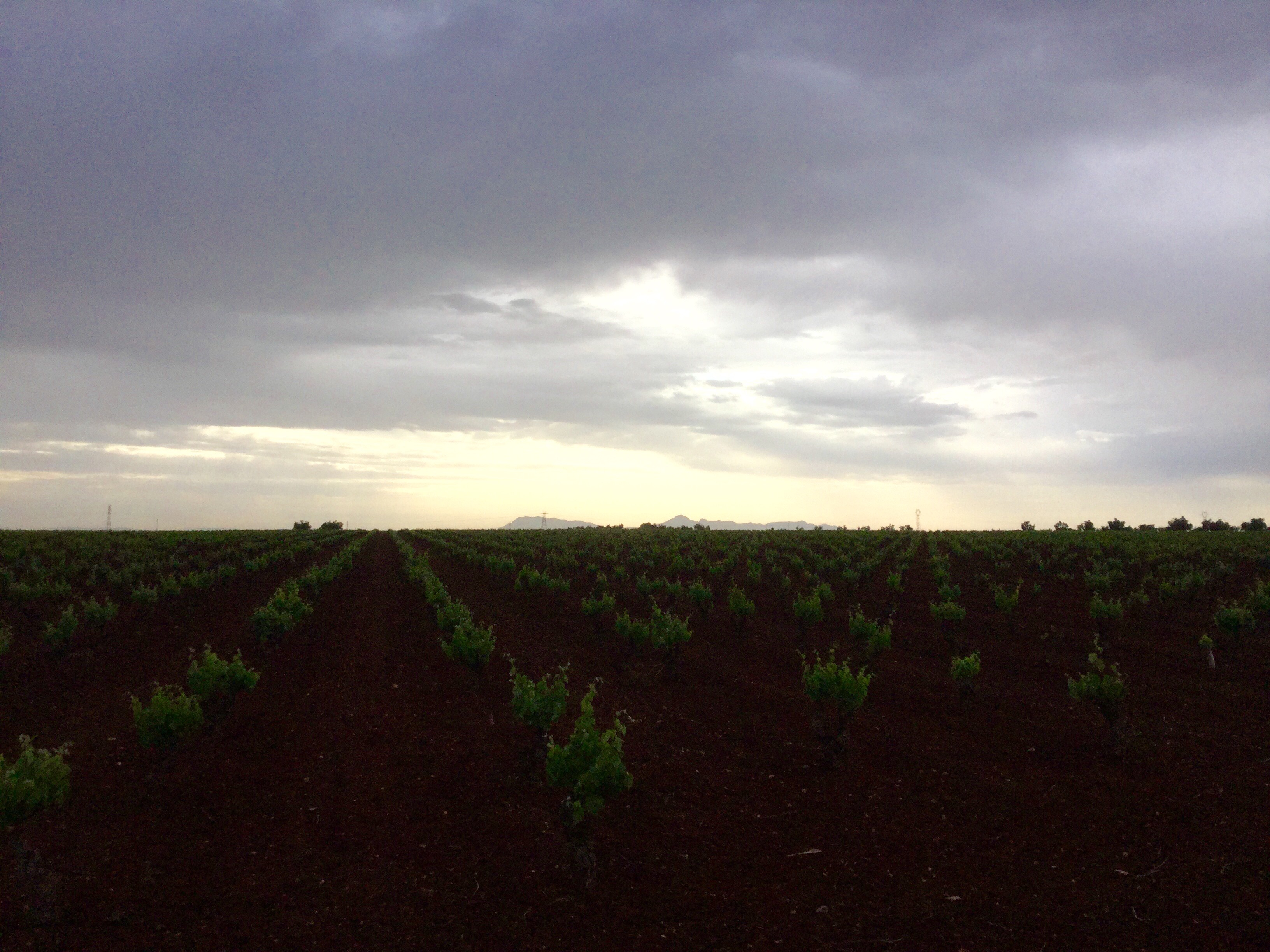
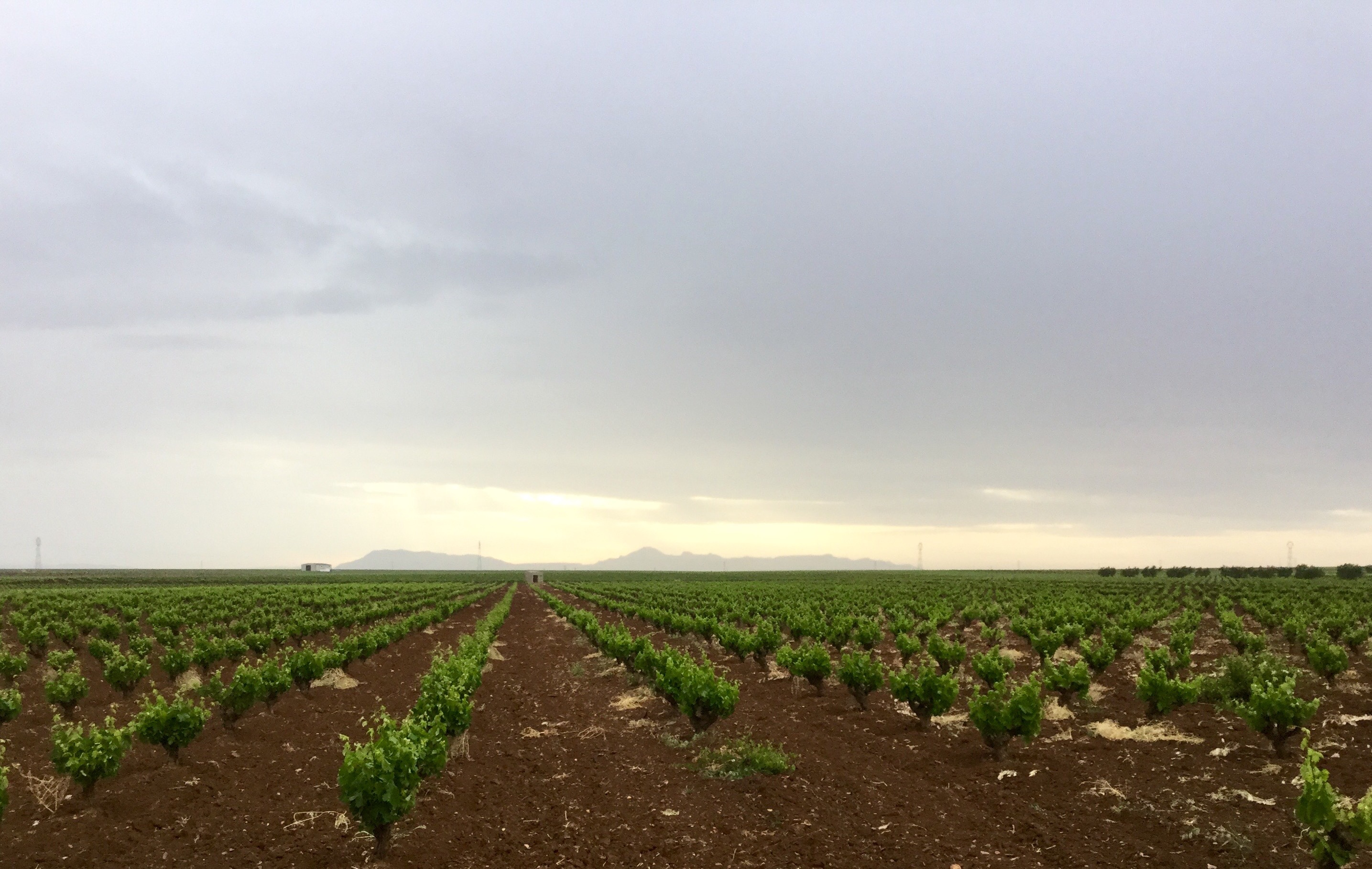
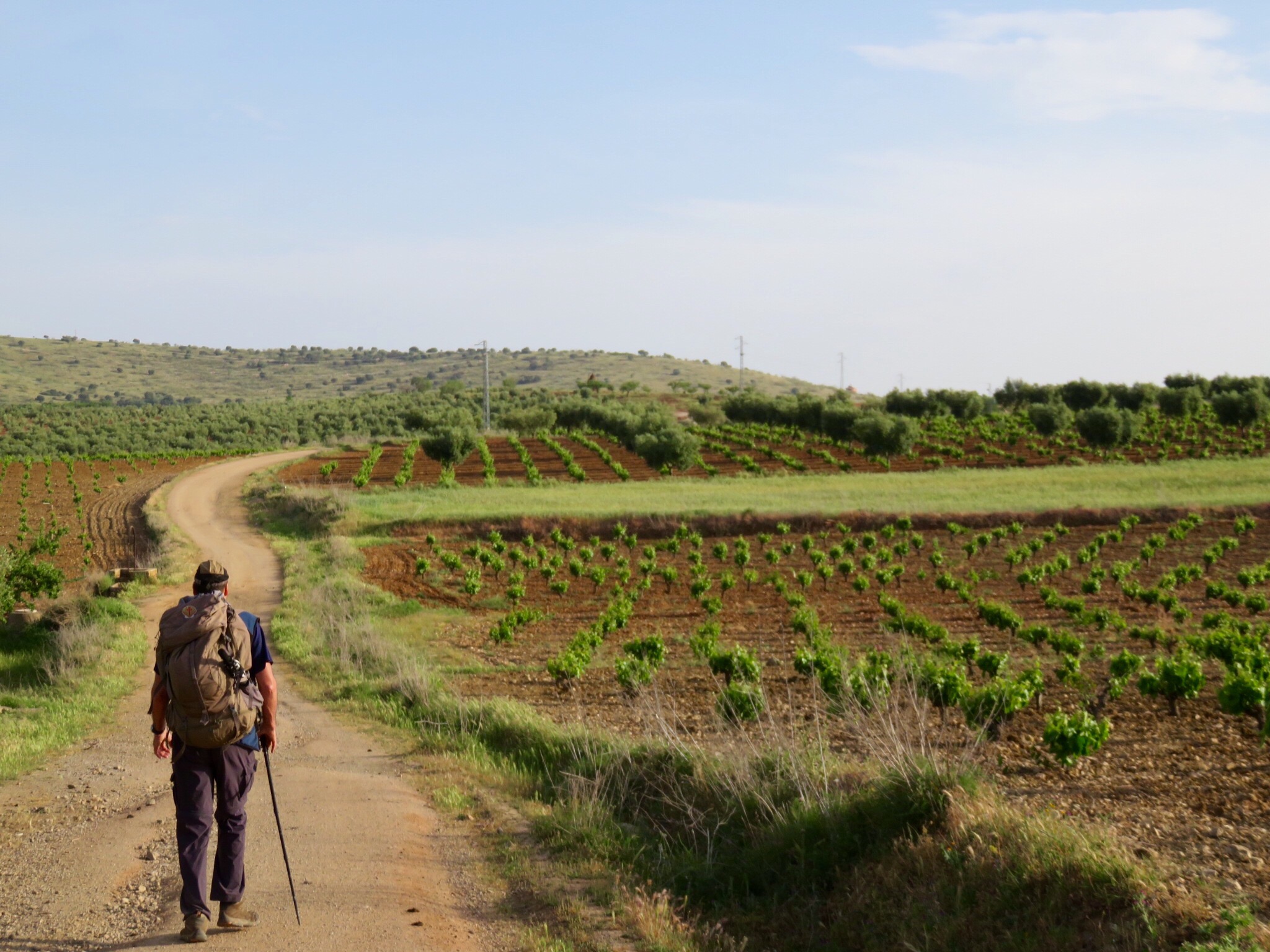
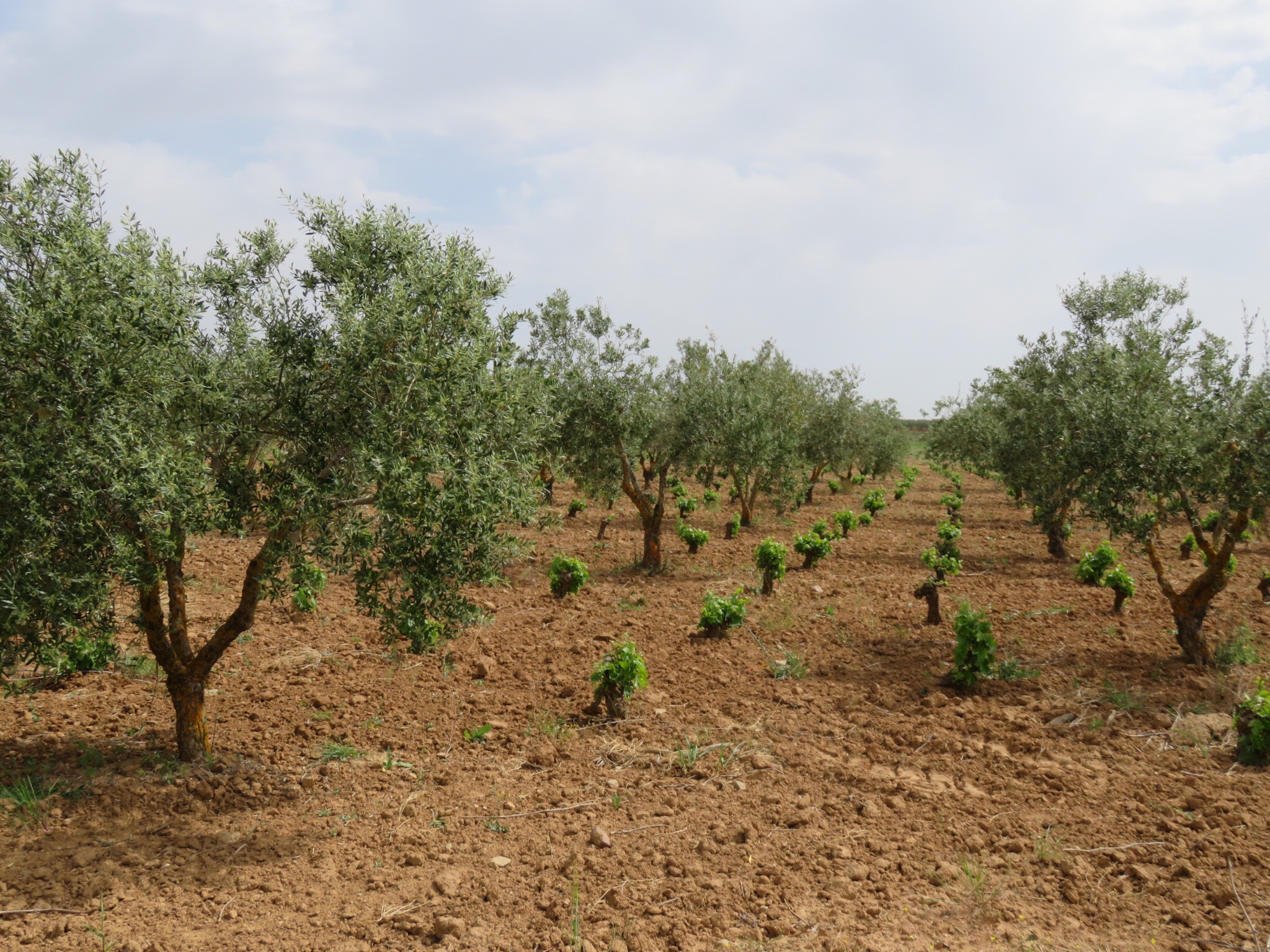
14 miles to walk today, over more farmers fields.  Saw newly planted grape vines, and one field that was planted with both grapes and mature olive trees.  Wonder how that will work out?  Grapes need lots of sun, and usually aren’t planted near anything that casts a shadow.

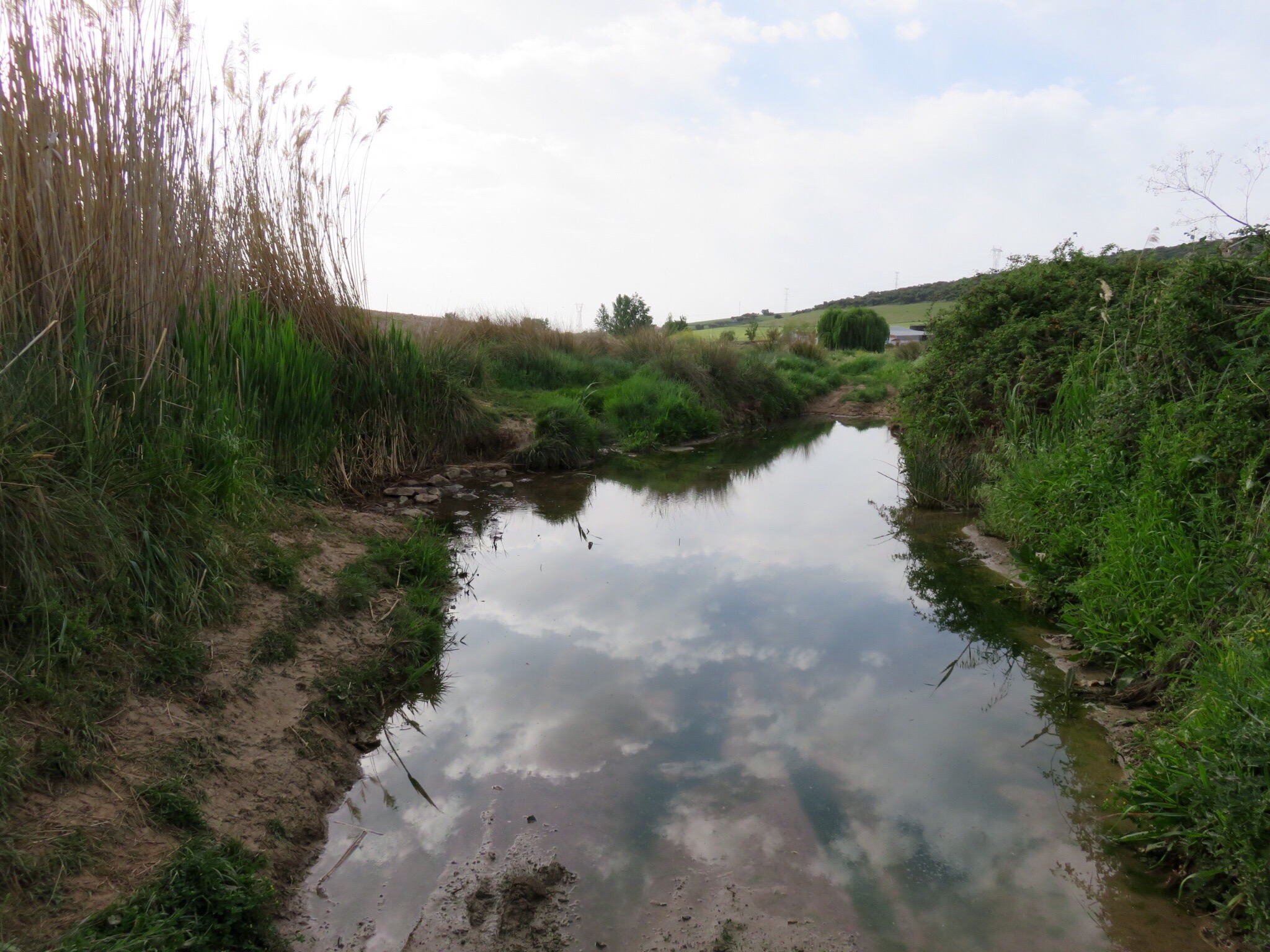
Water hazard!  Yes, I did skip trippingly across the stones to the left, and avoided getting my boots wet.

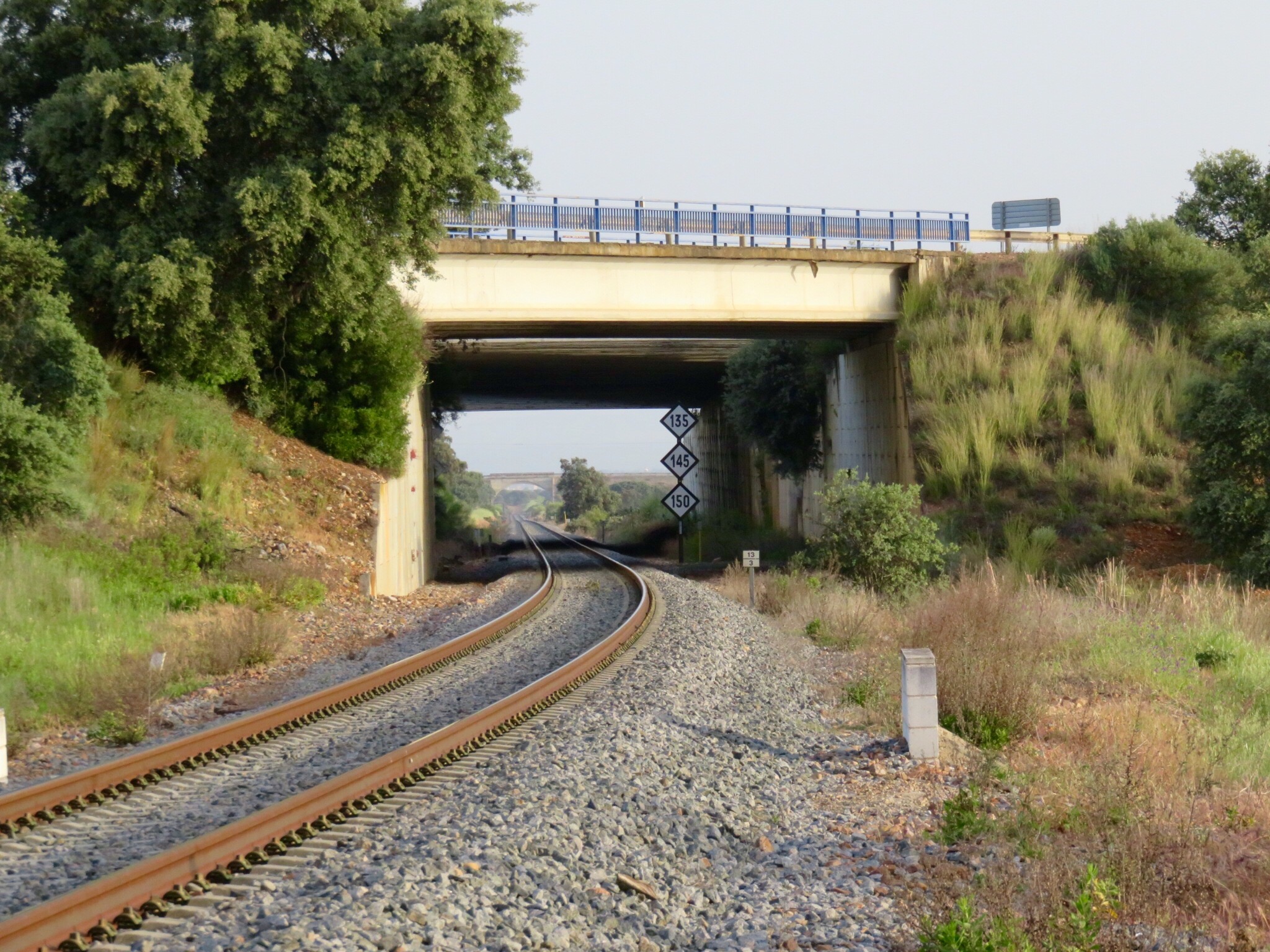
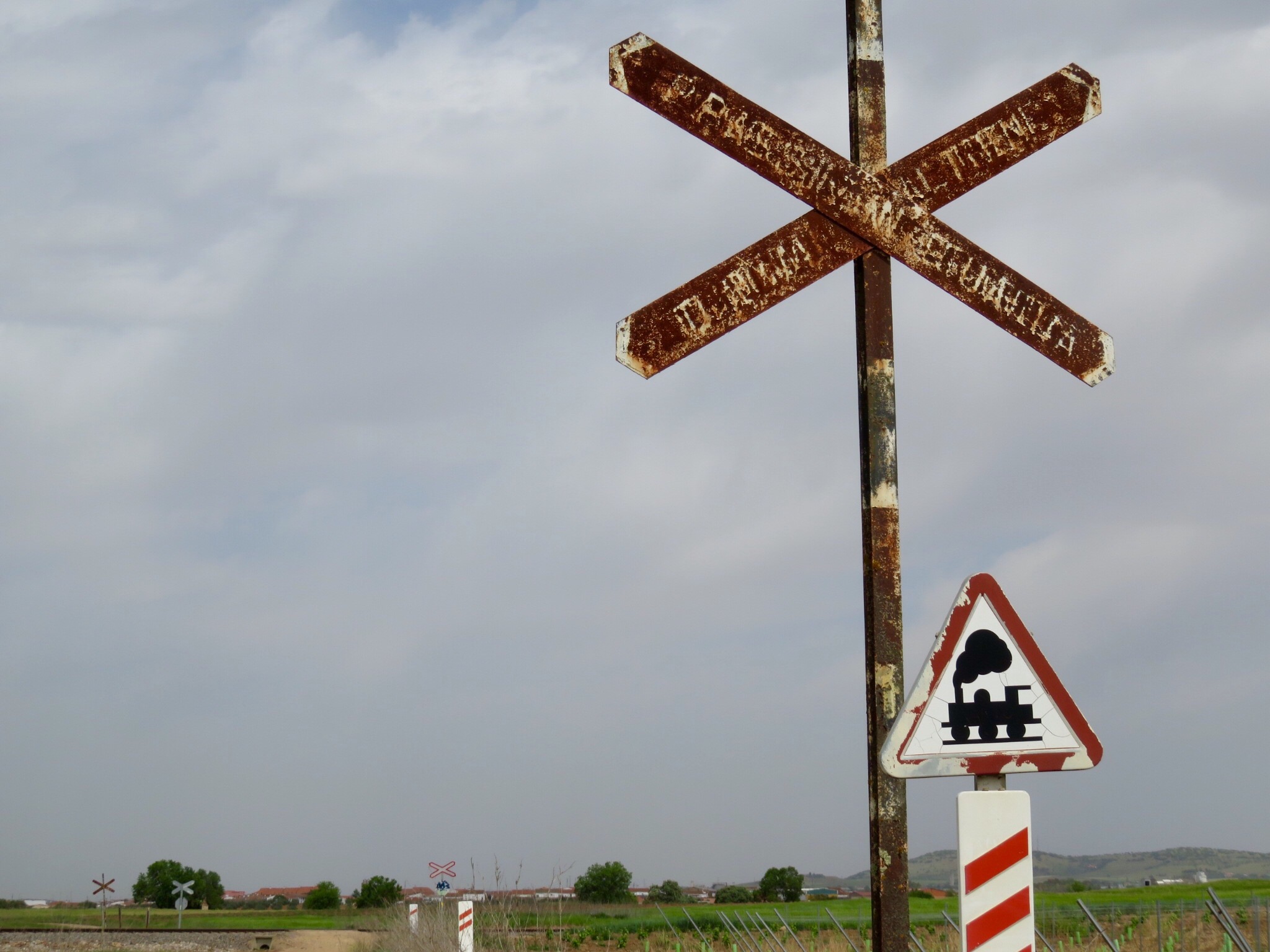
We were passed today by all four of the Brits we met at the hostal last night, plus two Spaniards.  As we approached town, we walked over a railroad track.  I liked the sign.

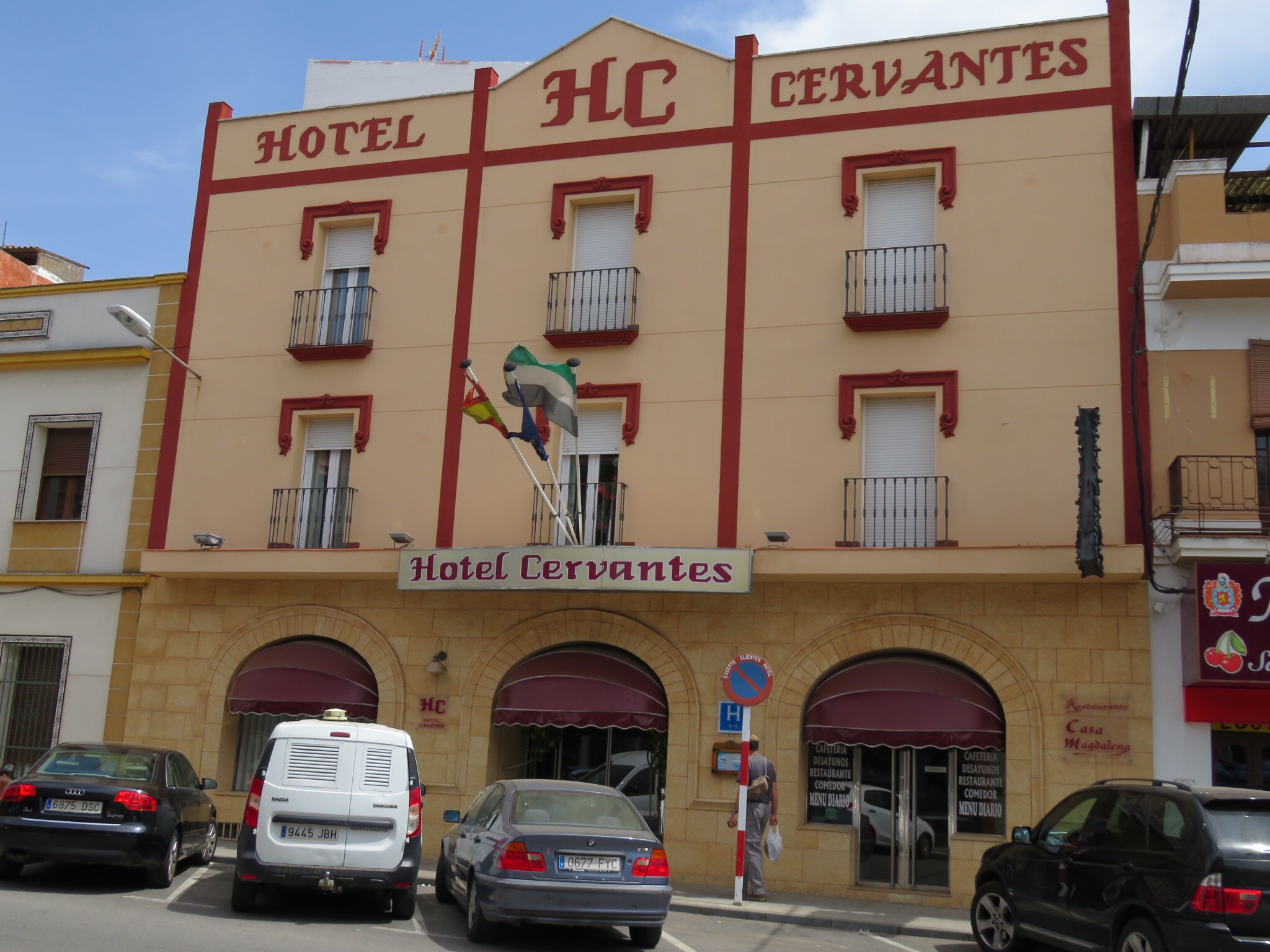
So now we are in our nice hotel, with private bath, waiting for the restaurant to open at 8pm.  529 miles to go.

El Real de la Jara to Monesterio

Apr 16 – Happy Easter, Happy Resurrection Sunday or Happy Fiesta de Judas to you! In Andalusia, an effigy of Judas is hung on Good Friday, then it is taken down, beaten, burned, exploded with firecrackers or otherwise held accountable for turning Jesus in, on Sunday.  That’ll teach him.

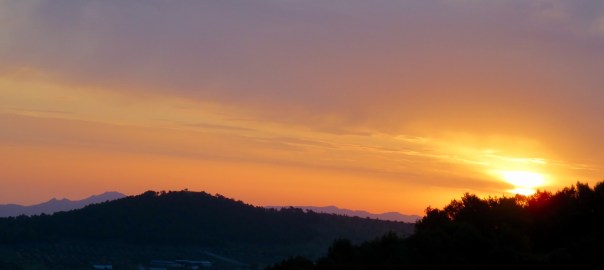
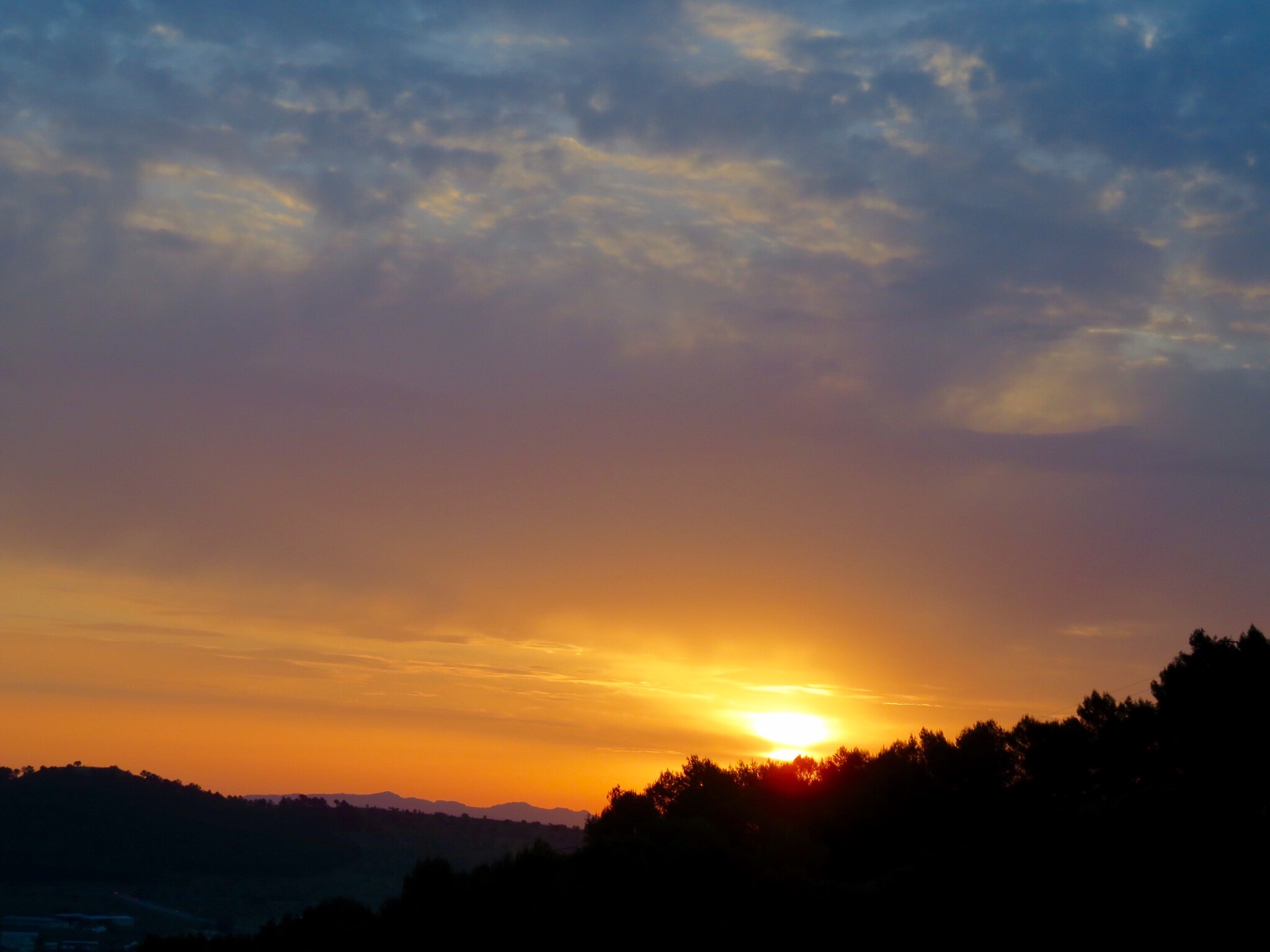
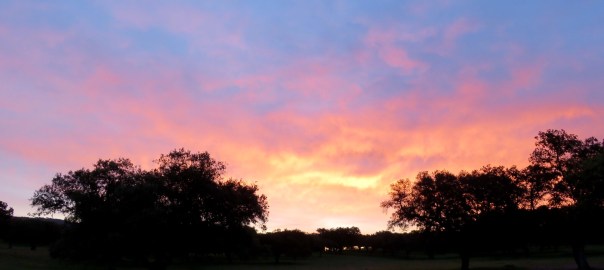
Today we have a 12.5 mile walk.  All the stores and bars are closed for the fiesta, so there is no sense even thinking about a hot breakfast or coffee.  We ate the yogurt and oranges Jim had the prescience to purchase yesterday, and hit the road at 7am.  We took a moment to appreciate the Easter sunrise, pictured above.

Our walk took us out of the province of Andalusia, and into Extremadura.  Sounds pretty extreme!

We met an older German hiker today, who proudly showed us his Garmin satellite tracker.  He always knows right where he is, how much farther he has to go, and exactly where he is going to stay. He prebooked all his rooms for the whole trip, which means he cannot deviate from his plan.  Very German.  We also met a Frenchman who saunters into town, has a drink, and asks for a recommendation of where to stay.  He looked like the happier of the two.

So now we are in Monesterio, in a very nice room.  It is still Easter Day, and no restaurants are open, even the ones that cater to hikers and pilgrims.  Jim found a very small grocery, and bought us an overpriced can of meatballs.  Yes, we ate it cold, out of the can. Yes, it was every bit as Alpo-like as you are thinking.  Yes, I will be happy when the fiesta is over tomorrow!  556 miles to go.

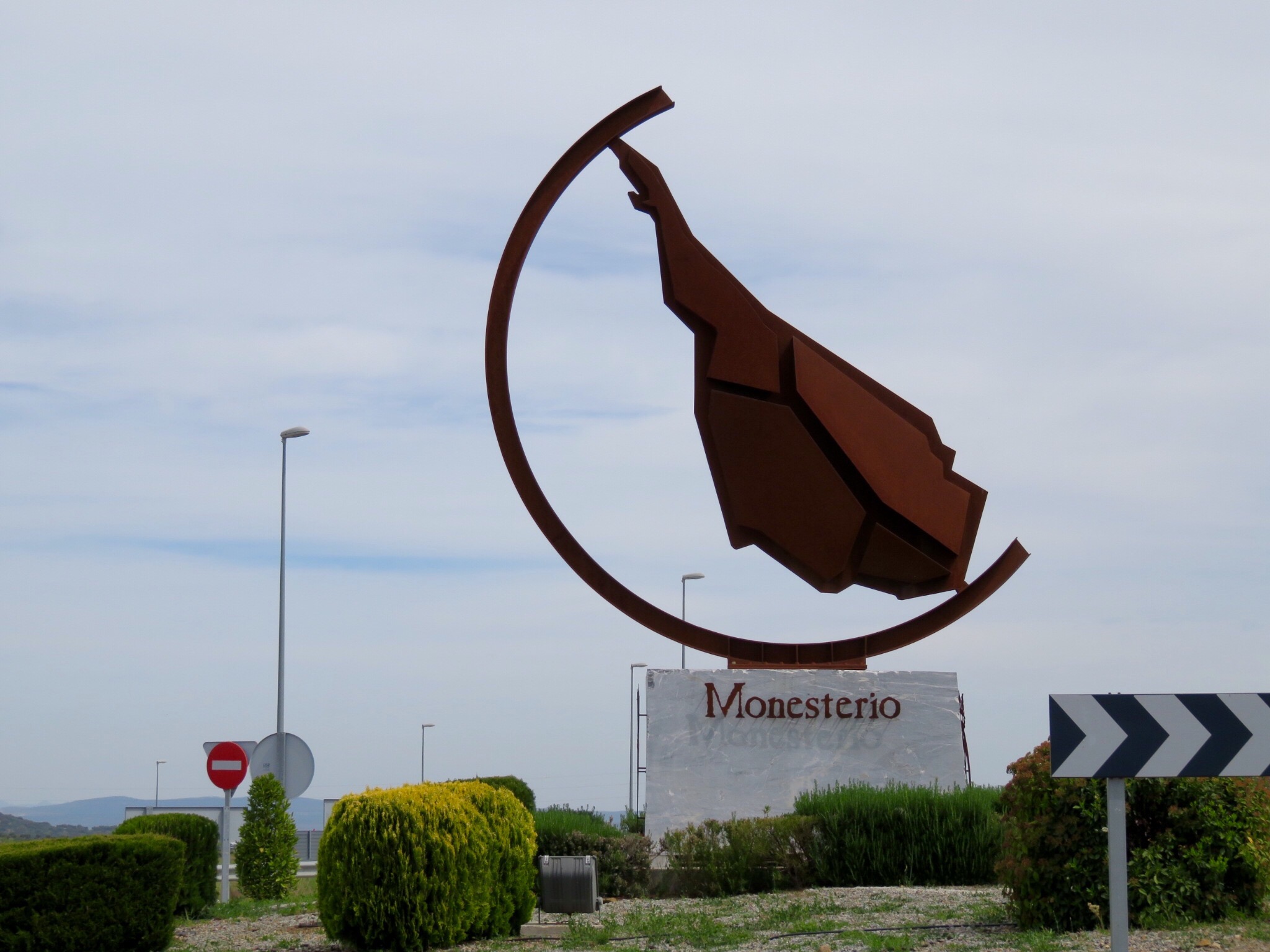
Apr 17 – We decided to spend a day here in Monesterio, as we need the grocery store to open so we can reprovision.  Monesterio is the Iberian Ham capital of Extremadura, and we also didn’t want to miss our chance to see the Museo del Jamón. The sign at the entrance to town shows how important ham is around here.

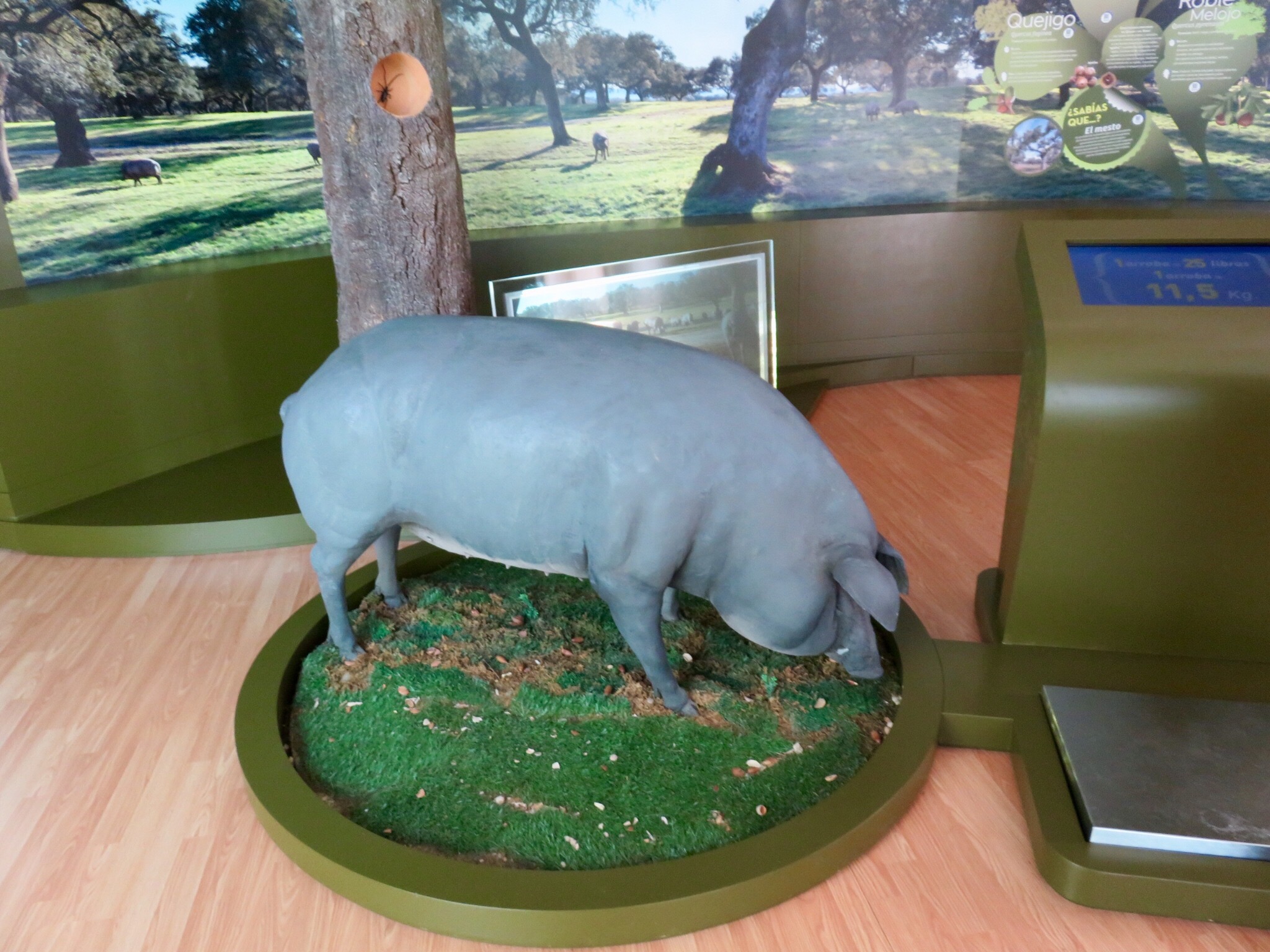
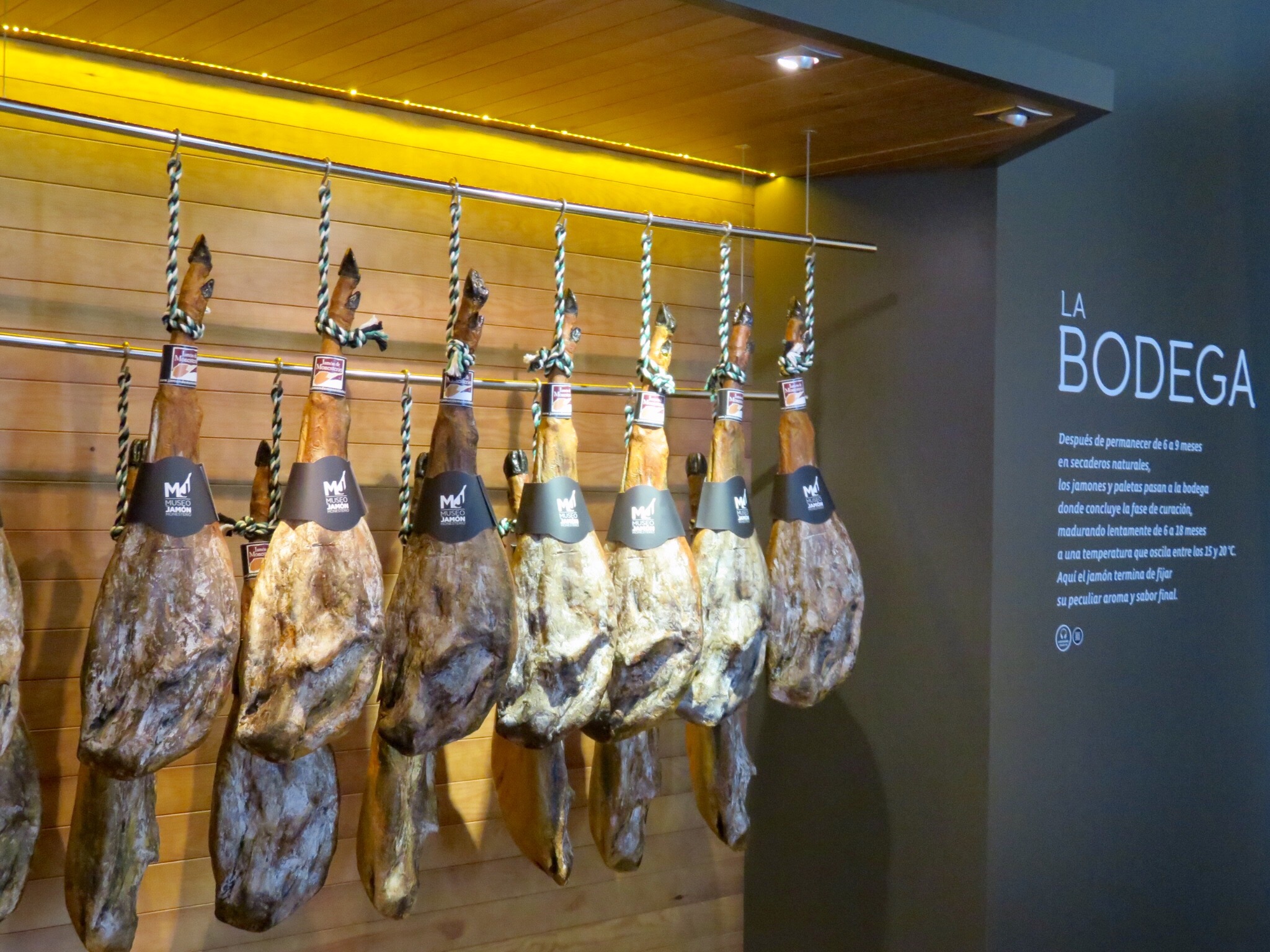
We arrived at the Museum bright and early, and were given a very comprehensive tour of the raising, slaughter and sausage manufacture of Iberian ham, which are produced by the black pigs we spent some time on the trail with the other day. 

Iberian ham is low in fat, high in protein and full of vitamins.  You should eat some every day.

Famous artists have creativity adorned many Iberian pigs, similar to the decoration of mermaids that we have in Norfolk.

This one is by the famous artist Eduardo Naranjo.

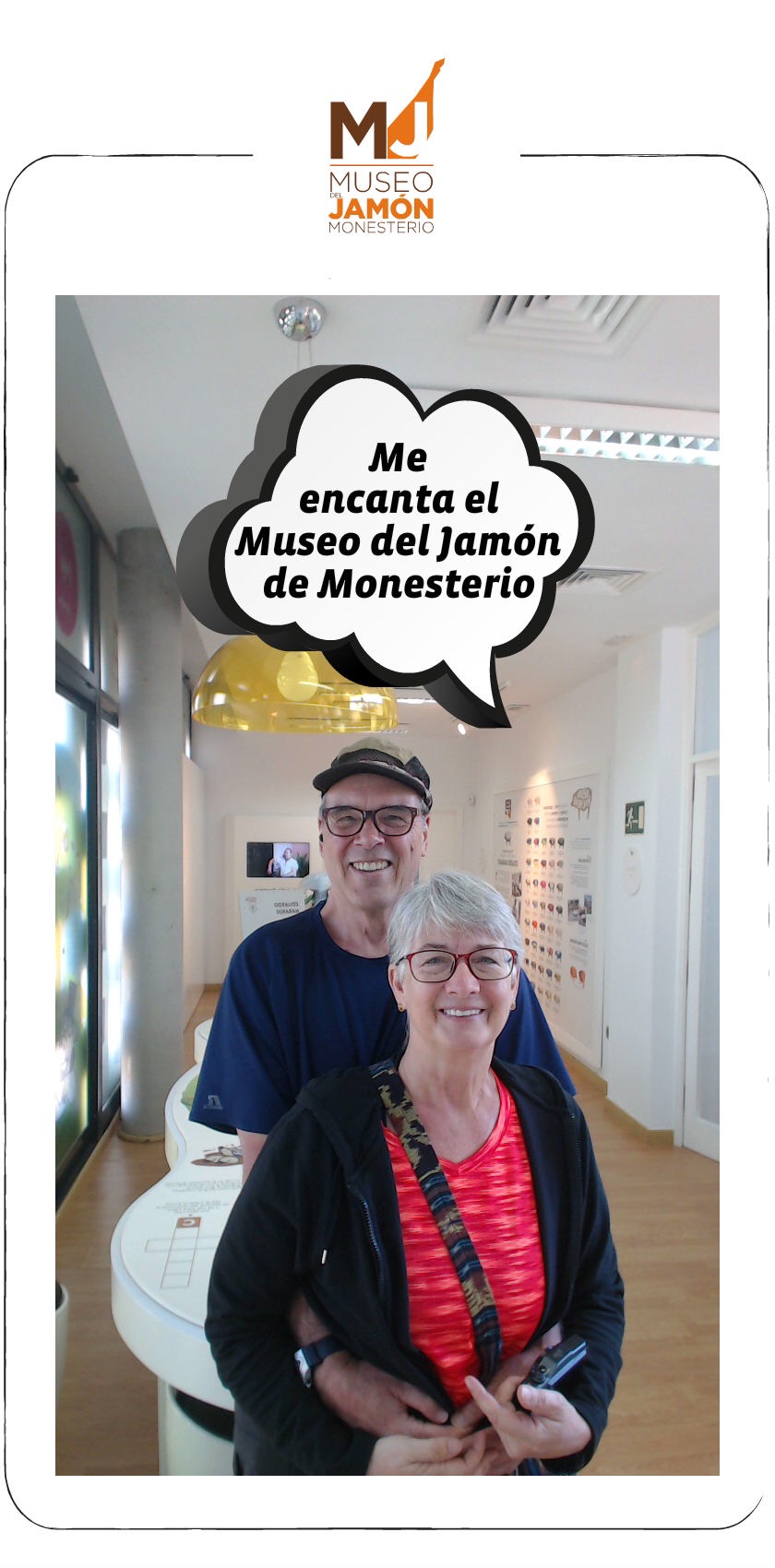
The tour concluded with the opportunity to take a captioned selfie.  Here is ours!

Almadén to El Real de la Jara

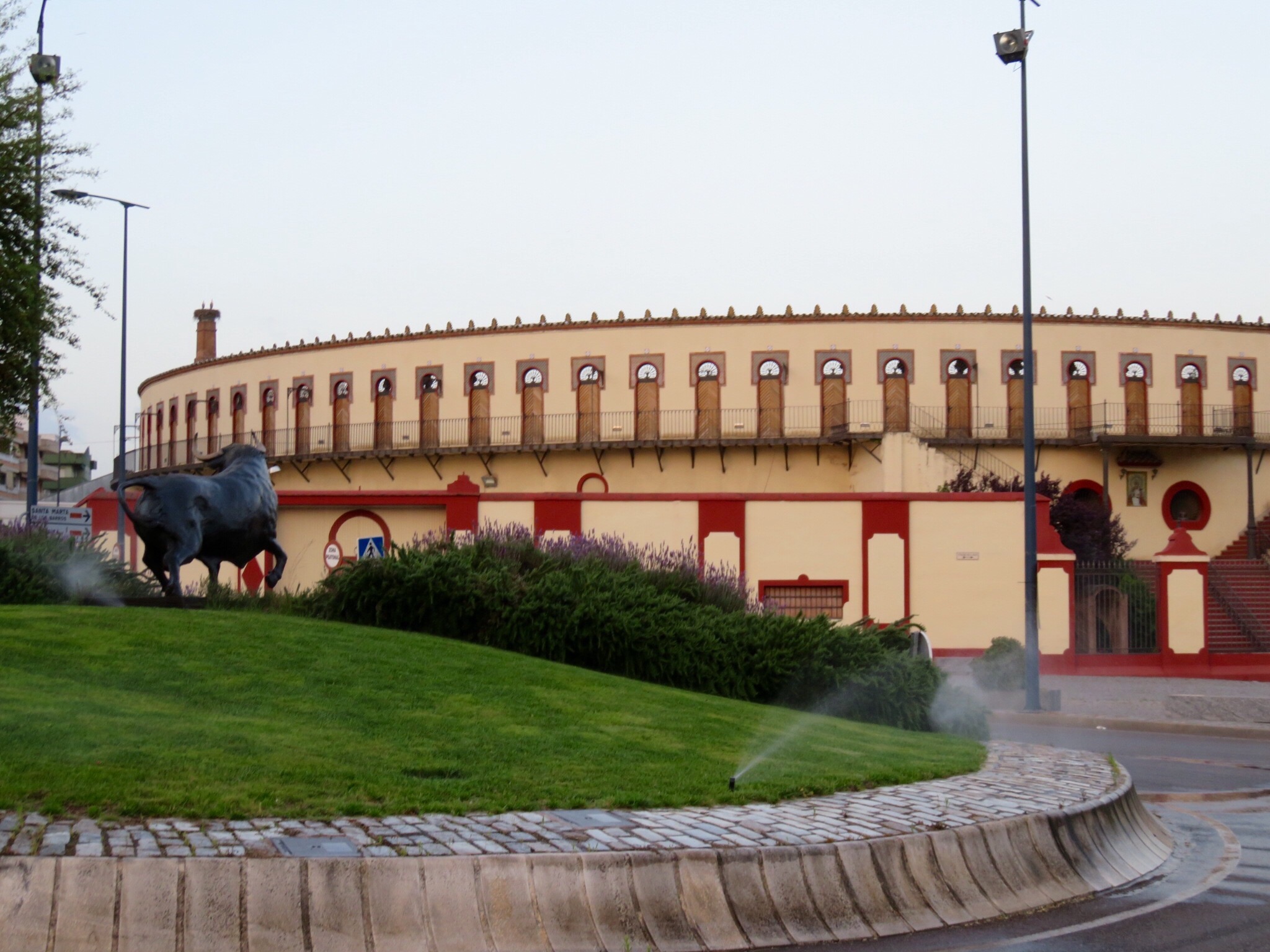
Apr 15 – Today’s walk is only 9 miles, and the morning is cool and clear.  Leaving Almadén, we see the bullfighting ring.

Today’s trail is brought to you by Parque Natural Sierra Norte.  

We are walking through farmers fields, opening and closing many gates as we go.  We walk through LOTS of free range pigs.  If you make noise, they will get out of your way.

We also saw some spring lambs, and a lake.


Some goats:

And a pretty big hill.  I had to shift down into first gear to get up the hill, taking little steps. The view from the top was lovely.

We passed an old castle that had seen better days.

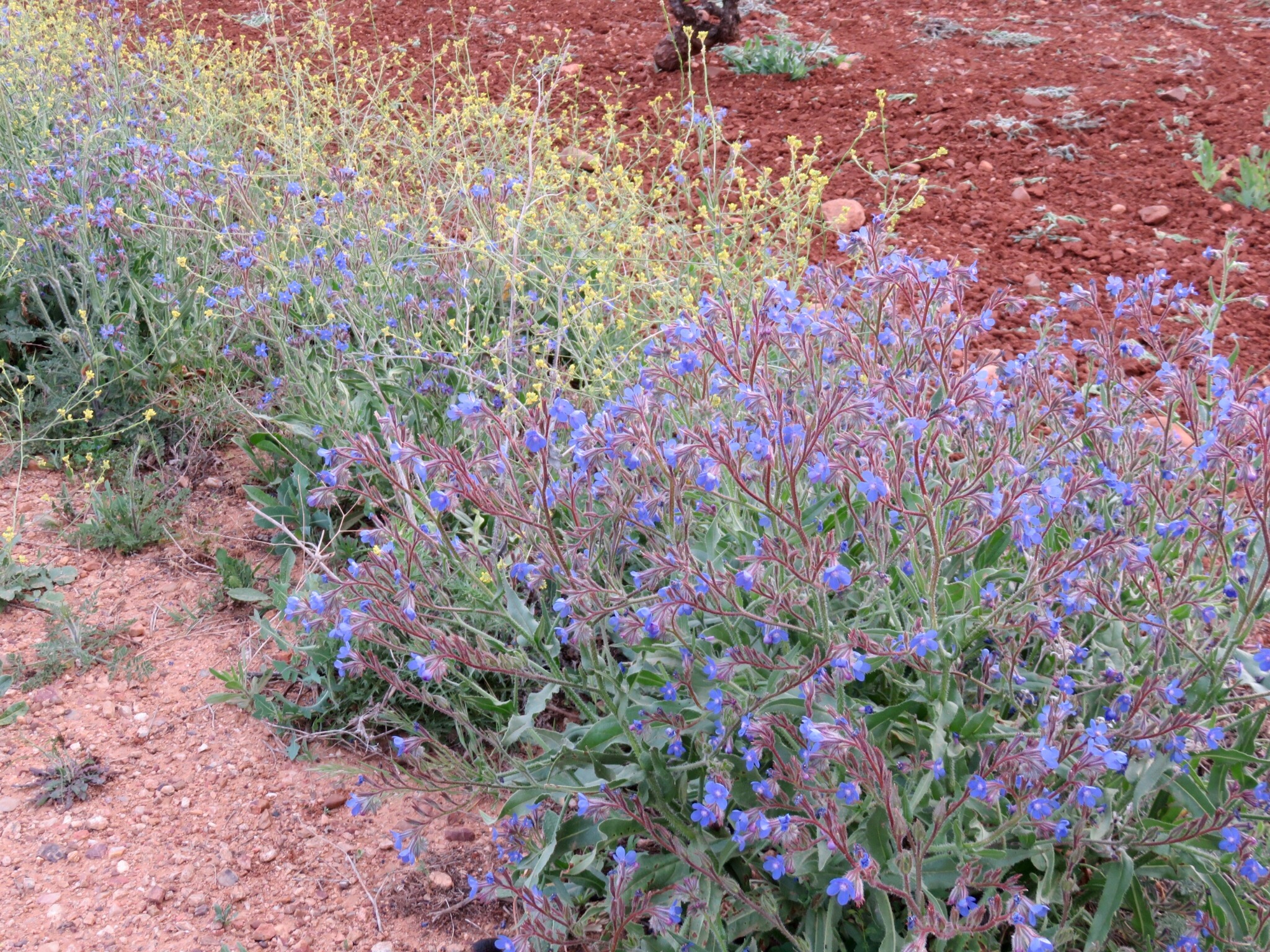
We were passed by seven bicyclists, including one from the Netherlands who stopped to chat, and we passed two women from Argentina.  Then we saw El Real de la Jara, which might mean the Royal Rockrose, or might mean the Real Fuzz.  Google Translate makes me laugh.  We asked our waitress at dinner, and she said it meant the Reality of the Rockrose, and that the rock rose is a flower.  Jim asked if it was a pretty flower, and she replied, “not particularly.”  She showed us a photo, and I realized I had taken several of them, including the pic at the top of the hill today.  I think it’s a very pretty flower.

This town boasts a real castle on the hill, so after dropping our packs at our room, we went to check it out.

The castle is of unknown origin, probably built in the 14th century to keep out those pesky Portuguese.  From the ramparts, you can see another castle! The white road (old Roman road) is part of the trail we’ll be walking tomorrow. 569 miles to go.
Castilblanco to Almadén de la Plata

Apr 14 – Woke up early this morning with the conviction that we must move on.  The morning was cool and misty, which we took as a good sign.  Without any buses scheduled today, Jim said we would walk, and put out our thumbs and hope for a ride to get us at least part of the 18 miles (28km) to the next town.  No trails today – the entire hike is along the side of the asphalt road. Surely on this holy fiesta day, one good hearted person would stop for two old Peregrinos?

On the edge of town there was a bar open for business, so we stopped for some coffee (café con leche) and toast with butter and ham.  I looked at the other patrons of the bar – all older men, some drinking coffee, and others drinking whiskey or brandy at 9am.  I asked Jim if he thought it would be a good idea to ask if anyone was traveling north to Almadén, but he replied that this was not usually a fruitful strategy.  Better to show we were willing to walk, but would appreciate a ride.

So we hiked down the roadway through the grey and misty morning.  It was a very quiet road, but twelve cars passed us by, with our smiles on and our thumbs out.  Most waved left or right to indicate that they were turning soon, so therefore could not pick us up. Some made no eye contact.  Three bicyclists passed us as well.  

At about the four mile mark, after a long stretch of no farms and absolutely no traffic, a car going in the opposite direction stopped and the driver rolled his window down, asking if we wanted to hire his taxi to take us to Almadén for 30 euro.  The price seemed a little high (we had already discussed offering 20 euro to anyone willing to drive us all the way), but I remembered the joke about the drowning man who passes up three offers of help, saying God will provide, then asks St. Peter at the Pearly Gates why God didn’t save him.  “God sent you a raft, a boat and a helicopter – you have to meet Her halfway!”  We got in.

So now we are in Almadén de la Plata, named for an old silver mine, where it is still a fiesta day, and no stores are open.  The taxi dropped us off at the municipal alburgue, whiched looked clean with a large room full of bunk beds, but communal sleeping is always our last choice.  Although Booking.com said there were no rooms available at the hostals in town, it is not yet noon and we have nothing to lose by trying our luck.  At Casa de Concha, the door was open and a lady was cleaning the restaurant. We got a private ensuite room without any trouble, for only a bit more than we would have paid at the alburgue.

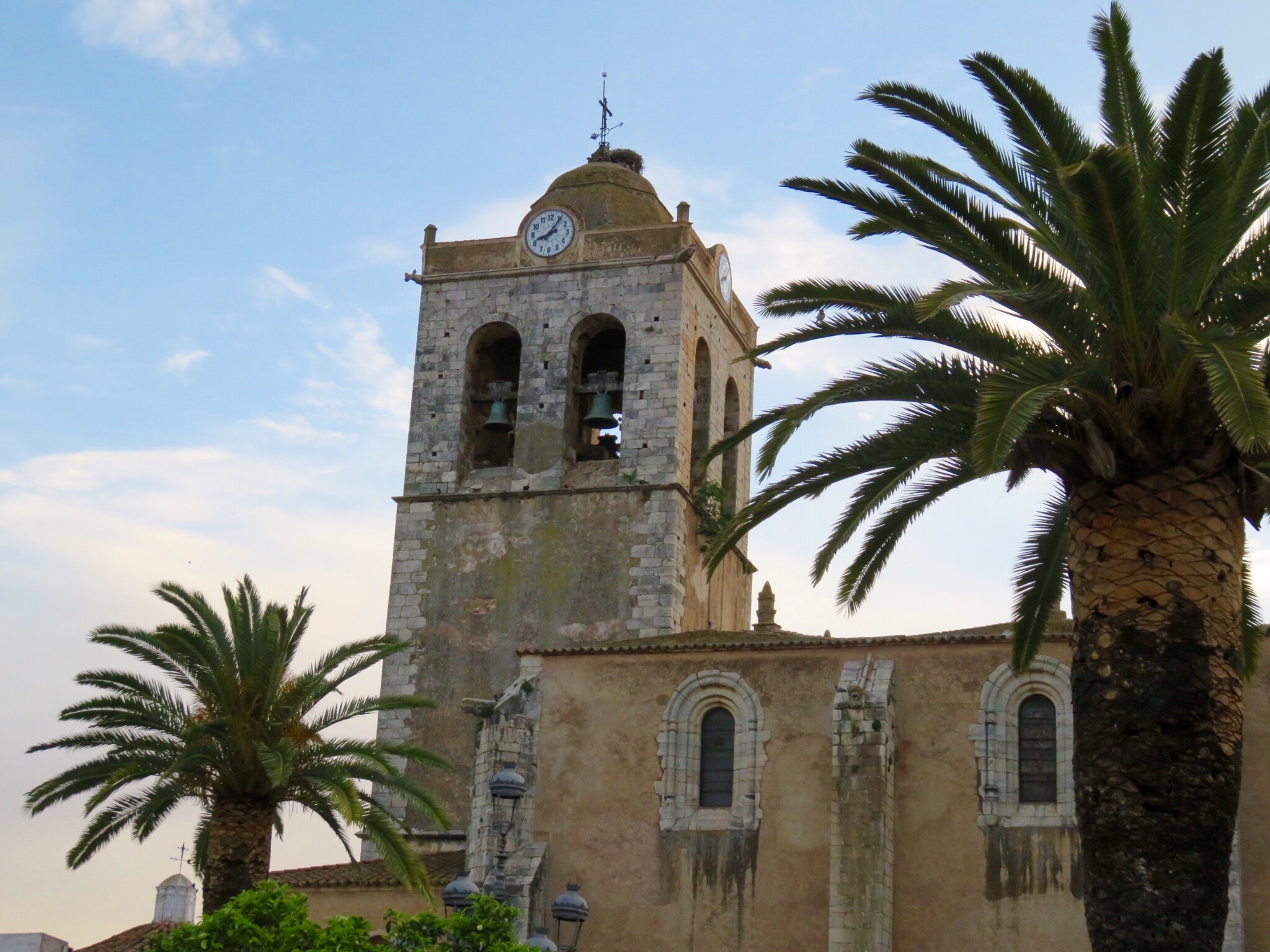
We walked through the quiet town, and saw the church with the usual complement of stork nests on the roof.  Storks are considered to bring good luck (as well as new babies) and their nests are encouraged throughout Spain.  Have you ever heard the call of a stork?  Not at all musical – like the sound of a stick being dragged across a washboard.  

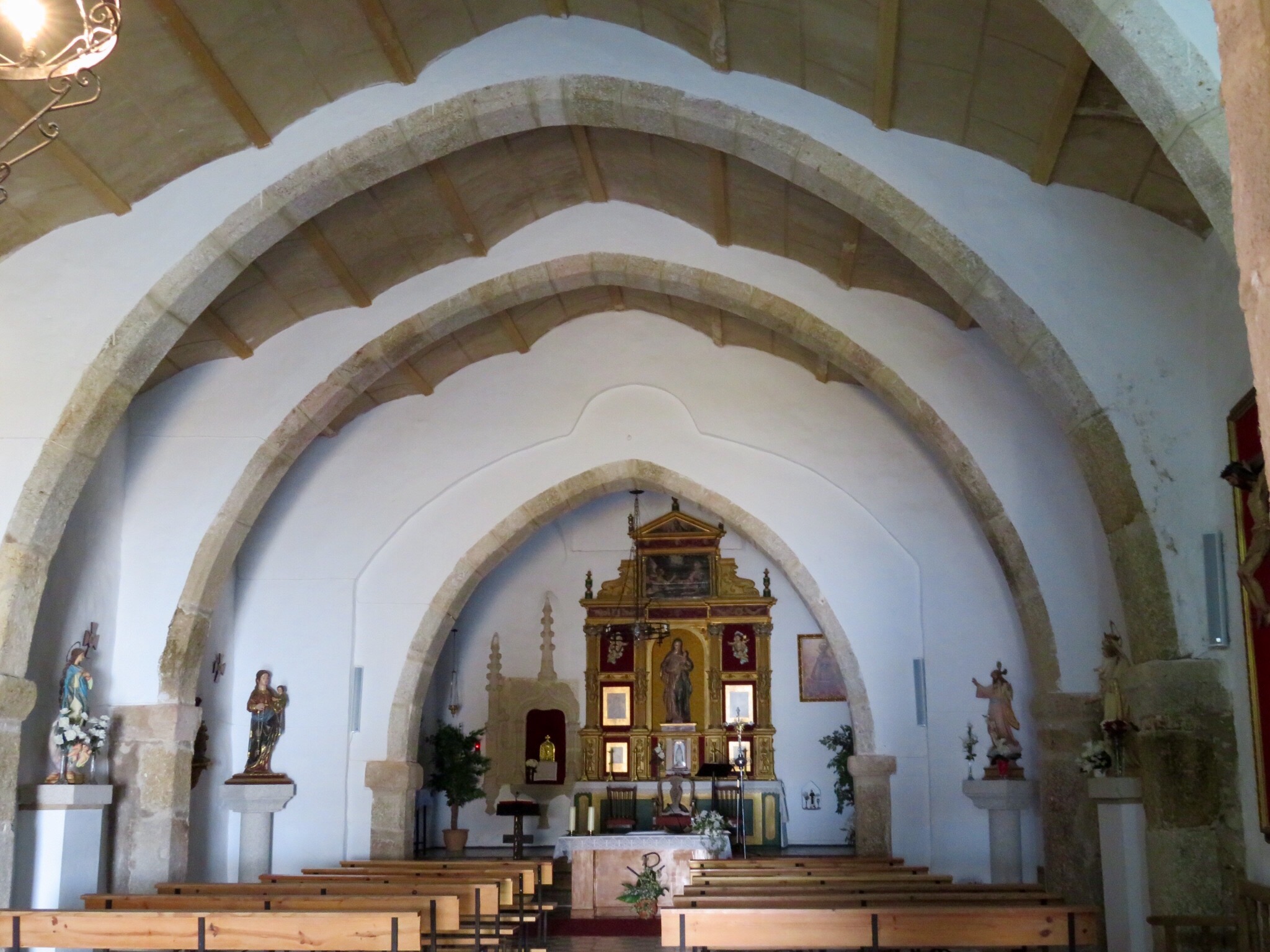
We peeked into the church, expecting to find another bunch of silver- bedecked pasos, but instead found…women praying!  A group of ten or so, doing their rosaries aloud.  First time this trip we’ve found anyone actually doing what people do when it’s not Holy Week!  A refreshing change of pace – we sat and listened to the soothing drone of their voices blending together.

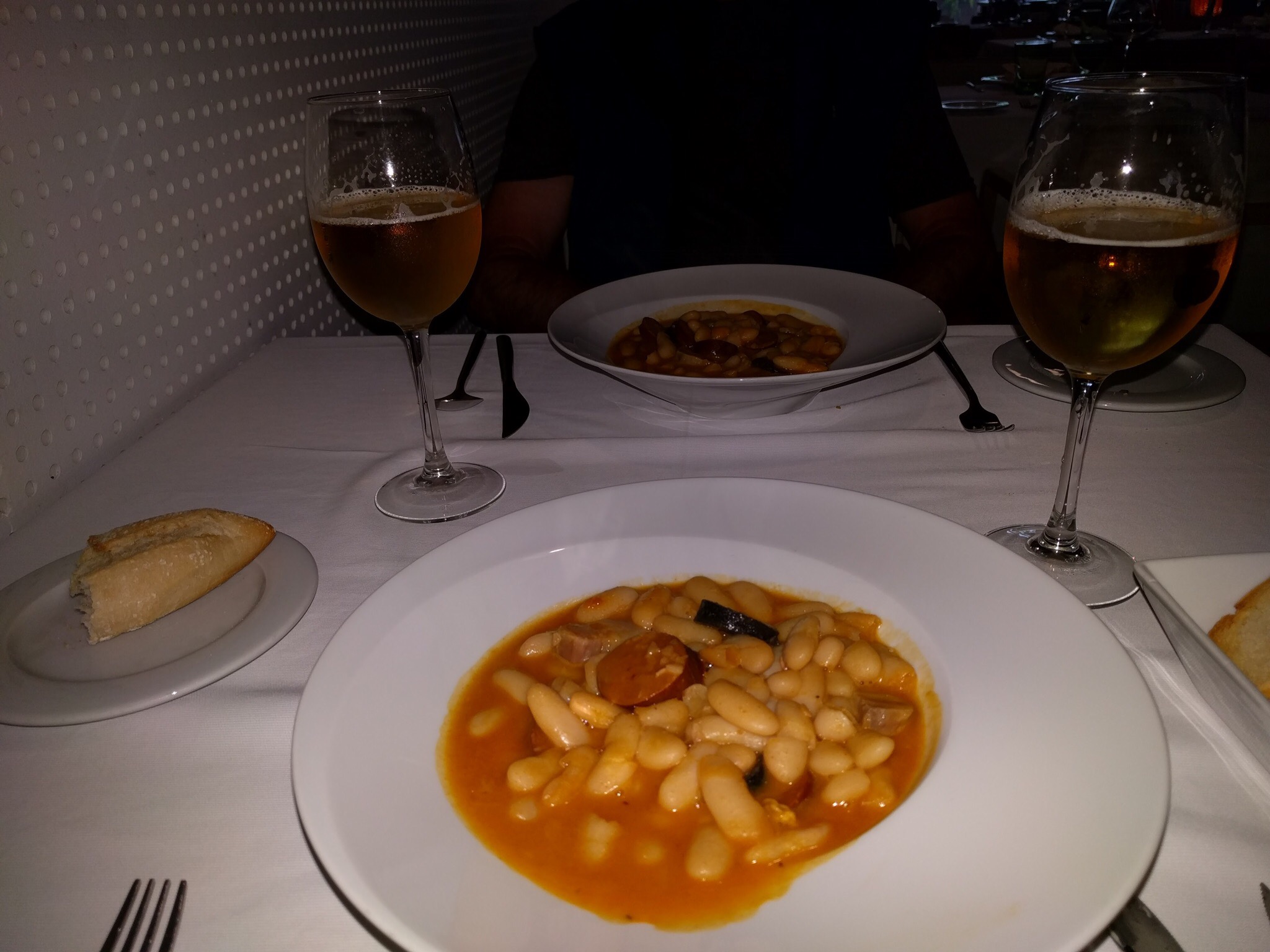
Our midday main meal consisted of pasta in tomato and cheese sauce, short ribs in brown gravy, and the ubiquitous fried potatoes.  So good! So much! So full!  I may never eat again.On tv, the Semana Santa parades from Sevilla continued all day long.  From time to time, a float would stop under a balcony, and a woman would sing out something akin to the Muslim call to prayer – definitely not melodic, but long and sort of screechy.  I don’t know if I’m ever going to figure these customs out!  Here’s another – Sunday is not advertised here as Easter, but as the Fiesta of Judas. Go figure!  578 miles to go.
Guillena to Castilblanco de los Arroyos

Apr 12 – Having walked 13 miles yesterday, I figured that today’s 12 mile trek would be a snap.  It is another beautiful day, cool enough in the early morning for a sweatshirt.  We walked confidently out of Guillena, following our yellow arrows.  Just out of town, we saw a pond, with trees reflected perfectly in its calm surface.

After a bit of highway walking, we found the trail, which looked like it might provide more shade than yesterday.  

Once again, plenty of spring wildflowers in bloom.

We passed a castle in a farmer’s field.

We saw a local family out for a walk, and were passed by a singing cyclist, but otherwise we had the day to ourselves.  Except for some burros.

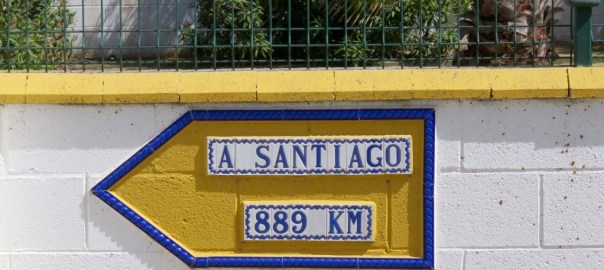
As we approached our destination, we encountered a sign meant to encourage us.  Of the original 1000 km trek, only 927 left to go!

Unfortunately, as the afternoon heated up, my pace slowed down and we made it to town about two hours later than planned.  When I removed my socks, we surveyed the bloody damage to one of the toes on my right foot.  Jim proclaimed tomorrow a rest day.  Hallelujah!

Apr 13 – I am very much enjoying my rest day.  This is a nice little town, very clean and friendly. We walked down the street to a bar for coffee, and over to a bakery for some bread and ham for breakfast.  Looking at the map of our next segment, it will require an 18 mile walk along a roadway, with no towns in between. After my poor performance yesterday, Jim doesn’t think I’m ready for that (and I agree!), so he suggested we look for a bus to take us at least part of the way.  We asked around and found the central square and a man with information about buses.  There are several buses that go back to Sevilla, but only one that goes north, and it runs only once a day in the late afternoon.  “What time tomorrow?”, we asked in blissful ignorance.  “¿Mañana!?  No! Es impossible!”  Turns out that tomorrow, Good Friday, is the biggest fiesta of the whole year.  No buses run tomorrow!  Crap.

We had our main meal at lunchtime (ham soup with hard boiled eggs in it, and chicken with couscous).  We walked around in the afternoon and waited until after siesta time (2 – 6pm) for the stores to reopen so we could buy some supper, but it turns out that tonight the fiesta begins, and the supermarket and all the shops are closed.  Thanks to our experience last Sunday in Sevilla, we knew what happens next.  We walked down the block to the church, and watched the men decking out the pasos with flowers.  We saw Jesus carrying his cross, dead Jesus in a glass coffin, and two sorrowful Marys.

Every man, woman and bambino was out in front of the church by 7pm.  Fewer penitents in pointy capriotes, but a very credible brass band and lots of swaggering costaleros ready to do their part in lifting the heavy floats.  We are told they each weigh about a ton.

This time we were able to see the pasos leaving the church door and being negotiated down the steps.  The townsfolk applauded when the men reached the street and turned them 90 degrees for its walk down the block.

It took about half an hour to move each of the pasos down the street. We didn’t stay to the conclusion of the festivities, so I can’t tell you how it all turned out.  The music, drums and tolling of the church bells continued until well after midnight.  I wonder what tomorrow will bring?

Sevilla to Guillena

Apr 11 – This morning we left our little home in Triana, following the yellow arrows out of Sevilla, to start our 621 mile walk to Campostela de Santiago.  If we make it (operative word is IF), this will be our longest Camino so far.  Today’s segment is 13.7 miles.
The Camino starts at the door of the Catedral, and proceeds north for a really long time. 

After this sign in the sidewalk, the trail is marked by yellow arrows, spray painted on utility poles and trees.

This Camino is less popular than the Camino Frances and the Camhiño Portugues, as it covers long stretches of featureless farmland, and is considered the most boring of the Caminos.  We shall see!

After leaving Sevilla, we found ourselves on a dirt road surrounded by wildflowers.

Horses were calmly grazing at the roadside.

By mid morning, Jim had befriended a young Brit named Tom who was walking in the same direction to get the feel of a Camino walk.  He was only out for the day.  Together, they solved the political problems of the world as they strode along.  We also passed two old Frenchmen, and were passed by several bicycling couples.

By 15:00 we arrived in the little town of Guillena, and walked down the Main Street in search of the Hostal/ Bar Frances, which we had prebooked.  

Just to confuse you, I will explain that a hostal in Spain is a small hotel or bar with rooms above.  What we would call a hostel, as in a dormitory of people sharing facilities, is called an alburgue.  We try to stay in private rooms whenever possible, but in some towns the choice is limited to alburgues only.

After a restorative shower, we went downstairs for a hikers Menu al Dia, which is a three course meal for a set price.  These are very popular on the Camino, as hikers are very hungry people!  We had seafood paella, followed by fried calimari, and rice pudding for dessert.  Feeling fine now, and only 608 miles to go!

Sevilla – the Plaza de España

Apr 10 – For our last day in the city, we decided to walk across town to the Parque Maria Teresa and the Plaza de España. On our walk, we stopped in several churches that had their doors open on a Monday morning, and got to see more of the floats (pasos) from yesterday’s Semana Santa extravaganza.

We also spied some flamenco dresses on sale, if you are in the market ( I especially love those shoes!):

Parque Maria Teresa is the Central Park of the city, built originally for a 1929 Exposition.  It has fountains and birds, waterfalls, trellises, mosaic tiled benches and peaceful shade.

There are lots of ways to get around the park:

The Plaza España is a great big plaza, with lots of stuff for sale, boats to rent for a ride around the moat, and bubbles for the enjoyment of all.

On our way home, we passed palaces, the university, and other things we won’t get to experience on this go round.  All the more reason to return to Sevilla!

Posts will probably be sparser from here on – we’ll be on the road!

The Catedral de Sevilla

Apr 8 – the center of the Old City is the Catedral, which is the the third largest church in the world, and the largest Gothic cathedral in the world.  Completed in 1506, it is said that the builders declared, “Let us build a church so beautiful and so grand that those who see it finished will think we are mad“. It is way too large to capture in one photo.
Inside are the bones of Christopher Columbus (at least some of them).

The main altar is gloriously gilded:

As compared to the Altar de Plata, which shimmers in silver:

We climbed the Giraldo Tower, which predates the cathedral, as it was part of the mosque that previously stood on this site.  Instead of flights of steps, you climb the tower in a series of ramps.  It was built this way to make it easier to ascend on horseback.

The views of the city from the top were spectacular:

While we were up in the tower, one of the bells pealed the quarter hour.  I may recover my hearing someday!

The cathedral is flanked by a garden of orange trees.  I heard a tour guide tell his group that the water used to wash people’s feet in the cathedral drains out to water the orange trees. As we didn’t see any foot washing going on, I question this assertion.

For some reason, there is a stuffed crocodile hanging outside the garden.  I believe it was a gift.

There were many little chapels around the sides of the cathedral.  The Capilla de San Antonio held a baptismal font large enough to swim in, and a famous painting of the Vision of St. Anthony.

Here is a vision of Jim and me, amid the silver and gold!

Palm Sunday in Sevilla

Apr 9 – Since we arrived in town ,we’ve been seeing lots of preparations for the Holy Week celebrations that Sevilla is famous for – Semena Santa de Sevilla.  They have been hanging red bunting, cordoning off roads, and setting out wooden chairs by the thousand.

Today, Palm Sunday, the crowds are out in their Sunday best, getting ready for tonight’s processions.  By early afternoon, we saw many children and adults in long robes and tall masks with eye holes called capriotes.  Although these are chillingly reminiscent of KKK attire in the US, we are told that this is the costume of penitents (nazarenos) who are repenting of their sins in anonymity.  

Every community wears a different color.  Here in Triana, the capriotes are blue and purple velvet.  It’s a hot day, and they must be sweltering under those hoods.  By 5 pm, the penitents, holding long candles that will be lit after dark, proceeded down the Main Street to the beat of a drum.

The streets were jam-packed.  Children stood on the sidelines and some penitents gave them candy or Saint cards. The youngest penitent:

Perhaps the oldest:

Next we could hear a brass band, and we could see our community’s float (paso) in the distance.  Each parish displays a float depicting a different part of Christ’s Passion story. The floats are kept all year in the parish church.  Our float showed Jesus, perhaps at Gethsamane, with a praying Jesus in the front and a Roman soldier in a red robe and feathered helmet, behind.  As the float approached, a thousand parents shushed a thousand children, so the float could go by in silence.

The float swayed from side to side as it moved down the street, and a closer inspection revealed that it was human powered.  This also explained the burly, sweaty guys (costaleros) in the weight belts, who walked close to the float and switched places with their peers from time to time.  We are told that the men of the parish may wait many years before getting a chance to carry the paso, and they practice together for weeks to learn to properly hoist and walk with the heavy floats.  To get to the Catedral, they also have to walk up and down curbs and steps.

Then, the brass band.  They only played one song, repeating it at each corner.

Finally, more penitents (nazarenos) carrying black crosses.

The procession continued over the Triana Bridge toward the cathedral, where it will merge with all the other floats from the other parishes later tonight.  The chairs for viewing down by the cathedral are very expensive and must be purchased months in advance.  We were happy to see our neighborhood pageant and then return home.  The streets are full of revelers and there has been lots of drinking all day.  I wonder if we’ll sleep tonight?

Sevilla – the Real Alcázar (or the water gardens of Dorne)

Apr 9 – Another beautiful, sunny day.  We walked half an hour across town to experience the Real Alcázar, a Moorish palace built during the period when the Muslims ruled Spain in the early 12th century.  

The palace is so strikingly gorgeous, it has been used as a set in many films from Lawrence of Arabia to the Game of Thrones.  (Pix courtesy of Google images)

There are so many buildings and gardens, one could wander about all day.  The palace:

The gardens:

The tiles and ceilings:

So much to see!  The Lannisters got nuthin’ on us!