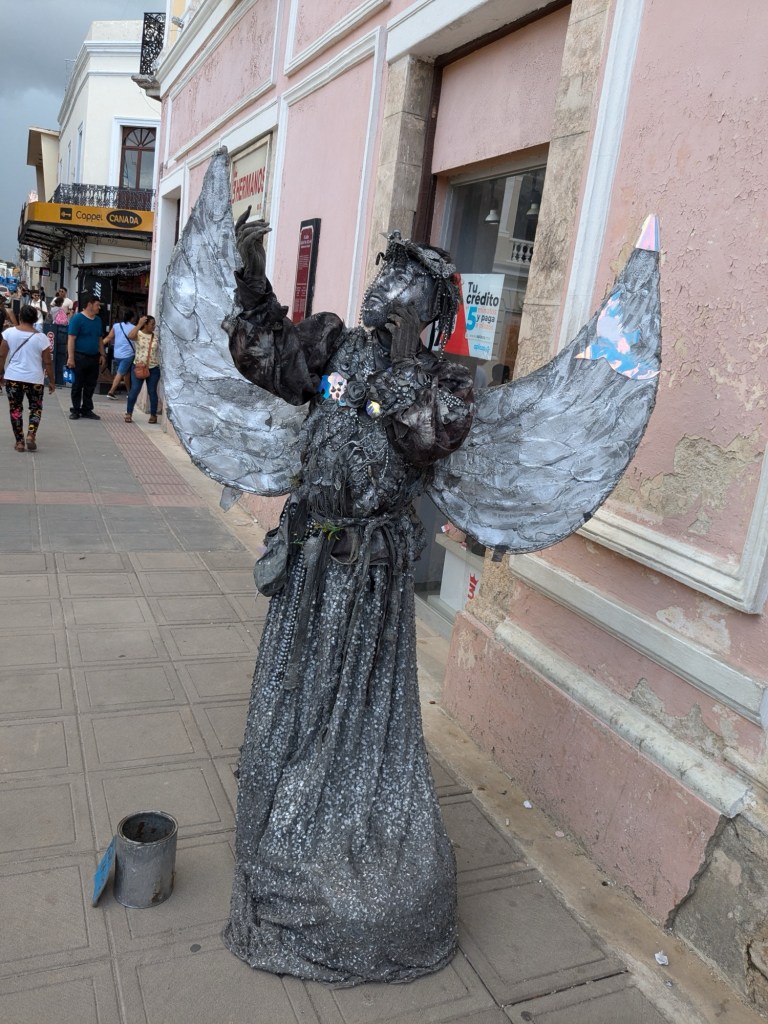
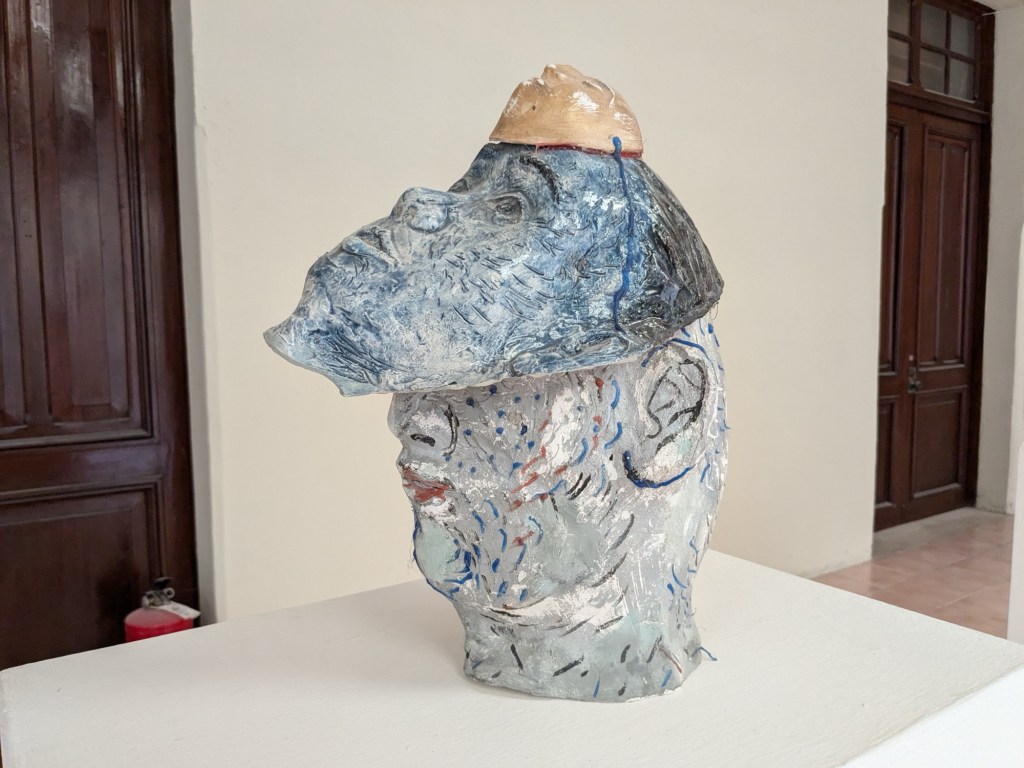
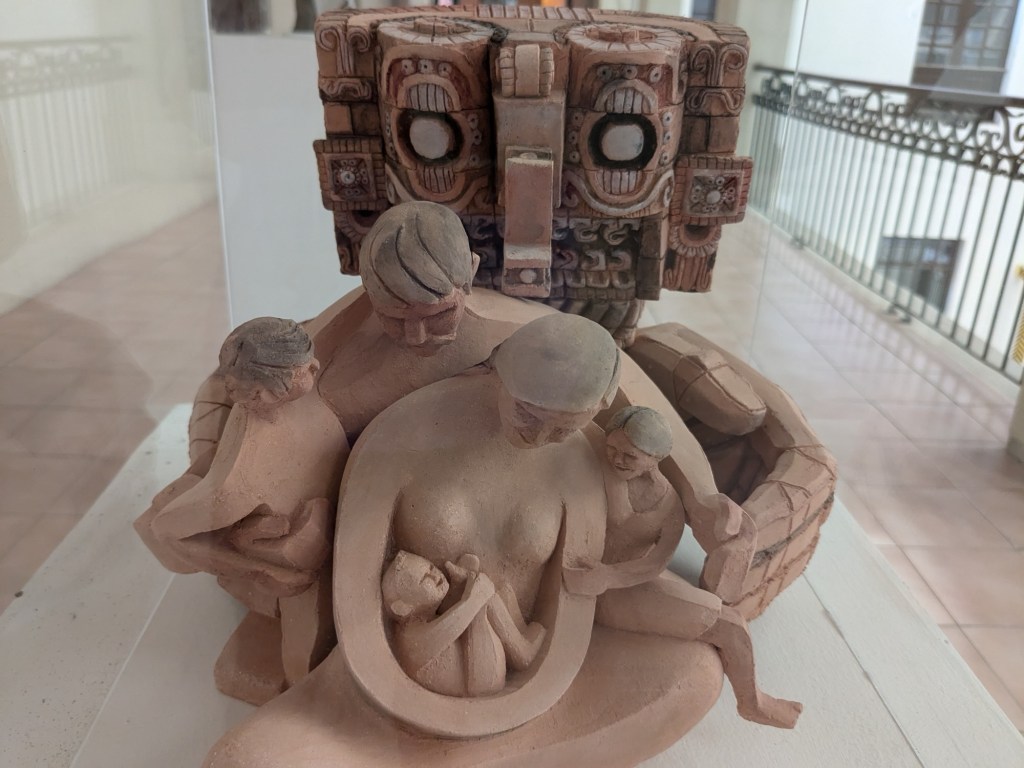
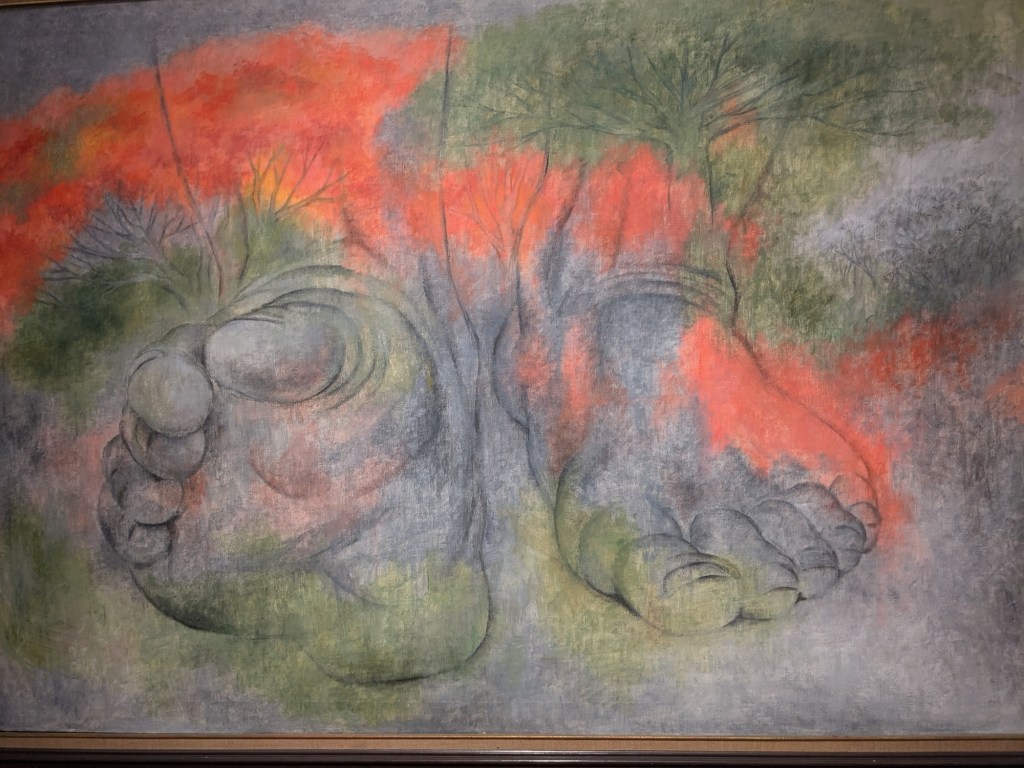
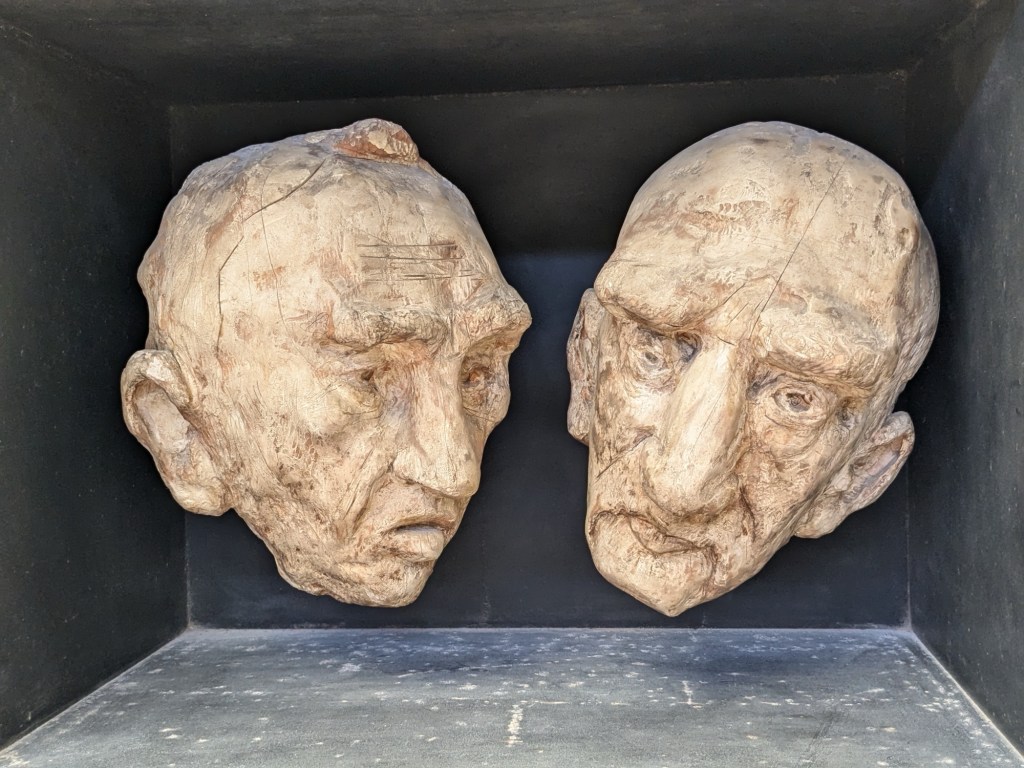
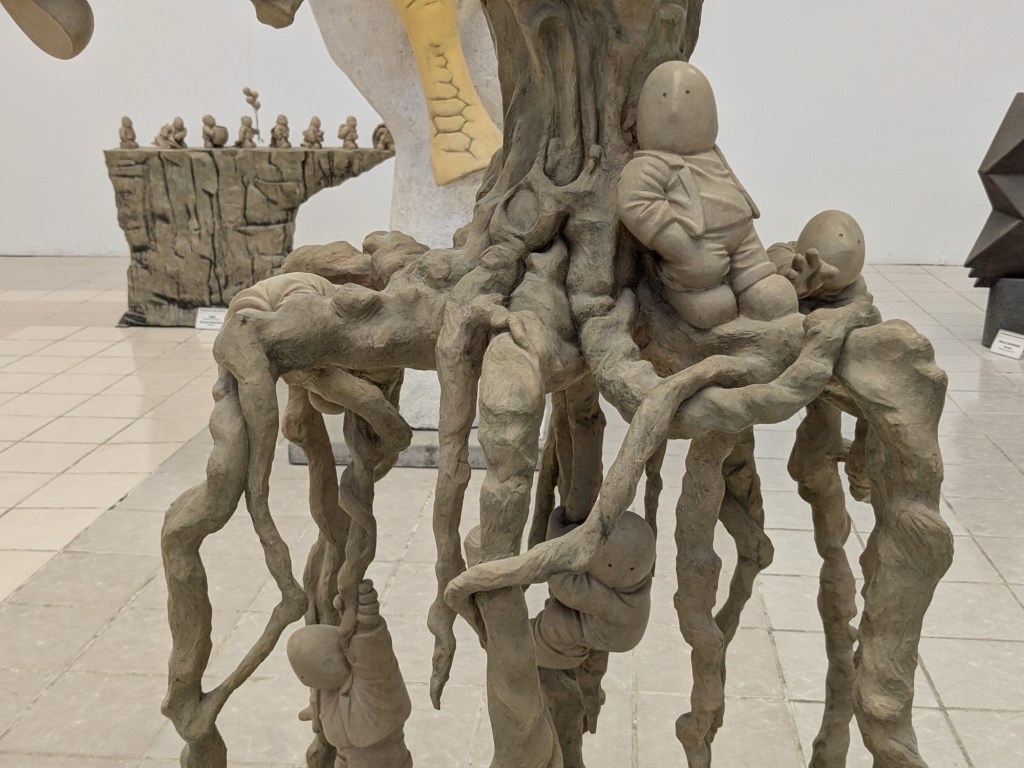
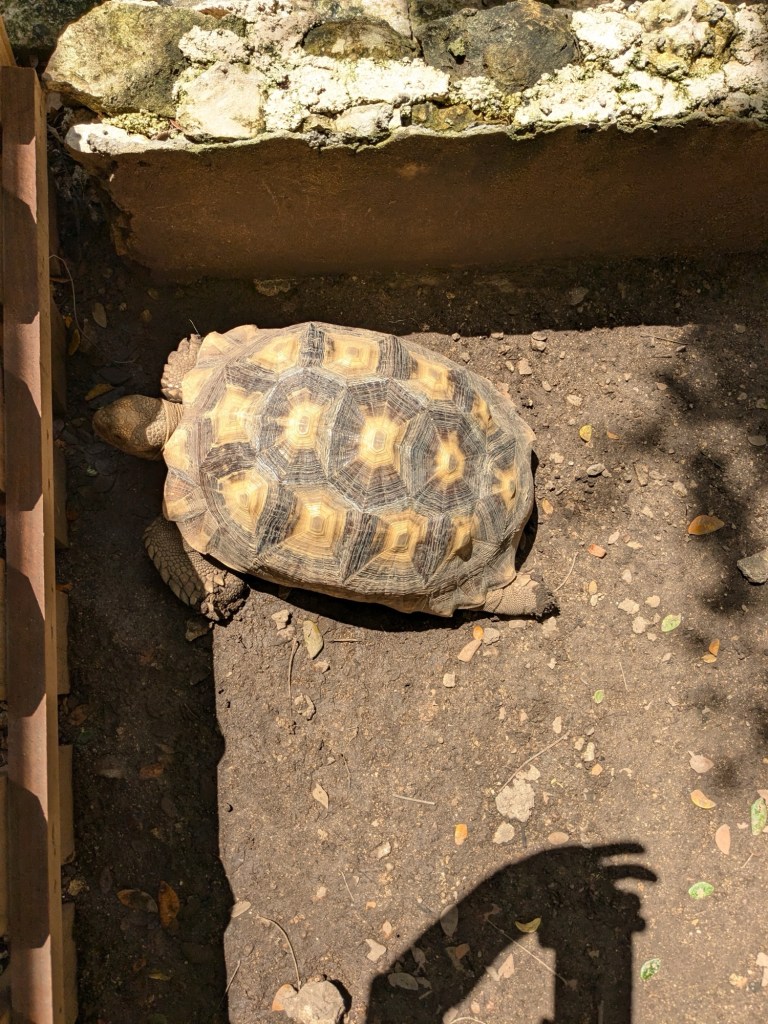
Sept 8 – So we got back on the bus to Mérida, for the final time. We have a day in town to purchase our souvenir plate and repack our packs.





Sept 8 – So we got back on the bus to Mérida, for the final time. We have a day in town to purchase our souvenir plate and repack our packs.

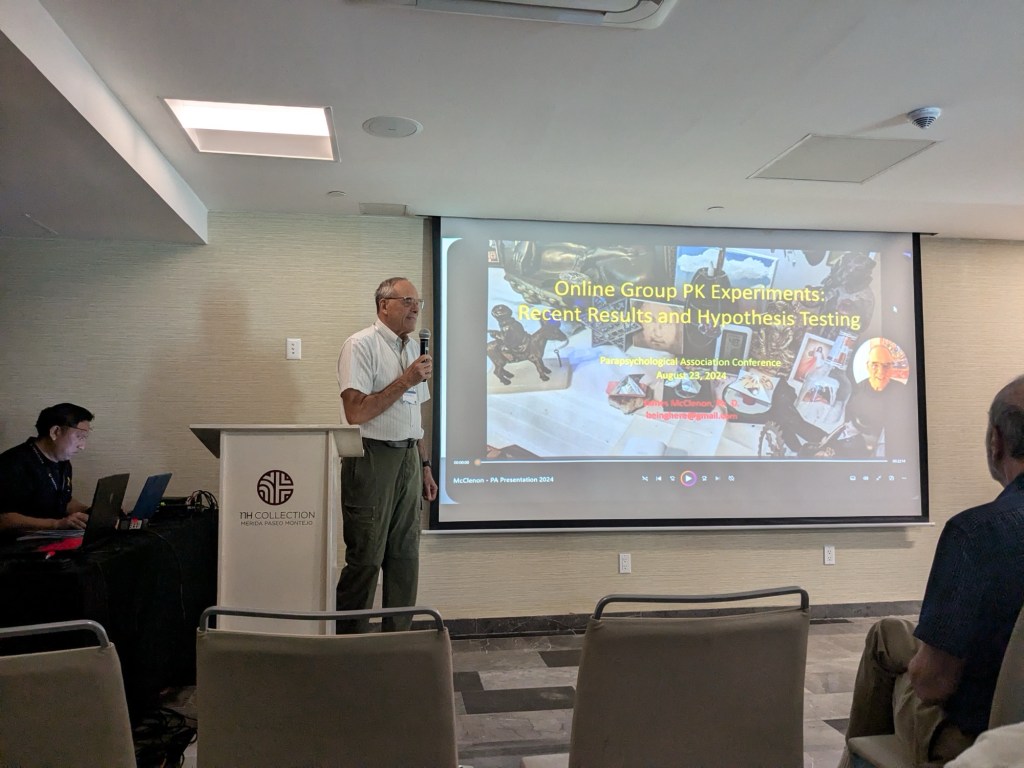
Aug 22 – Today we got back on the big bus to return to Mérida. This time we are going to the northern, more modern side of the city so that Jim can give a presentation at the Parapsychological Association Conference. This is the reason we are here.
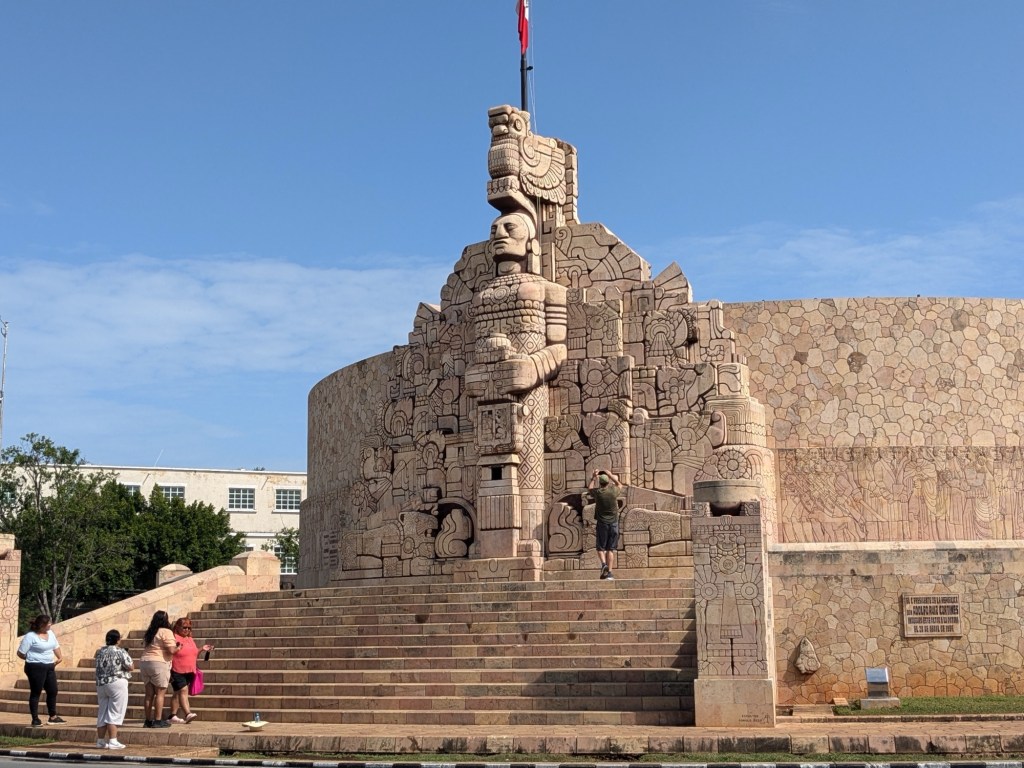
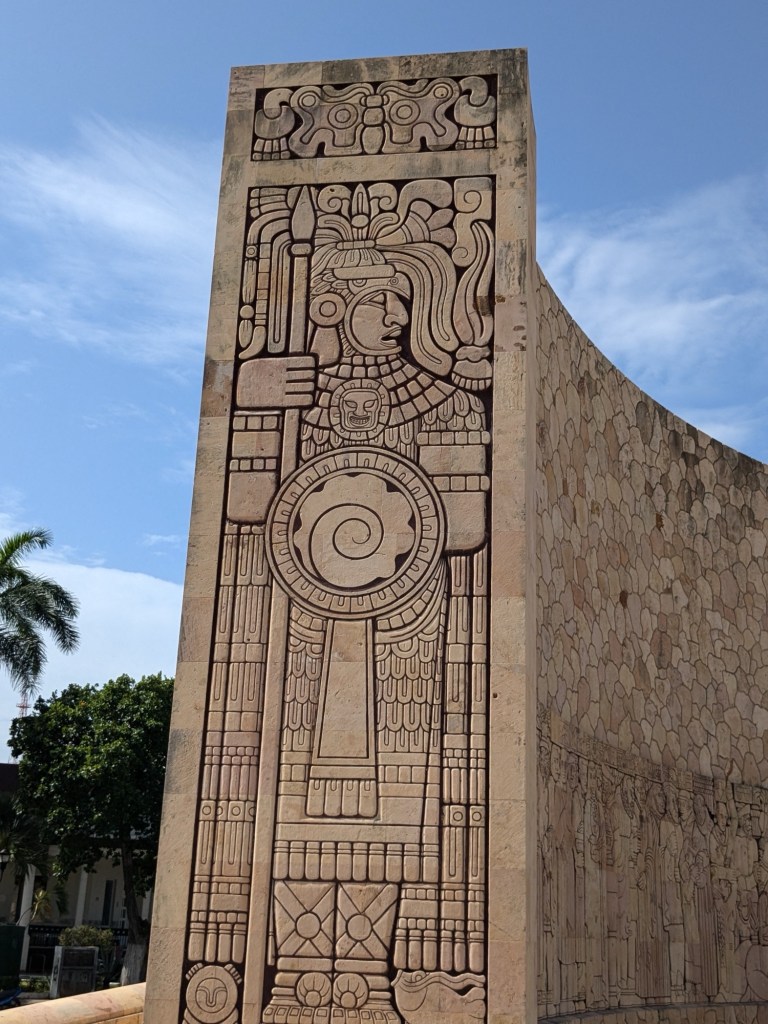


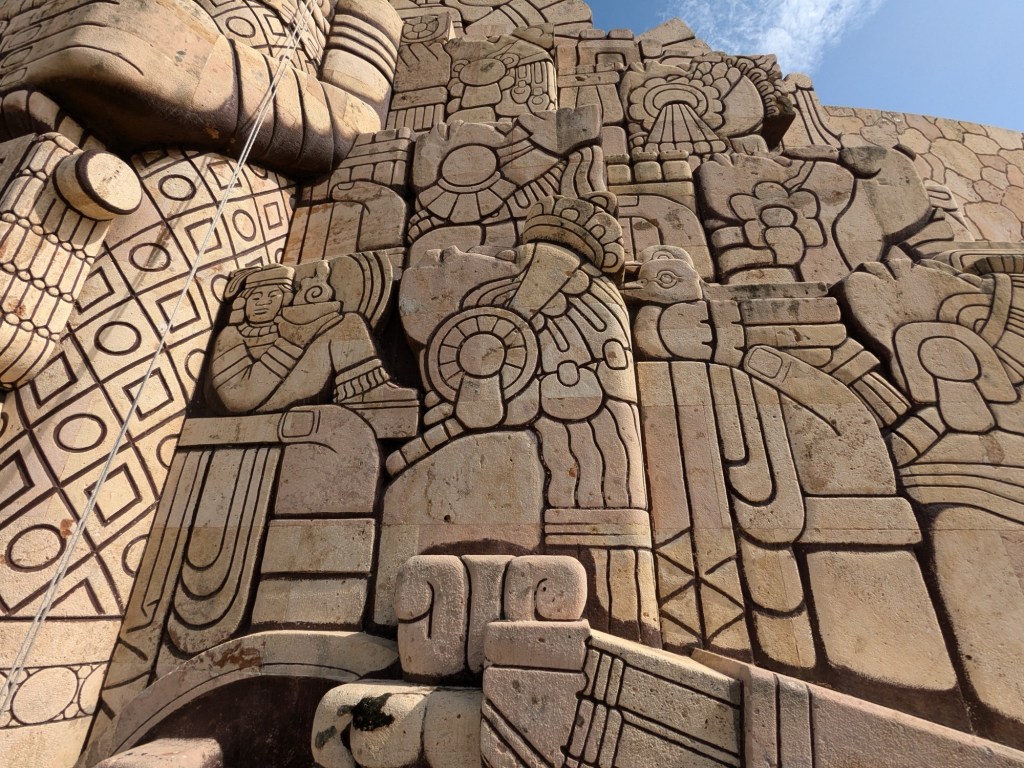

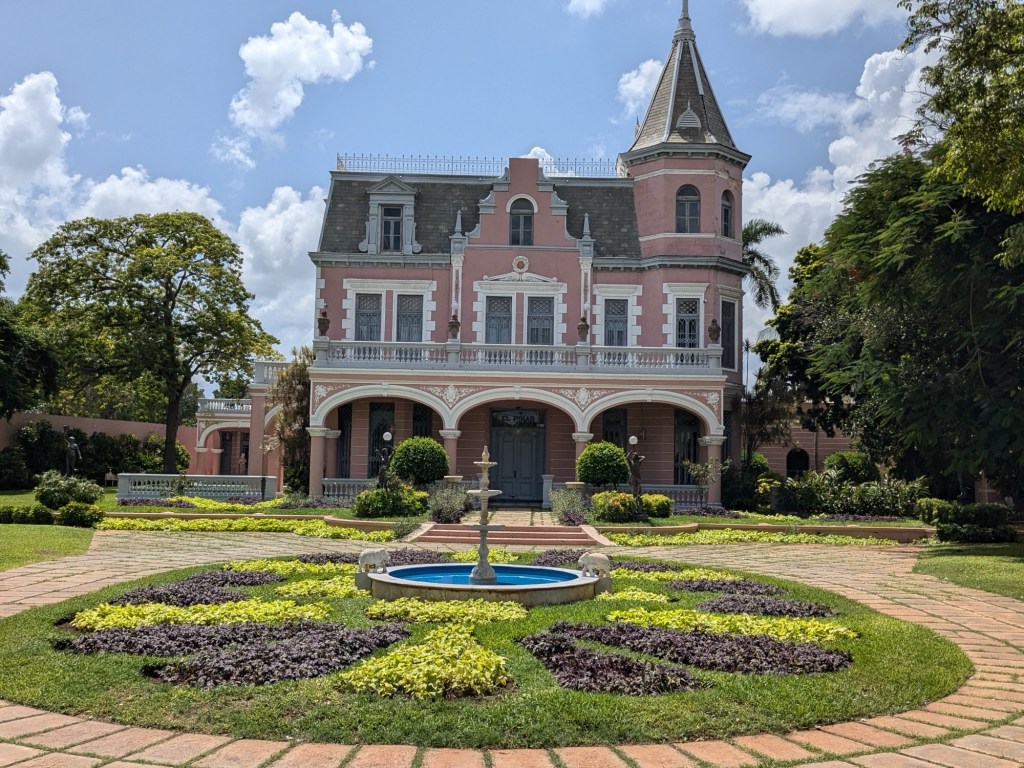
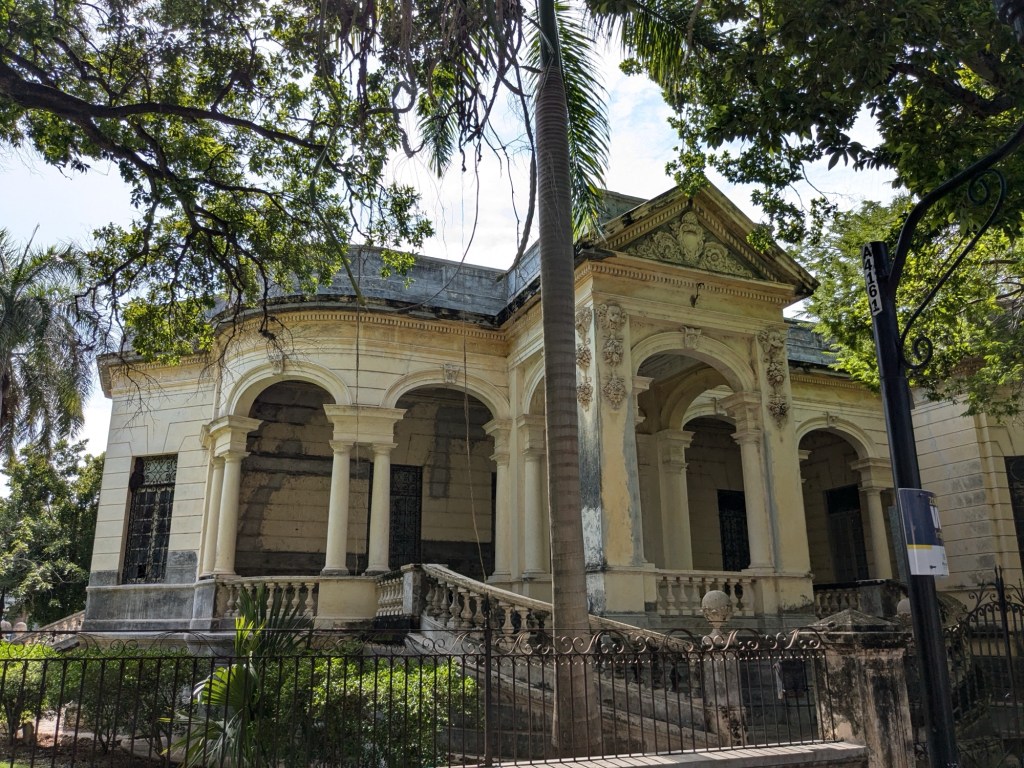
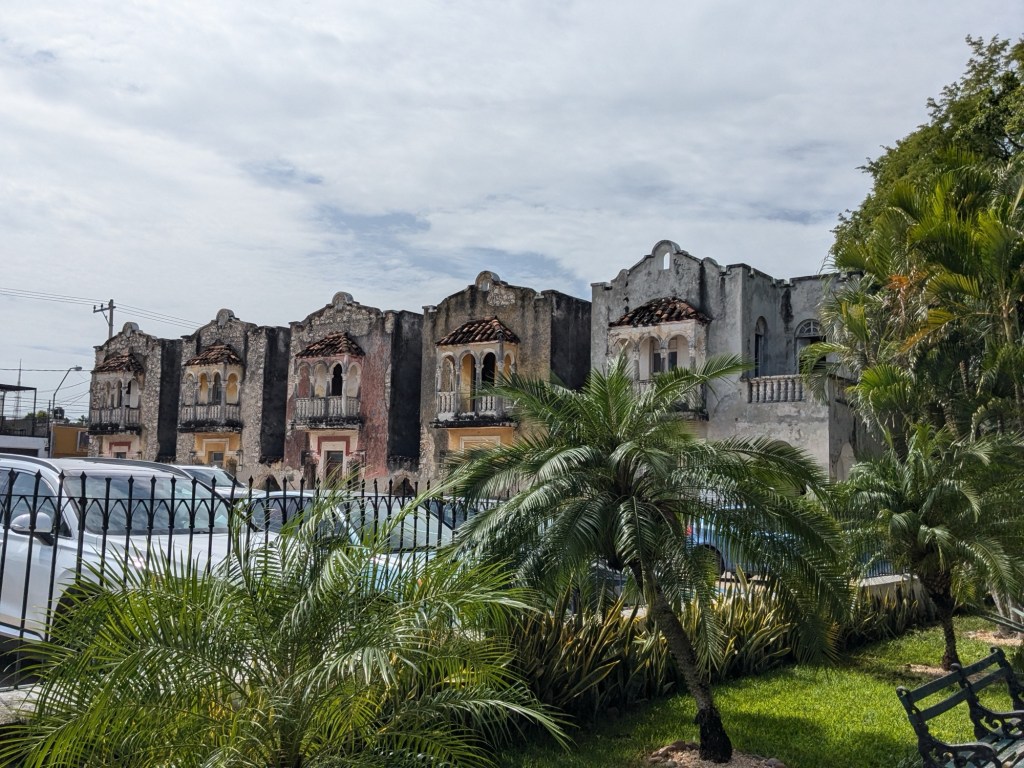
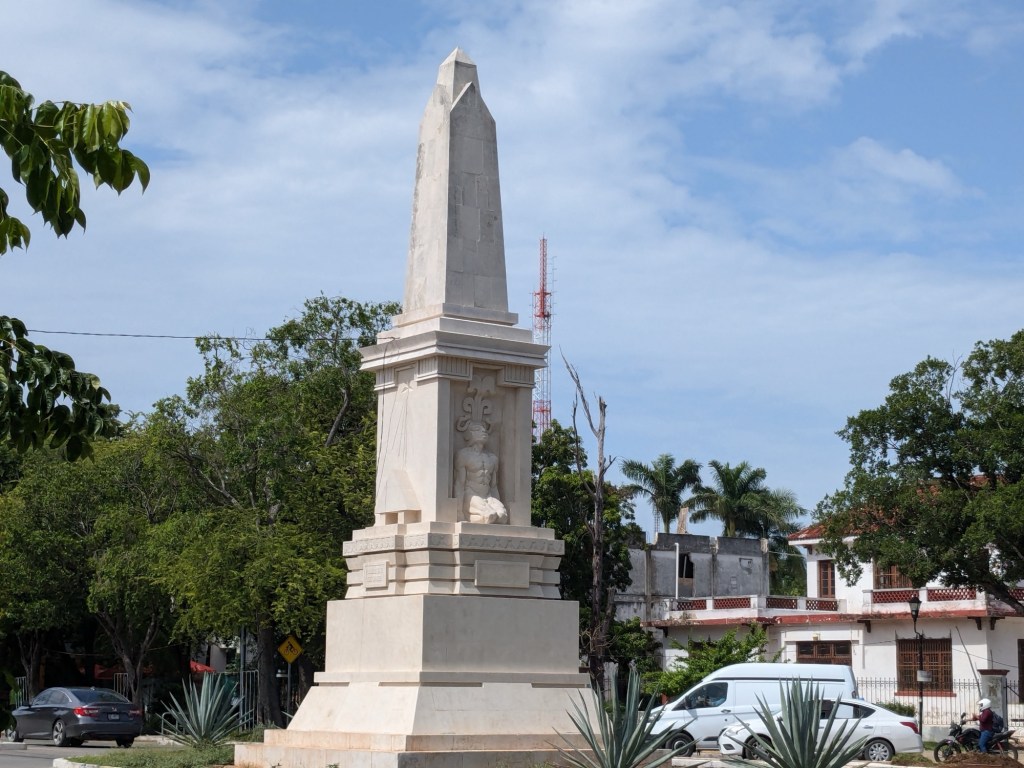

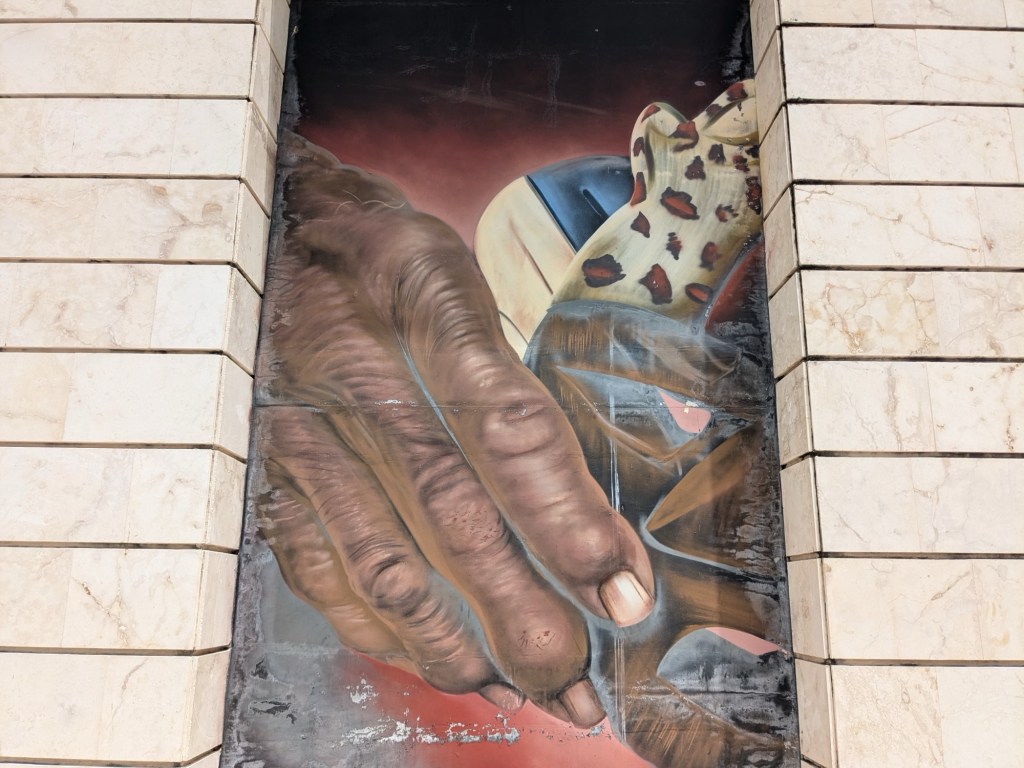


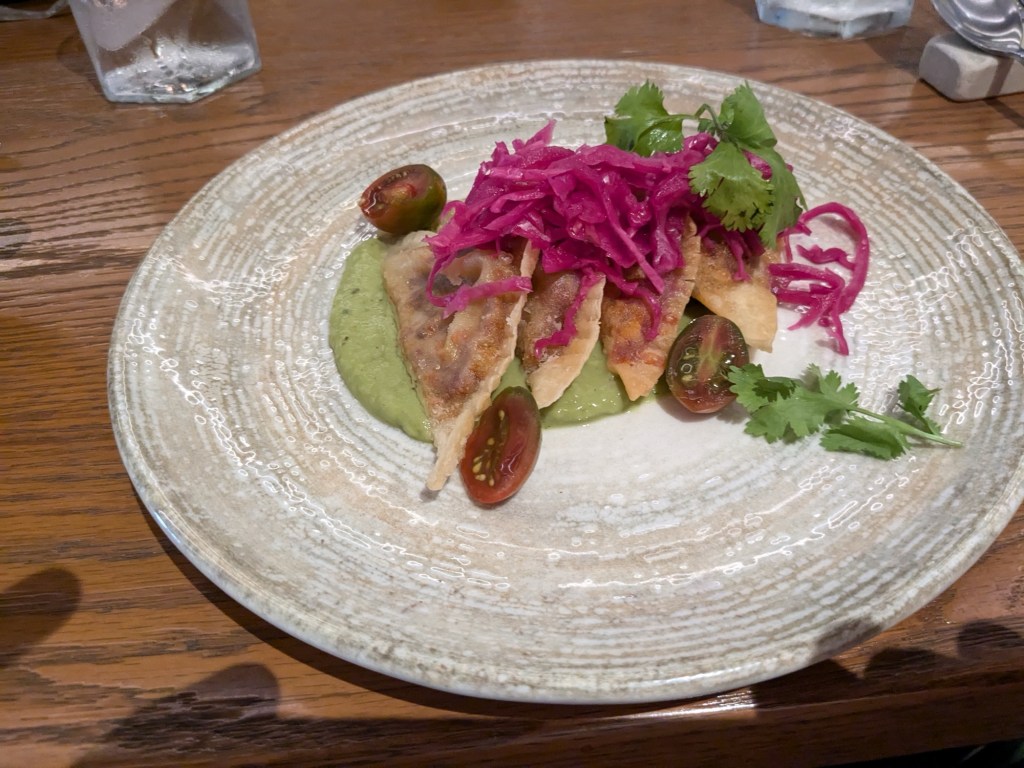
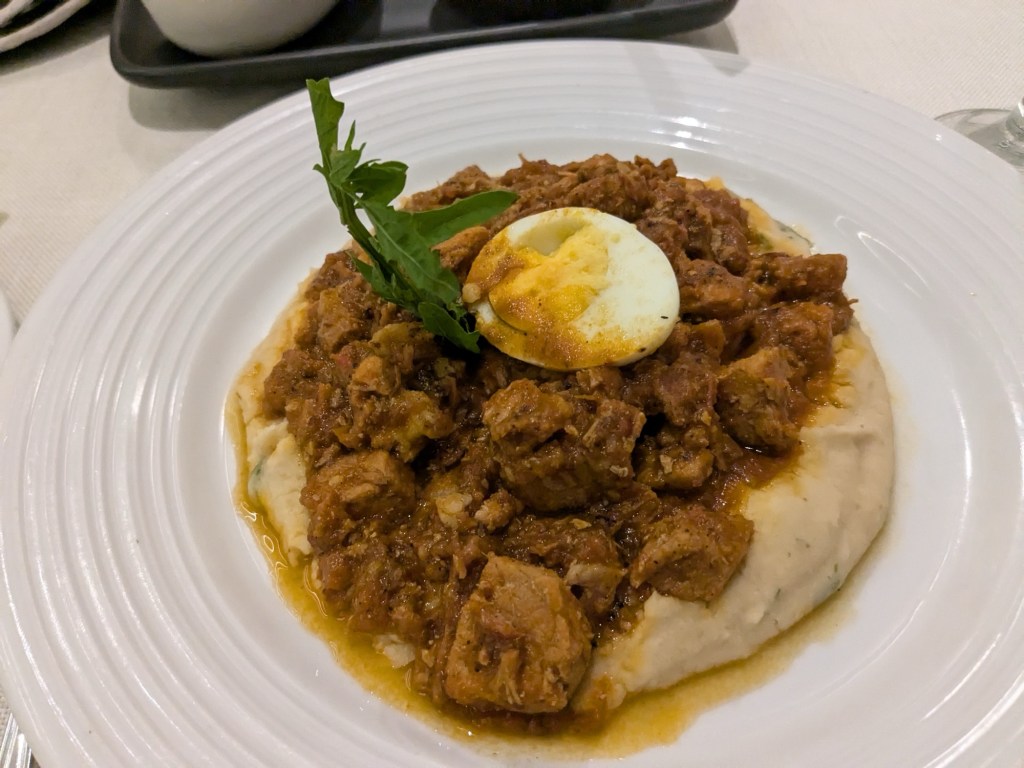


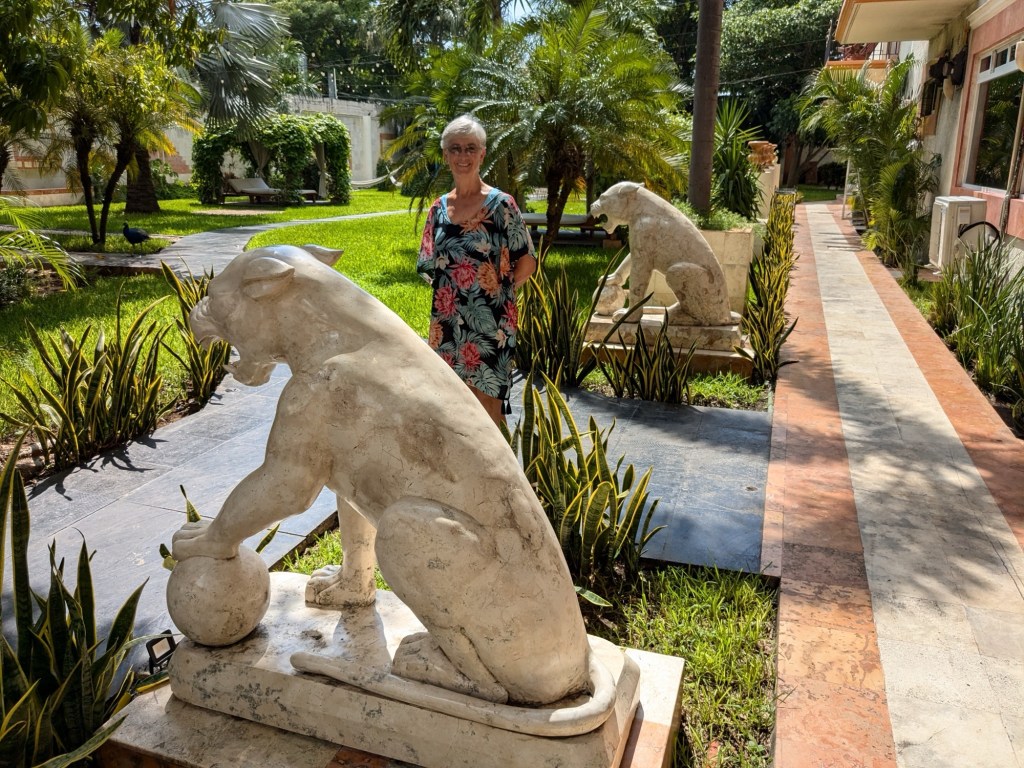

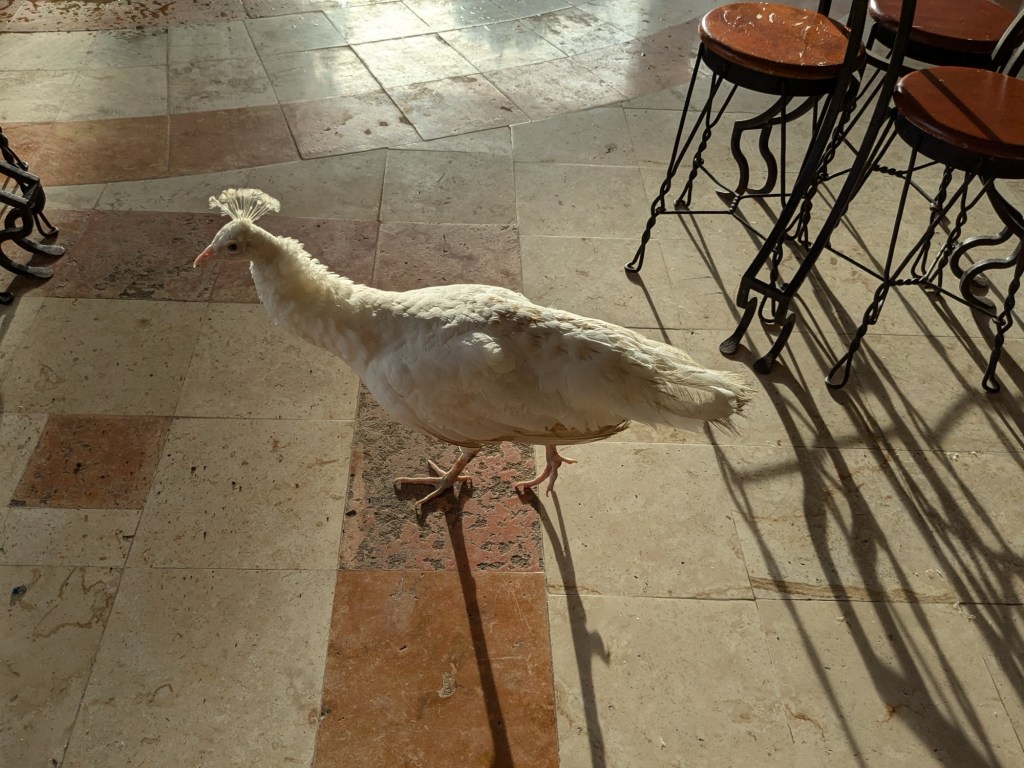
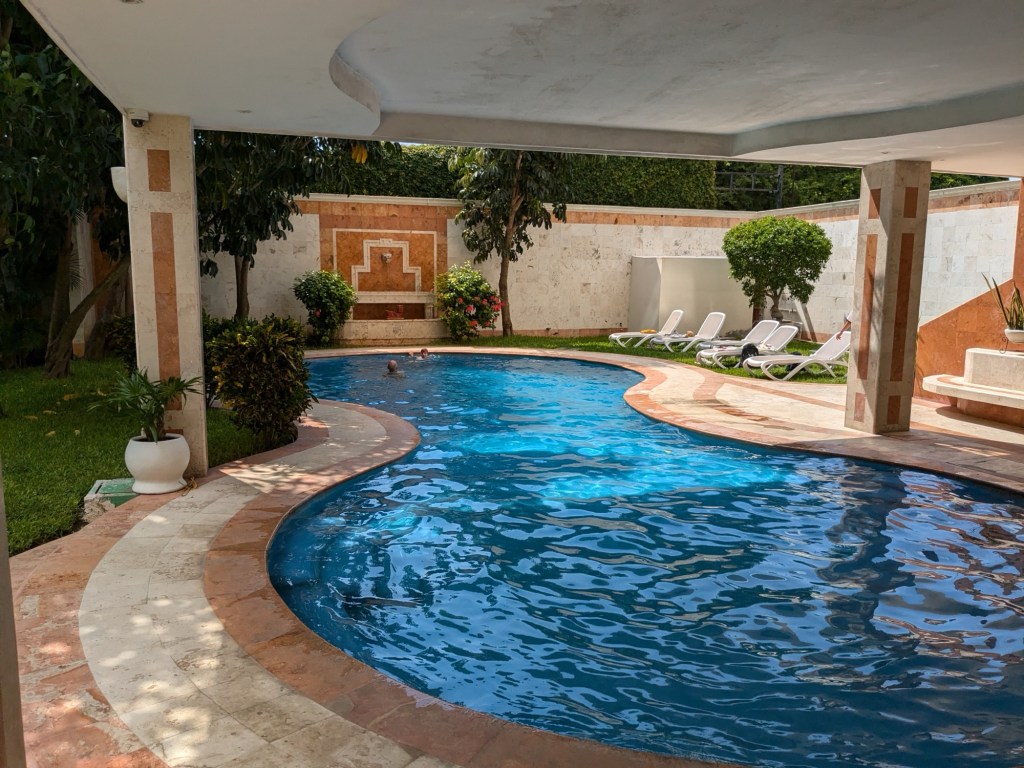
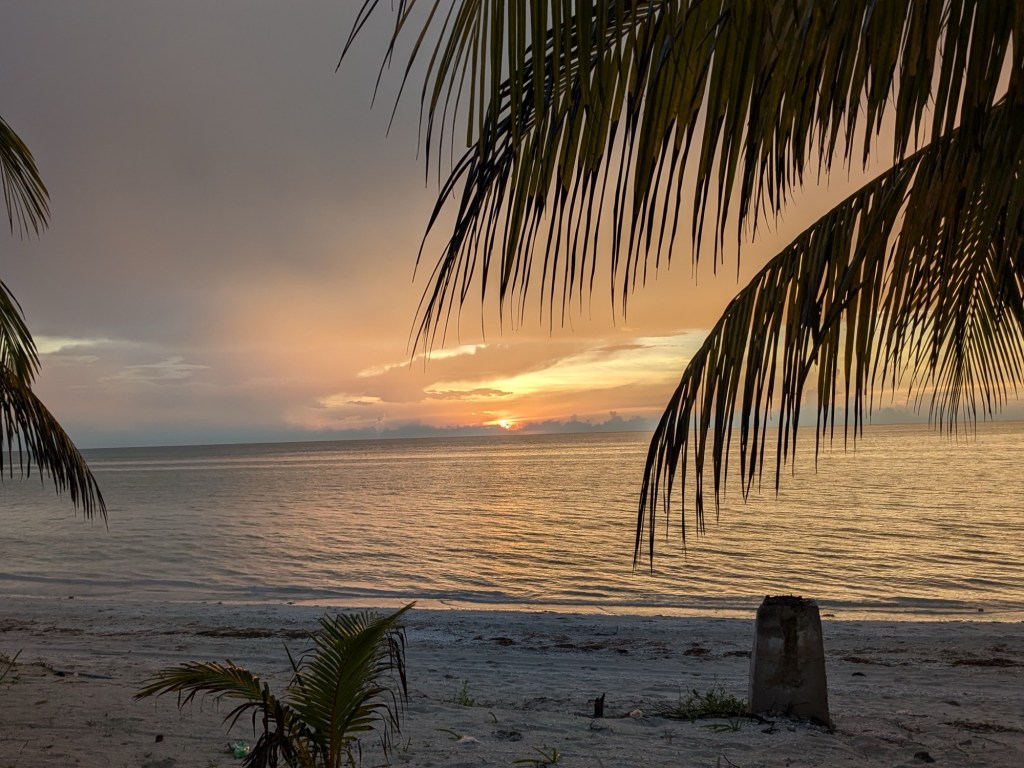
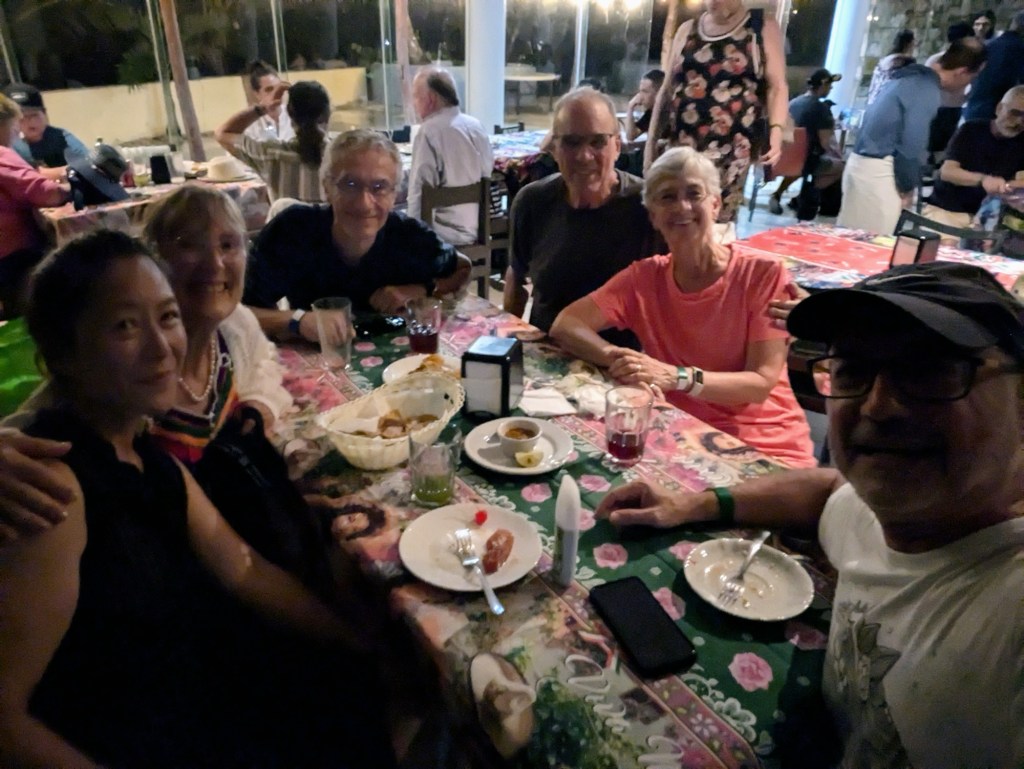
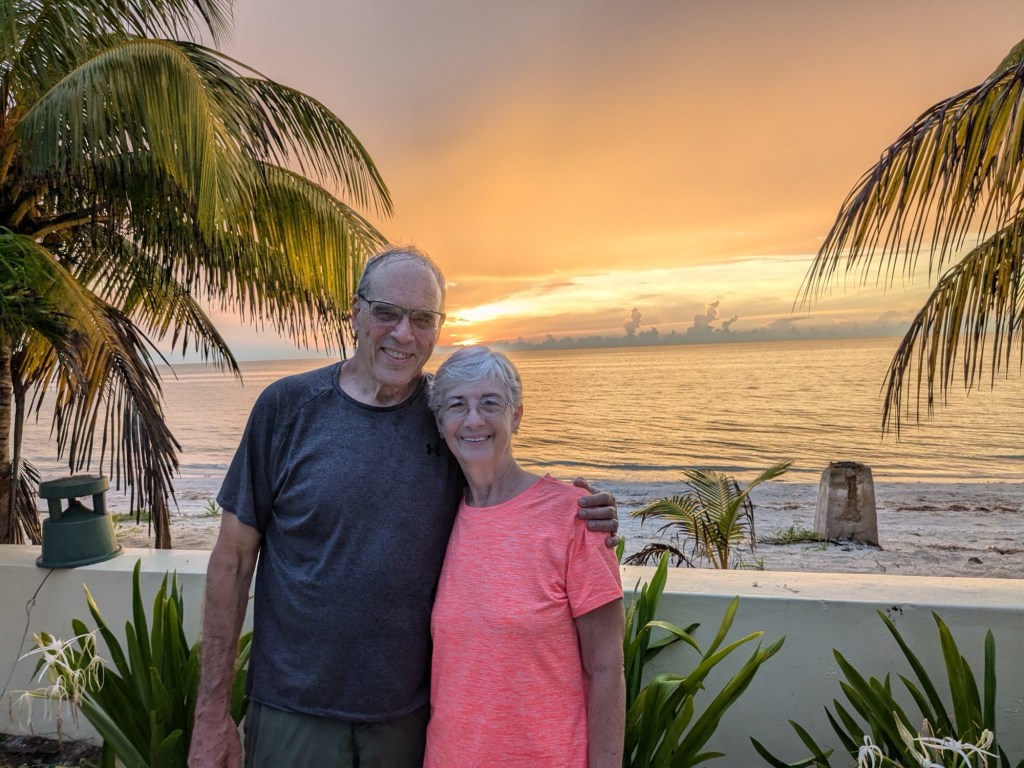

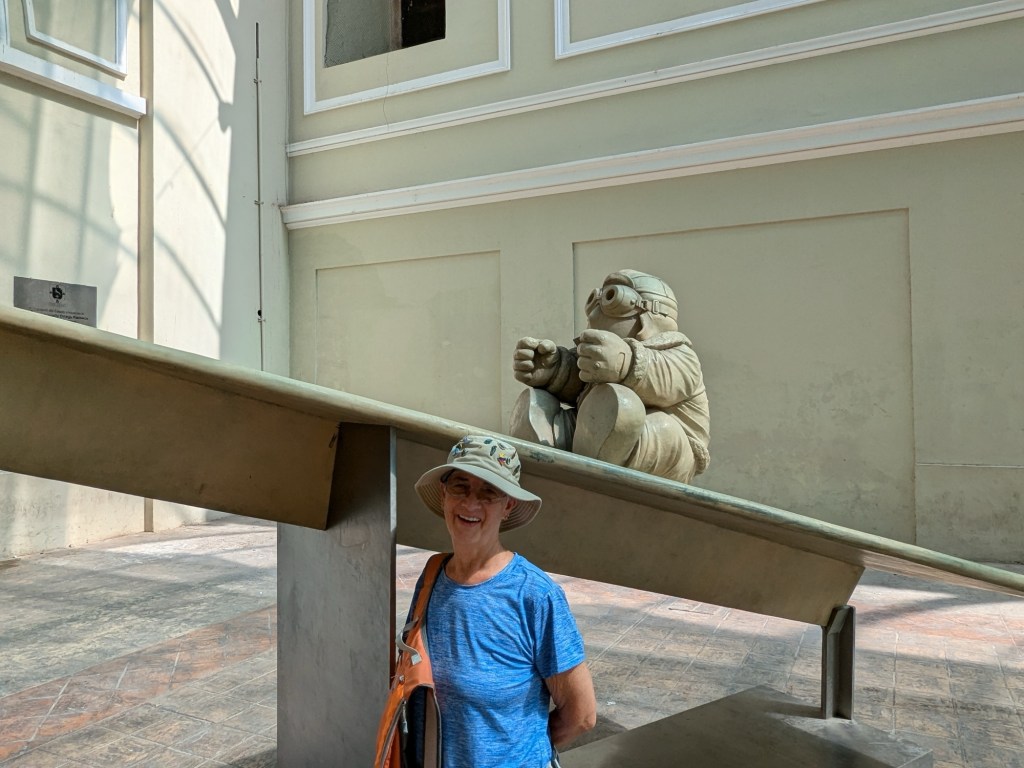
Aug 16 – What should we see today? I wanted to visit the Museum of Modern Art, which wasn’t open when we passed by yesterday. Today there was a big sign saying it was open, but the guard at the door said not yet. We walked around for a half hour and went back. 🤷🏼♀️ Still not open. Oh well.
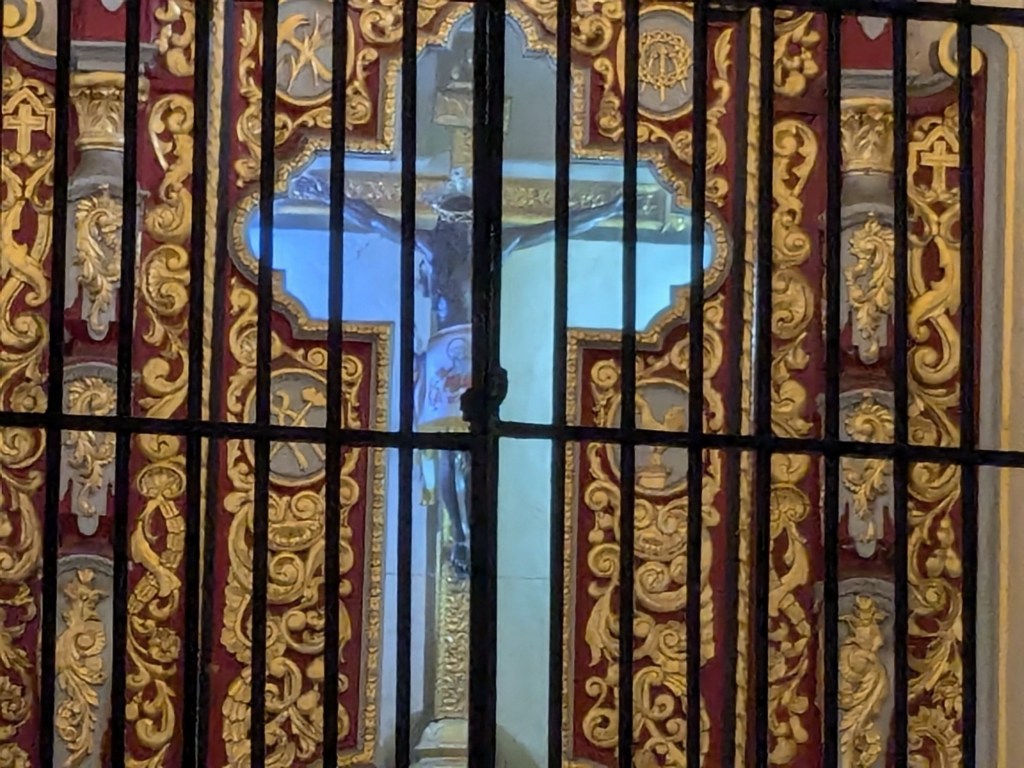
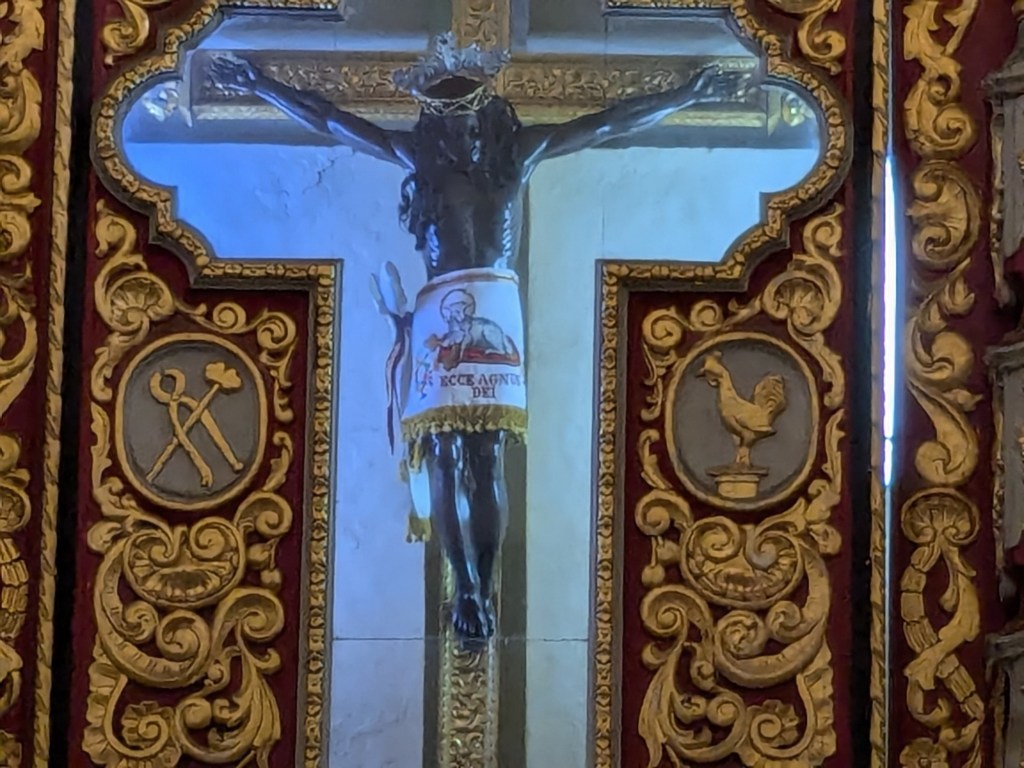
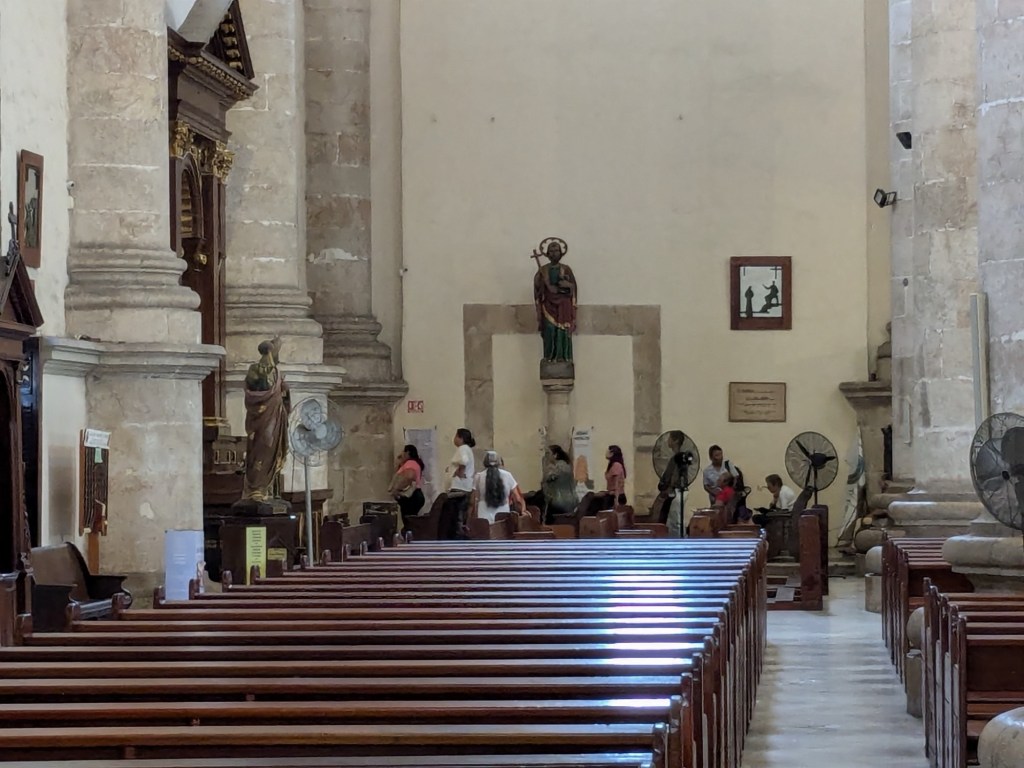
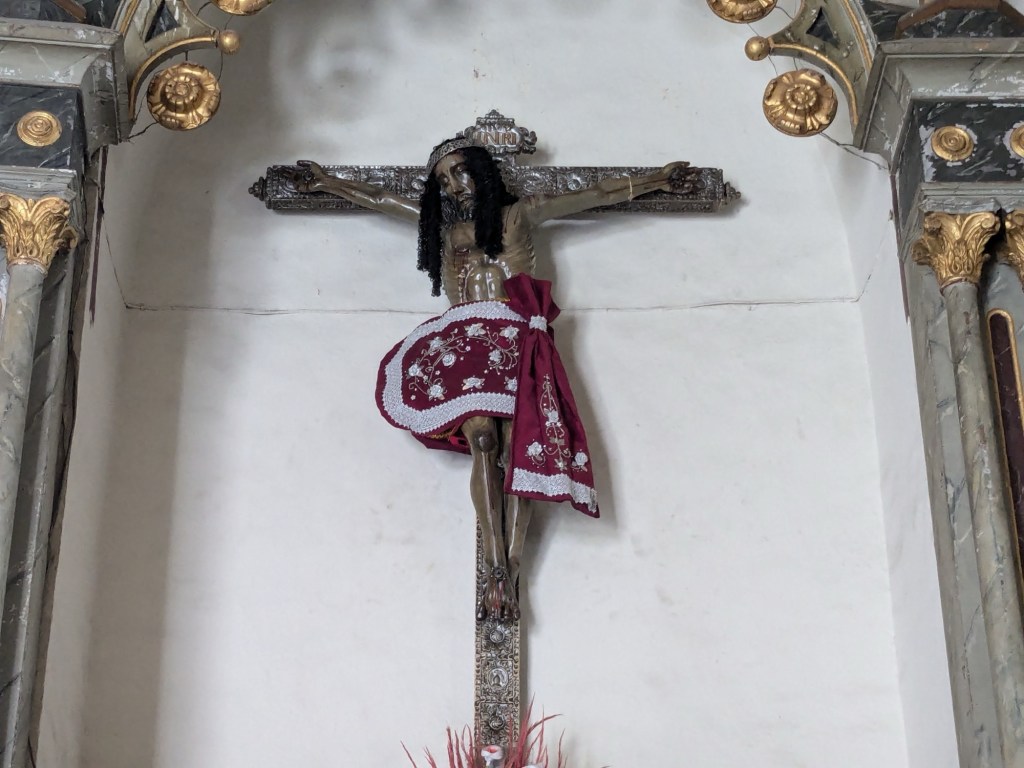
We strolled back over to the cathedral, and they were between services, so we got in! Pretty stark inside, but we were looking for a statue in the side chapel called Christ of the Blisters. Legend says the statue was carved from a tree that was hit by lightning and burned all night without charring. It was also the only object that survived the fiery destruction of the church in the town of Ichmul (though it was blackened and blistered from the heat). The statue was moved to the Mérida cathedral in 1645.
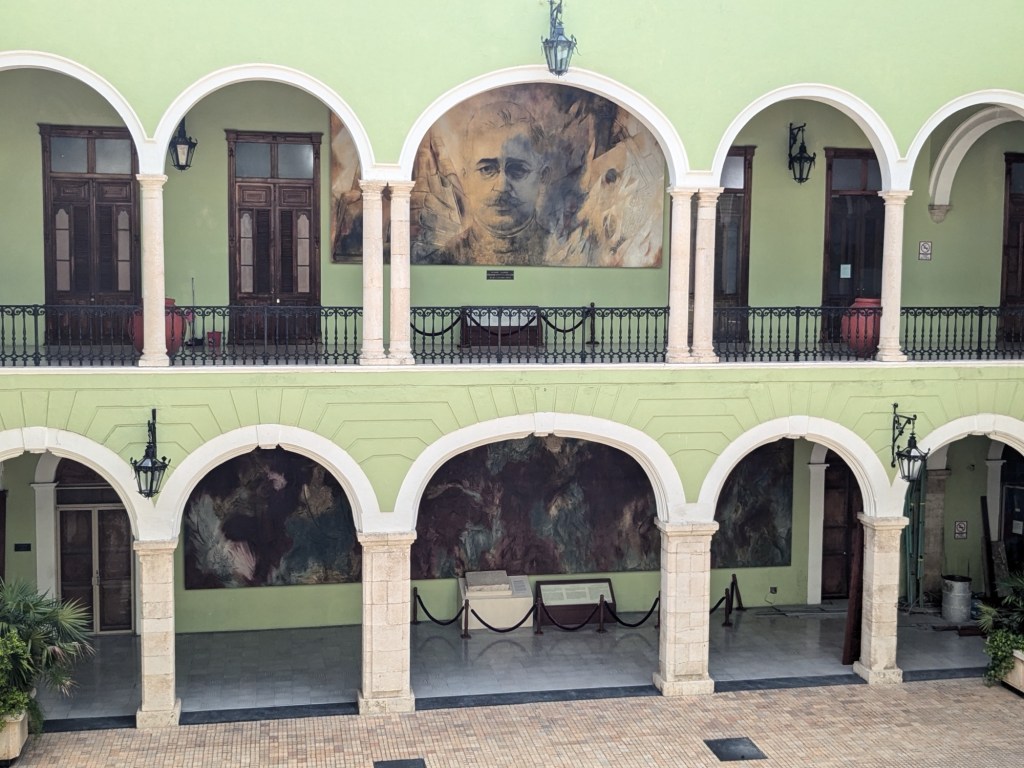
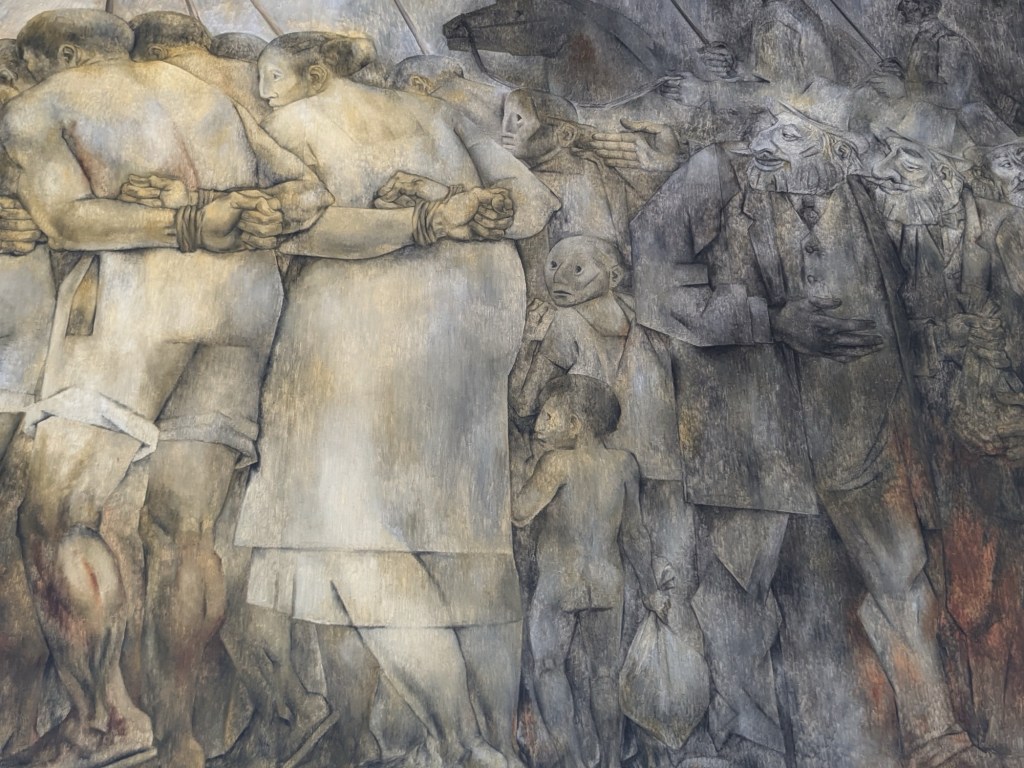
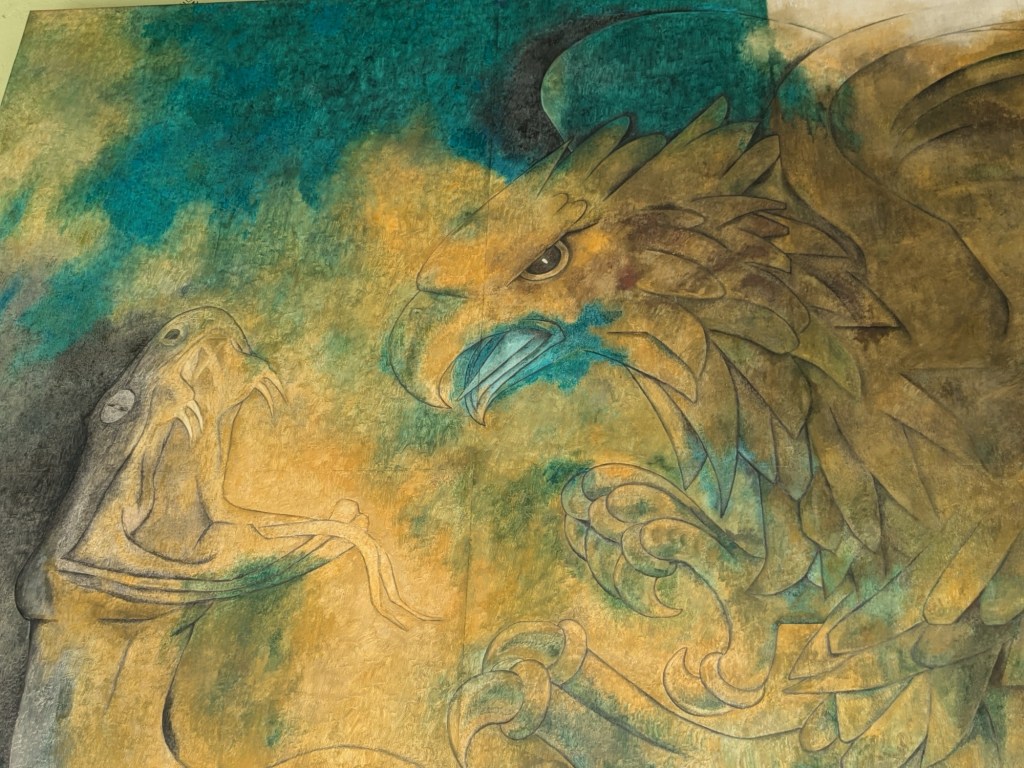
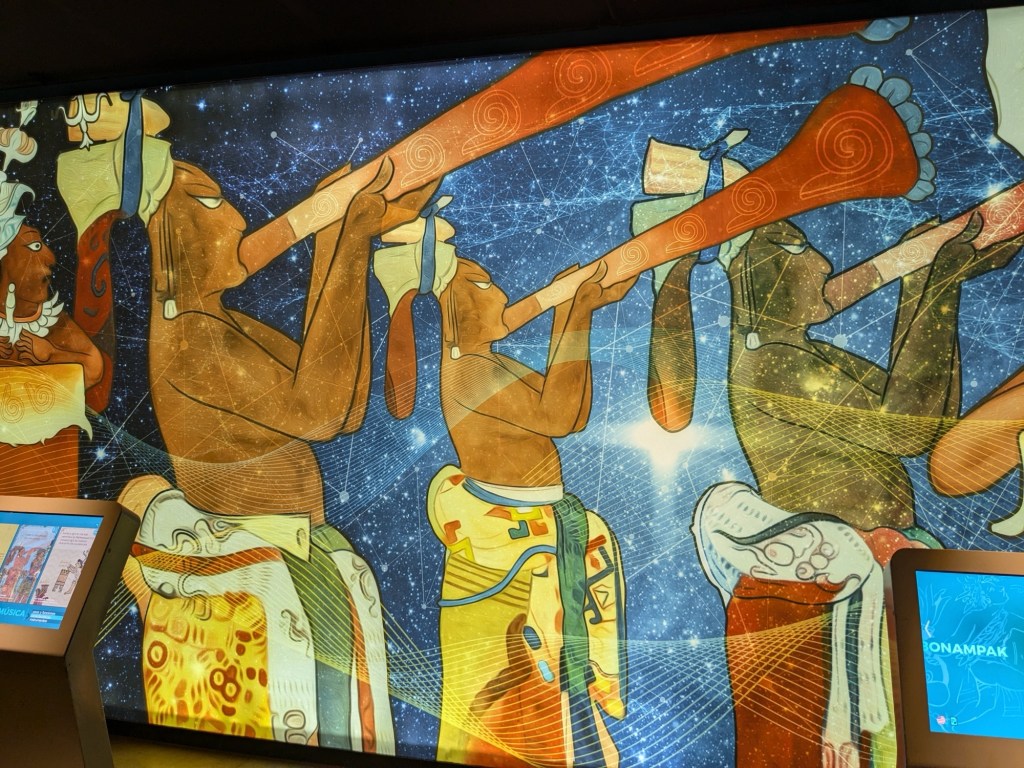
We moved on to the Governor’s Palace to see the famous murals. They are huge, and there are a lot of them. The descriptions are printed in Spanish, English and Mayan. I asked a guide if people still spoke Mayan and she assured me they did – 9% in Mérida, and about 25% in the Yucatán overall.


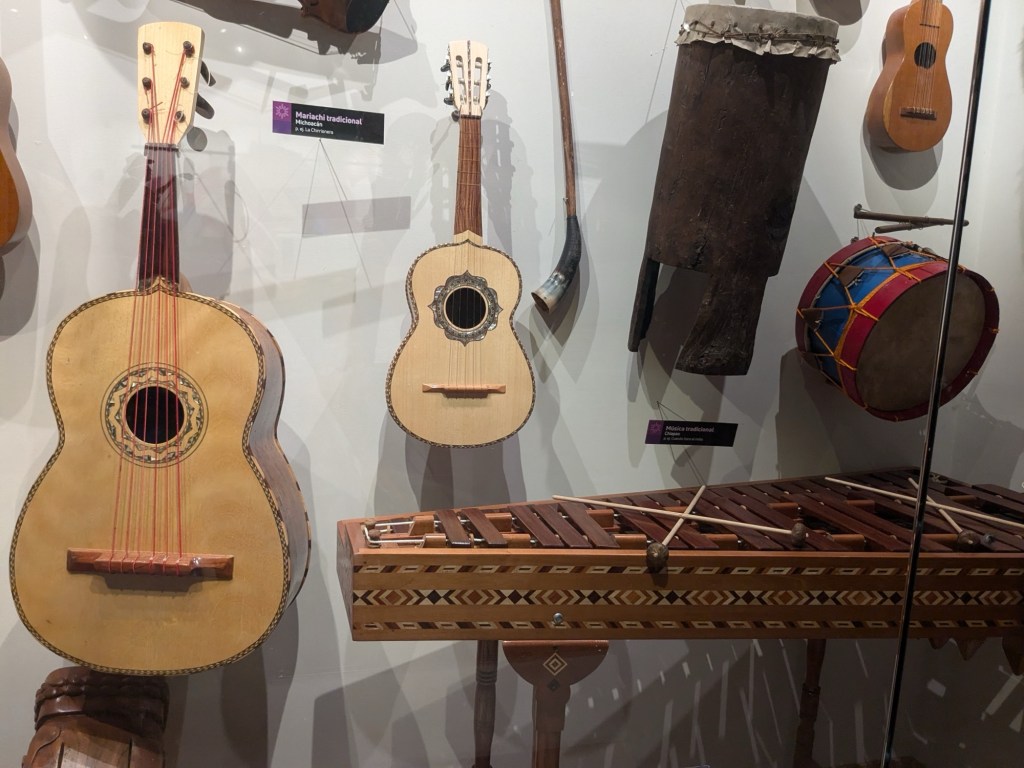
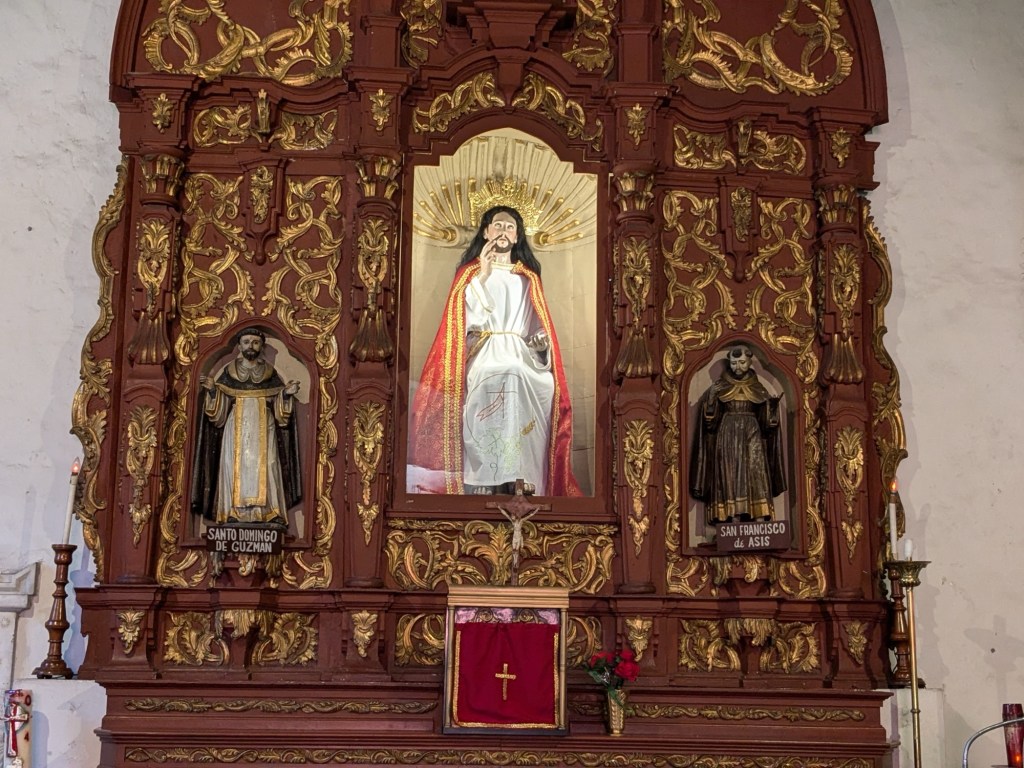
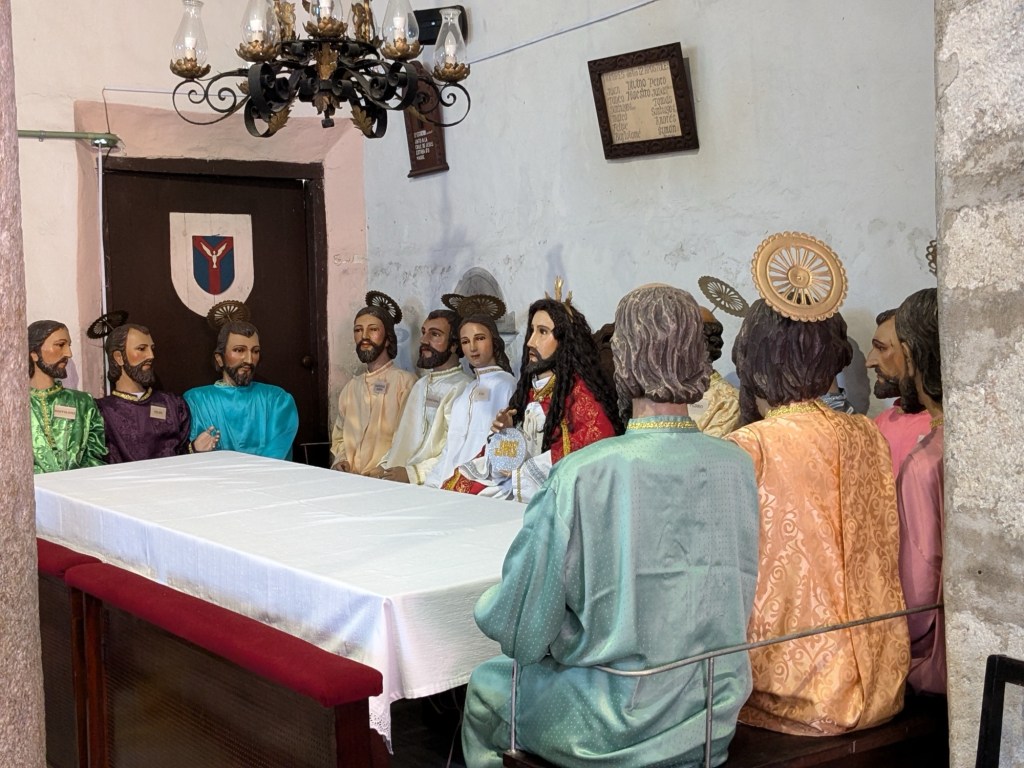


Aug 14 – As we were unable to get provisions last night due to the power outage, we set out early this morning to find some breakfast. Still lots of flooding on the streets, but the sidewalks were okay. We had to navigate around some pretty deep puddles when crossing roads. Thankfully, drivers were considerate and didn’t speed up to splash us (as often happens to me when walking the dog at home!)
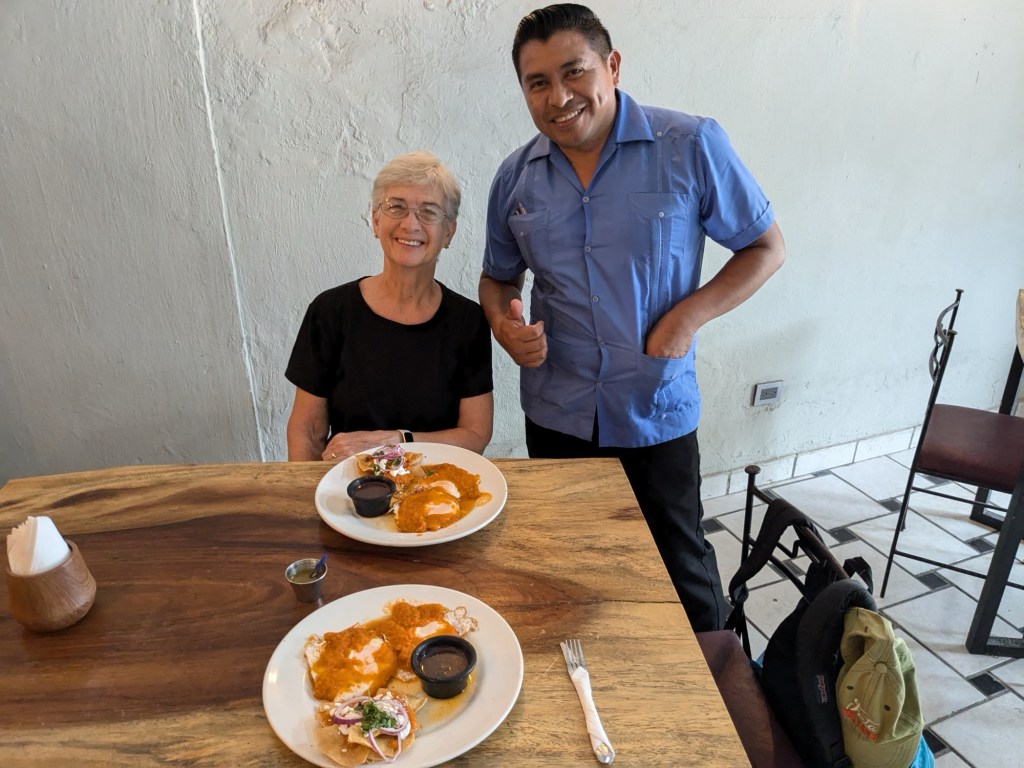
We found a nice little restaurant where Joél (pronounced Oh EL) conversed with us while our huevos rancheros were cooking. He said this is the wet season, and the flooding is normal as it rains every day. In September it will get cooler and the rain will stop. He asked if we lived in Mérida, as many expats live here due to safety and the many cultural offerings.
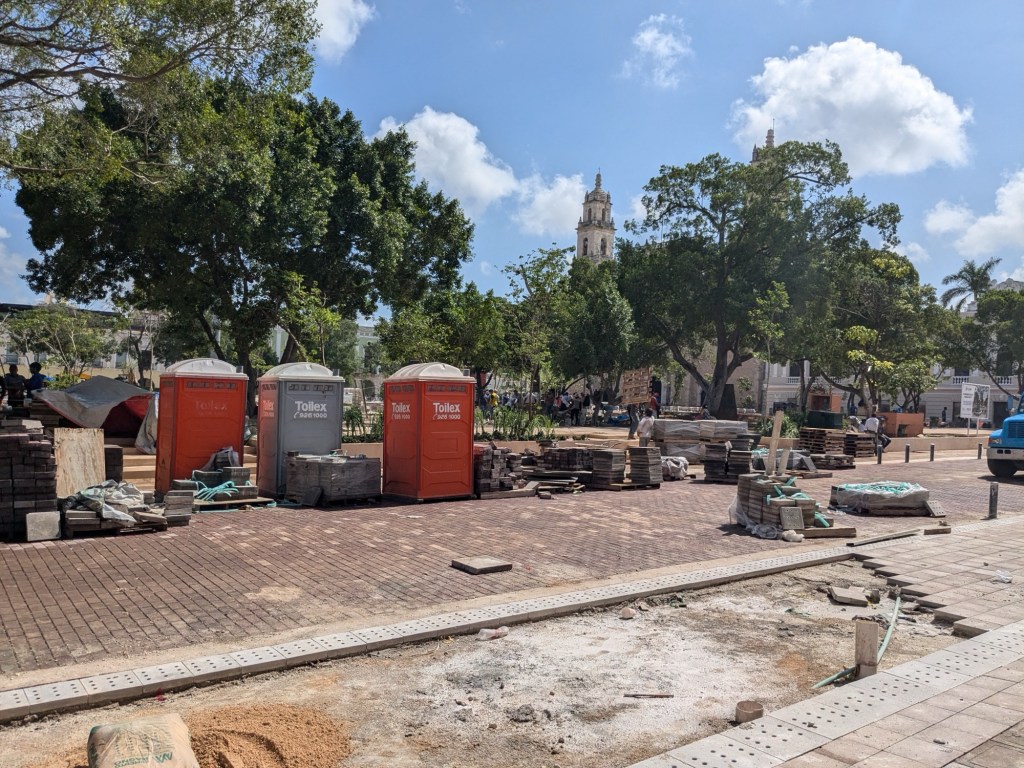
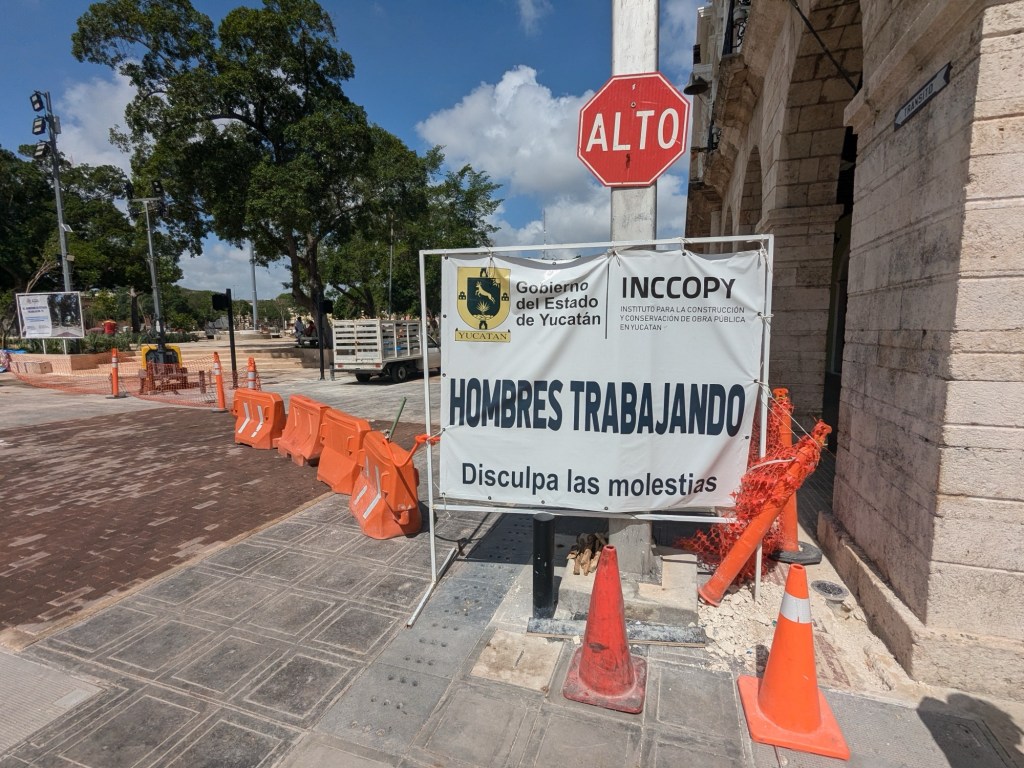
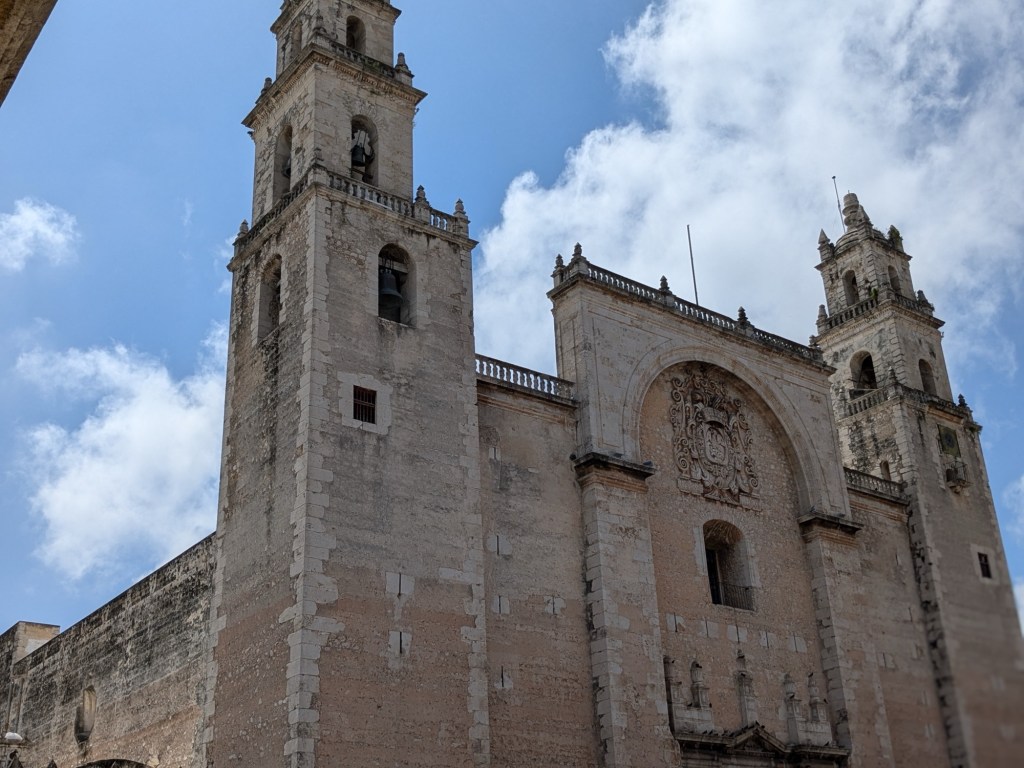

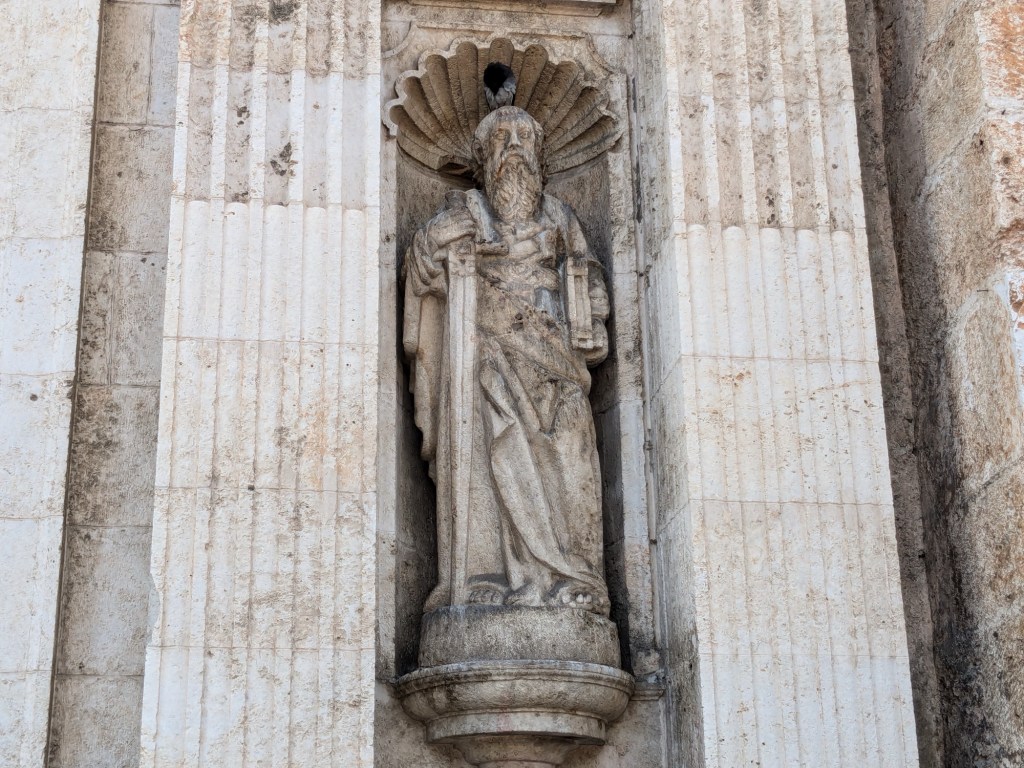

The day was quickly heating up, so we set out to find a grocery store and get some provisions for our stay. Jim looked at his phone and told me the name of the store, and a local came right over to tell us that the store was closed, and gave us helpful directions to another. He said that lots of things have closed in Mérida. Helpful person of the Yucatán!
The store was only a few blocks away, but I was pouring down sweat even though we stayed on the shady side of the street. Jim got eggs, cheese, bread and the makings of a spaghetti dinner. Our kitchenette has a single burner hot plate, a microwave, one pot and one pan, so Jim had to think of things he could make with limited resources.

That was enough for one day, so we picked up some lunch and brought it home to eat in the air conditioning. A good first day!
Aug 15 – After Jim made us a yummy egg, fruit, coffee and toast breakfast, we were ready to face a new day. Back to Centro we went.



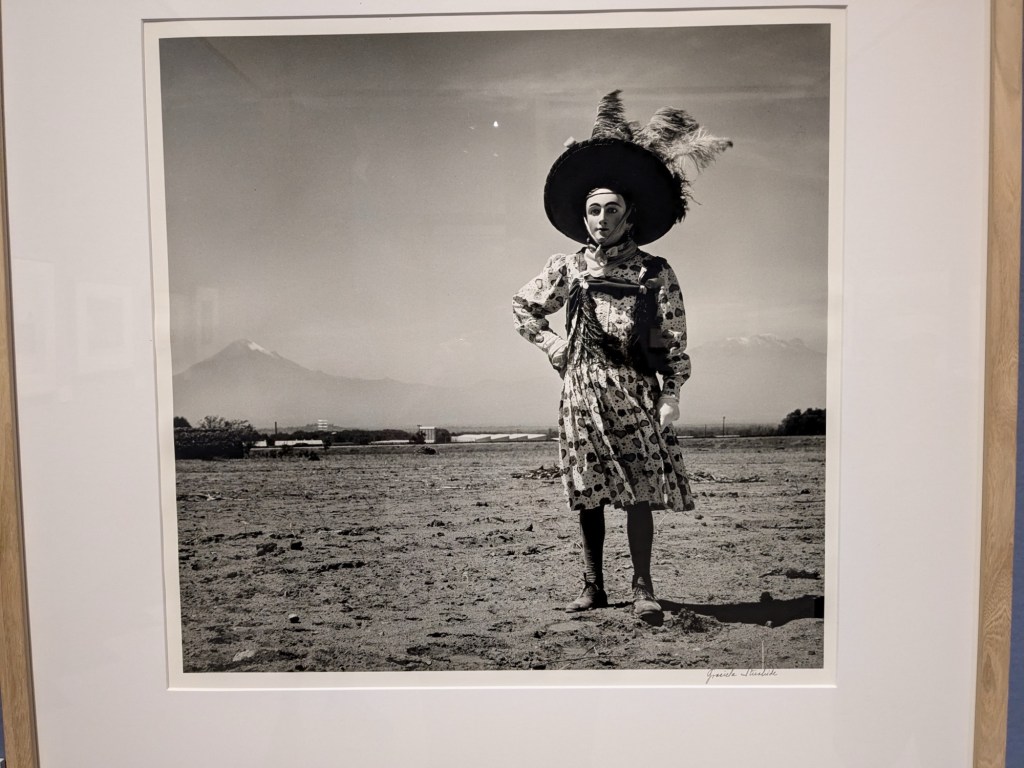
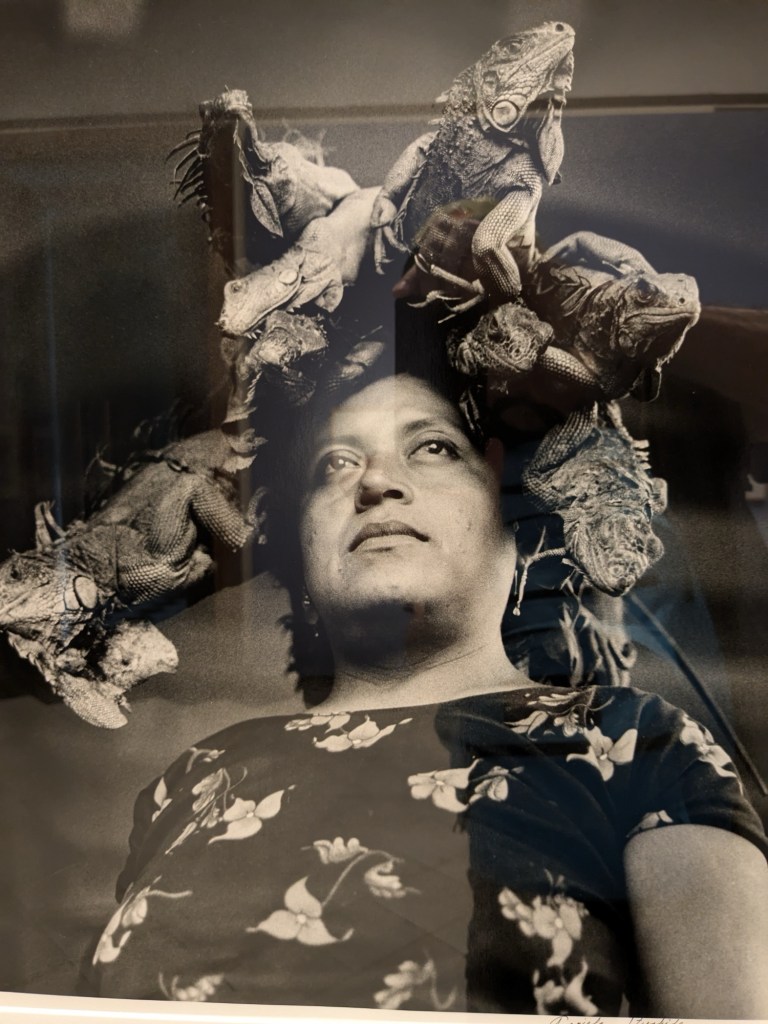
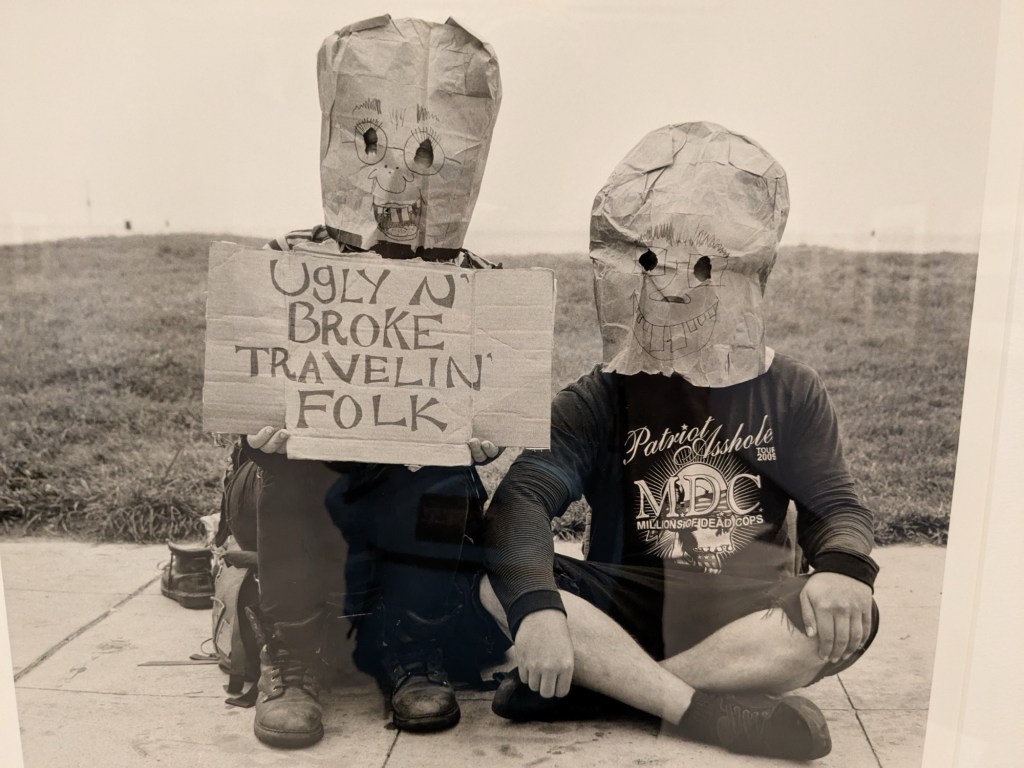
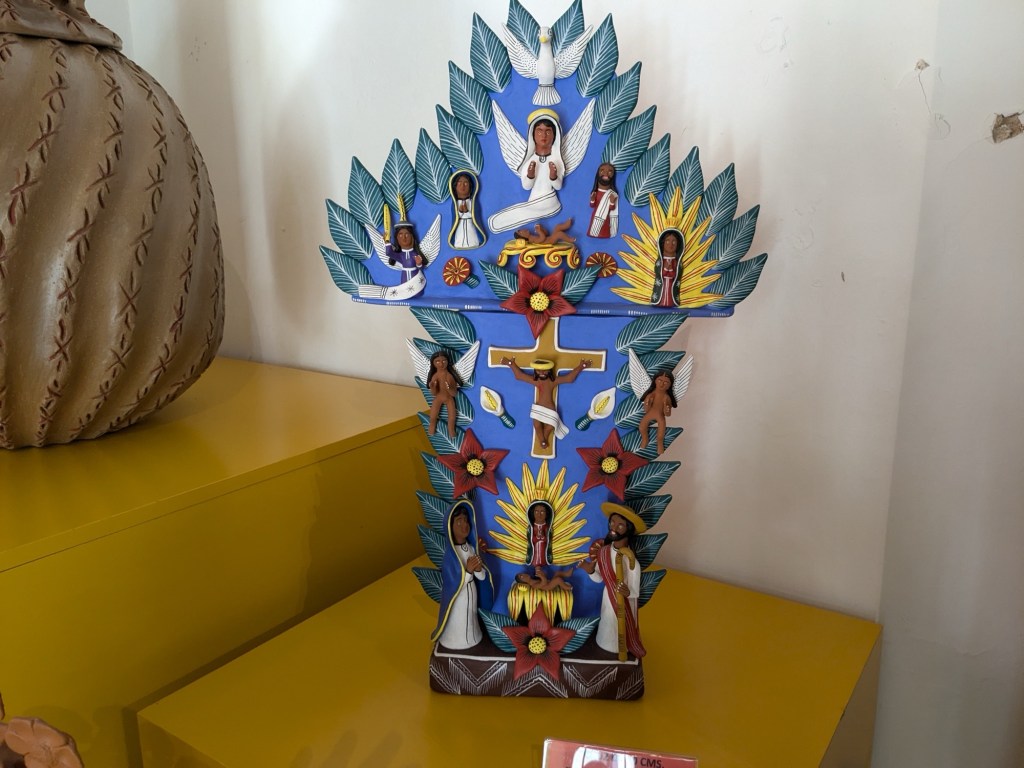
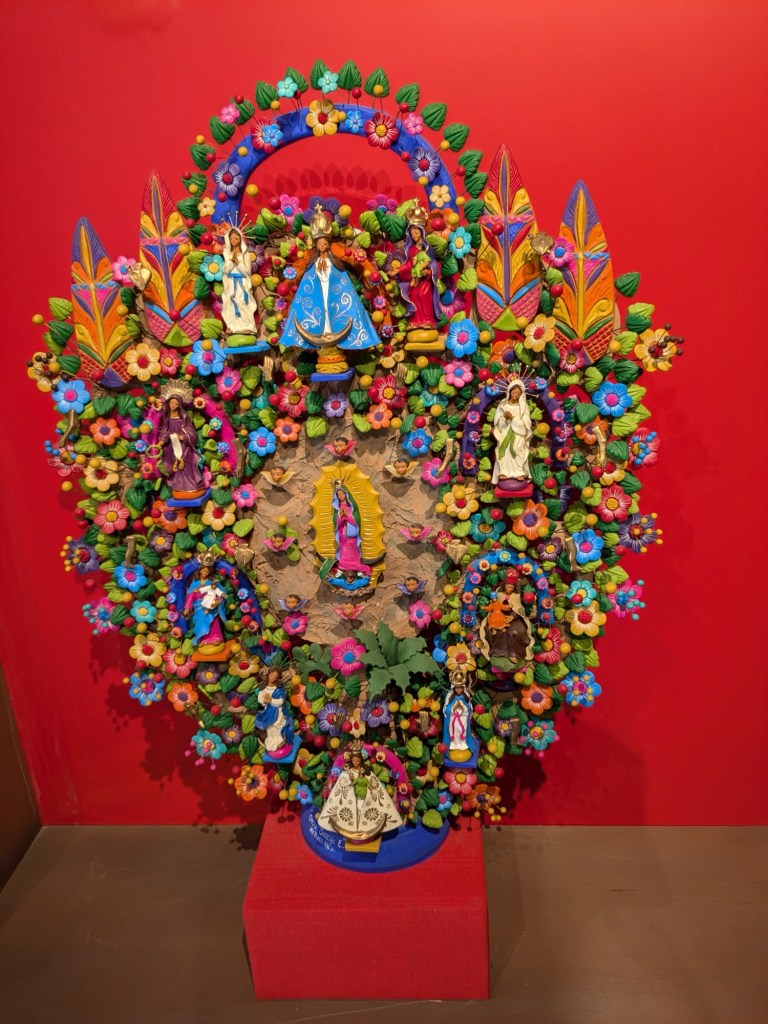
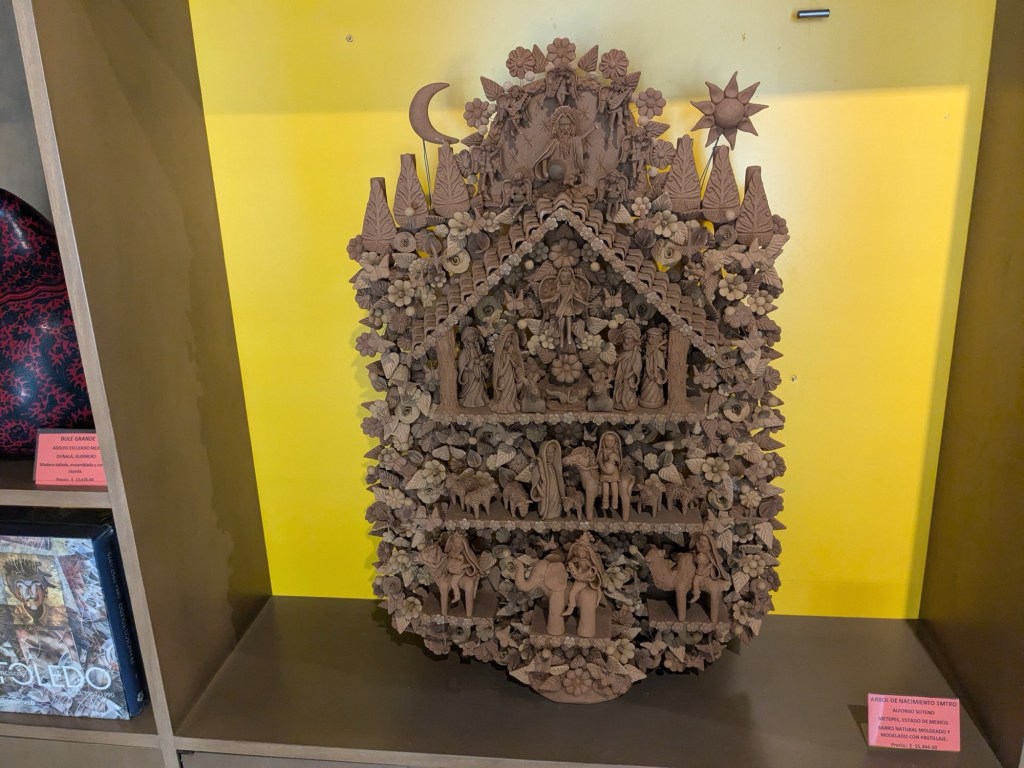
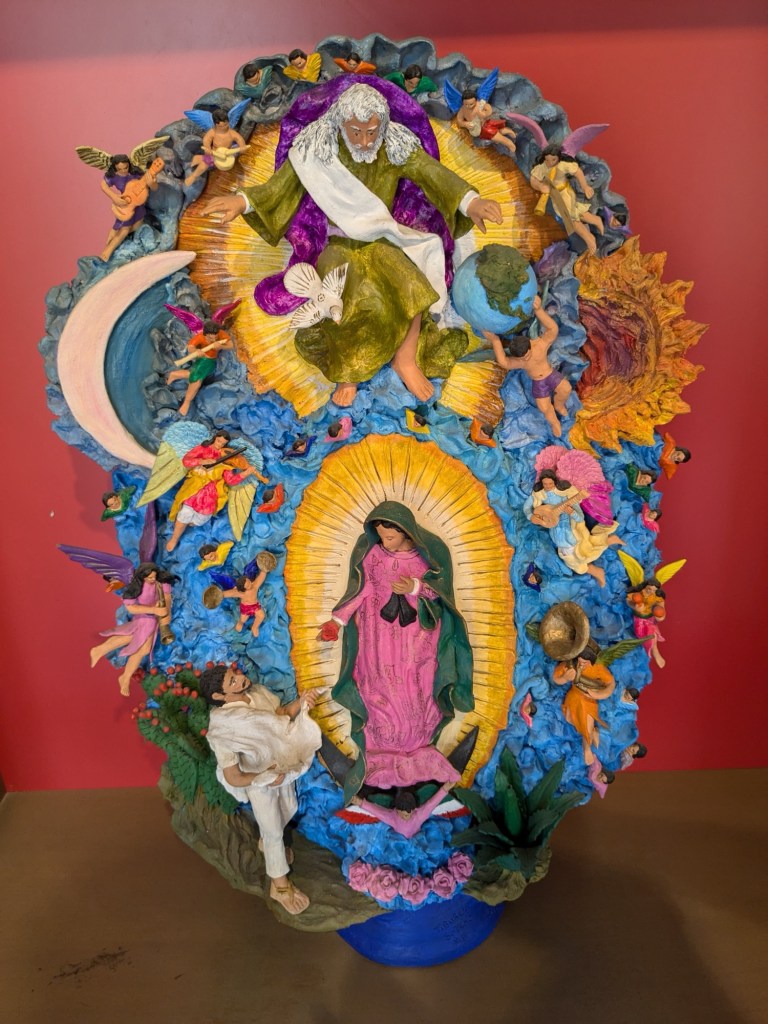
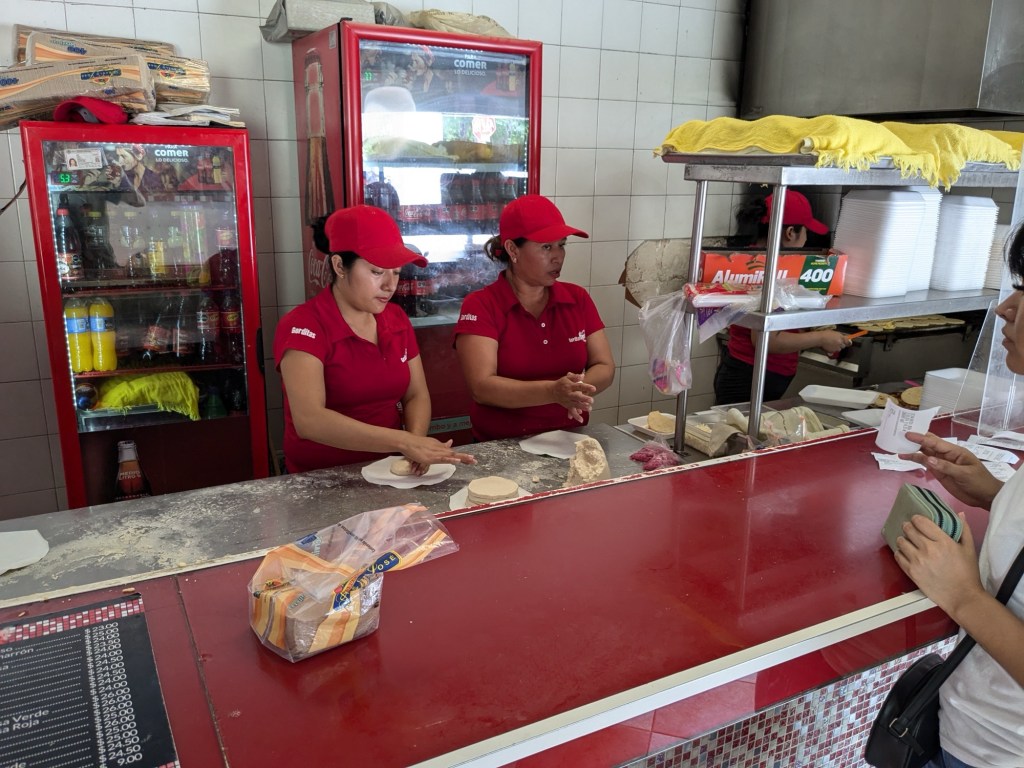
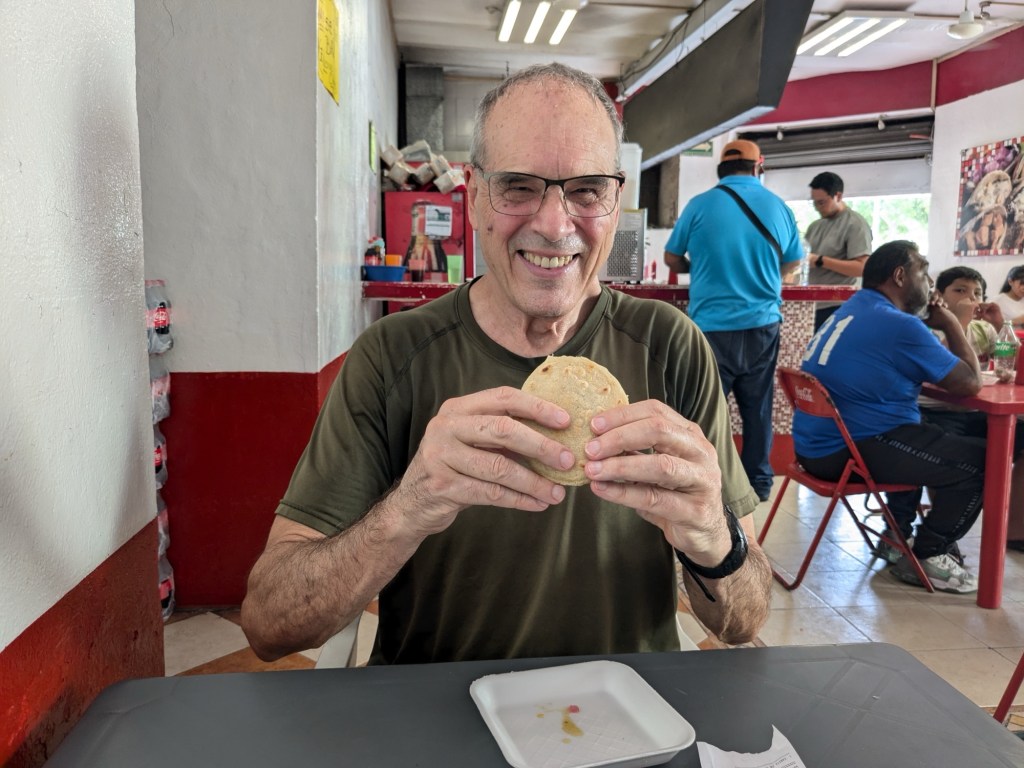
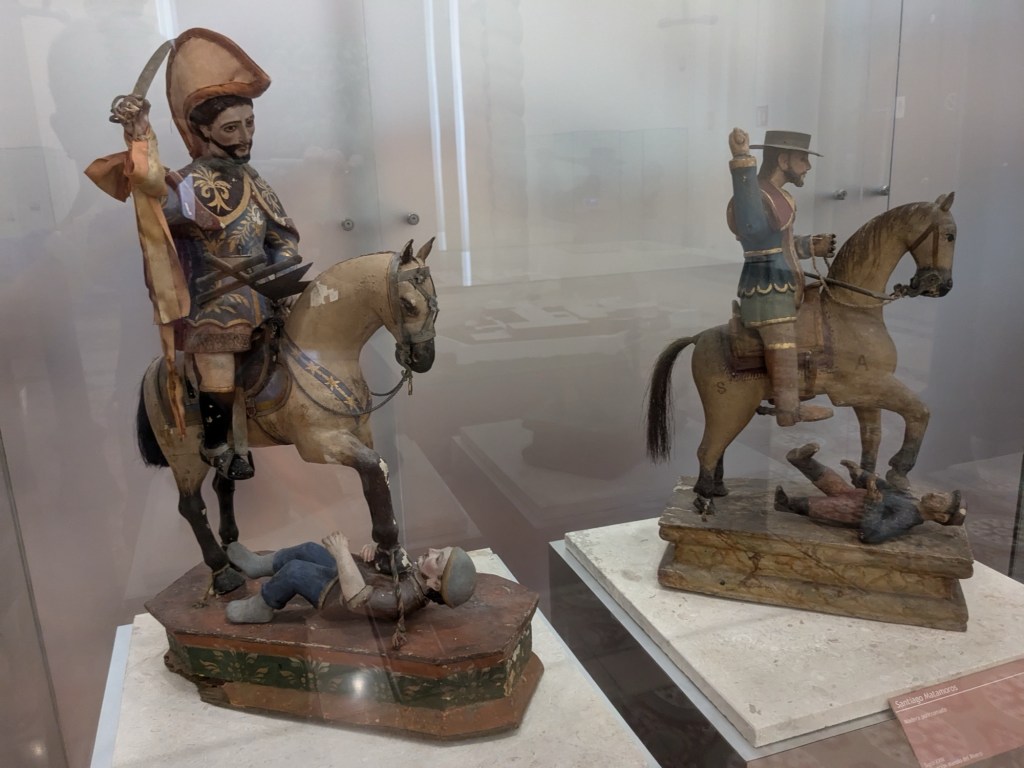
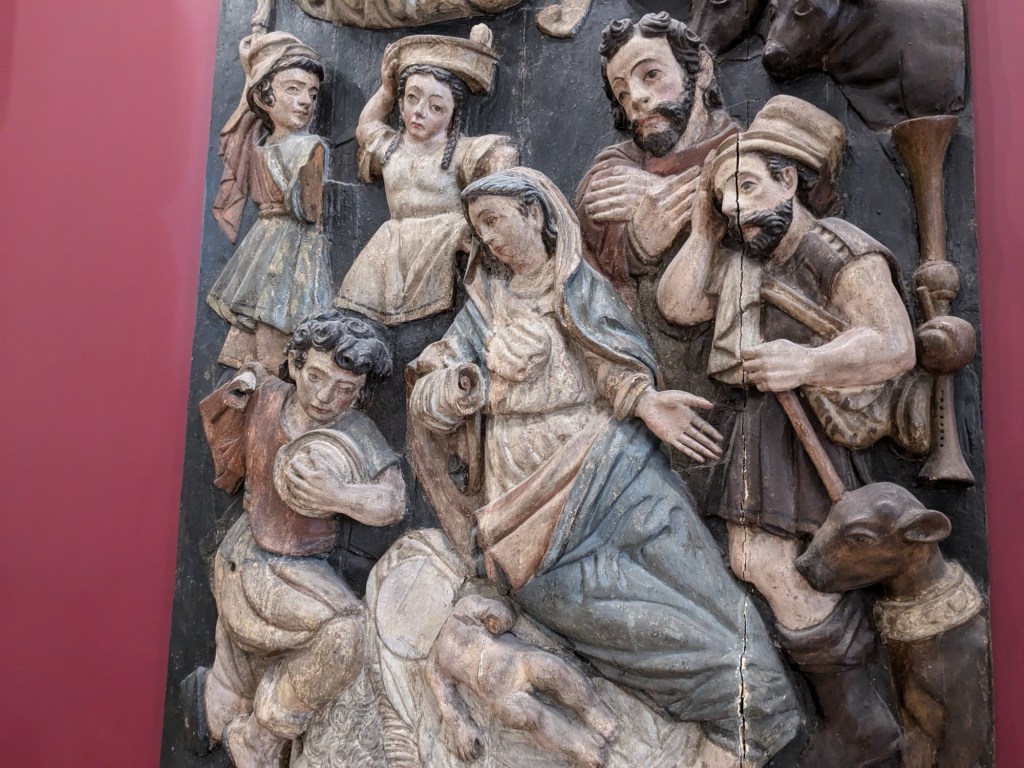
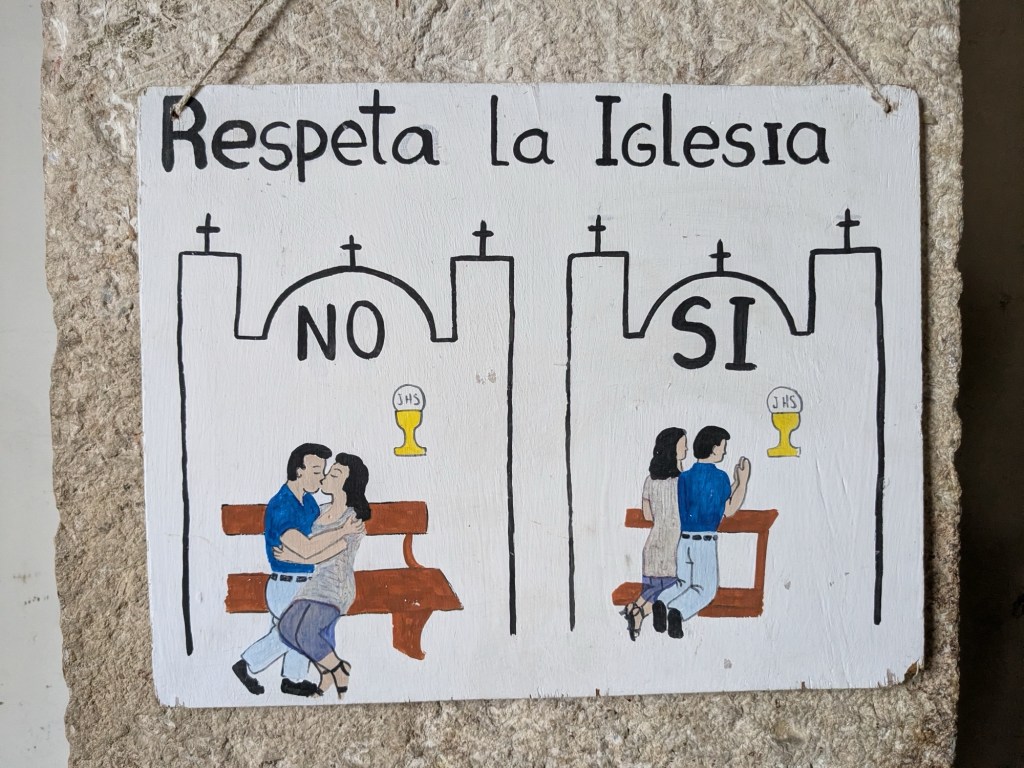
Back toward home to pick up another Menu del Dia to eat in the air conditioning. Shortly after we got inside, the rain poured down. Unlike at home, when it rains, it does not get one degree cooler. A good day!
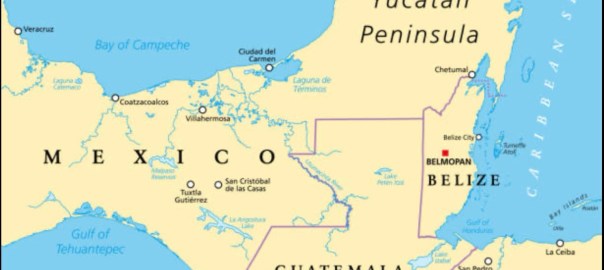
Aug 13, 2024 – Has the summer been hot where you are? It’s been plenty hot in Virginia. So why would two old people fly south to a place that’s even hotter? In August?
Jim was asked to speak at a conference in Mérida, and you know our motto: once you’ve paid the airfare, you may as well hang out a while and see what there is to see. So here we go!
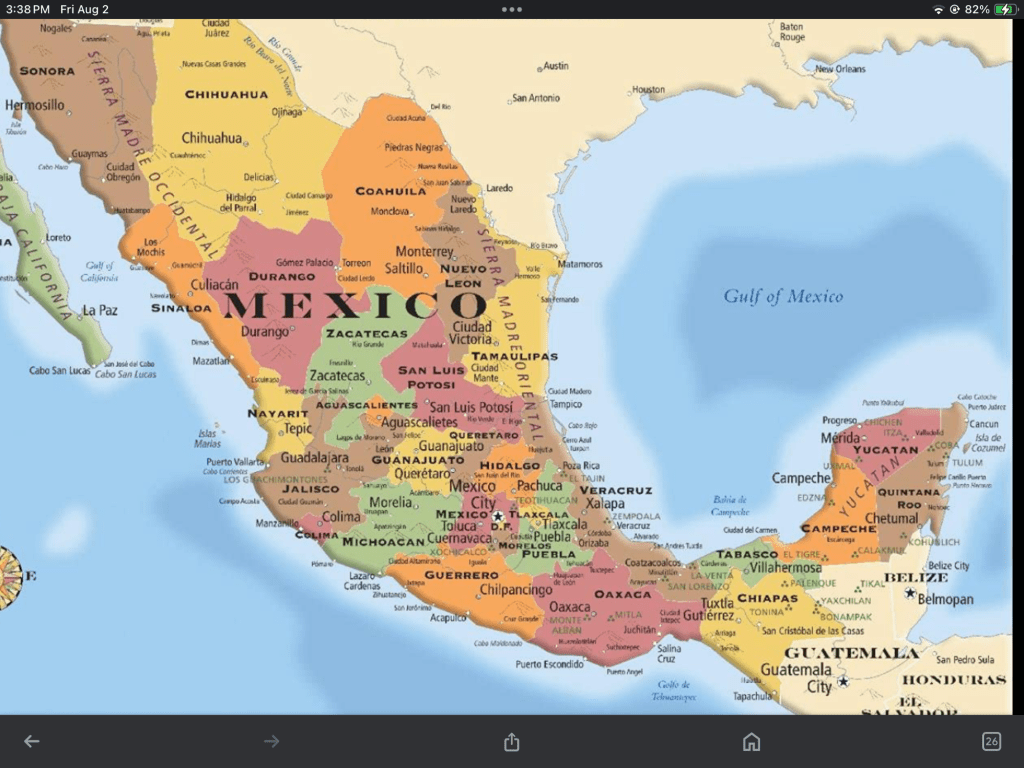
Although Jim booked our flight with only one stop in Atlanta, the airline canceled and shuffled us into an additional stop in Mexico City, Although we’d been to this airport before, it was a real challenge to get through Customs and find the gate for our connecting flight to Mérida. When we finally found the gate, passengers were already boarding. Whew!
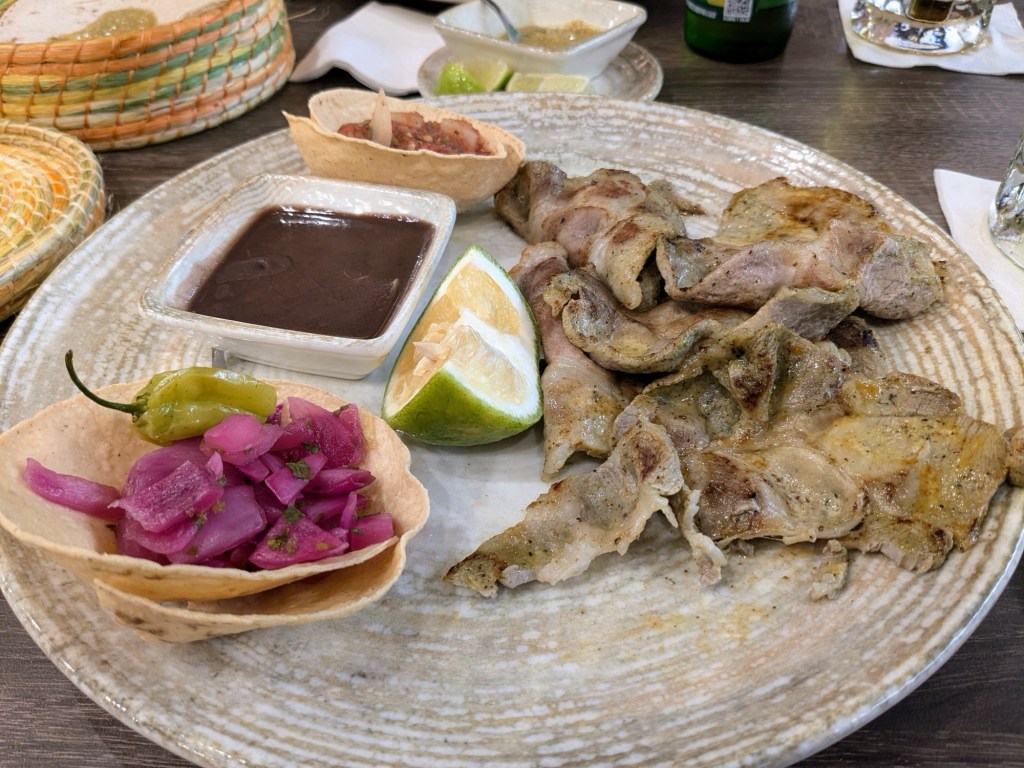
We reached our destination in the early evening (Mexico is two hours behind eastern time), Knowing that there are no restaurants near our room, we stayed at the airport and had a lovely supper of Yucatán cuisine favorites.
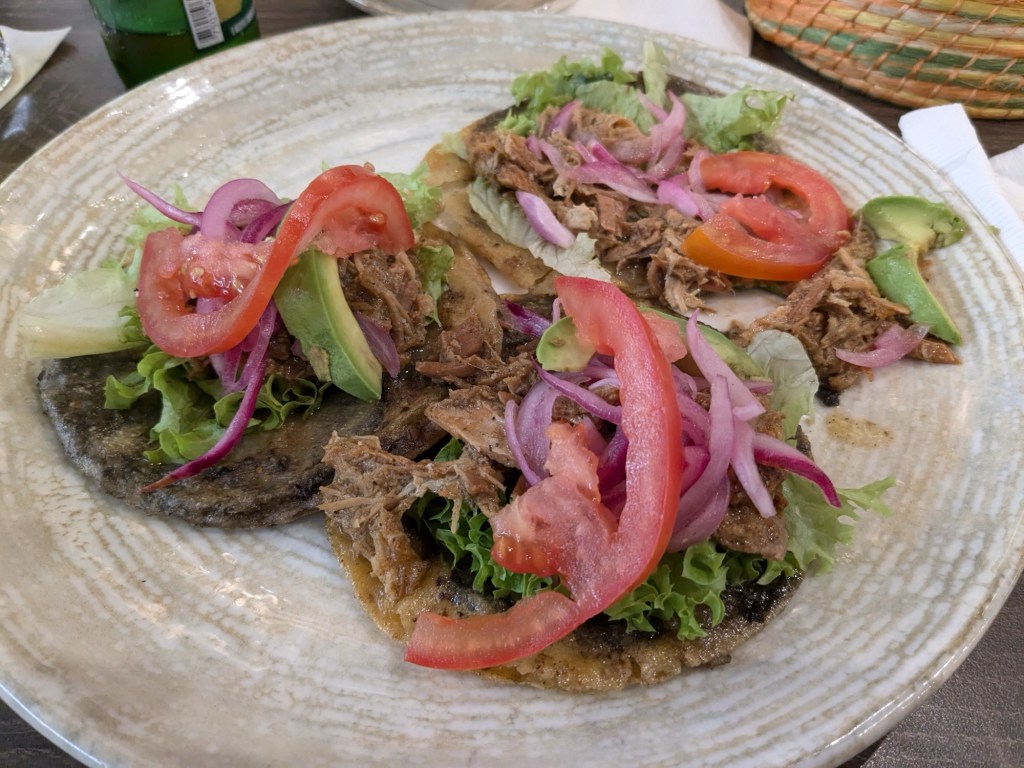
Fortified, we hit the ATM for some pesos (approximately 20 pesos to the US dollar), and arranged a taxi for the 20 minute drive to Hotelito Yum Kaax. We knew that it had rained earlier in the evening, but were surprised by the deep flooding on many of the roads. When we reached our address, the street was totally dark and we had to use my phone’s flashlight to manage the digital entrance code. We got into our room and had our fear confirmed- the electricity in the area was out and it was absolutely dark. And hot.
We brushed our teeth by phone-light and got into bed – what else could we do?
After about half an hour of lying absolutely still and trying not to sweat, the power came back on – hallelujah! So here we are in our air conditioned room with great wifi, and a little kitchen with a fridge containing two cans of welcome Mexican beer. Life is good!
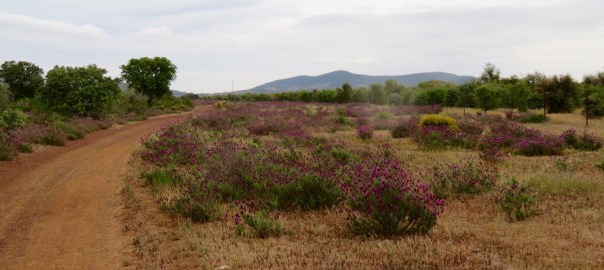
Apr 27 – Back on the road for an easy 12 mile day of flat terrain. Got to pass by the aqueducts one more time as the sun came up. So long, Mérida!
A reminder of how far we have yet to travel.
The nice folks of Mérida built a bike path alongside the highway, which gave us a way to walk safely out of the city.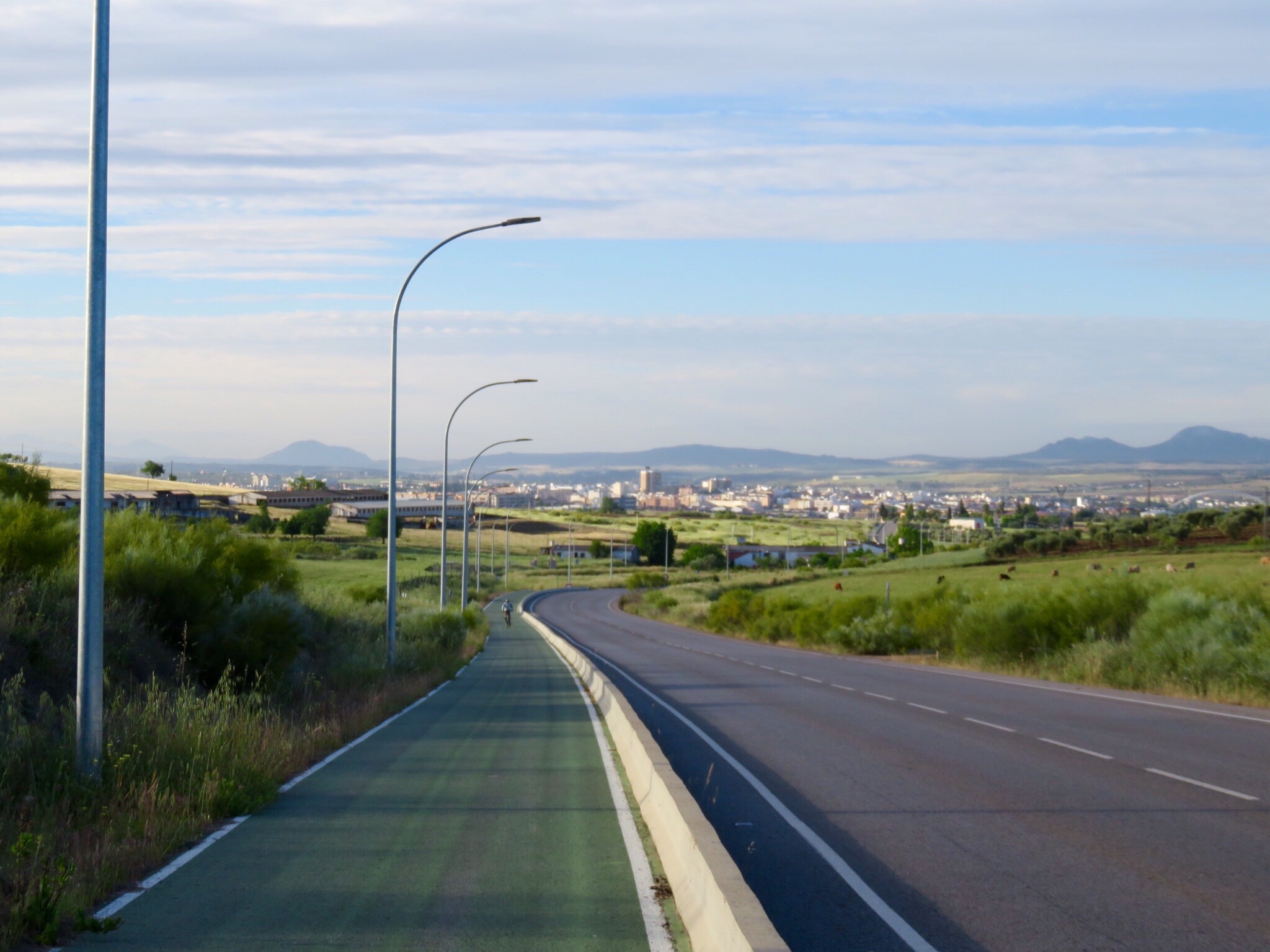
Several miles out, we walked around the Proserpina dam, built by the Romans to provide water for the aqueducts of Mérida. Quiet and so pretty in the morning light.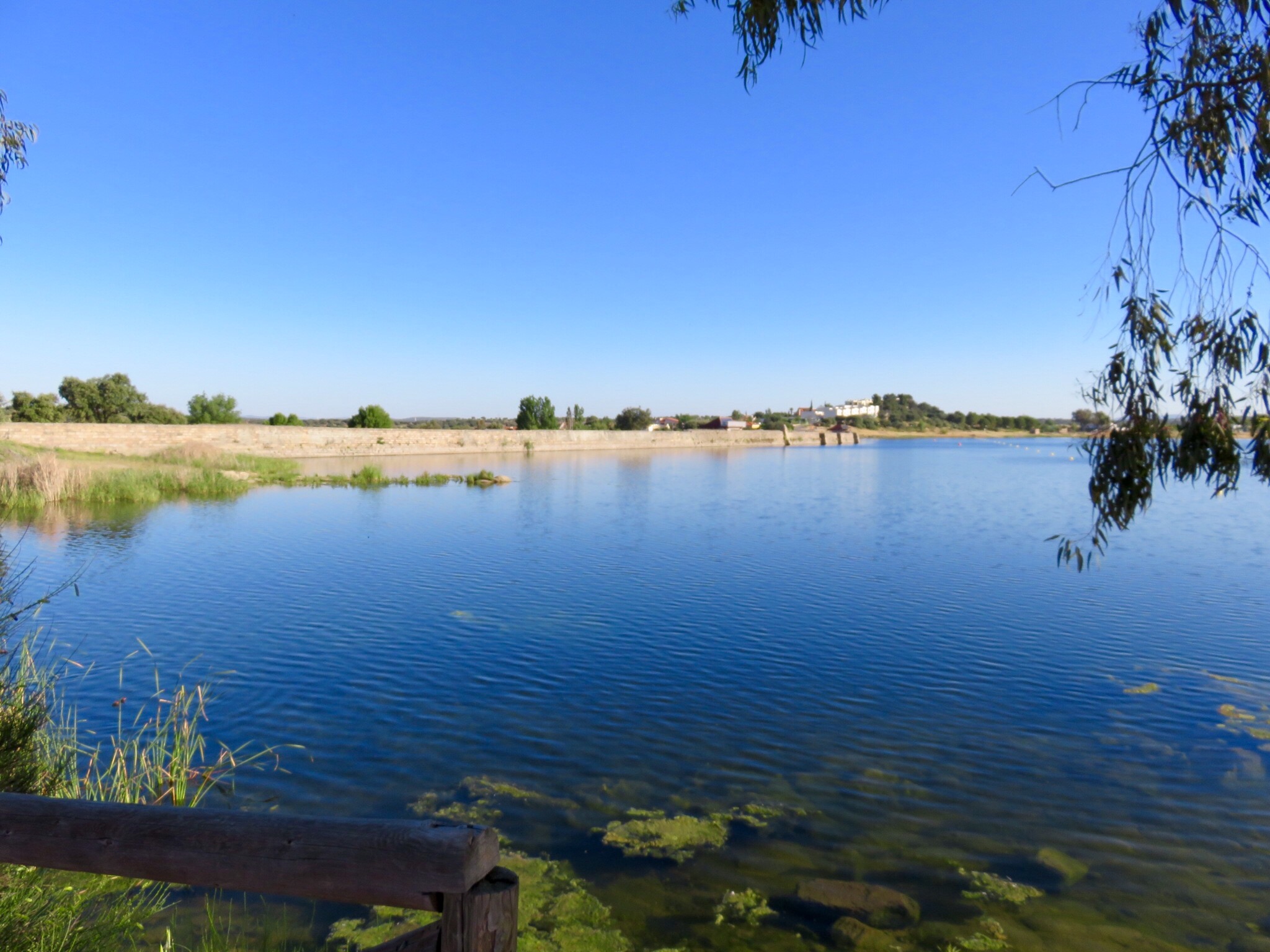
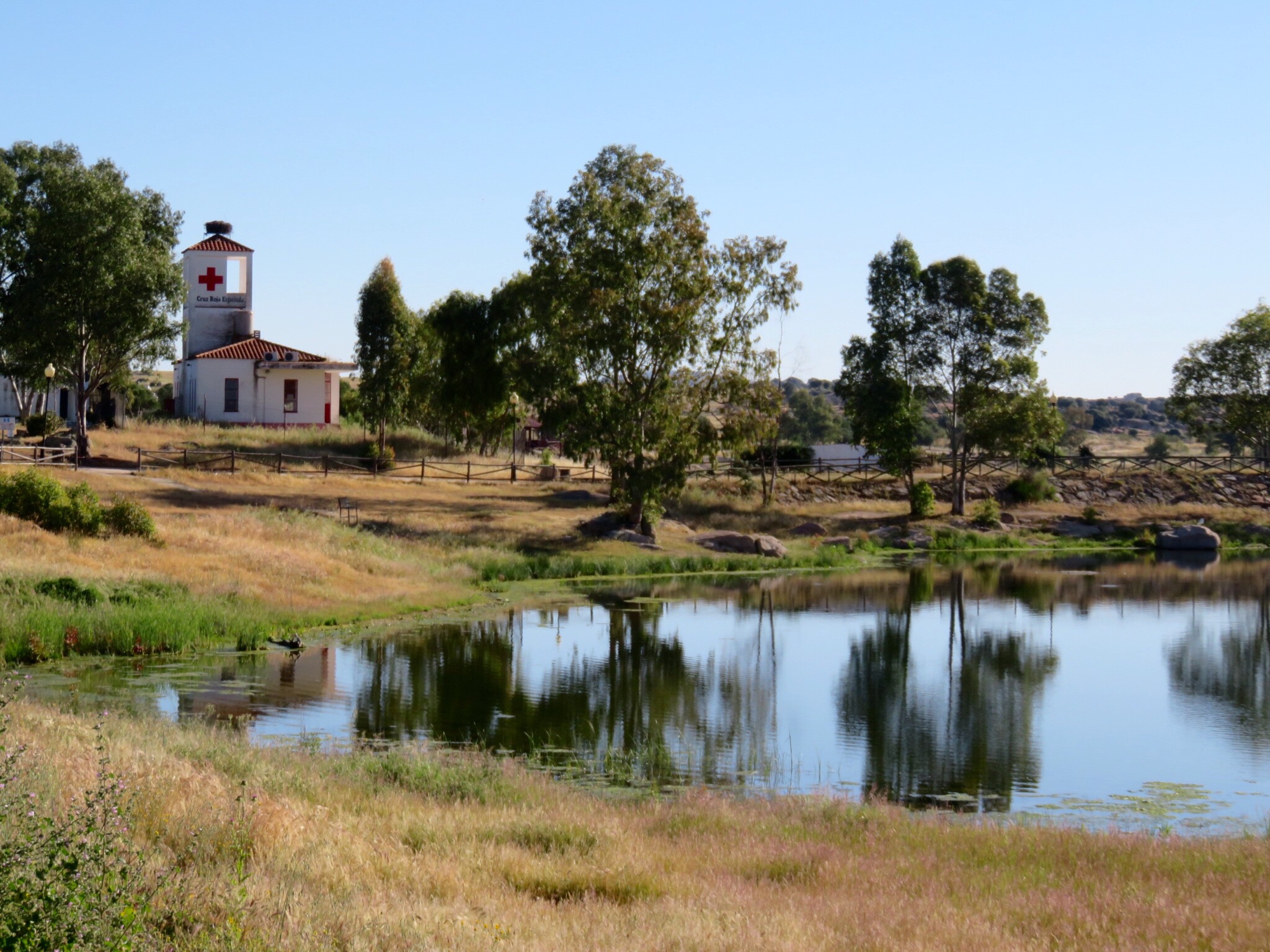

We met a couple from Montreal who are walking their fifth Camino, and were passed by two bikers. We walked through a little town with an open church (a woman was cleaning inside) and we stopped for a quiet moment.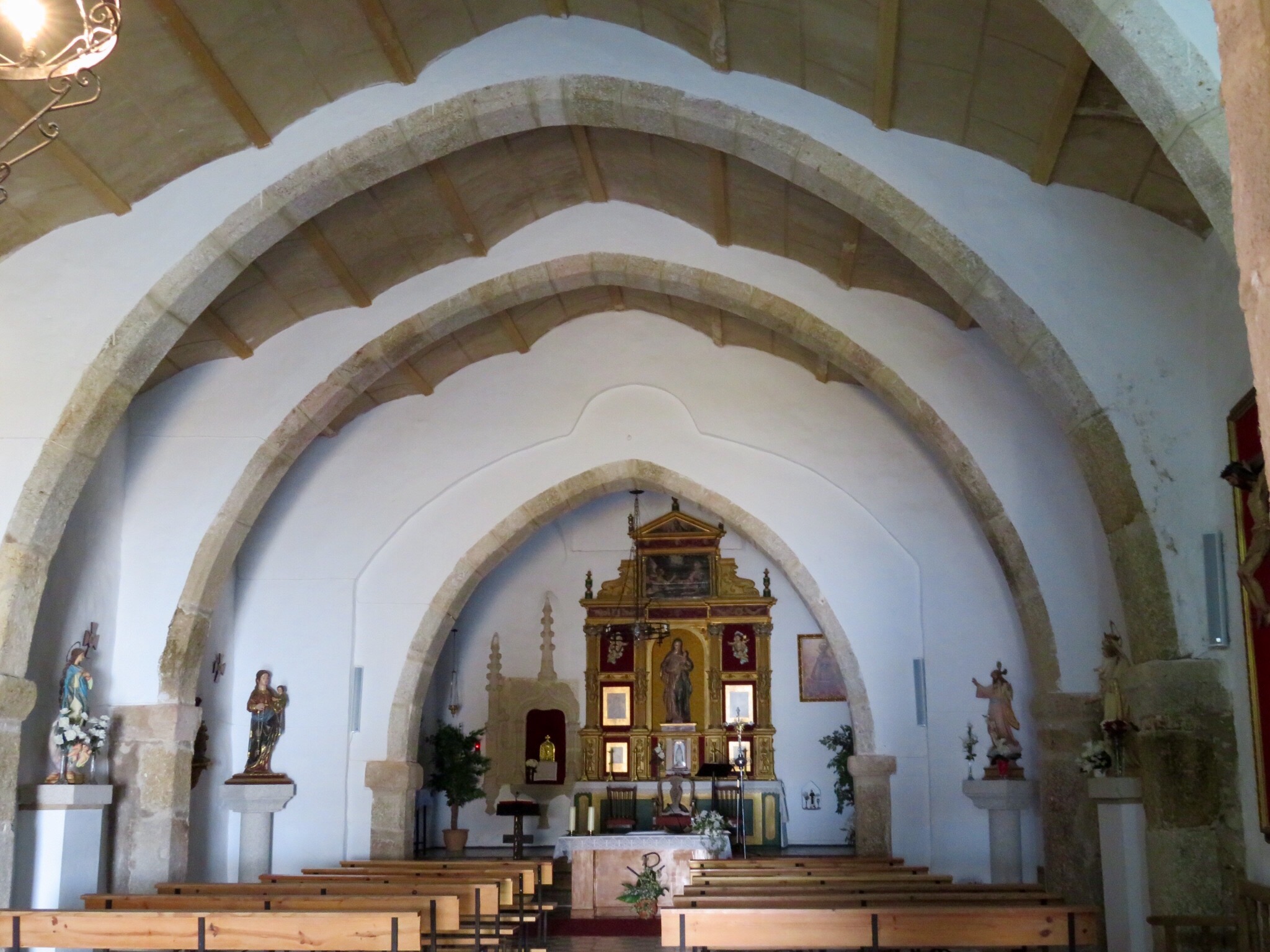
Walking into Aljucén, we saw some Camino-themed graffiti at the highway underpass.
Aljucén is a town of 247 souls, according to Wikipedia, but it has three alburgues and two restaurants that cater to pilgrims. There is no hostal near this town where it is possible to get a room with a private bath, so this will be the first of our Alburgue Days.
At an alburgue, you get a bunk bed, access to a shared hot shower and a toilet, an outdoor washtub and line for laundry, and access to a shared refrigerator and stove. What you don’t get is sheets, towels, shampoo or, usually, privacy. A diehard pilgrim spends every night of his/her Camino in an alburgue, at a nightly rate of $11-13 per person. We have been carrying shampoo, a lightweight travel towel, and silky traveler’s sheets / pillowcase on the chance that we would need them (the traveler’s sheets are really a miracle – they fold into a sack the size of a little packet of tissue, and only weigh a few ounces). We picked the Alburgue Annalena because the pictures online showed that the bunks were in four bedrooms instead of in one big dormitory. As it turned out, no one else chose this alburgue, so we had the whole house to ourselves. Annalena came by at dusk to check our passports and wish us Buen Camino.
472 miles to go.
Apr 28 – Woke up to a cold, windy morning with rain in the forecast. Even though the rain had not started when we left the alburgue, we opted to put on our raincoats because it was so cold. Within an hour, a cold rain started to fall. Not many pictures today. We were passed by a woman from Holland and a man named Christian from northern Germany.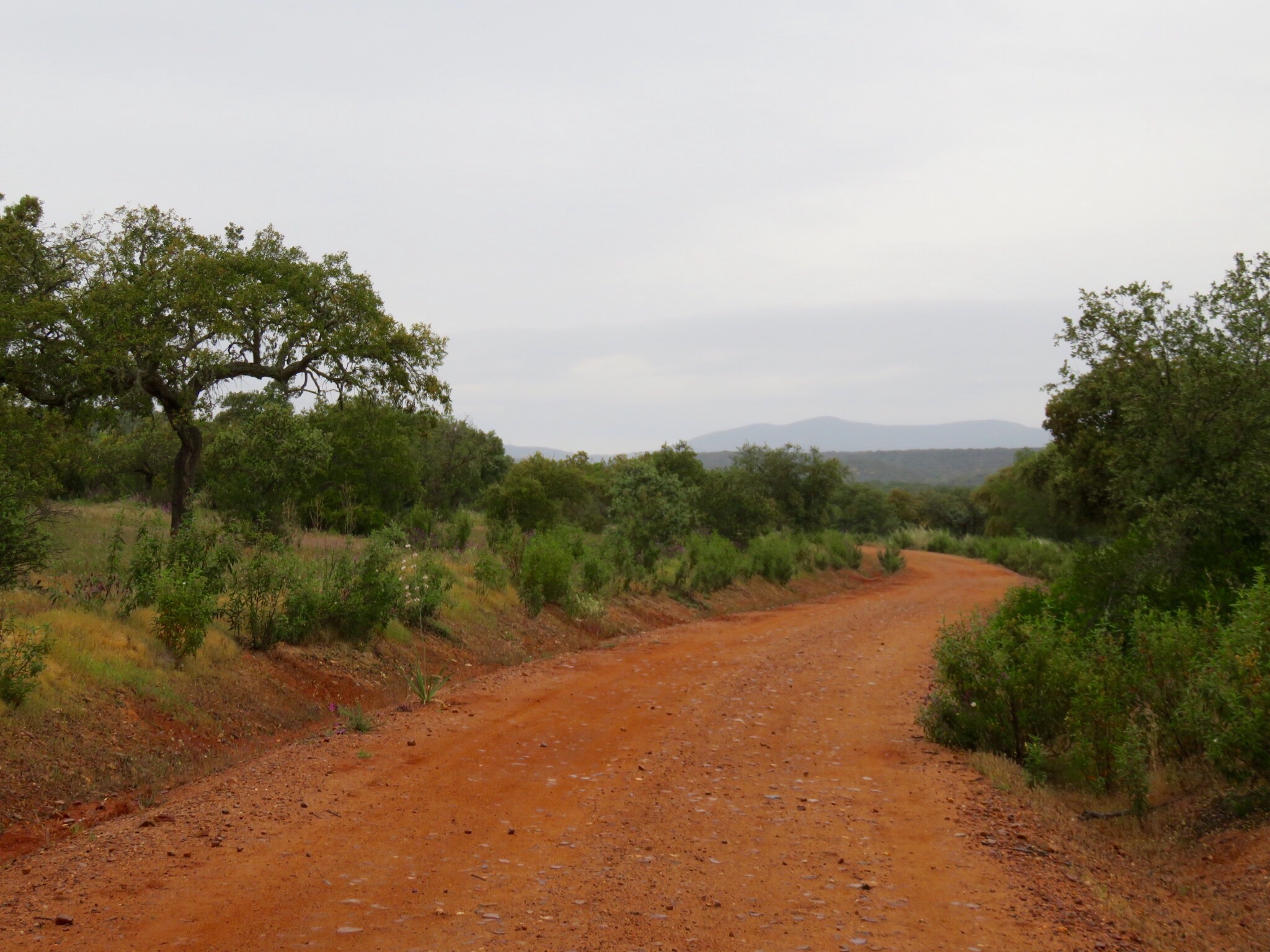
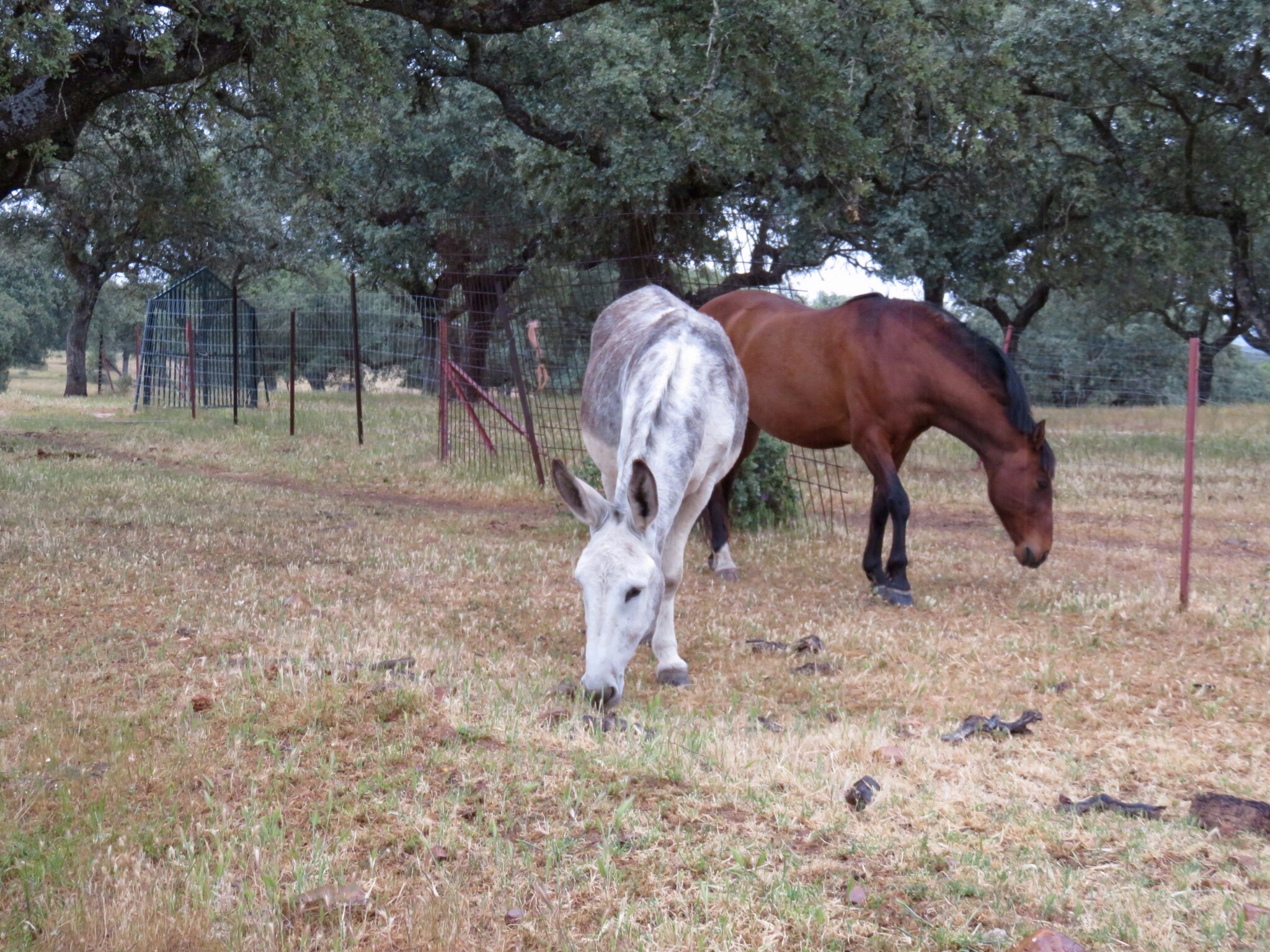
Although we only walked 11 miles today, I was beat by the time we got to Alcuéscar, from walking into the wind. We passed the alburgue and decided we deserved a night in a hostal. Unfortunately, the Hostal Olivo was overpriced, with very mediocre food, and no wifi. When it rains, it pours. 461 miles to go.

Apr 26 – As our whirlwind tour of Mérida continued, we walked to the edge of town to see the Aqueductos Milagros – ancient Roman aqueducts that are considered miraculous because they are still standing after more than 2000 years. These are one of the original four aqueducts that supplied fresh water to the city.
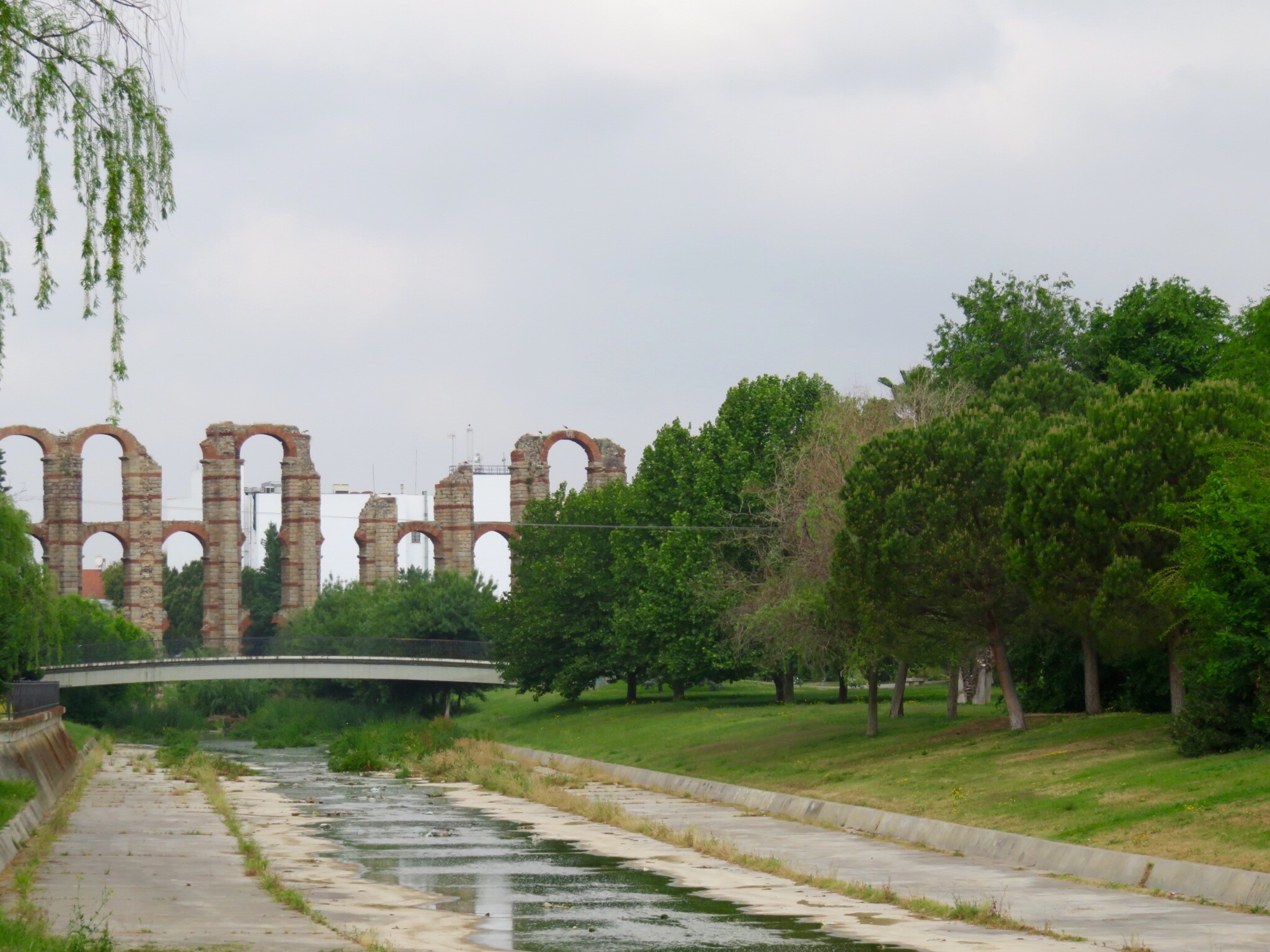

We were happy to see our friends the storks nesting on top of the aqueduct.
Next we swung by another church, but that one wasn’t open either. It did have an odd statue out front though:
I thought maybe it represented a pilgrim with sore feet, but the plaque said, “To those who make possible the Semana Santa (Holy Week) of Mérida”. I guess they hoist a lot of floats and parade around in this town too.
Now here’s an interesting story. In the 1400s, a knight of the Order of Santiago decided to build his palace on the site of the ancient Roman Temple of Diana. Rather than knock down the temple and use the bricks, which was a very popular construction technique, he incorporated the temple into his design, using it as the front porch!


In 1972, the city fathers were going to knock down the palace and restore the temple, but cooler heads prevailed and they decided to leave it as-is, as the temple would have fallen long ago if not for the upkeep by the owners of the palace. So, a win-win all around!
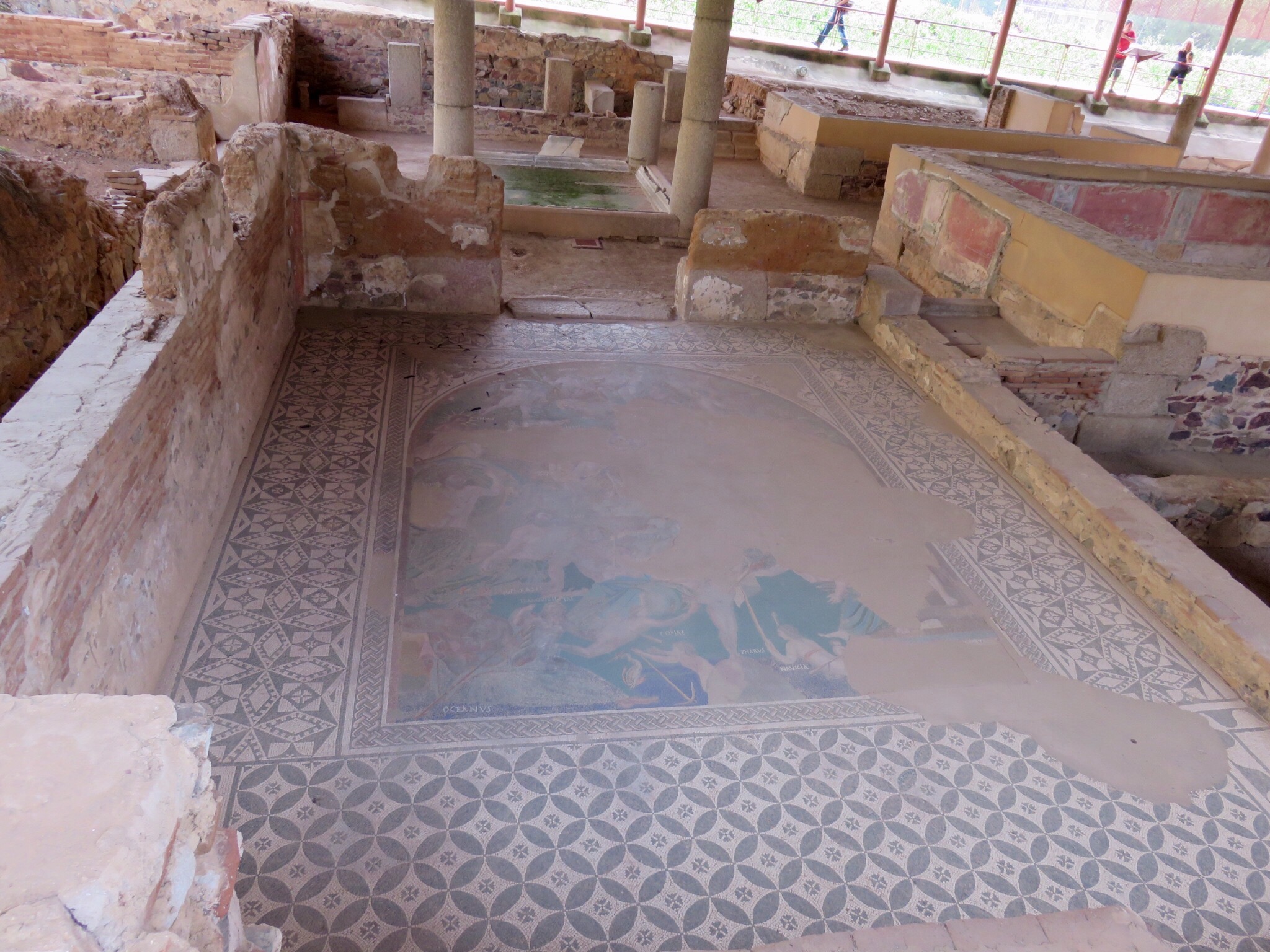
Finally, we visited Casa del Mitreo, a typical Roman villa that is currently being excavated and restored by archeologists.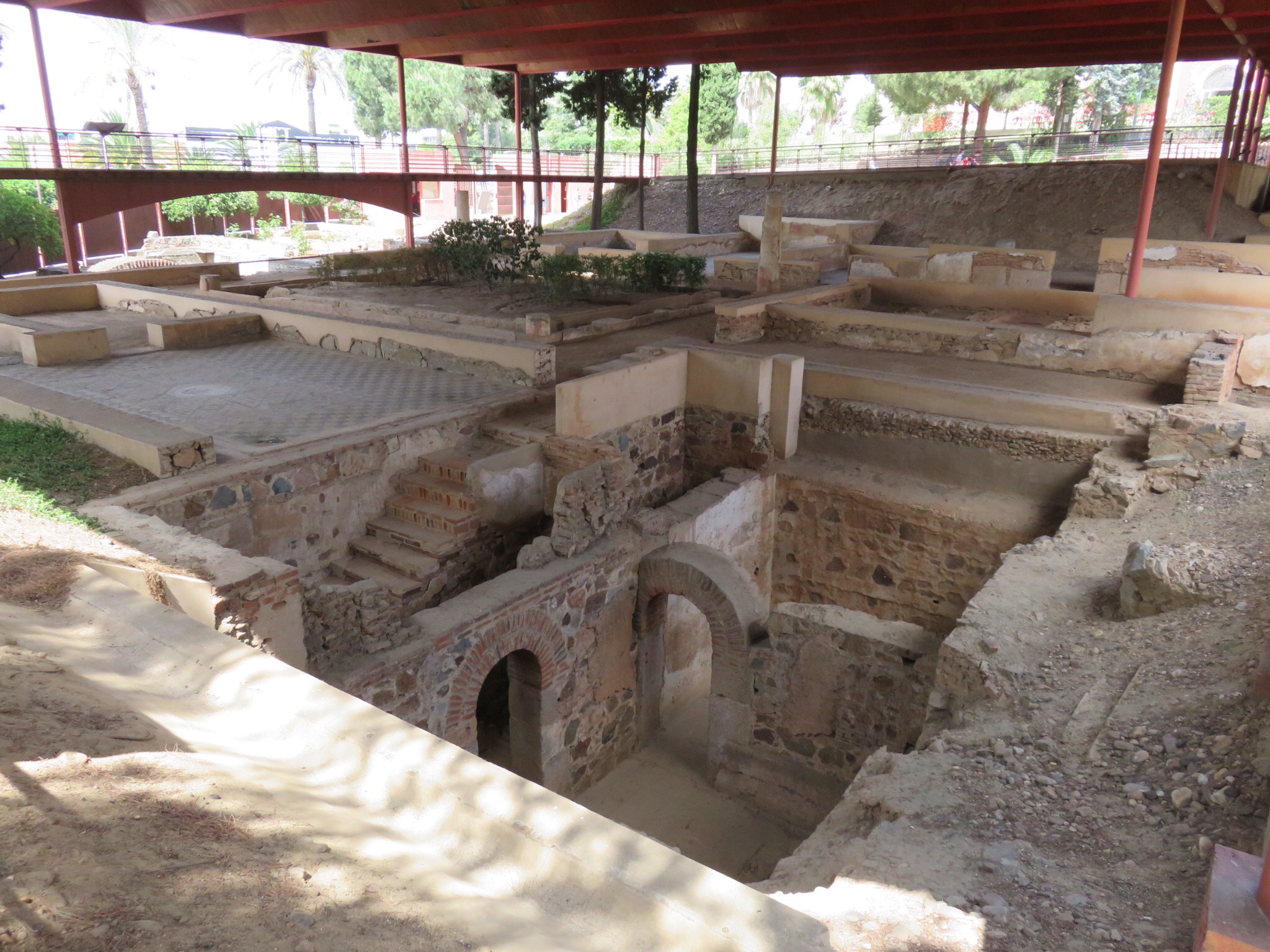
Another tile floor, this one showing either the Roman gods or the zodiac – not sure…
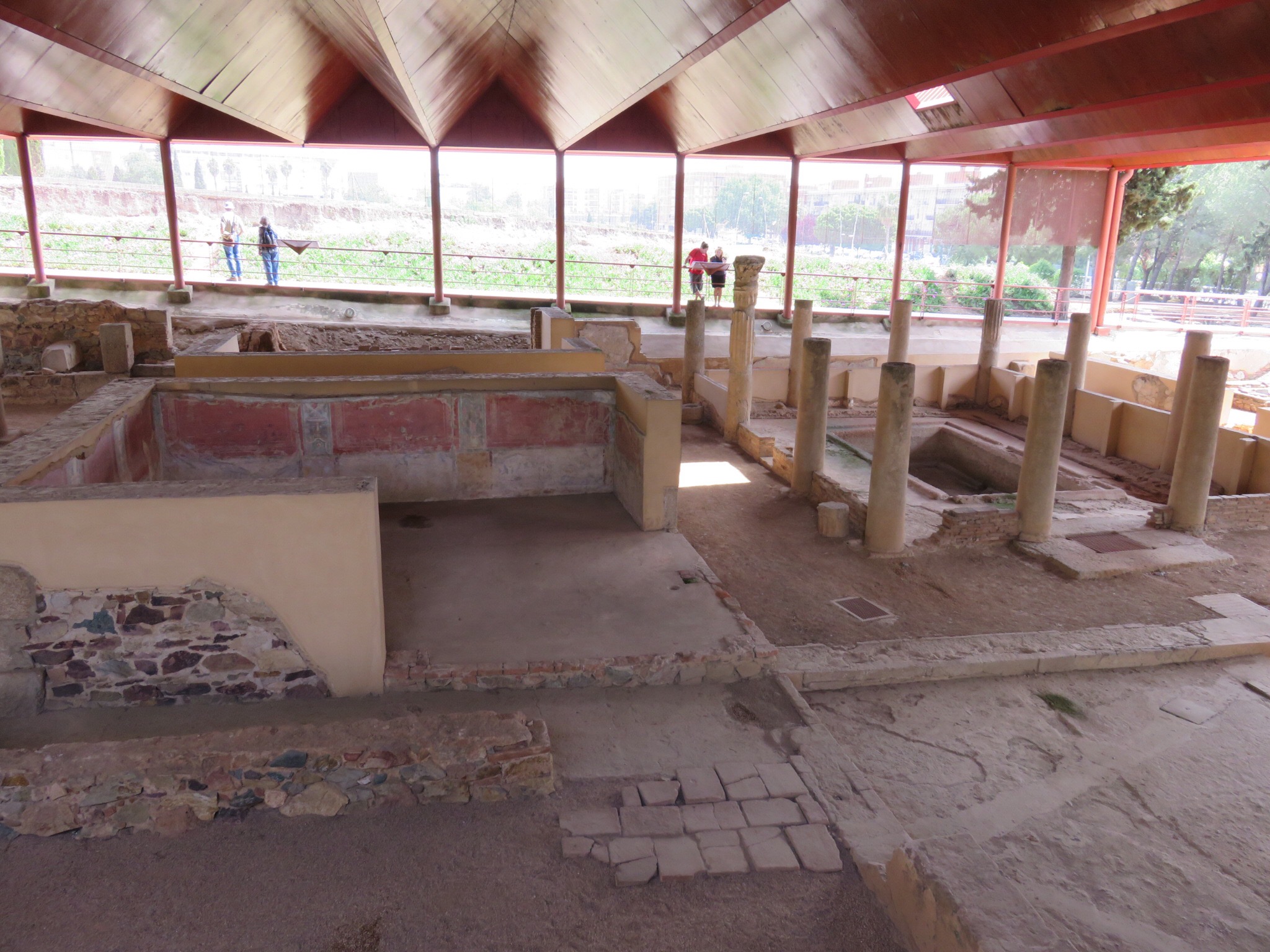
And then it was time for lunch! We really enjoyed all that Mérida had to offer. Tomorrow, we’re back on the road!
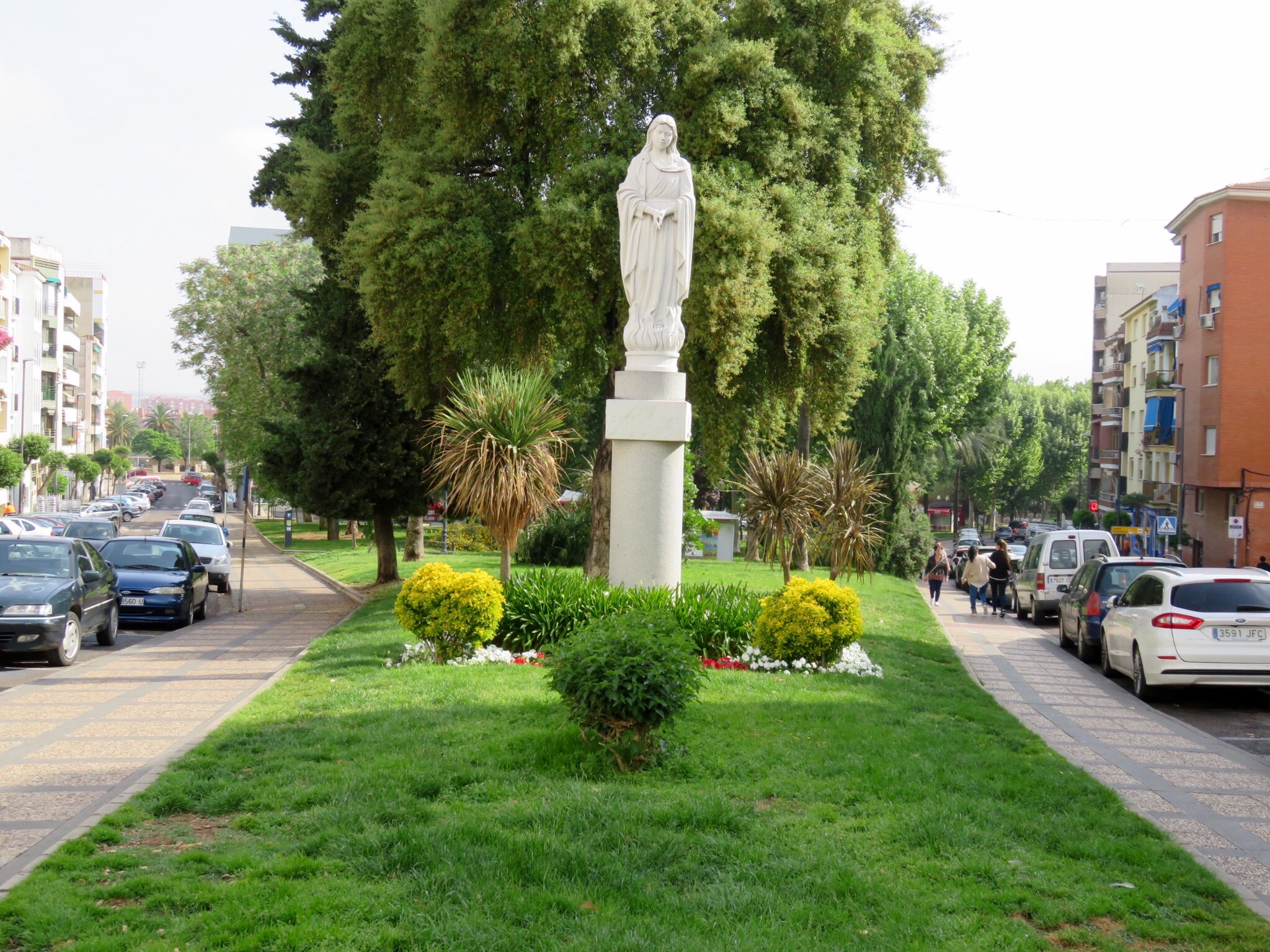
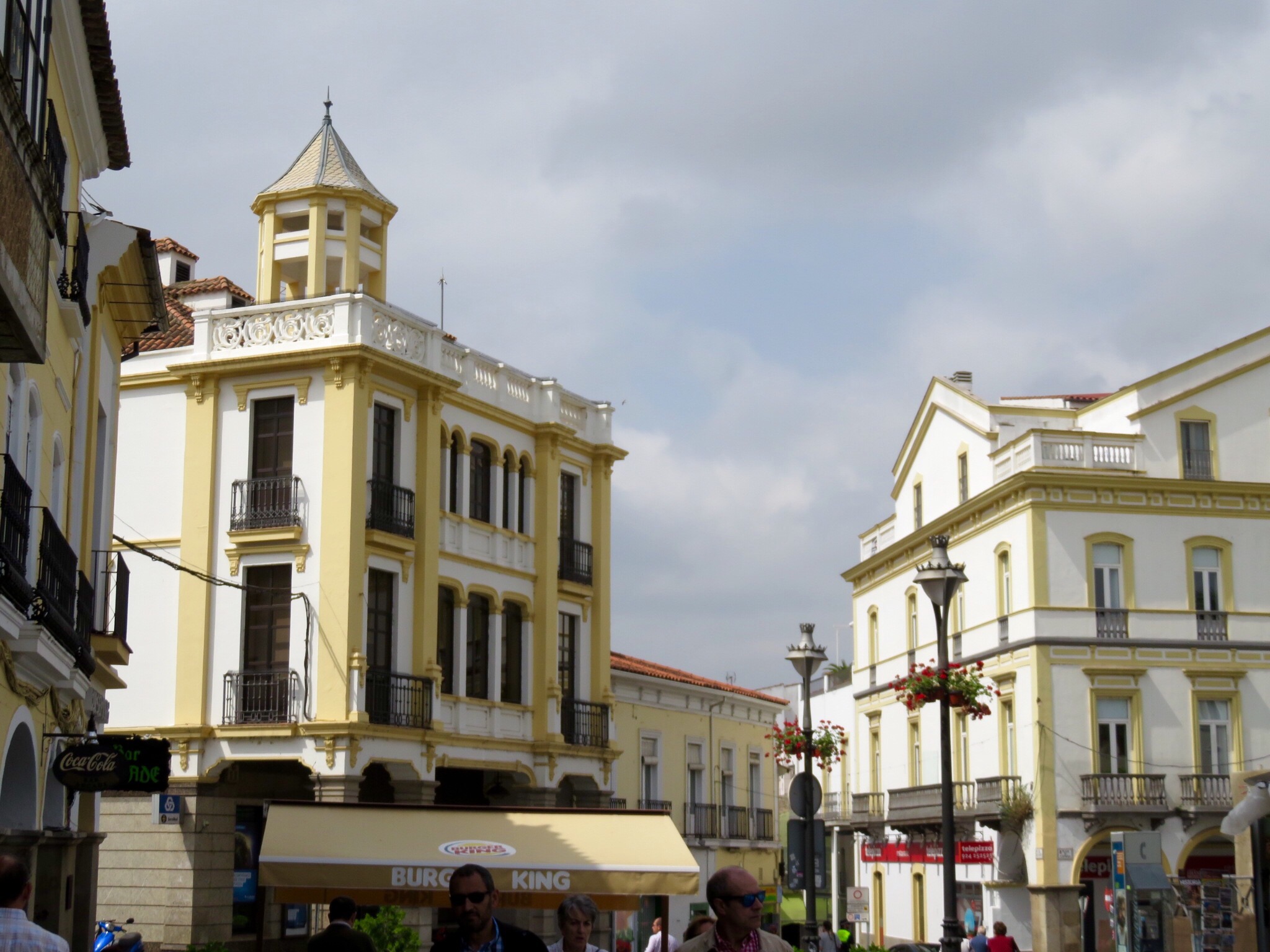
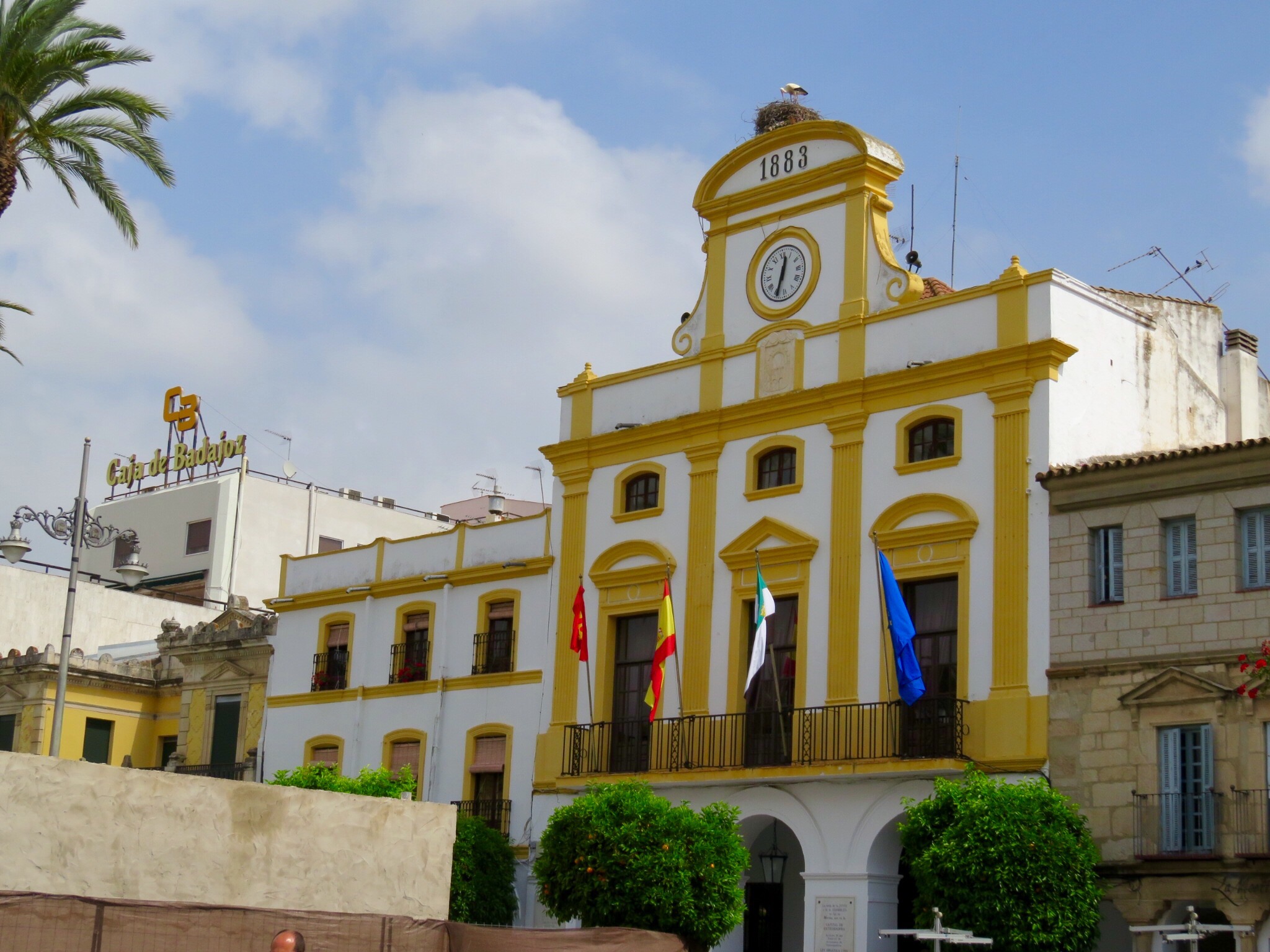
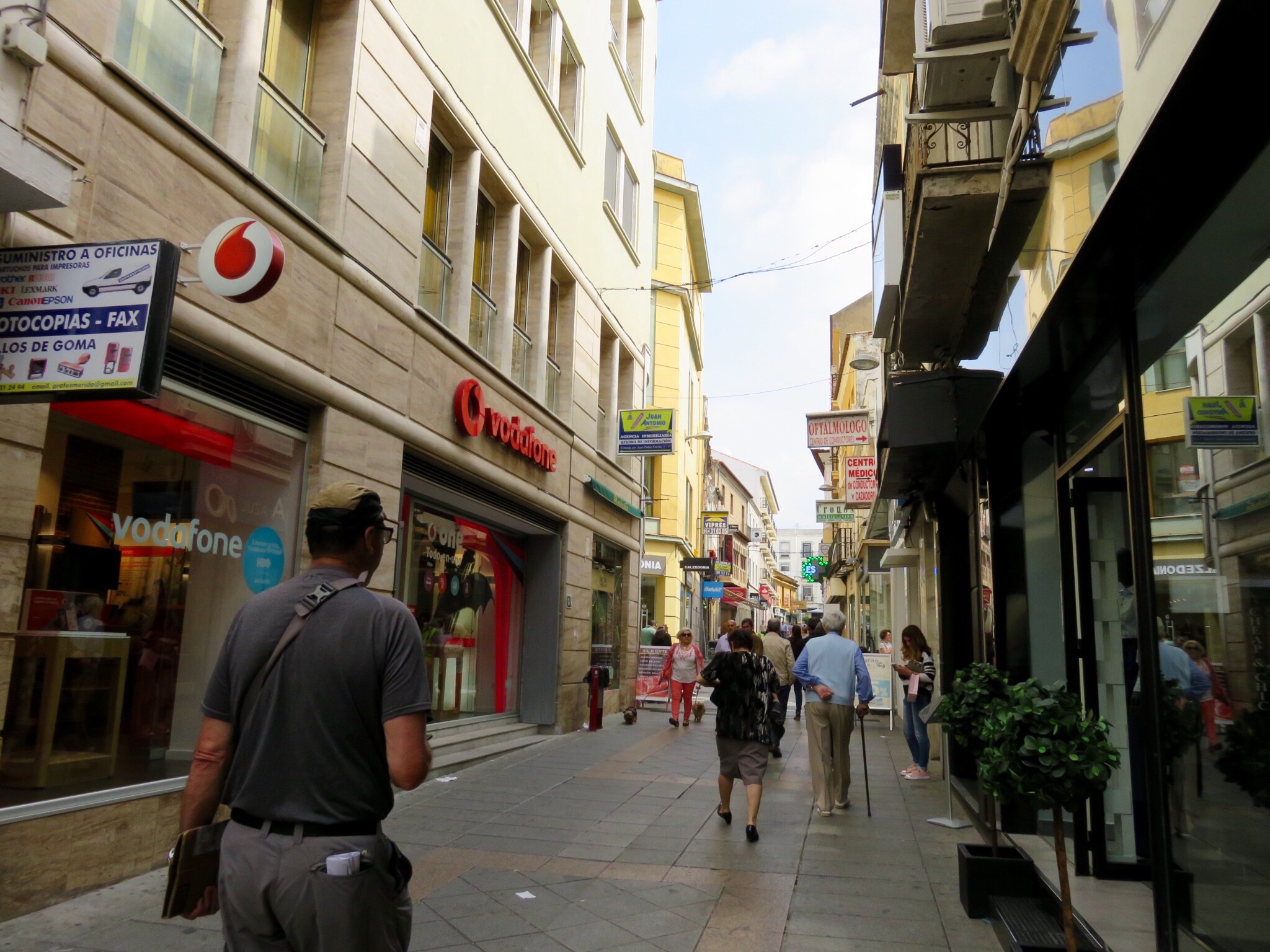
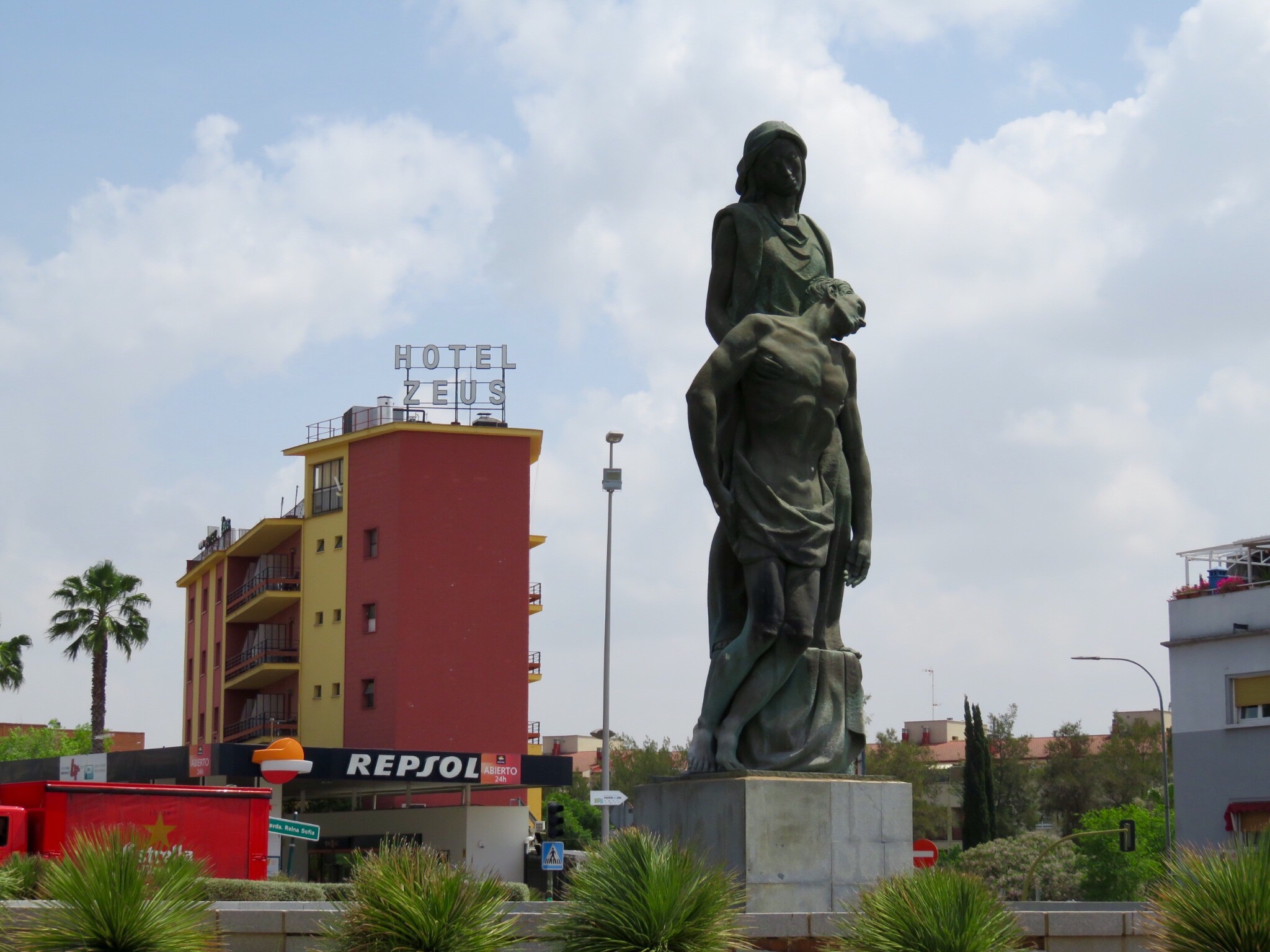
A Piedad statue at the roundabout and view of our home in Mérida – the Hotel Zeus.
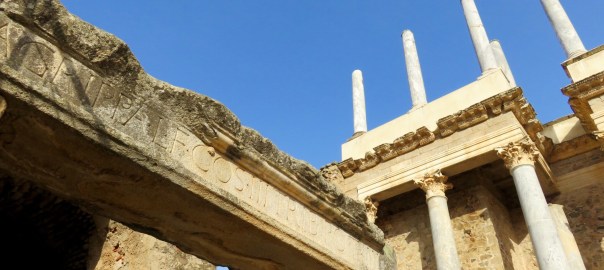
Apr 25 – So, what do hikers do when they have a day off to rest their feet? They traipse all around town to see the sights, of course!
All the sights of Mérida are associated with ruins. Established about 25 BCE as a retirement village of those who fought in the army of Caesar Augustus, Mérida (Augusta Emerita) was a big deal in the Roman Empire, and the capital of Lusitania and later Hispania. It was overtaken by the Muslims in the 700s, then captured by the Christians in 1230.
After crossing the Puente Romano footbridge, we stared up at the Alcazaba, a fort built by the Muslims by recycling the bricks from the wall the Romans had built to protect the city.
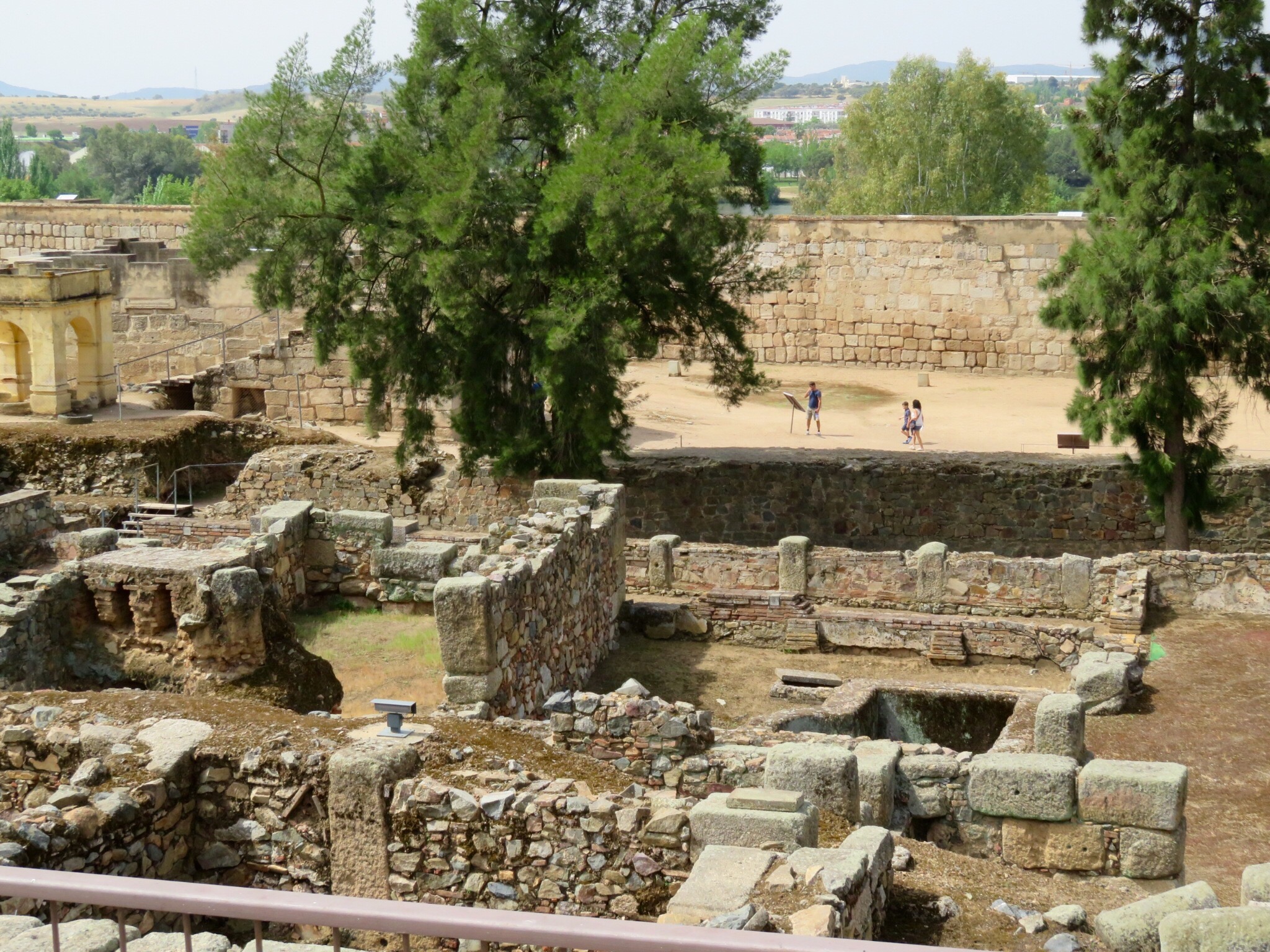
We walked up the battlement wall to look at the river below.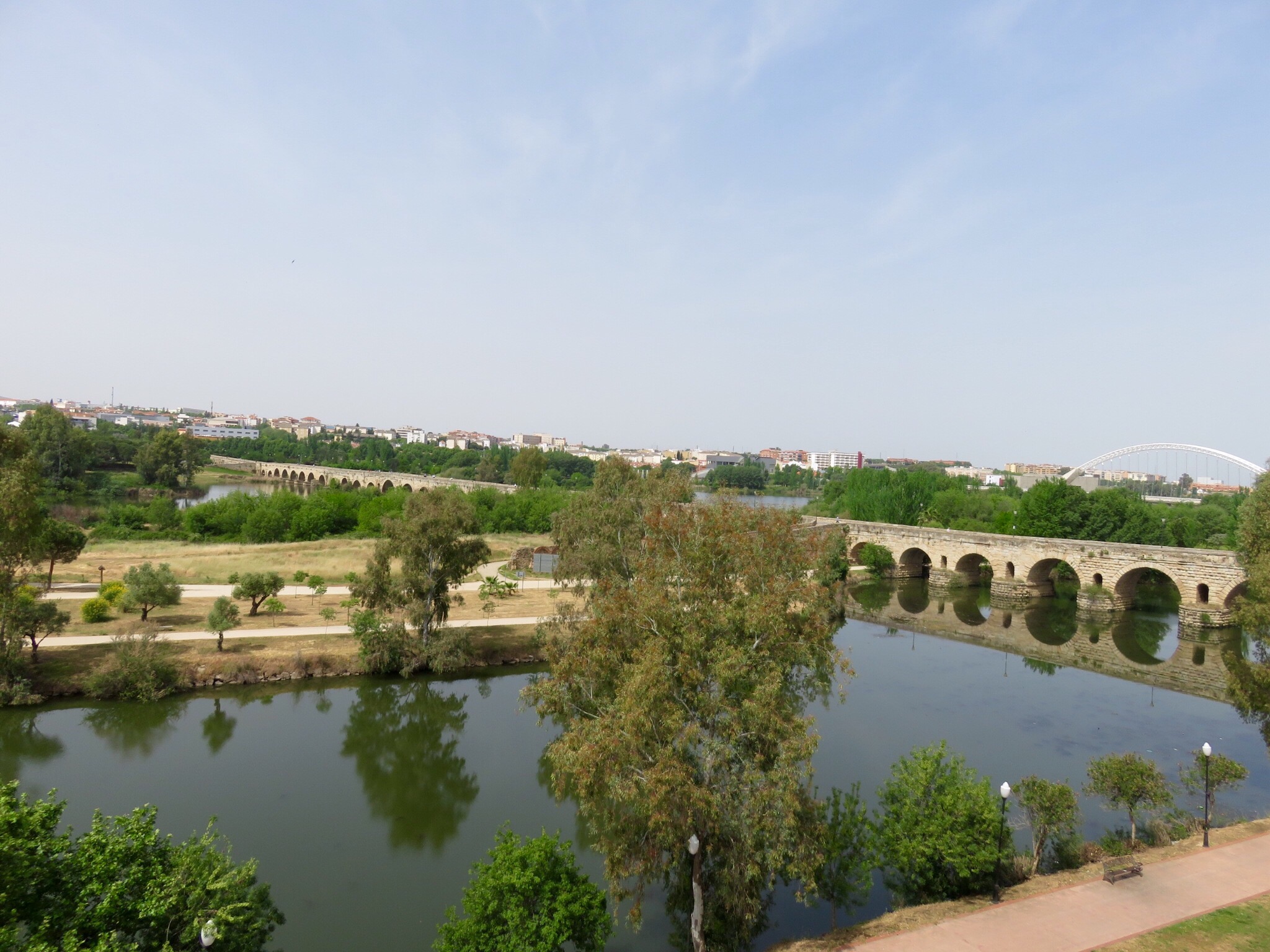
We went down to look at the cistern that kept the fresh water.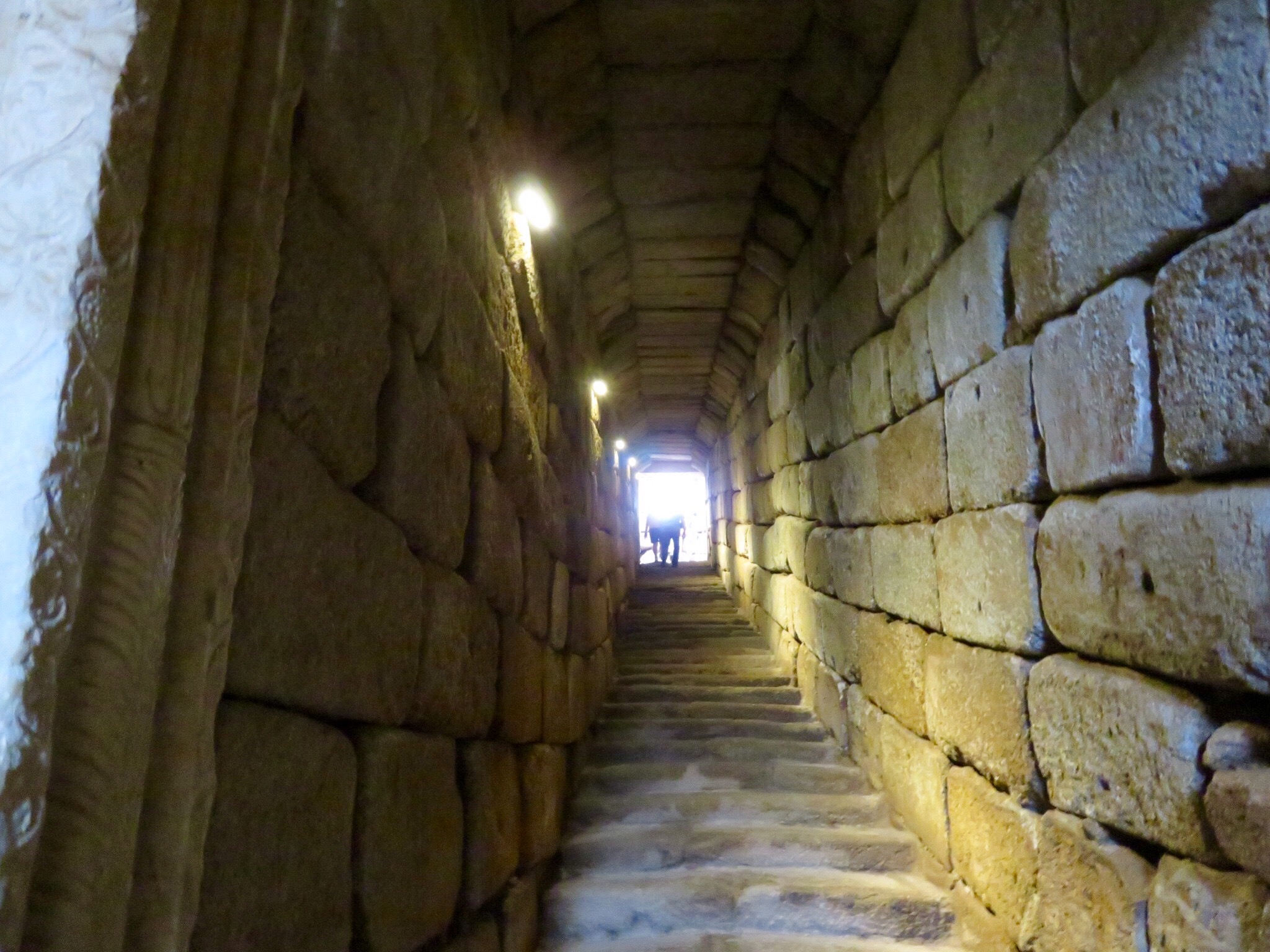
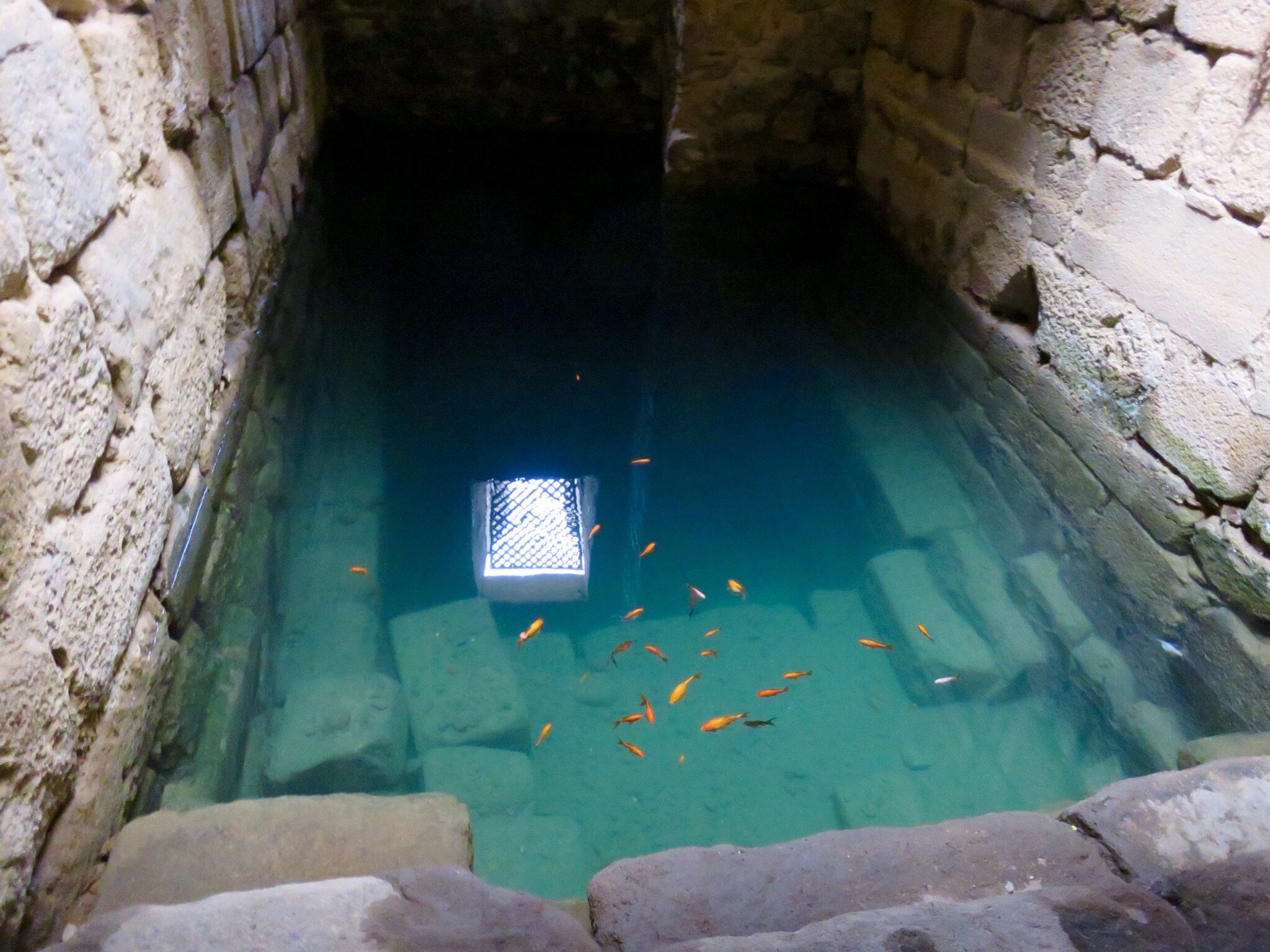
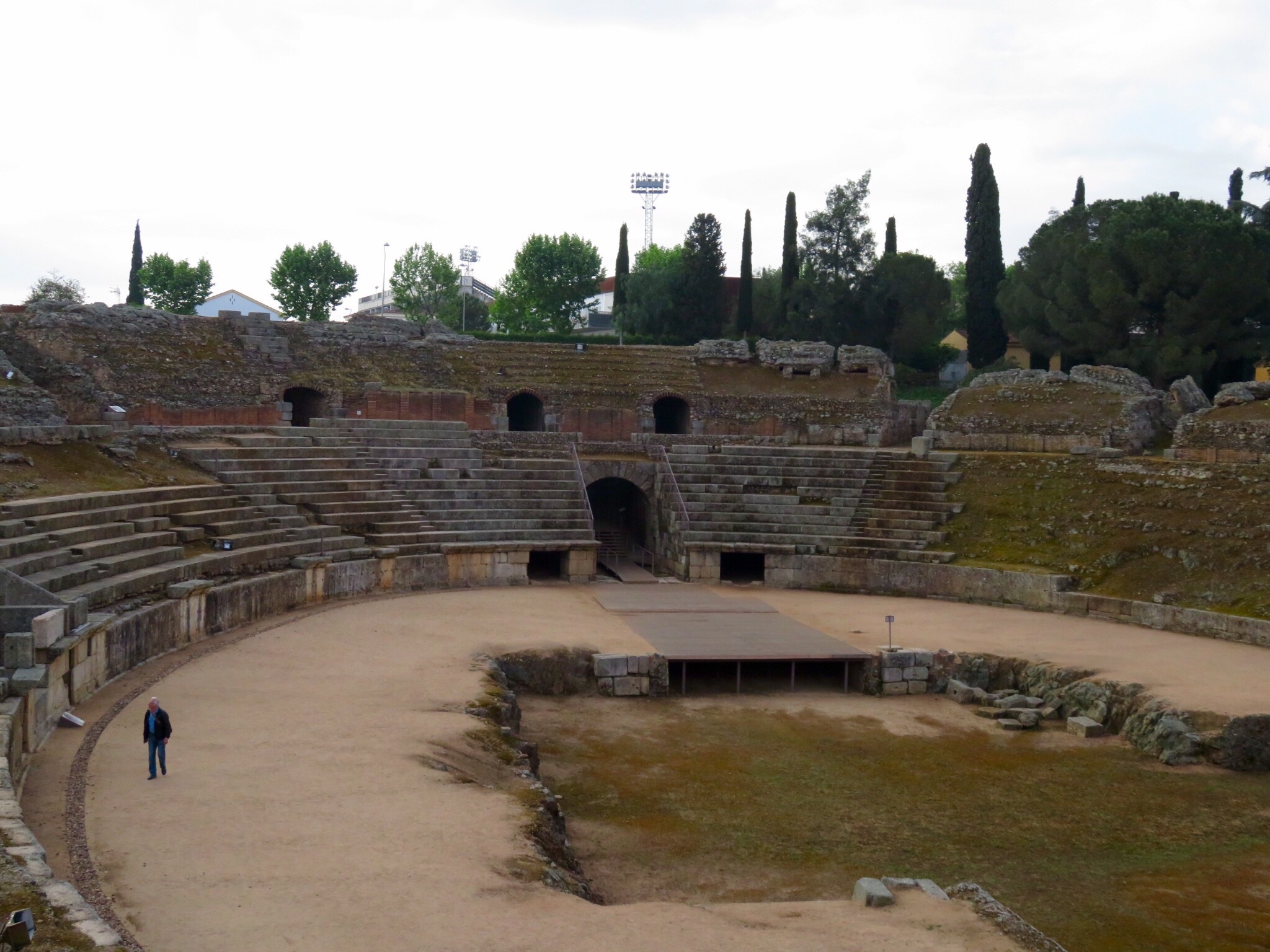
Next, we visited the Anfiteatro (amphitheater), where gladiators fought to the death for the amusement of the crowds. This arena held up to 15,000 people.
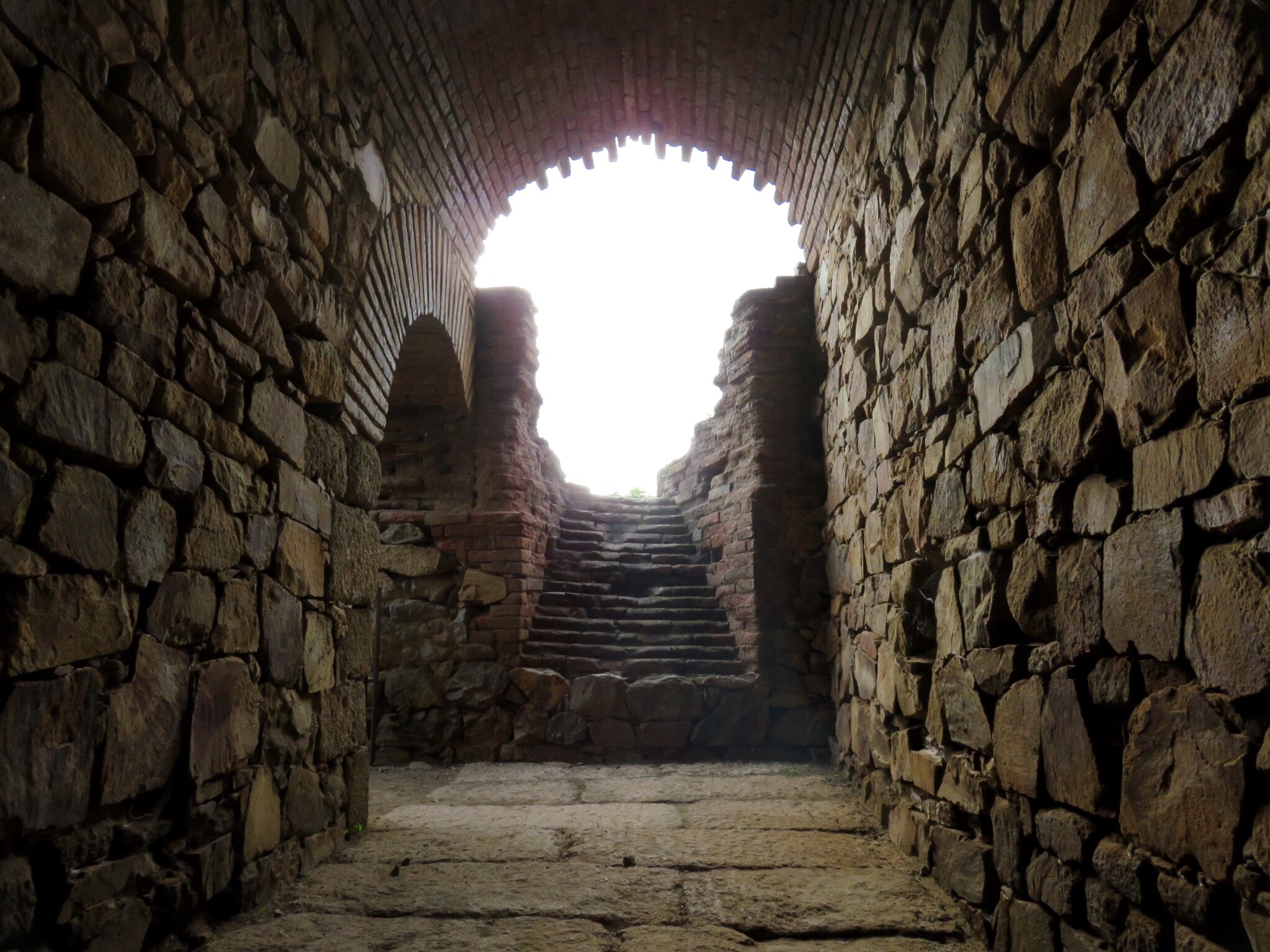
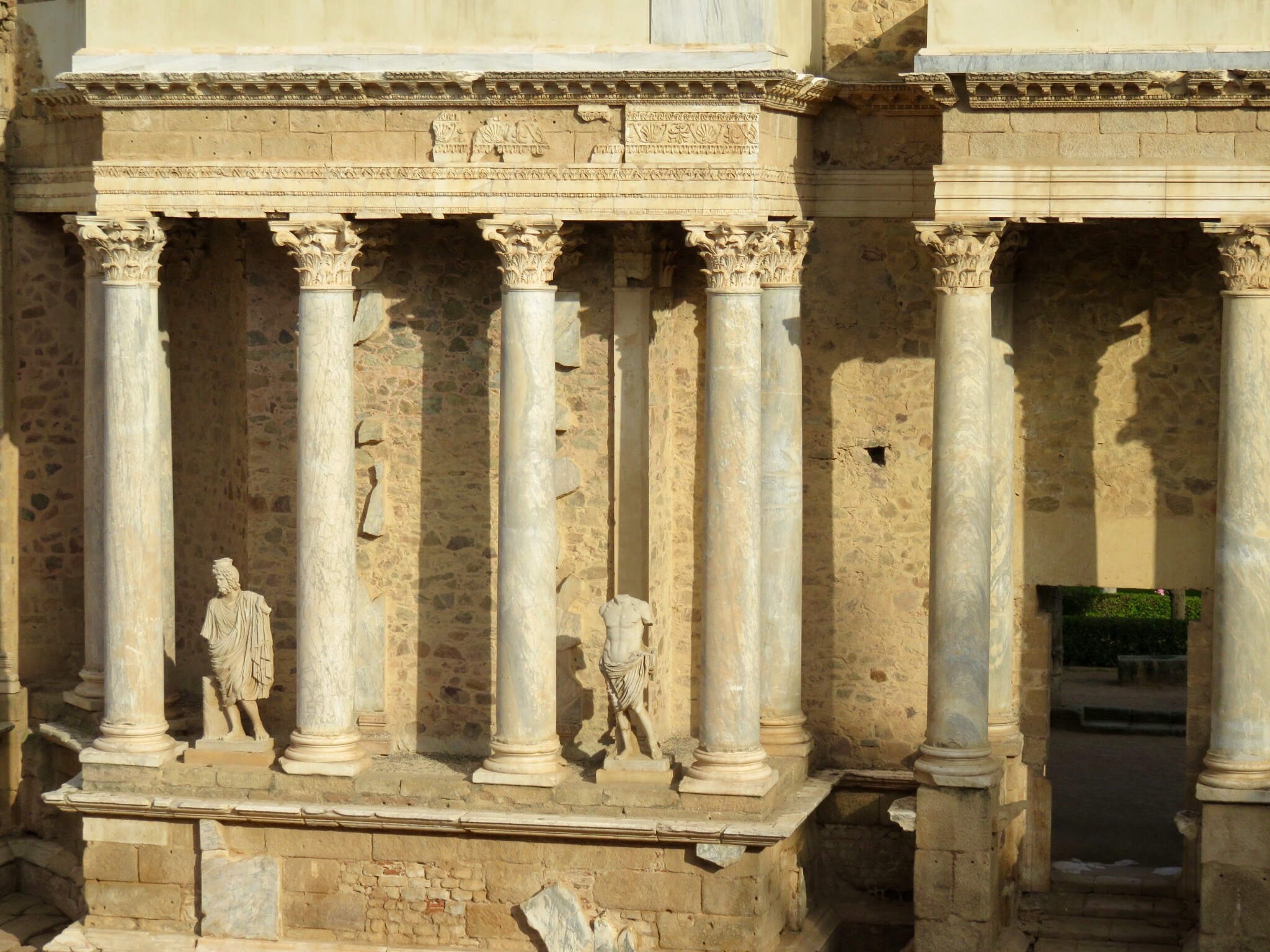
Right next door, is the Roman Theatre 🎭, which hosted public speeches and eulogies as well as plays and musical offerings. It held about 6,000 people. The excavation of the theatre began in 1910, and is still a work in progress.

They have some lovely gardens too.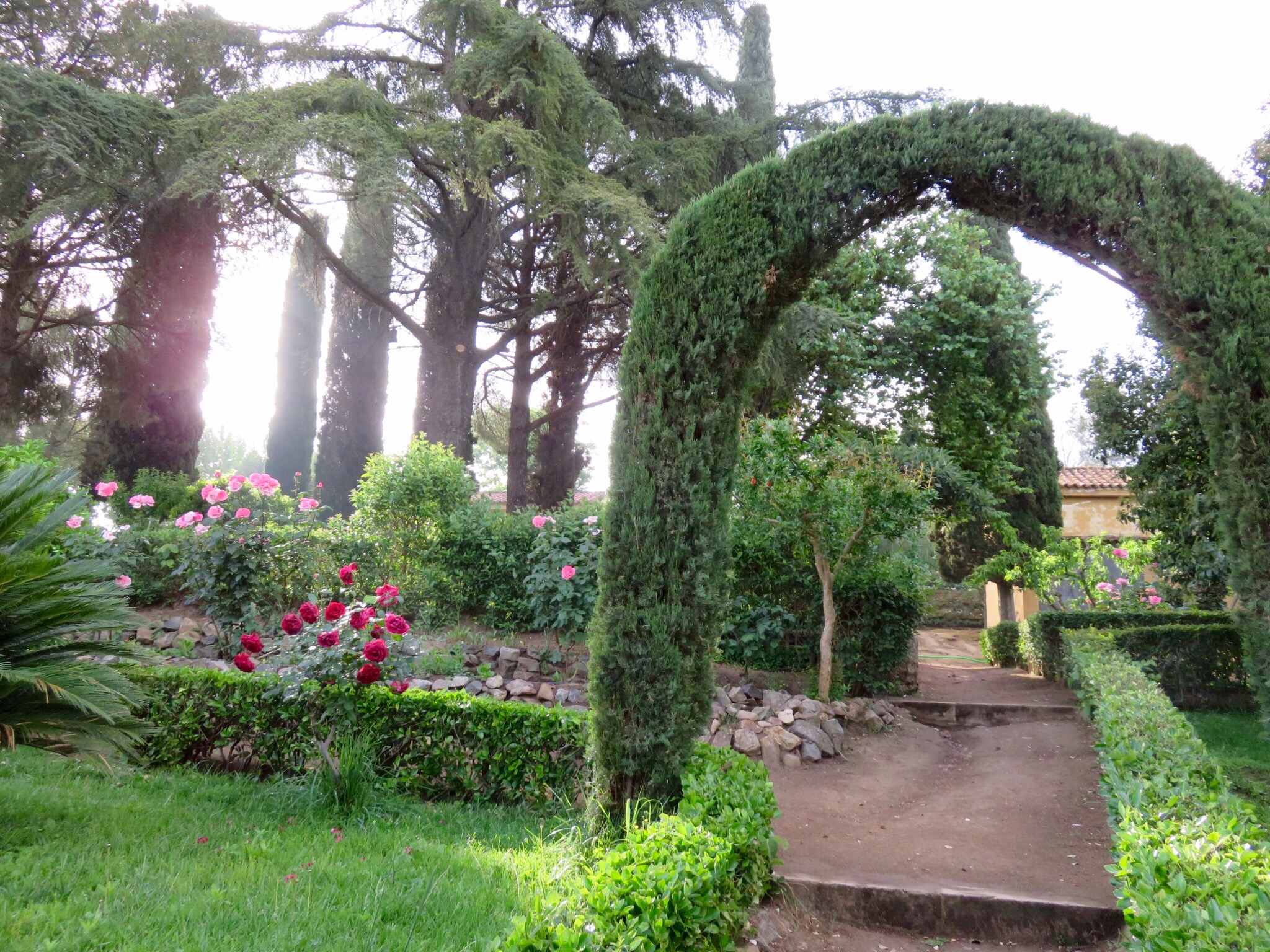

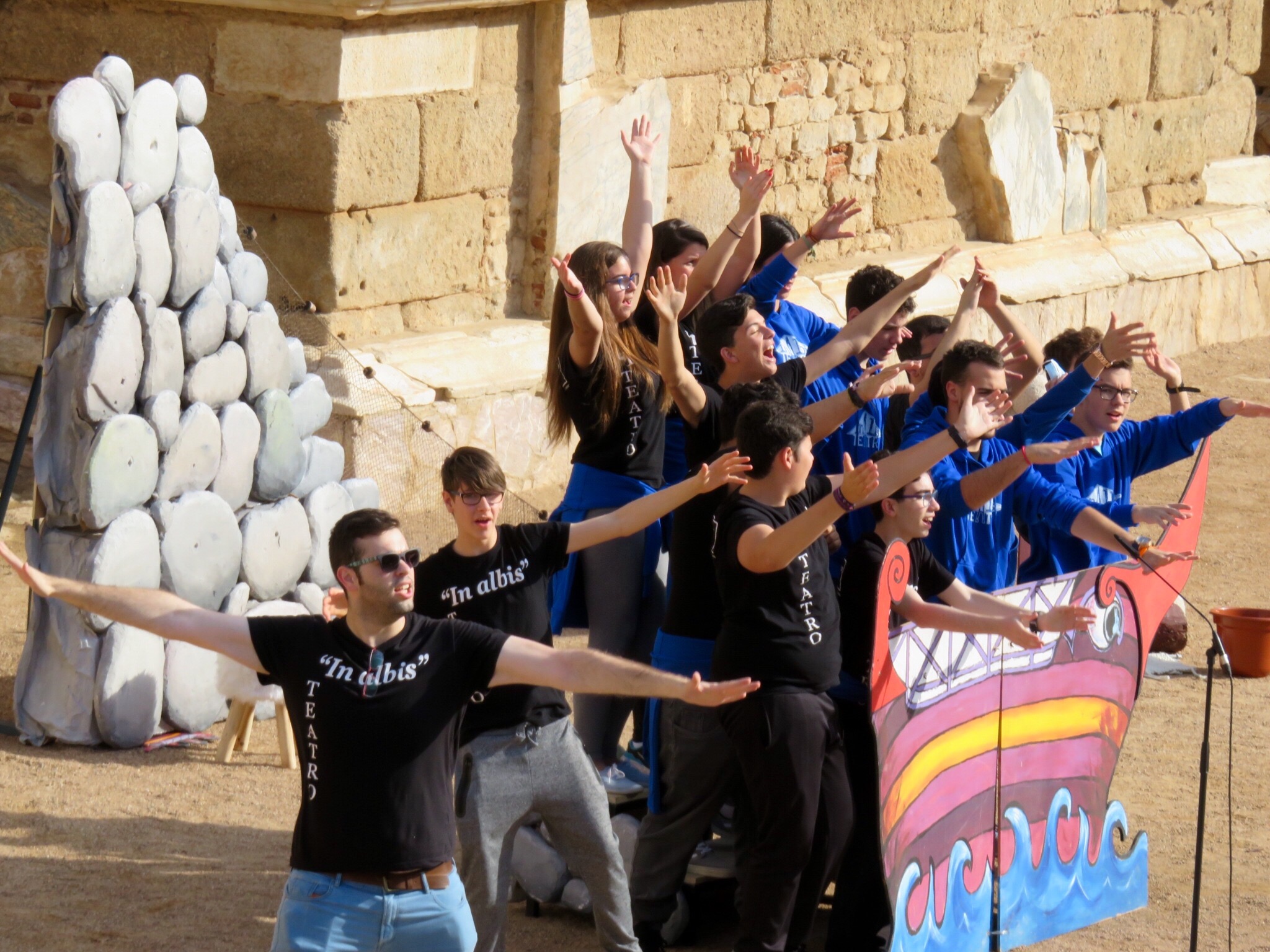
While we were there, a group of high school aged kids were setting up to put on a play later in the day. I spotted some sheep and a babydoll among their props, and concluded that they were a church group staging a Nativity play. Then they turned on the sound system, and the girls lined up to do a bump and grind the Lady Marmalade’s “Voulez Vou Couchet Avec Moi”. So much for my theory! We’ll never know what the play was about, but the music was great, and the kids were having a good time. We hated to leave!
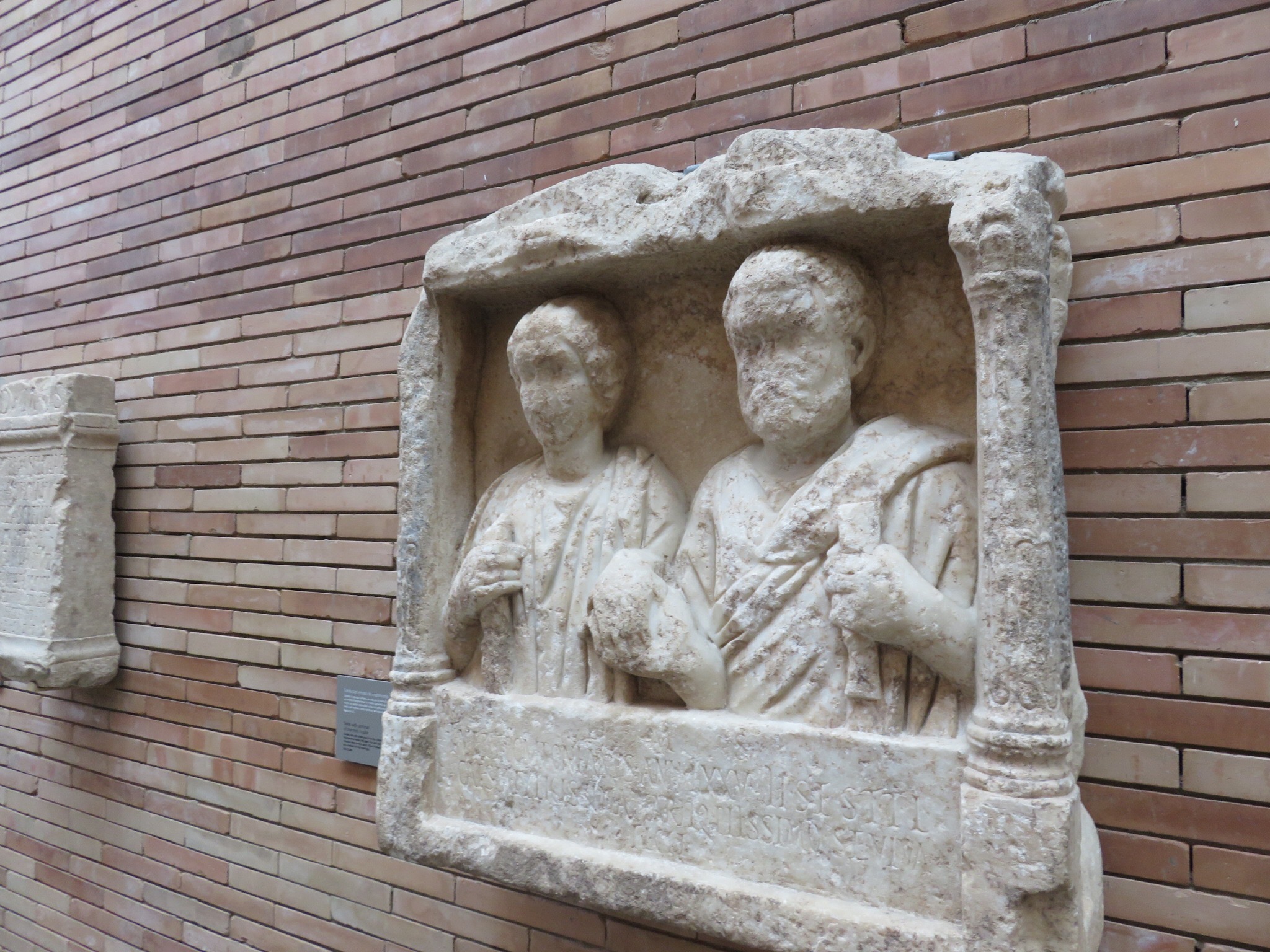
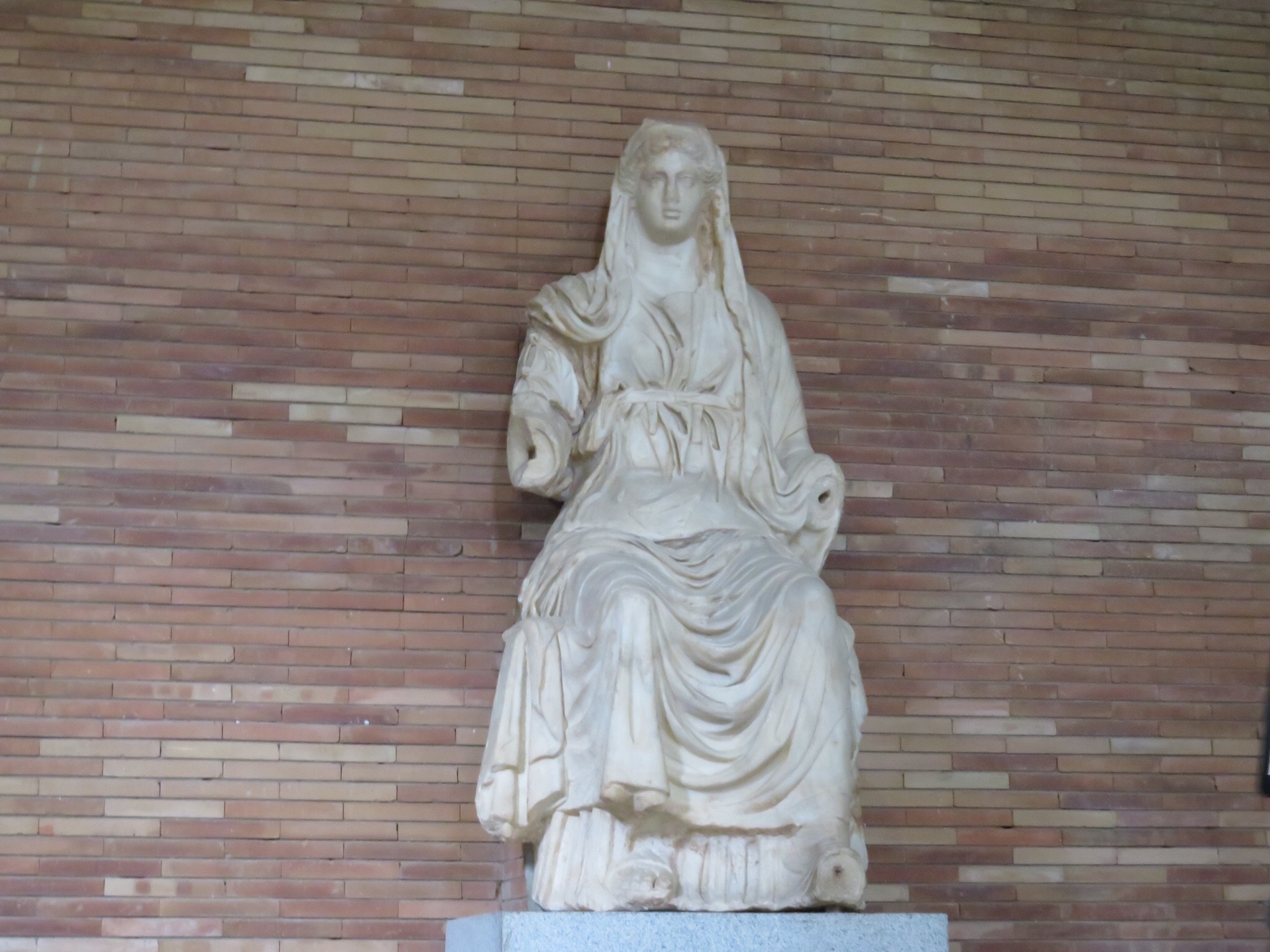
After all that excitement, we took it down a notch by visiting the antiquities museum.
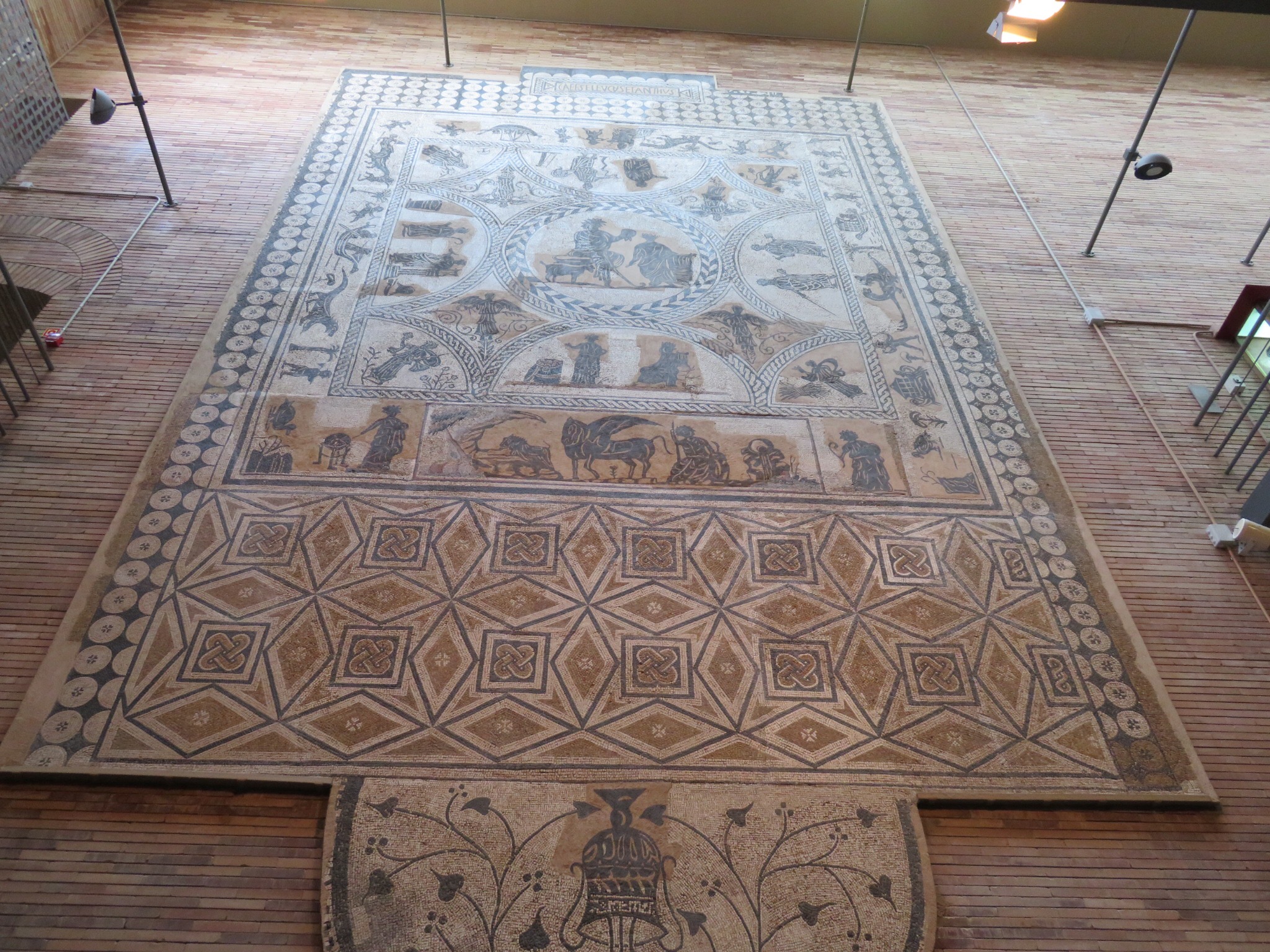
I’m partial to mosaic tile floors that last 2000 years.

Then we were off to the Basilica of Santa Eulalia, a twelve year old virgin martyred for her Christian beliefs in the year 304. 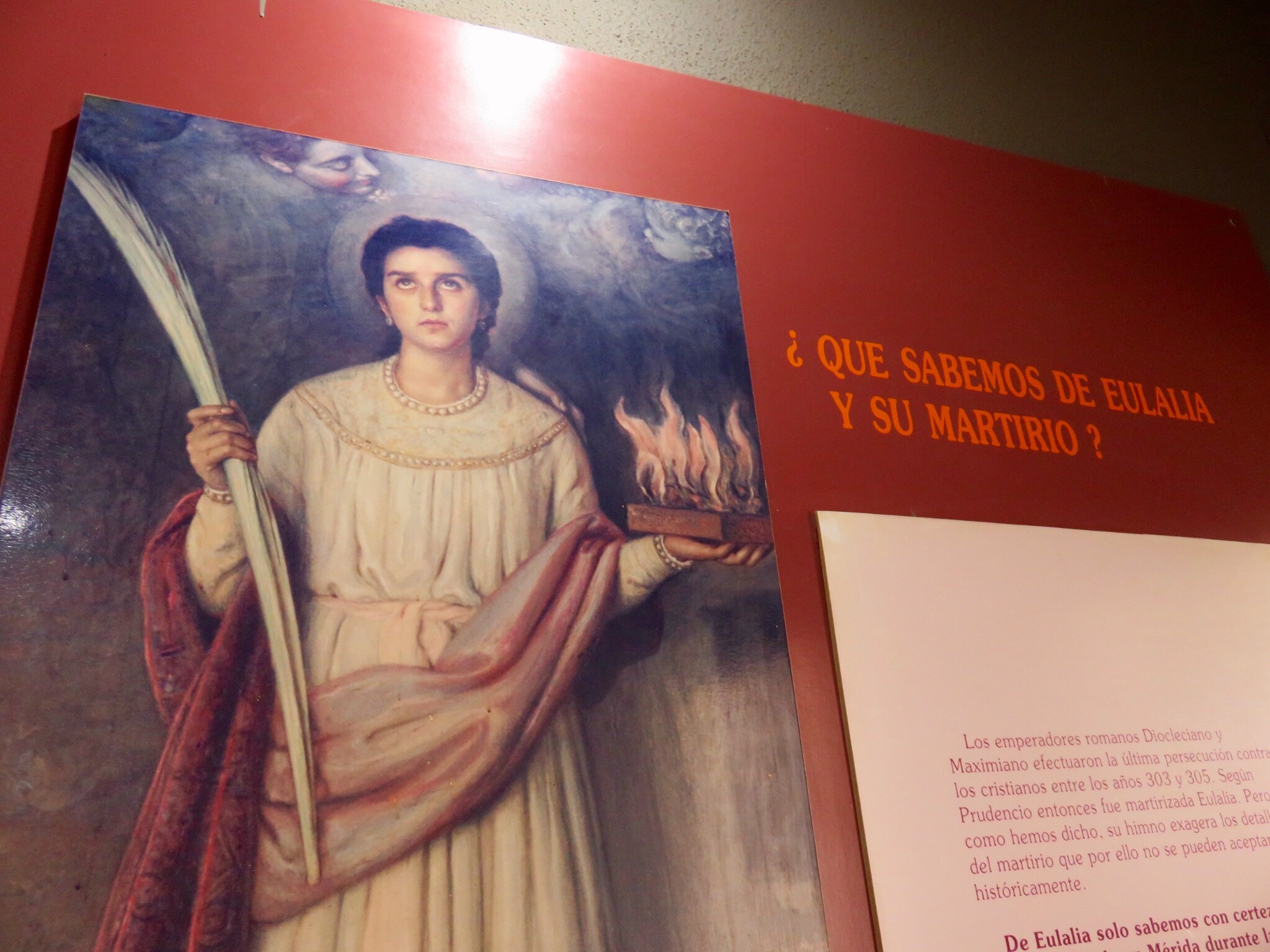 Story goes that she taunted the Roman court and dared them to kill her. They tried to talk her out of it, but ultimately obliged by burning her at the stake. When she died, a dove flew out of her mouth. The actual church was not open, only the Crypts below.
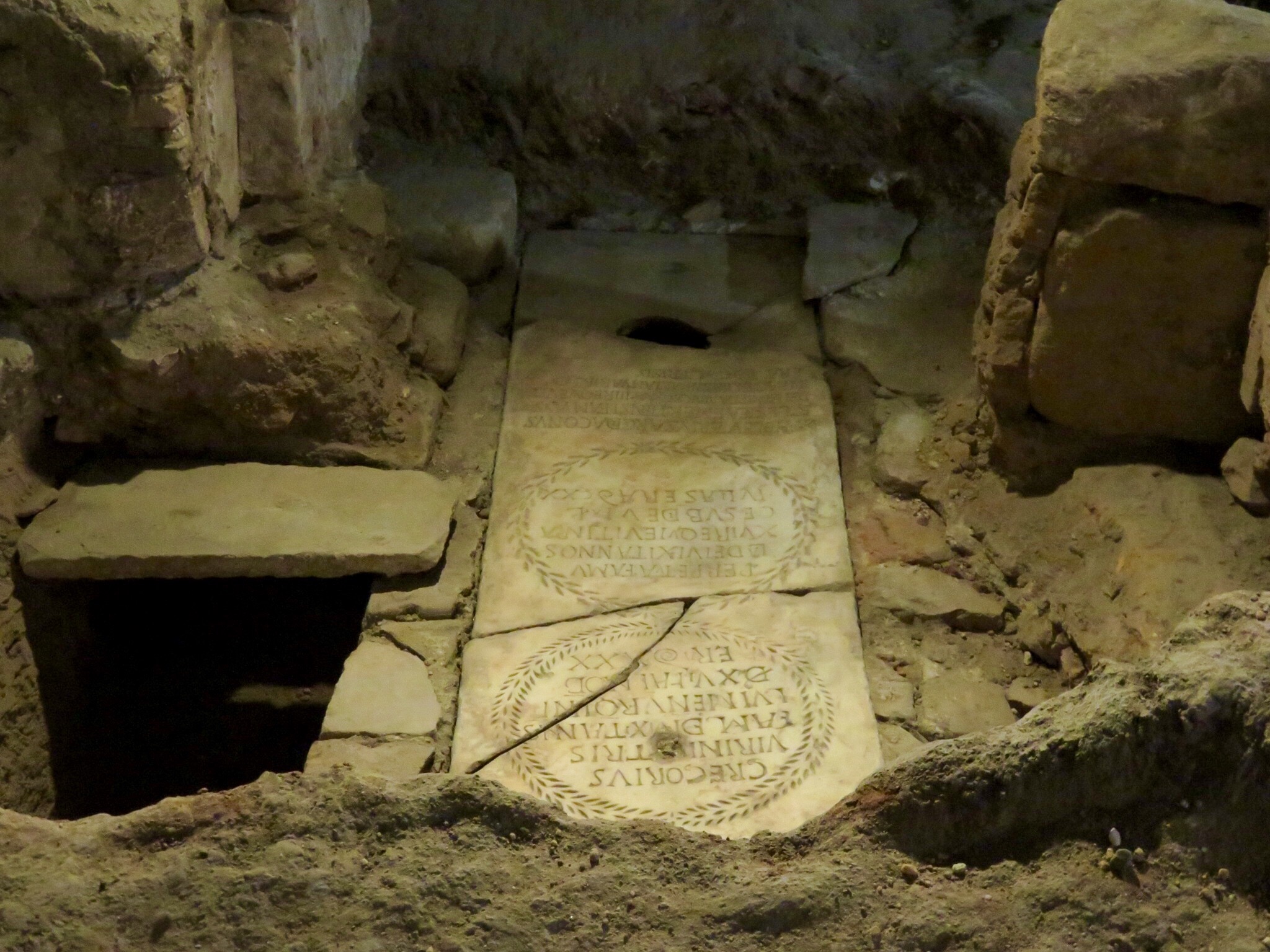
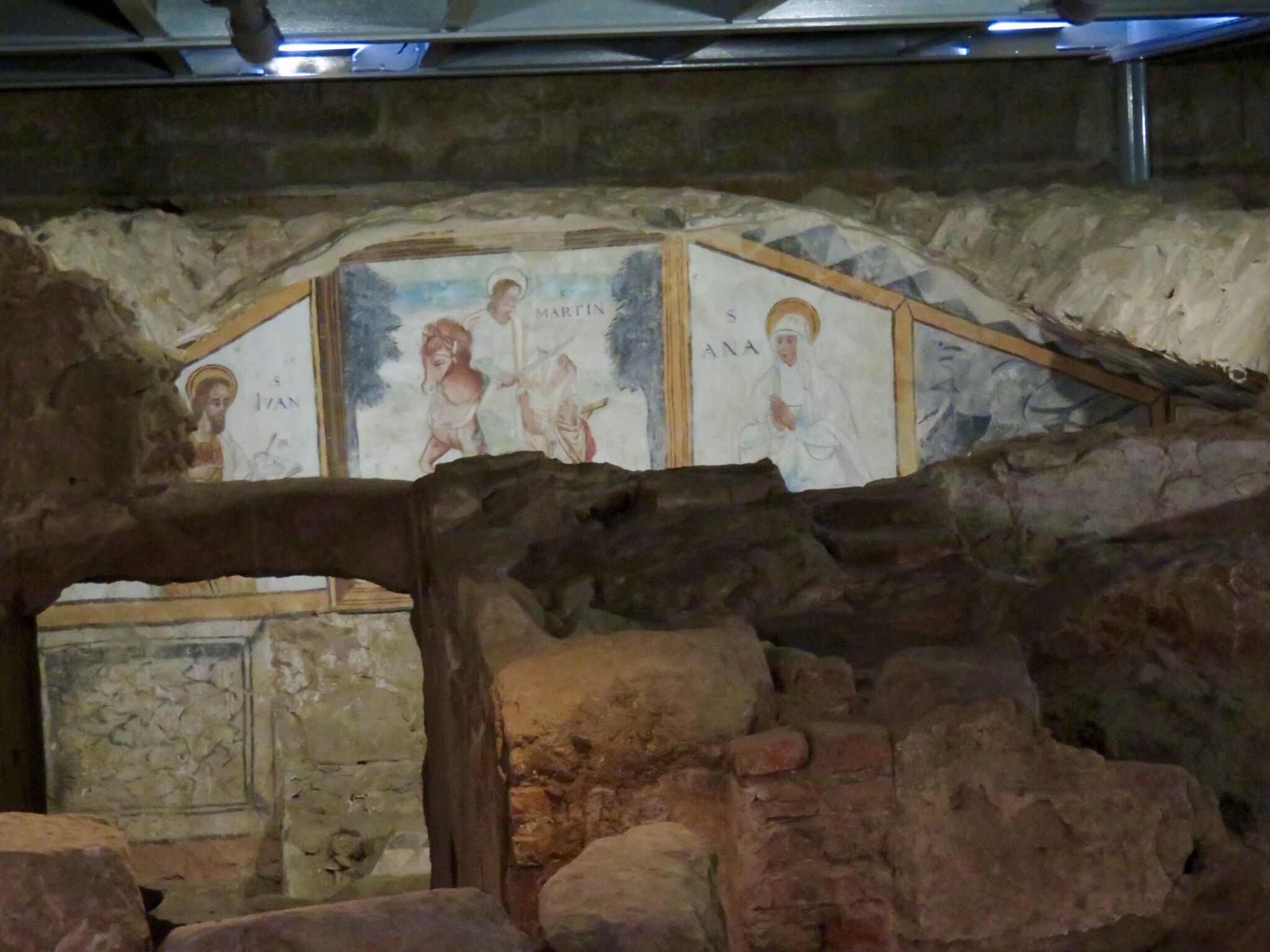
So much to see in this town! To be continued…
Apr 24 – Unusual sunrise this morning. What kind of day will it be?
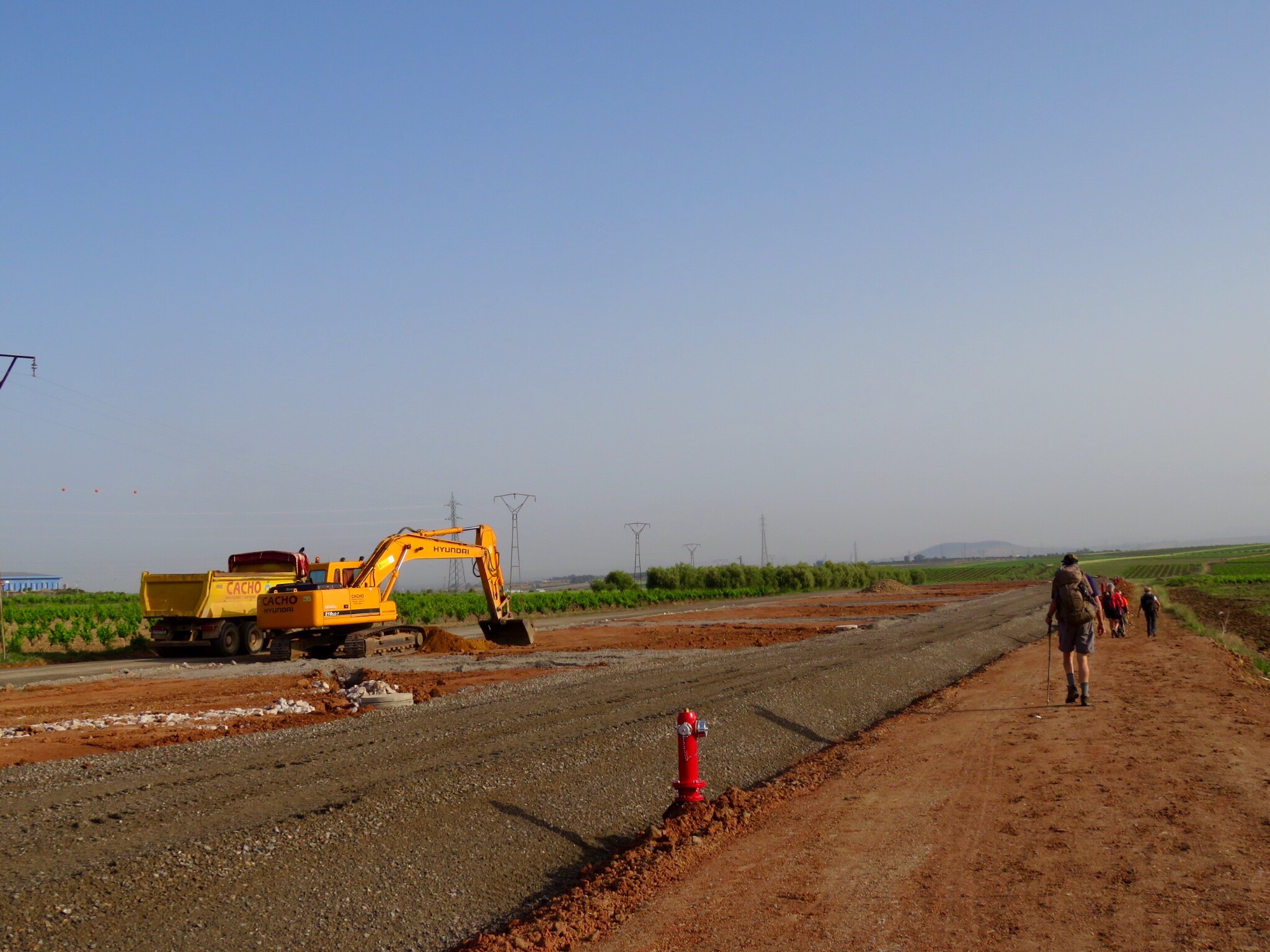
Another 10 miles today, mainly along a highway.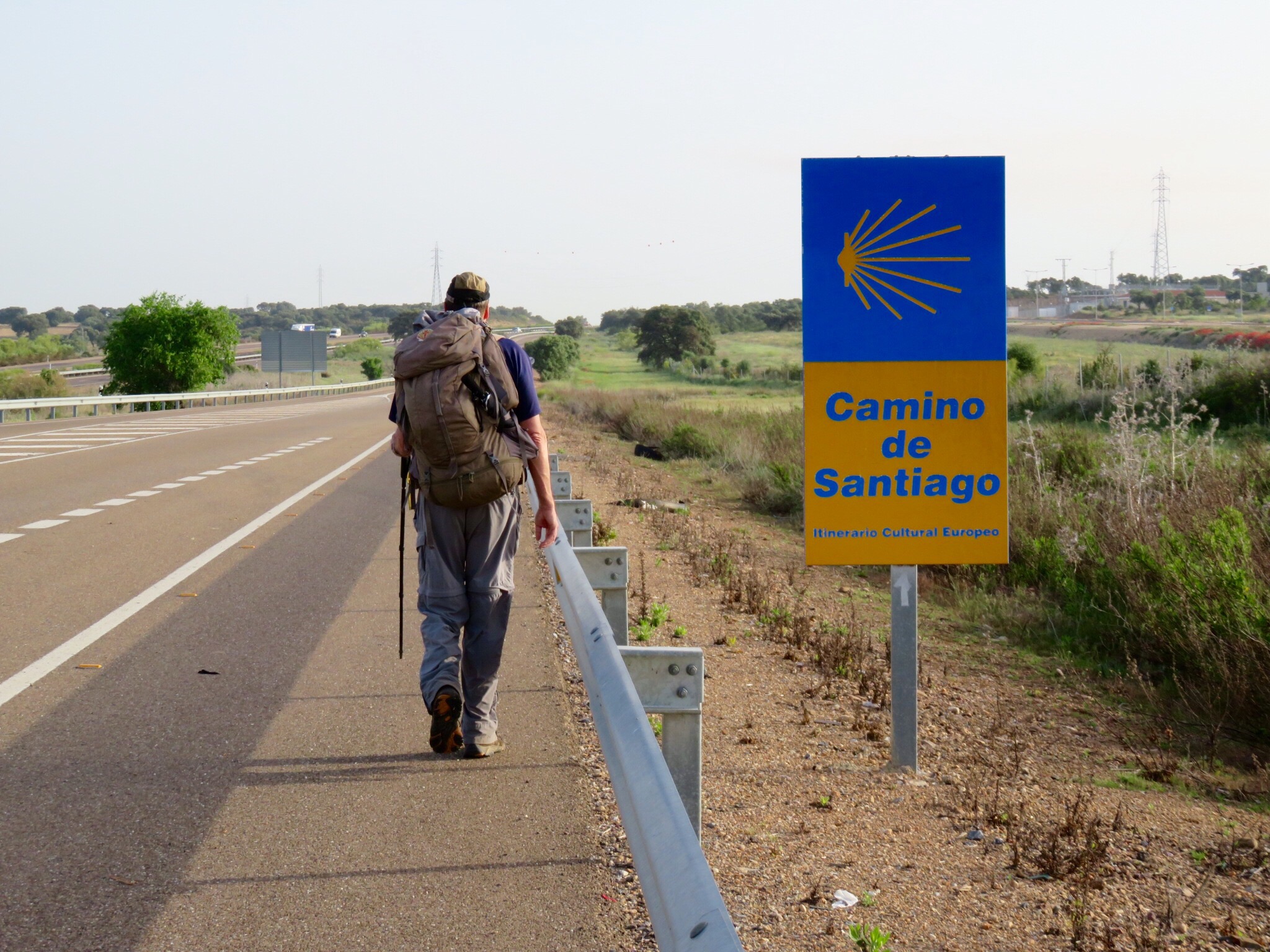
And along a railroad track.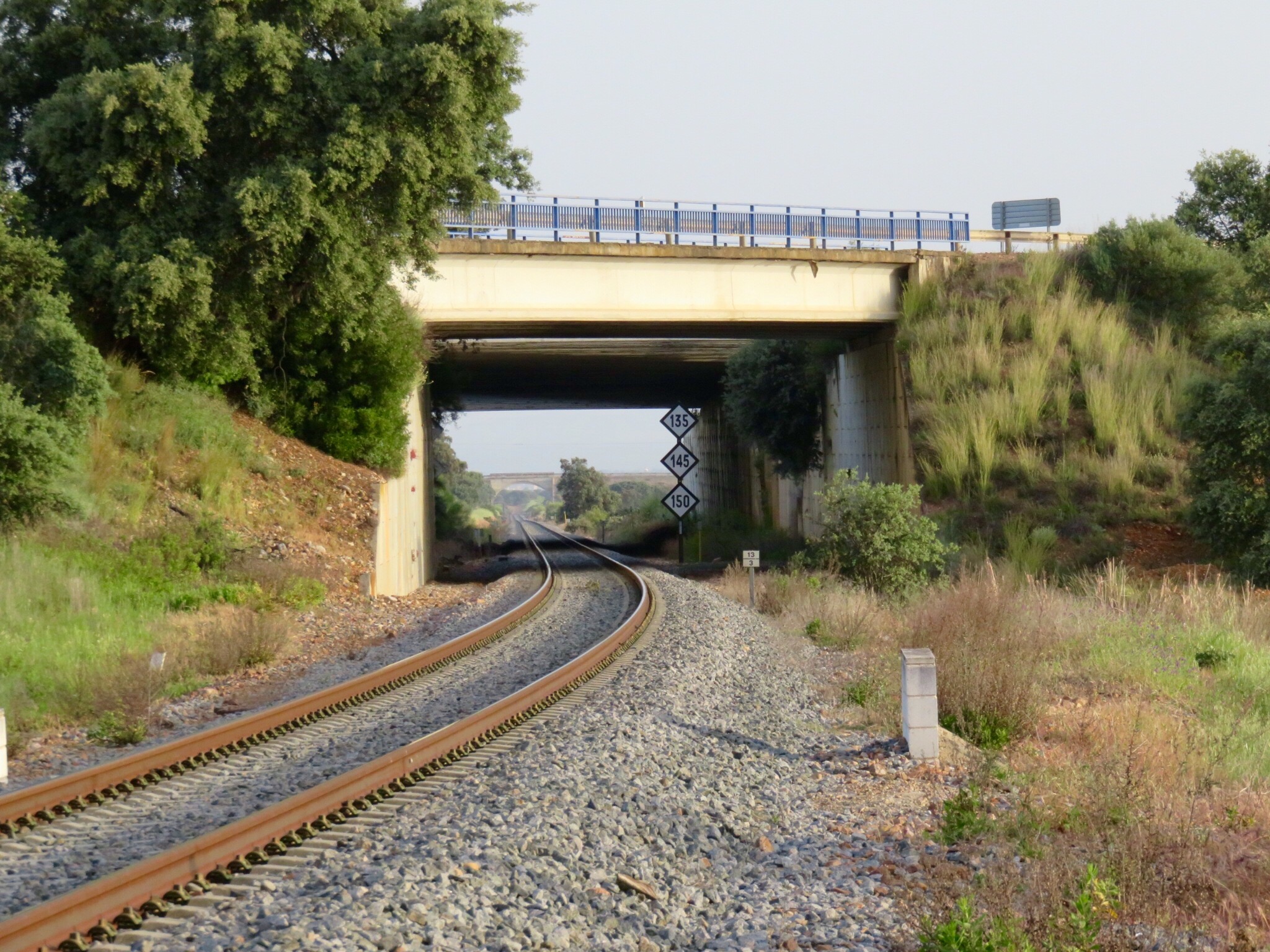
We met four French, two Belgians, and a Snort (tip of the hat to P. D. Eastman).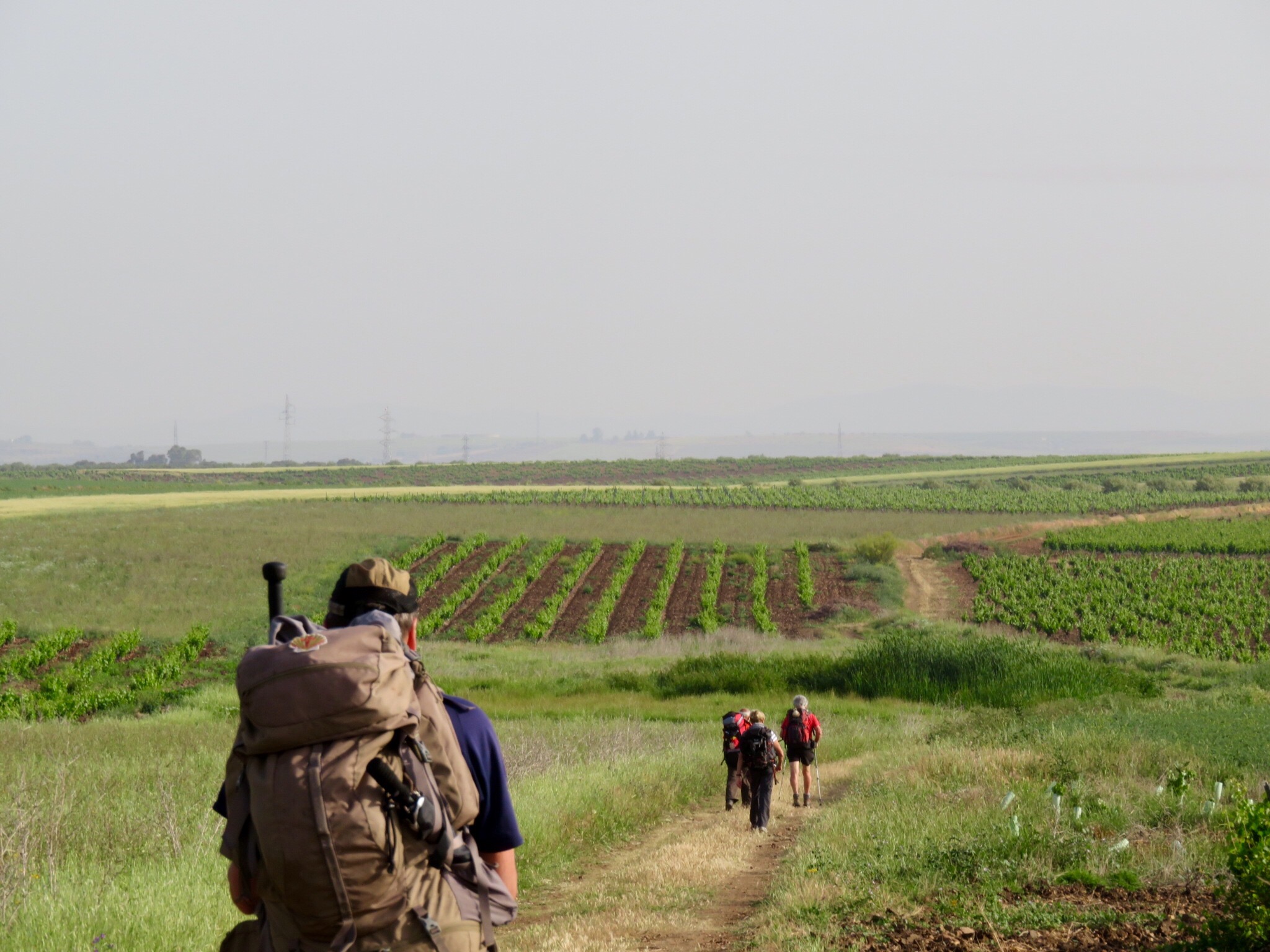
Here is our picture, courtesy of one of the Belgians.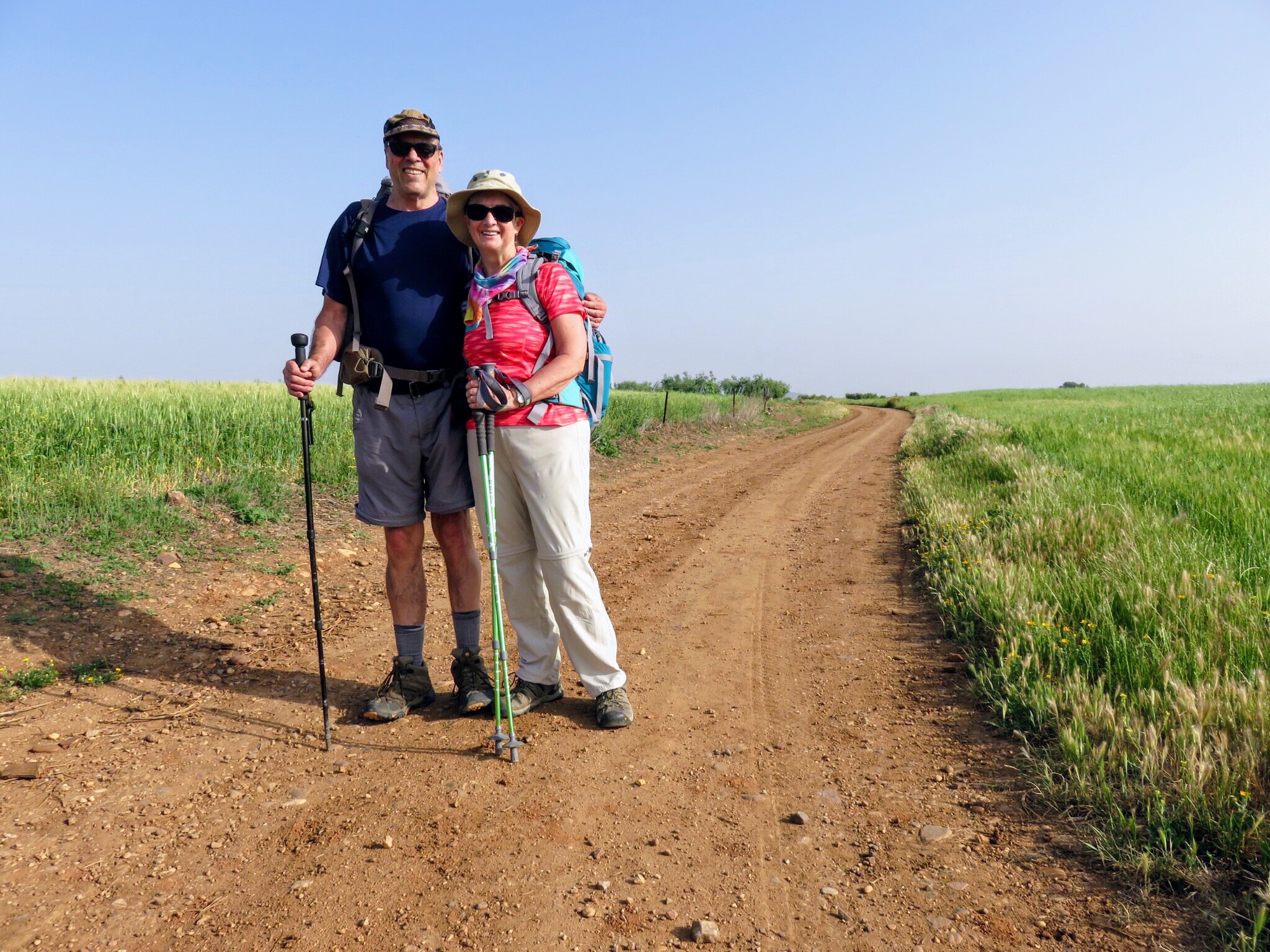
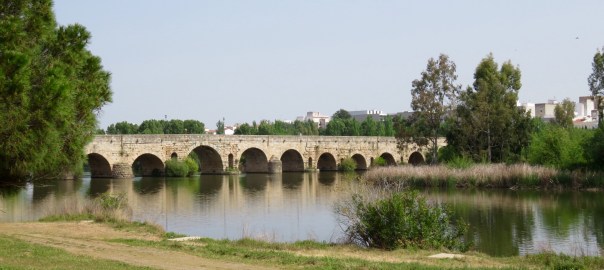
We crossed the Rio Guadiana, by walking over the Puente Romano (pictured above and below), an ancient Roman bridge still in daily use as a footbridge. Those Romans knew how to build stuff that lasts. And now we are in Mérida (a shortening of the name Augusta Emerita, a city for the veterans of the army of Caesar Augustus) where we will take a few days off to see the best examples of Roman ruins in Spain. Stay tuned!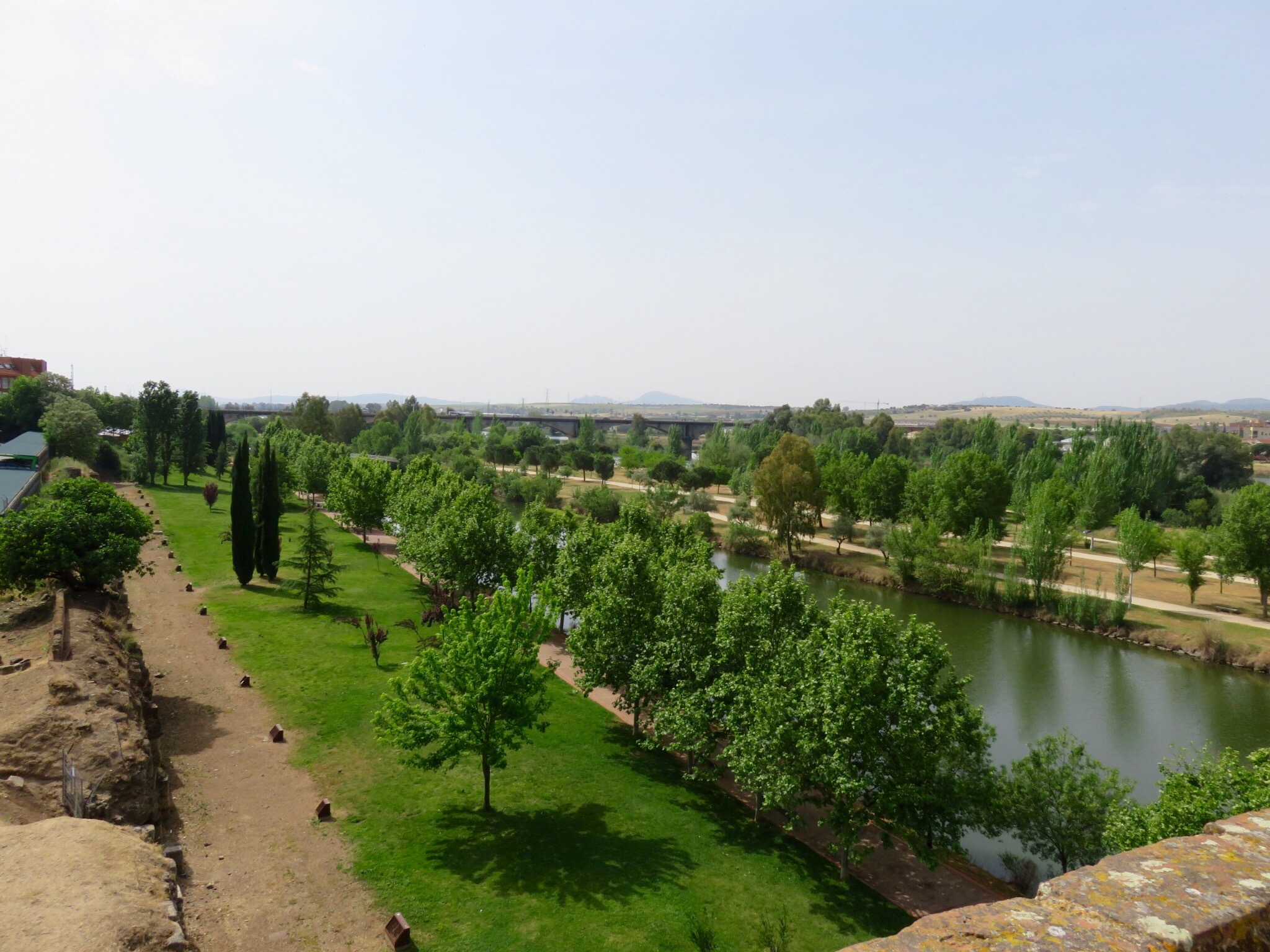
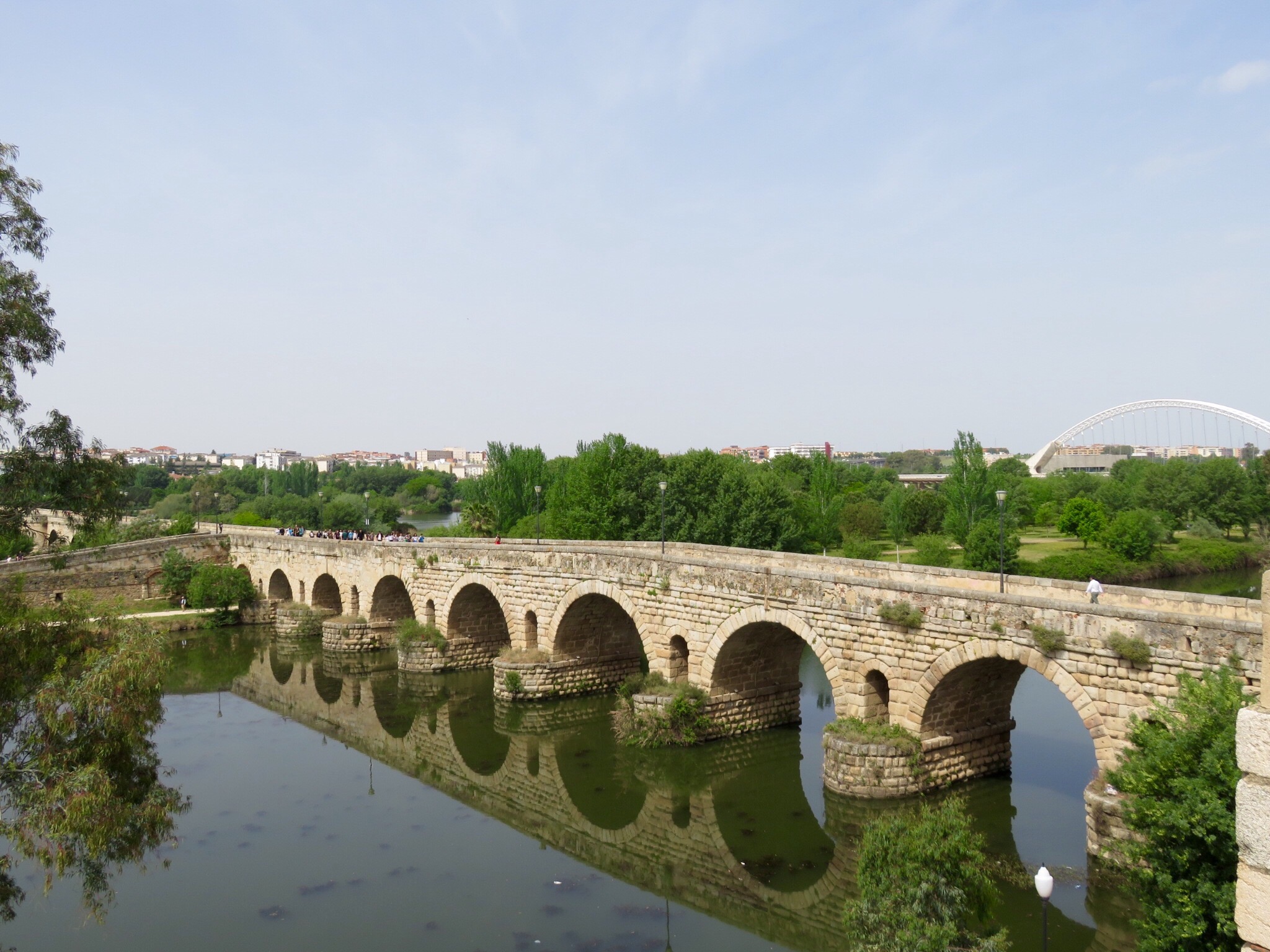
484 miles to go.
 Taking Our Time