Category Archives: Israel

Nazareth – the Churches

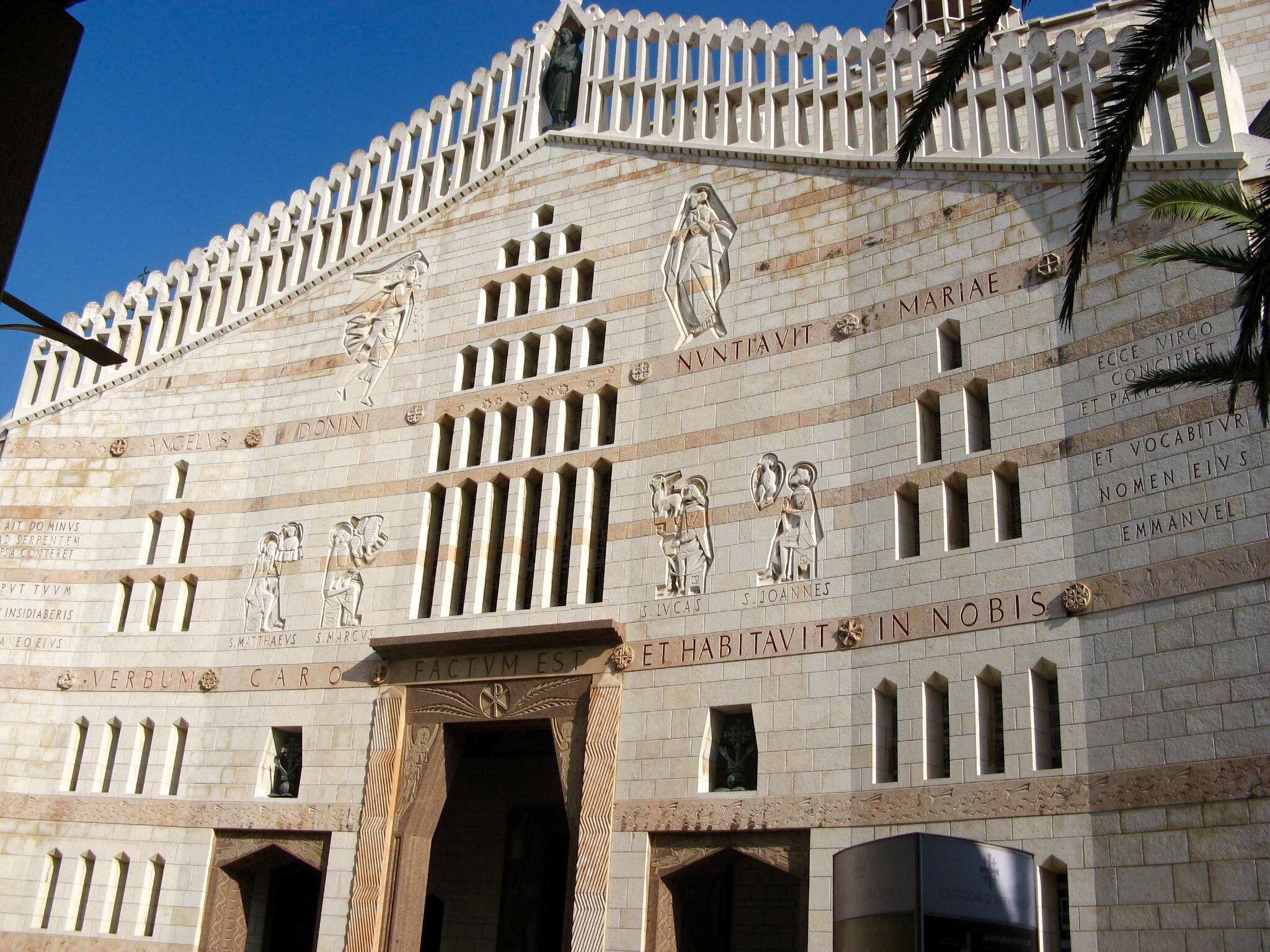
1/21 – After our morning in Nazareth Village, we spent the afternoon checking out the churches. The Basilica of the Annunciation is the largest Catholic church in the Middle East. Completed in 1969, it was built over several previous churches on the spot where Mary’s house might have been, when she and the Angel Gabriel met. image

We arrived right at noon, in time to hear all the bells pealing (drowning out the noon Call to Prayer from the White Mosque across the street), and a chorus of Ave Maria (which we haven’t heard since France). A priest came out to perform the daily blessing in the grotto that looks down into excavations from earlier churches.image

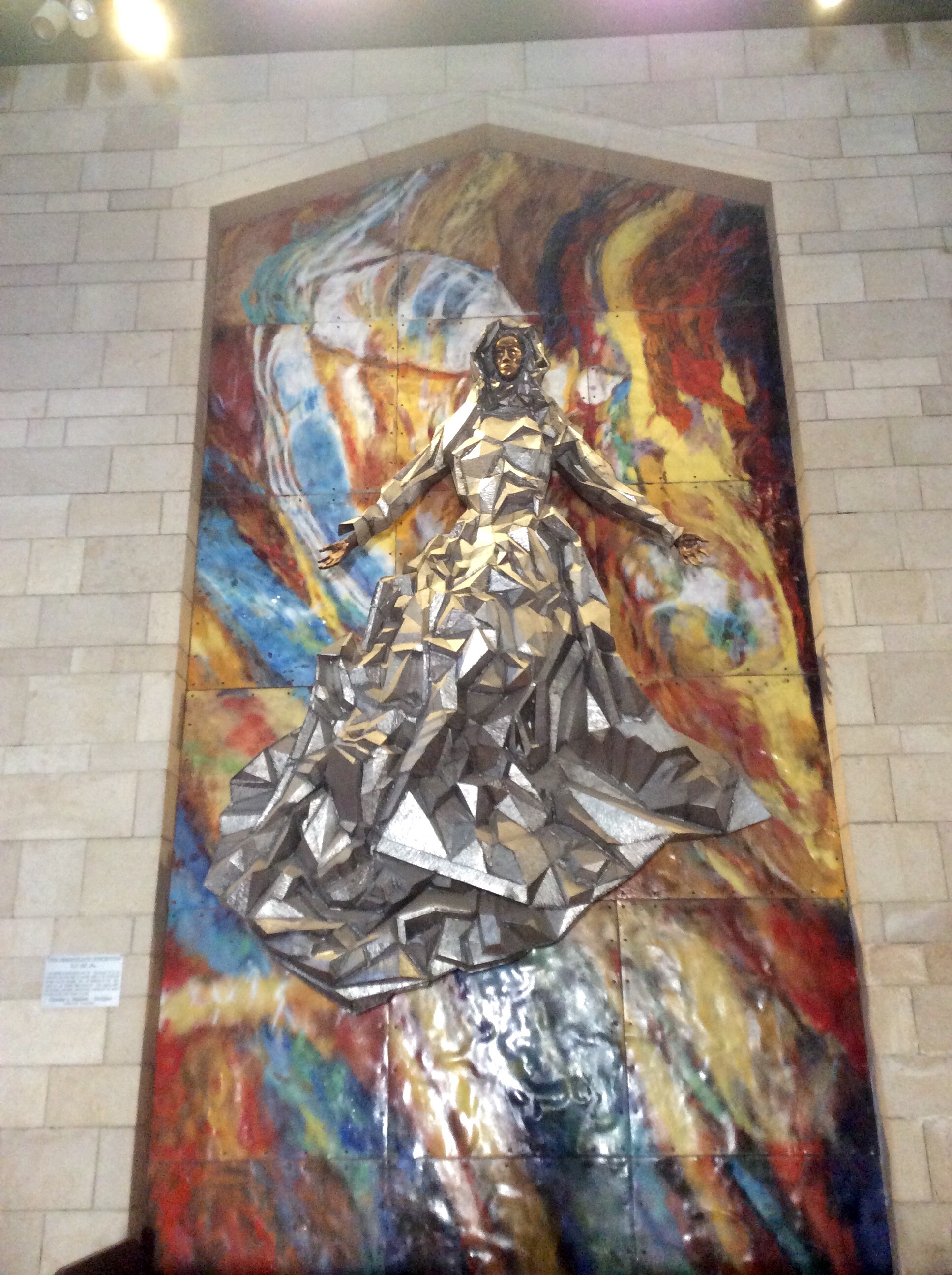
The basilica contains images of Mary provided by countries around the world. I love seeing her image reflected in every race and artistic style.

The American contribution is one of the more, shall we say, non-traditional.image
Next to the basilica stands the Church of St. Joseph, who had a big role in the raising of Jesus, but doesn’t usually get that much press. I really loved the images portrayed here.

Joseph’s visit from the Angel Gabriel.image
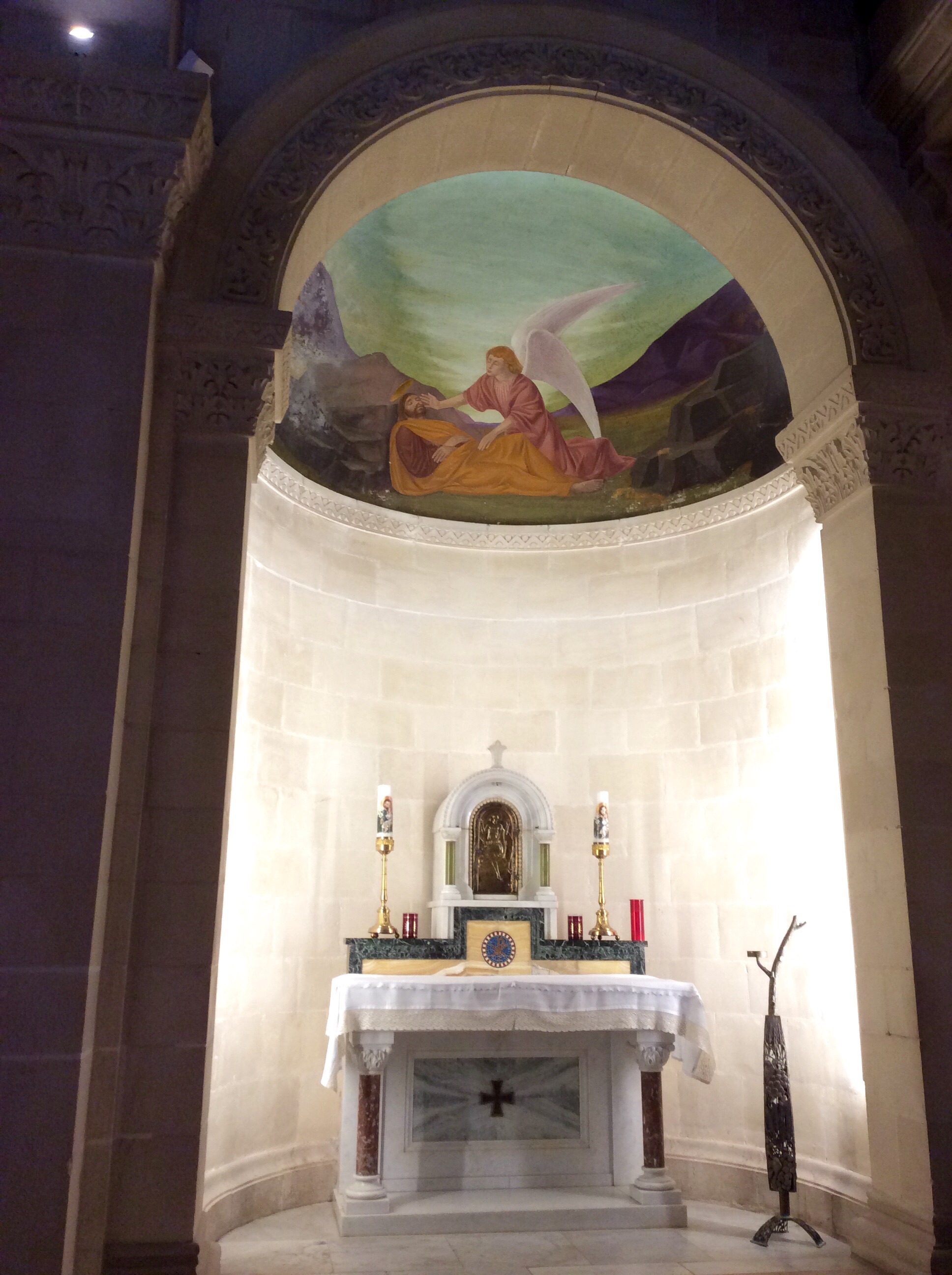
Joseph and Mary raising their son. image
Mary and Jesus caring for Joseph in his old age.image

Up the street is the Greek Orthodox Church of the Annunciation.image
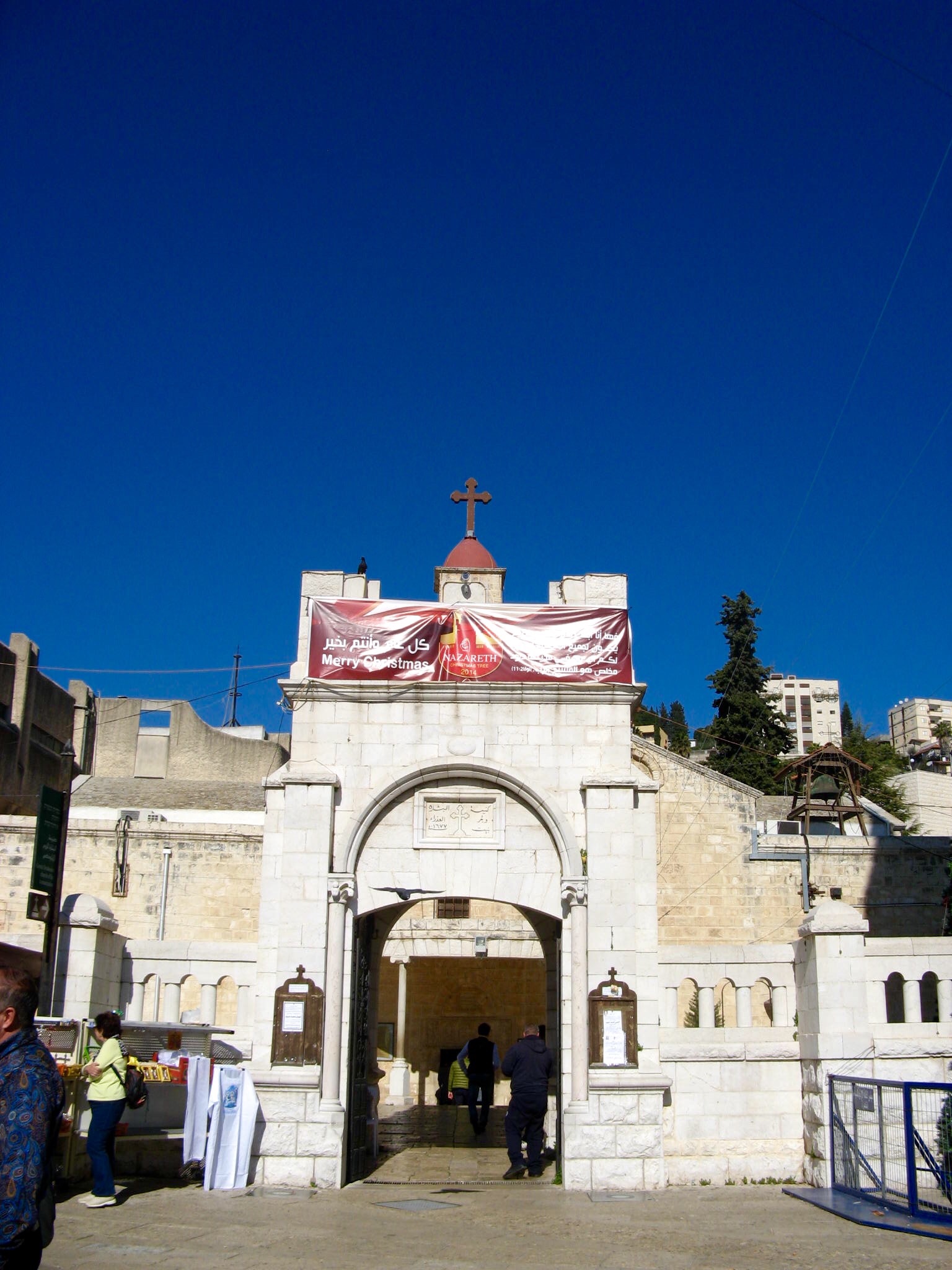
We were consulting our Google Maps for the location, when a helpful passerby told us to keep walking until we saw the big tree. When we got to the square, we did indeed see a big tree! They take Christmas very seriously here in Nazareth – although January is almost over, there is still tinsel and Santa all around the town. image

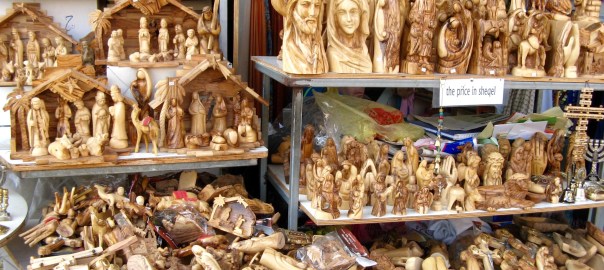
The Greek tradition has the Angel meeting Mary out at the well to give her the news, so Mary’s Well is here, and bottles of the water from the well are for sale. I loved the images here too – how often do you get to see the Disciples’ knees?

We passed the Church of Christ’s Table – not sure what this one commemorates, so I’ll let you read the sign yourself:

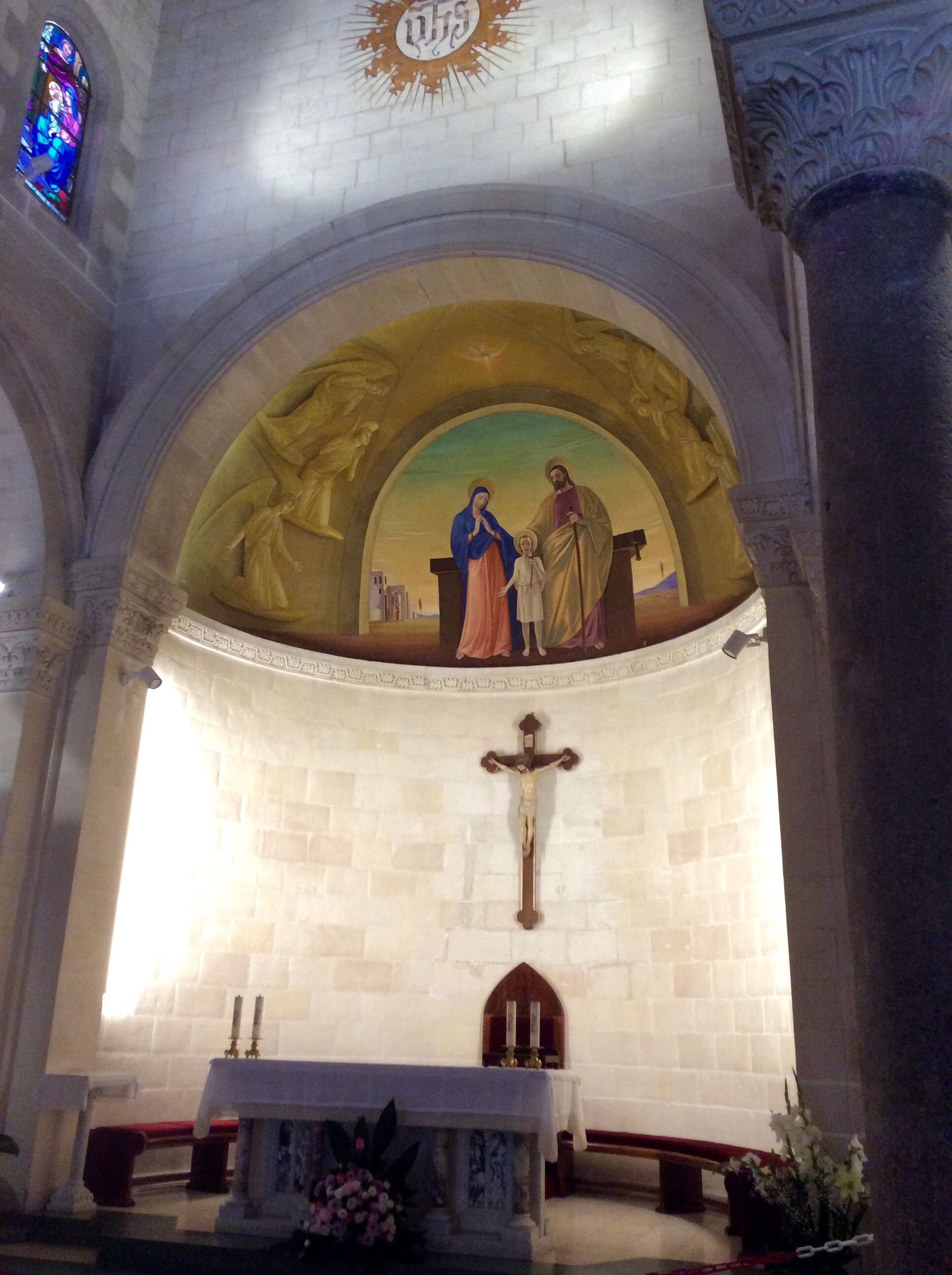
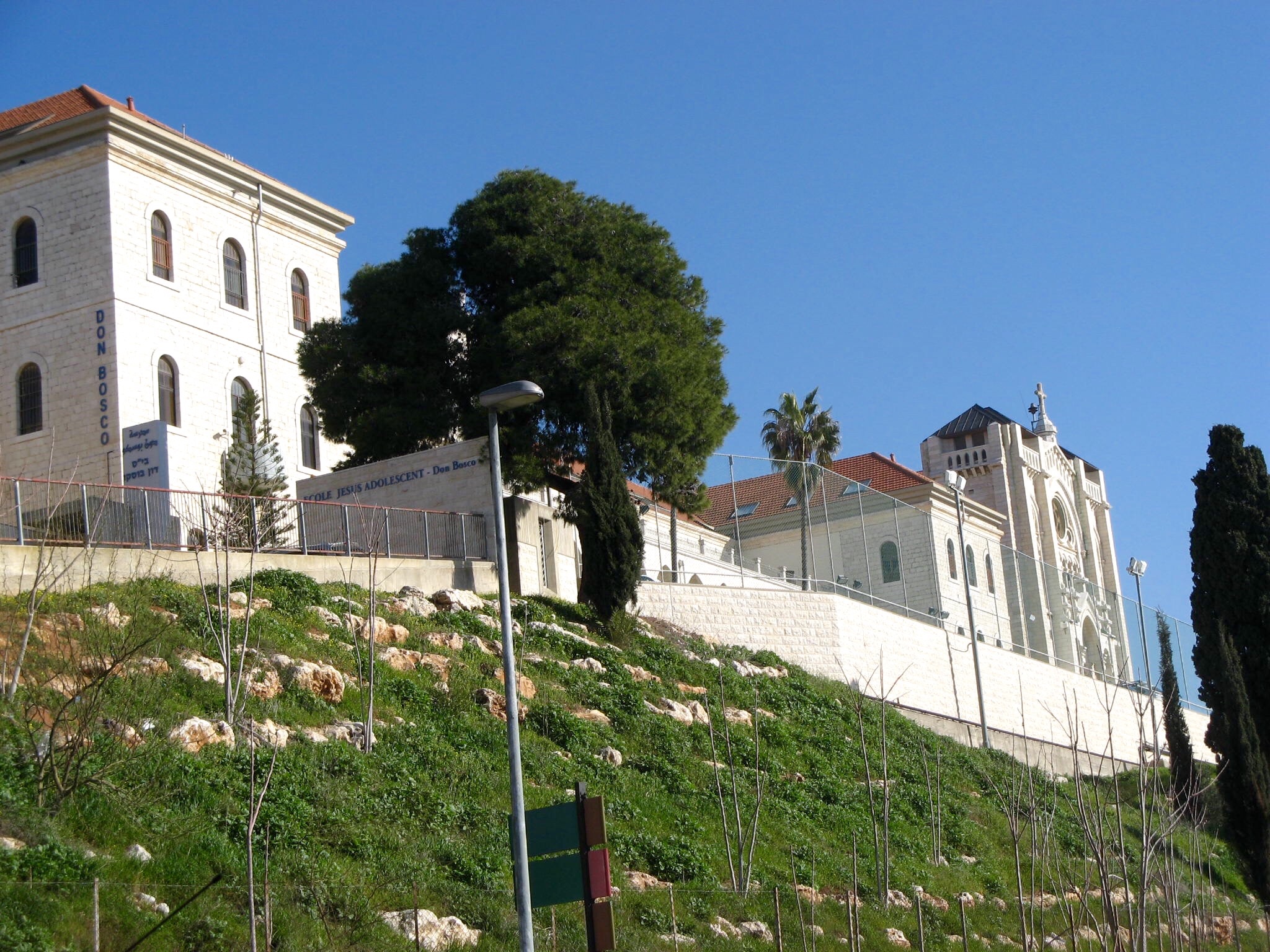
Up on a hill is the Church of Jesus the Adolescent. imageHometown Hero – all ages of his boyhood are celebrated here!
Nazareth – Nazareth Village

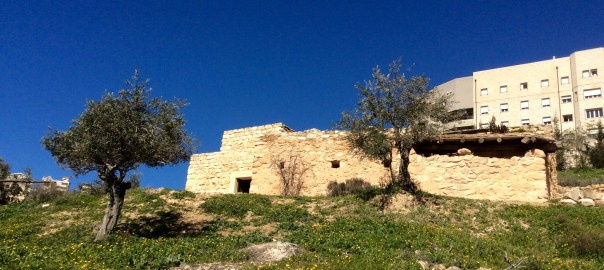
1/21 – This morning we walked over to Nazareth Village, a restoration of first century Nazareth, to see the town where Jesus grew up.

2015/01/img_6459.jpg

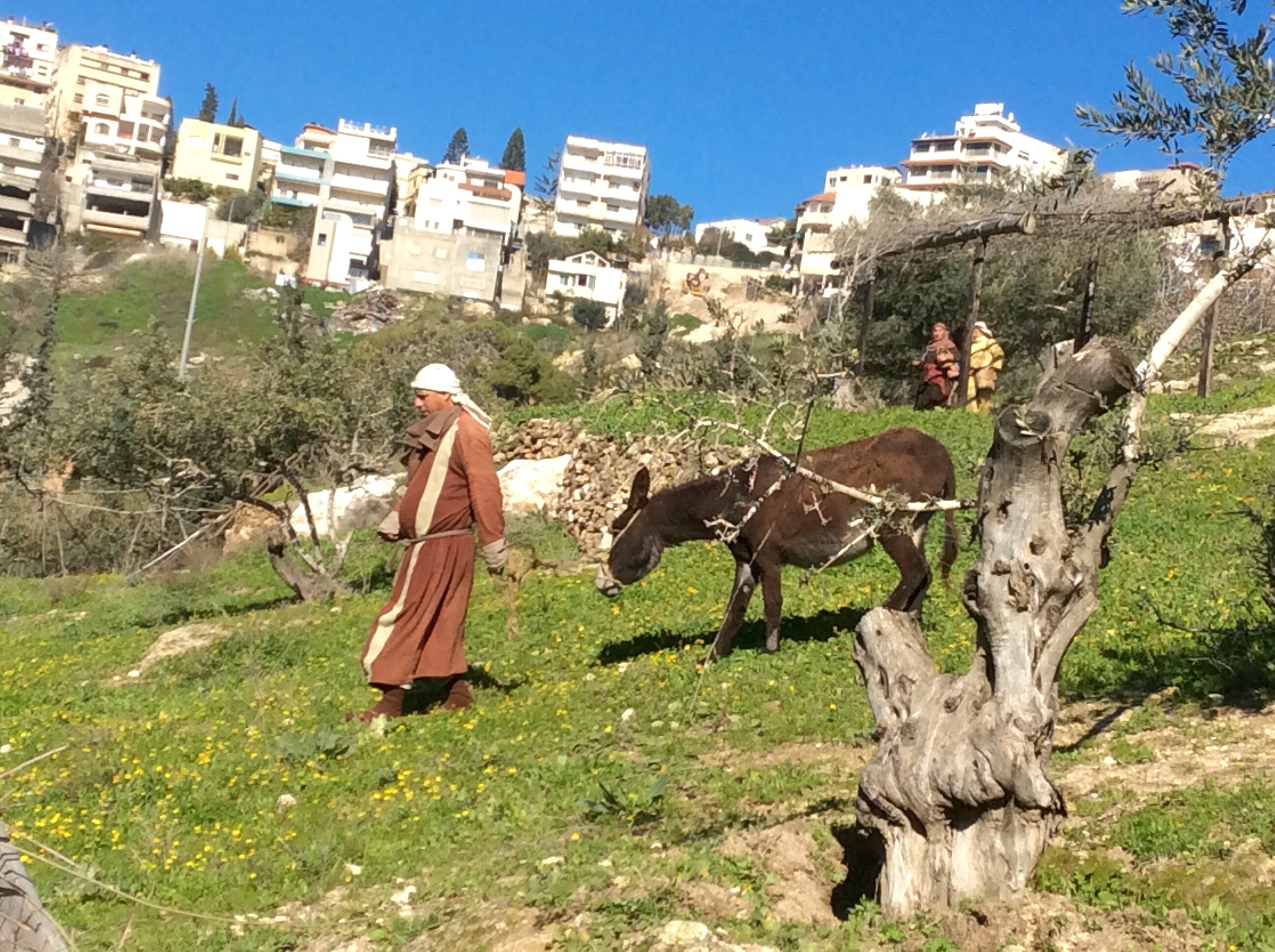
Our guide was raised in Nazareth, then educated in Arizona to become a minister. He took us through daily life in the time of Jesus, providing context to scripture. The village is populated by people dressed in period robes, demonstrating daily life. We learned that the roads of the old city of Nazareth were donkey paths, and were not paved until the Pope visited in 2000.

2015/01/img_6465.jpg
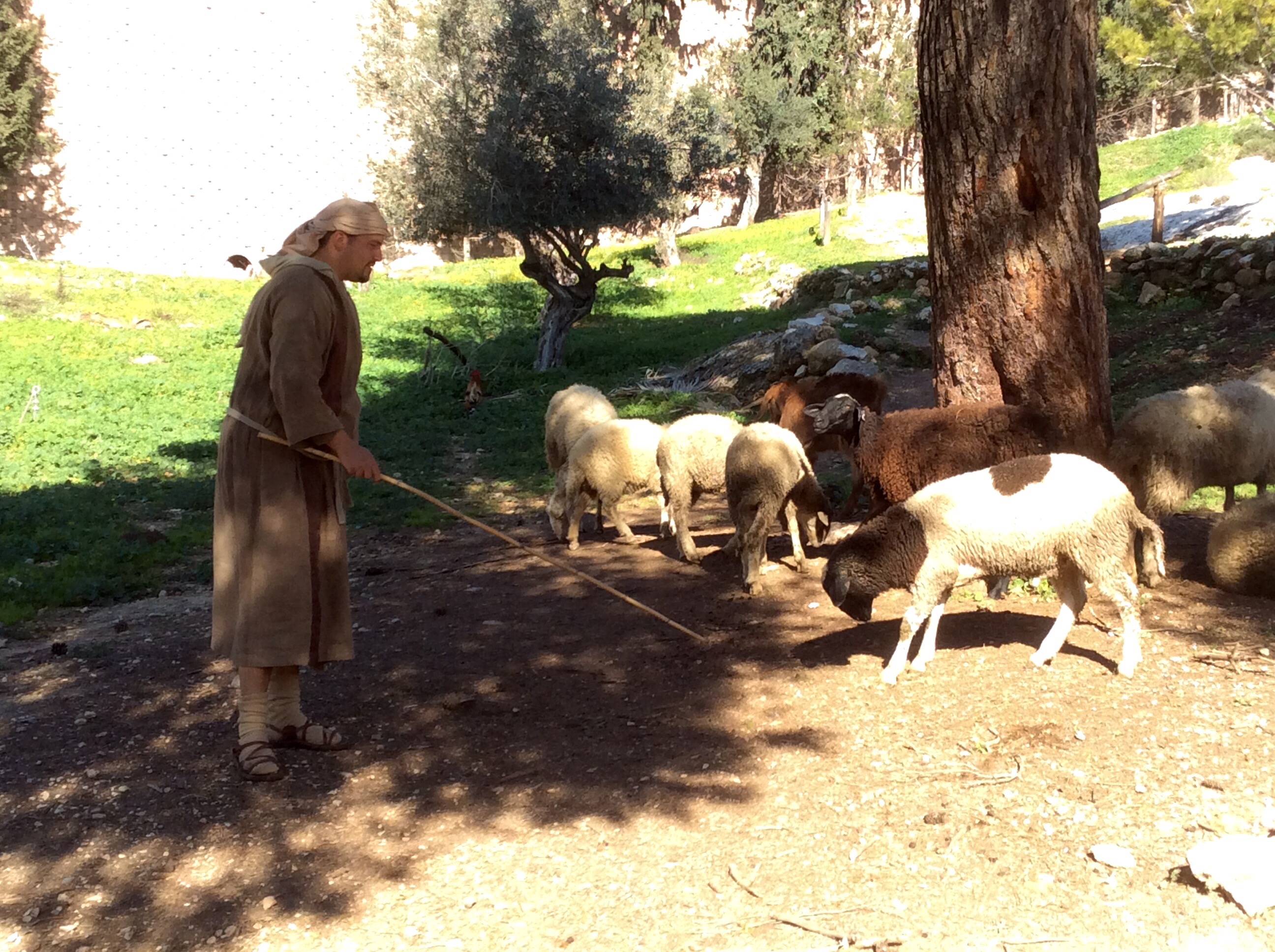
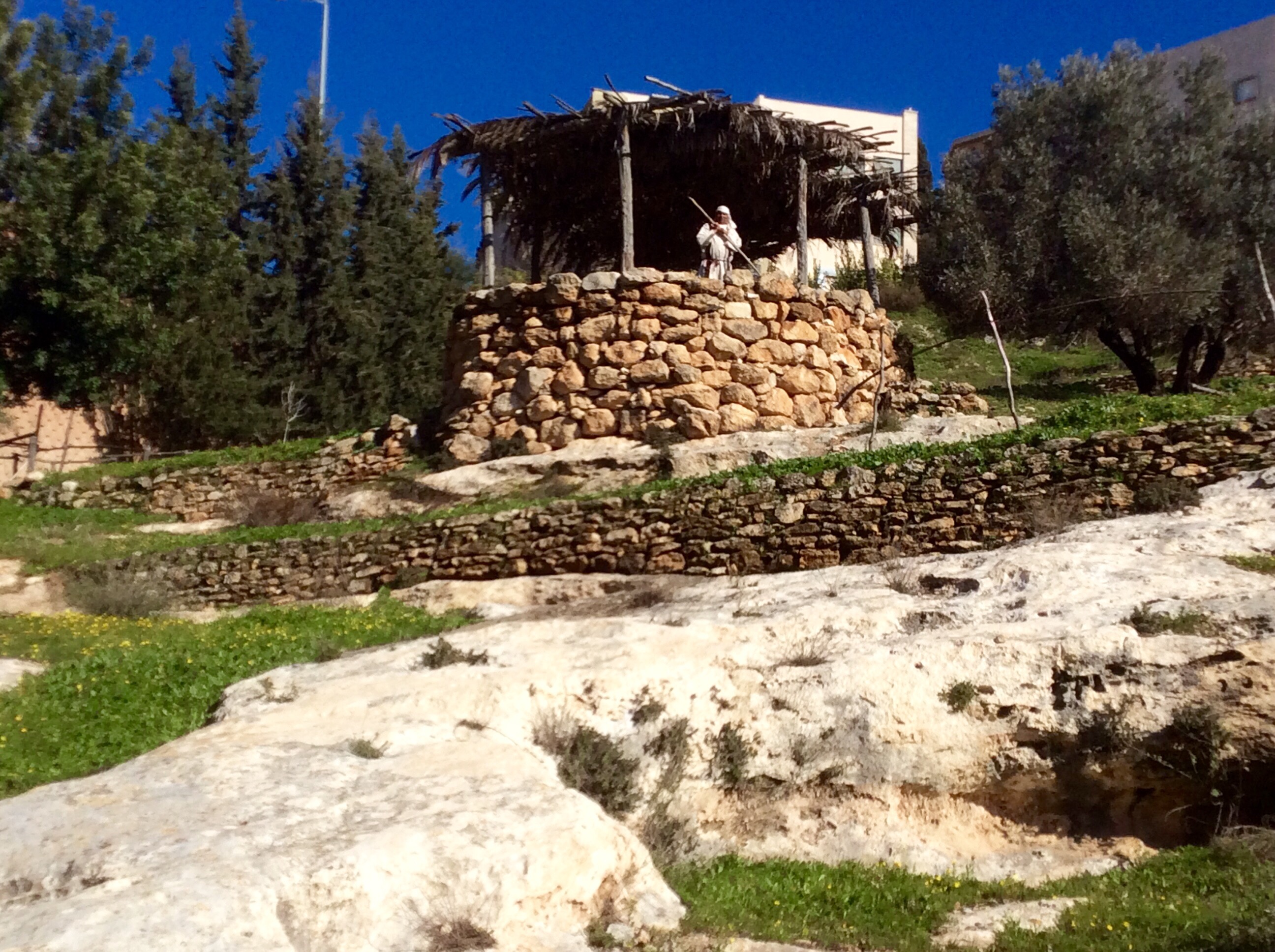
We met a shepherd abiding with his flock. Goats are independent, but sheep follow mindlessly. Goats lead the sheep astray. Our guide talked about how the nature of sheep and goats would not have to be explained to Jesus’ parable audience.

2015/01/img_6472.jpg

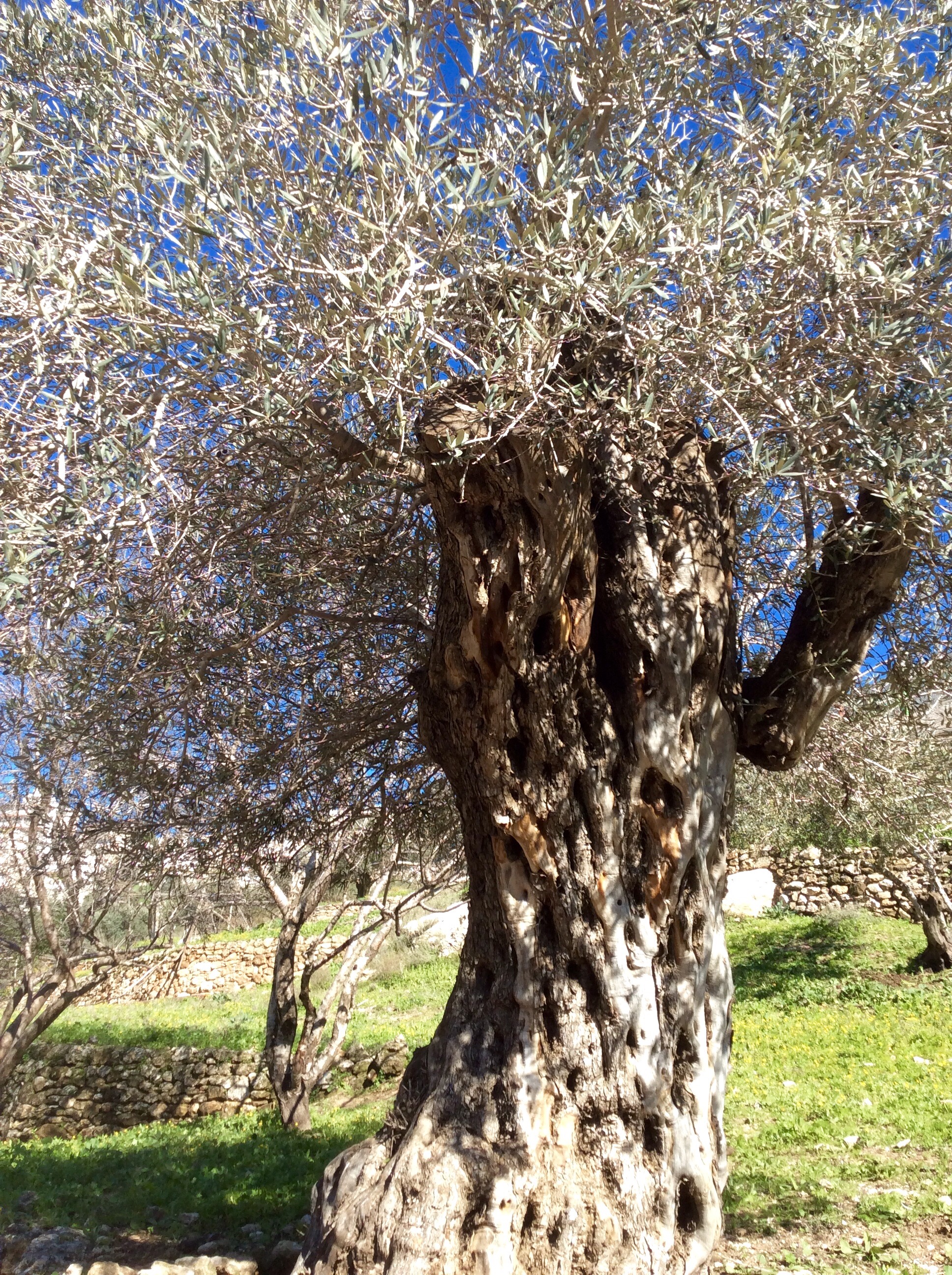
We saw a really old olive tree – some live for more than 1000 years. Our guide asked where in the Bible was it foretold that the Messiah would come from Nazareth. The answer is that it doesn’t – Isaiah says that the Messiah will come from the root of Jesse. Nazar translates as “branch”, which fulfills the prophesy, kind of.

2015/01/img_6468.jpg

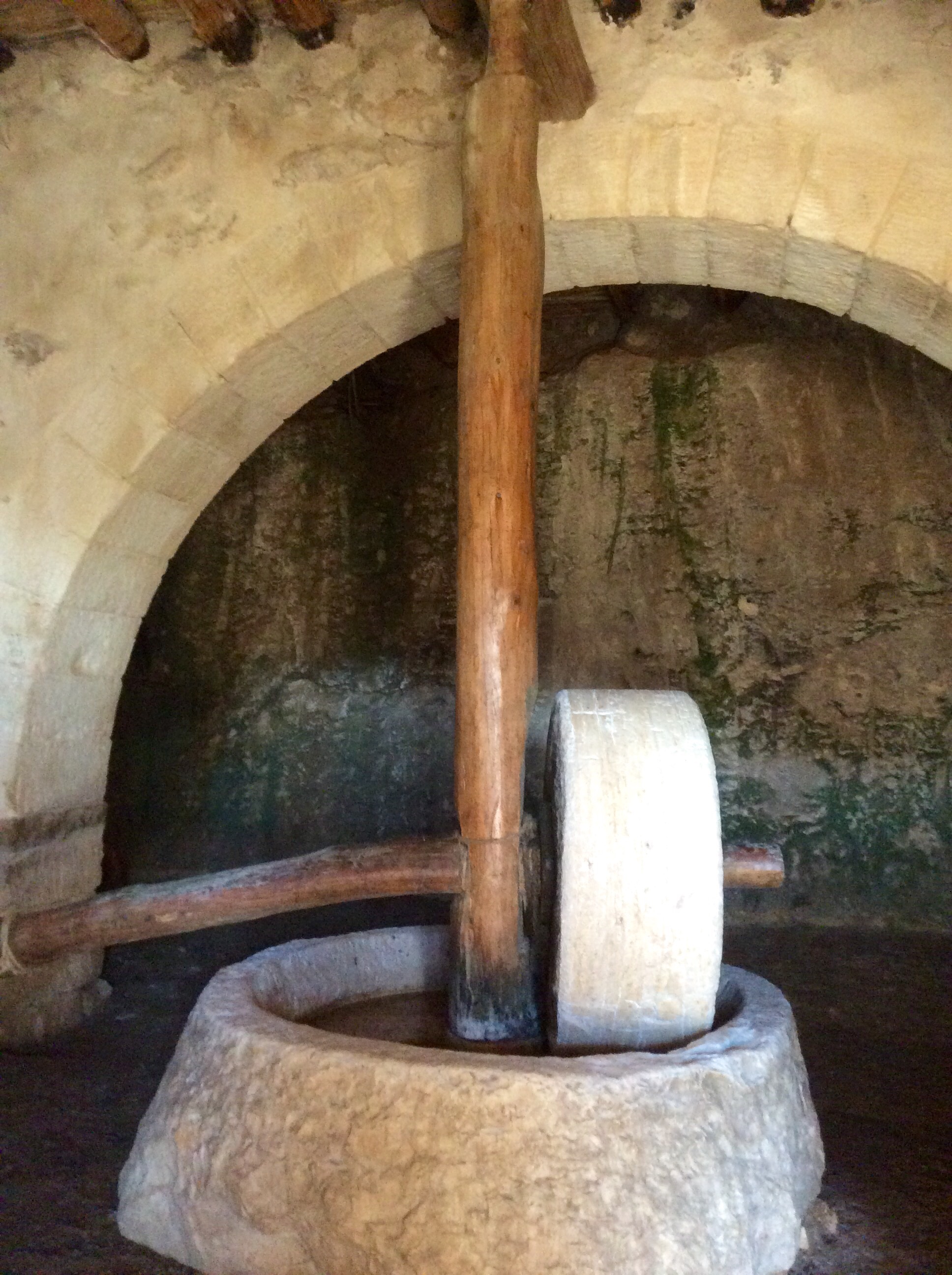
We saw a vineyard and the area where wine was pressed. This was a community activity, where families worked together. The grapes are pressed using bare feet, so that the seeds don’t crack, which would make the wine bitter. We learned the process for pressing olives, which uses heavy weights to crush the entire fruit. The first pressing is for virgin olive oil, the second pressing is for cloudy oil that can be used for lotions and creams, and the third pressing provides oil for lamps. Then the pits are used as fuel to keep the fire going throughout the night.

2015/01/img_6476.jpg

2015/01/img_6478.jpg

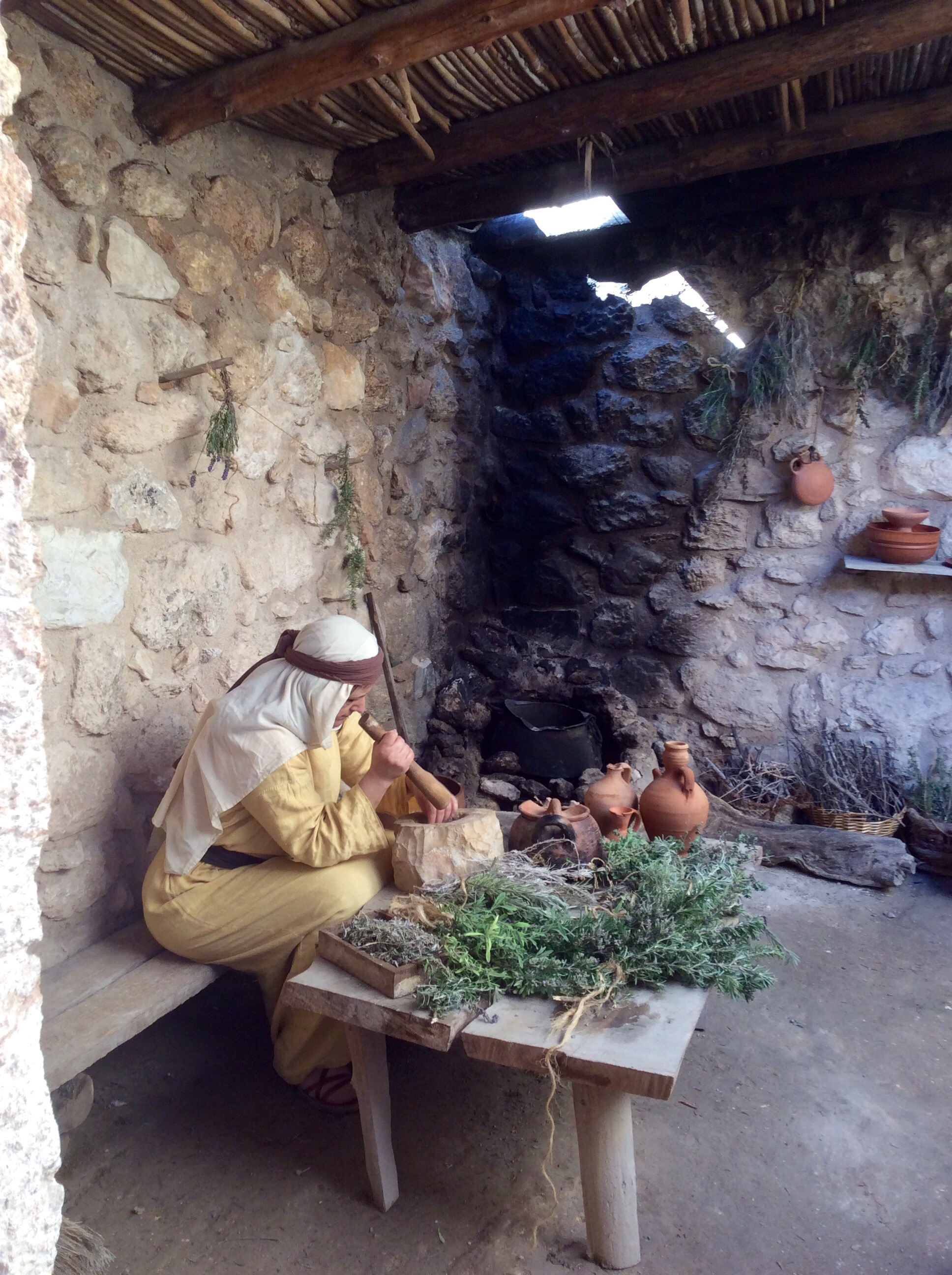
We watched a woman crushing herbs, and a builder making tools. Joseph was a builder (tekton), and would have worked with both wood and stone.

2015/01/img_6483.jpg

2015/01/img_6482.jpg

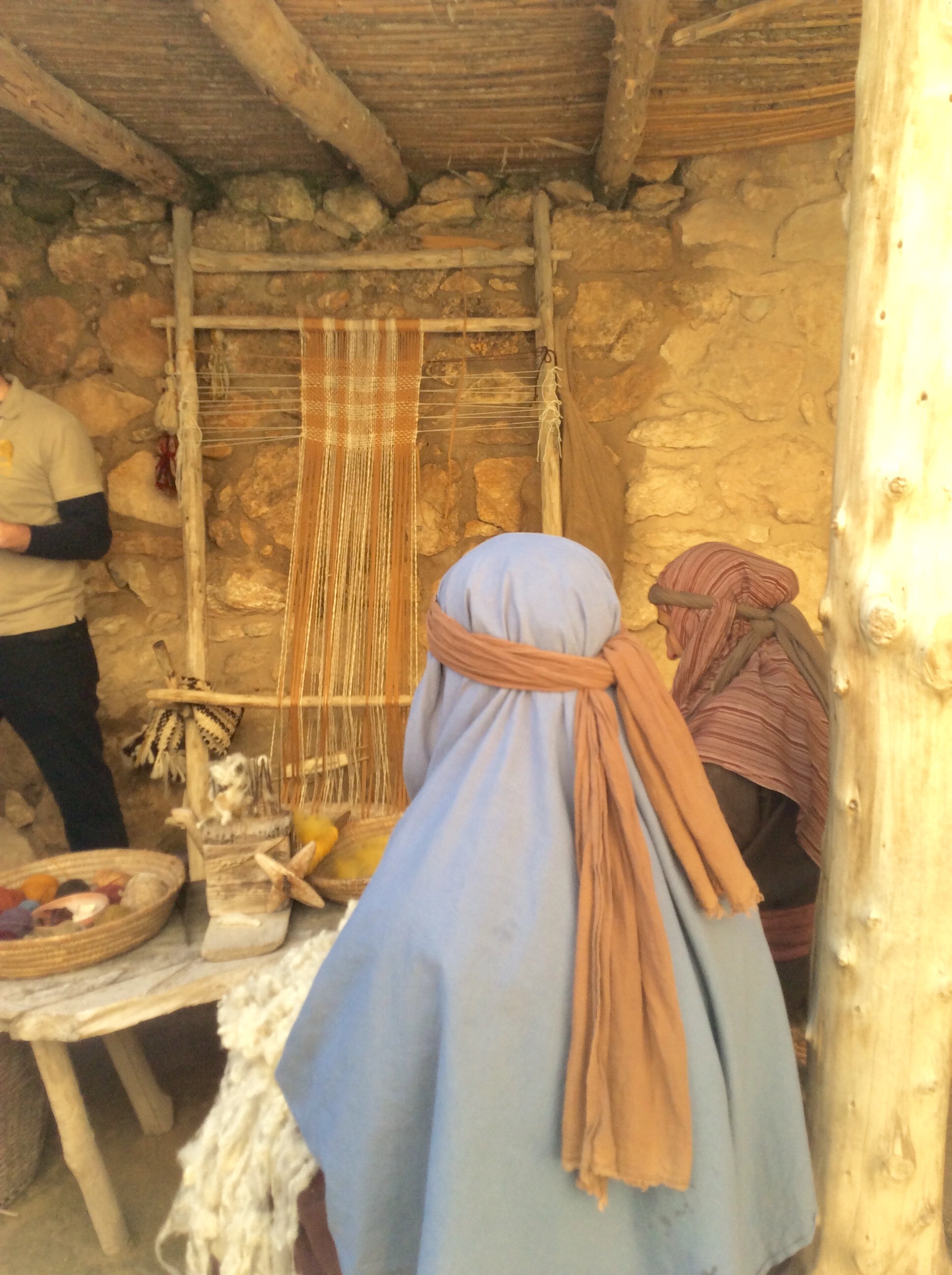
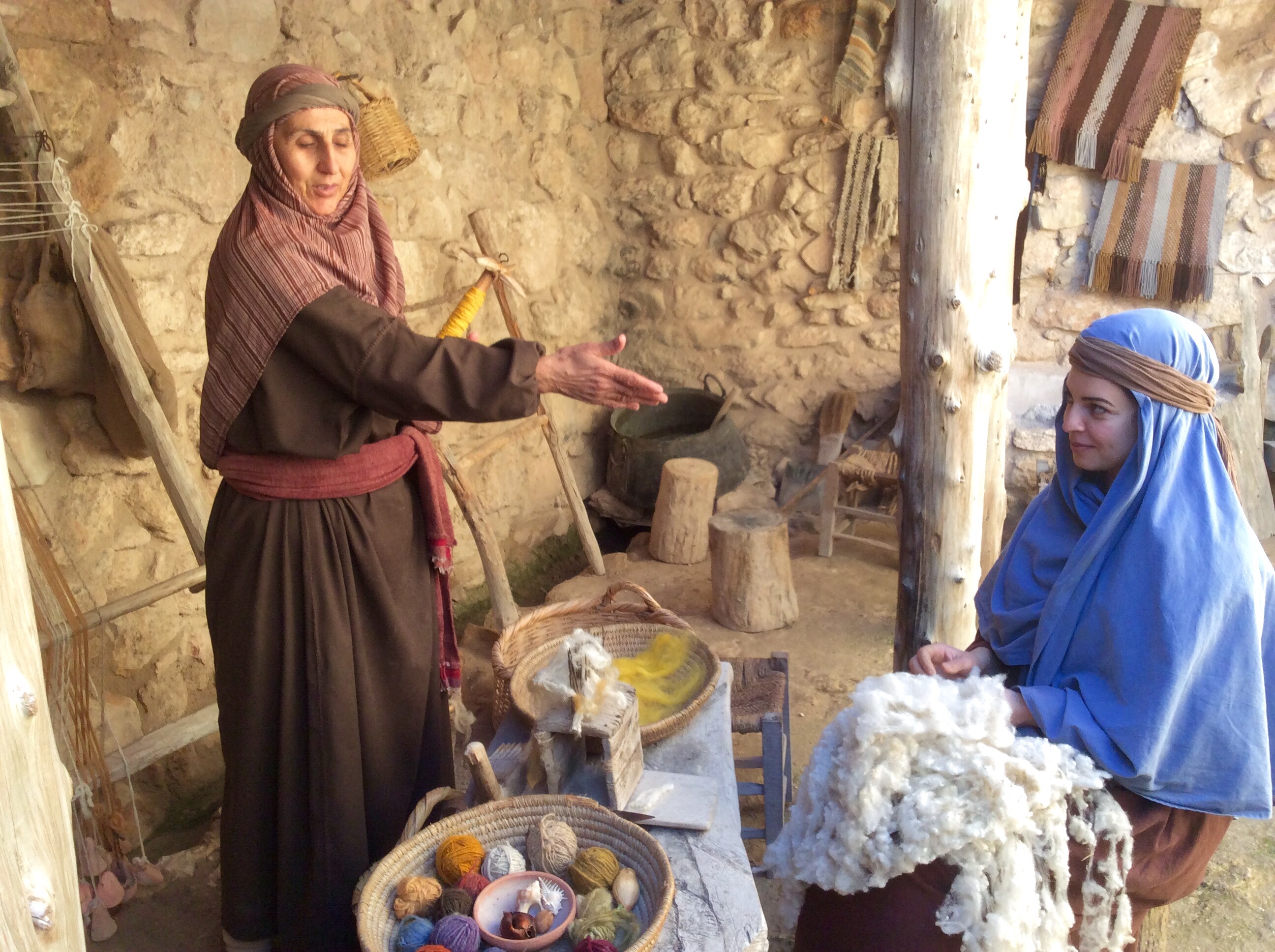
We watched women making yarn, and learned that wool was dyed with herbs or vegetables, and the colors set with vinegar. Purple dye came from imported snails ( very expensive), which is why purple was associated with royalty.

2015/01/img_6488.jpg

2015/01/img_6490.jpg

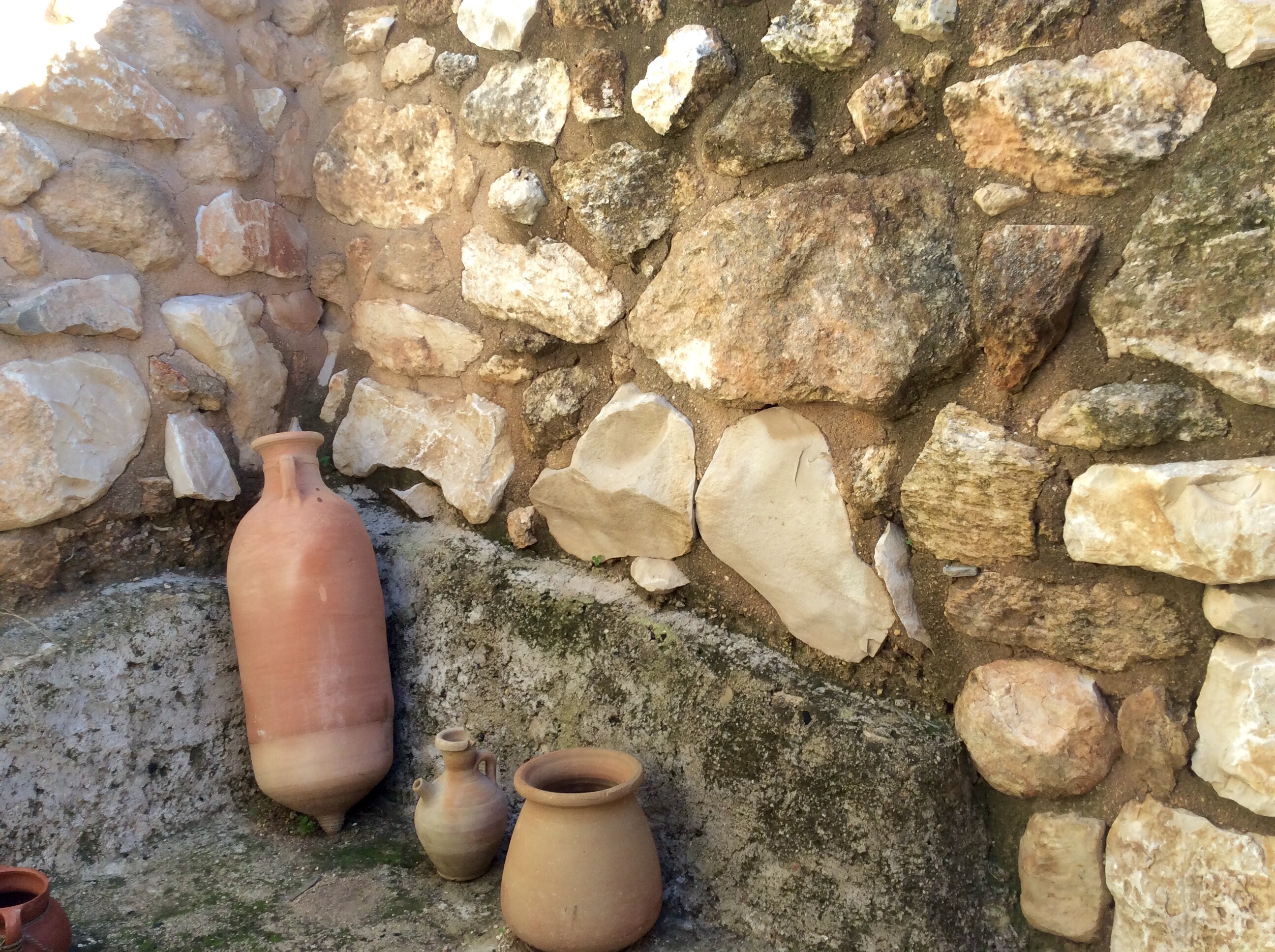
A typical house, with a ladder up to the roof, where it was cooler to sleep on warm nights. All the family slept in the one room, and rolled up their mats during the day to provide work space.

2015/01/img_6480.jpg

2015/01/img_6486.jpg

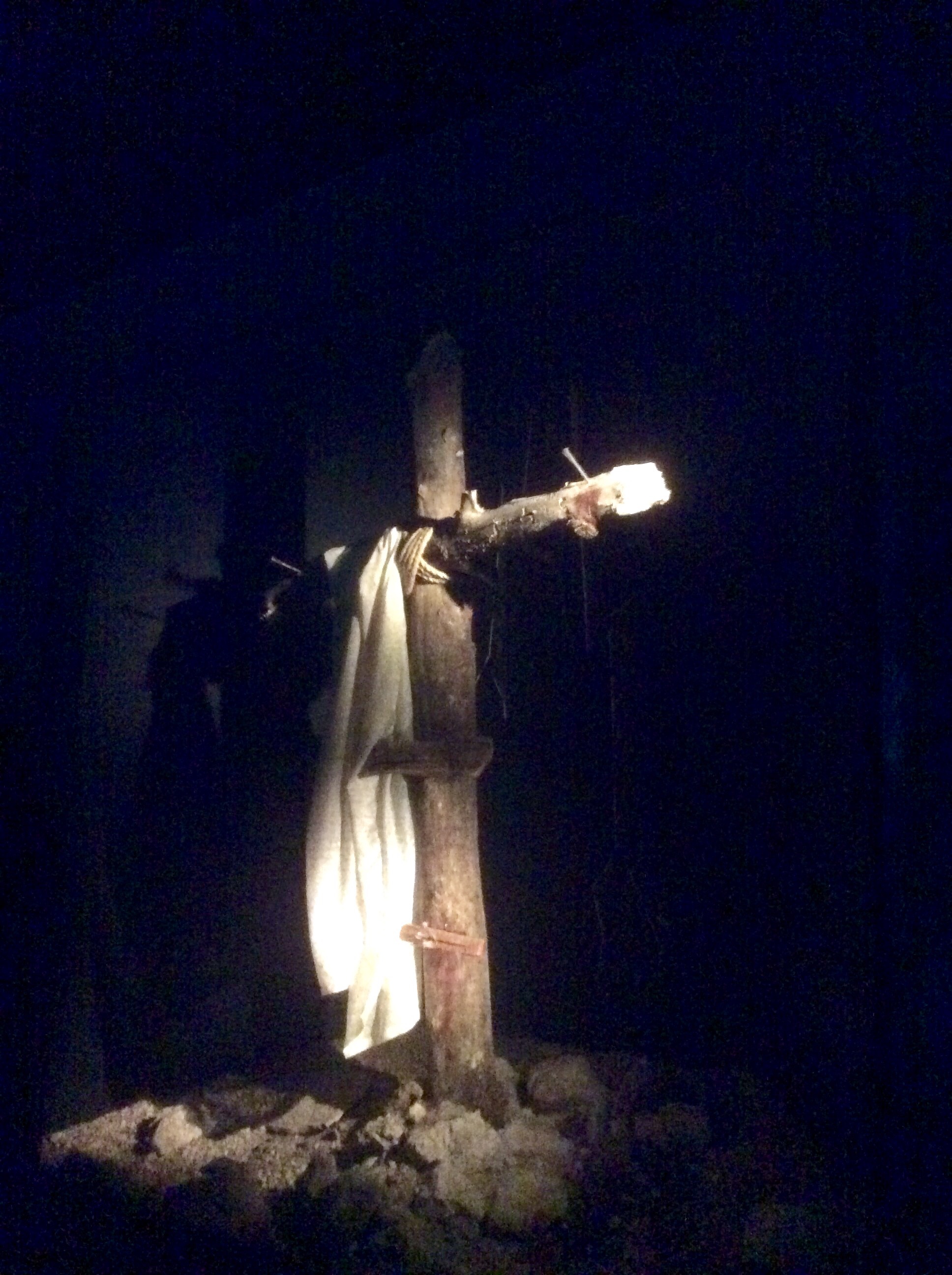
We saw a cross typical of crucifixion, with a footrest and a seat to rest on that would prolong suffering. A man in our group was concerned that the workmanship of the cross seemed crude. Our guide explained that, with thousands of crucifixions to perform, the Romans weren’t particularly interested in workmanship. Crosses were repaired and reused between executions.

2015/01/img_6462.jpg

Jim asked if the Mount of the Precipice, on the other side of town, was really the place where the townspeople tried to throw Jesus off the cliff (it is a very gently sloping hill). Our guide said that hill was too far from town for a Jew to travel on the Sabbath, but was a good tourist attraction. All Holy Land locations should be considered approximate.

Nazareth Village was built using only materials available in the first century. Our visit provided a great context for the rest of our day.

Konya back to Istanbul to Tel Aviv to Haifa to Nazareth, Israel

1/19 – It’s time to say farewell to Konya, and move on. We hopped on a one hour Pegasus flight to return to the Asian side of Istanbul. Istanbul is a transportation hub, and we opted to fly to Israel instead of traveling overland. We will be in Israel for 10 days. It will be good to get back where it’s warm!

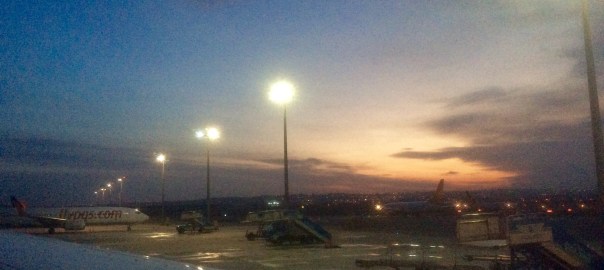
1/20 – Got up at 4am to get to the airport for our dawn flight.

2015/01/img_6447.jpg

2015/01/img_6440.jpg

We landed in Tel Aviv two hours later. The Ben Gurion Airport is big and sparkling. All the signage is in Hebrew, Arabic and English.

2015/01/img_6456.jpg

We passed through Customs and requested a paper visa instead of a stamp on our passports. Some countries refuse entry if you have an Israeli stamp in your passport. We’re not planning to visit any of those countries, but got the paper visa just in case.

2015/01/img_6458.jpg

The train station is right next to the airport, and we caught the 10:05 train to Haifa. The 90 minute ride put me right to sleep, so I didn’t get any pictures – sorry! Haifa is on the Mediterranean coast, with lots of beach, and looked very pretty from what little we saw from the train.

From Haifa, we caught the bus to Nazareth, and in an hour we were in the place where Jesus grew up. The bus let us off at the Basilica of the Annunciation, the very spot where Gabriel told Mary she would become the world’s most famous teenage unwed mother.

2015/01/img_6450.jpg
We will explore in more detail tomorrow.

Our goal today was to get to the bookshop that sells the guide for the Jesus Trail, that we will walk over the next few days.

2015/01/img_6457.jpg

Jim asked the proprietor her heritage, and she explained that she is Arabic, and that Nazareth is an Arabic community, the largest in northern Israel. The Arabic name is An-Nazeera. She said they used to be Palestinians, but when their grandparents agreed in 1948 to live in the new state of Israel (so they could keep their homes), they became Arabs living in Israel. She taught us our first words in Arabic: Marhaba for hello, and Shukara for thank you. These are similar to the Turkish words! We have found that these are the words we need most often, and we’ll get a lot of practice this week.

Tomorrow, we explore!