July 5 – Unlike the other places chosen for a zero mile rest day, there is not a thing to do in Montfort, except to visit the one grocery store. The grocery store does not accept either our VISA or our Mastercard, (only local debit cards), so we are lucky that the town has an ATM.
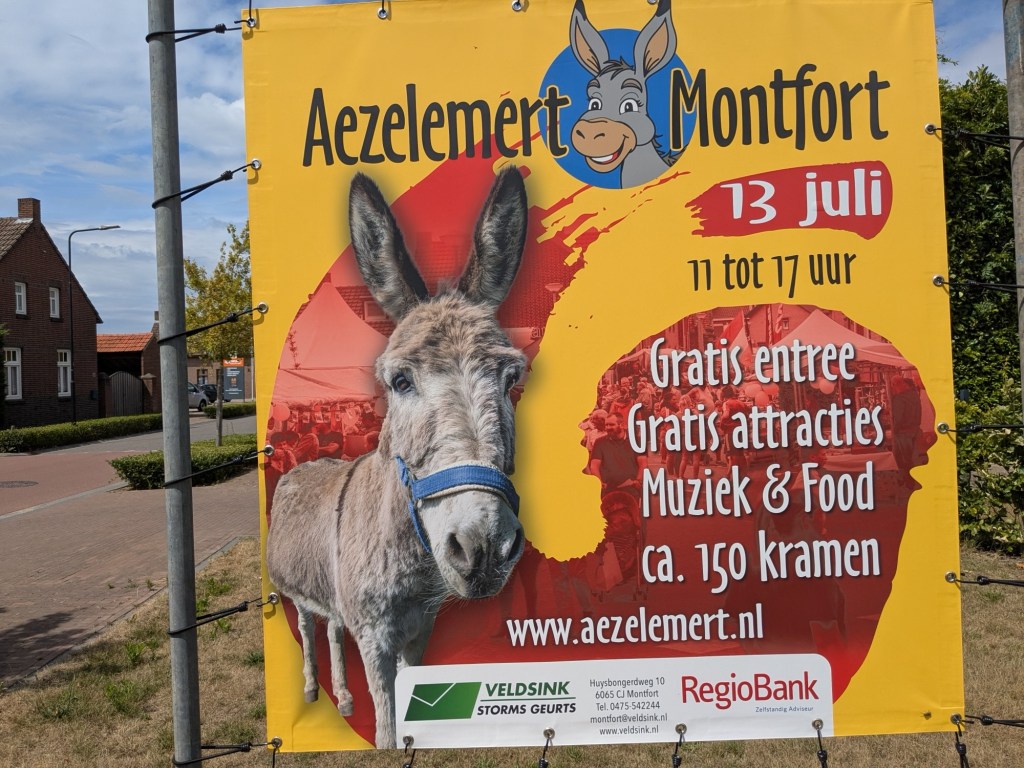
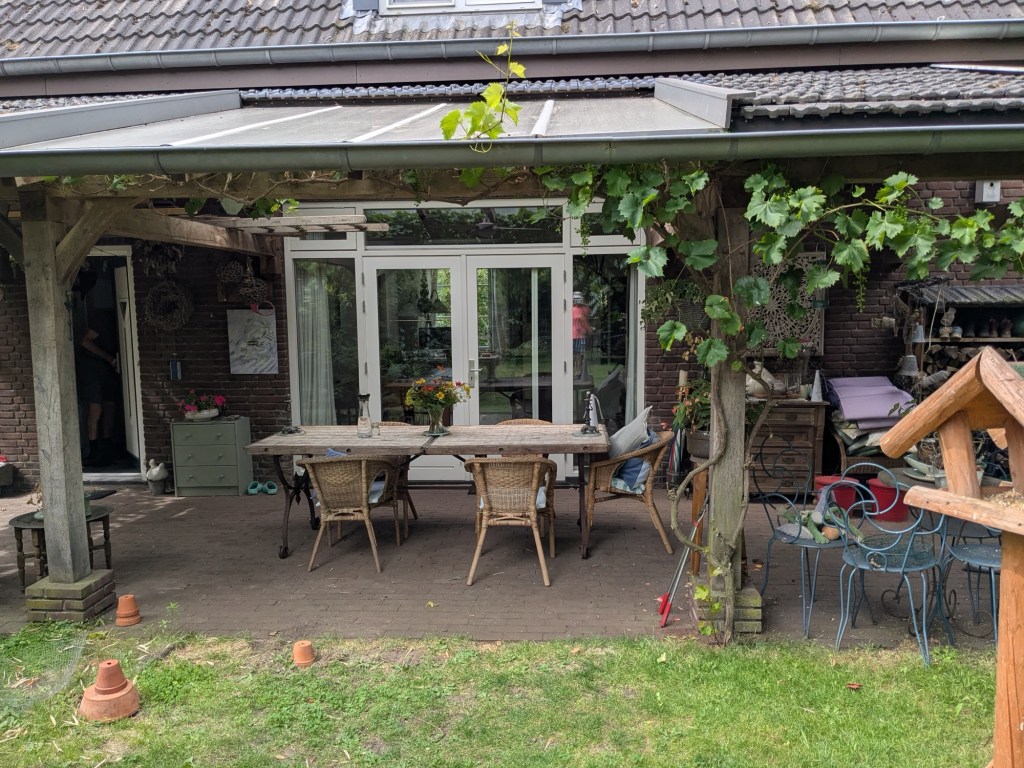
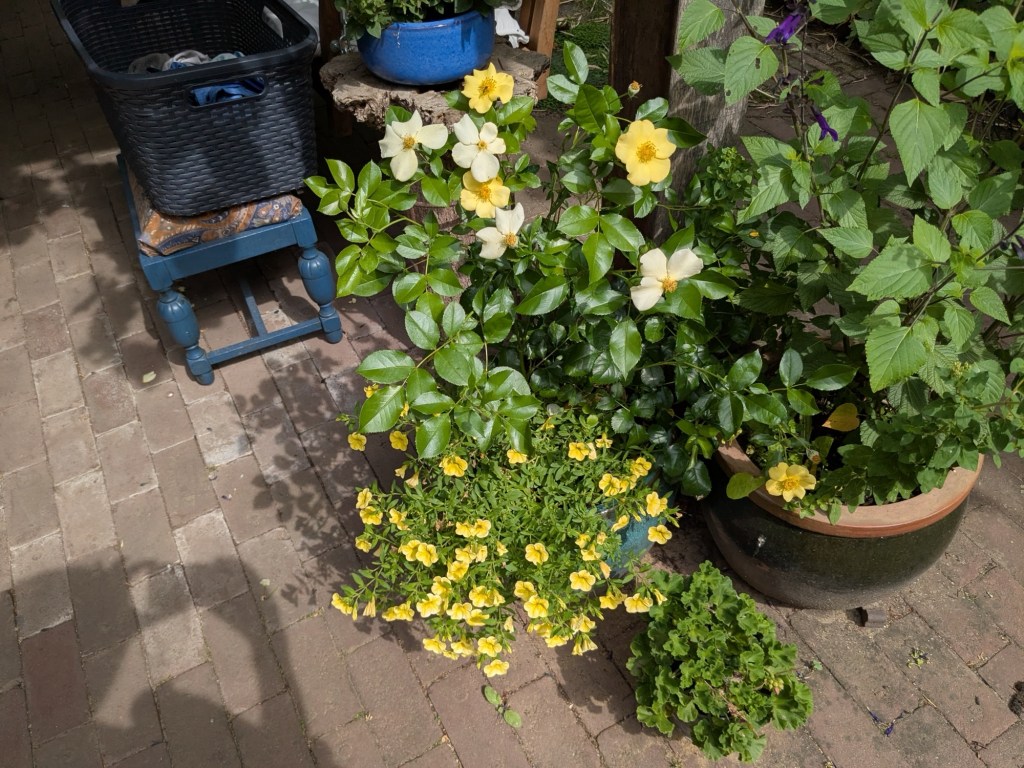
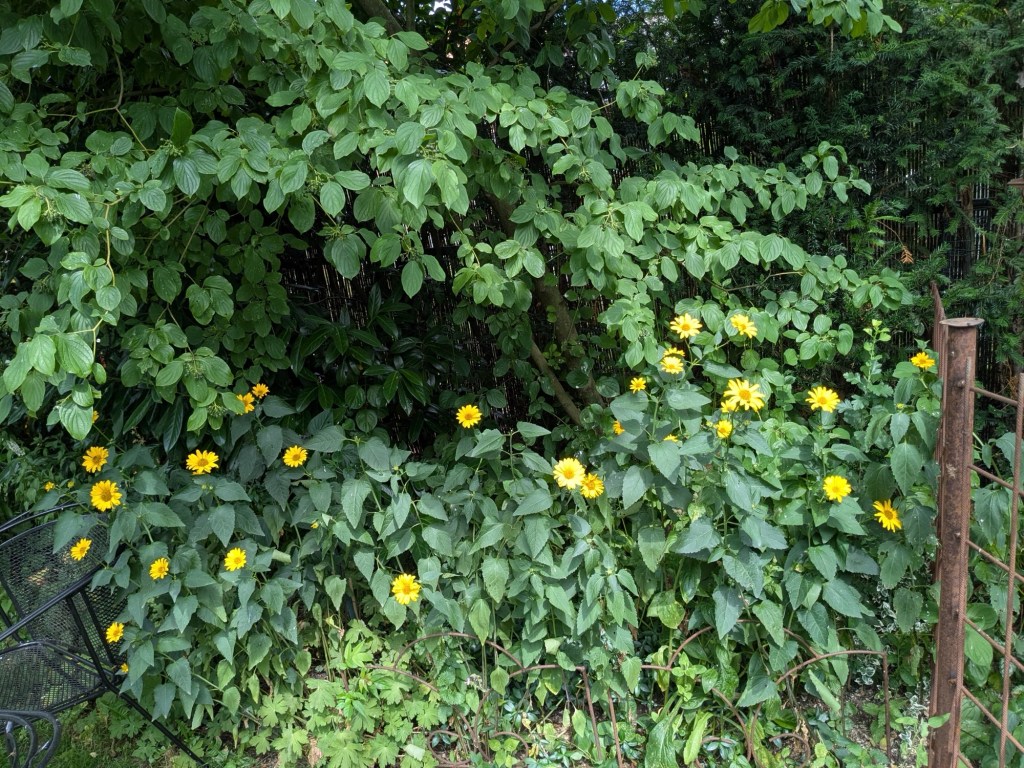
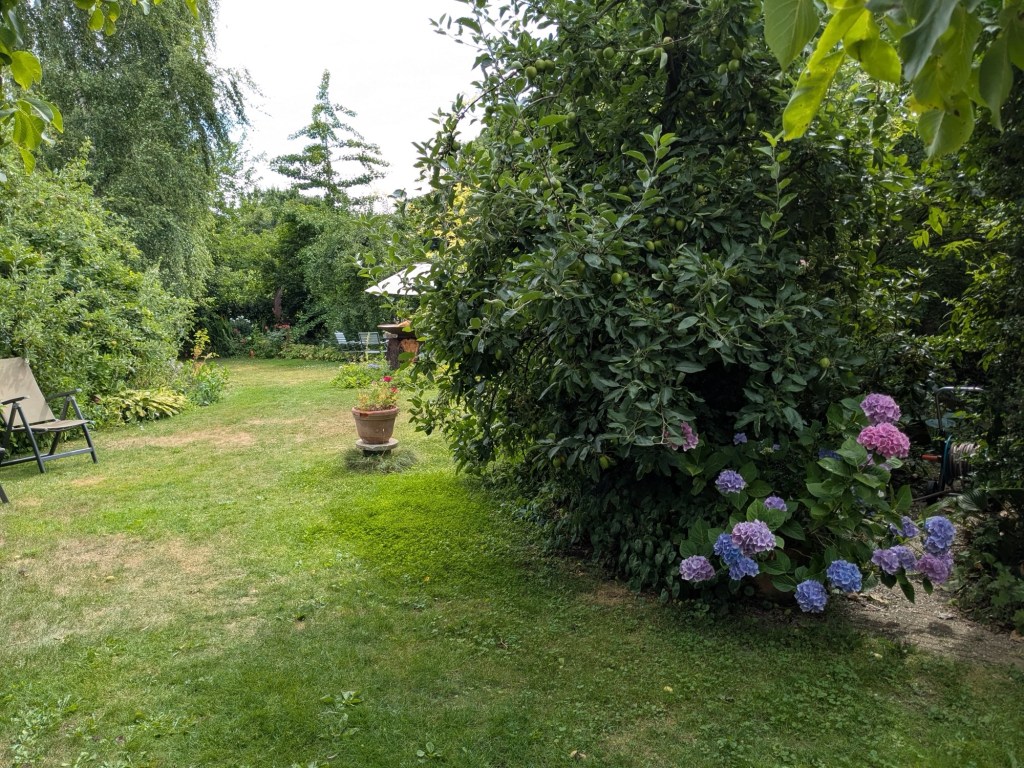
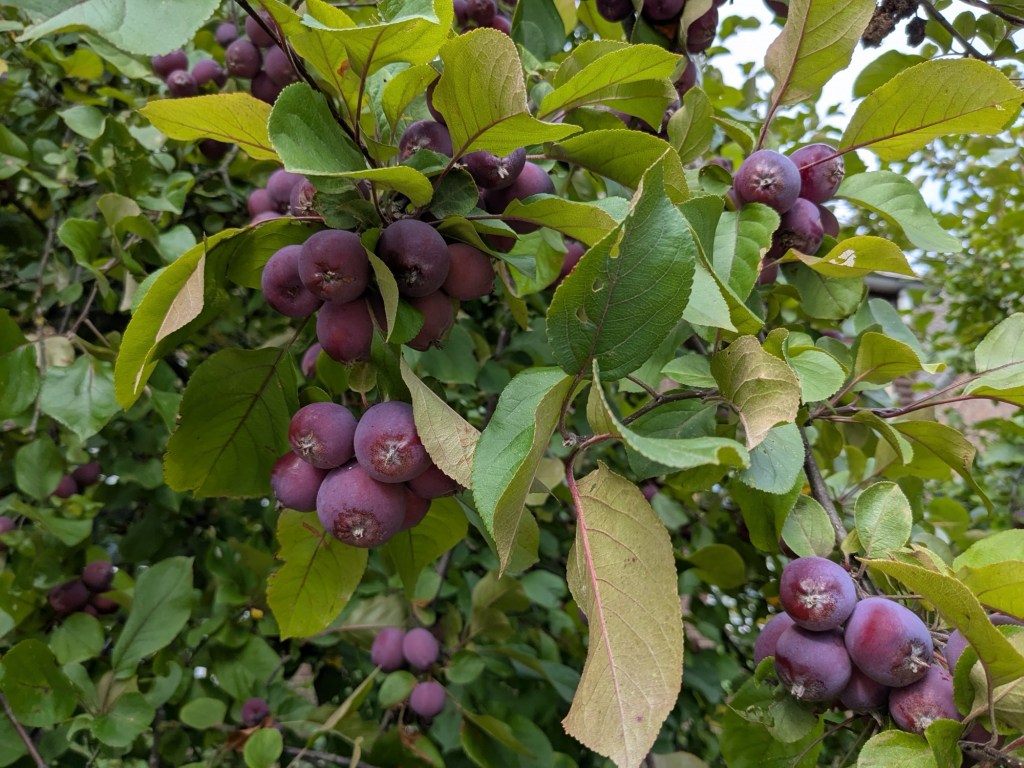
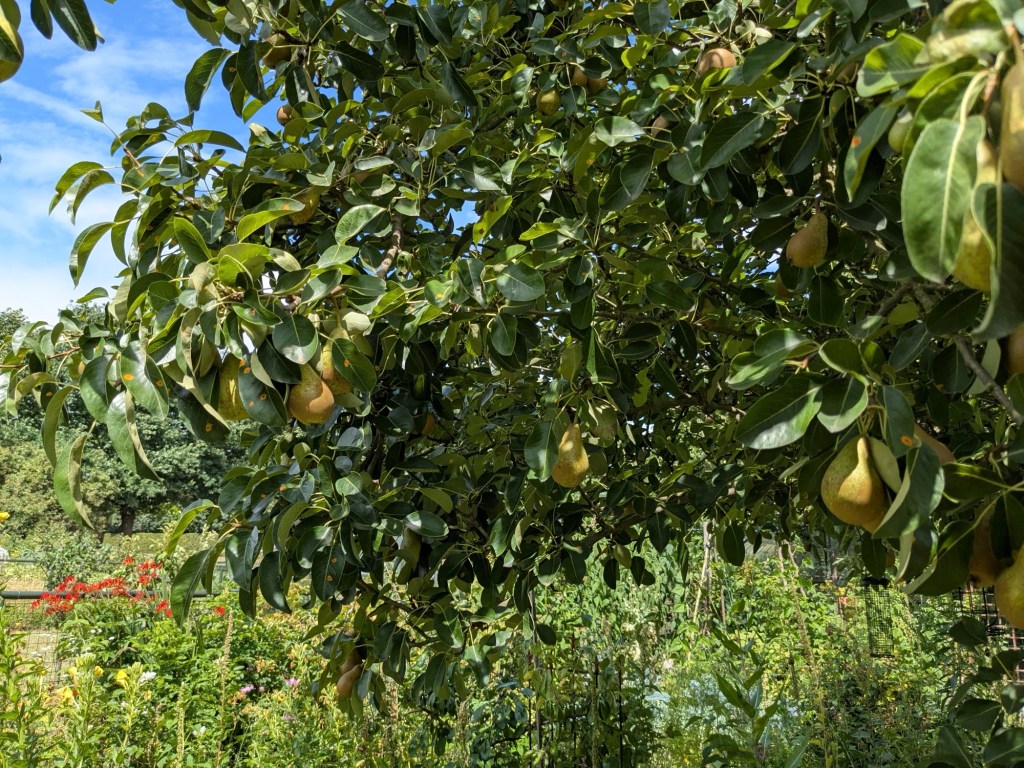
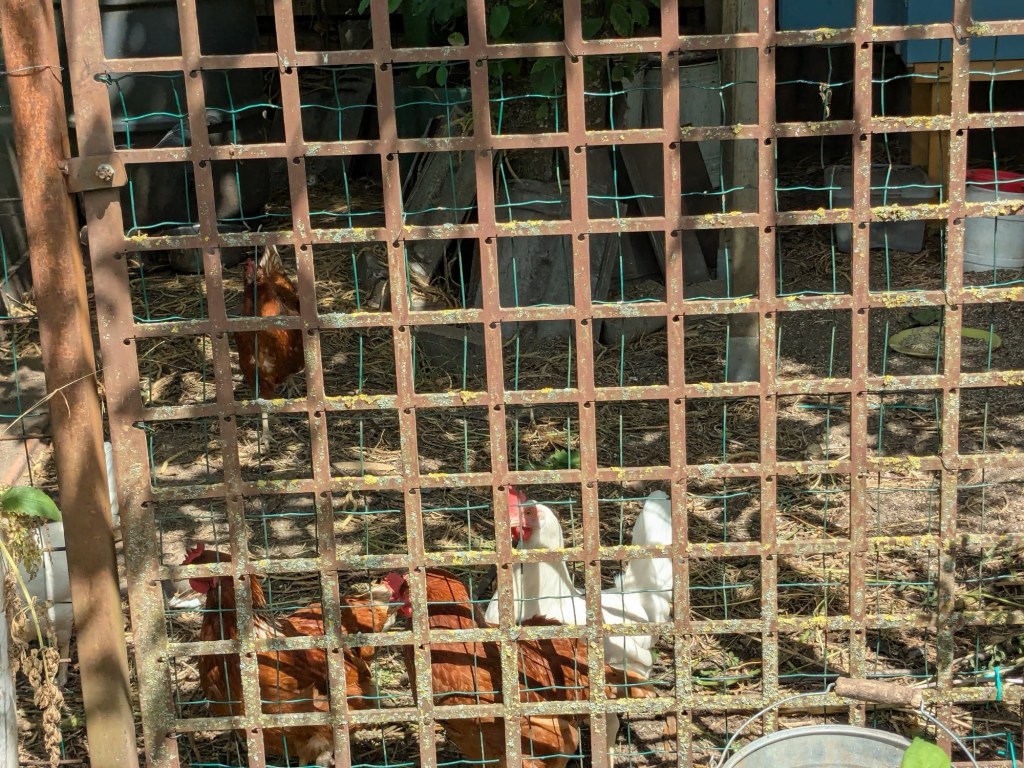
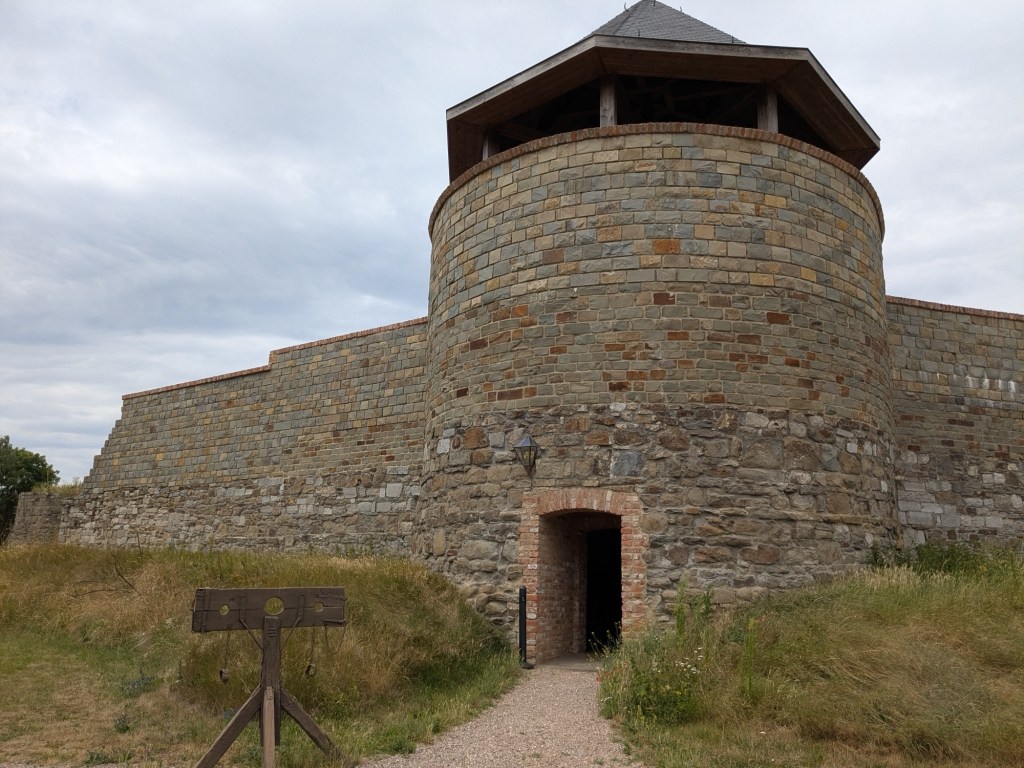
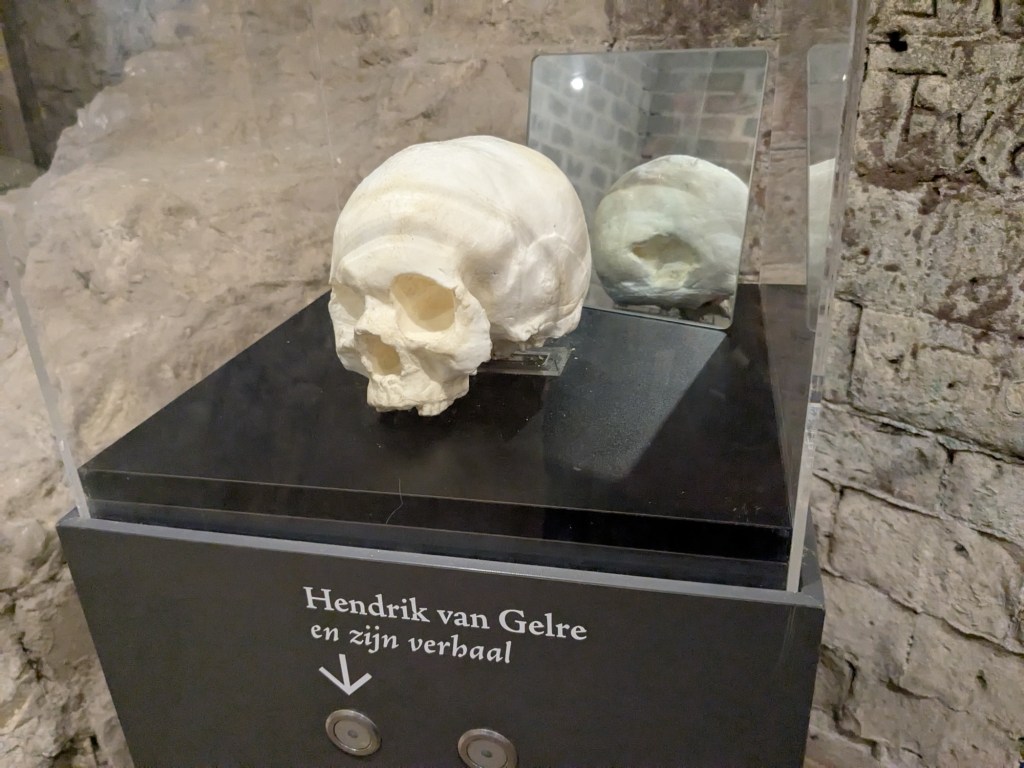
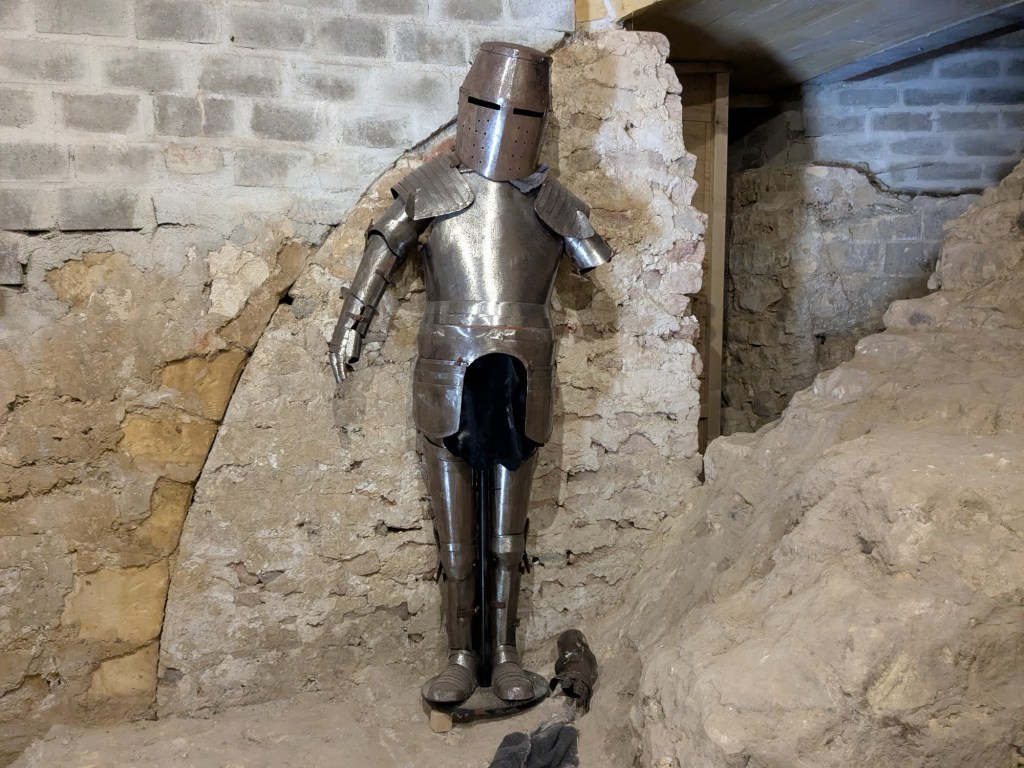
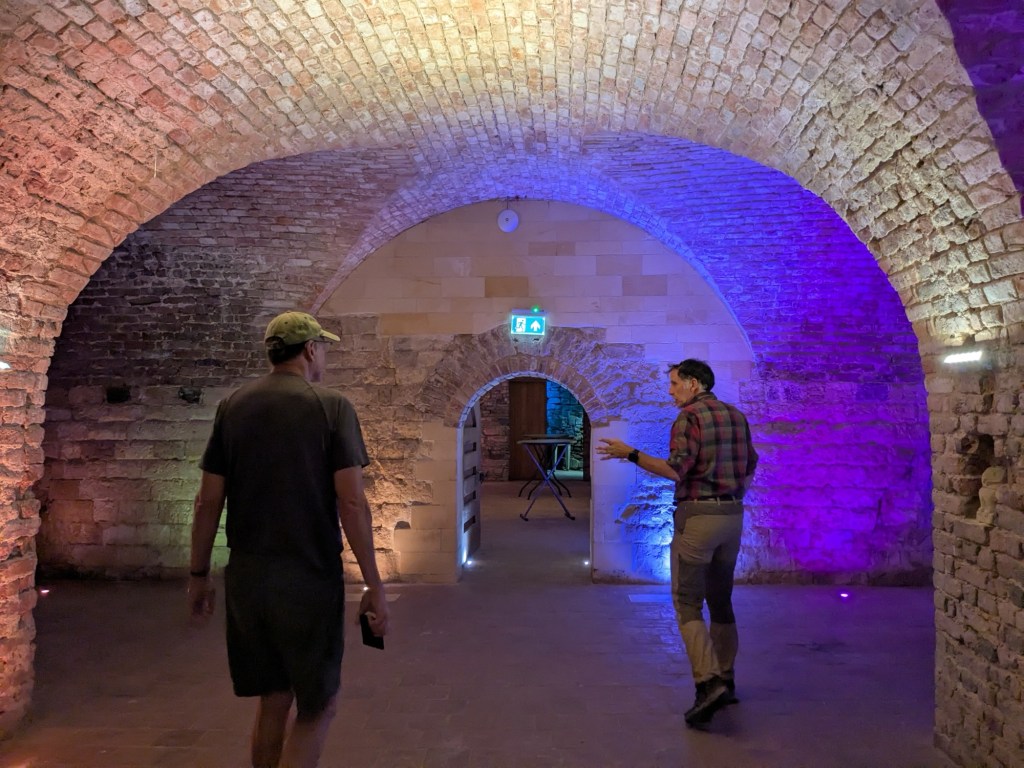
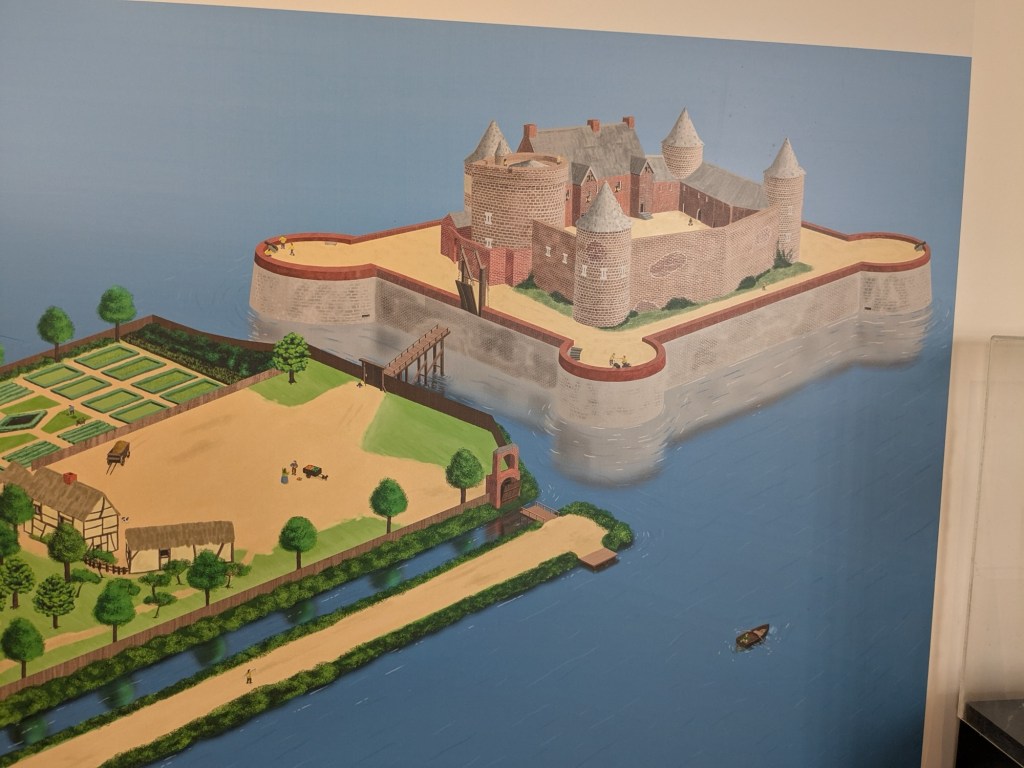
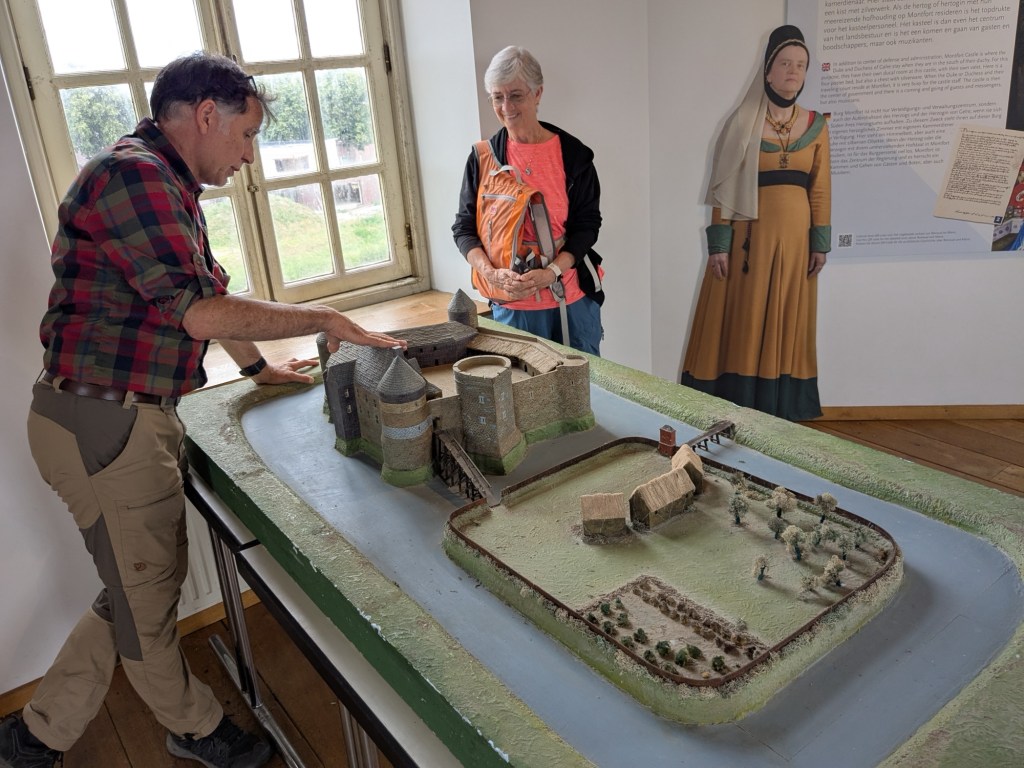
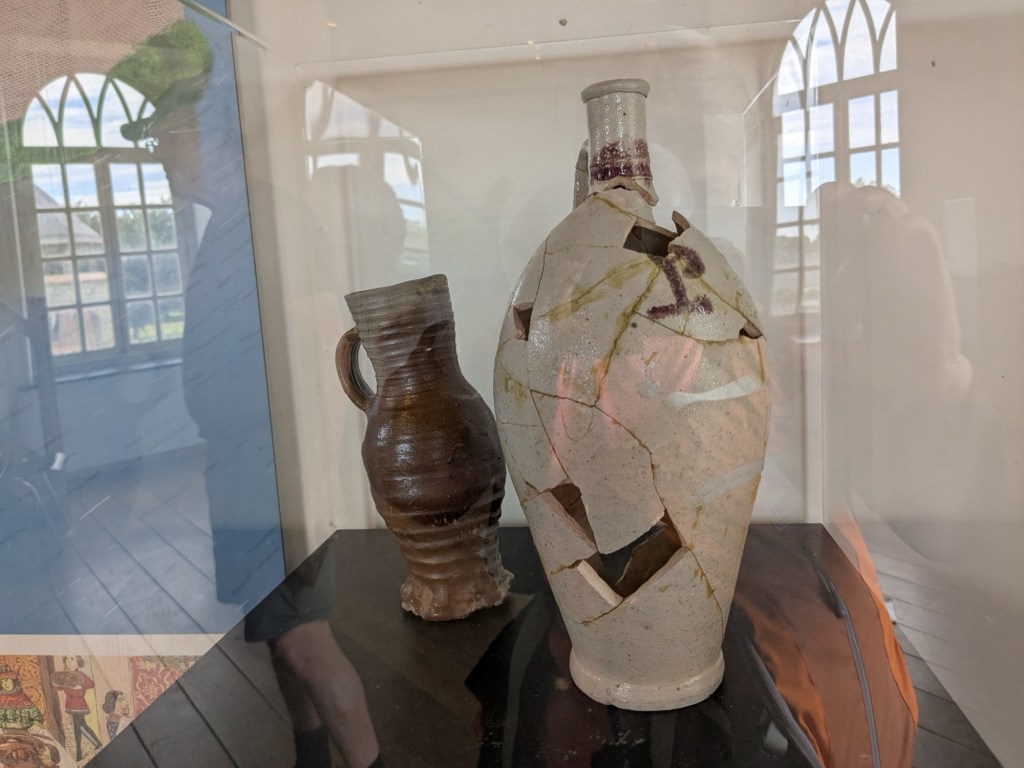
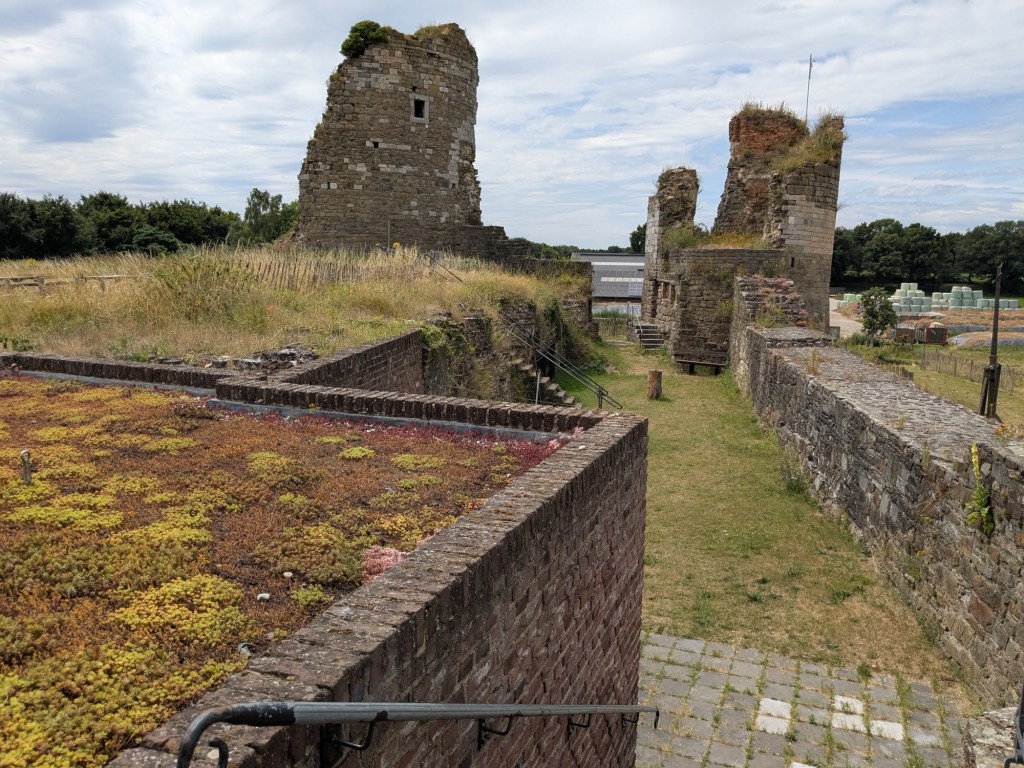
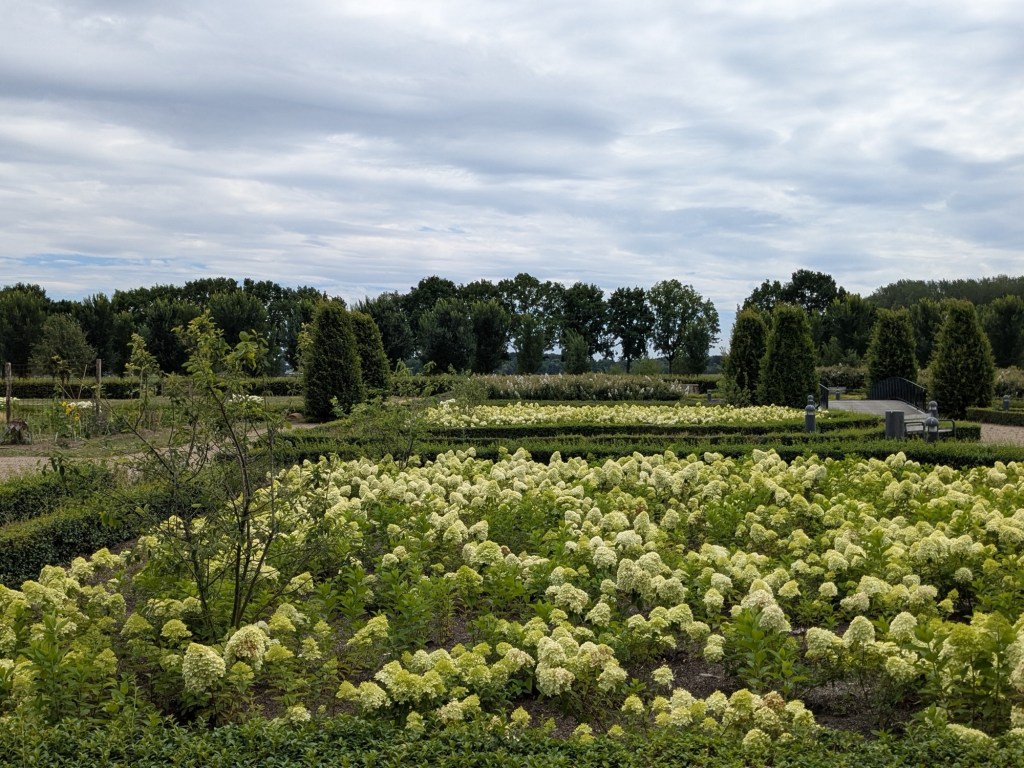
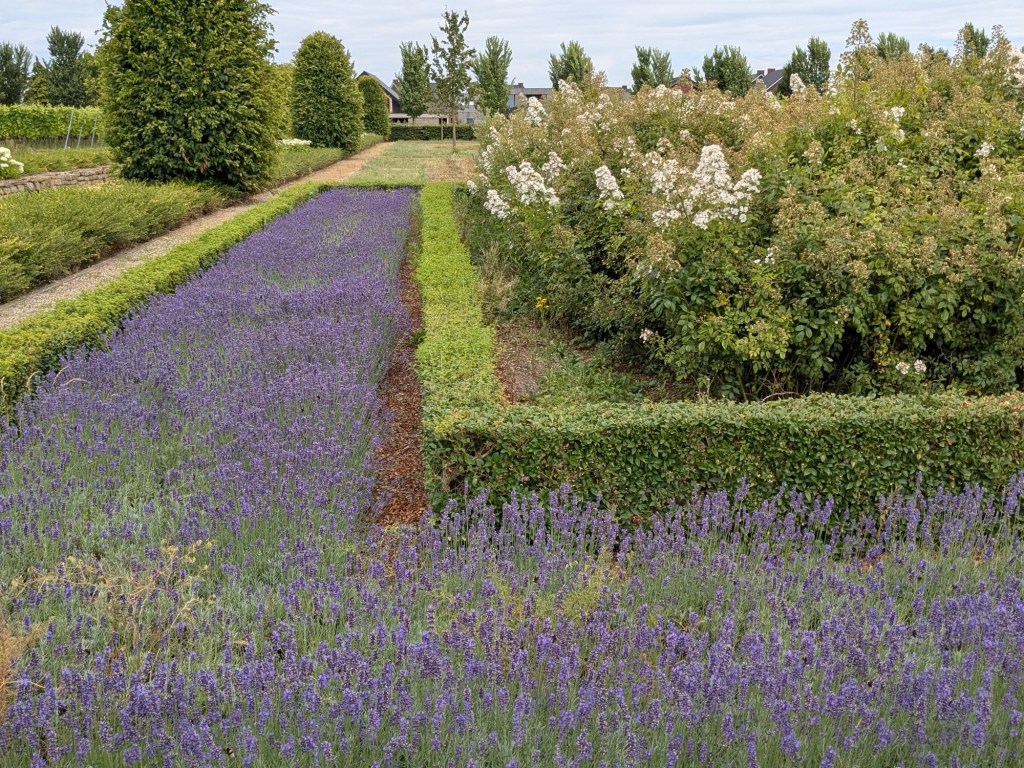
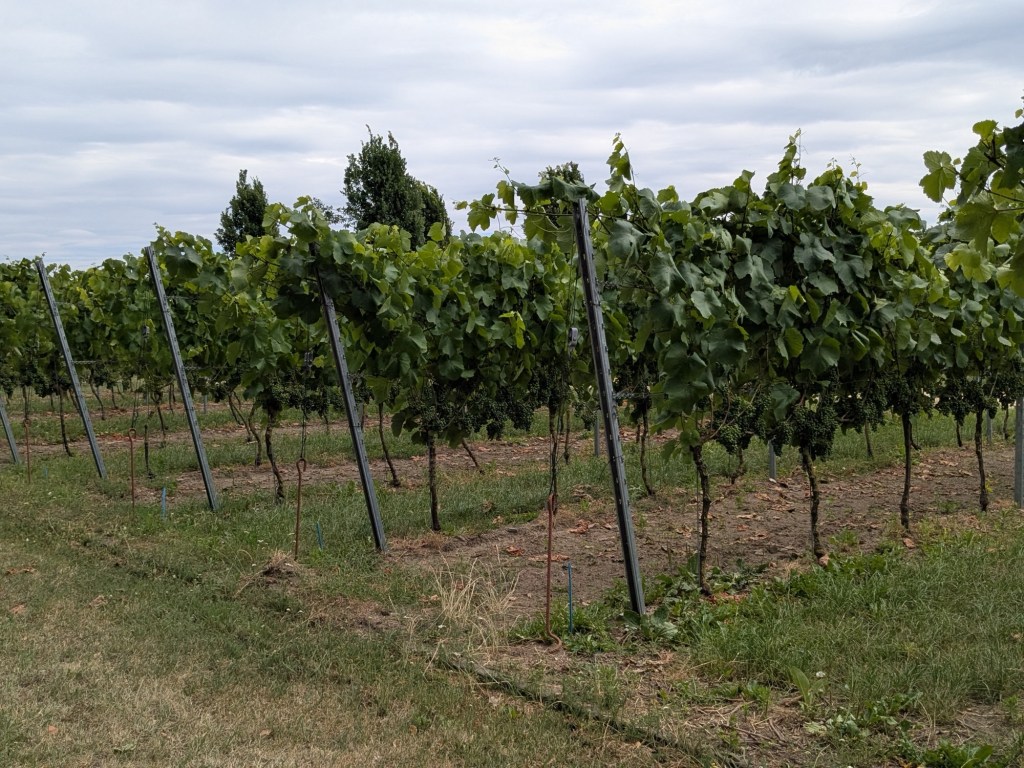
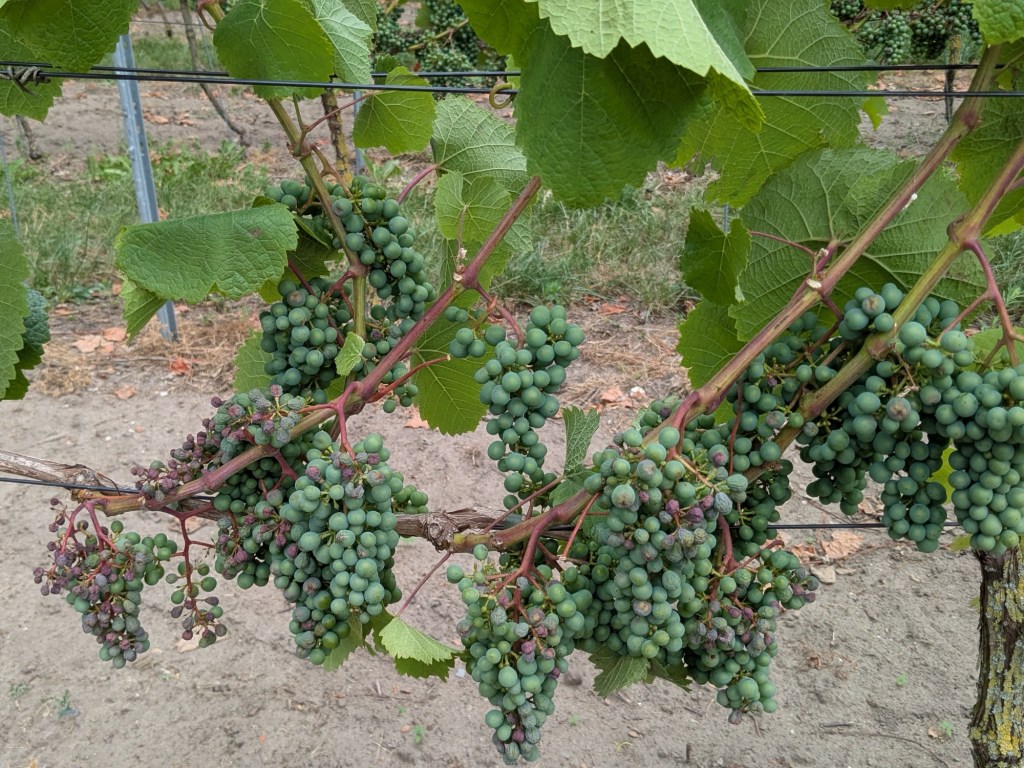
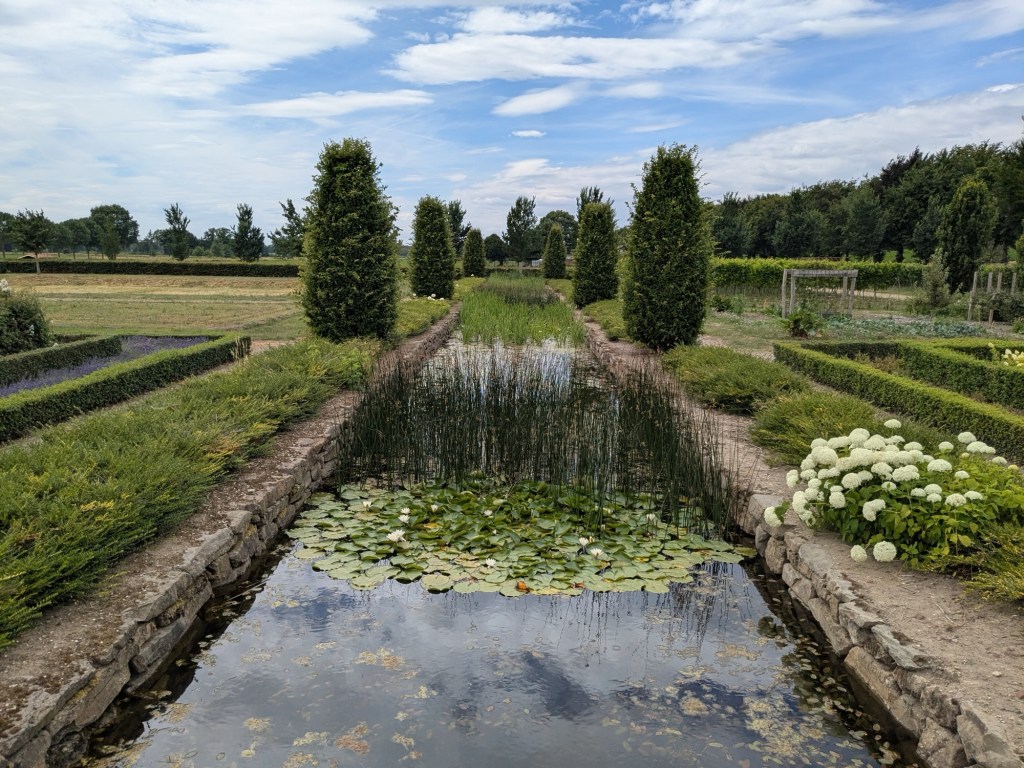
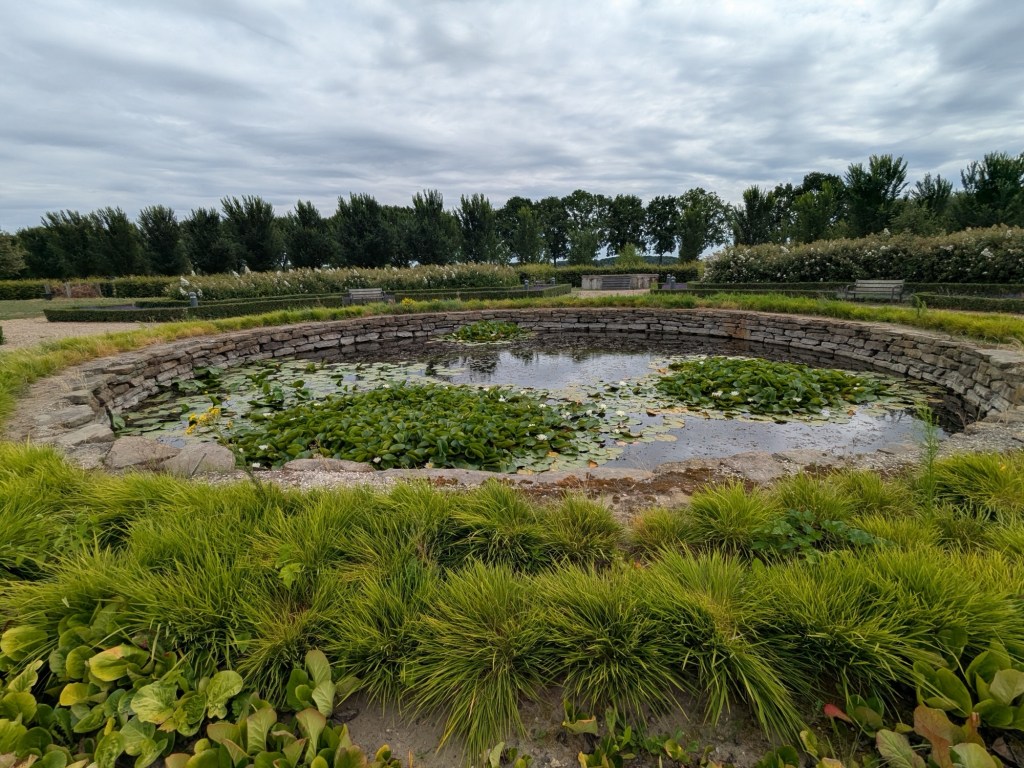
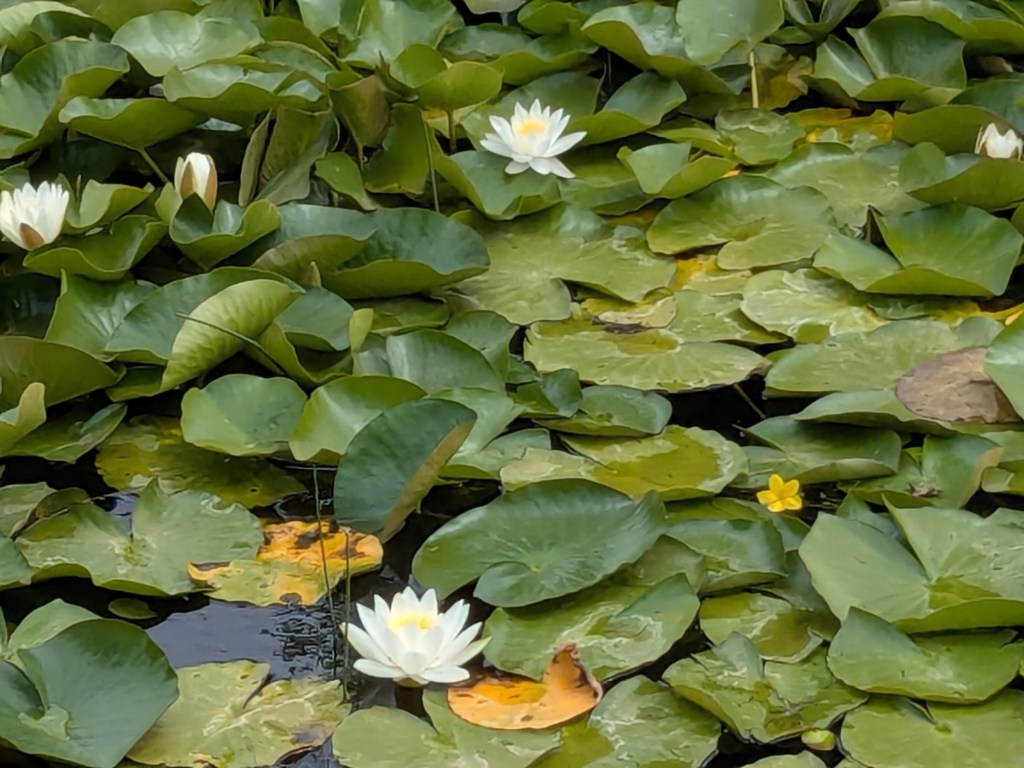
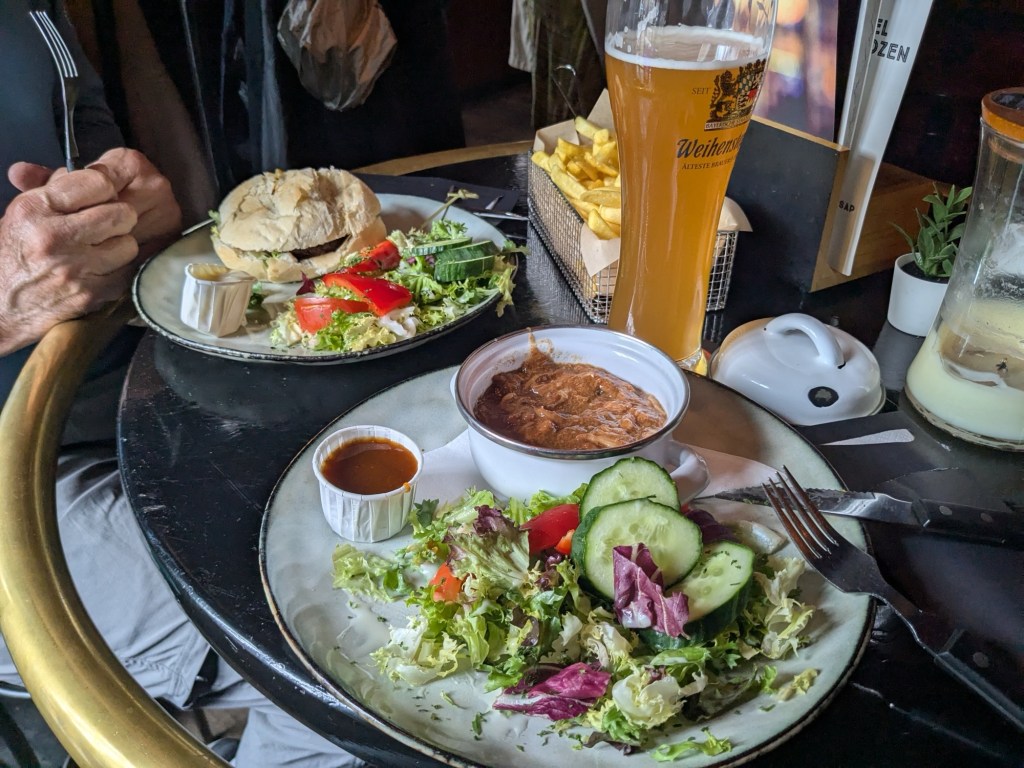
Unfortunately, we will not be here long enough to enjoy Montfort’s annual Ass Festival Our hosts Marijke and Ruud run an absolutely top notch B&BThis is our breakfast area in the back garden.Marijke is an organic gardenerA crabapple tree bursting with fruit. Marijke makes her own jams, preserves and fruit smoothies, which we sampled at breakfastA pear tree, and there is also a mulberry tree (that the yellow jackets really adored)How many eggs would you like for breakfast? Fresh eggs are so delicious, not at all like ones we get at the store.Montfort is known for its castle ruin, but the castle is not open today. Lucky for us, Ruud is a member of the board supervising the restoration of the castle, and he offered to give us a private tour.The castle was built in the 1200s by Henrik van Gelre, a rich bishop who bought up all the surrounding land. The stones for the castle had to be imported from Belgium – floated down the river then hauled overland.A recreation of van Gelre’s skull. As you can see by the big chunk missing from the back, he came to a bad end.“Tis but a scratch.” No it isn’t – your arm is off!” Walking through the castle basement, Ruud explained that this castle was huge by the standards of the time.Surrounded by marshy water, an enemy army could only approach from one sideThe walls were angled so cannons could shoot without hitting the opposite tower – ingenious!Artifacts uncovered during the recent digRuud showed us the dungeonPrisoners were dropped through the hole in the ceiling and left in the small, dark spaceThere is much reconstruction left to go. Unfortunately, at some point the original stones were sold to make other buildings, so new brick is being used.The gardens are also being restored to original specifications Lots of grapevinesGood wine is important!Very symmetrical A circular water feature …with water liliesFor supper, I tried the local specialty of Zoerfleis – a cross between my Oma’s sauerbraten and North Carolina barbecue – pulled beef, marinated in vinegar and spices. It was delicious!A fine day off!
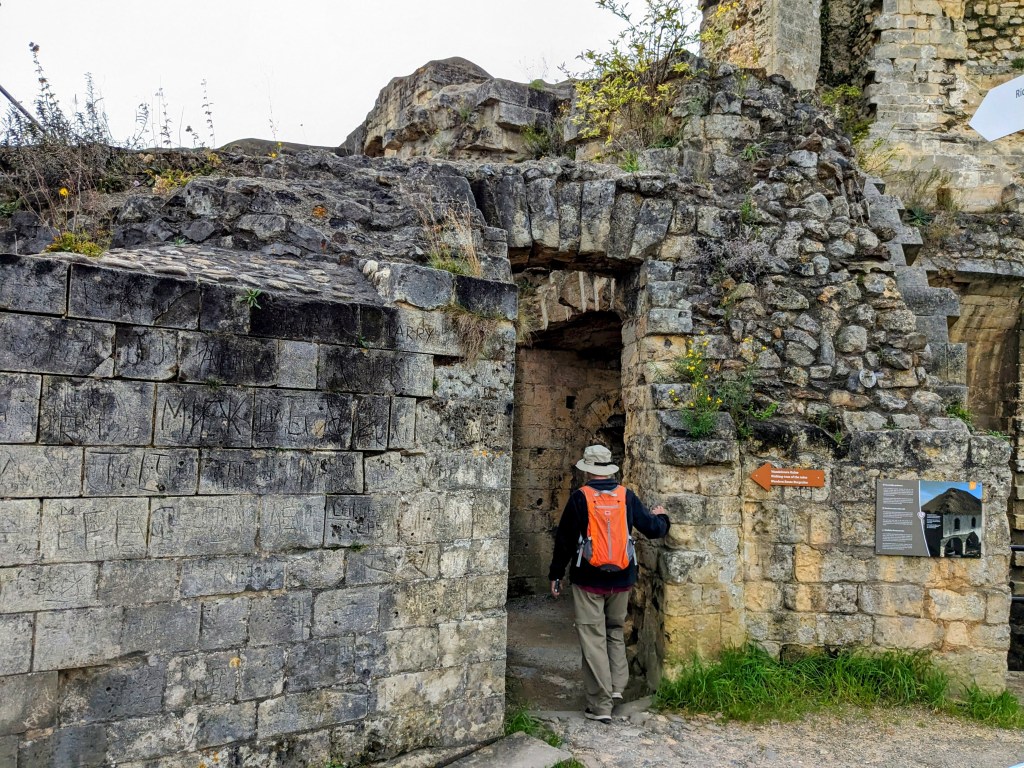
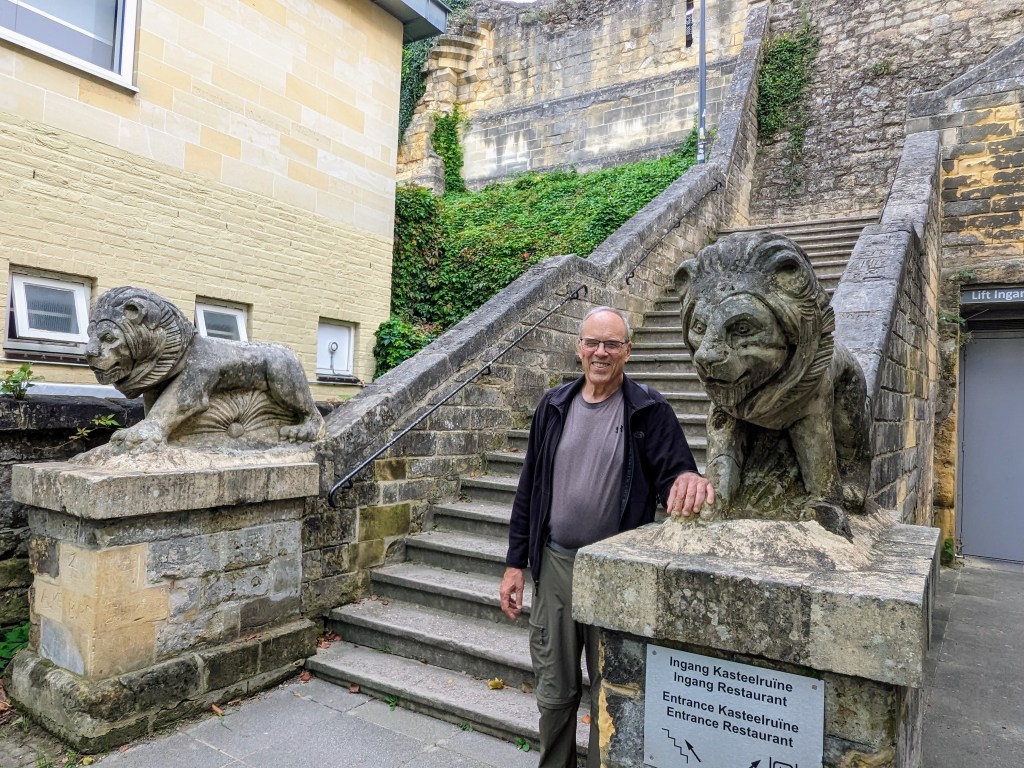
Oct 4 – I think this is the longest we’ve ever stayed in one town! As pretty as it is, we’re running out of things to see. We originally dismissed the idea of paying 15€ apiece to tour the ruins of the castle on the hill, as we could see most of it from the street. By today, however, that option was looking pretty interesting, so here we go!
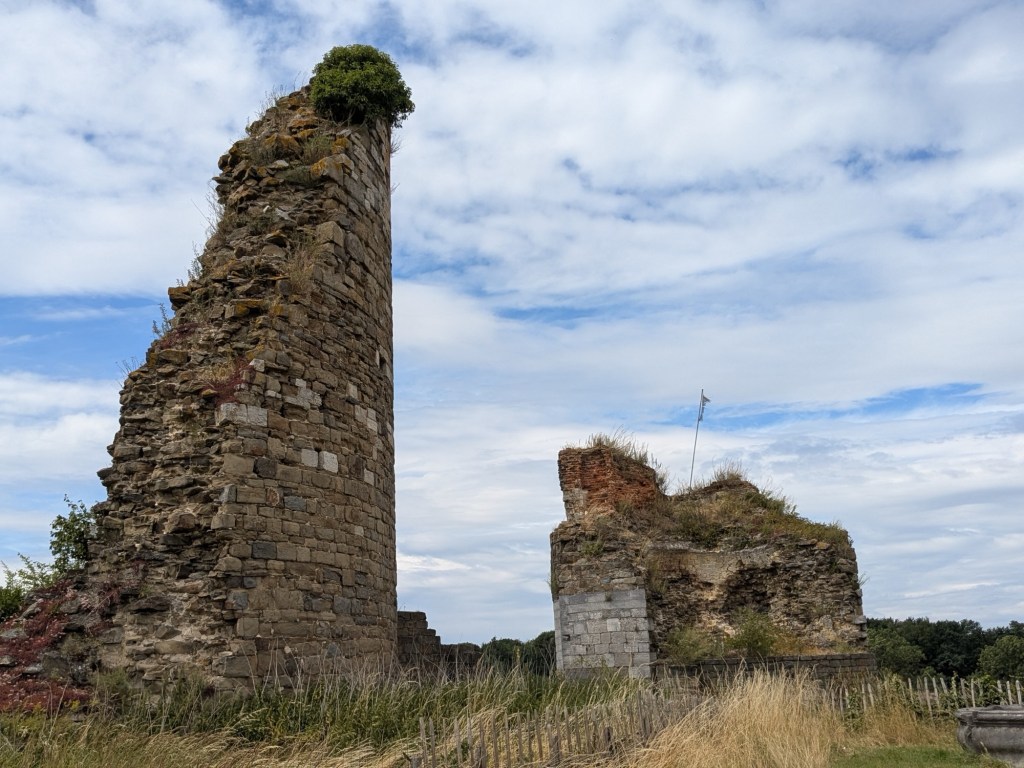
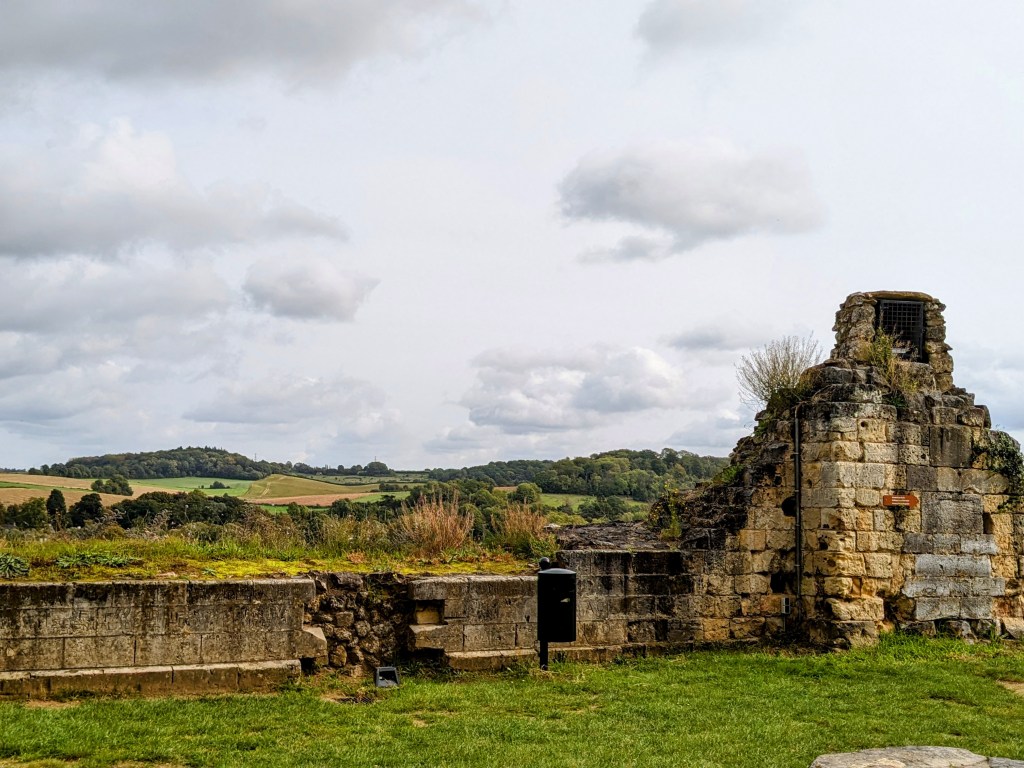
The castle ruins viewed from the streetNow we’ll see them up close and personal!
I mentioned in a previous post that the original wooden castle only lasted for eight years in the 1100s. Stone versions were subsequently built up and knocked right down until the 1400s, when the ruins were allowed to remain ruins. Not much history to tell.
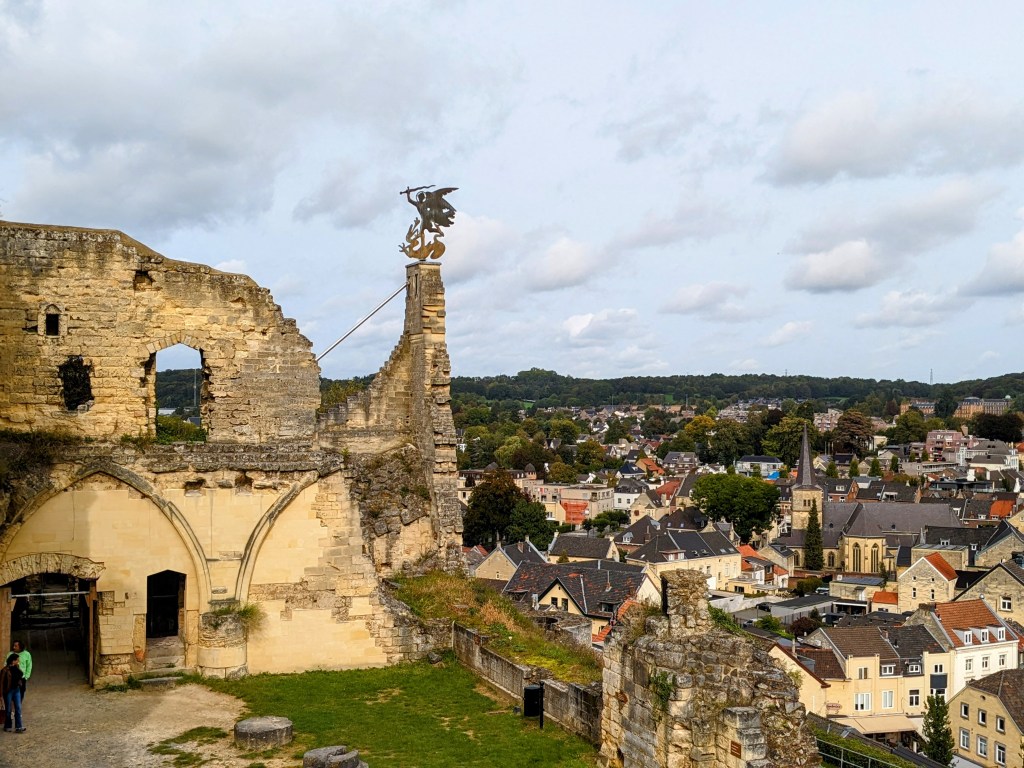
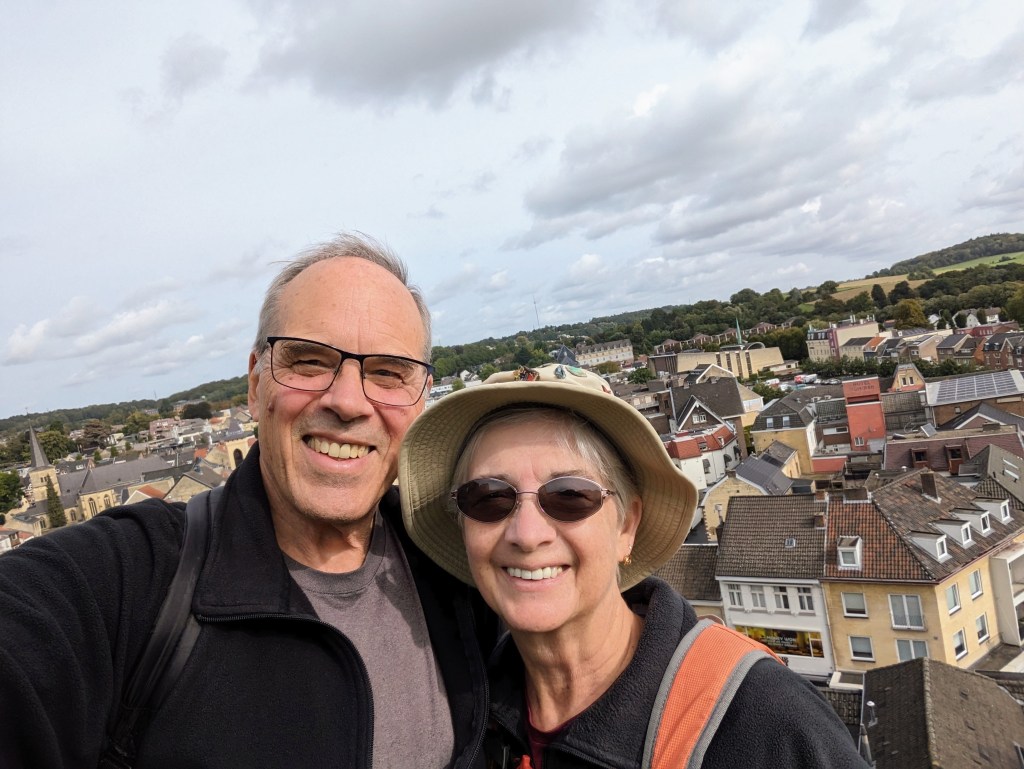
Part of a tile floor unearthed for us to see Nice views of the town below – the metal weathervane depicts St. Servatius with his foot on the neck of a dragonClose up of the St. Servatius weathervaneFrom this angle, you can imagine the bucolic view the original inhabitants sawCastle selfie!
For the price of admission, we also got to tour the sandstone tunnels dug under the castle in about the 14th century.
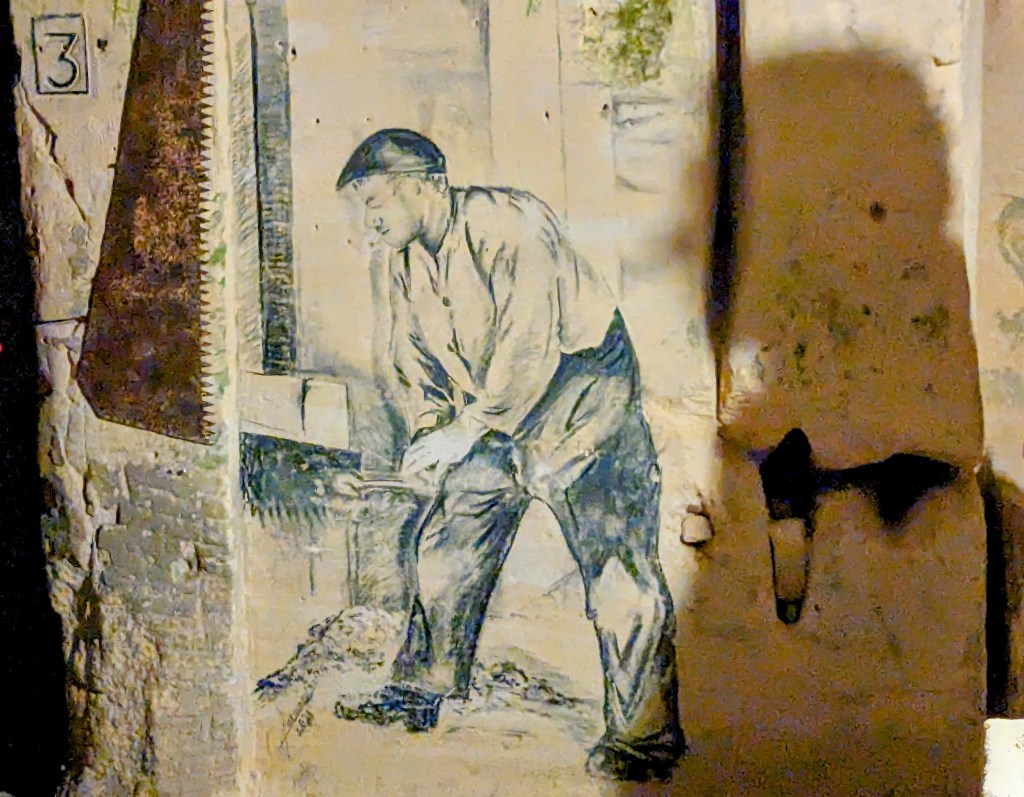
A stonecutter removing bricks from the tunnel
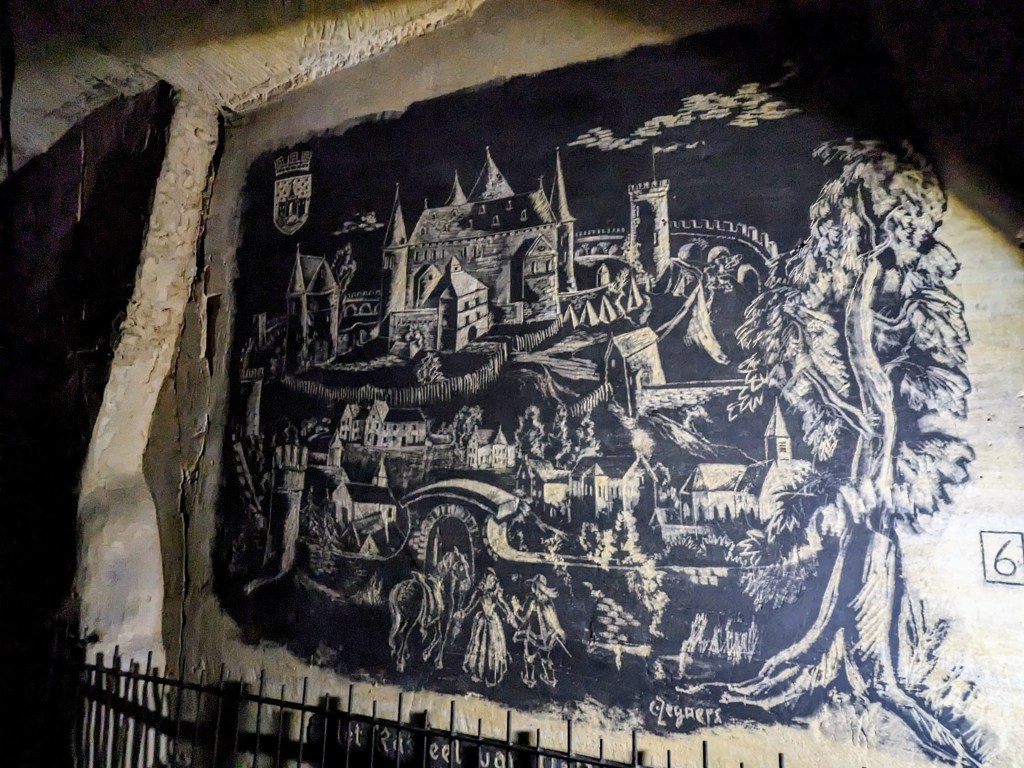
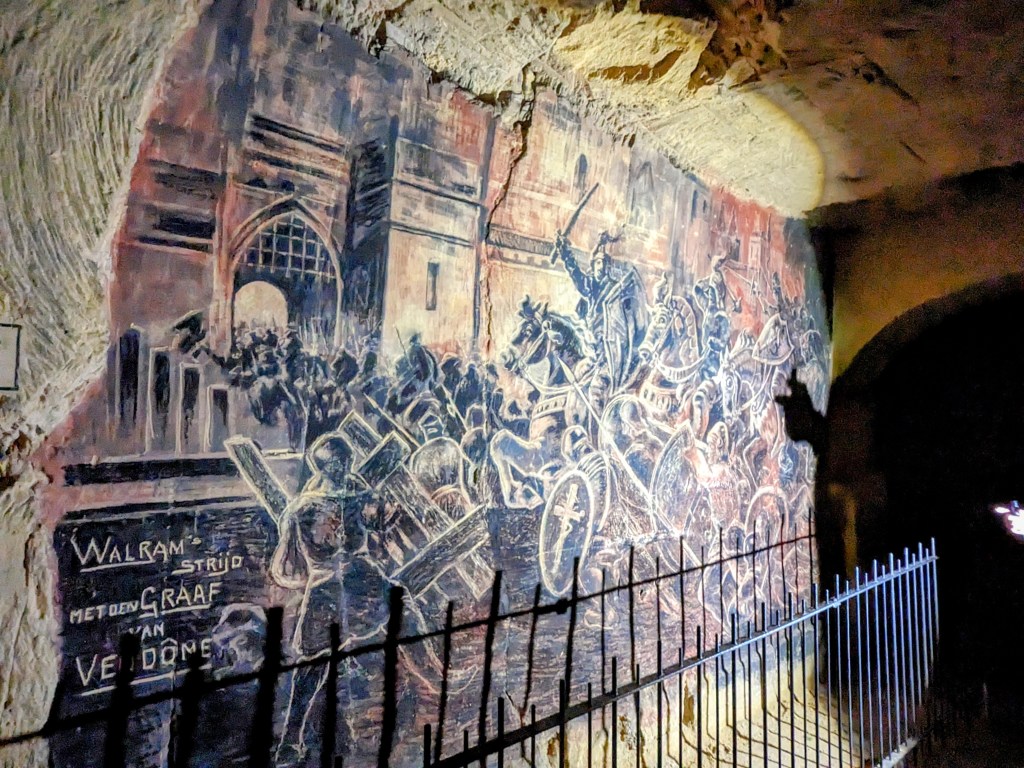
The tunnels provided bricks for the rebuilding of the castle, and also provided a way for the castle inhabitants to escape unseen. Although the tour was only in Dutch, we enjoyed seeing the artwork carved into the soft stone.
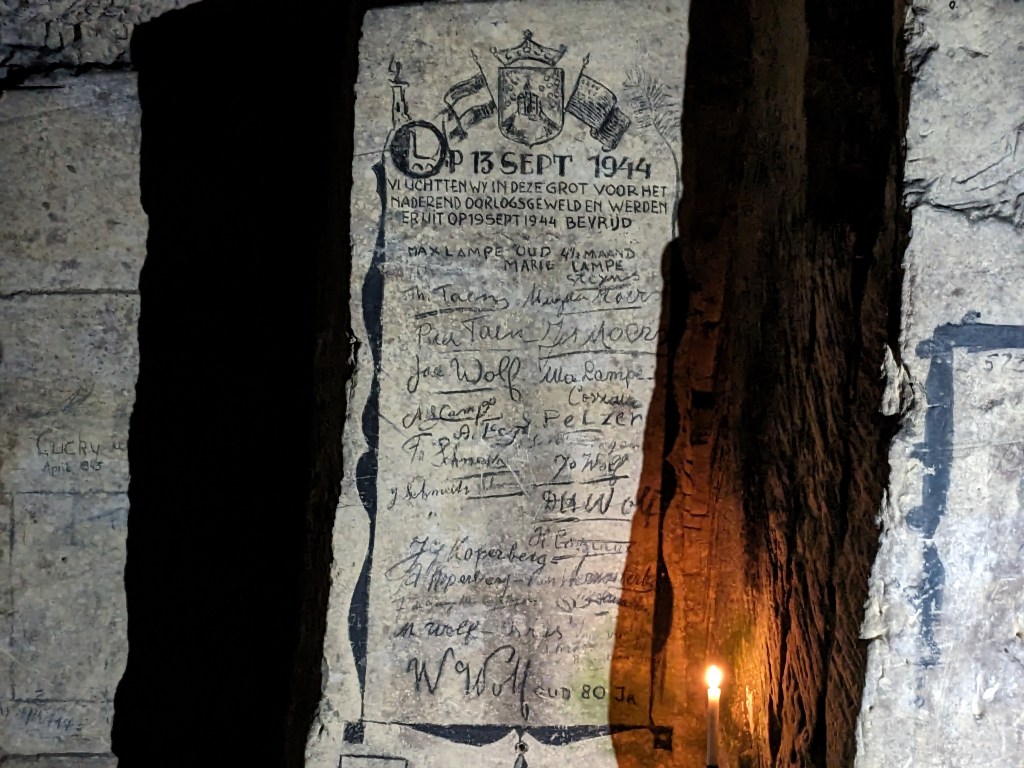
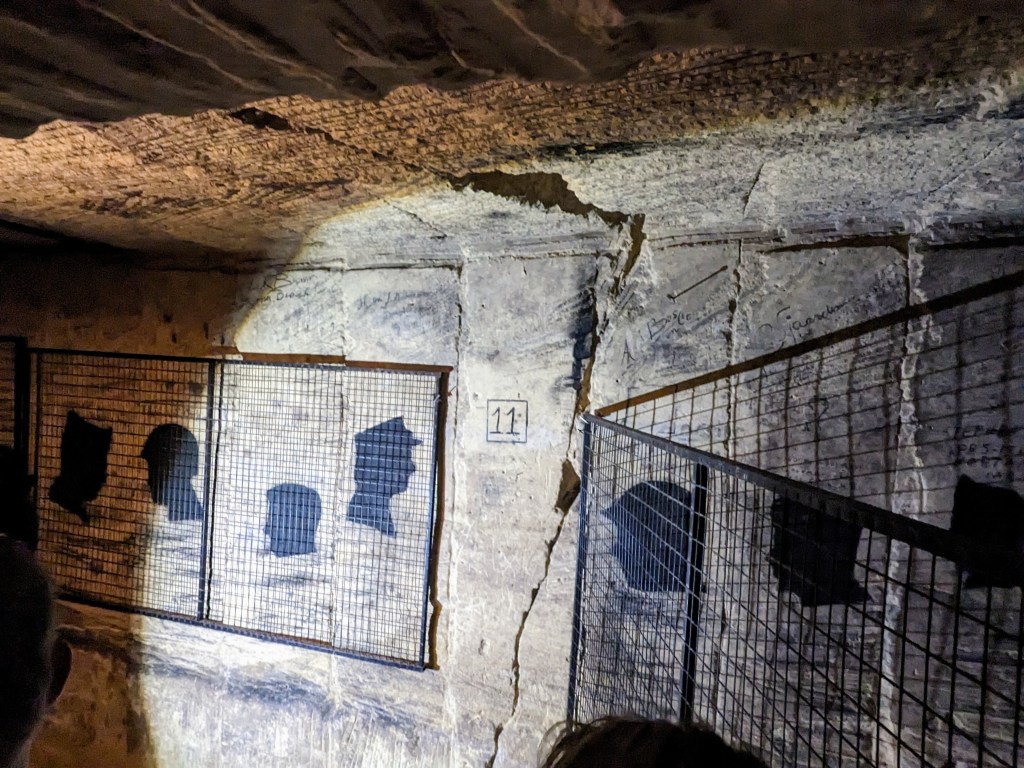
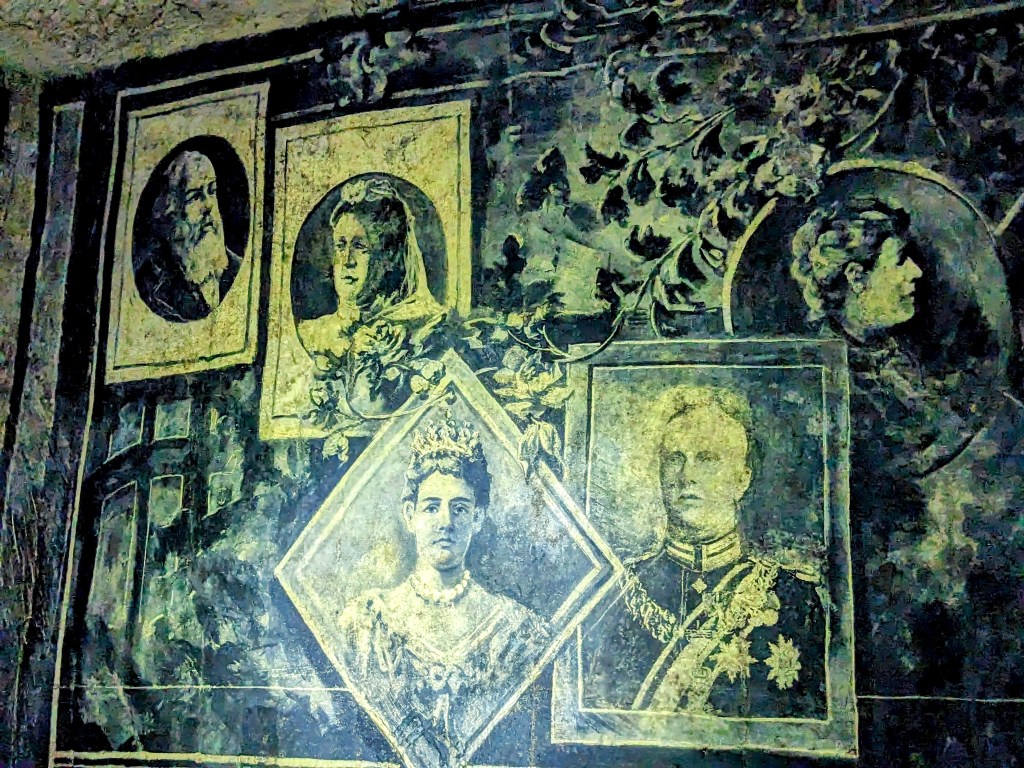
Our tour guide illuminated the artwork with a flashlight What the castle looked like in better daysA siegeThis is the story of two brothers in love with the same princess. When she chose to marry one, the other one, of course, killed her.Some fossilized shells in the sandstone A jawbone of a prehistoric reptile was found in the sandstone. This is what the creature may have looked like! The actual jawbone was taken by the French, and is in a museum in Paris.In September 1944, the Americans liberated Maastricht and Valkenburg from the Nazis, and used these tunnels.The G.I.s left their signatures in the soft stone, and a local artist drew their silhouettes below.Queen Julianna and her family
In the 18th century, a subterranean chapel was carved out of the sandstone.
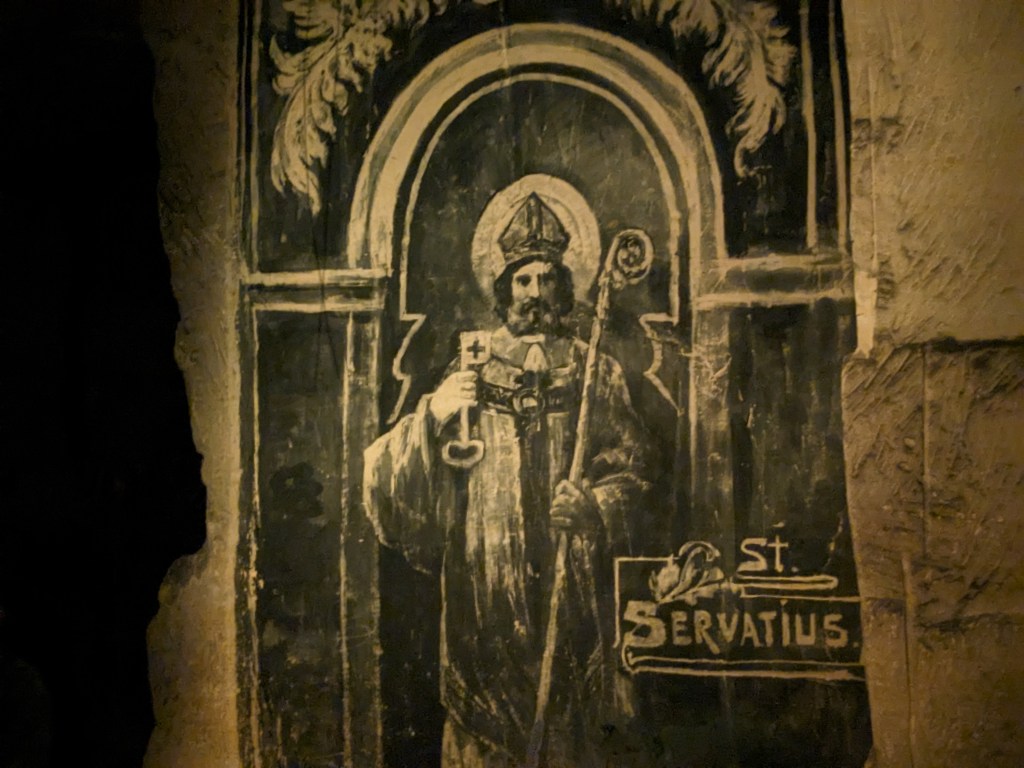
St. Servatius, the patron saint of Maastricht, lived in the fourth century.The carving above the altar
So, what do you think? As always, we learned something today, well worth the price of admission!
















 Taking Our Time