Tag Archives: Archeological Museum

A side trip to Xanten, Germany

Sept 22 – We couldn’t be so near to Jim’s friend Boris without taking a short excursion to Germany so that the two old friends could catch up. Jim made it sound like it was just a short hop across the border, but it was actually four hours of train and bus connections to get us into Xanten (ZAN ten).

We got to our weird little hotel in the middle of an industrial park, and I started feeling odd. All the symptoms of a cold, but with a fever and chills added in. Now, we had our flu and RSV vaccines just before we left, but the updated Covid jabs were not yet available. Yes, I wore a mask at the airport and on the planes. No, I didn’t put on a mask once I got into town – no one here was wearing one, and I thought I had evaded whatever germs might be gunning for me. I was so wrong.
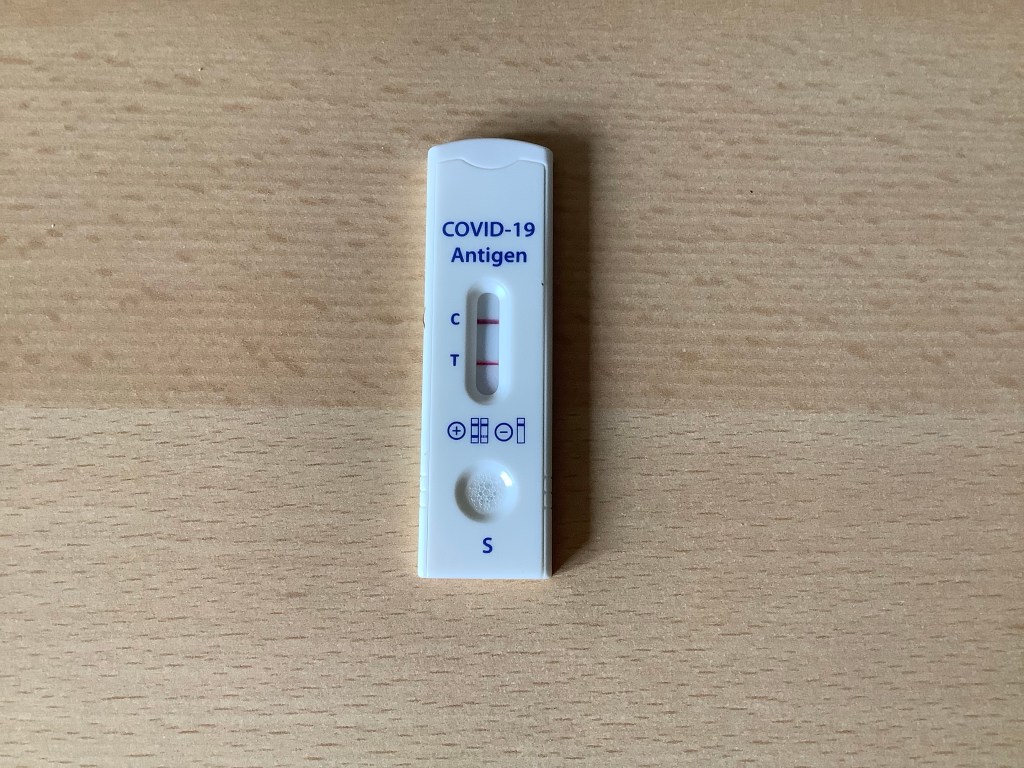
So, Jim had a grand time catching up with his friend, and I had a few days to contemplate the meaning of life.

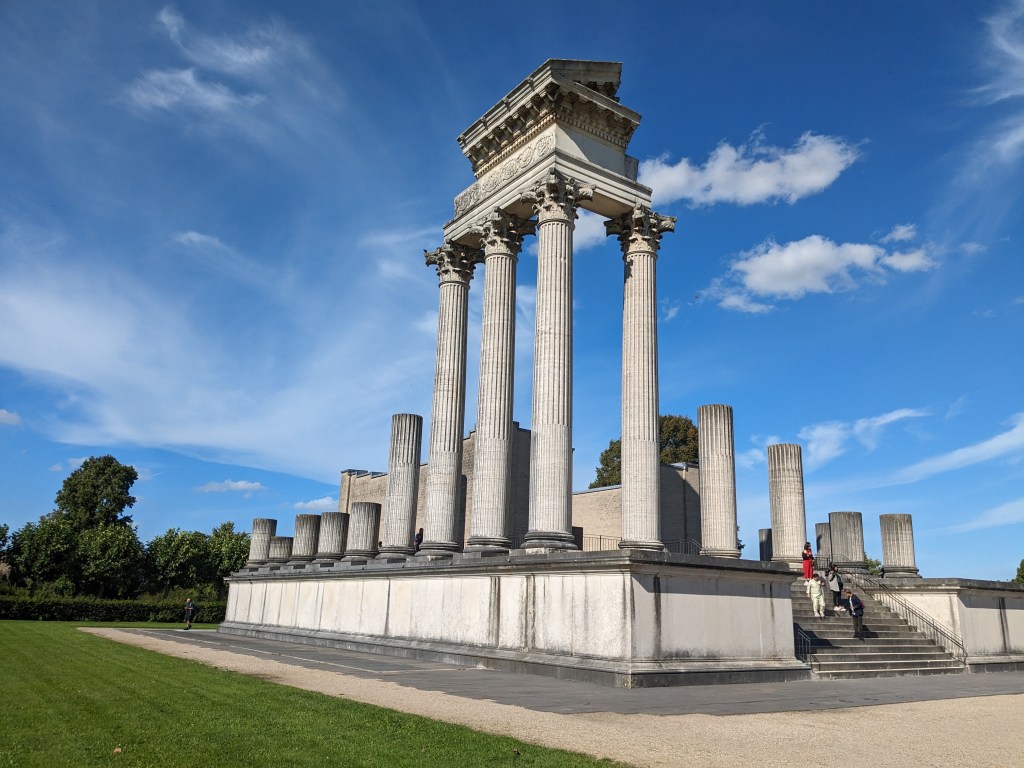
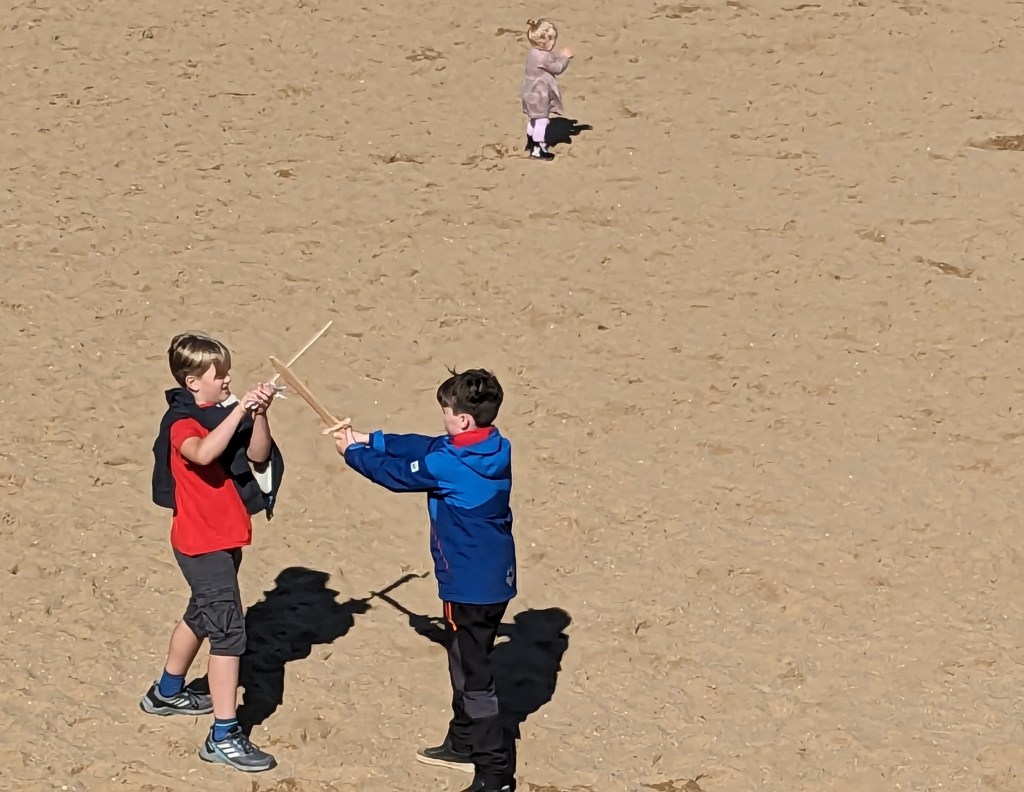
Sept 24 – Today Jim and Boris visited Xanten’s biggest attraction – an archeological reconstruction of the Roman settlement of Colonia Ulpia Traiana.
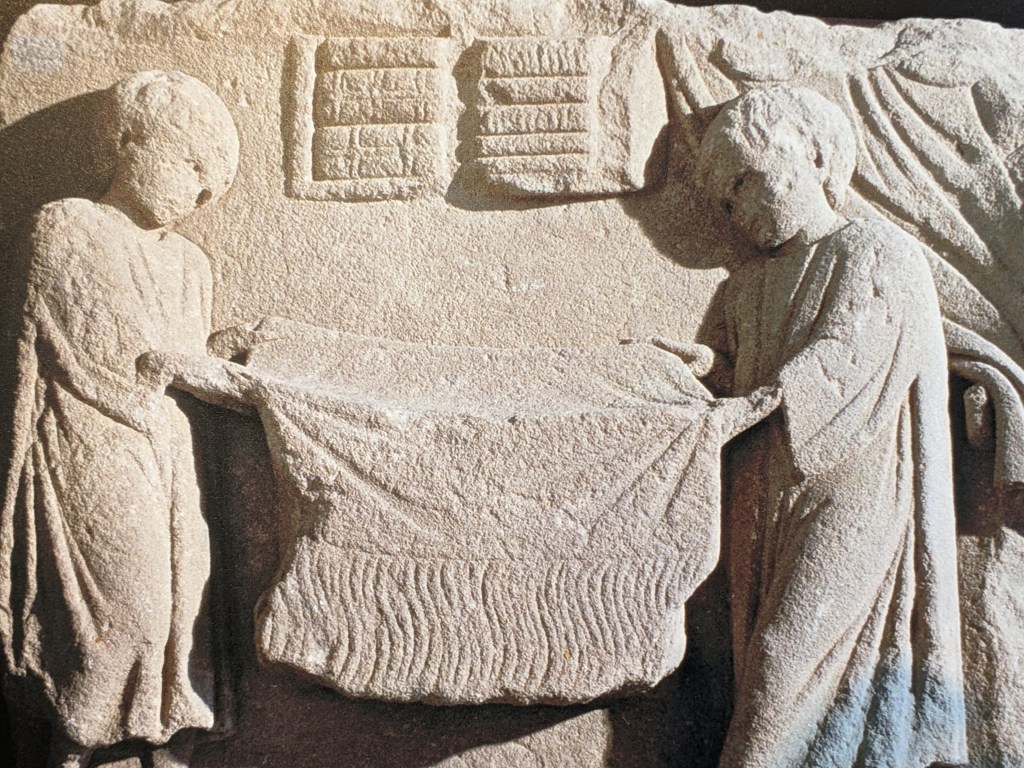
Examining textiles
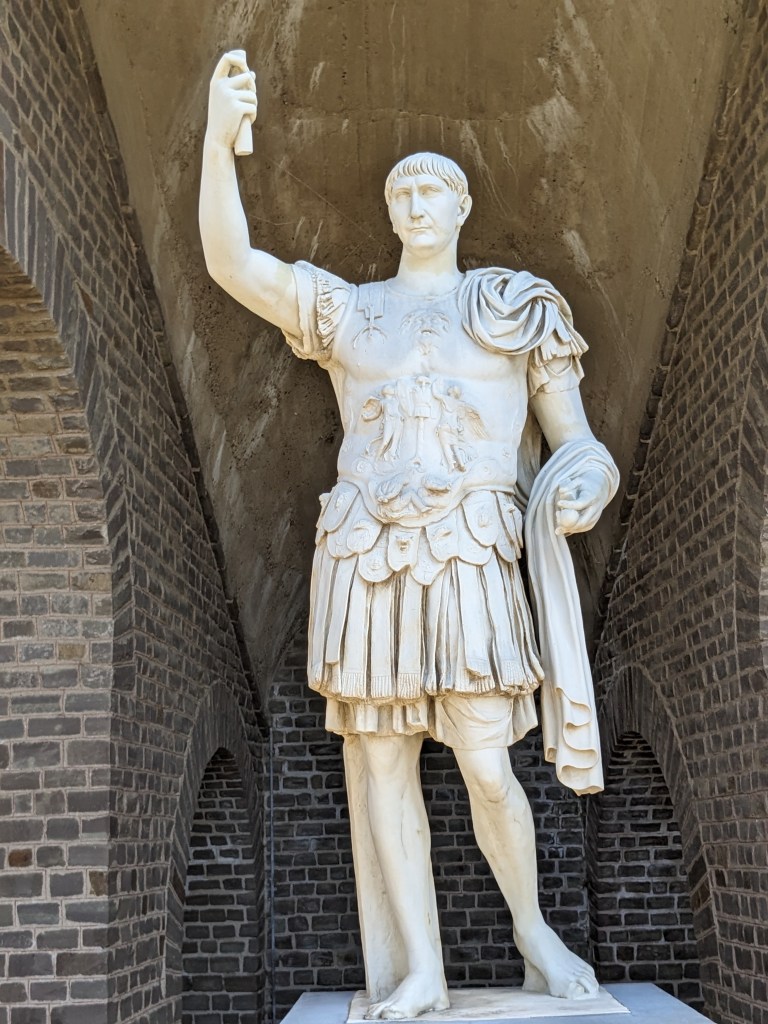
What a well dressed Roman wore
What the Hafen tempel partially looked like
Authentic Roman sausage, anyone?
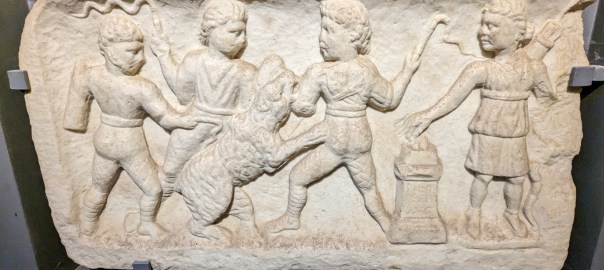
Training future gladiators
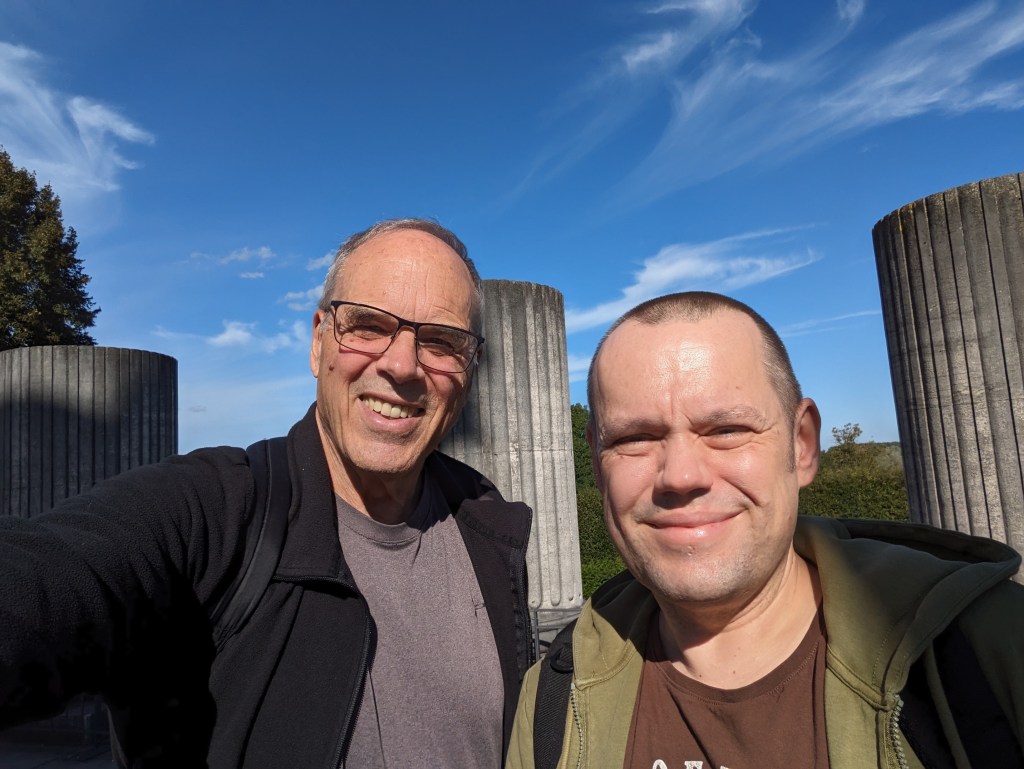
A good day for Jim and Boris

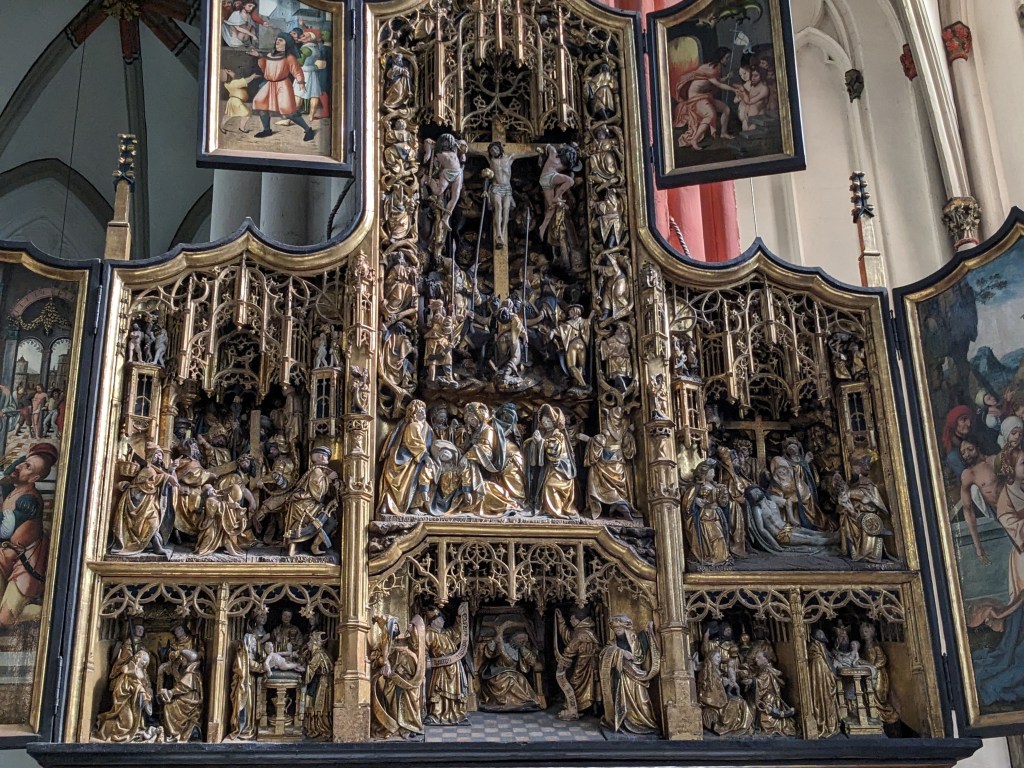
Sept 25– So, Xanten is the only place in Germany that starts with the letter X. Boris had no idea what the word meant, so I turned to my old friend Wikipedia, which informed us that Xanten is a corruption of the Latin Sanctum (holy) or perhaps Santen (saint), both referring to St. Viktor, an early Roman convert to Christianity who was executed in this town during the 4th century for refusing to sacrifice to the Roman gods. There is a huge cathedral in town that bears his name.
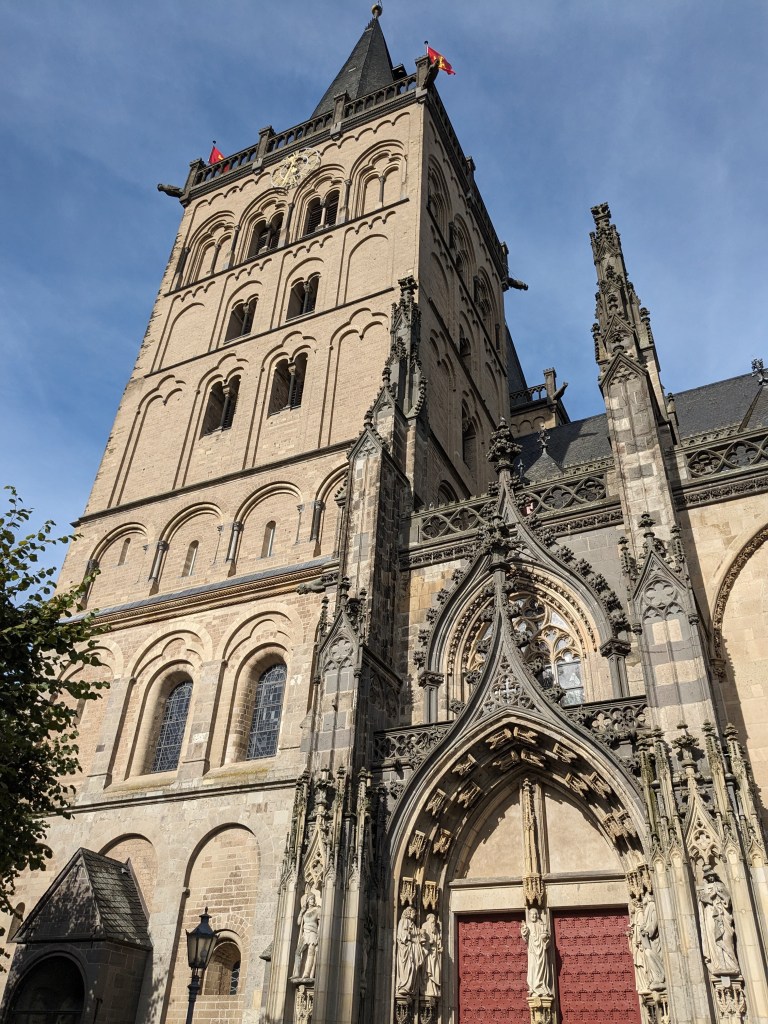
St. Viktor Cathedral
Intricate wooden carvings
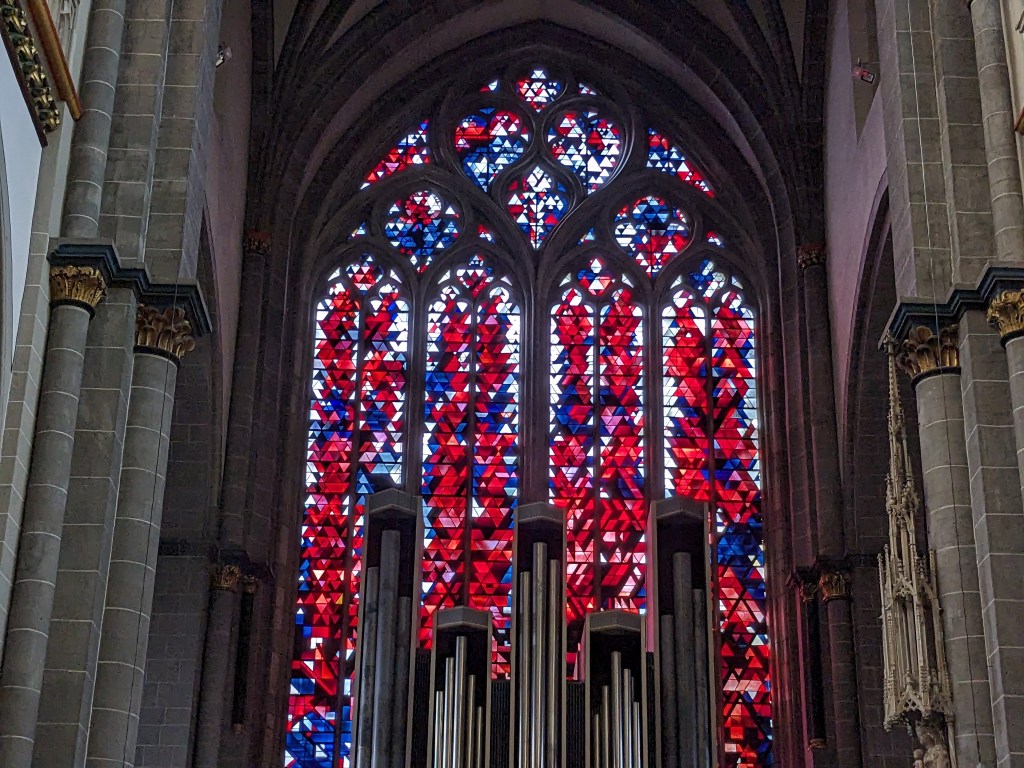
Beautiful stained glass and organ pipes
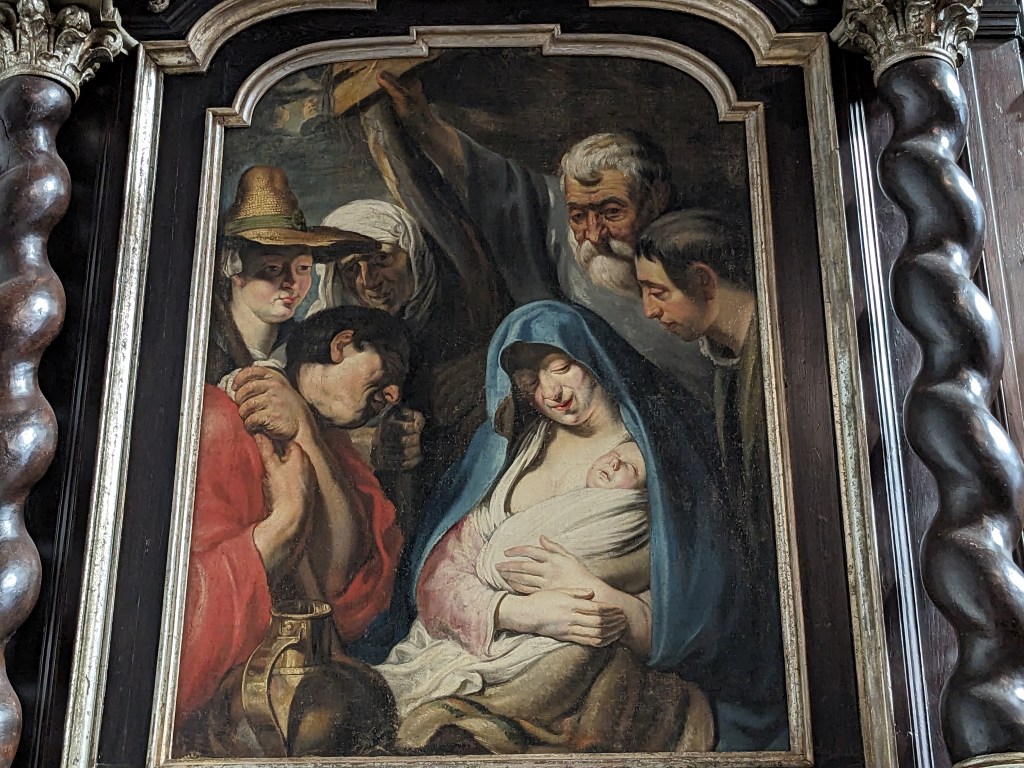
Funny looking Madonna and child
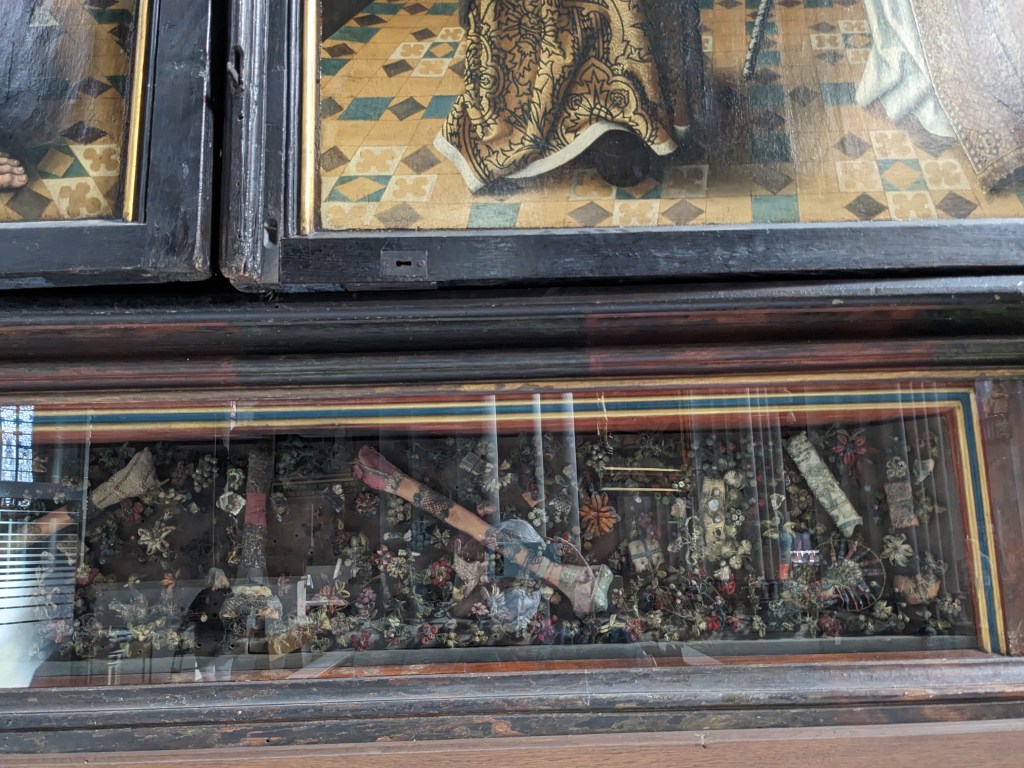
Somebody’s bones

So that was our trip to Xanten. As Boris drove us back to Netherlands to begin our Pieterpad hike, Jim started to feel odd…
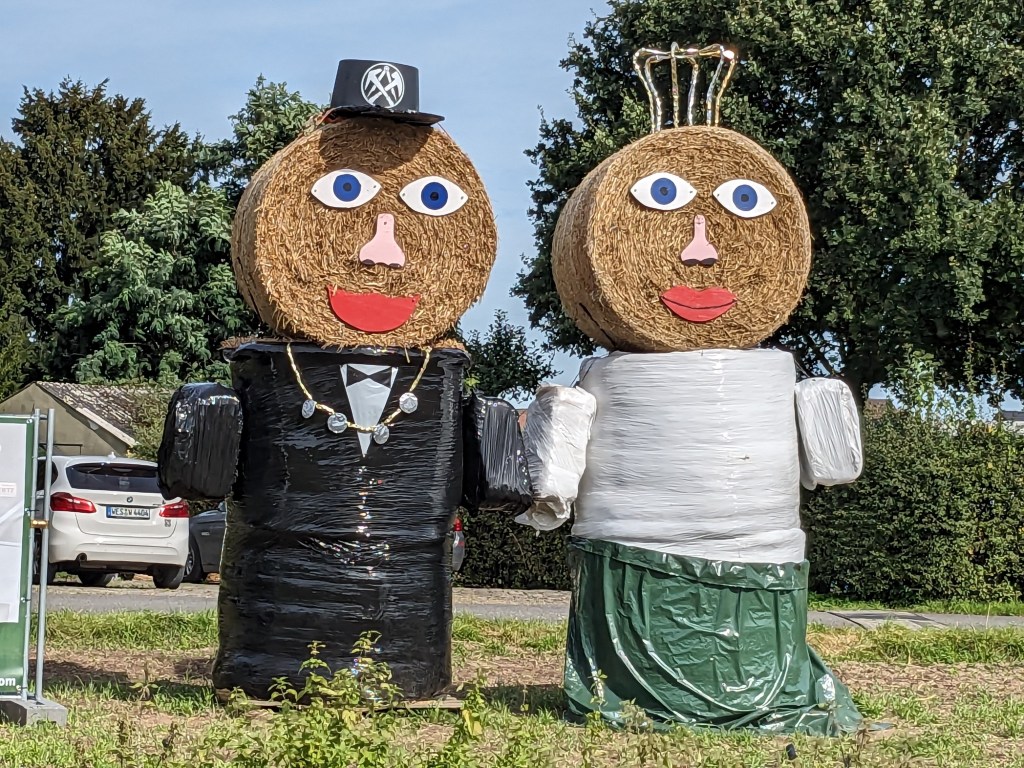
Farewell Germany – it’s been grand!

Konya – the Archeological Museum

1/14 – Close to Konya is the archeological site of Çatalhöyük, where artifacts as old as 9000 BCE have been salvaged from underground houses that pre-date the concept of a village (buildings with differentiated uses). Excavation has been going on since the 1960s. It’s a little cold to visit the excavation, so we decided to do the next-best thing and visit some of the artifacts at Konya’s Archeological Museum.

We navigated across town thanks to the Google Maps GPS on our phone. I really can’t imagine how we could have gotten this far without it. It’s another cold, grey-slush day. A little girl says Hello! as we pass. When I reply Merhaba! (hello) her face lights up with delight.

We pay 5 lira each admission, and the security guard flips on the light switch and motions us into a dusty room. We are the only visitors.

The first room is filled with Roman sarcophagi from the 3rd century CE.

The detail and preservation here is excellent. The carving is intricate, and depicts scenes from life.

There are also pieces of mosaic floor, undated (not much signage here).

The next room has the artifacts we came to see. Pottery from 1950 to 5000 BCE. Said another way, these pots are up to 7000 years old! This blows my mind.

An incredibly old bathtub.image

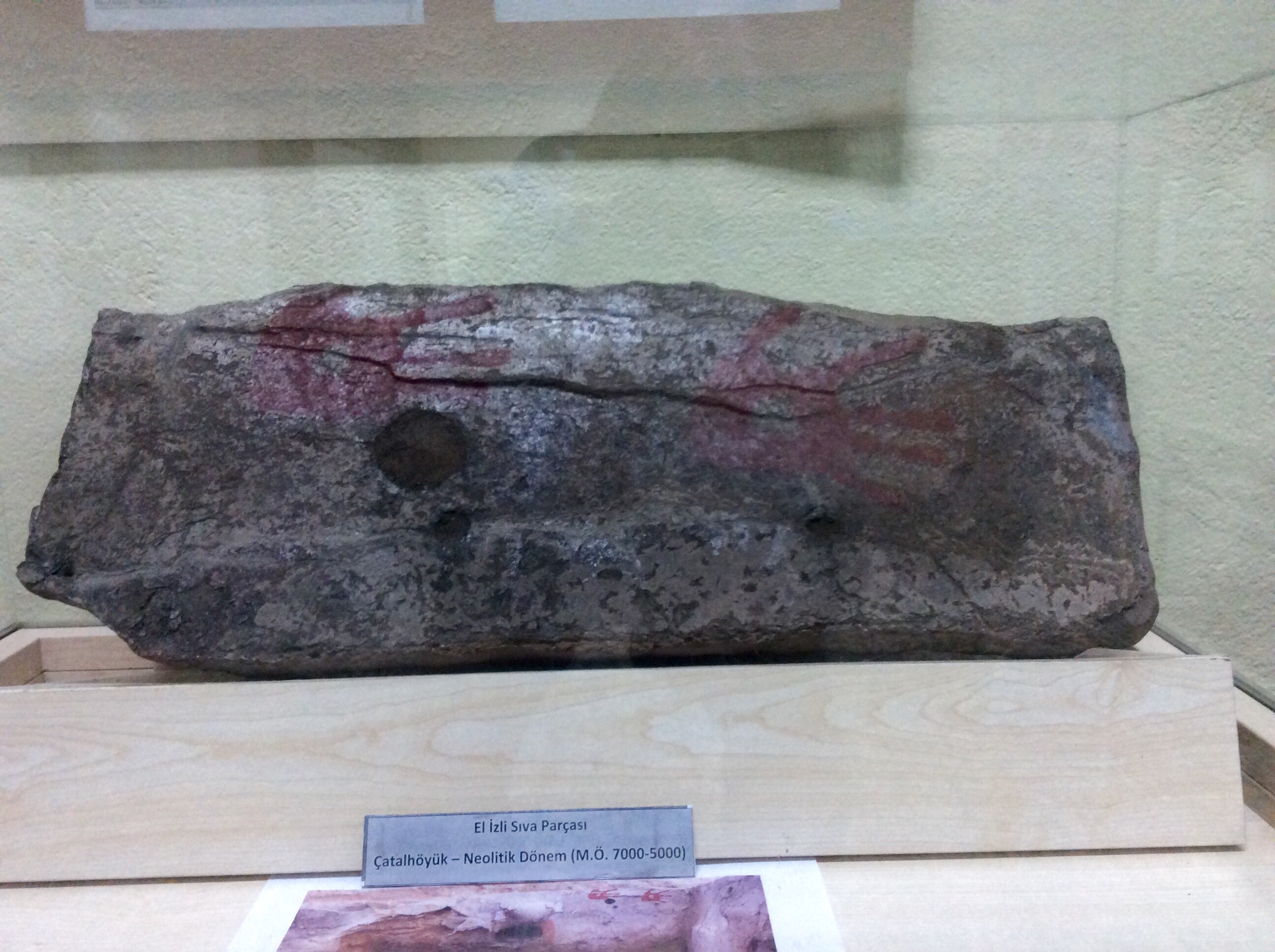
Here is an Çhatalhöyük artifact with red handprints, dated 7000 BCE. 9000 years old!image

The skeleton of a one year old child, buried with bracelets on wrists and ankles. Bodies were buried in baskets, under the floors of the houses. image

Here is a lamp, shaped like a bunch of gropes. Although I smile when I see attempts at English translation that fall short of the mark, I am very grateful for all the signs we have encountered that make the attempt. We would be lost without them! image